Just getting off our bikes from the Ha Giang loop, we had a bus the same evening to Sapa, to leave Vietnam before our visa expires the day after!
We only had one day to spend in Sapa. From there a night bus would take us Dien Bien Phu, where we would take another bus to cross the border to Laos and to Muang Khoa, the nearest town.
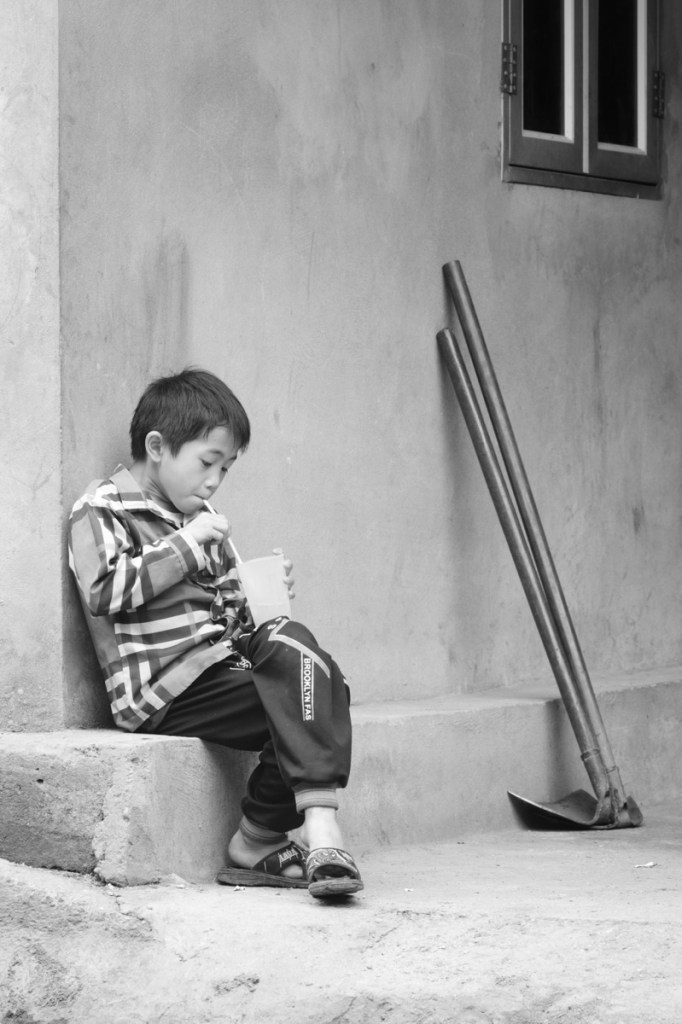
In Sapa we could immediately feel the stronger touristic vibe as ladies in traditional clothes stopped us every 10 meters to sell handicrafts. After lunch, we stopped on a square to play Da Cau with Leo (the “foot badminton” game!). Soon a local boy joined us; he was a lot more talented than us and made the game more fun. Until the cheap toy broke and we had to stop!
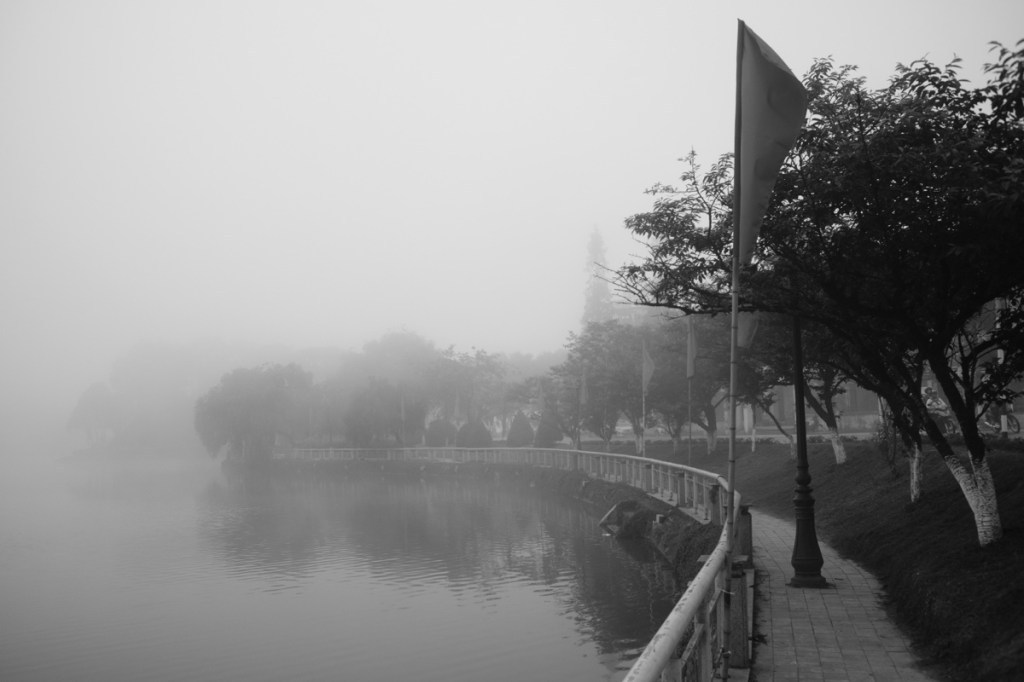
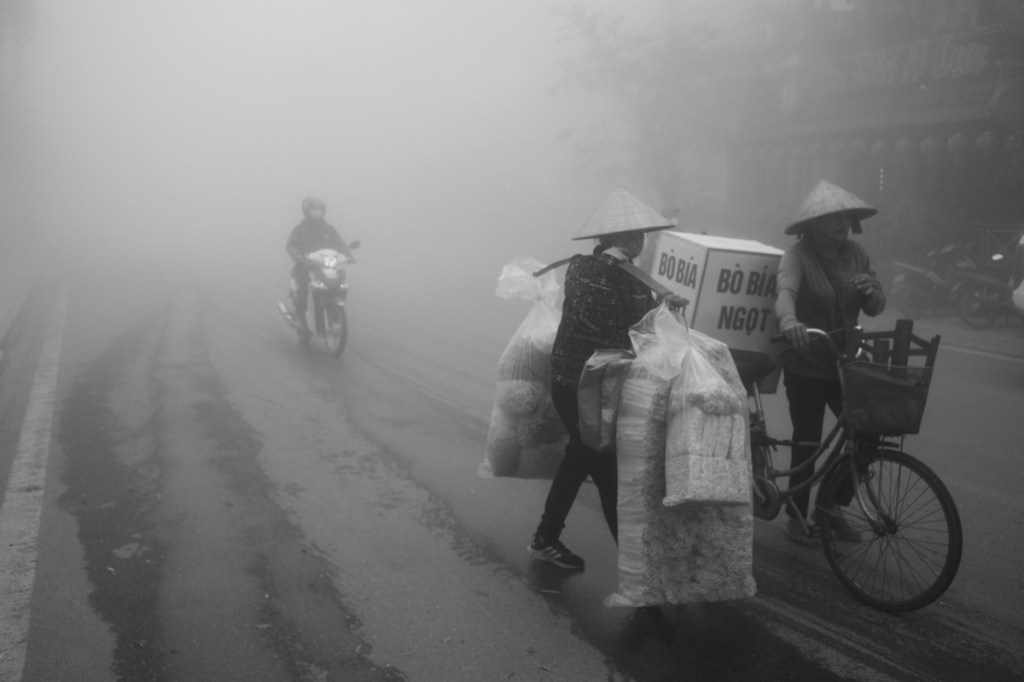
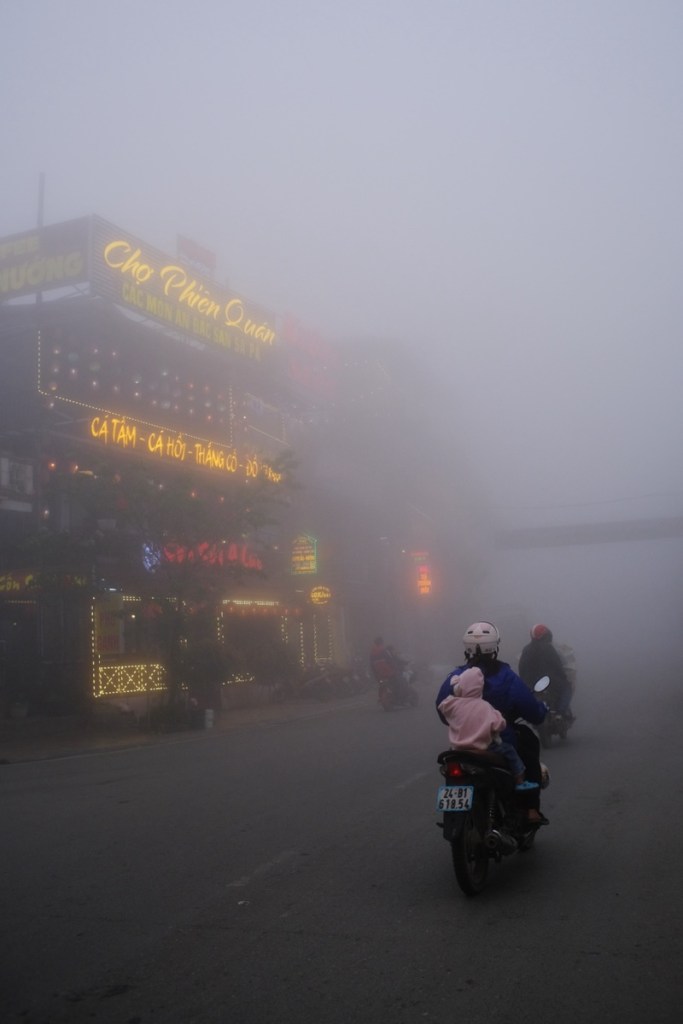
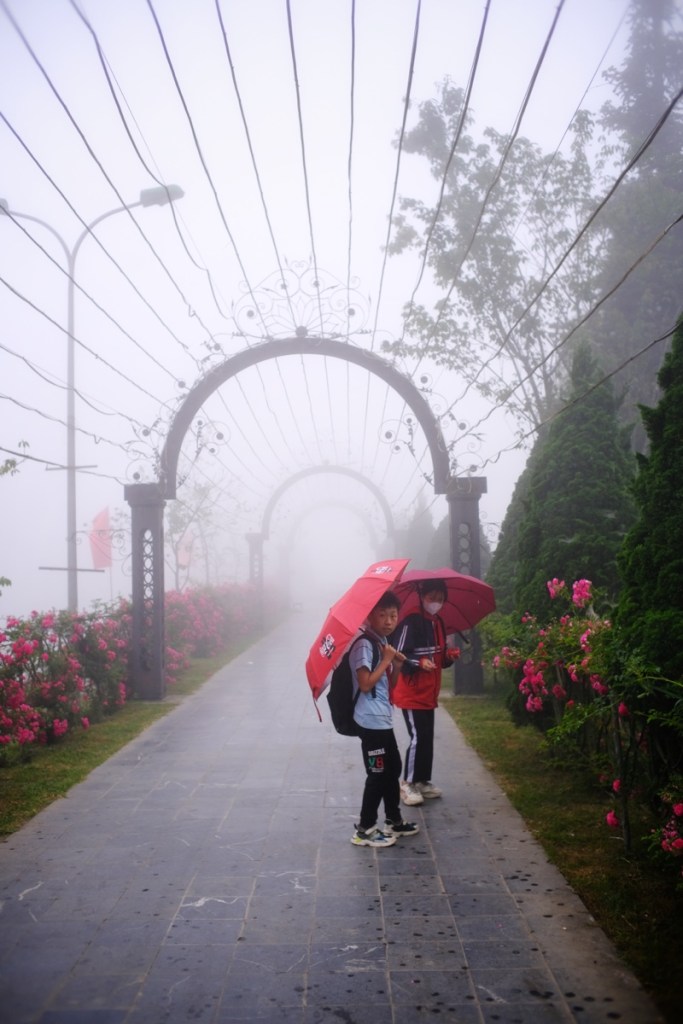
While we were playing, a heavy fog fell on the town and soon we couldn’t see 5 meters in front of us!
The bus to Dien Bien Phu was supposed to come around 6pm, but it got delayed because of the fog. After a few hours, the hotel (from which we organised the trip to Laos) graciously gave us a room to get some rest, as the bus was still not coming.
Suddenly, around 11pm maybe, they knocked on our door and we had to run to the bus!
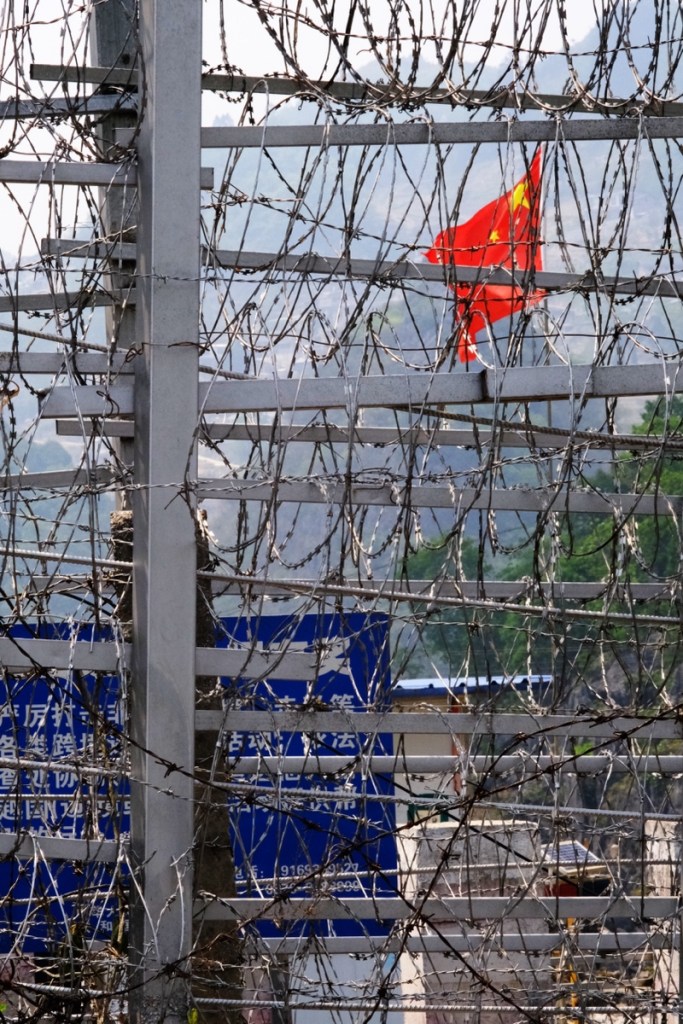
The next morning, we reached just on time to hop on the next bus, to the Laos border. With us, mostly Vietnamese folks and 3 other tourists. When we reached the border, two of the tourists (from Denmark and Slovenia) believed they could do Visa On Arrival, but it was refused and they had to return! By chance, Mary had done the research for us, and we had our visa ready, from the embassy in Hanoï. We hopped back on the bus and continued to Muang Khoa in Laos.
From there, we were to continue straight to Nong Khiaw, our first “official stop” in Laos. But it wasn’t going to be so easy! There was no bus right away; we had to spend the night here and in the morning we’d have two options: either go by boat or by bus.
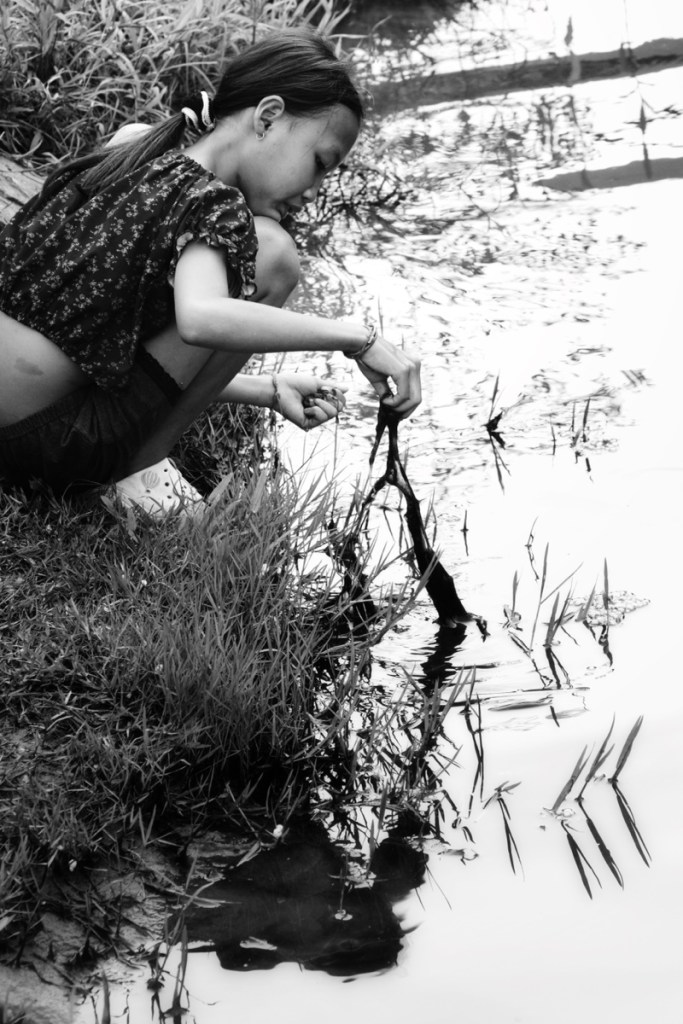
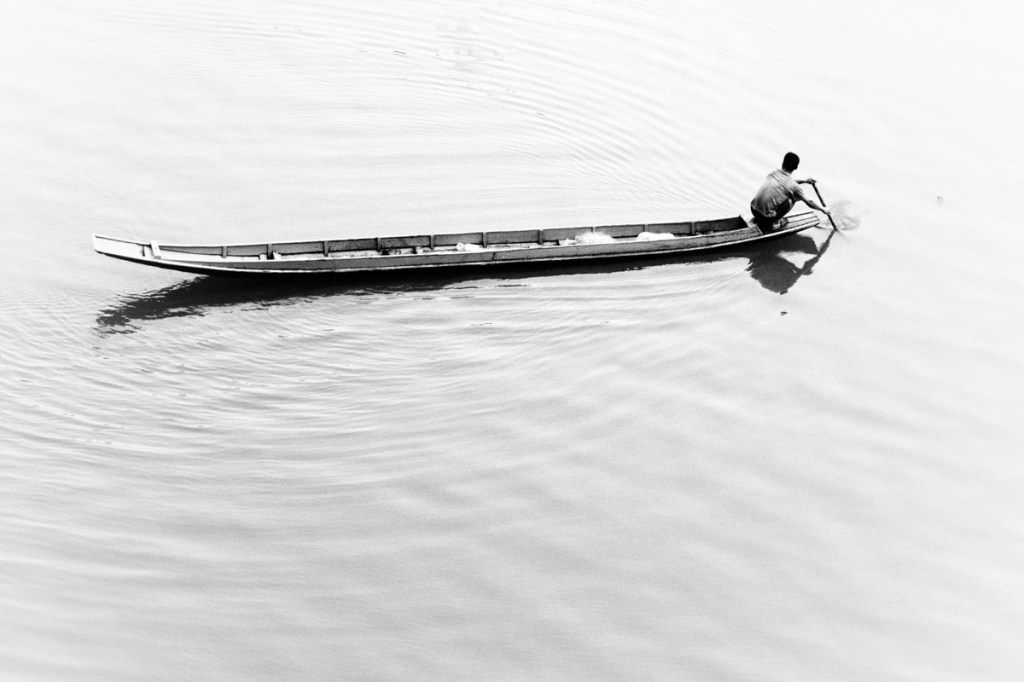
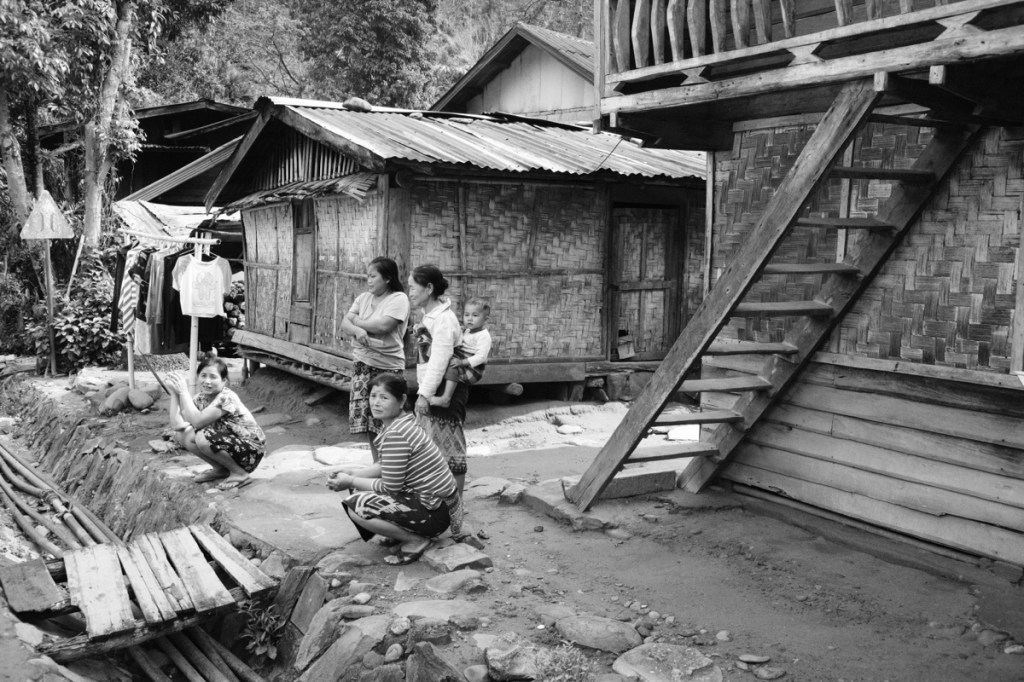
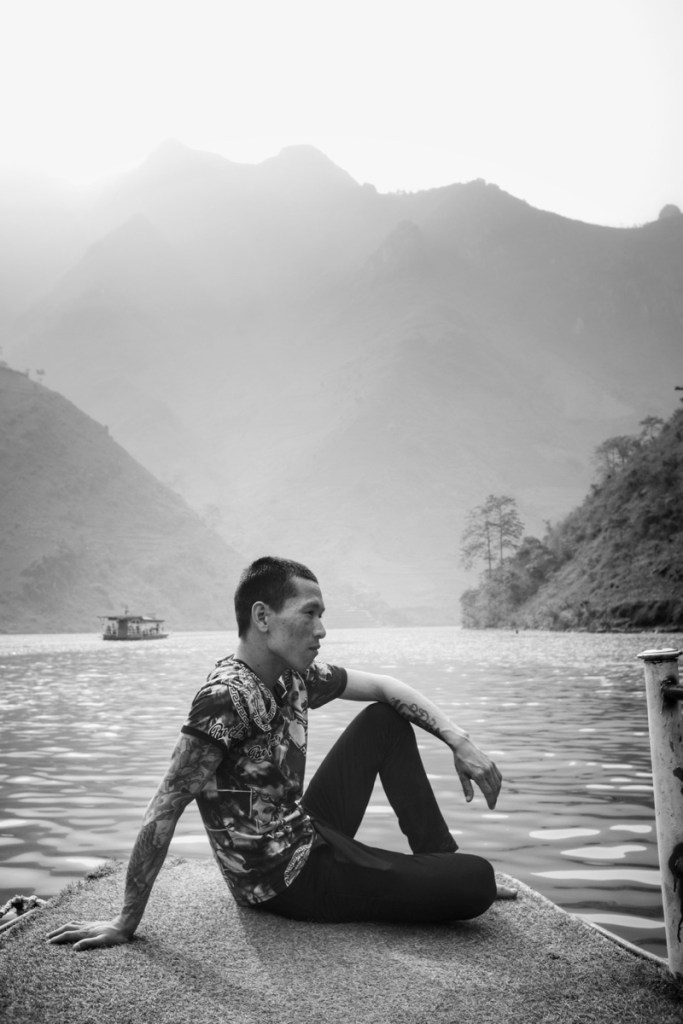
Muang Khoa is a cute little town, nothing fancy or very scenic but a quiet vibe and friendly people. In the evening, I took a stroll by the pier to take some pictures while Leo and Mary took a nap.
The boat option is 5 hours on a small boat, sitting on a wooden plank, and there were risks of heavy showers, so it didn’t seem so appealing. Plus it was more expensive than the bus. So we chose to take the bus.
Wrong choice!
There is no direct bus to Nong Khiaw. We took a first bus to Oudomxai, from there we would take another bus to Pak Mong and from there another one to Nong Khiaw.
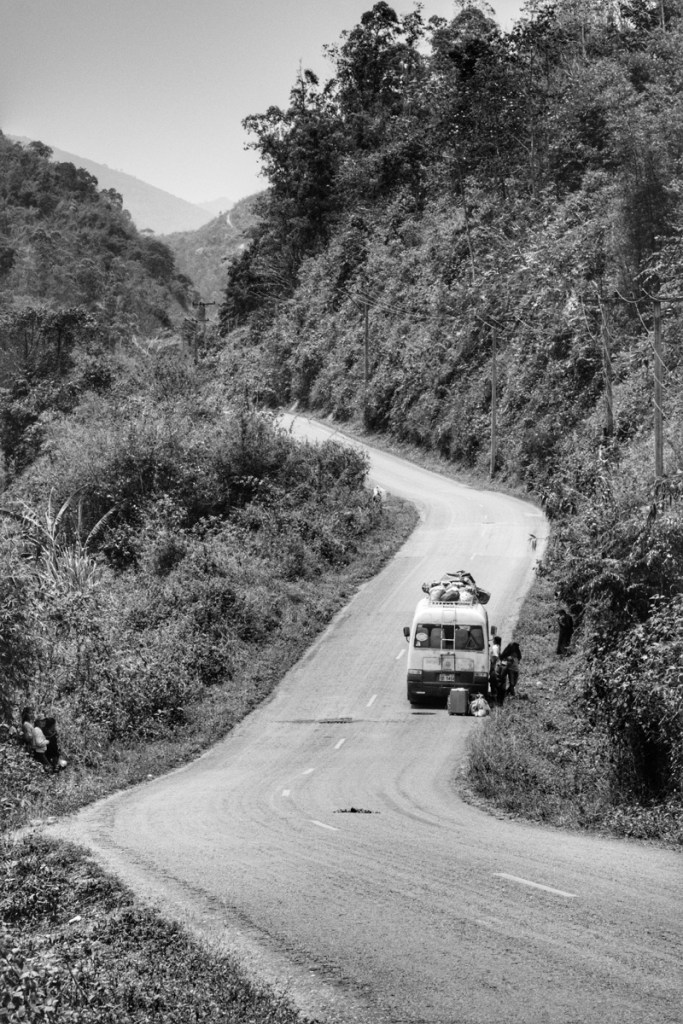
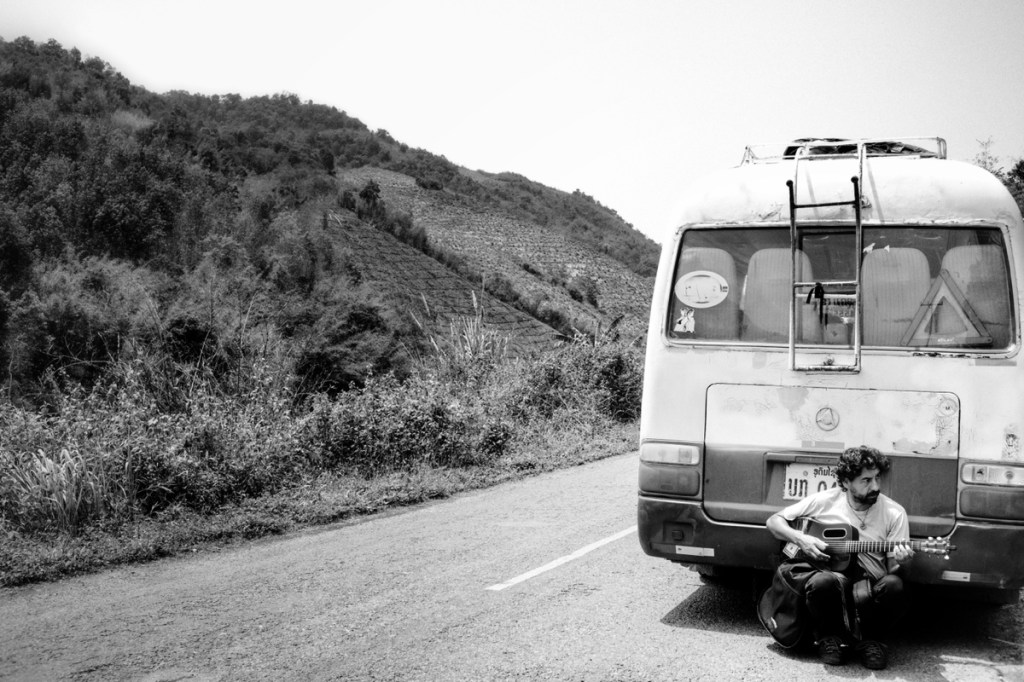
Two hours down the road to Oudomxai, our engine breaks! We have to wait for an hour or so in the middle of the road, under crushing heat, for another bus to pick us up. When we reach Oudomxai of course, we’ve missed the bus to Nong Khiaw and we must spend one night here!
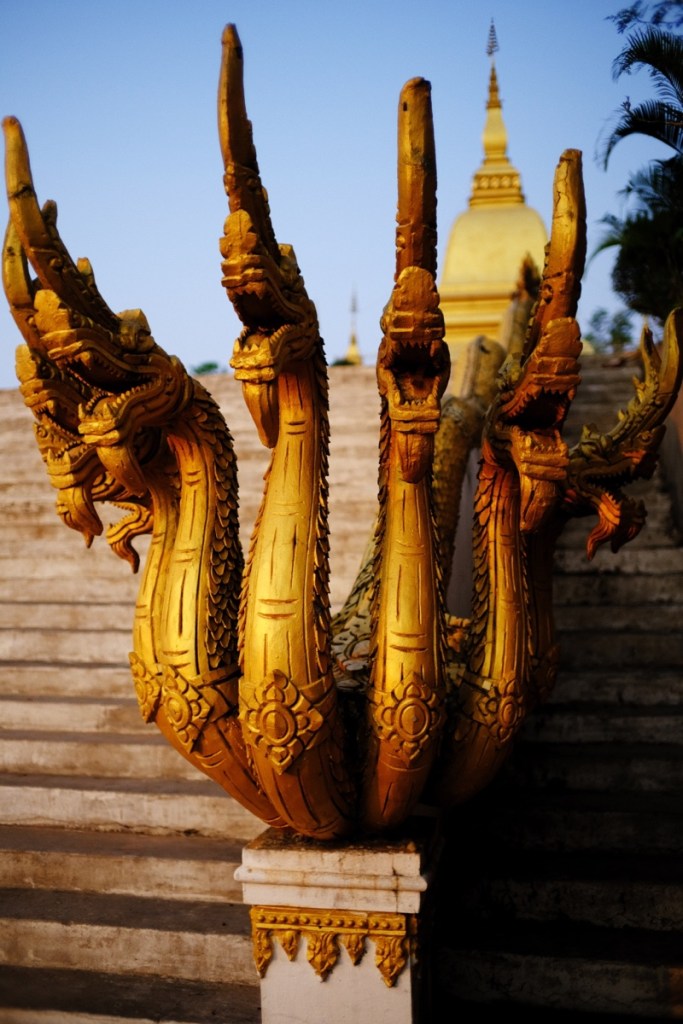
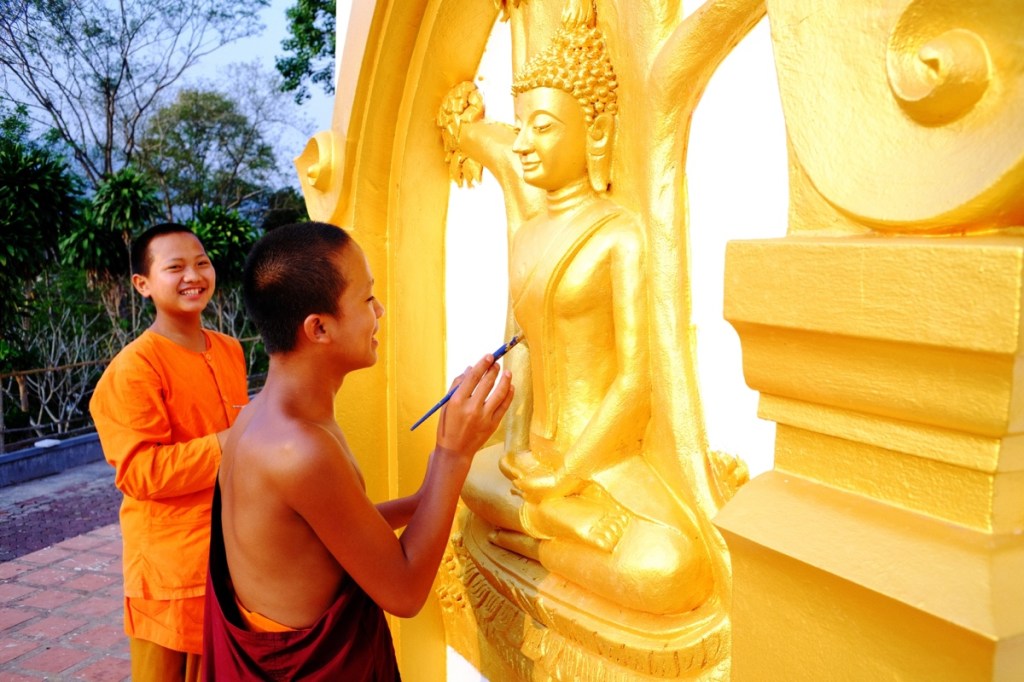
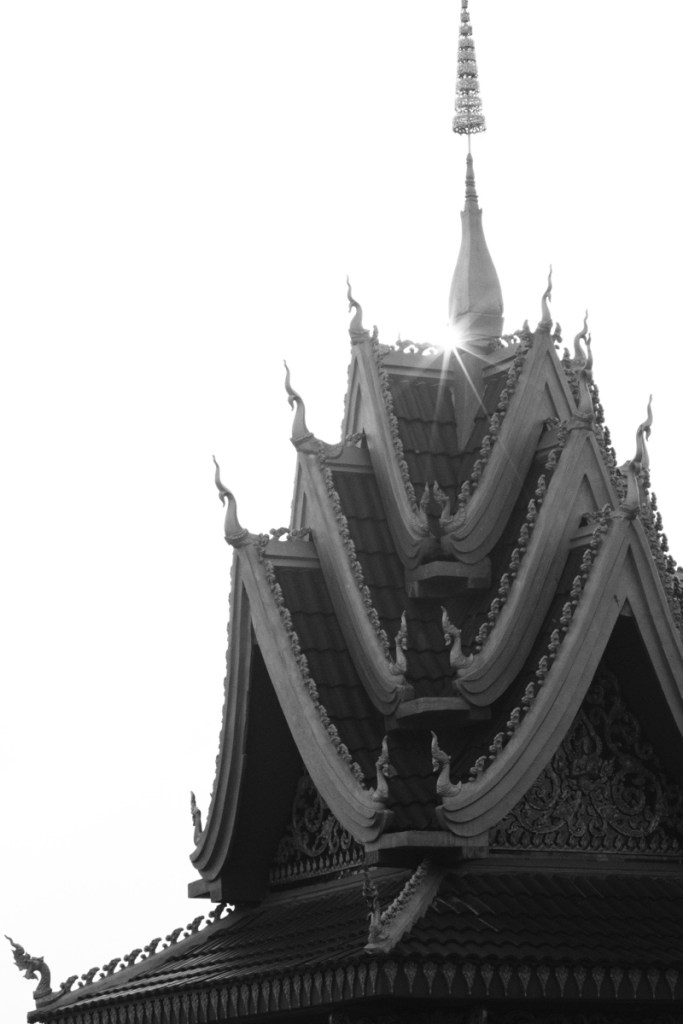
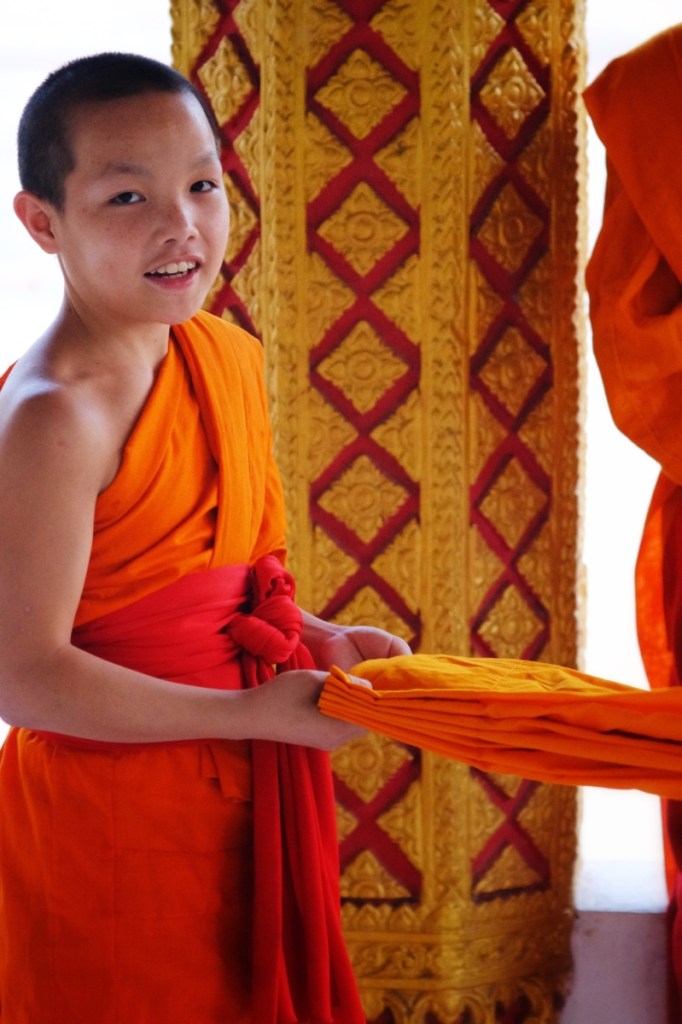
After a late lunch / early dinner, we visit the nearby temple, where the monks are busy doing the paint.
Finally, this morning, we managed to take the bus to Pak Mong and then a tuktuk to Nong Khiaw, after 3 days of back to back bus rides, and too tired to do anything!
Tomorrow we’ll start visiting Laos 😅
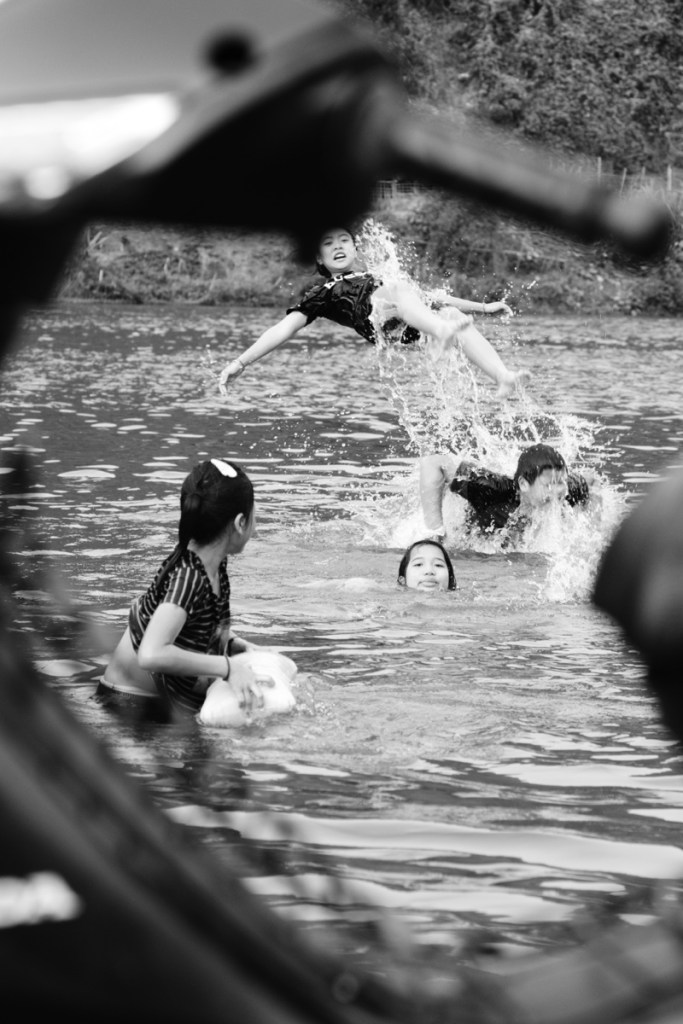
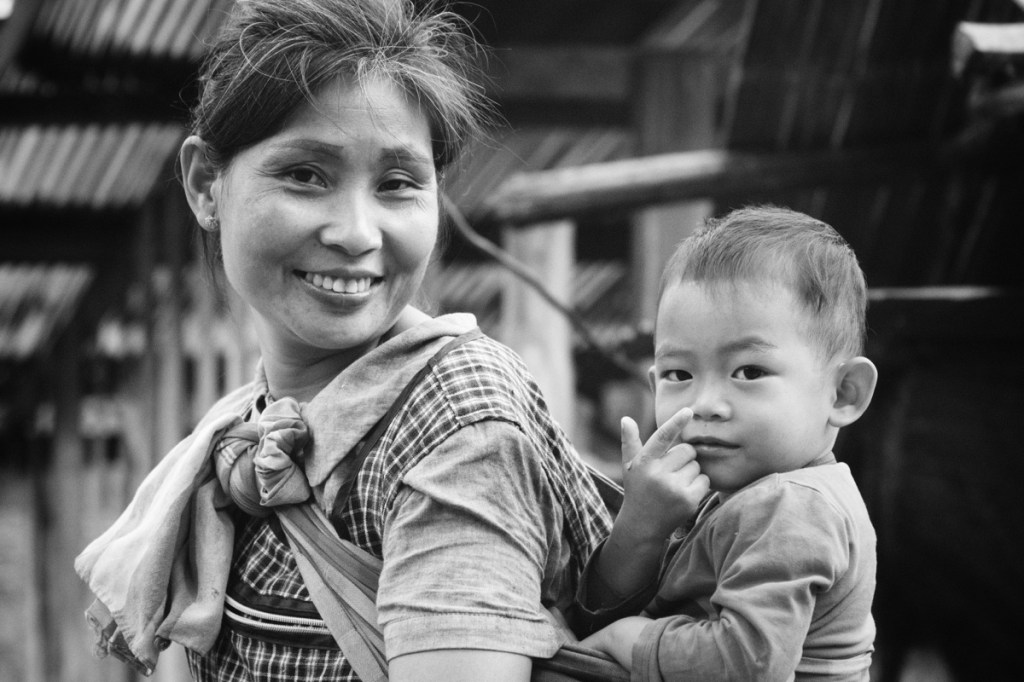
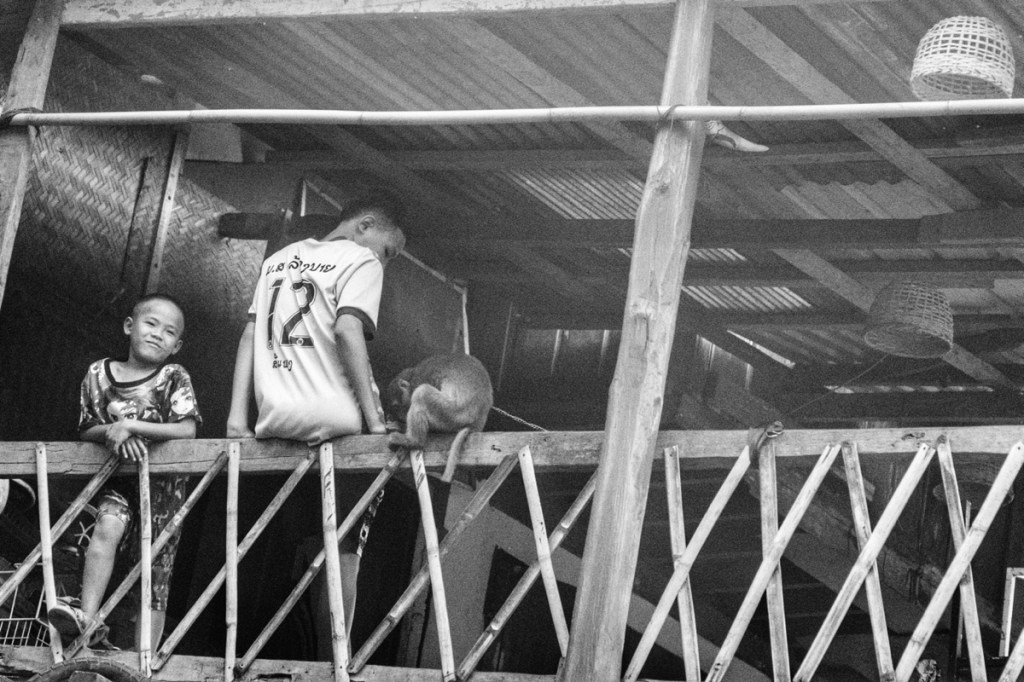
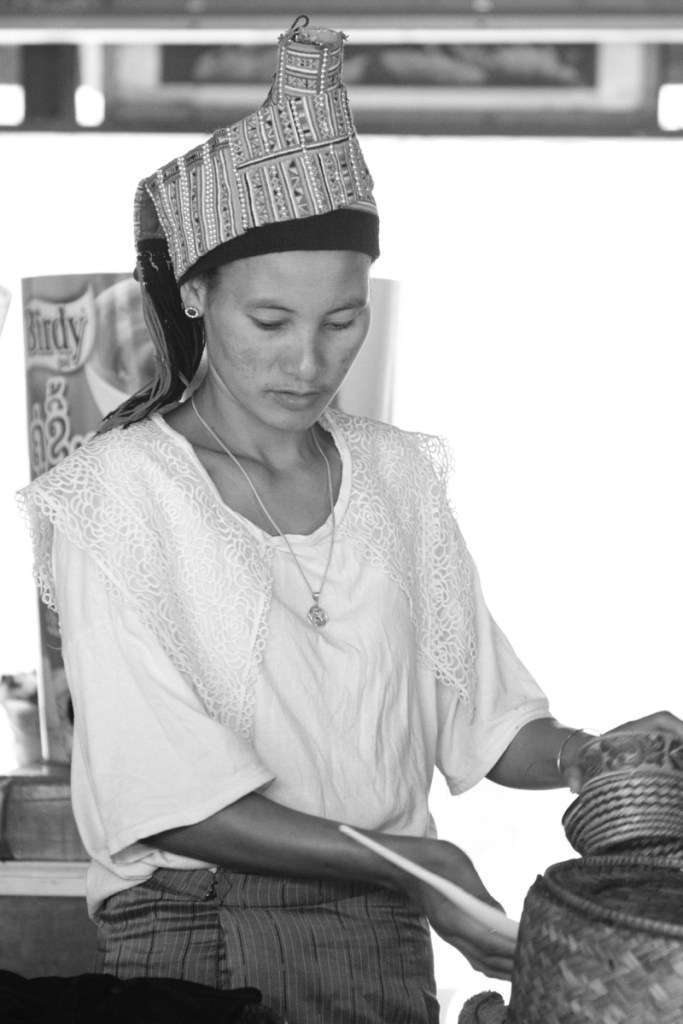
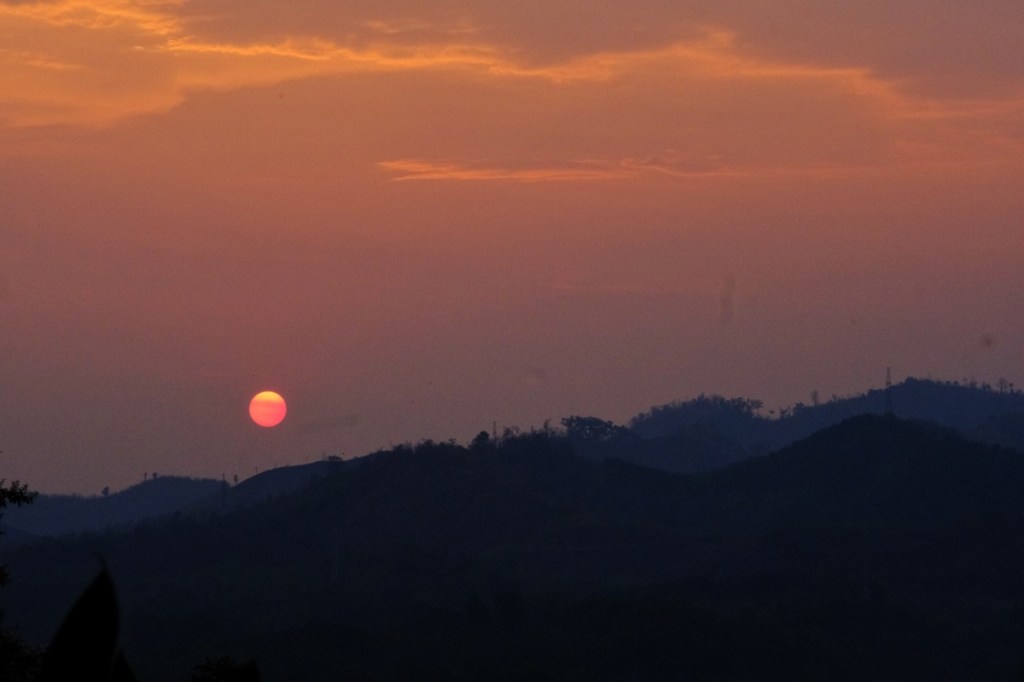
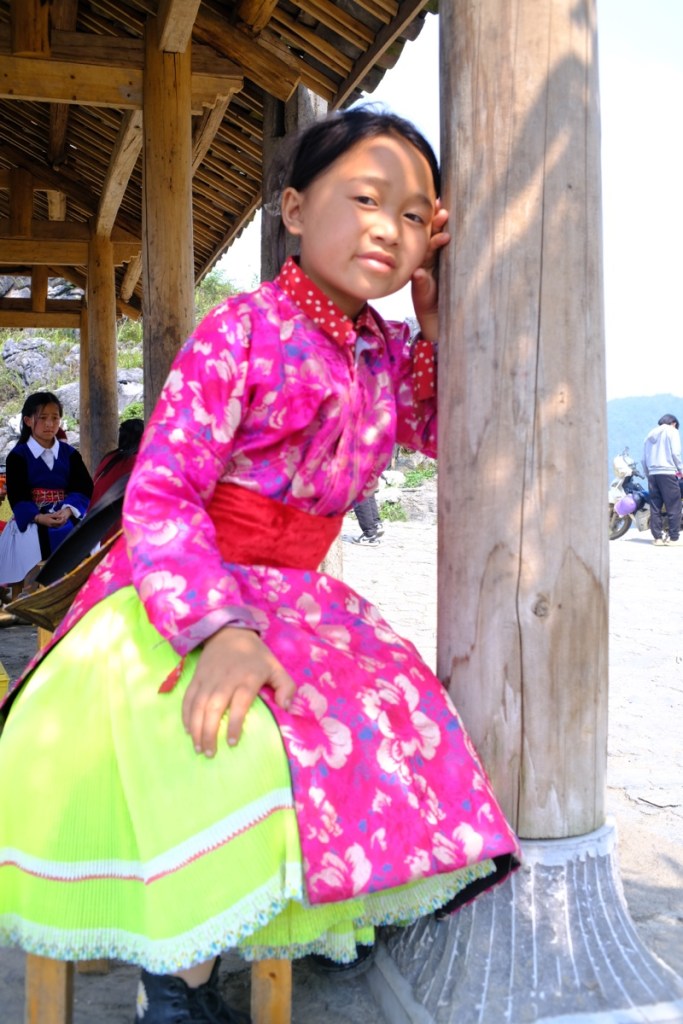
The fog falling on SapaKids playing and bathing in the river in Muang KhoaMonkey at the windowElegant girl at a bus stopOur broken bus is stuck there and we wait for rescue!What else was I going to do? (photo by Leo)The temple in OudomxaiSunset on Oudomxai
Back in Hanoï, when Leo was having his exam, we chatted with the librarian of the French Institute. When we mentioned that we were planning to visit Sapa, he explained that although the Sapa region is beautiful (it’s famous for a reason of course), mass tourism the past few years has made much less appealing. Instead, he suggested we could go to Ha Giang in the north, near the Chinese border. The region offers similar landscape but is less accessible, and therefore less crowded and more authentic. It wasn’t the first time we heard this kind of feedback about Sapa, so it was decided, it would be Ha Giang for us.
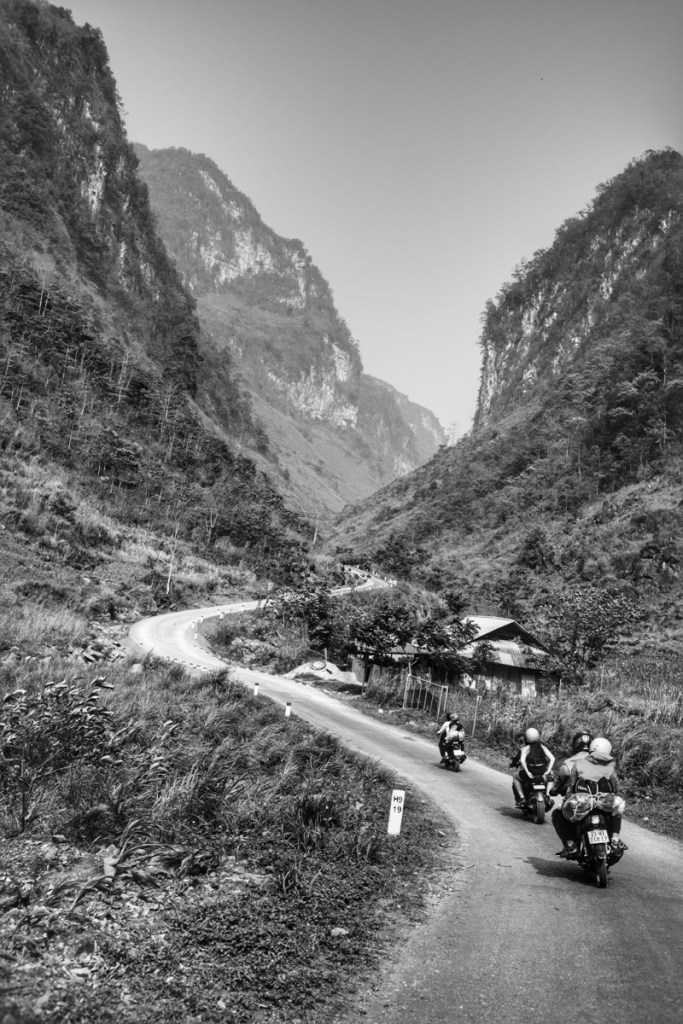
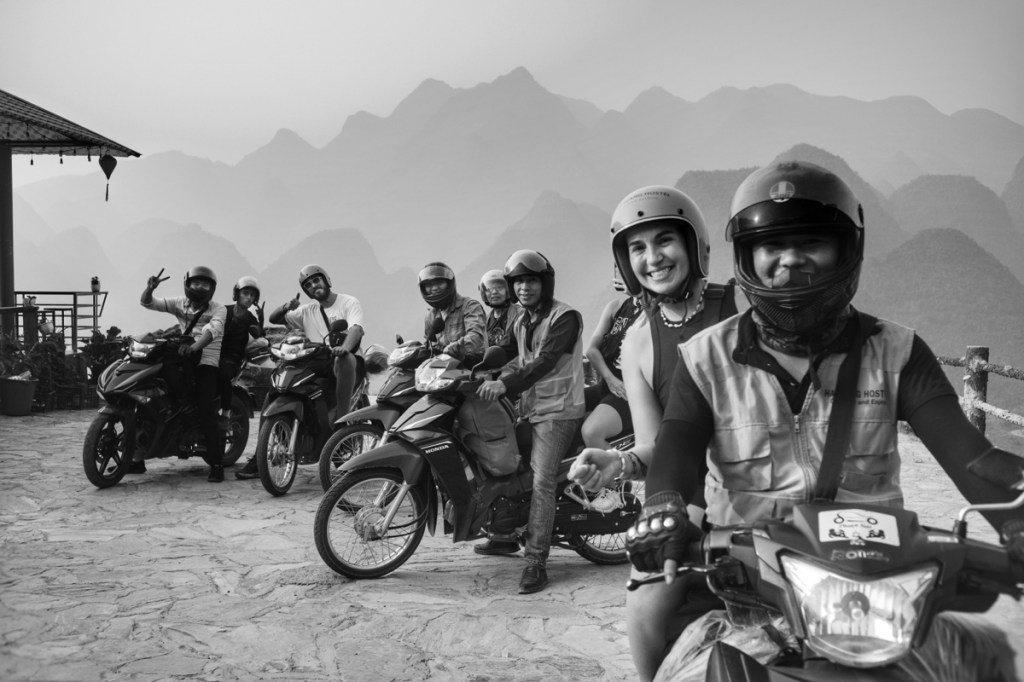
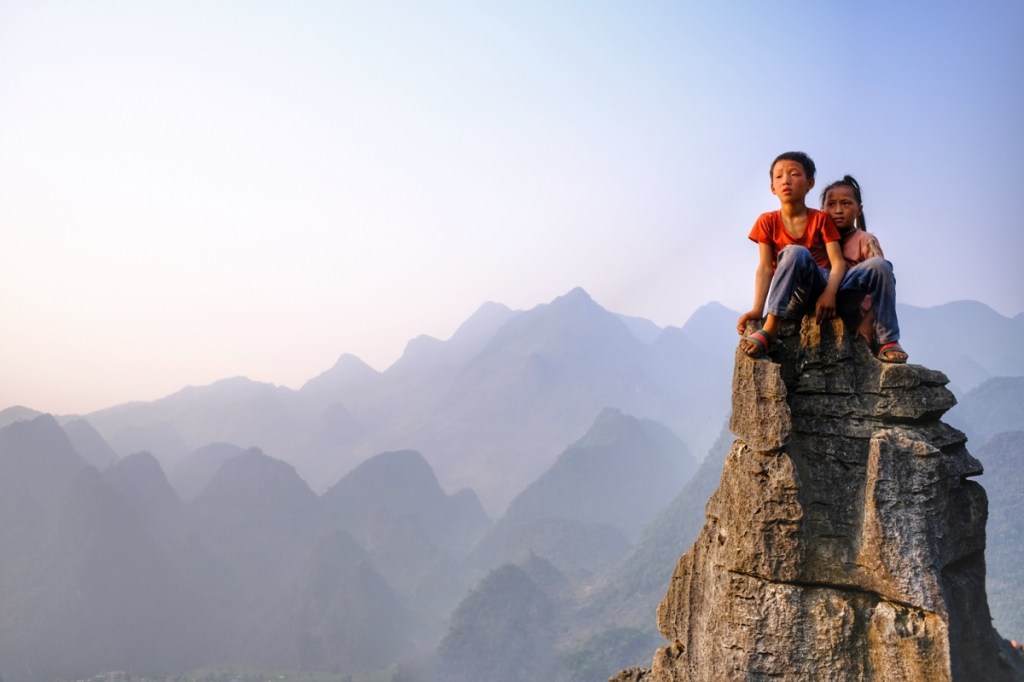
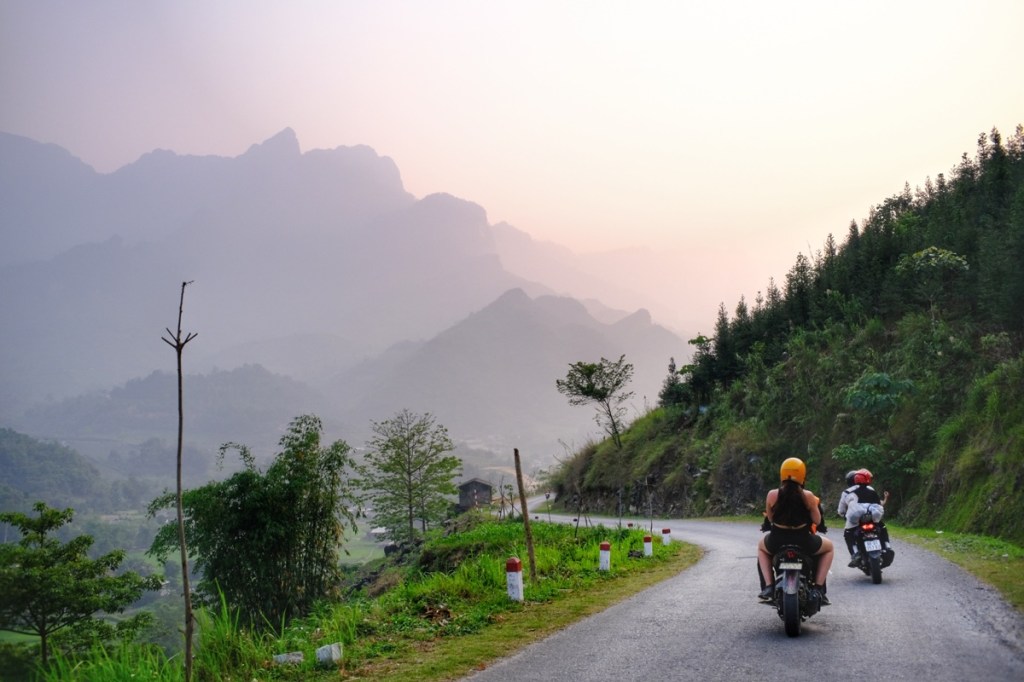
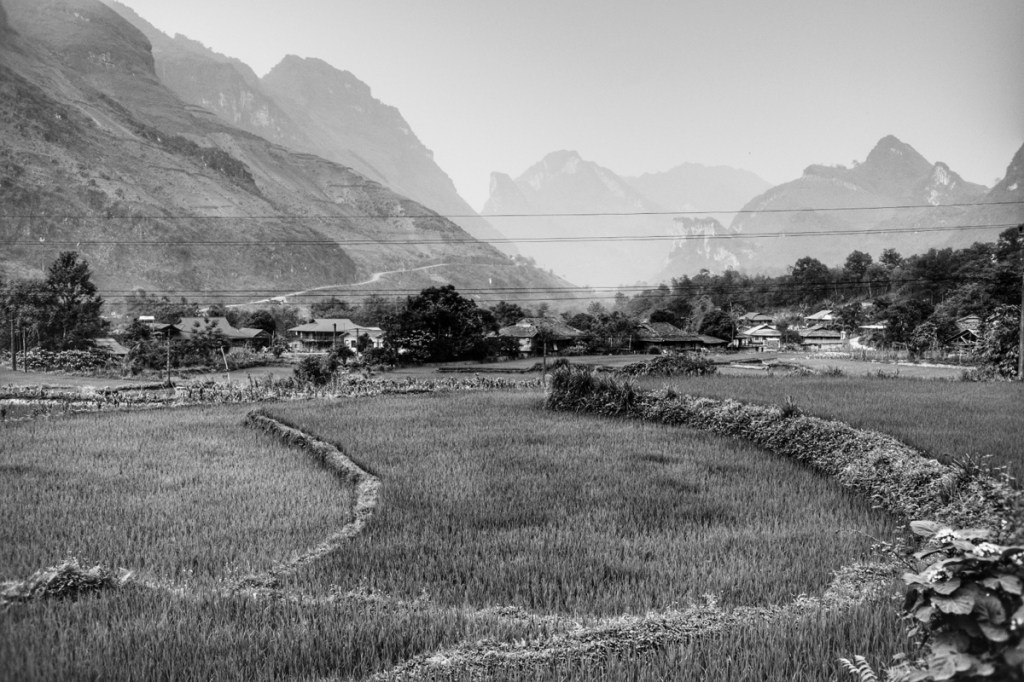
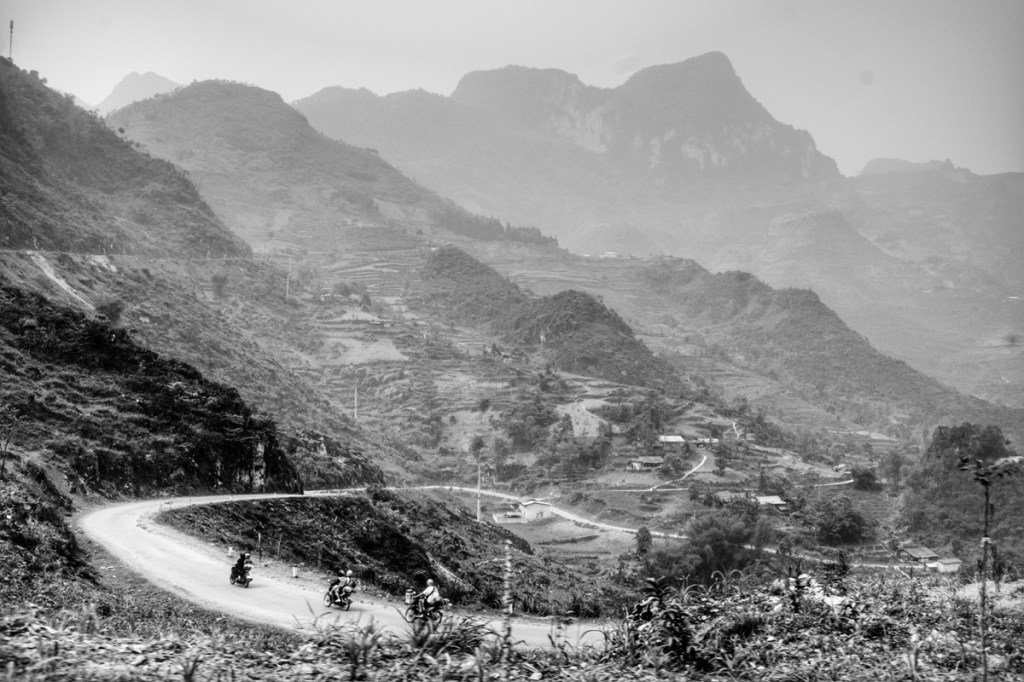
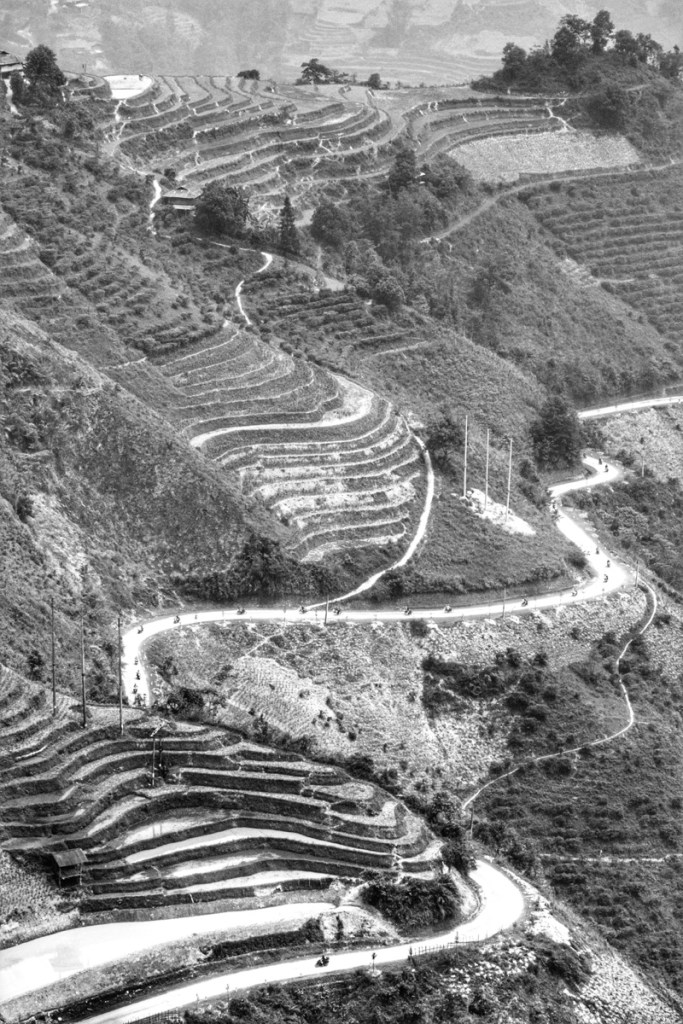
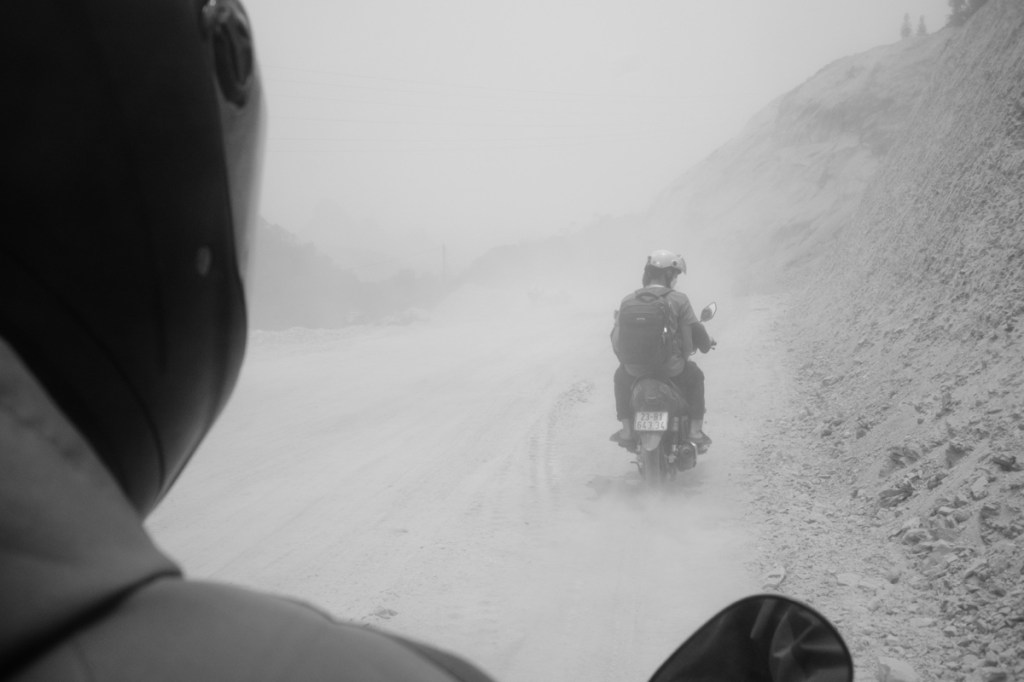
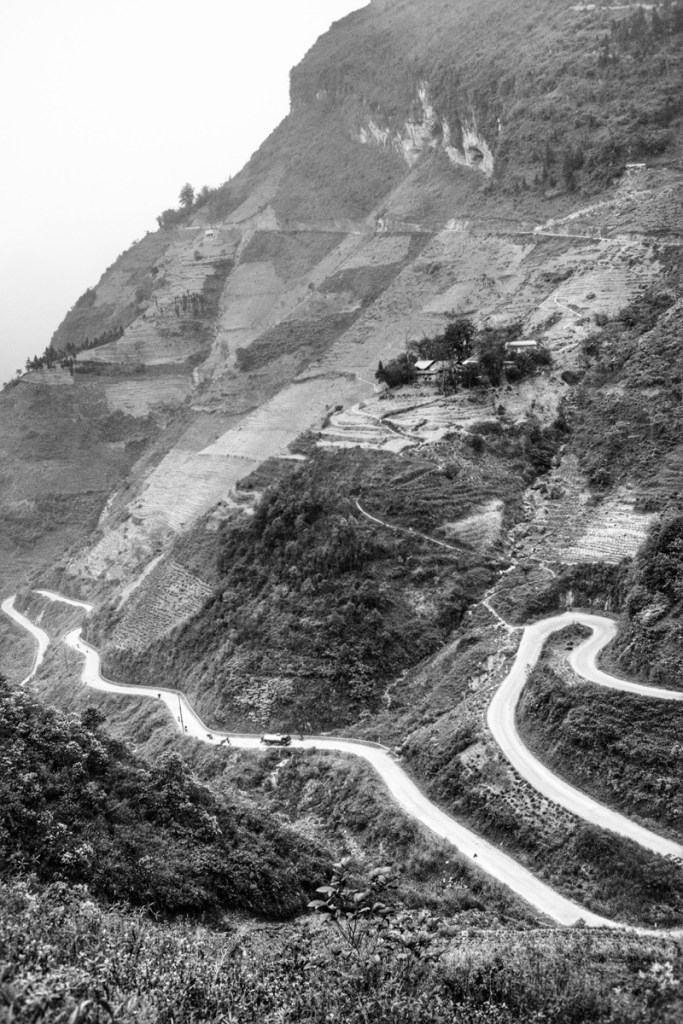
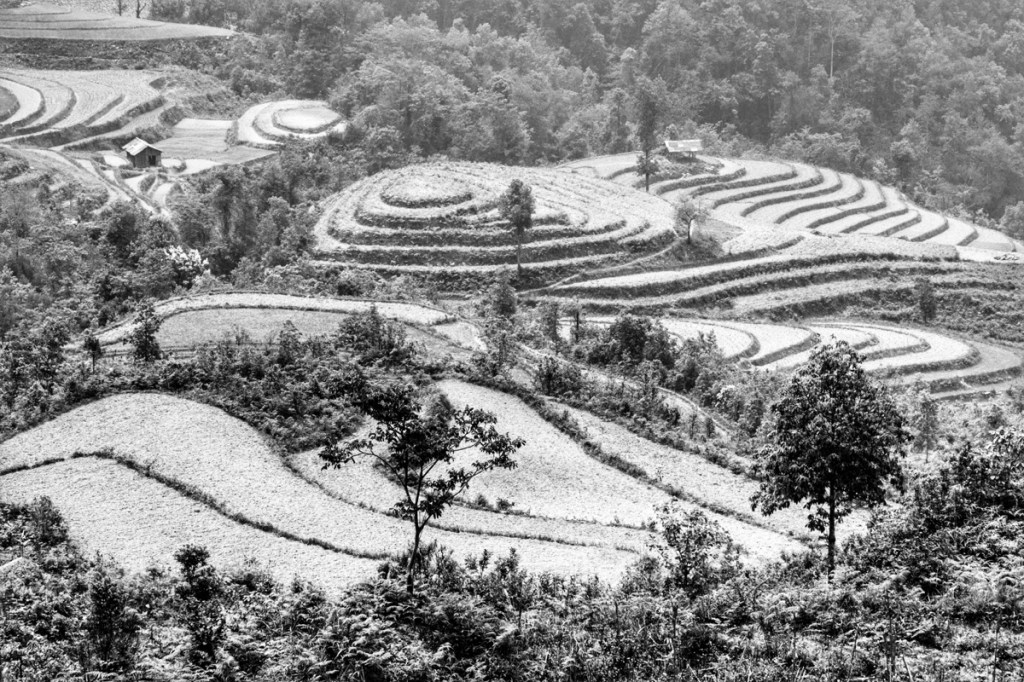
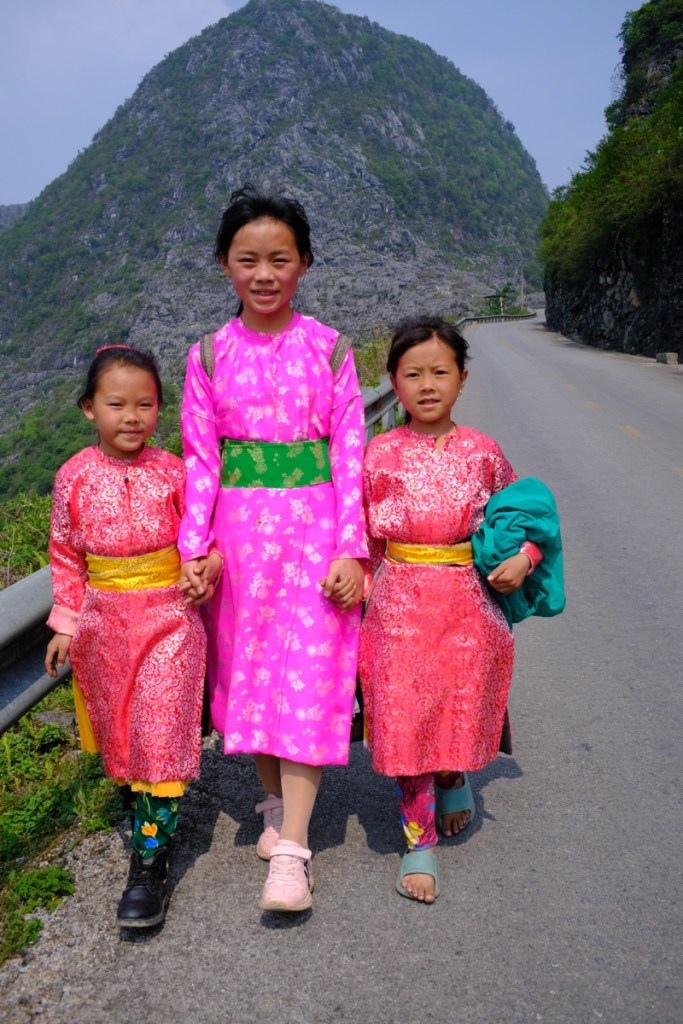
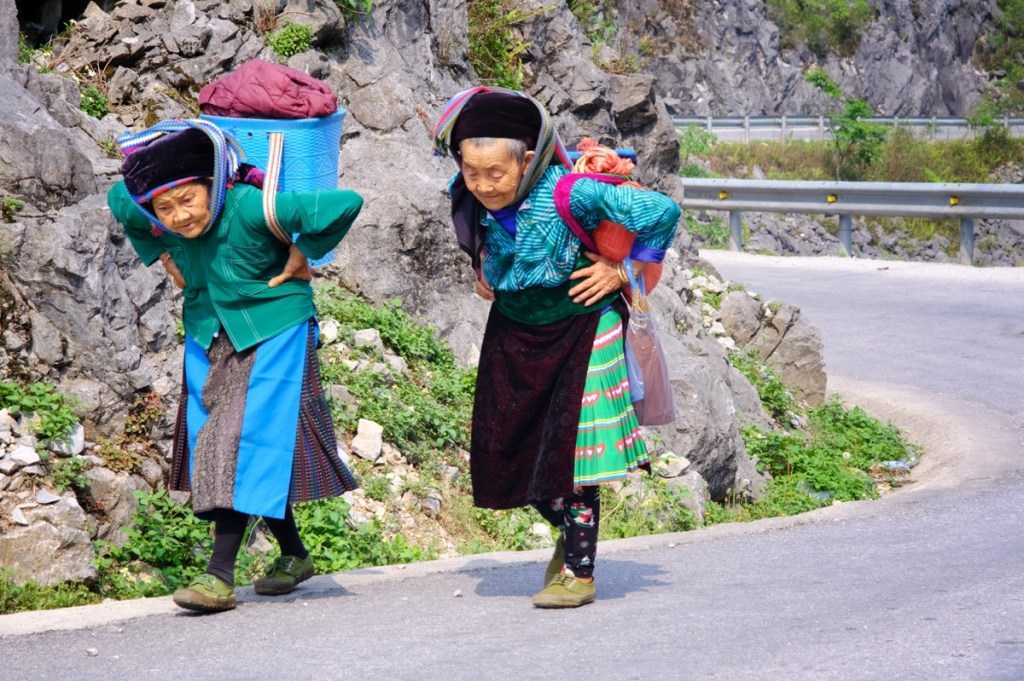
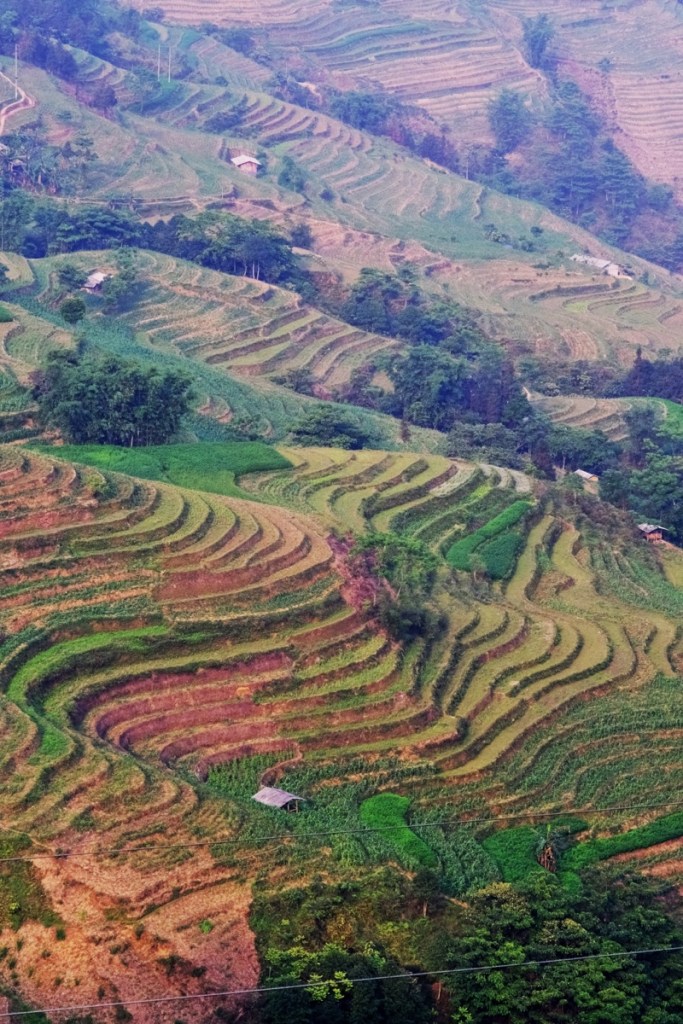
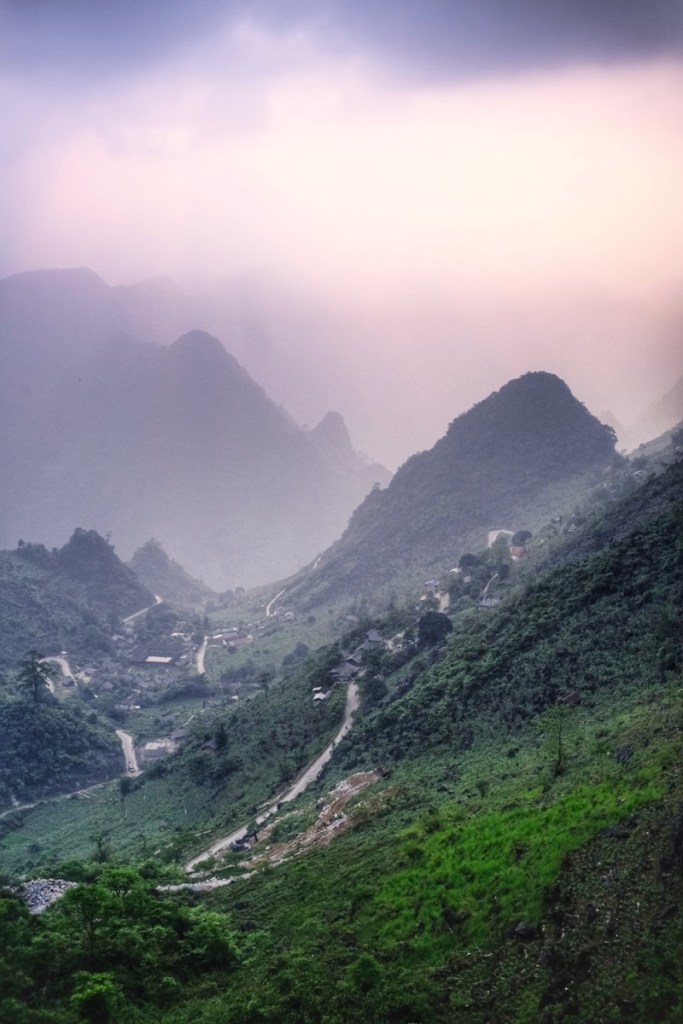
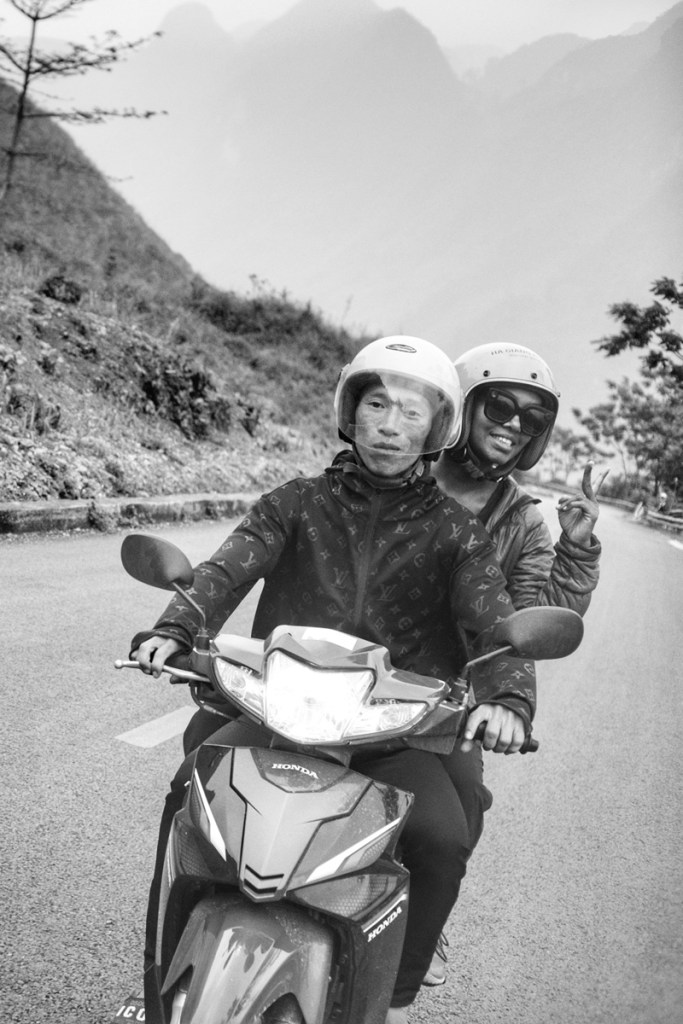
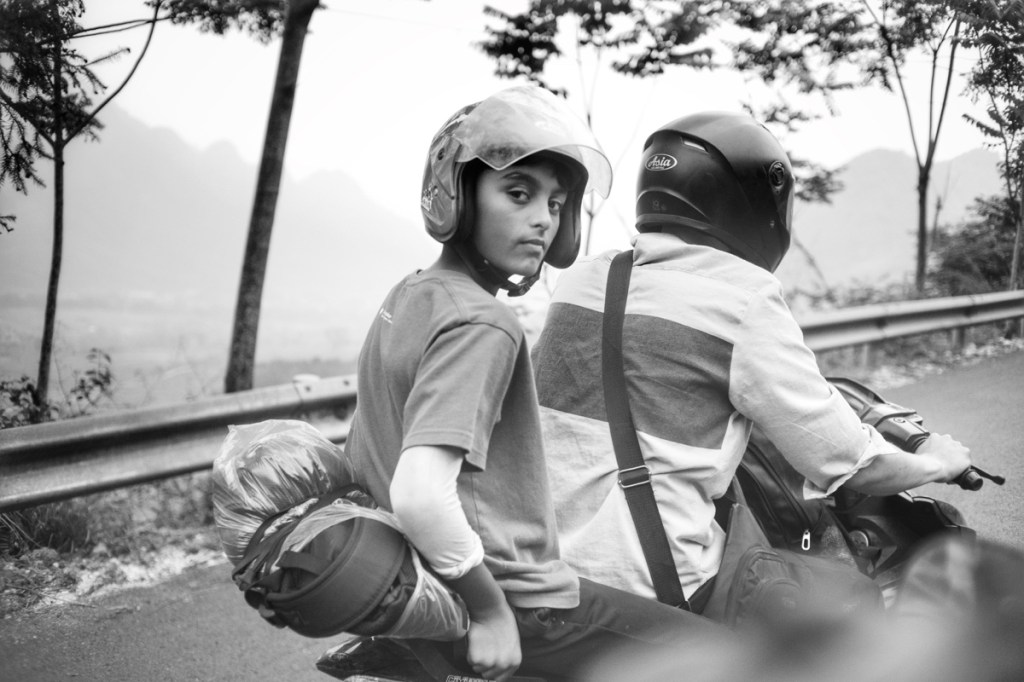
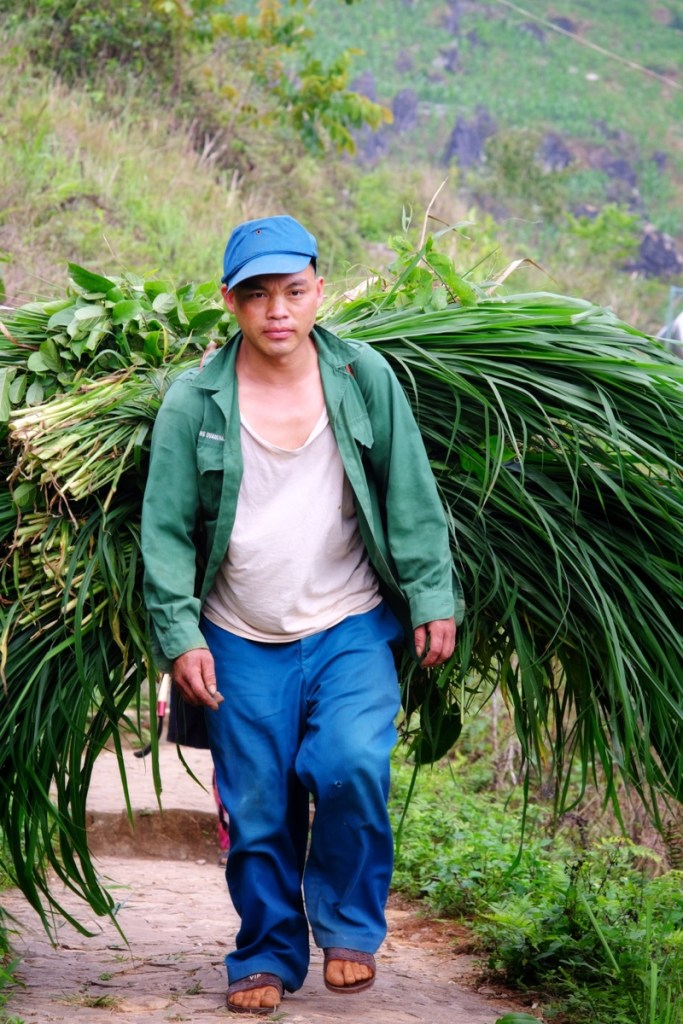
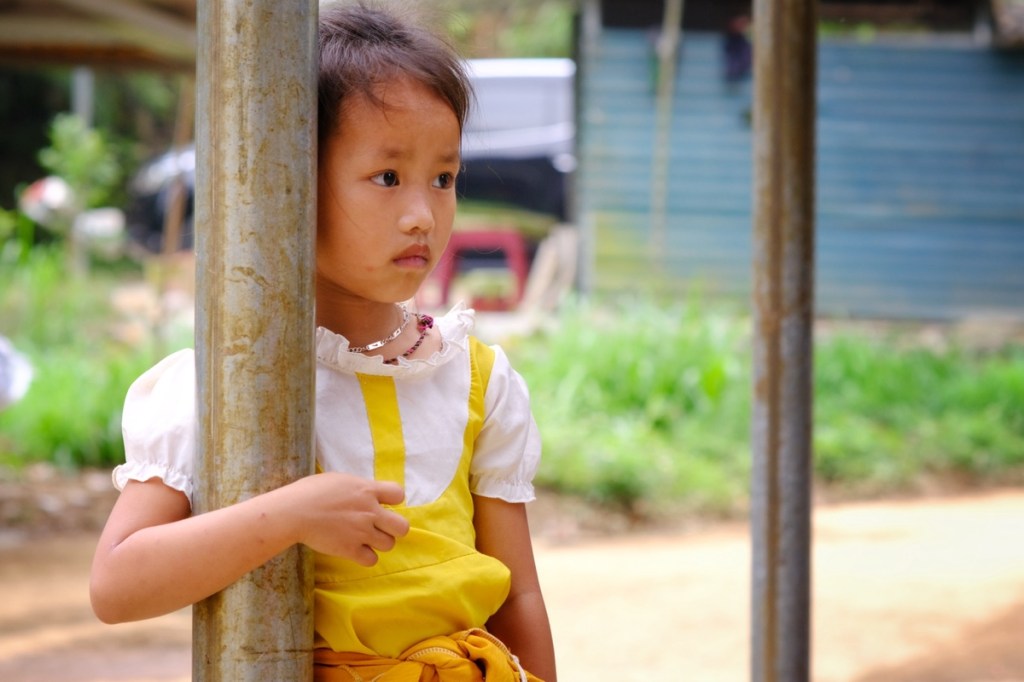
The Ha Giang loop is a motorcycle road trip that takes you to various towns north of Ha Giang, up to the Chinese border via winding mountain roads. The region is rich with 17 ethnic minorities and offers stunning landscapes of terrace cultures on the mountains.
I was ready to get Leo, Mary and me on a single bike and hit the road like we had done elsewhere, but Mary sent me horror stories from the internet about how dangerous this road was. Also the price difference between one bike for 3 and 3 bikes with drivers was so small that we ended up getting the full « easy rider » package. As much as I liked to ride myself, this was going to be more comfortable, less tiring, and I would take pictures along the way.
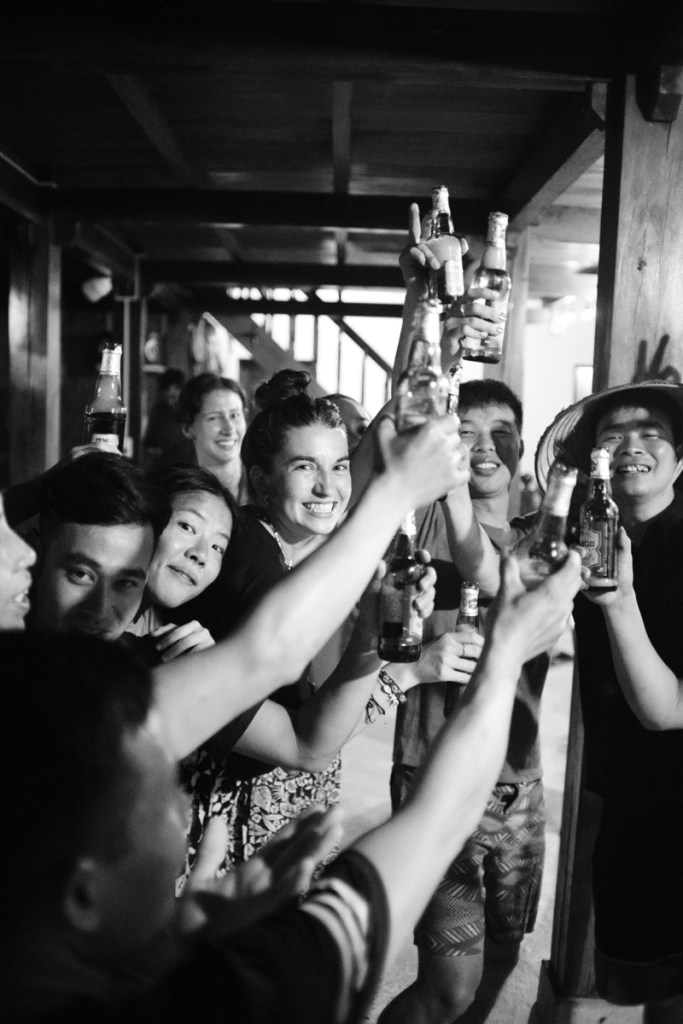
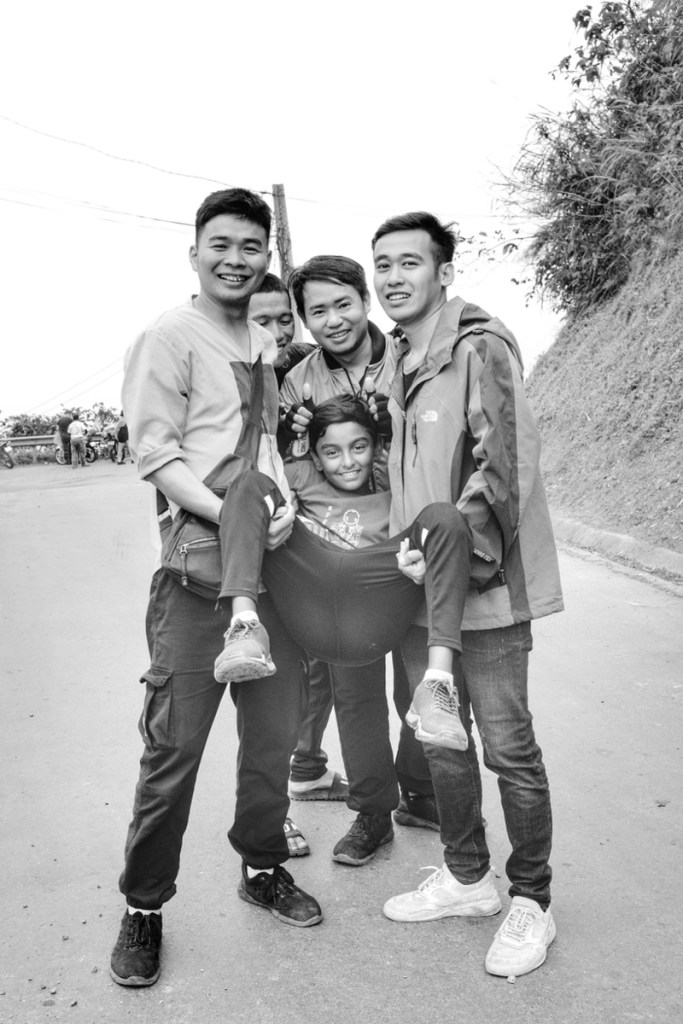
Besides the 3 of us, our group was comprised of Jia and her aunt Linh, from Malaysia, Alvis from Singapore, Amelie from Quebec, Martina from Poland, Ita from the Netherlands, Mauro from Argentina, plus Minh, Khoa and Cuong, our guides and drivers.
Most people do the loop in 3 days. I’m glad we picked the 4 days option: instead of rushing 160kms on the 3rd day to get back to Ha Giang, the return is split into smaller chunks over 2 days and you get to see a lot more.
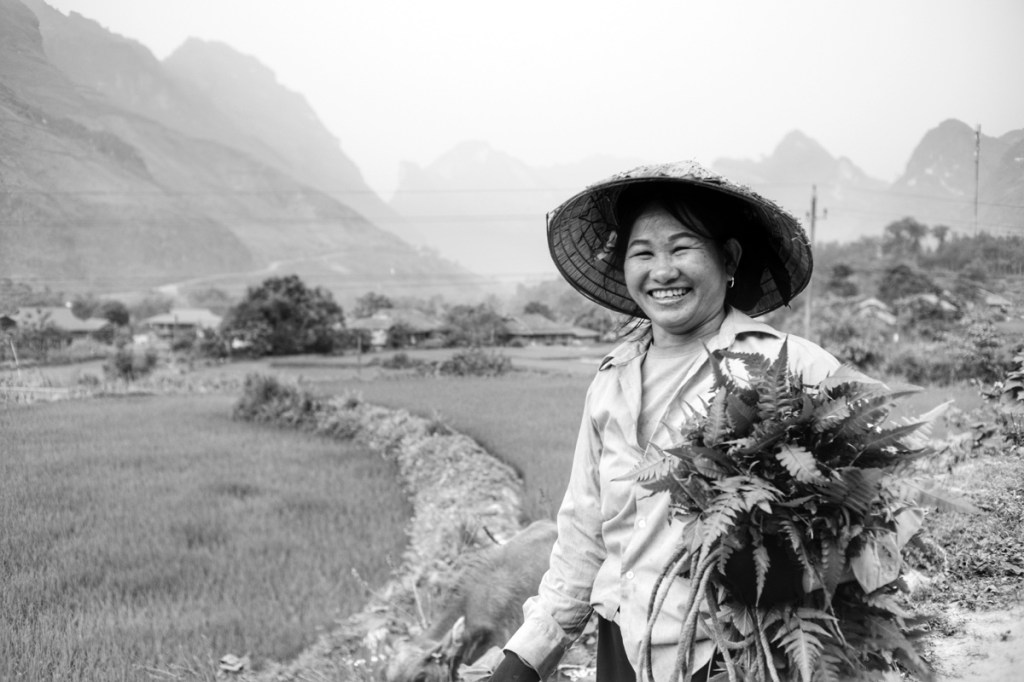
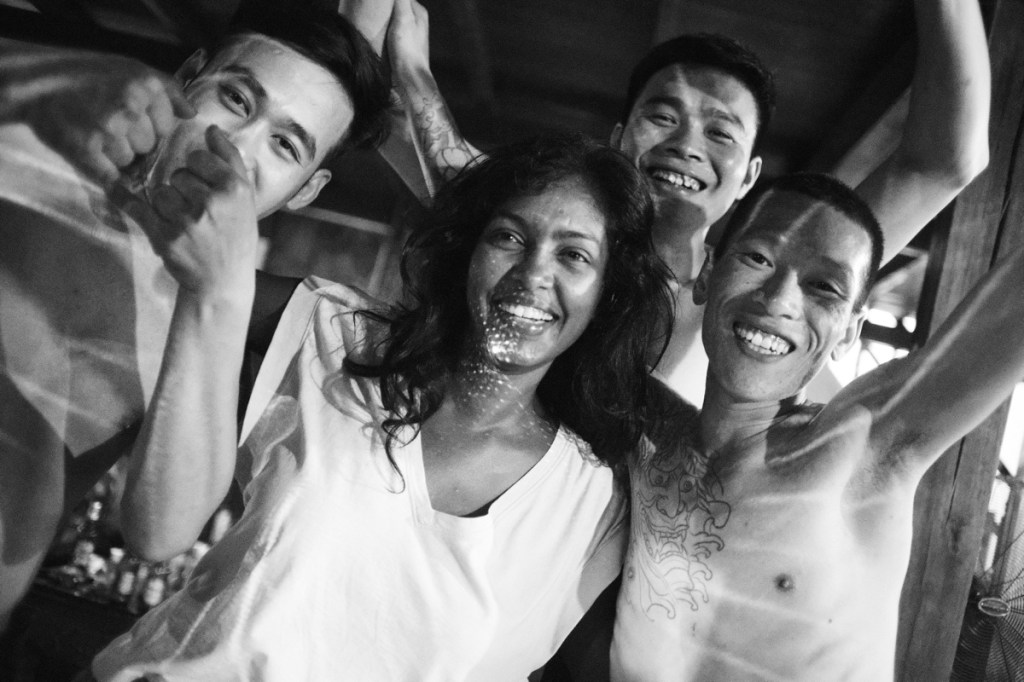
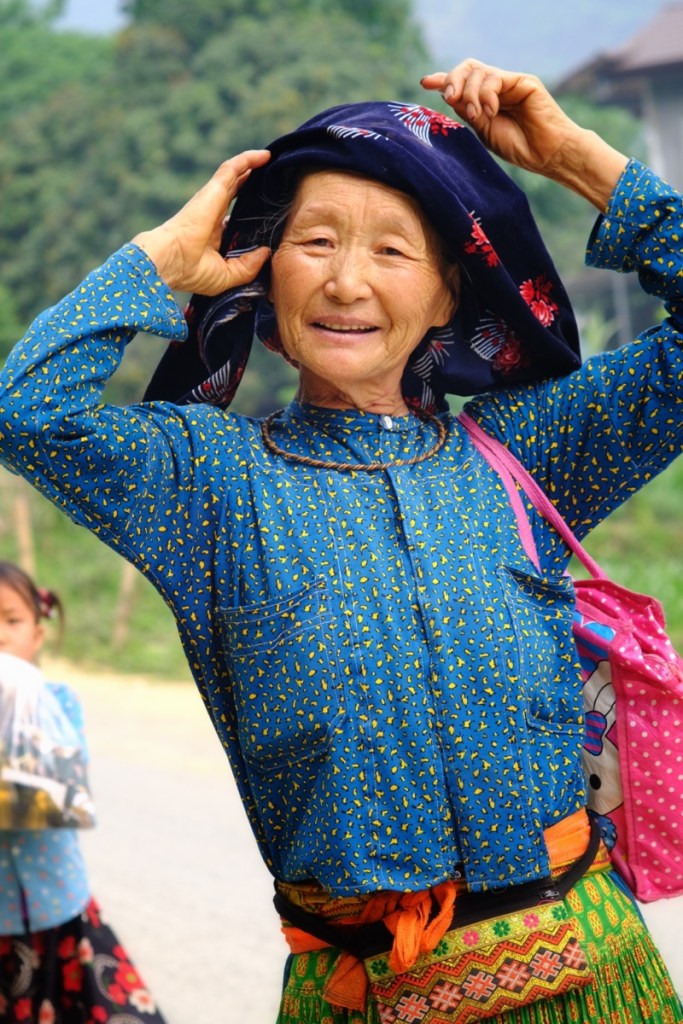
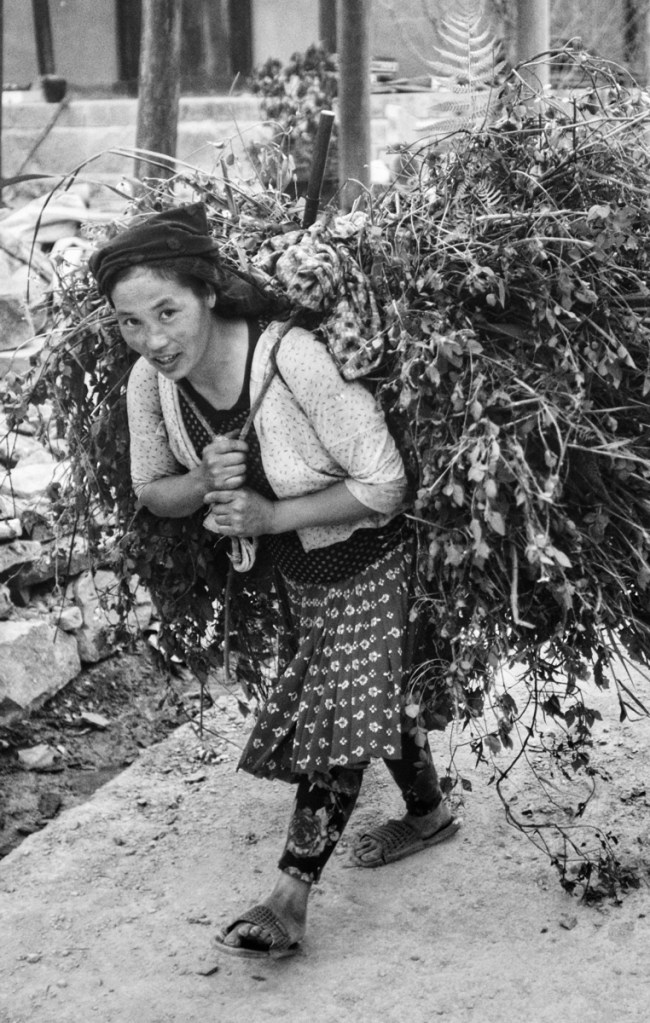
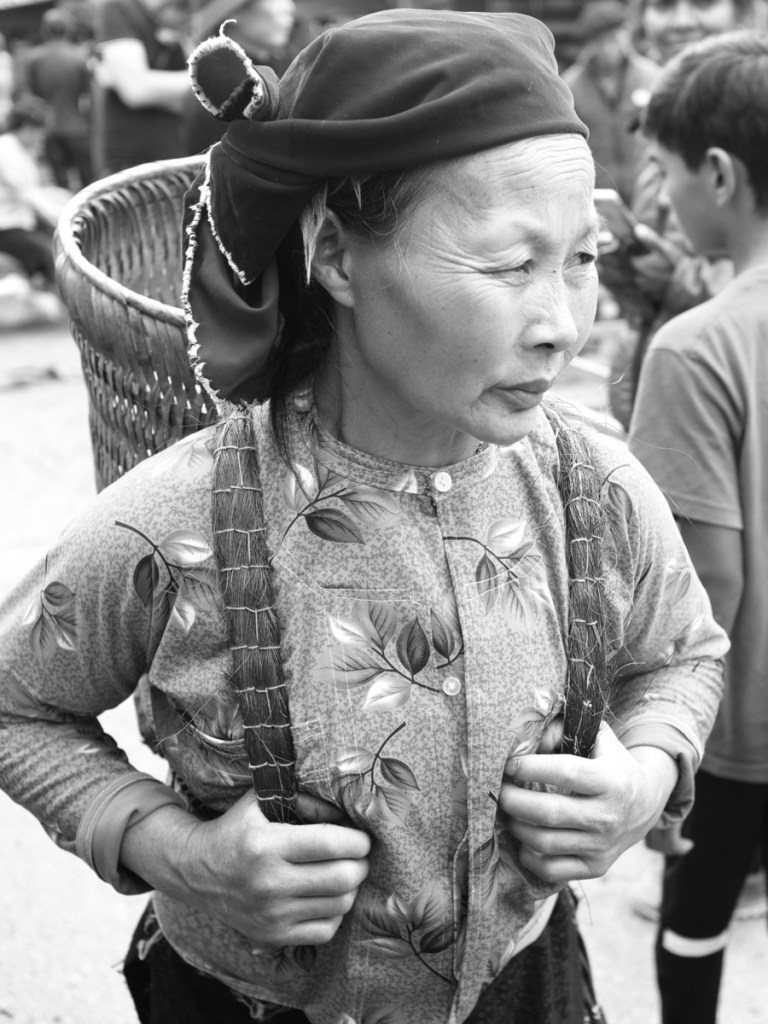
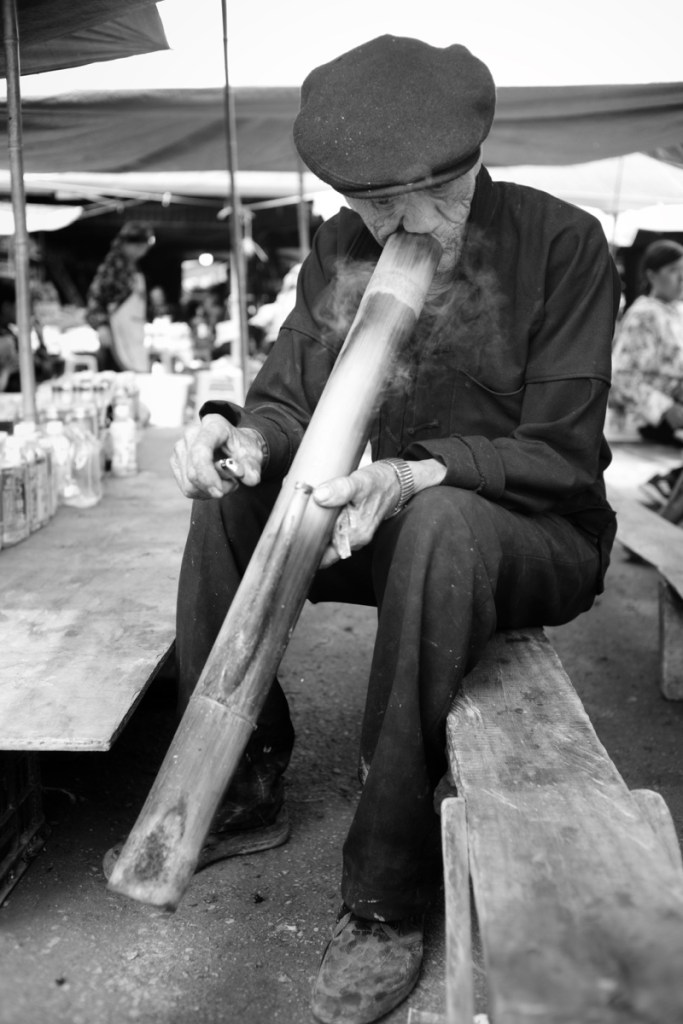
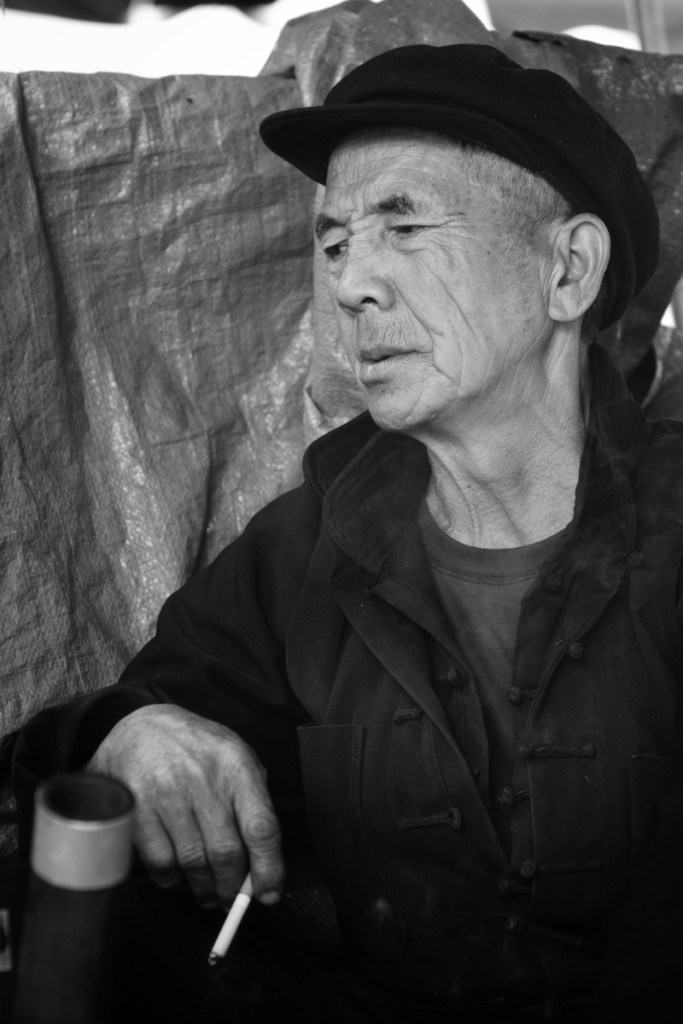
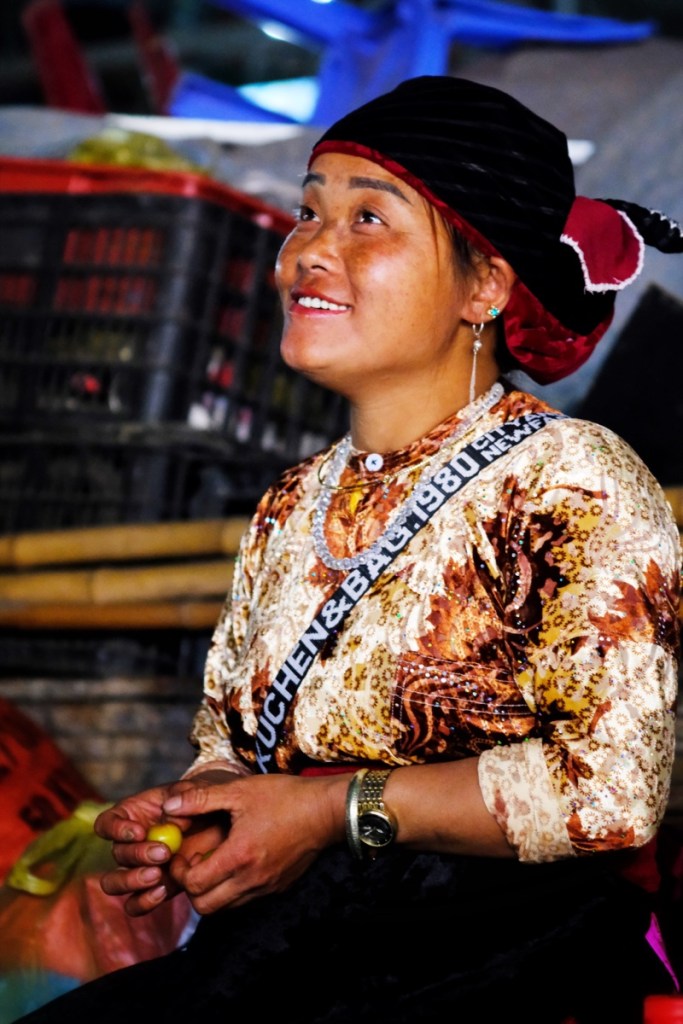
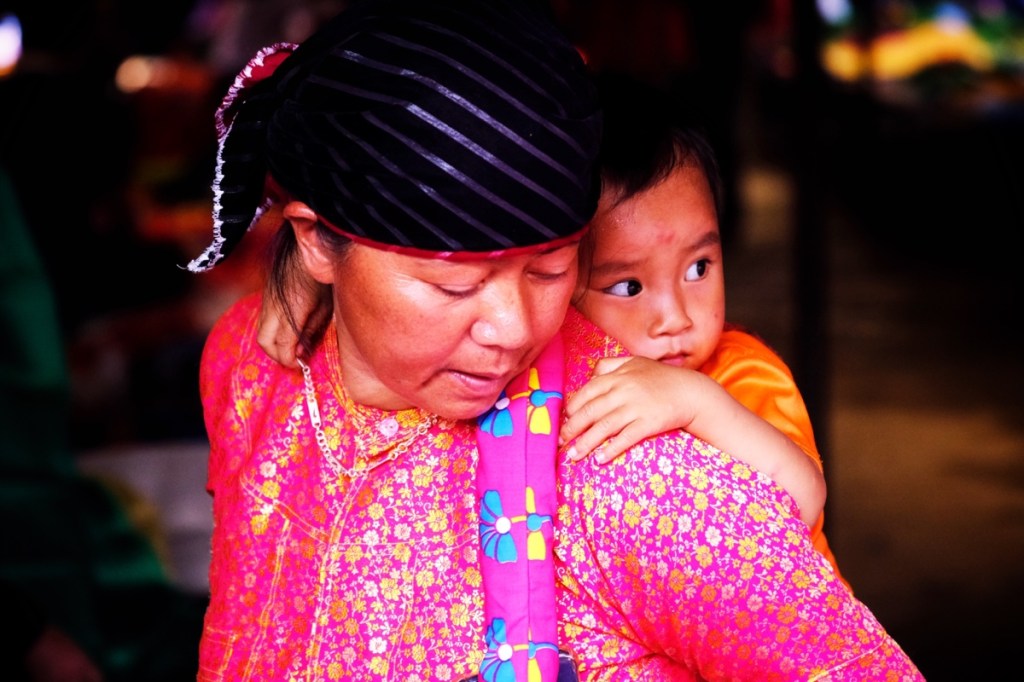
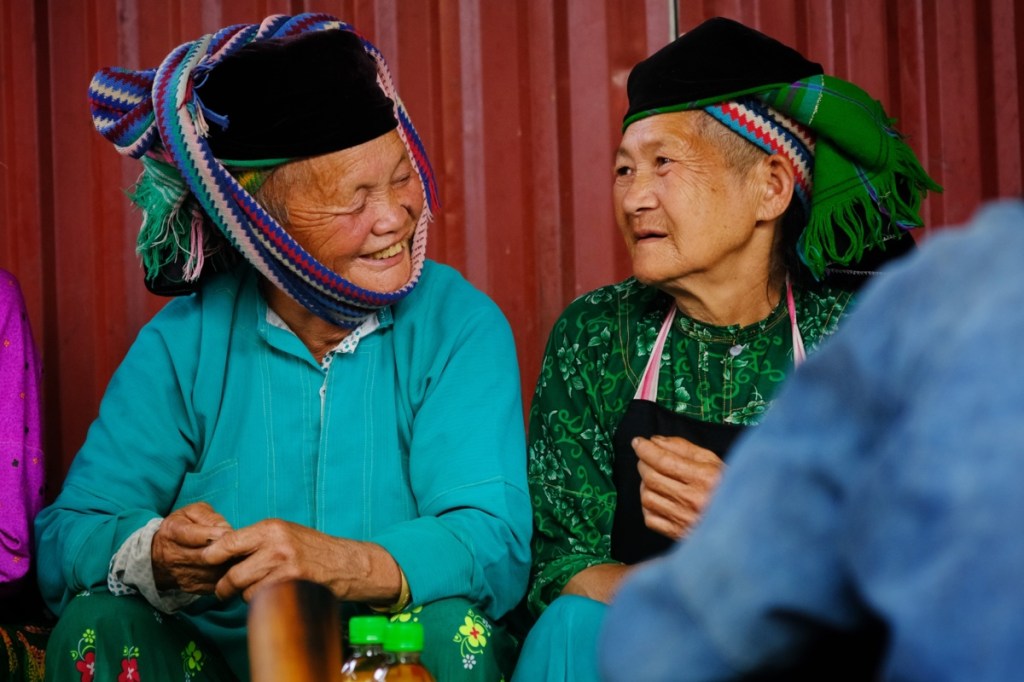
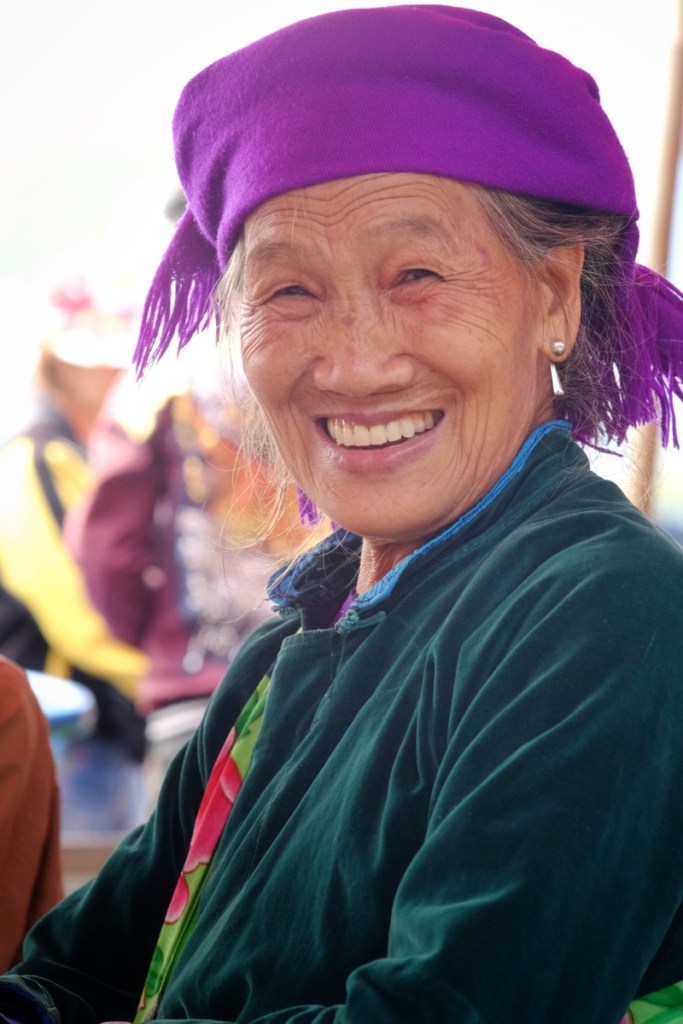
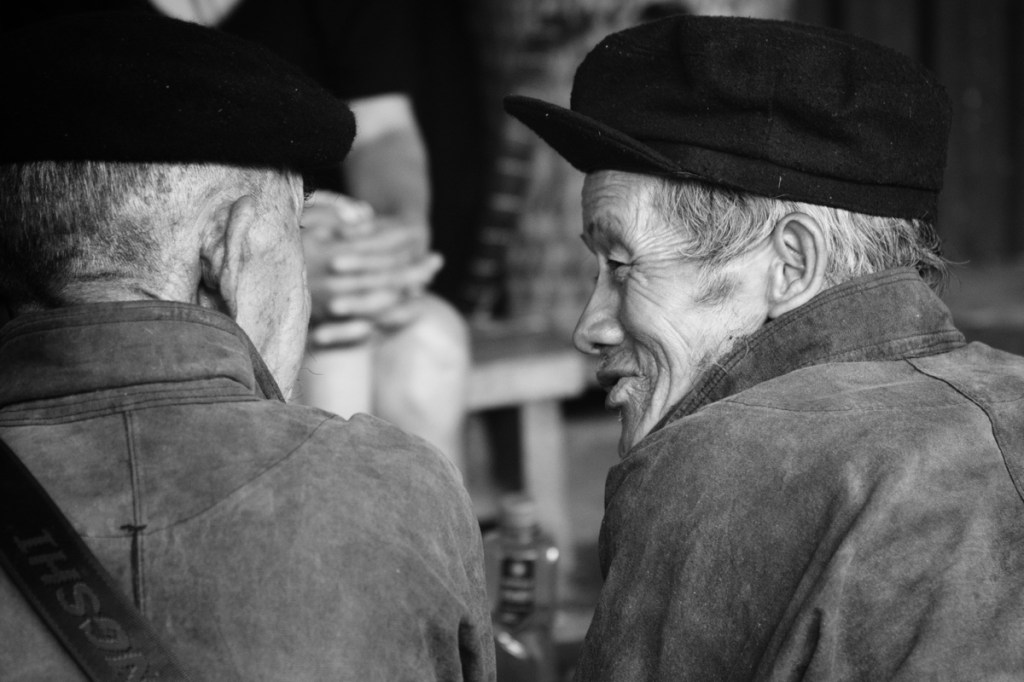
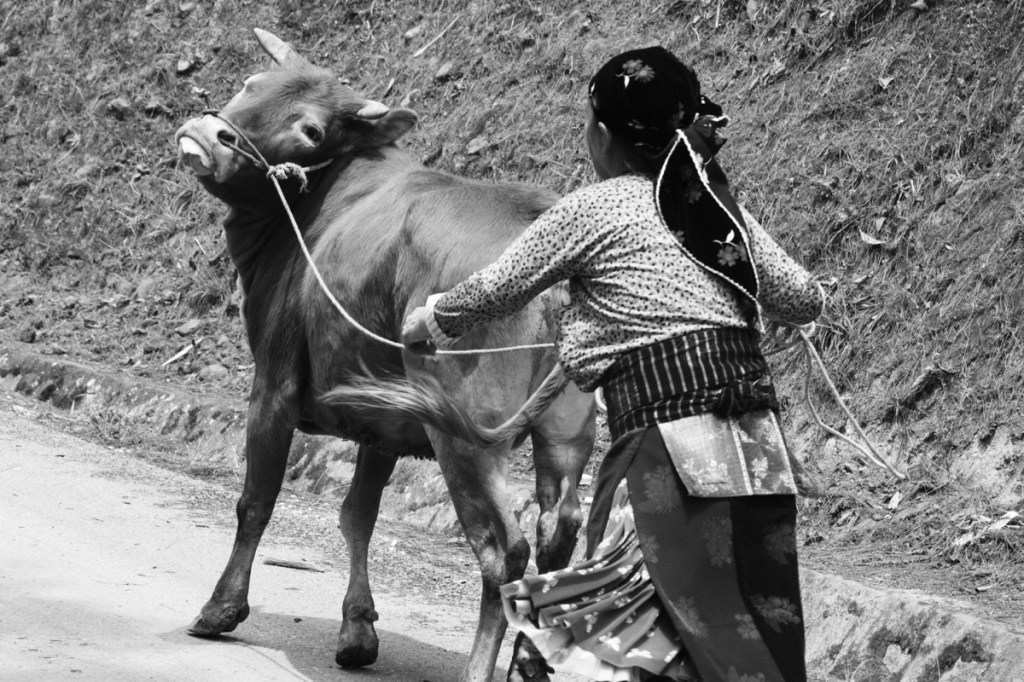
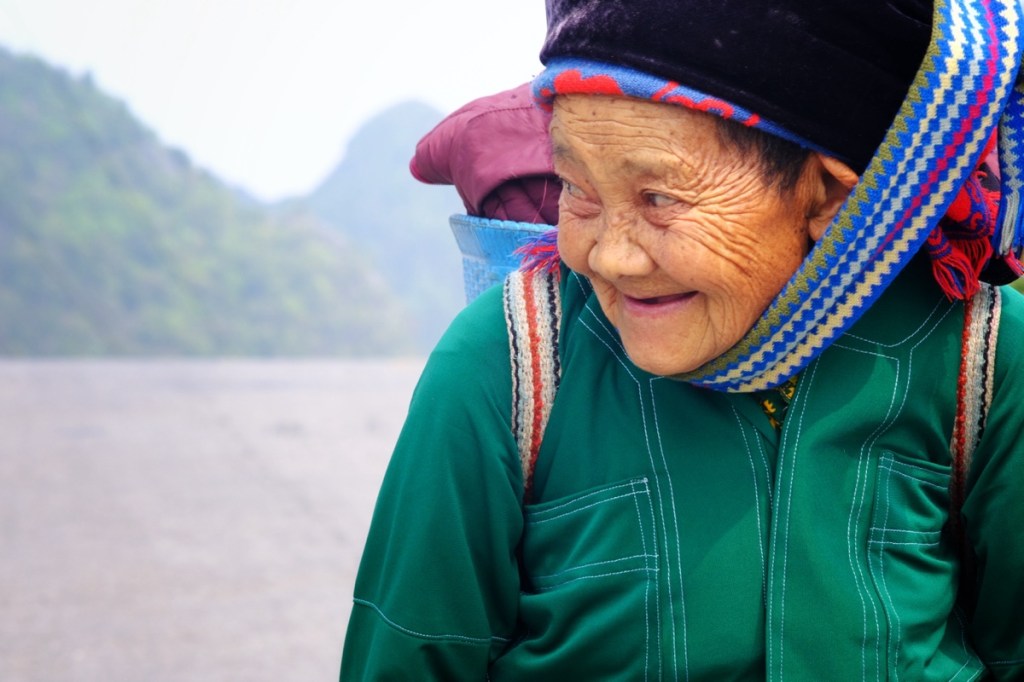
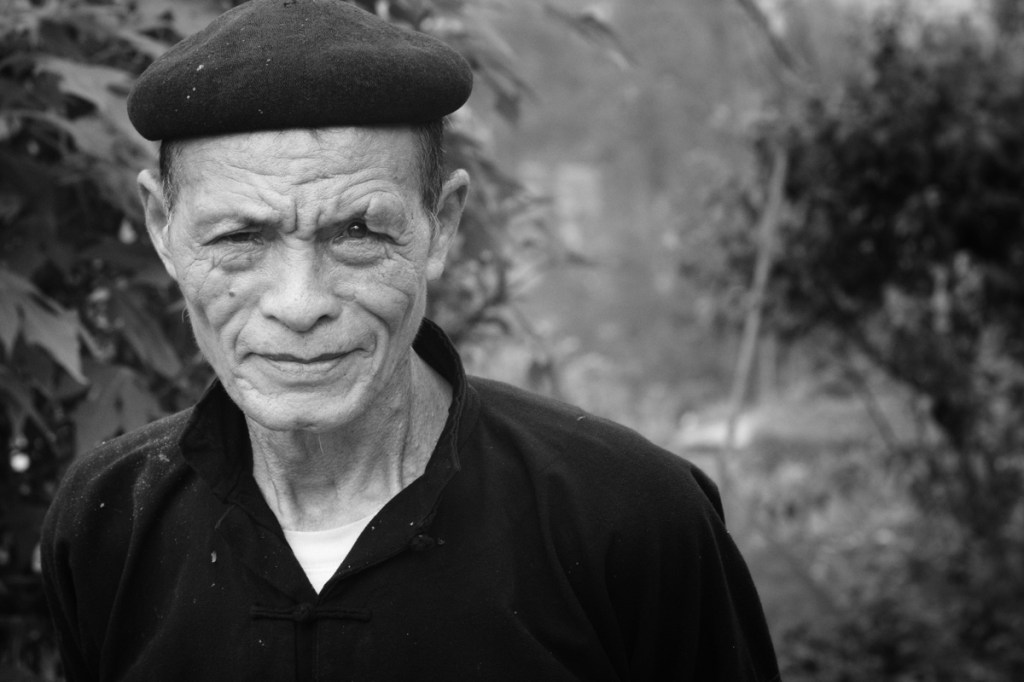
Luckily, we reached Dong Van on a saturday evening and the next morning, we could visit the big market. This for me was the highlight of the trip, and I spent an hour or so roaming in the alleys of the market, taking pictures of villagers of various ethnic groups shopping for livestock and chatting around drinks. After some time, when our guide came to call me back, I was already seated at a table with 3 men, drinking « happy water »!
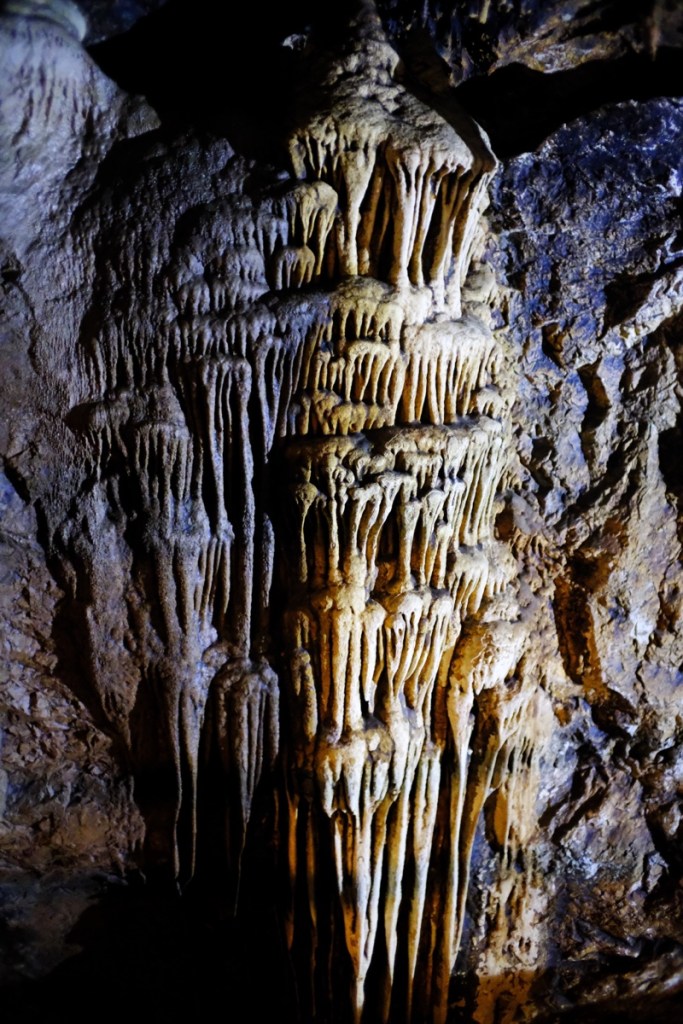
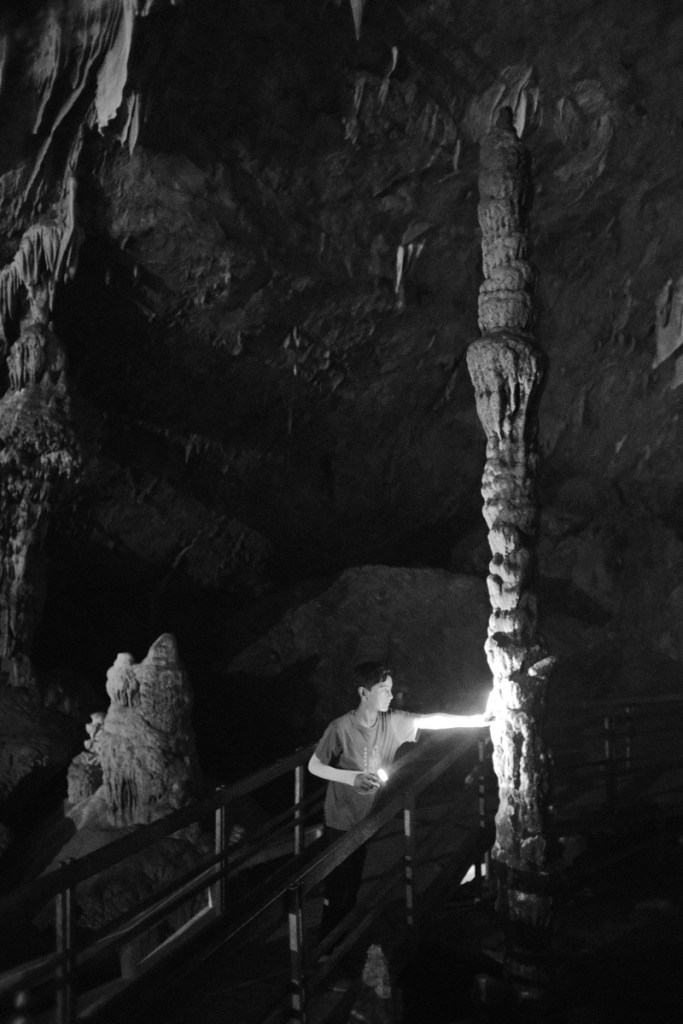
Another highlight was the Lung Khuy cave. We weren’t expecting anything when we entered this massive prehistoric cathedral ornate with stalactites and stalagmites of all shapes and sizes, sometimes creating full pillars from floor to ceiling. According to legend, the gods created a source of divine water in the cave and sent a dragon god to take care of it. The dragon later incarnated in a Hmong boy who married a Hmong girl and they lived happily ever after. Good night.’
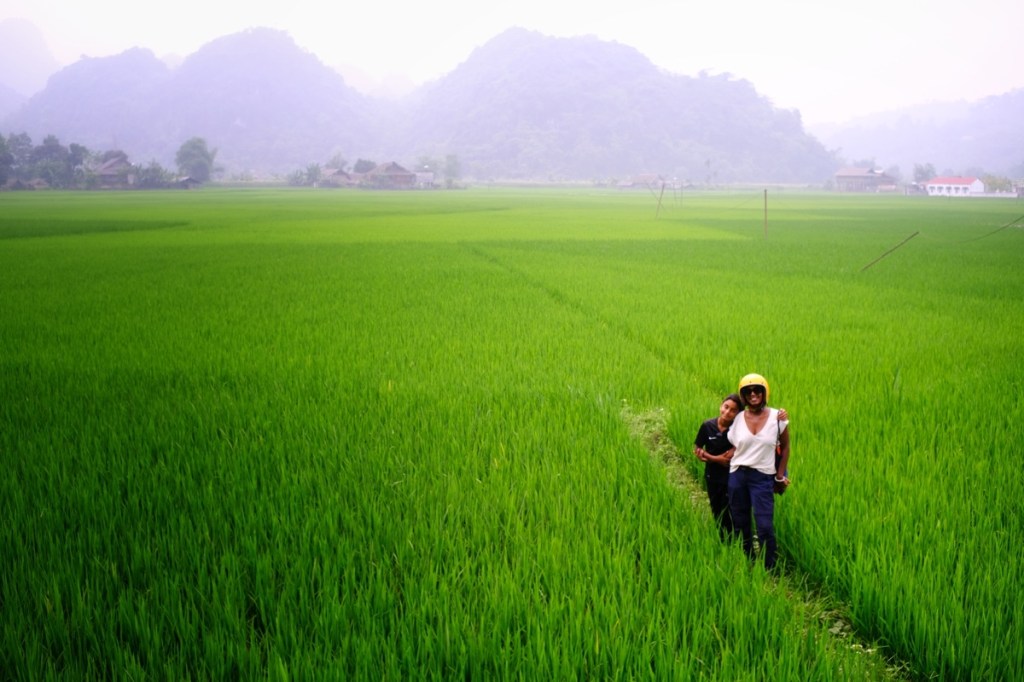
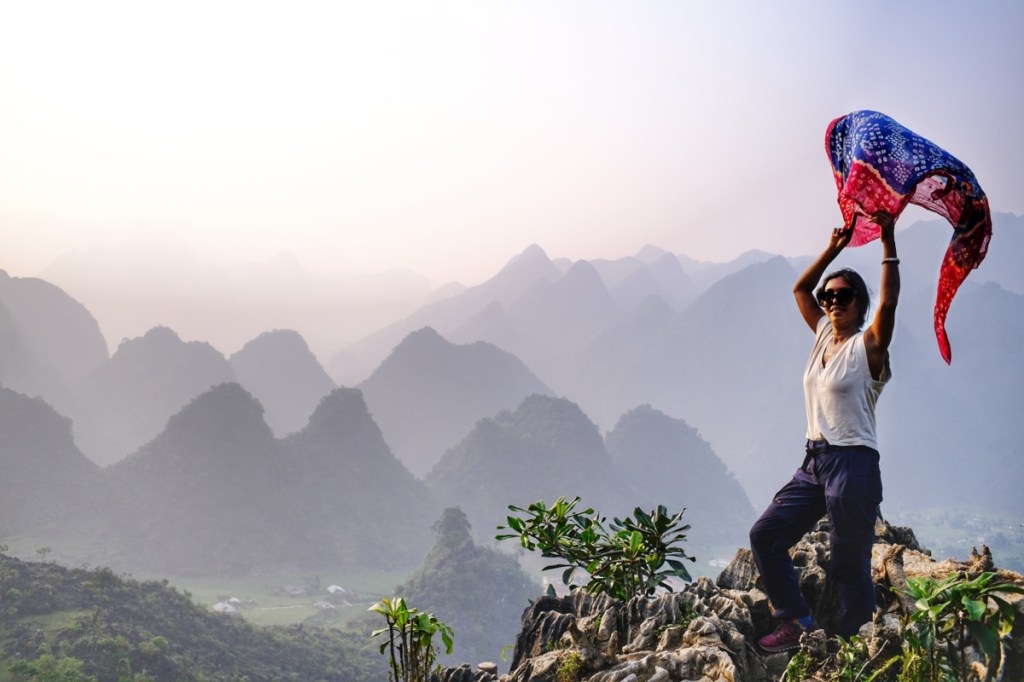
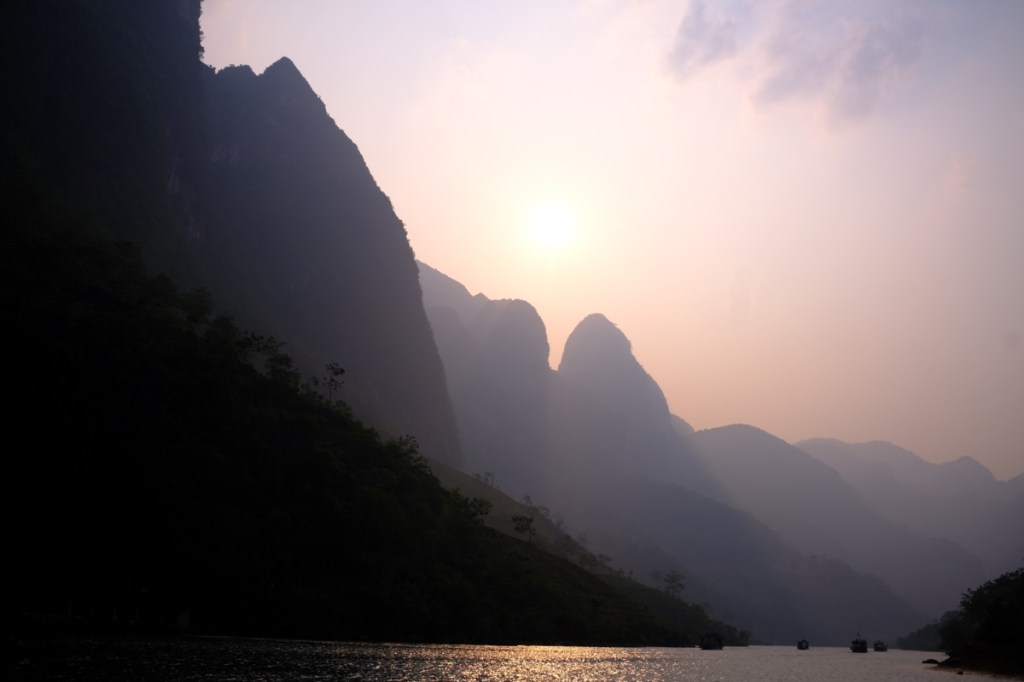
We’re approaching the rain season and the weather was quite hazy on the horizon, not easiest for landscape pics, but we were lucky to have no rain during the 4 days. It was even rather hot and we could swim everyday in a different river spot!
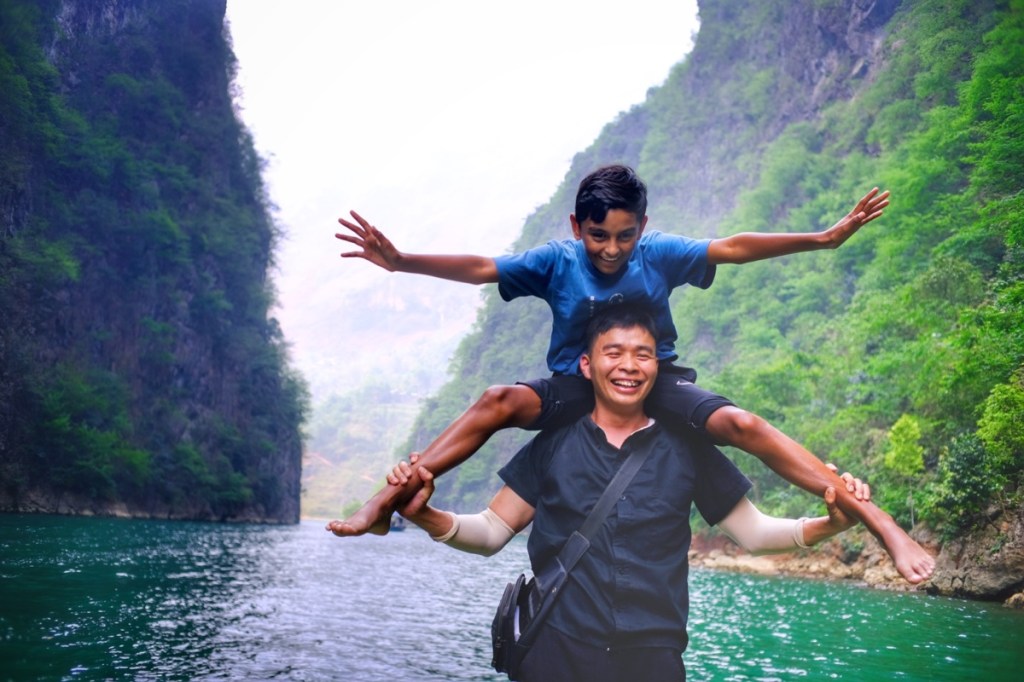
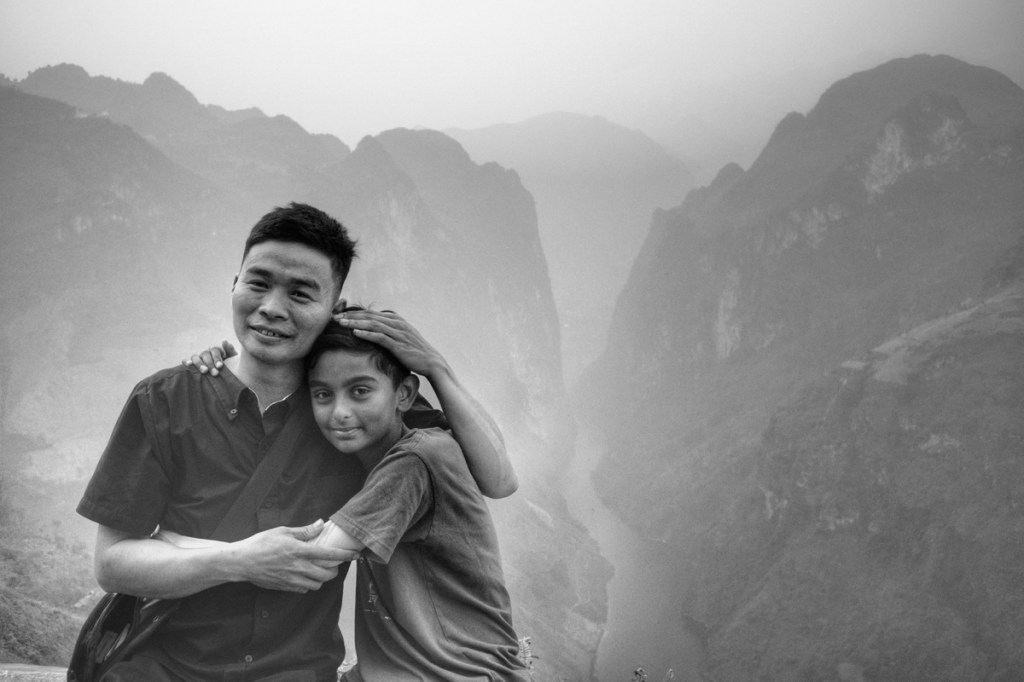
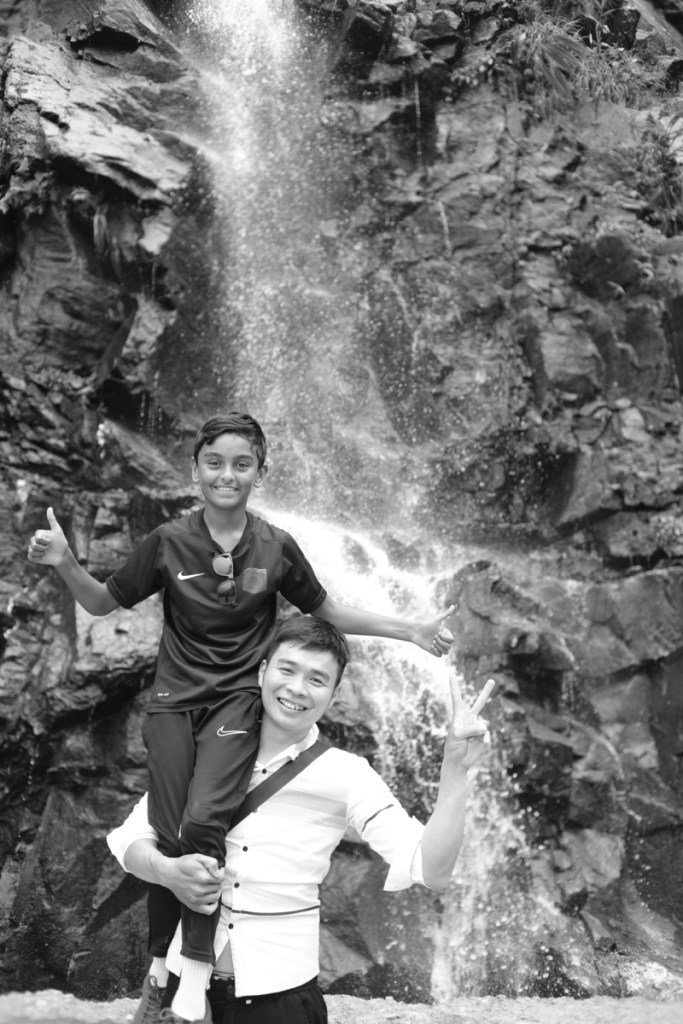
Although not as crowded as Sapa, the Ha Giang loop is an increasingly popular tourist attraction and Minh, our guide, was pretty good at avoiding the crowded spots we could see from time to time. Minh was also super friendly with Leo and they had a blast together!
This loop will remain the most scenic and most memorable part of our visit of Vietnam. Now our visa is expiring in a couple of days and we have to rush to the Laos border!
We were picked up by our guide around 7am as we stepped down from our night bus from La Paz. He took us to a café, for breakfast, and a couple of hours later we were on our way to see the famous salar of Uyuni.
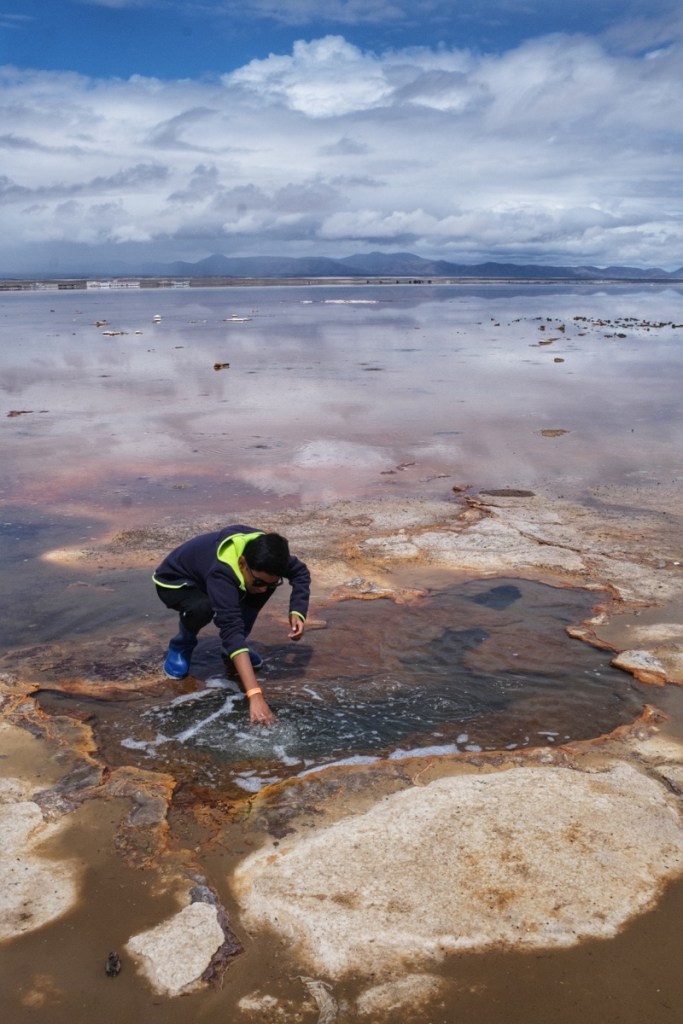
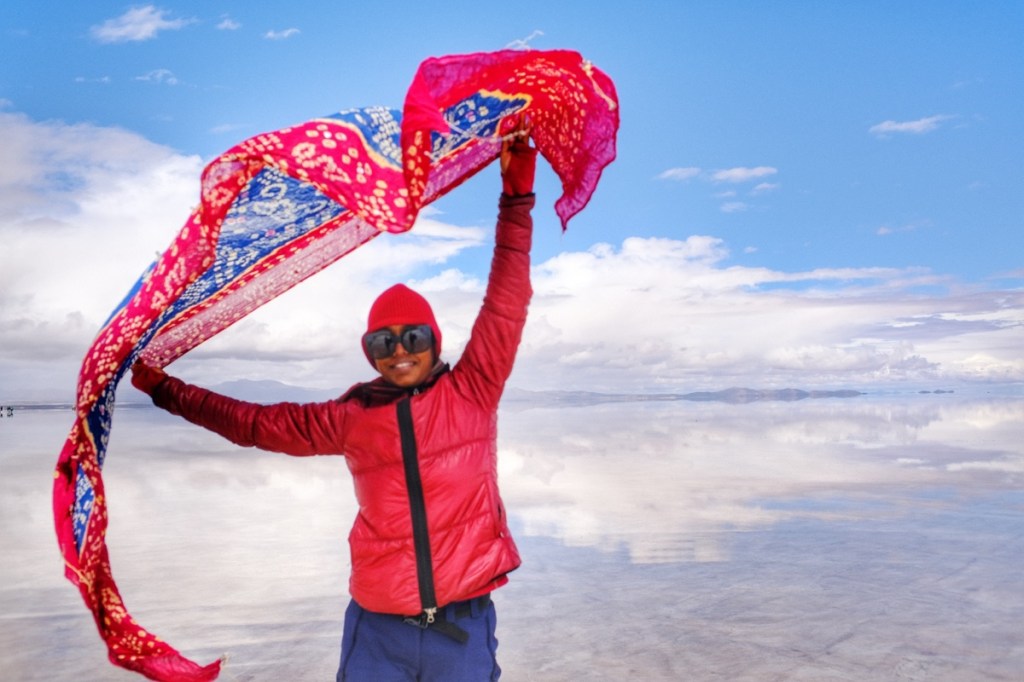
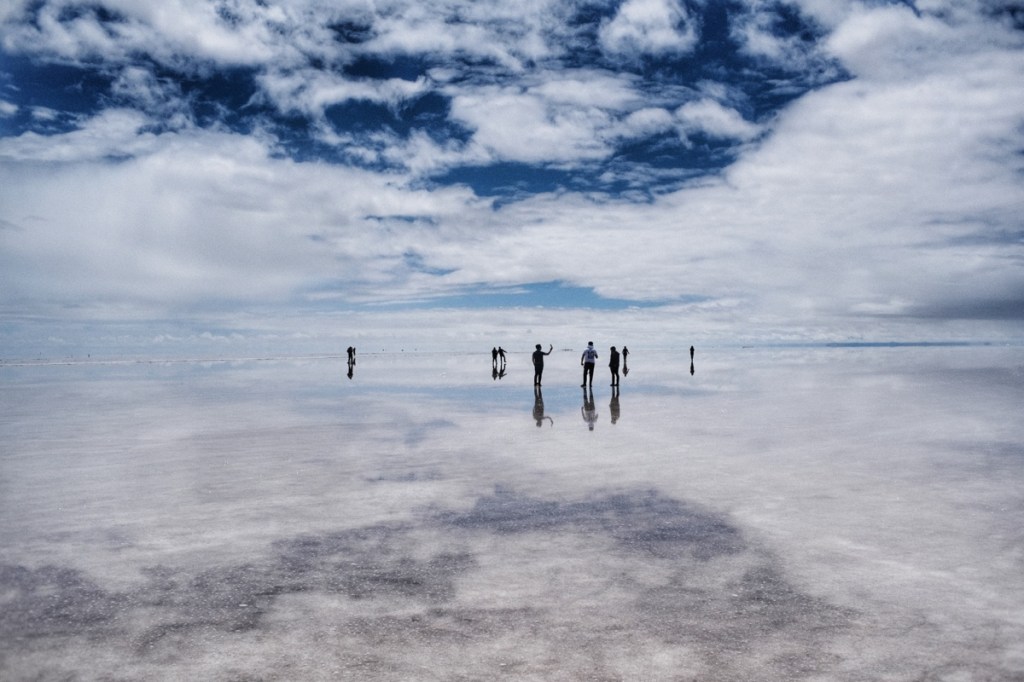
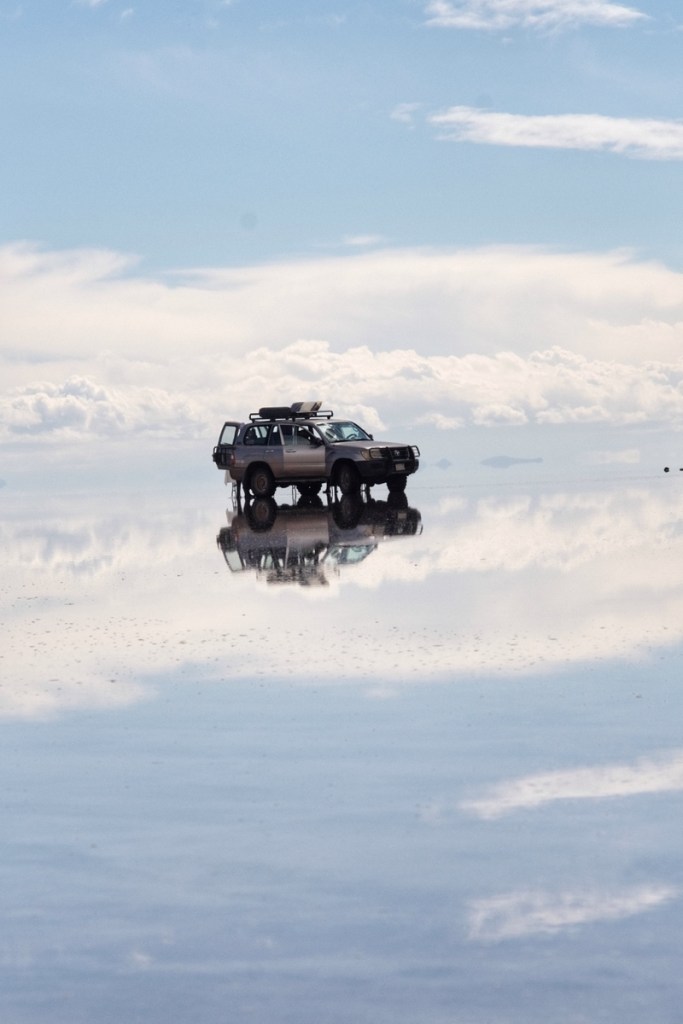
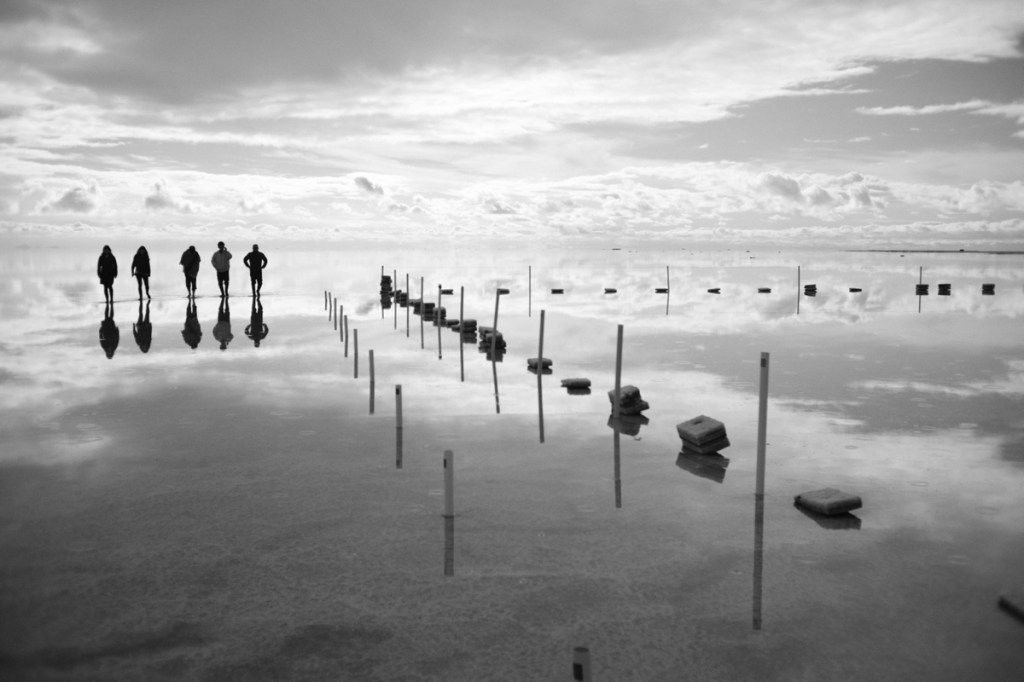
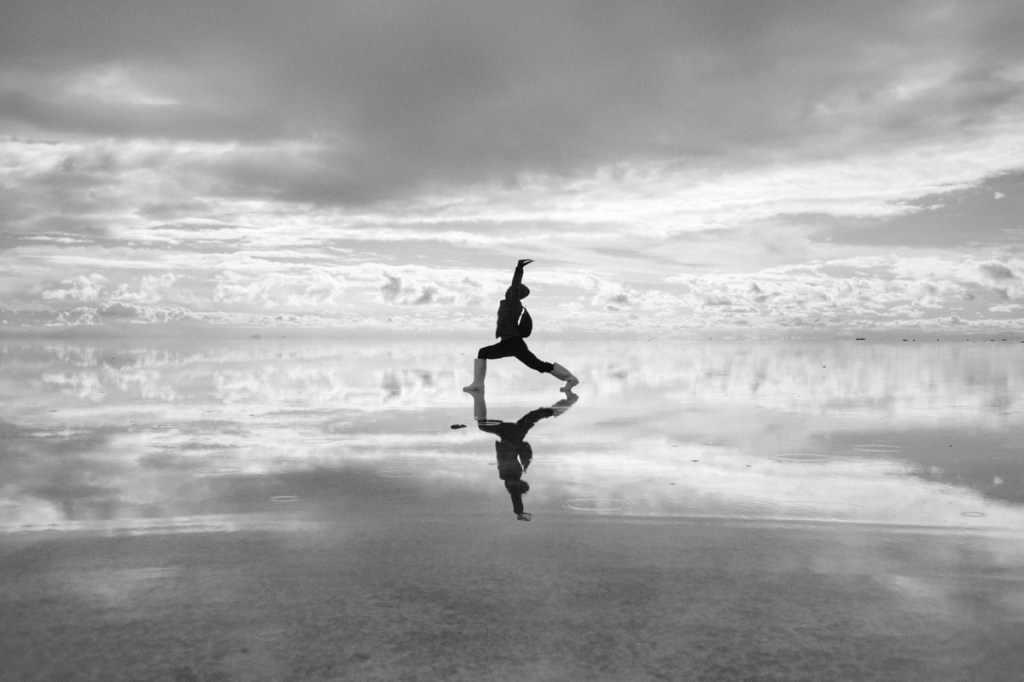
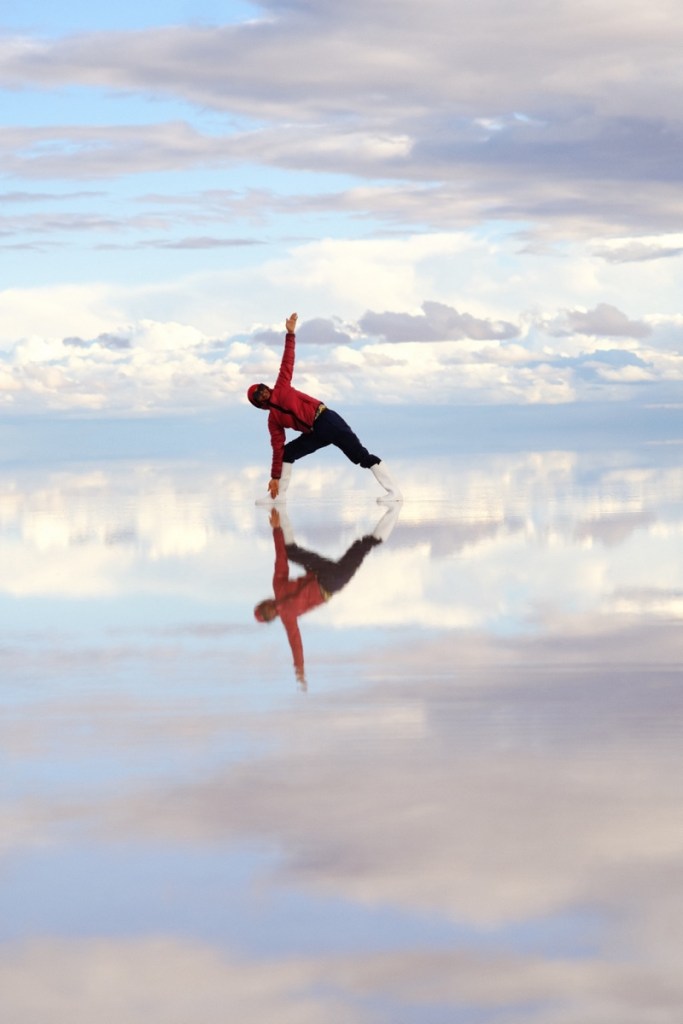
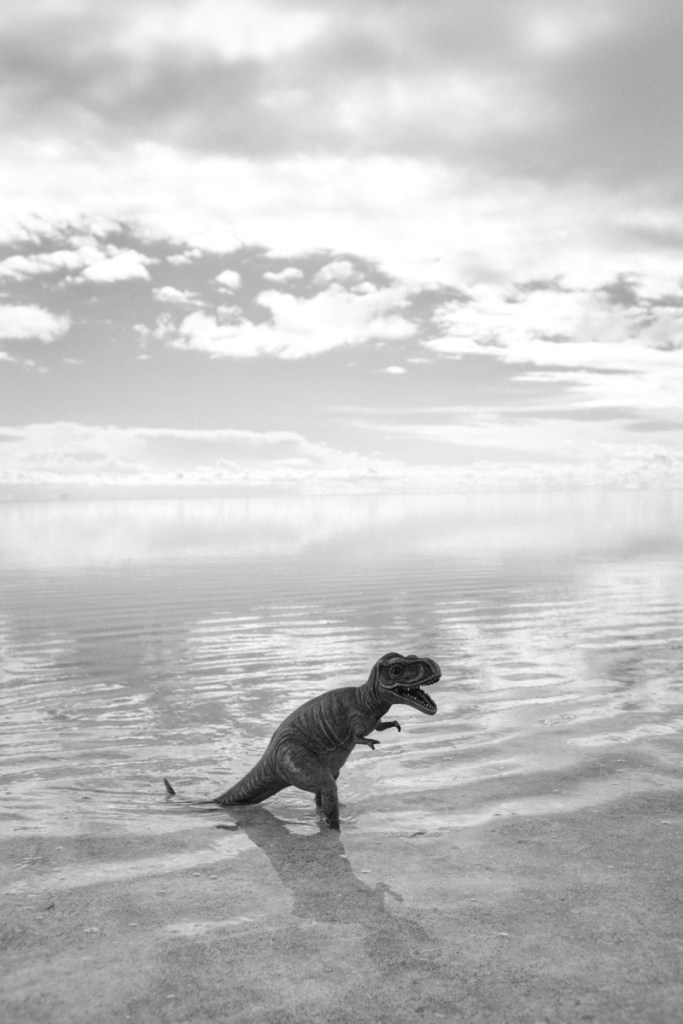
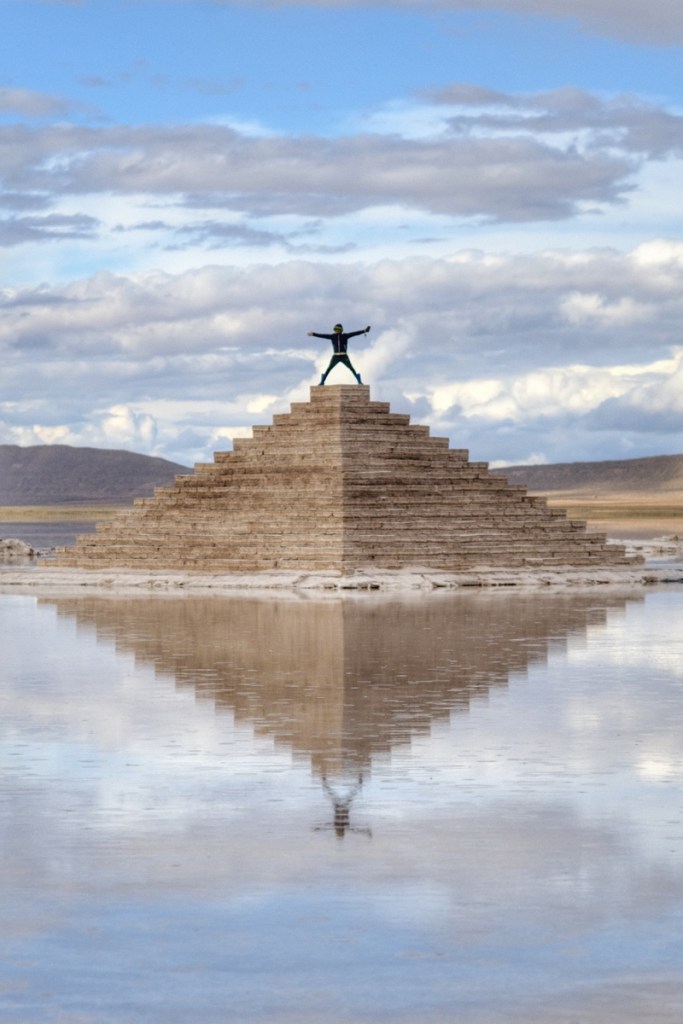
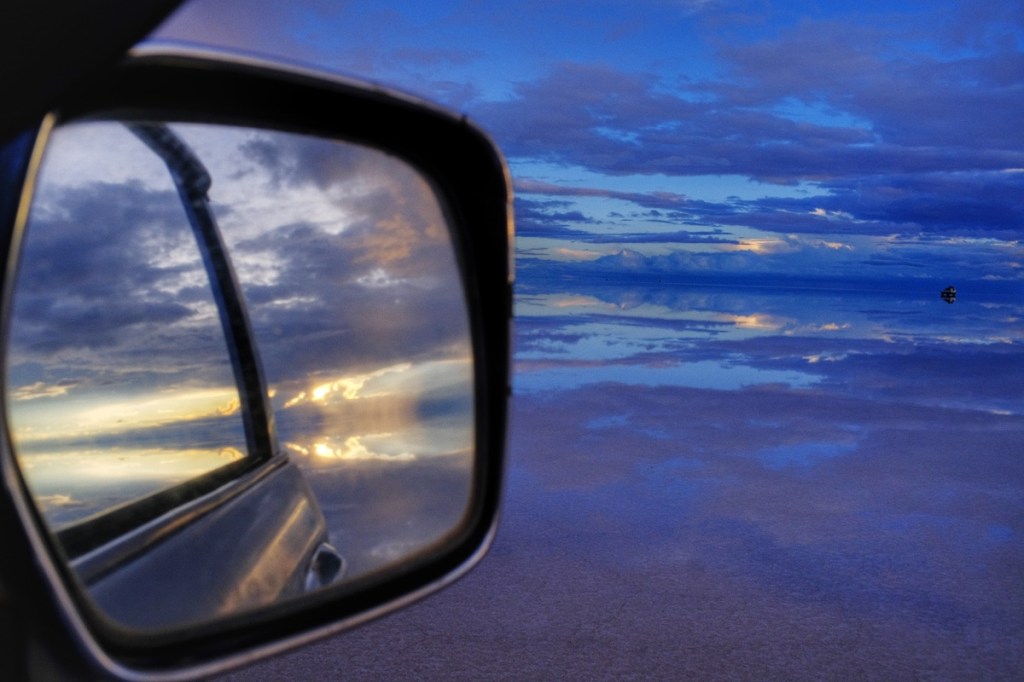
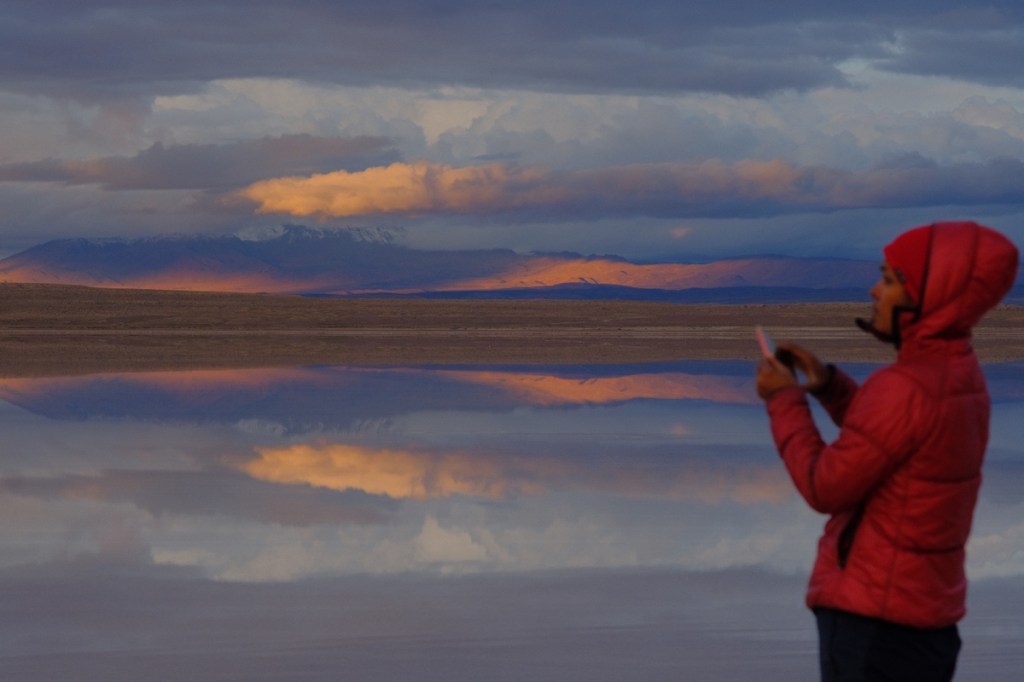
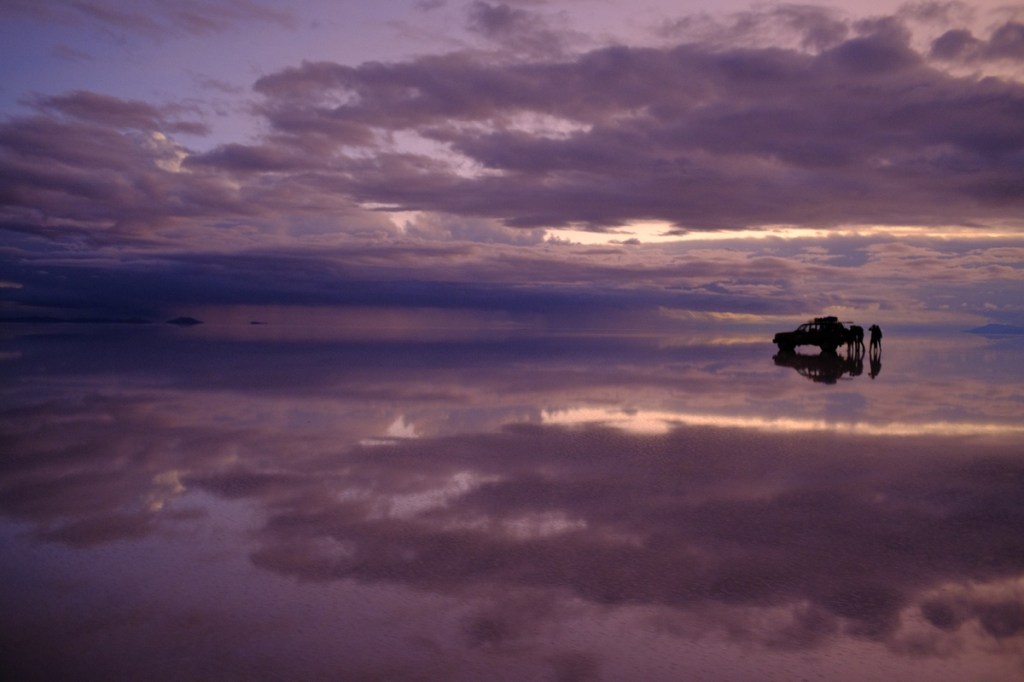
The salar of Uyuni is one of the highlights of any trip to South America. A salt pan of 200km2, 1km deep. Even Belgium could not use all of it on its fries 🤡. And with the rain, it turns into a gigantic 200km2 mirror reflecting the sky. There is no more ground; everything seems to be floating in the clouds. Feels like walking inside a giant kaleidoscope. Feels like walking in heaven!
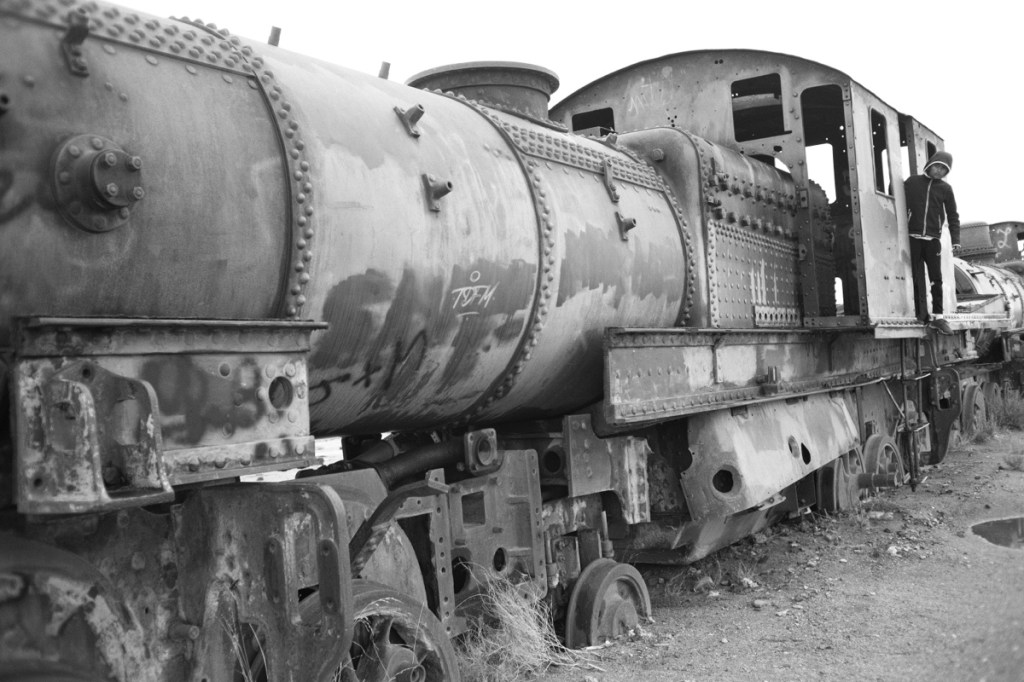
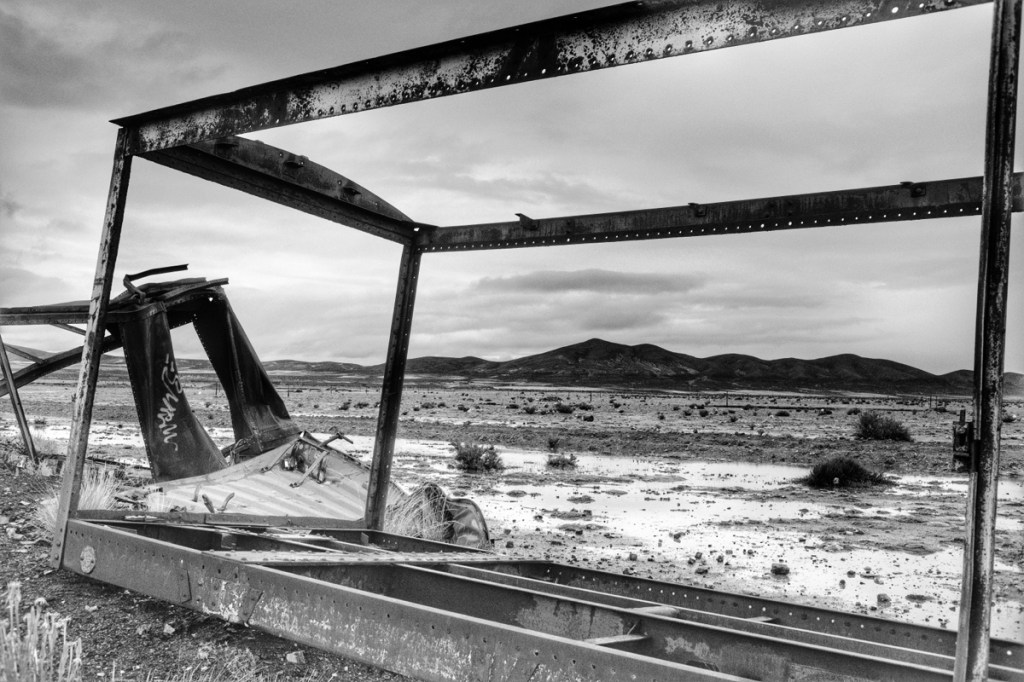
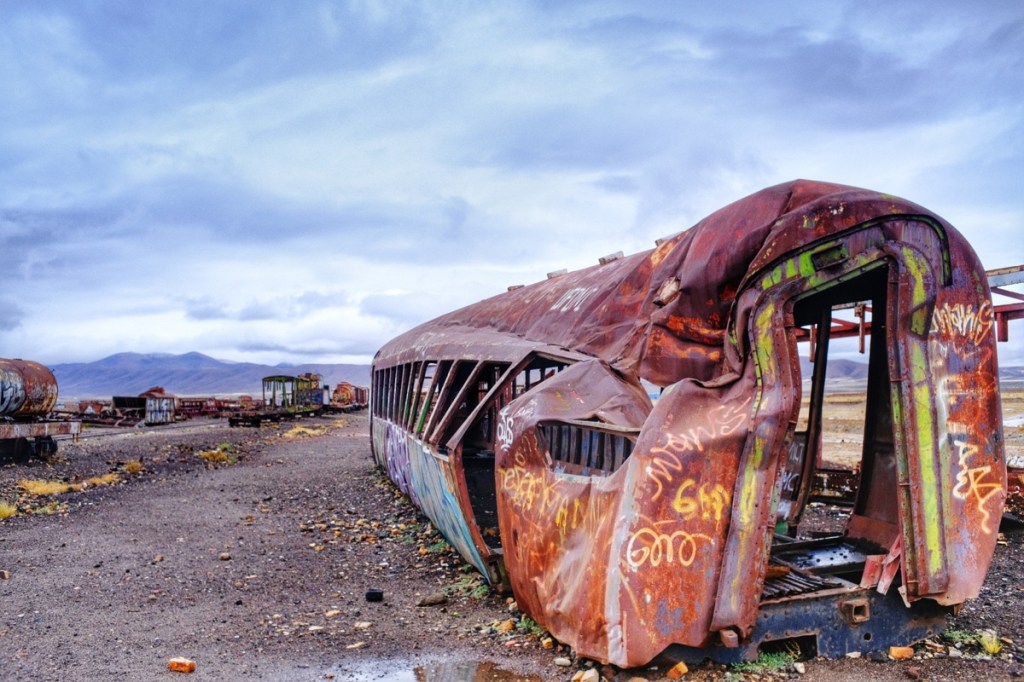
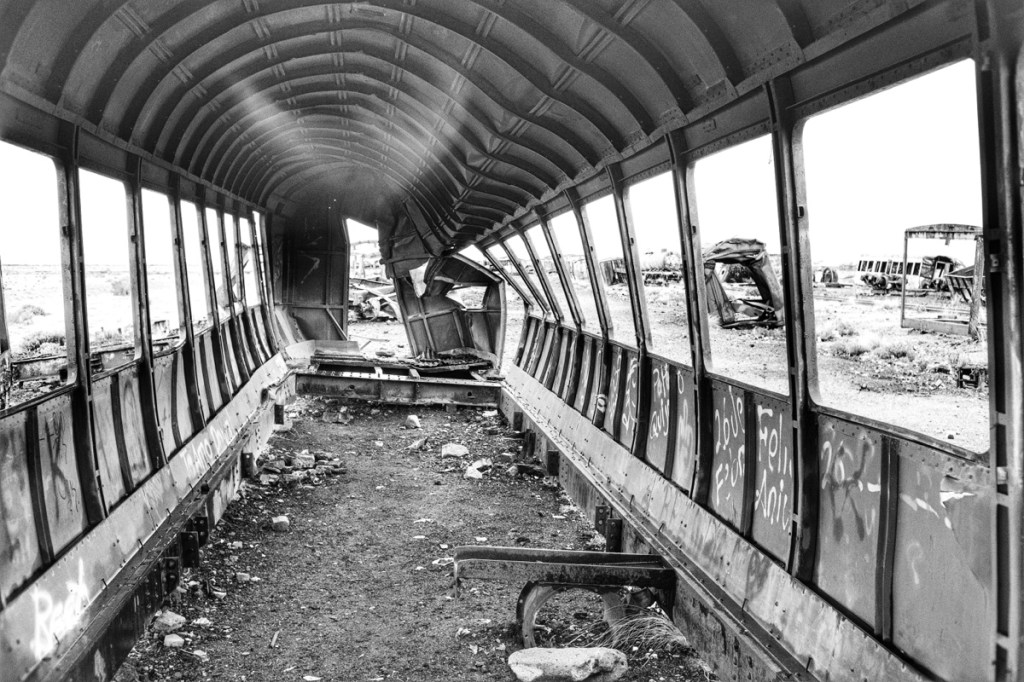
Before reaching the salar, we stop by the train cemetery. It’s an ancient repair area, abandoned some time after the pacific war, when the line to the pacific got shut. (It’s reopened now, but operated by the Chinese and going through Chile.. pretty hard to bear for Bolivians)
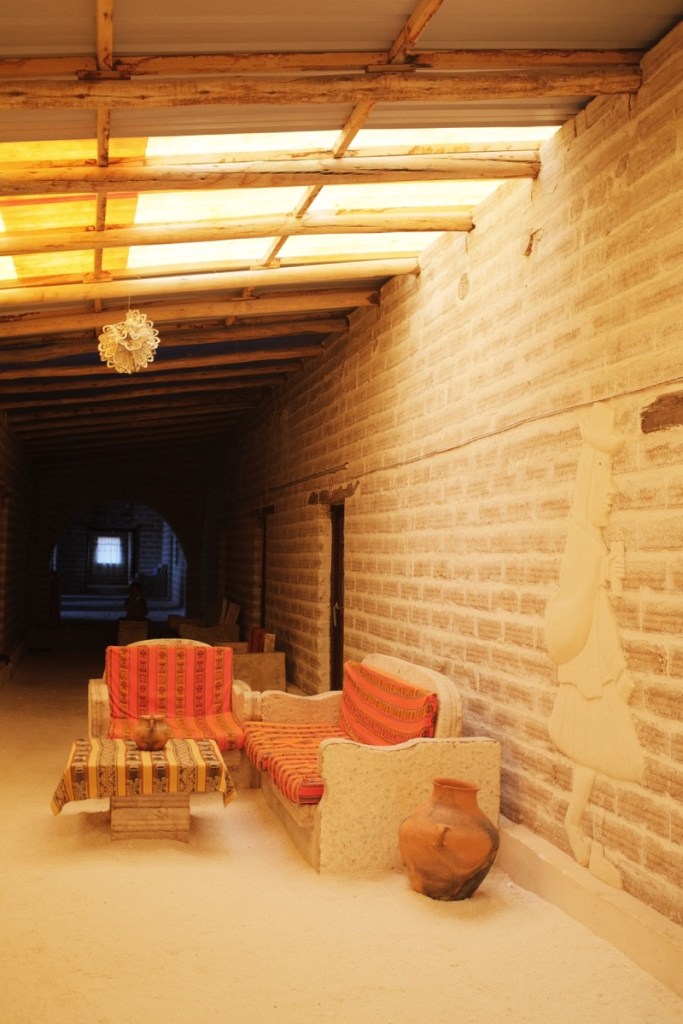
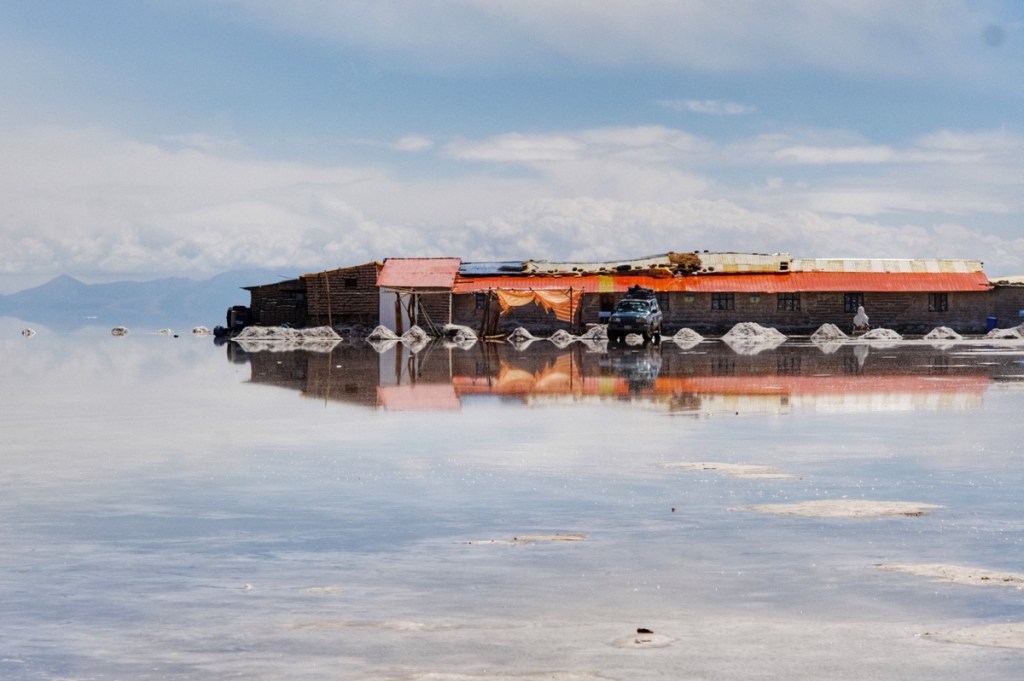
For lunch, and at night, we’re taken to hotels made entirely of salt blocks: the walls, the tables, the beds, the counters.. everything in is salt! It looks nice too, as the stratification creates alternative white and brown layers (for the wet and dry seasons)
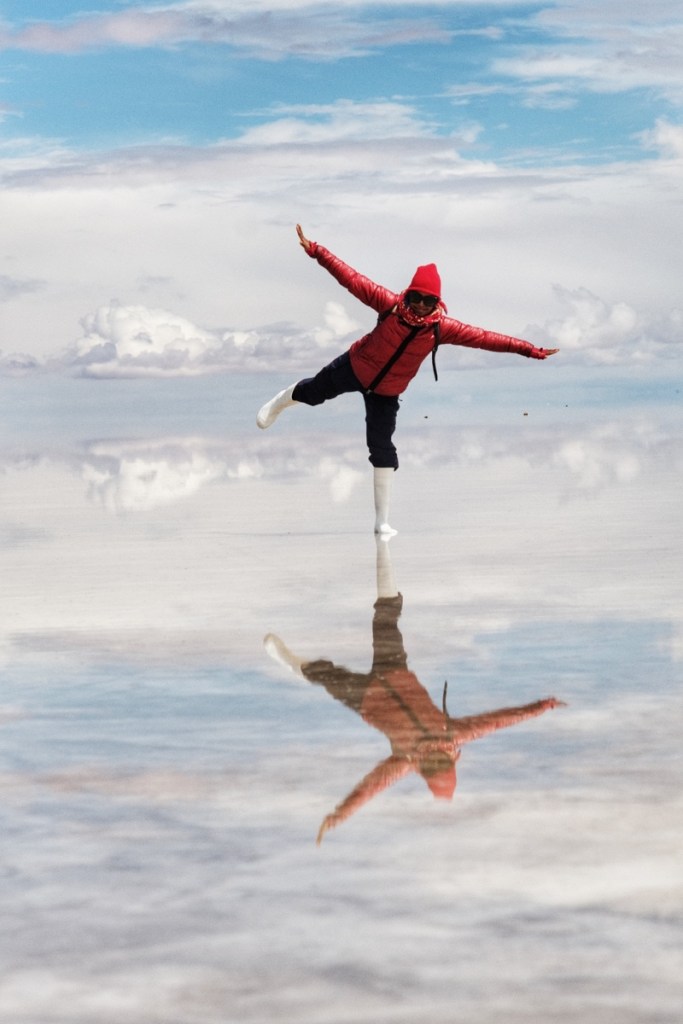
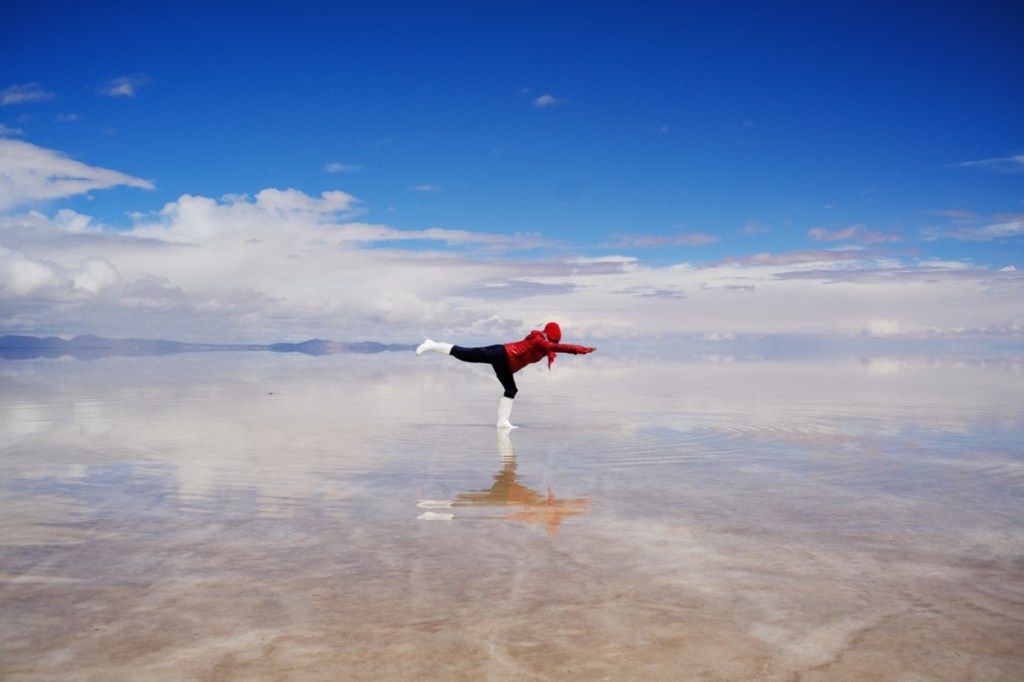
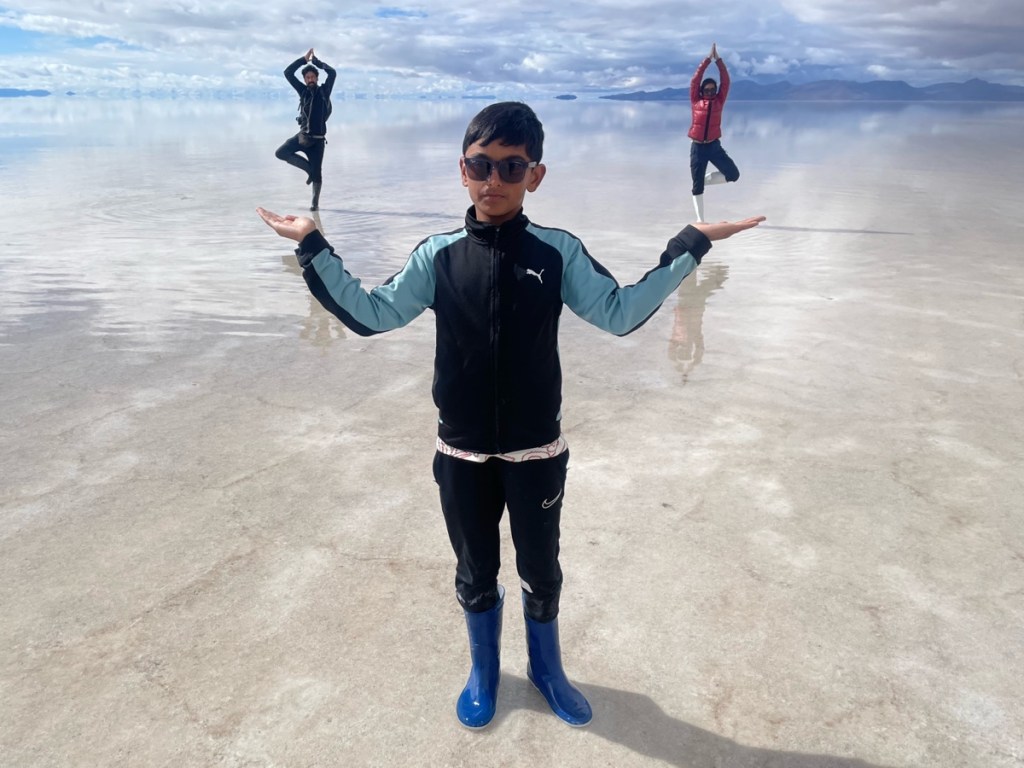
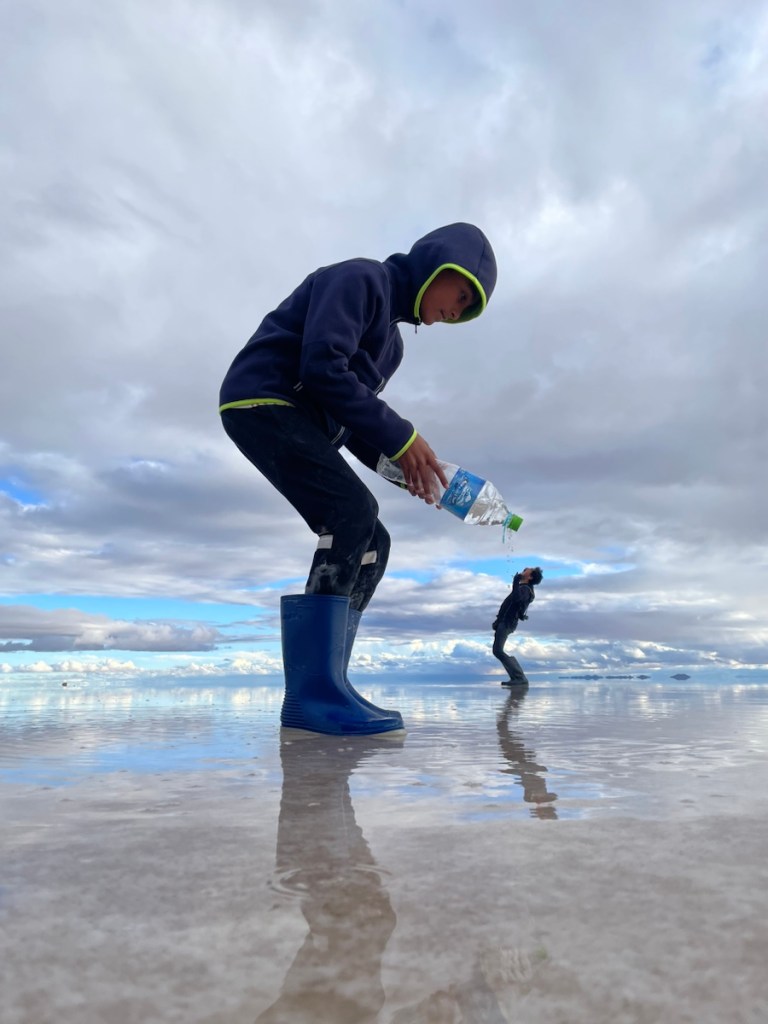
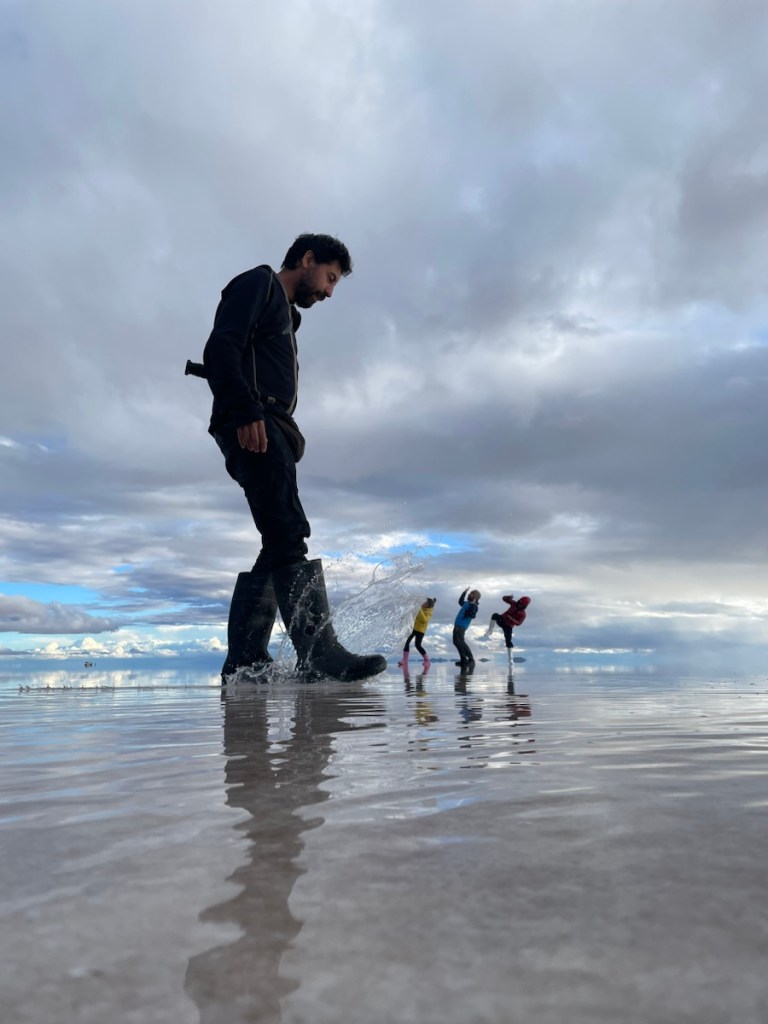
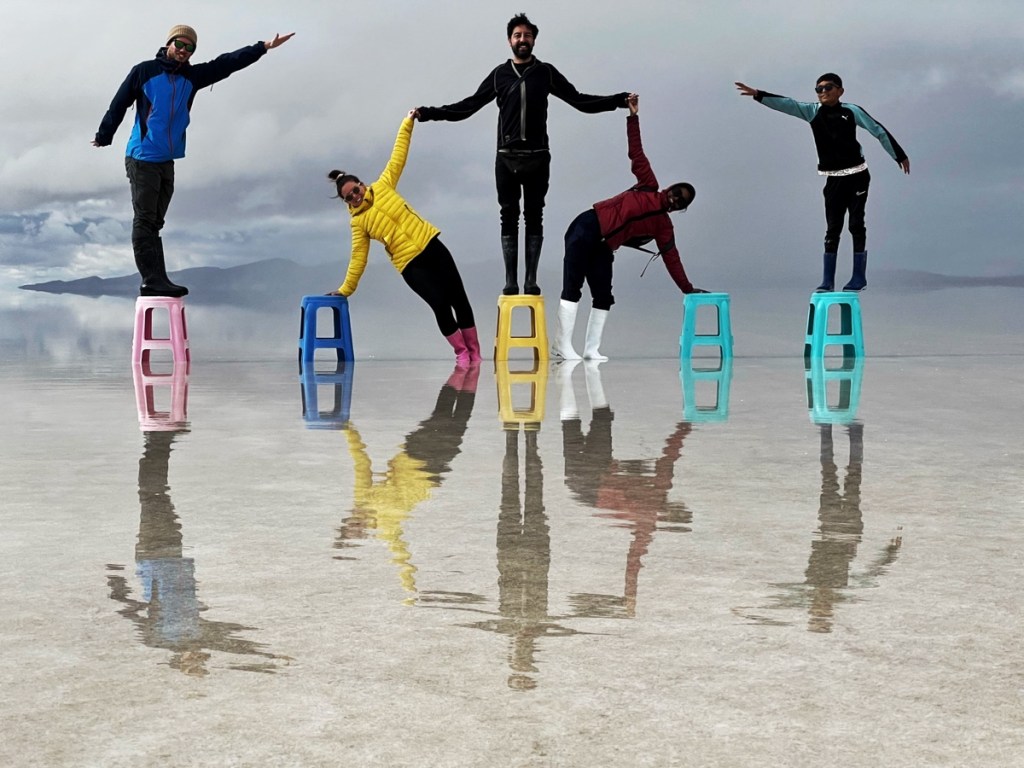
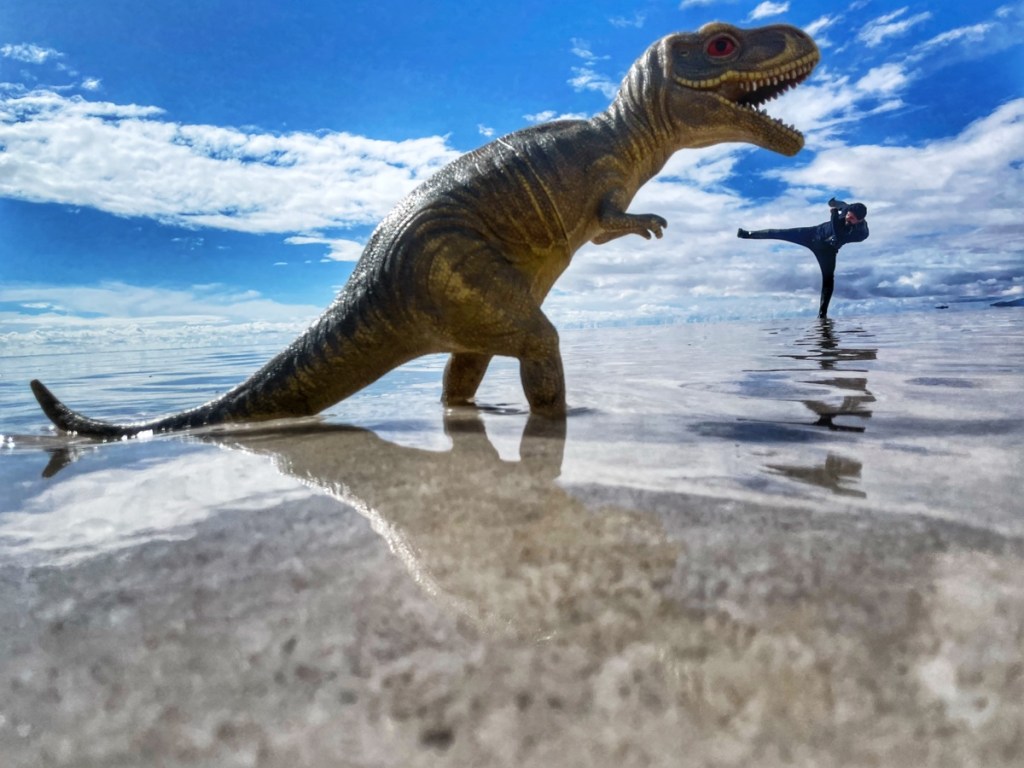
It’s a tradition on the salar to make silly pictures, to play with reflections and the absence of perspective!
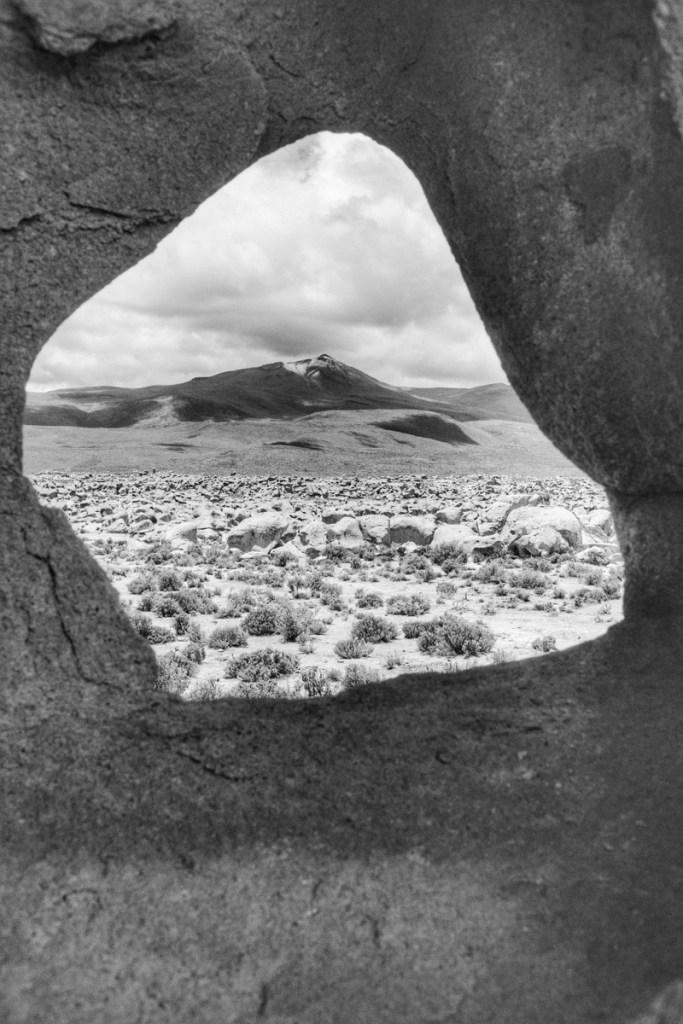
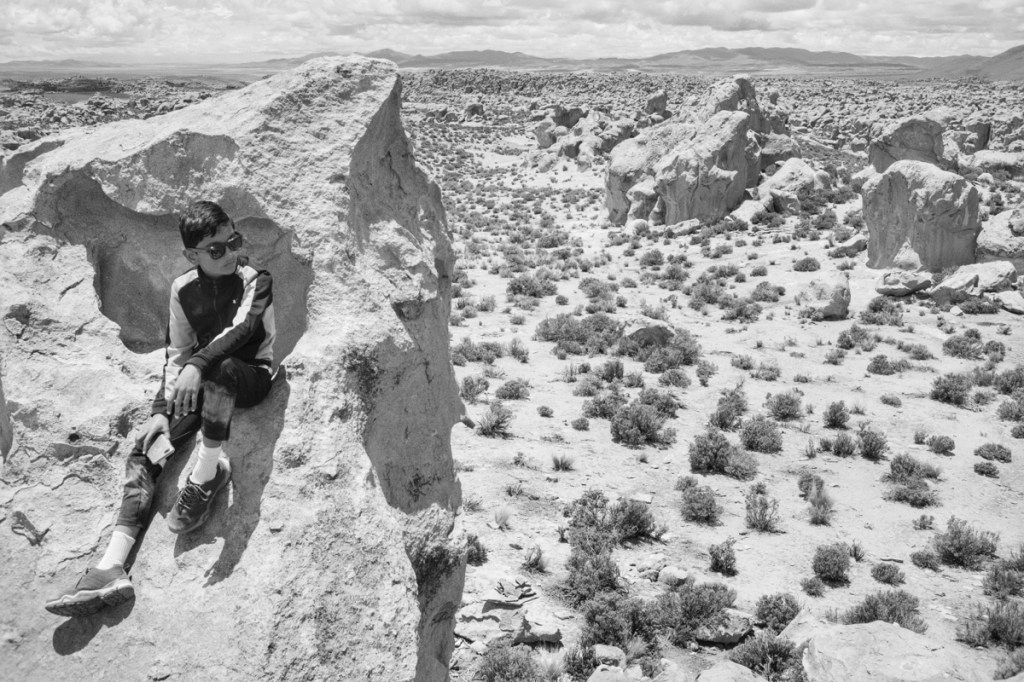
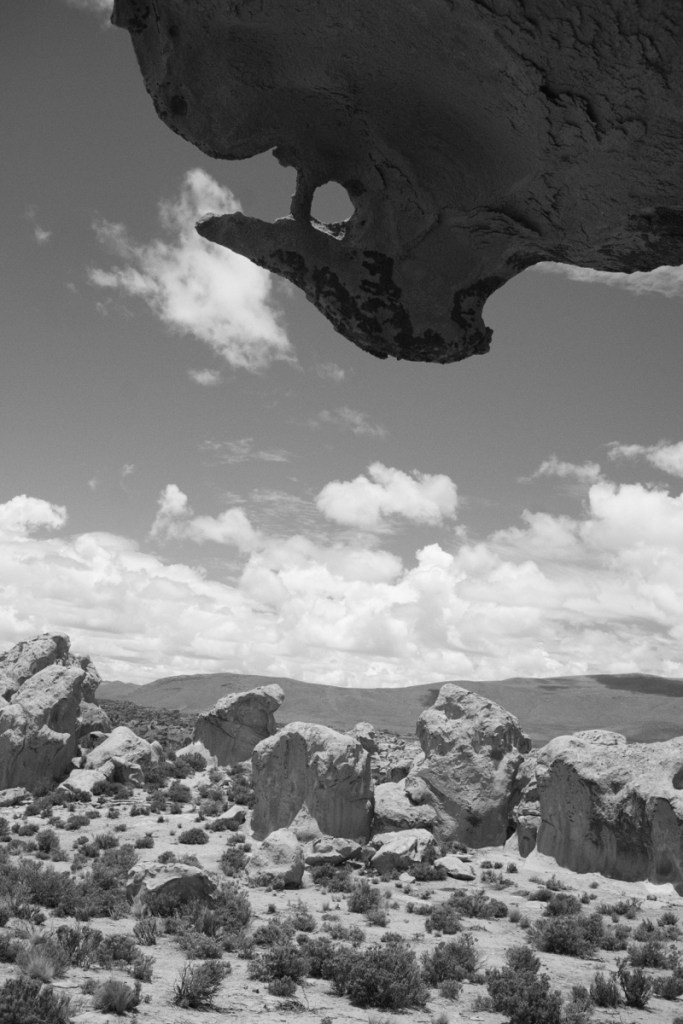
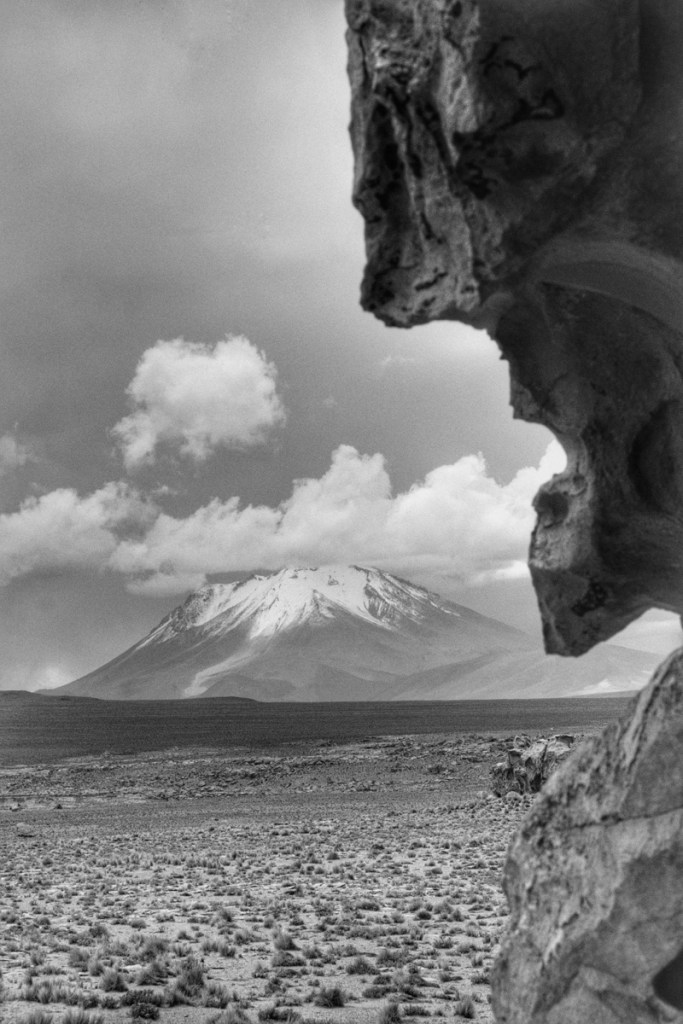
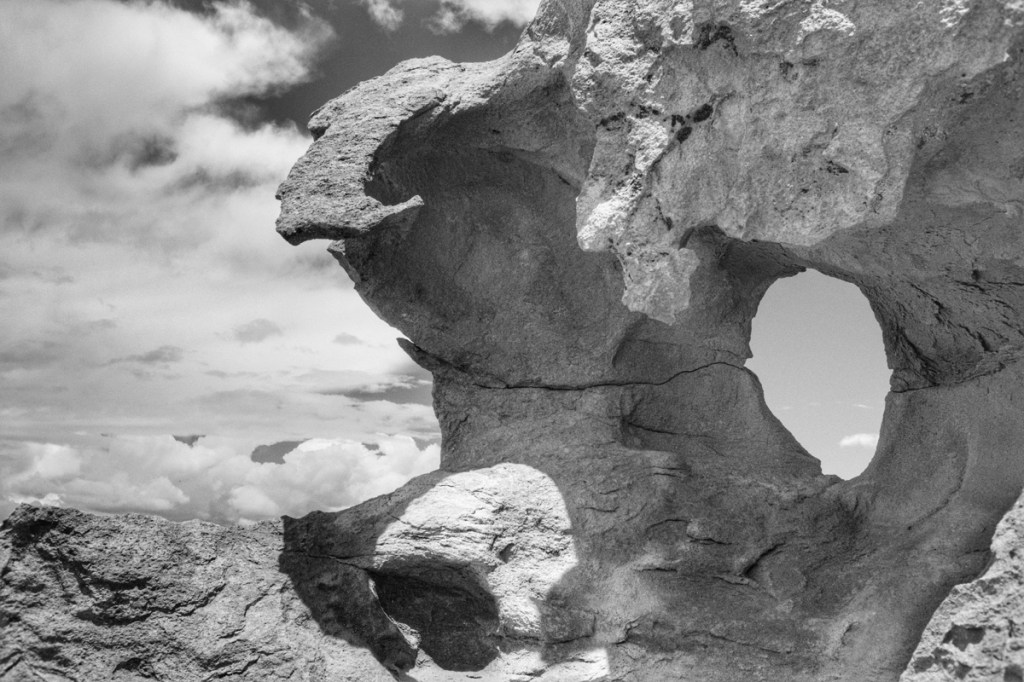
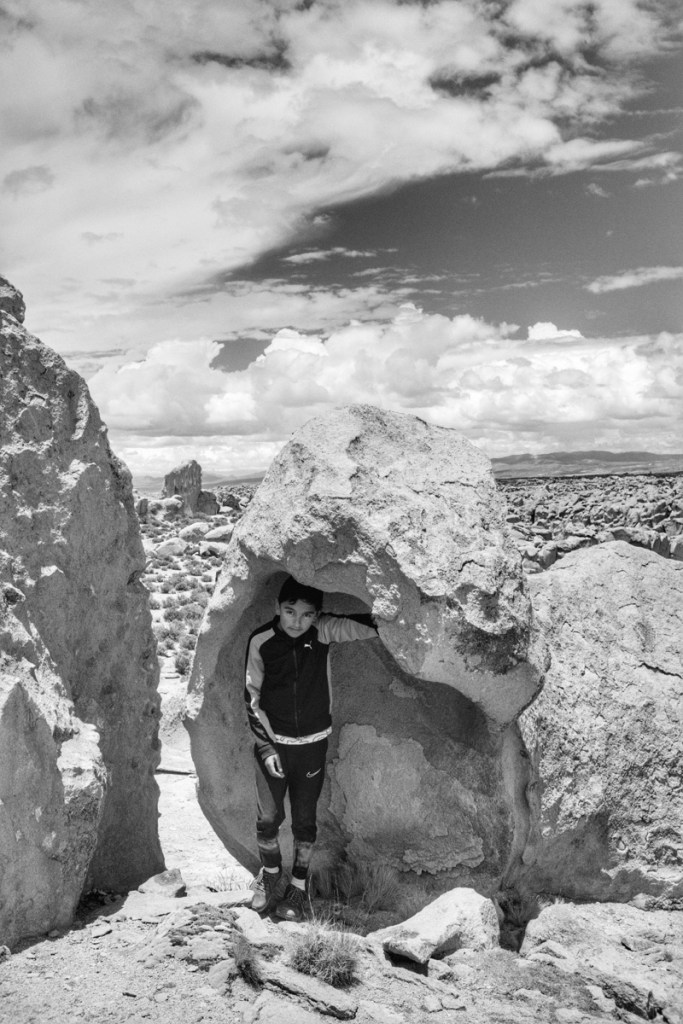
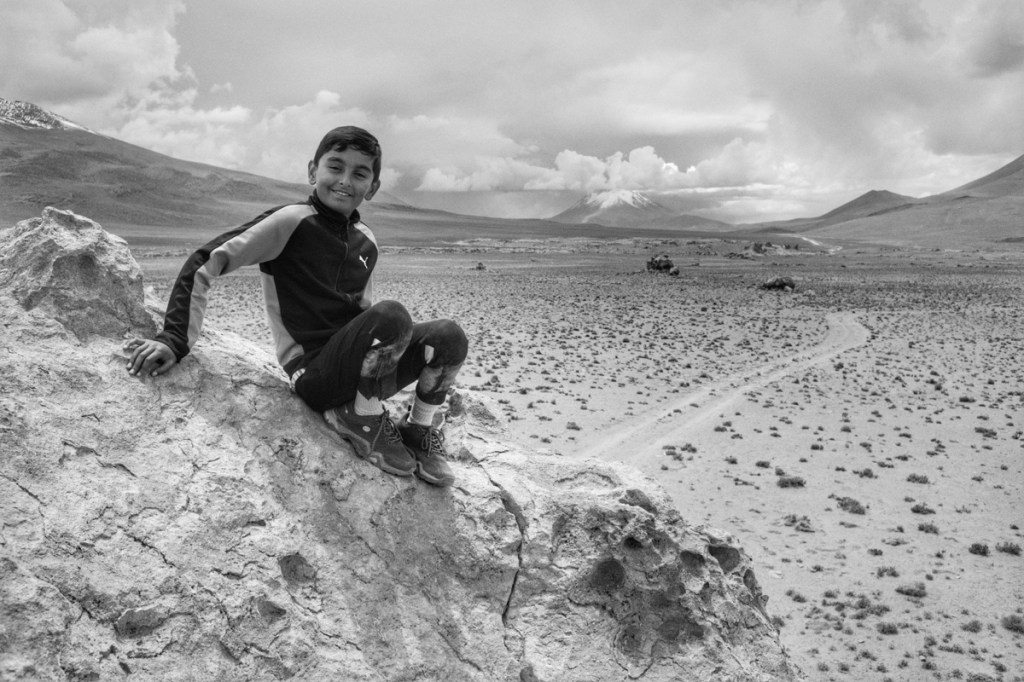
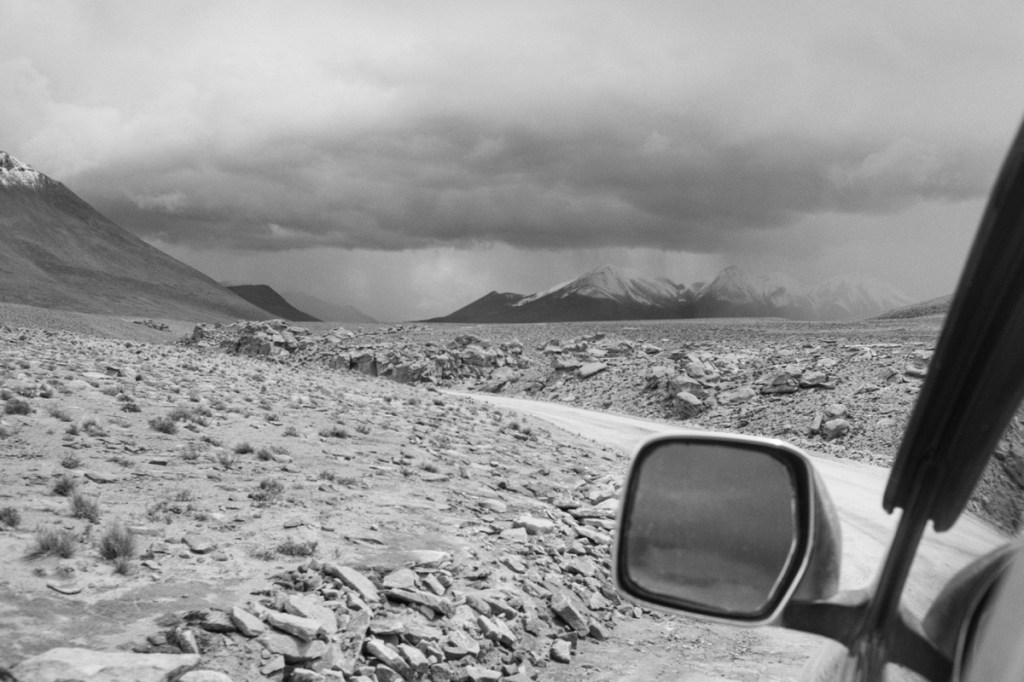
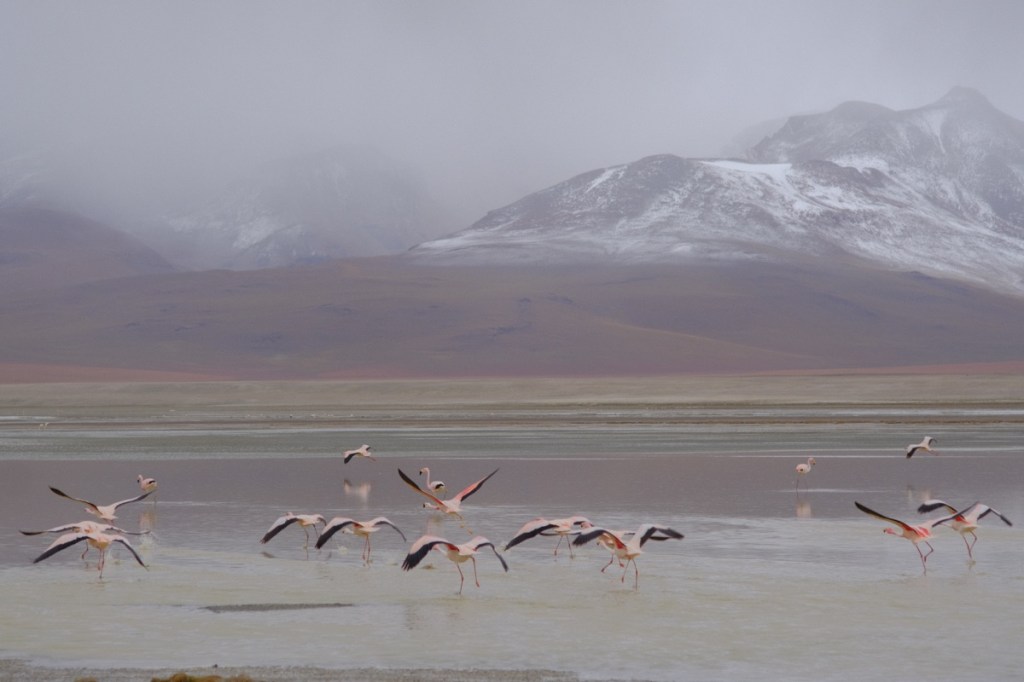
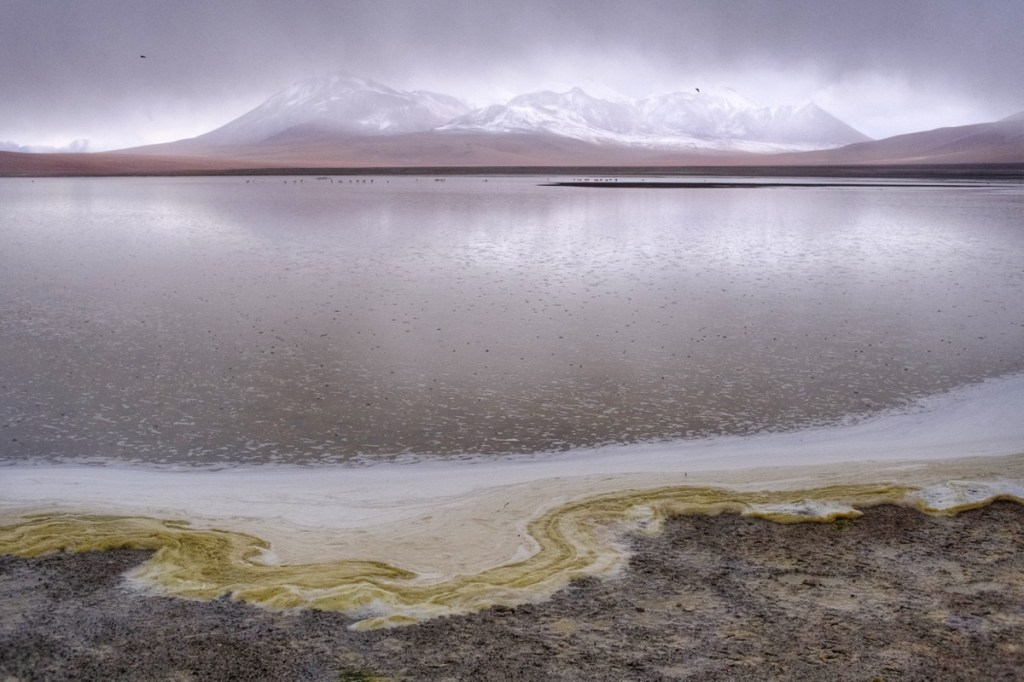
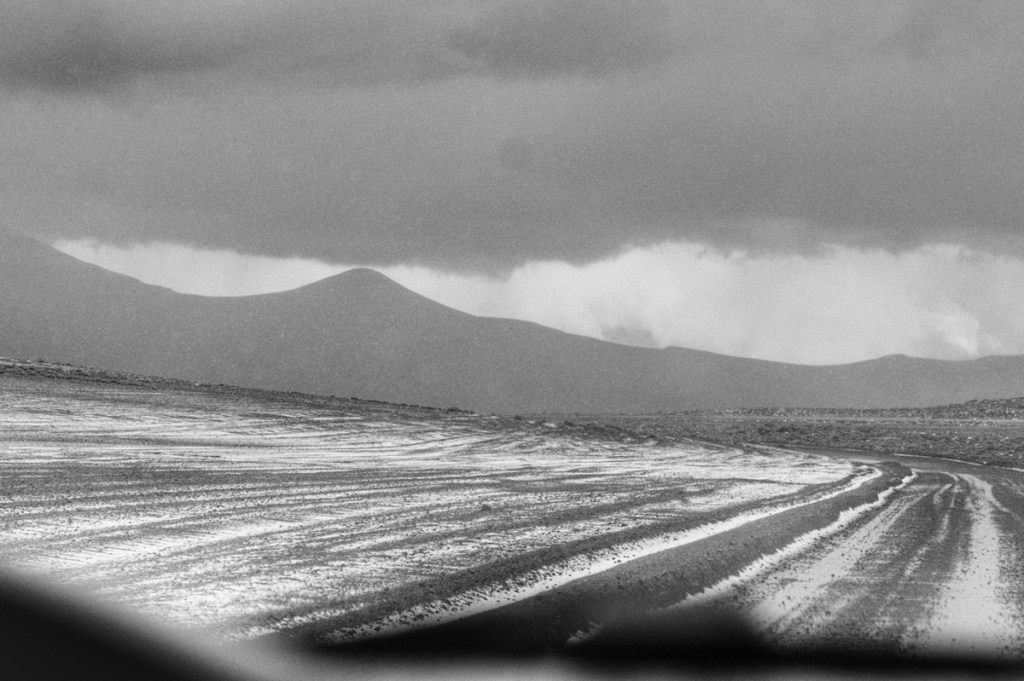
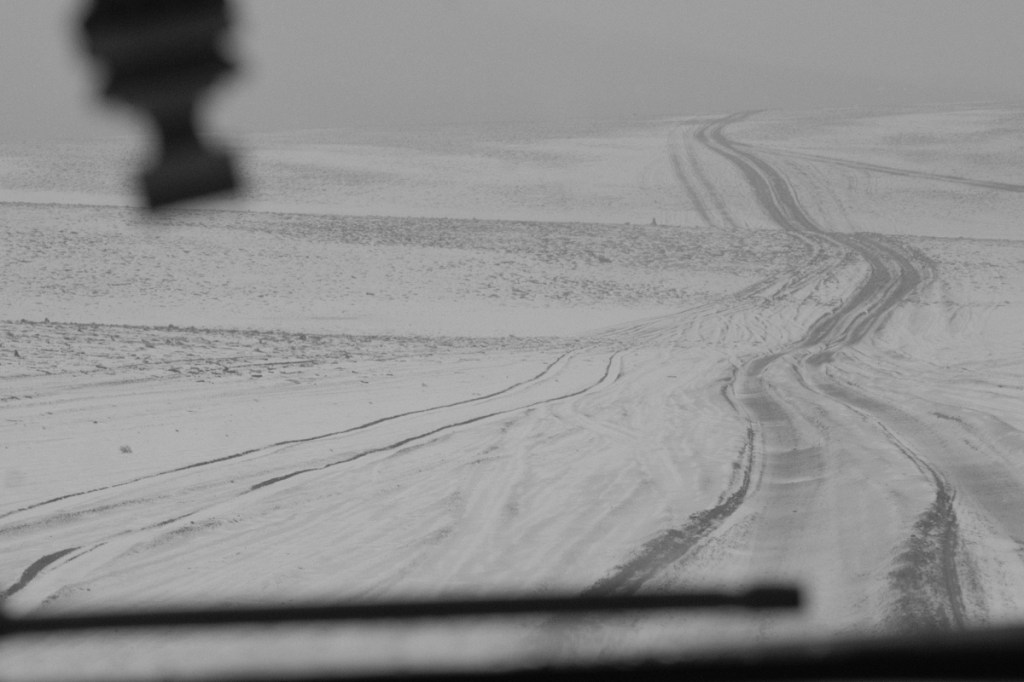
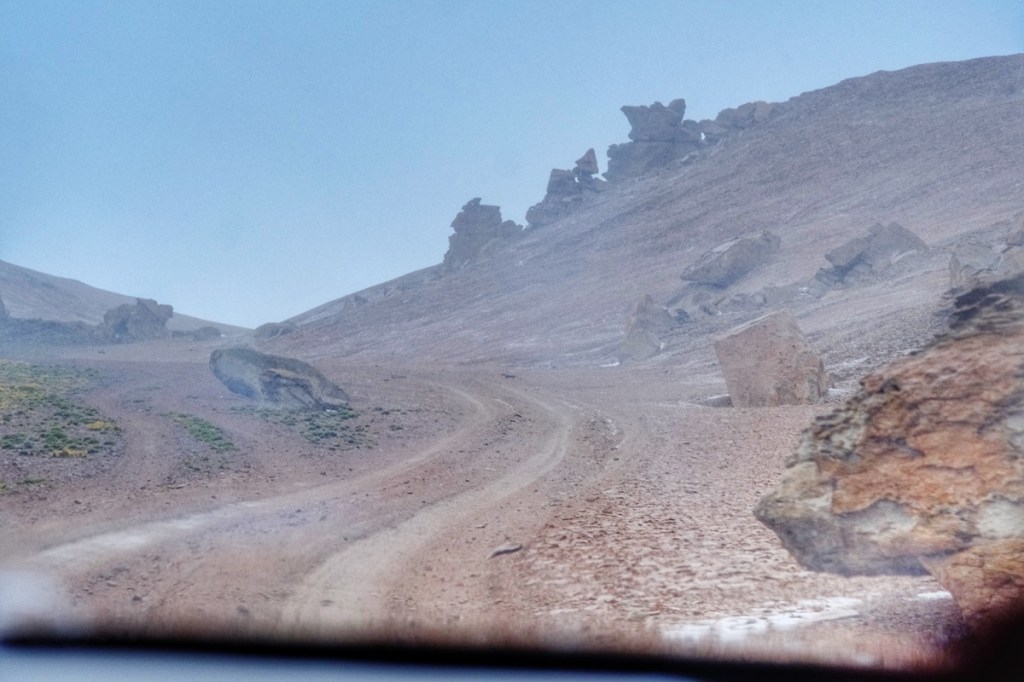
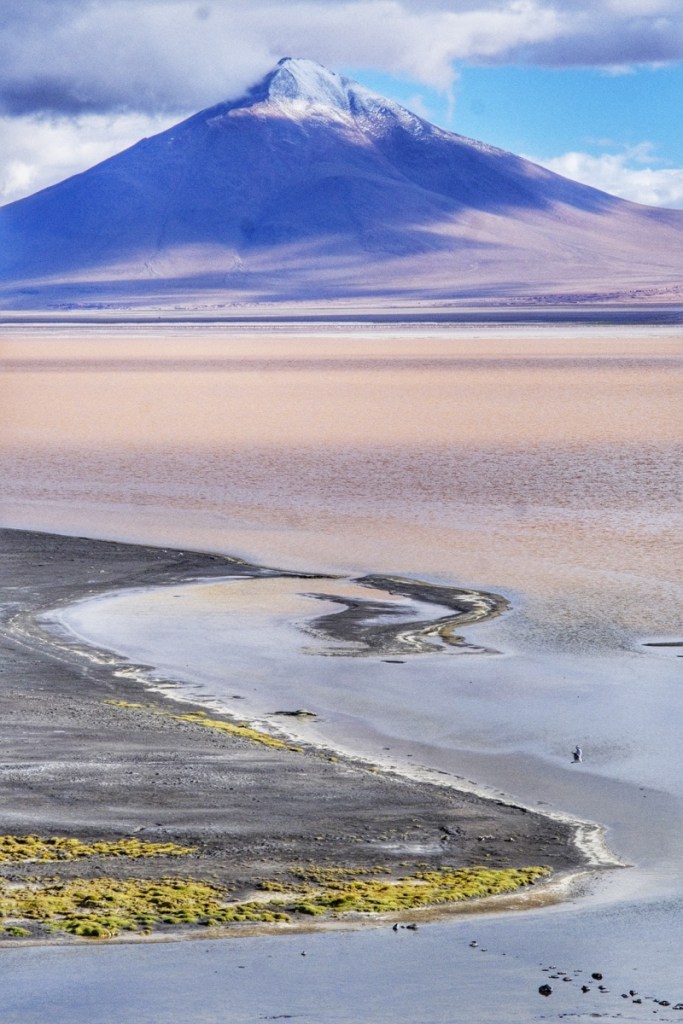
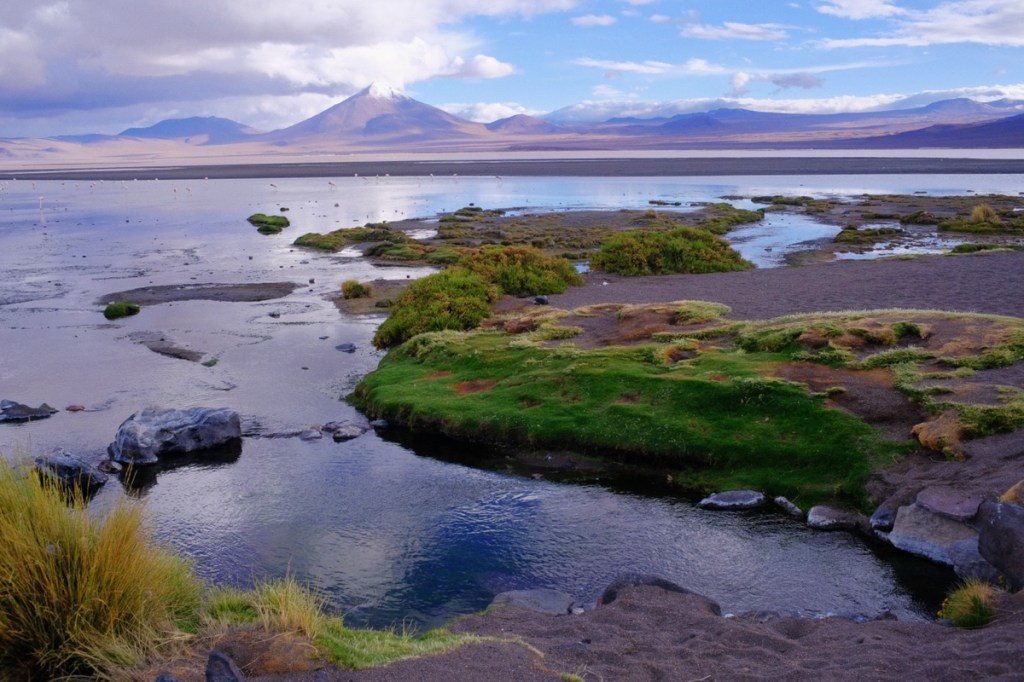
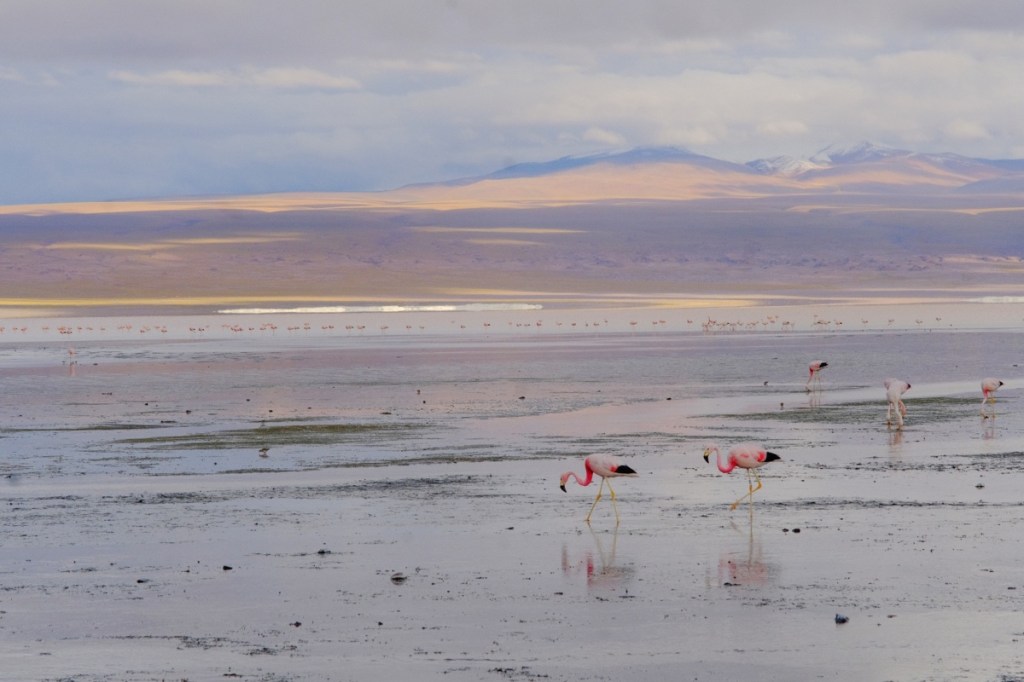
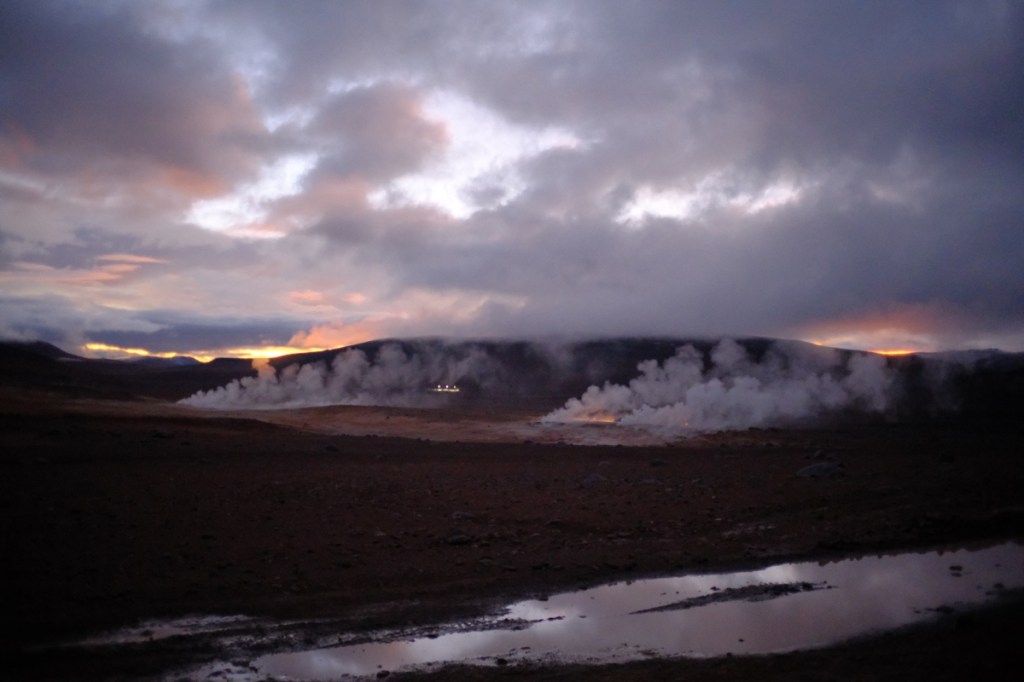
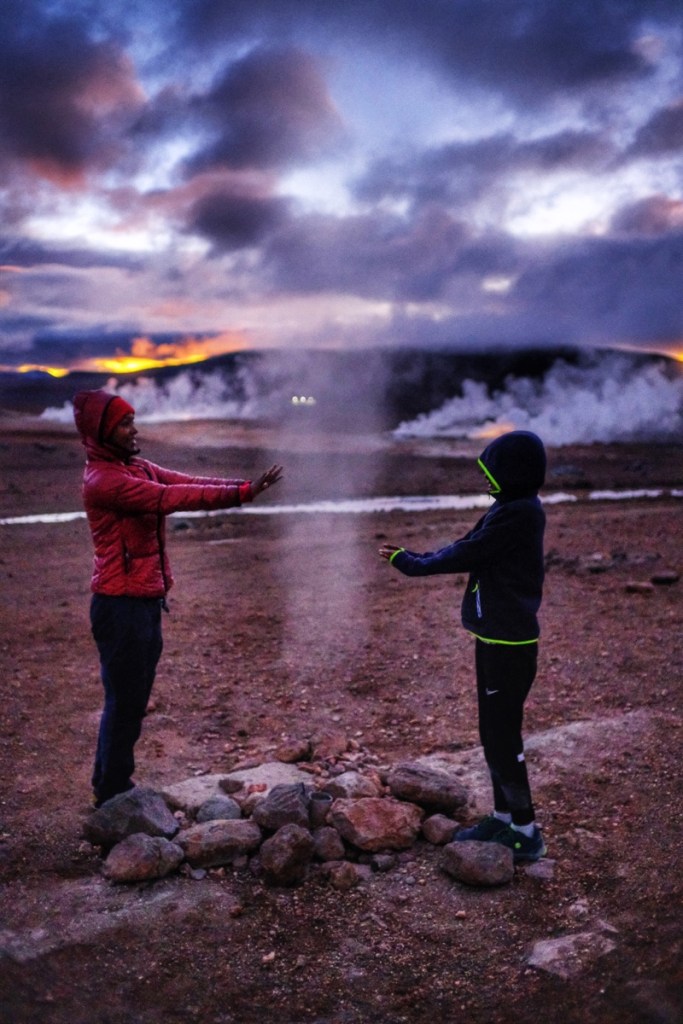
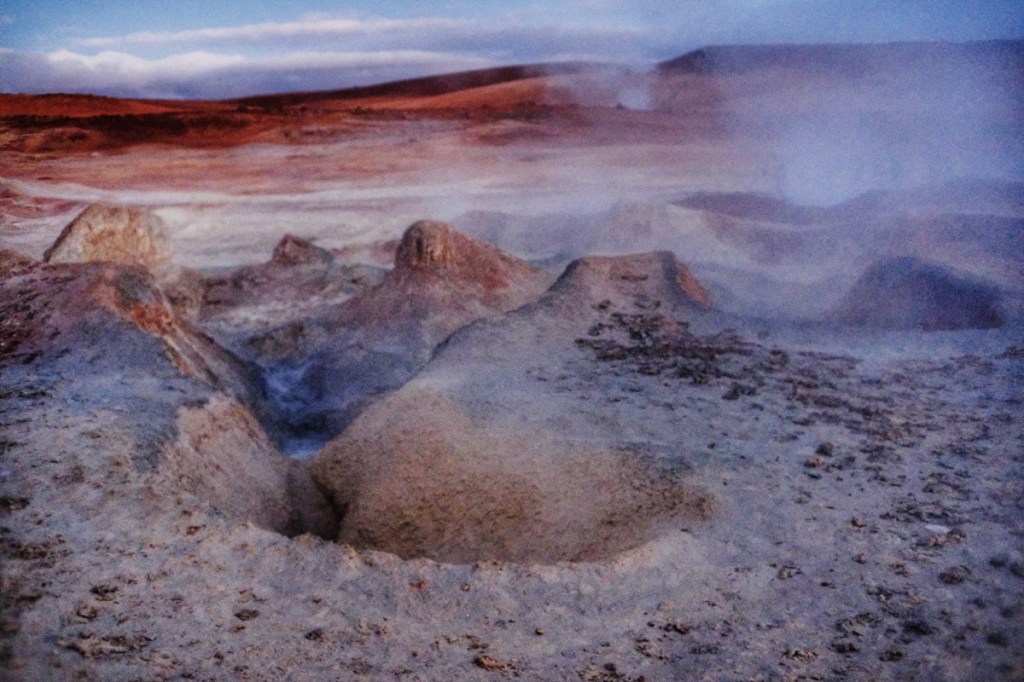
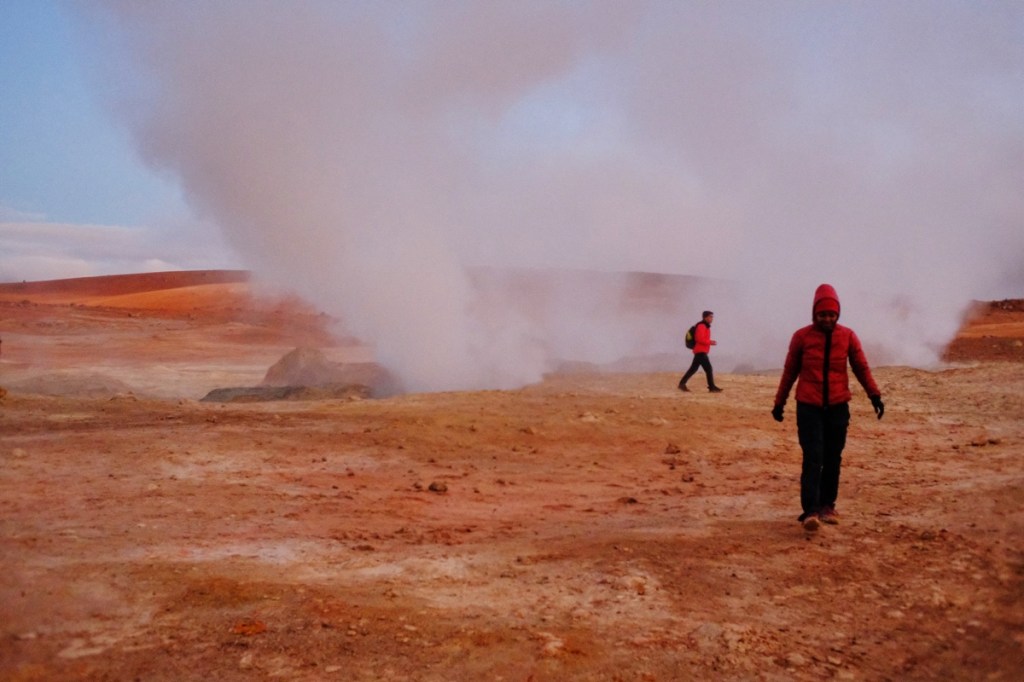
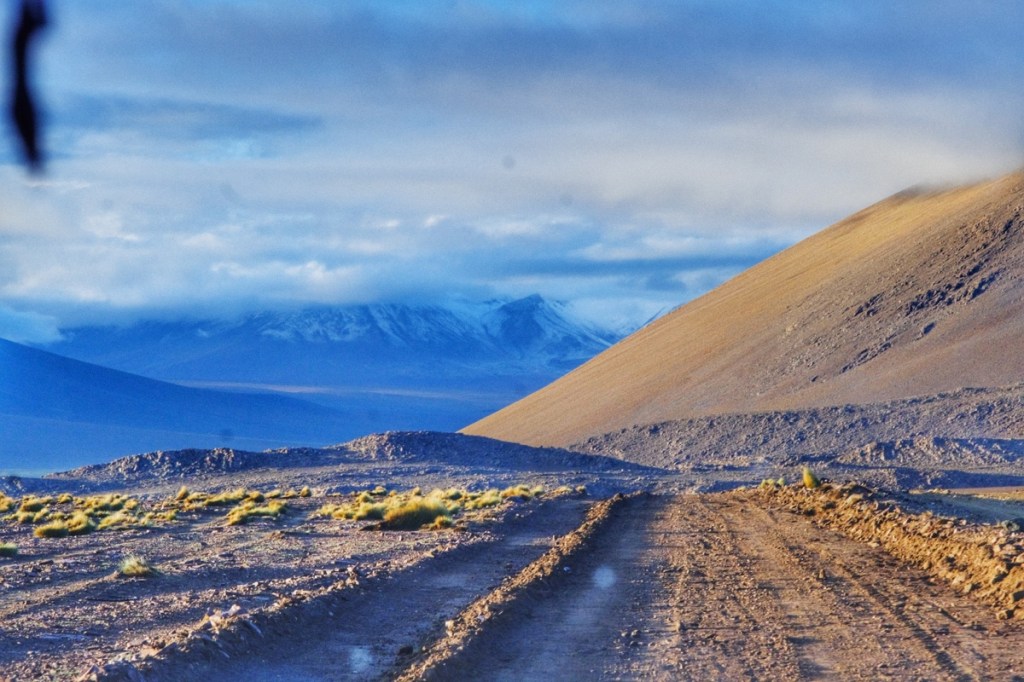
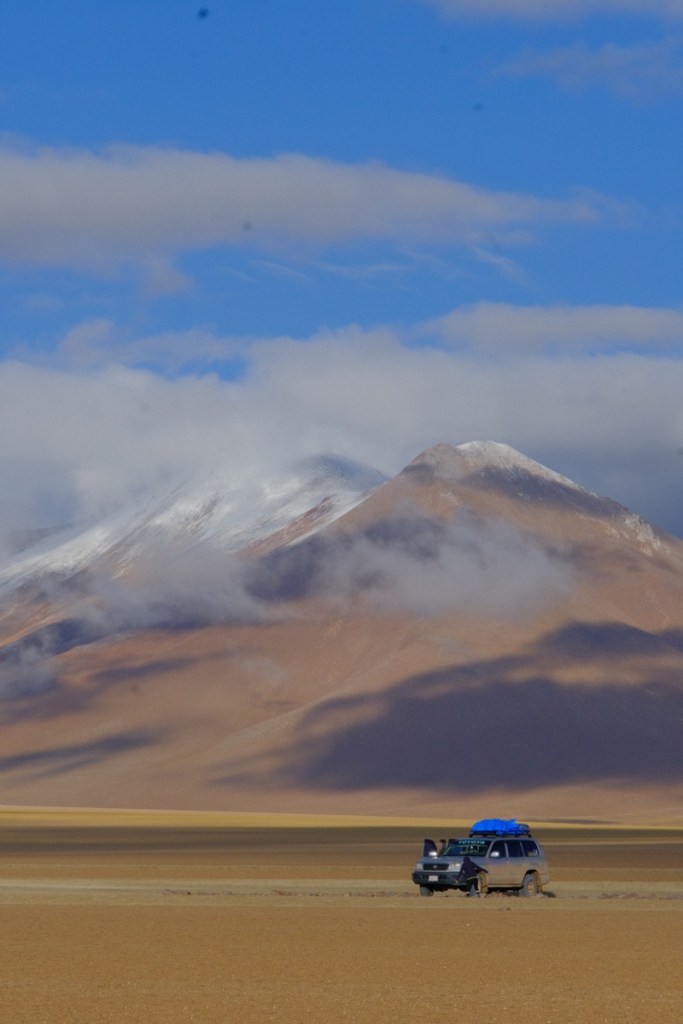
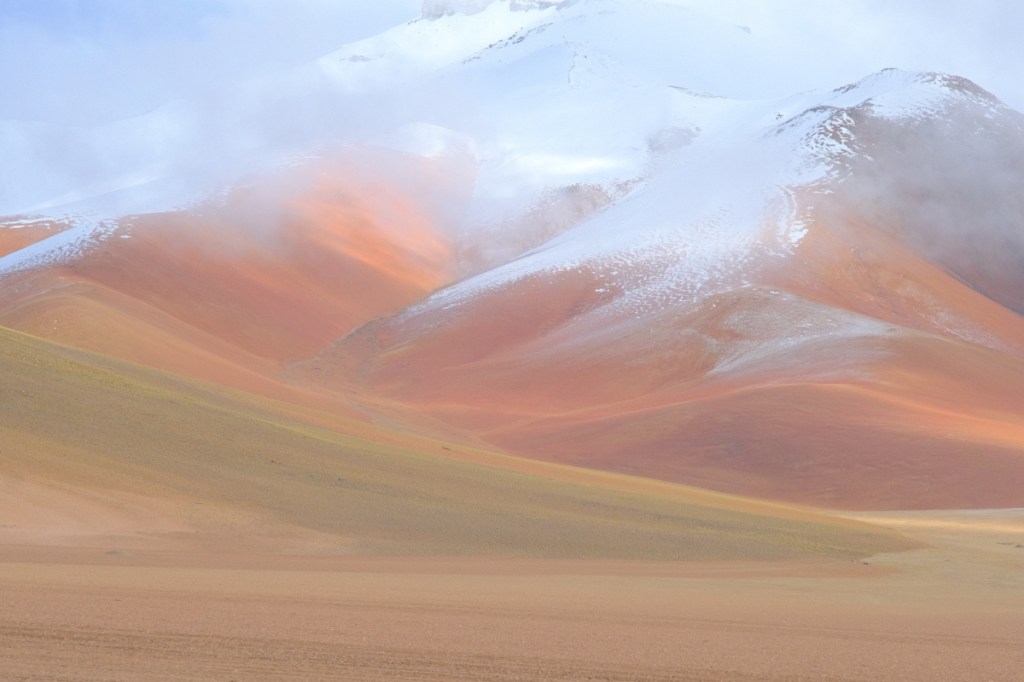
After the salar, we continue the tour for 2 more days in the 4×4, southwest to the Chilean border. It’s a volcanic region and the landscapes are breathtaking. We go through red rock deserts with lava formations creating beasty shapes, to snow fields 5200m in altitude, to coloured lagunas full of pink flamingos, to steam geysers…
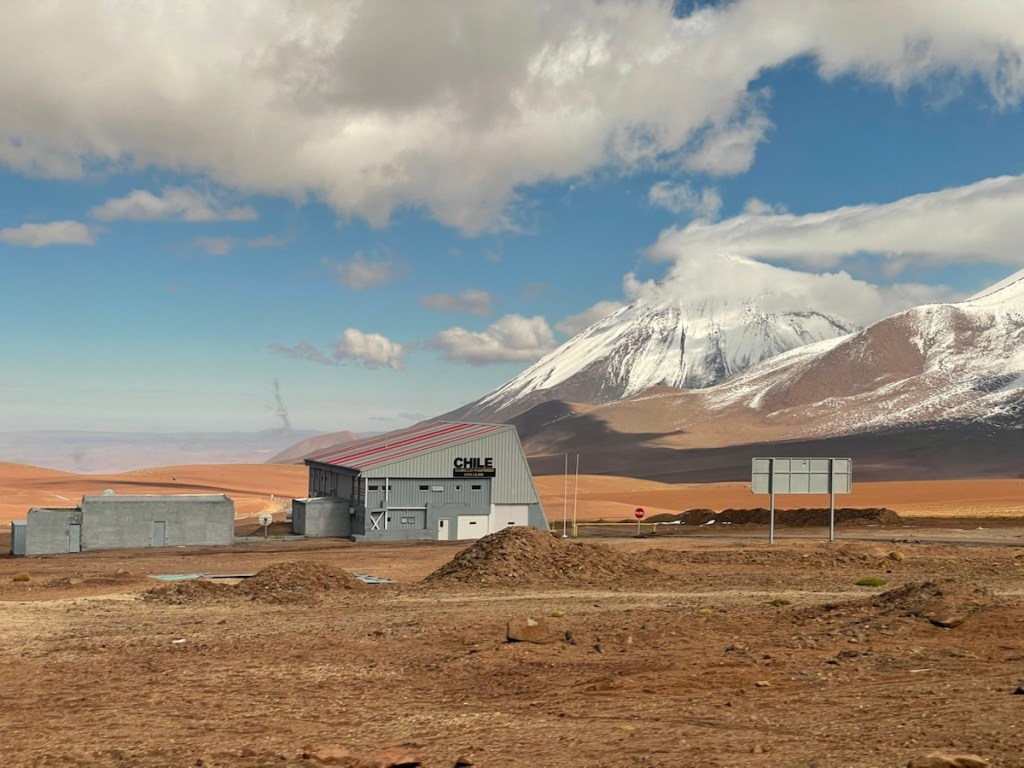
Well, the original plan was to cross to Chile directly at the end of the 3 days tour, but we were discouraged to do so because the border is in high altitude and probably closed because of the snow. So we thought ok, we’ll return to Uyuni. Then on the last day when we reached the border, it was a bright sunny day and the driver said we were just 40 mins away from San Pedro de Atacama, so we switched back to the original plan and we left beautiful Bolivia just there, after barely a week in the country.
Leo was pretty sad though, because we had to skip bathing in the hot springs
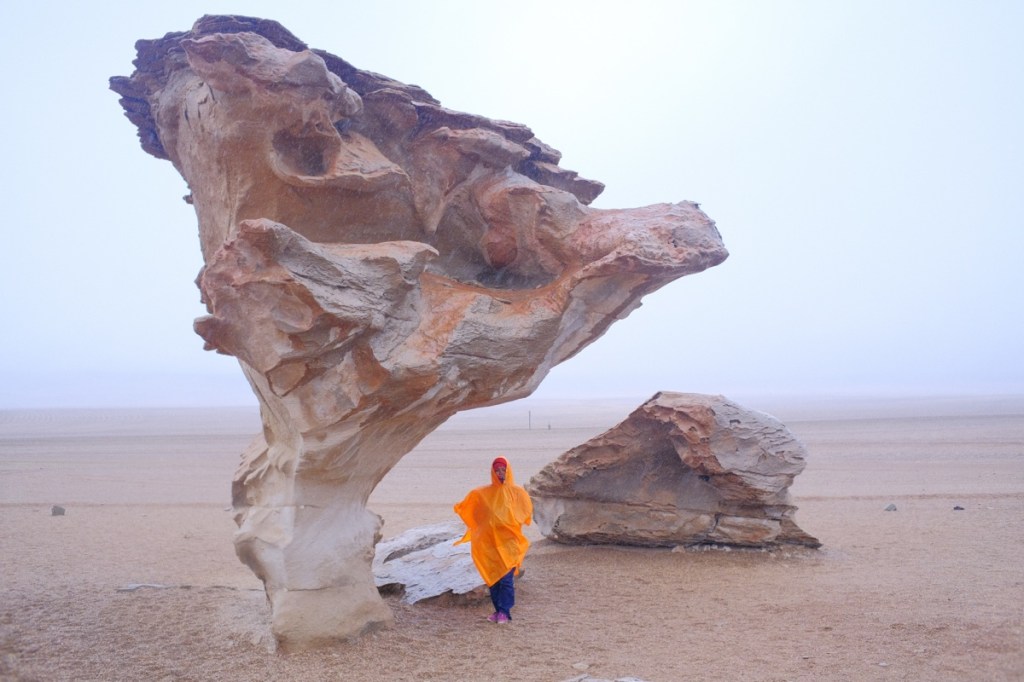
The gargoyle The old man yelling to the cloudsThe tree rockHot steam geyser in the cold morning We walked on mars!Just passed the Chilean border
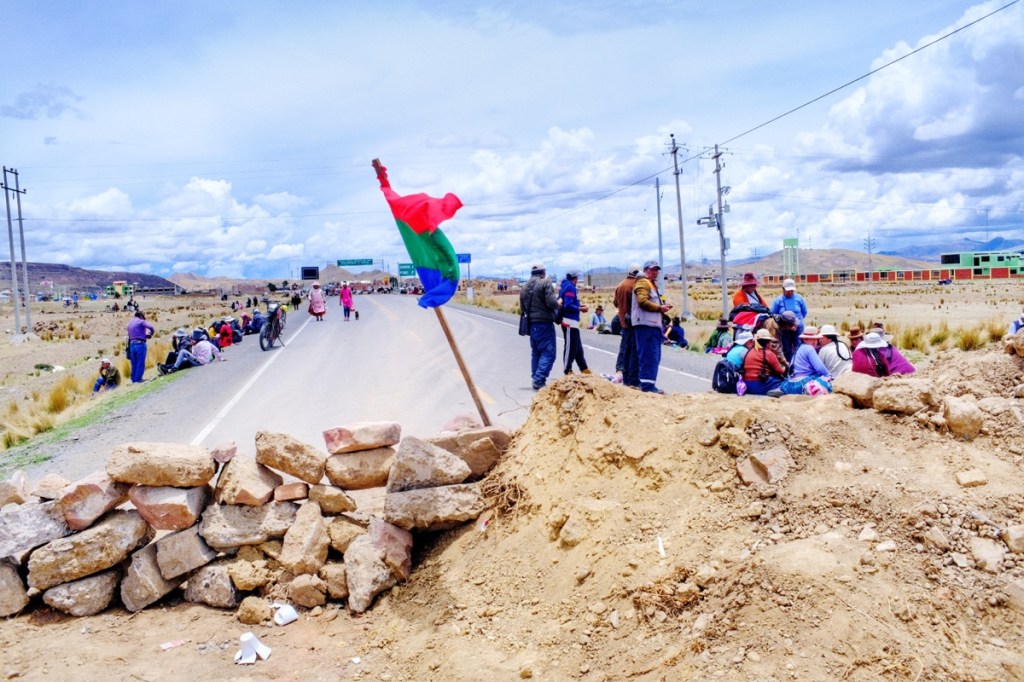
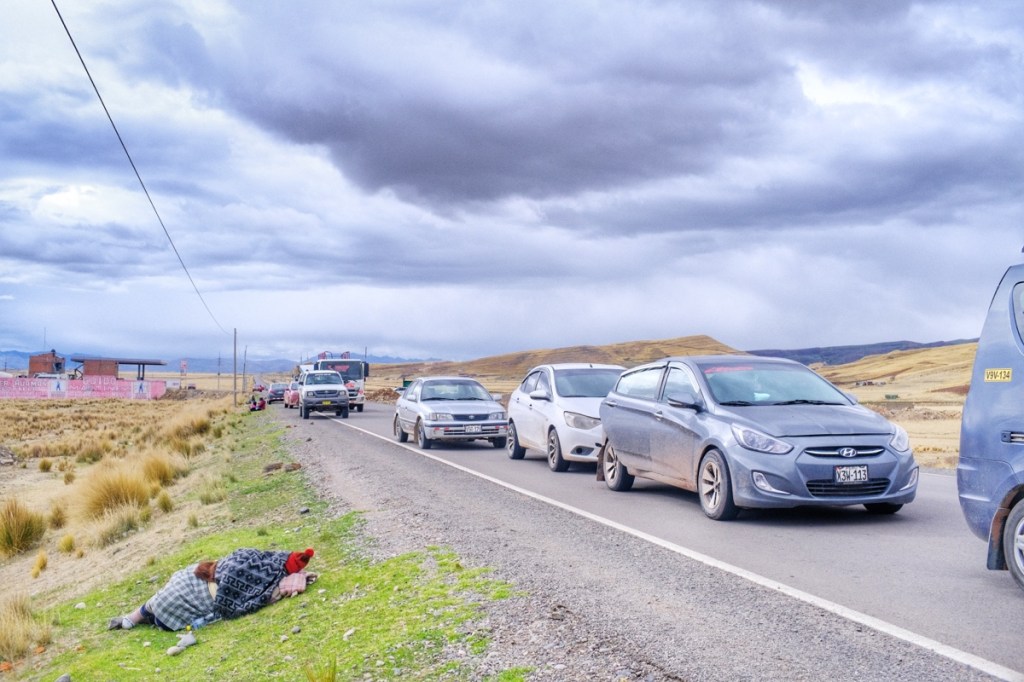
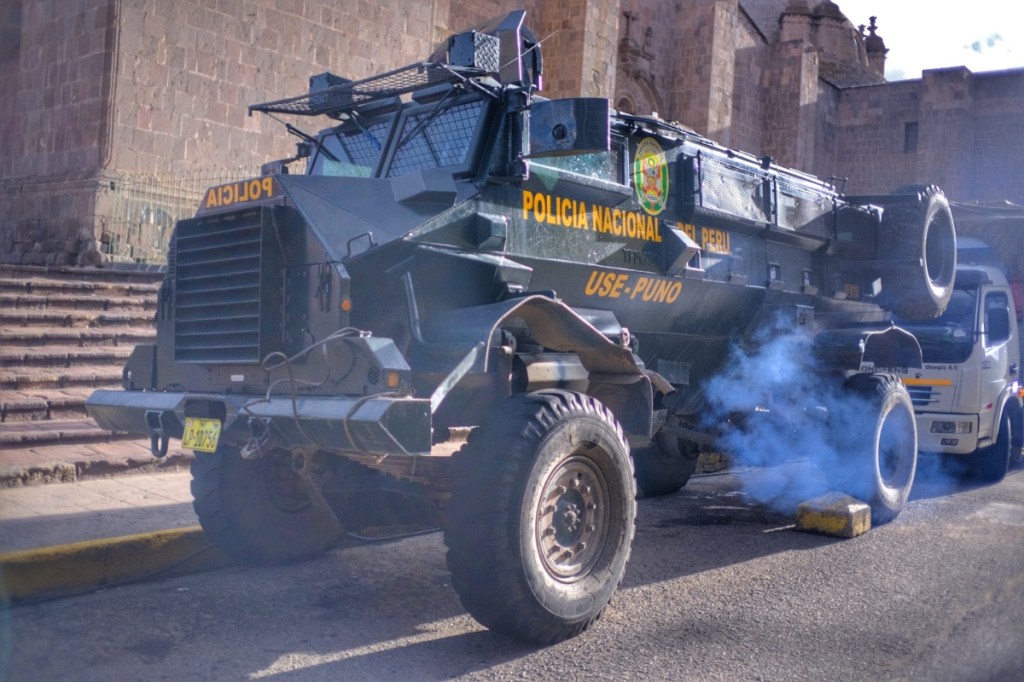
From Cusco we want to get to Puno, which is normally 7 hours away by bus, on the shore of the Titicaca lake. But we hear of protesters blocking the roads, and no bus is leaving in that direction. The bus terminal is deserted and most counters are shut.
We have to wait a few days more in Cusco. Everyday we try to contact bus companies but none is leaving.
Eventually we find a nameless counter that advertises shuttles to Juliaca, an hour away from Puno; we can’t stay here forever, we take the chance. They charge 3 times the normal price and explain that the trip will last around 12 hours because they’ll have to get around the road blocks.
At 2pm, we meet our travel companions; Henry the driver, Celine and Antoine, a French couple, Jorge and Judith, a Peruvian couple. And off we go.
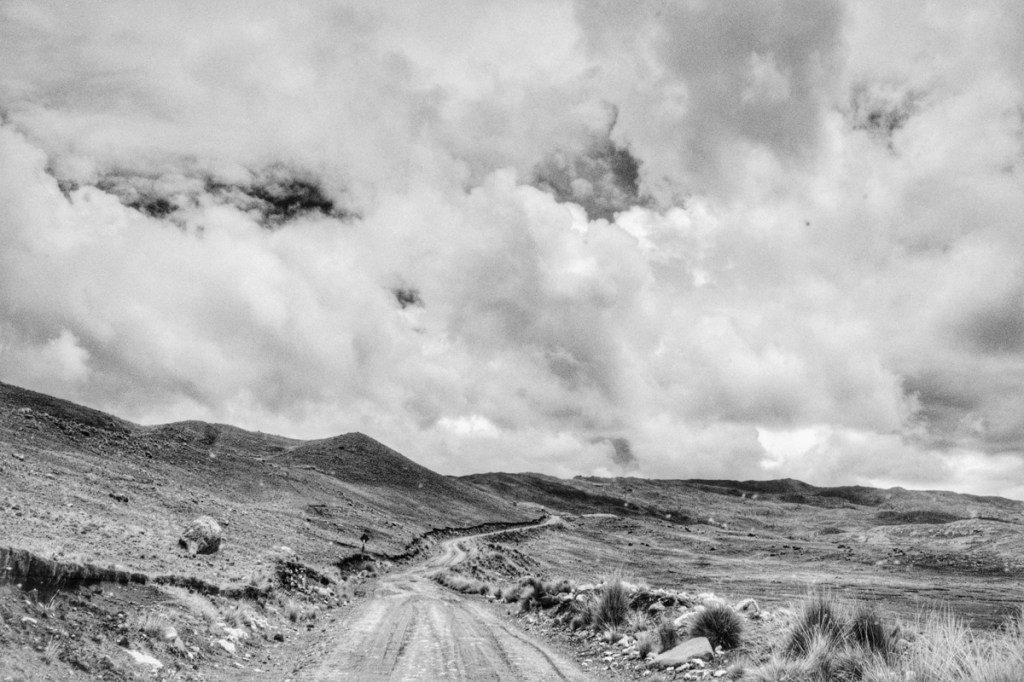
Soon we leave the main road and head towards the mountains, on a bumpy dirt road.
The driver has never taken this road and stops to ask his way to villagers. After 6 hours, by nightfall, we reach Accha where we stop to have diner. At 2am, the estimated 12 hours are over as we reach Livitaca. We’ve barely covered a fourth of the distance that separates Cusco from Juliaca.
At this point I replace Antoine as the copilot. By chance, Antoine has an offline map of Peru on his phone, because there aren’t any villagers left to ask. Henry is happy to have someone who understands a tiny bit of spanish, to chat and stay awake.
Around 4am, our driver is exhausted and we stop on the side of the road for a nap. I suggest I could drive, but he can’t take the risk and would rather sleep for a bit in the still car.
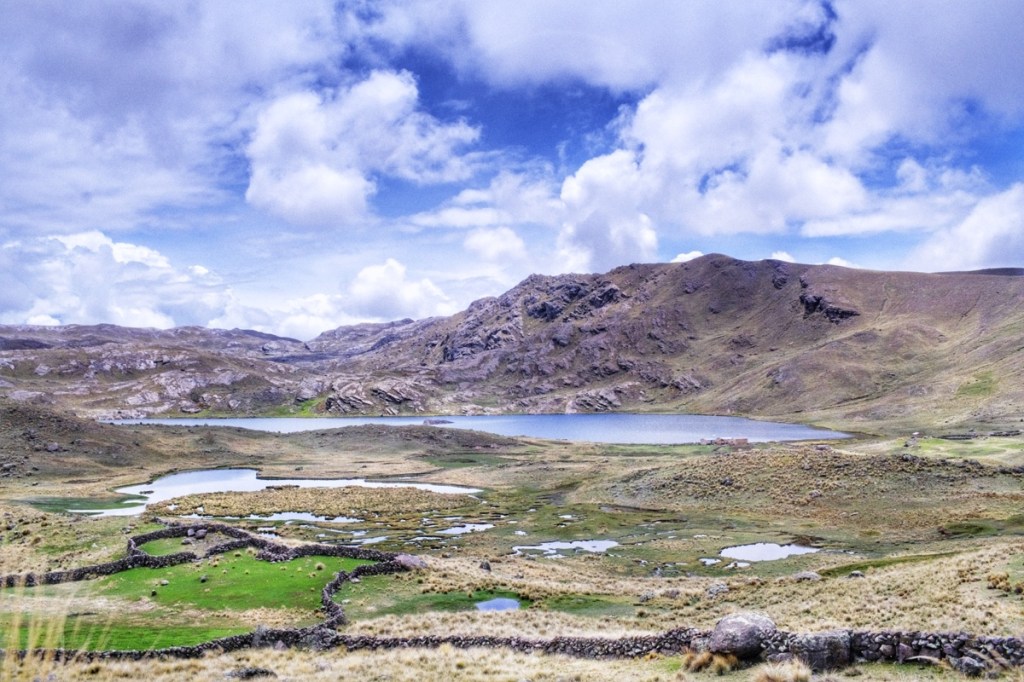
We start an hour later, and slowly the sun rises on the mountains. We reach Quehue, Checca, El Descanso, Espinar. We’re on a plateau so the road is a bit more smooth.
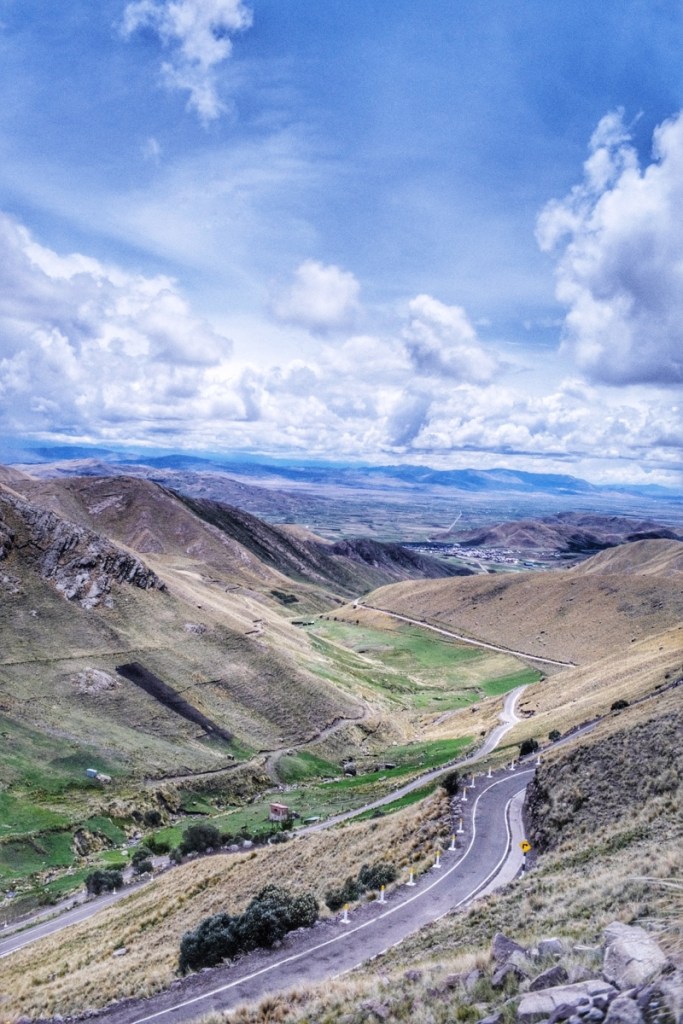
We’re nearing Llali when someone tells us the road ahead is blocked and we must return and make a detour via Macari. Macari is higher up and again it’s a lot of switch backs.
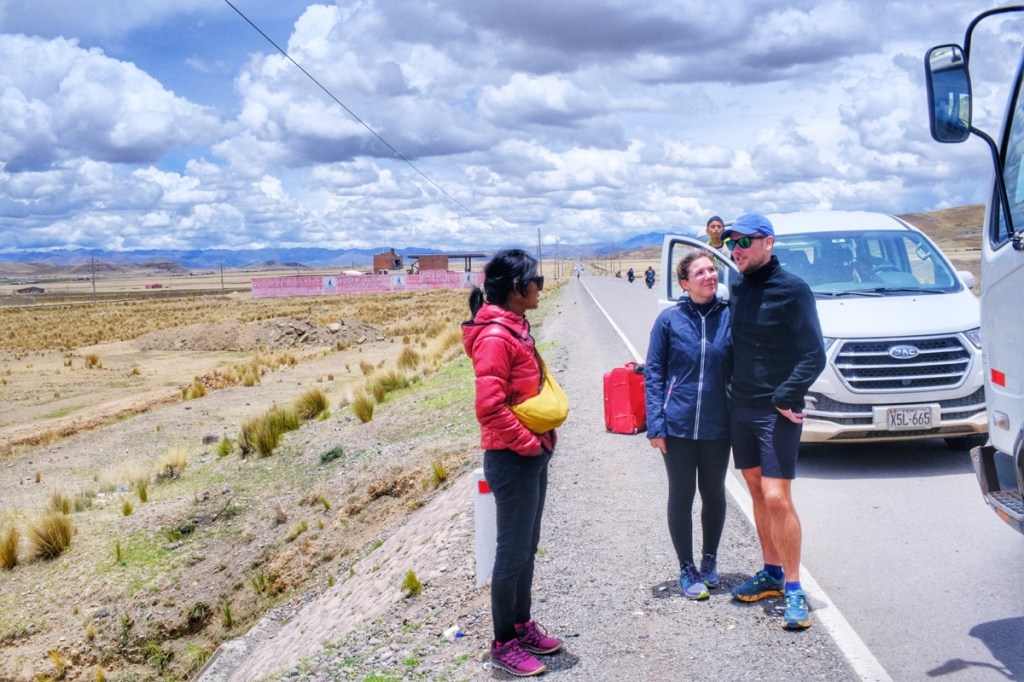
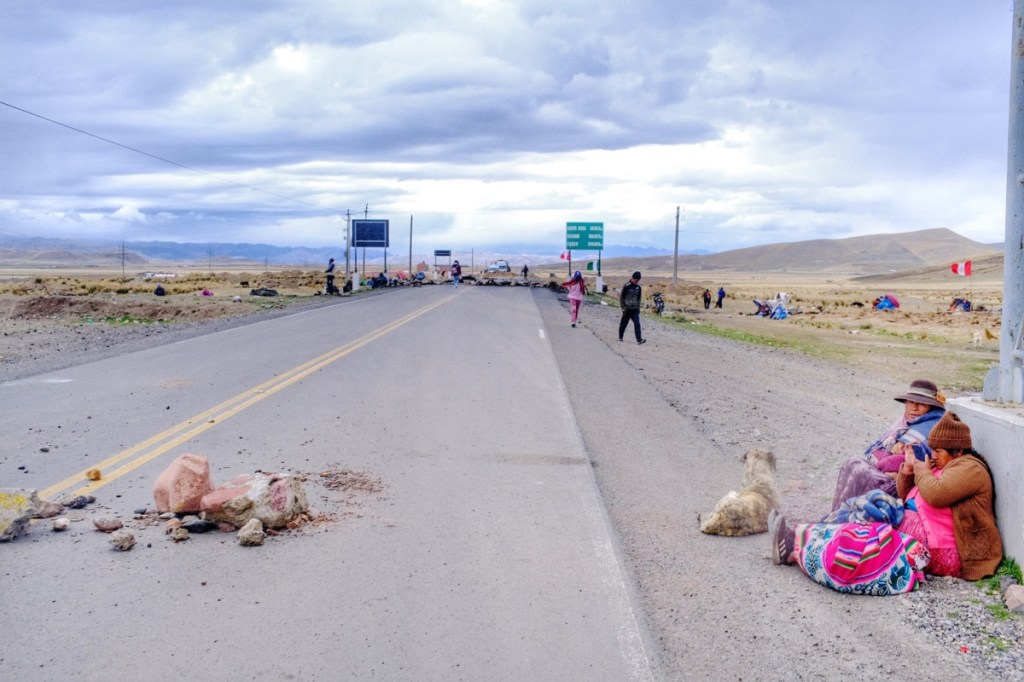
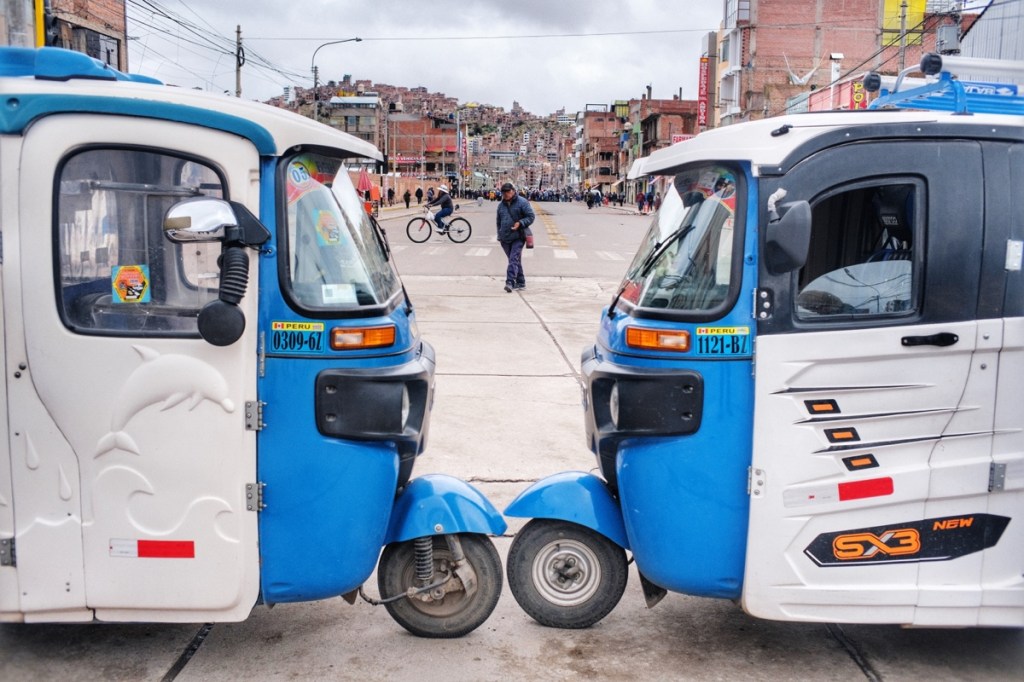
In spite of the detour, we’re stopped at noon by a road block at the entrance of Ayaviri, some 2 hours away from Juliaca. They say the protesters should leave and open the barricade around 6pm.
We leave the car and walk to Ayaviri to have lunch, then return to the car to catch some sleep. In the afternoon, Leo suggests we all play Uno to kill time.
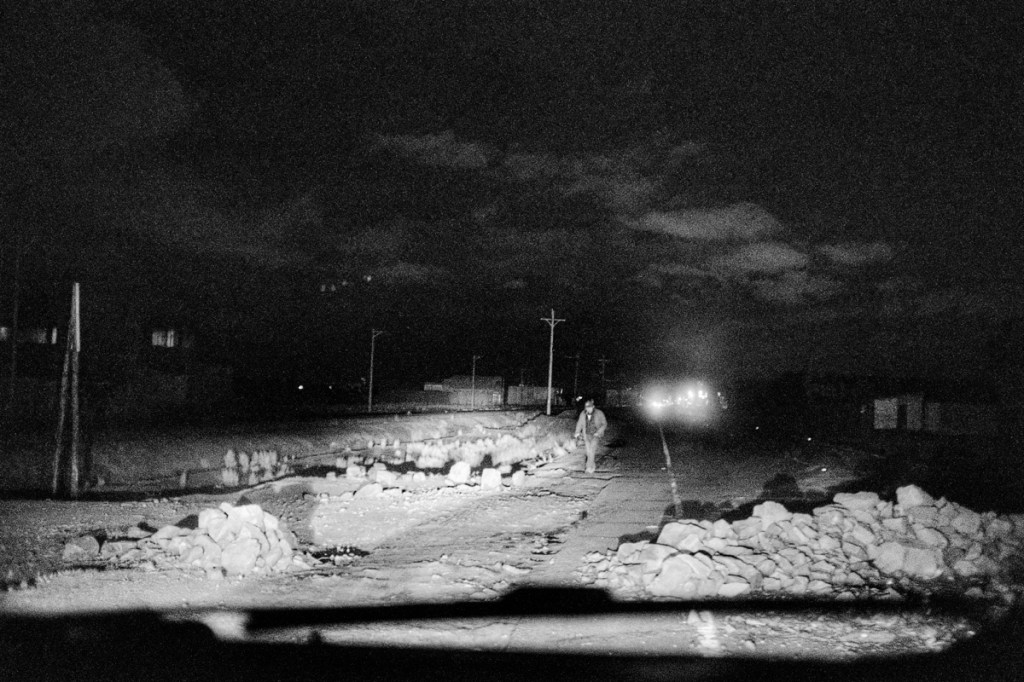
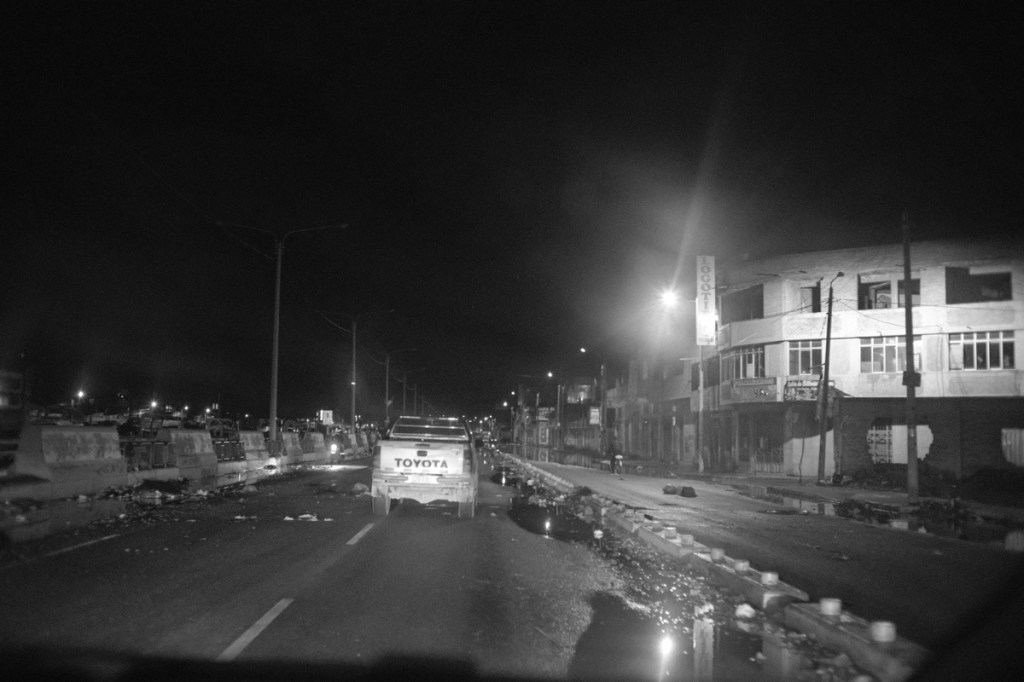
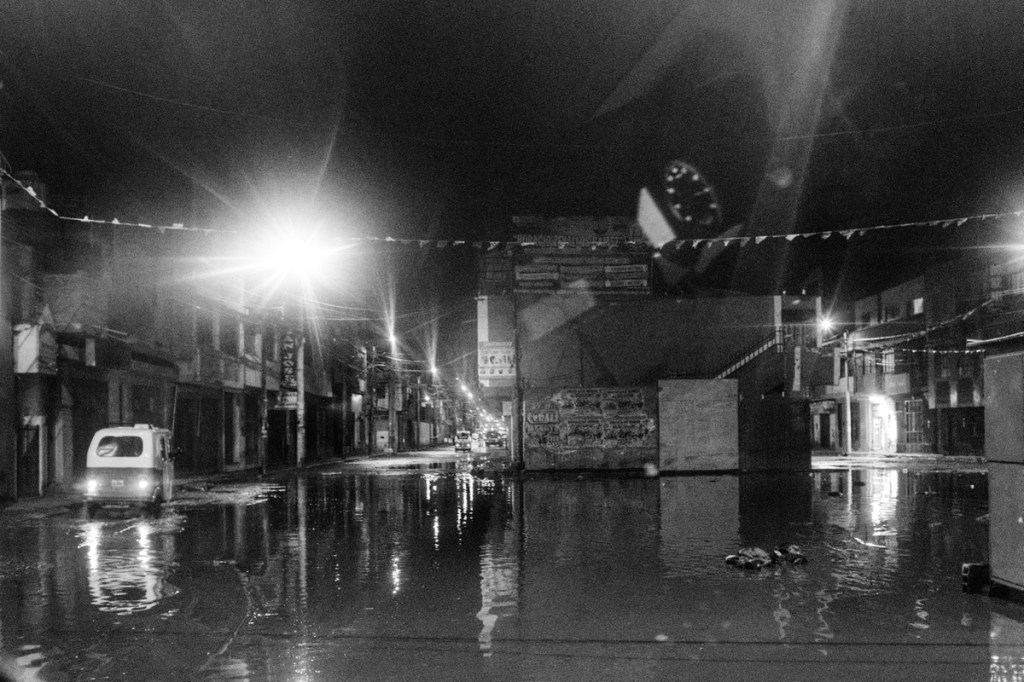
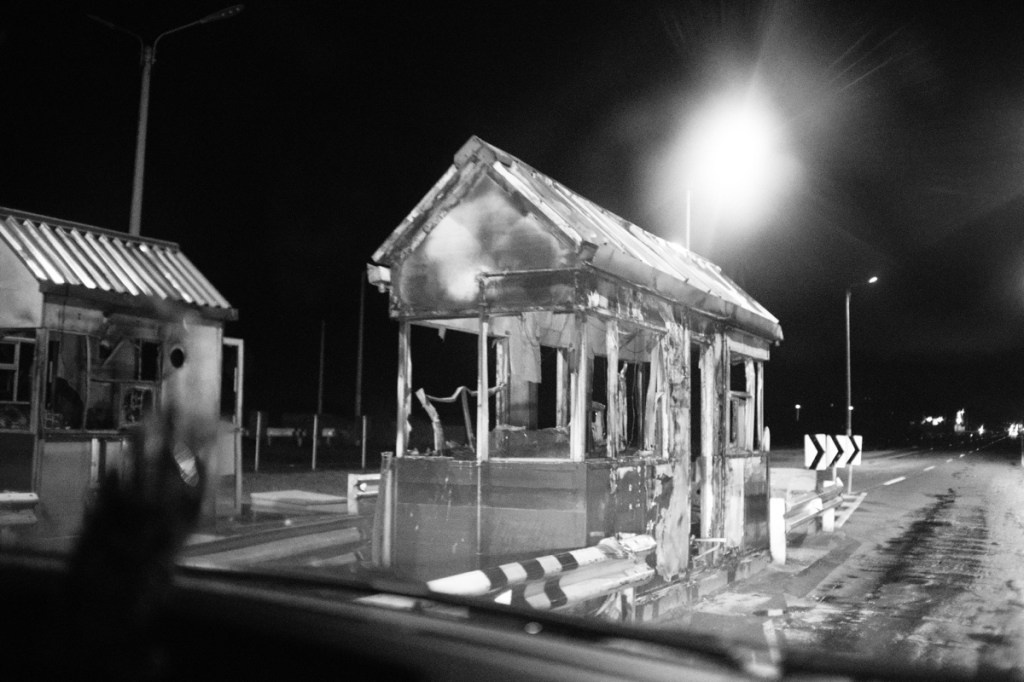
Around 7pm, the barricade opens and we can finally move forward. It is followed by many other deserted road blocks. We reach Juliaca in the night and it looks like a war zone, with rocks all over the road. It’s quite dangerous as we‘re blinded by the lights of the cars coming towards us and we see the rocks at the last minute.
We had paid for a trip to Juliaca only, but the driver accepted an extra charge to take us all the way to Puno. We all accepted as we had no other option and nowhere to go.
Around midnight, some 34 hours after leaving Cusco, we finally reached Puno, exhausted. Henry, the driver was told that the strike would be stronger the next day and everything would be blocked. He barely had the time to take another nap and return alone in the night towards Cusco before the protesters wake up!
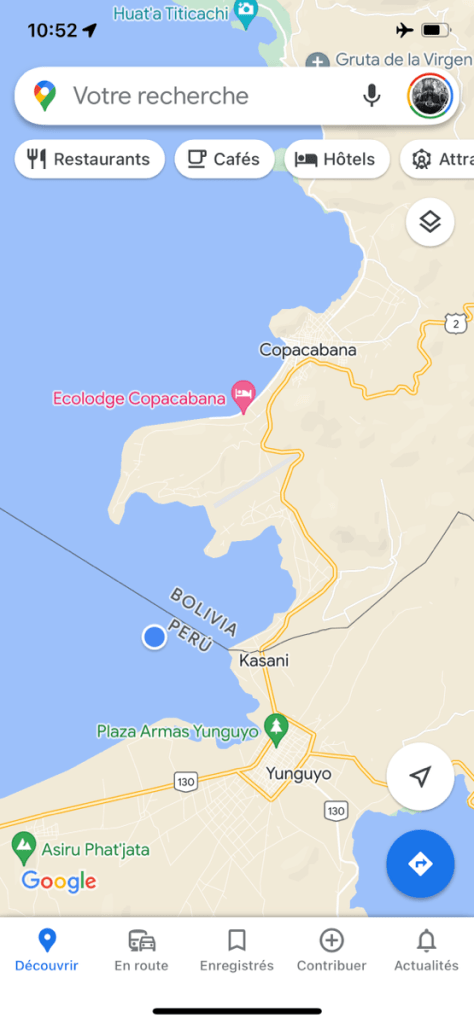
We stop in a hotel and finally get some real sleep. But Puno is not the end of the road for us either, we still need to find a way to the Bolivian border, and the protests in this region are much stronger than in Cusco. The roads to the border are blocked, and the port as well. The bus terminal is completely shut and no boat is leaving to Kasani.
A lady intercepts us near the harbour, and in a low secretive voice, tells us she can help us get to the border. She’ll meet us at our hotel to explain the details. We’re suspicious but we might as well hear what she has to say.
She comes as promised and explains that there are daily reunions with the police, the port director and migration officials to decide whether or not they can open the port. She’s negotiating with them and will let us know in the evening.
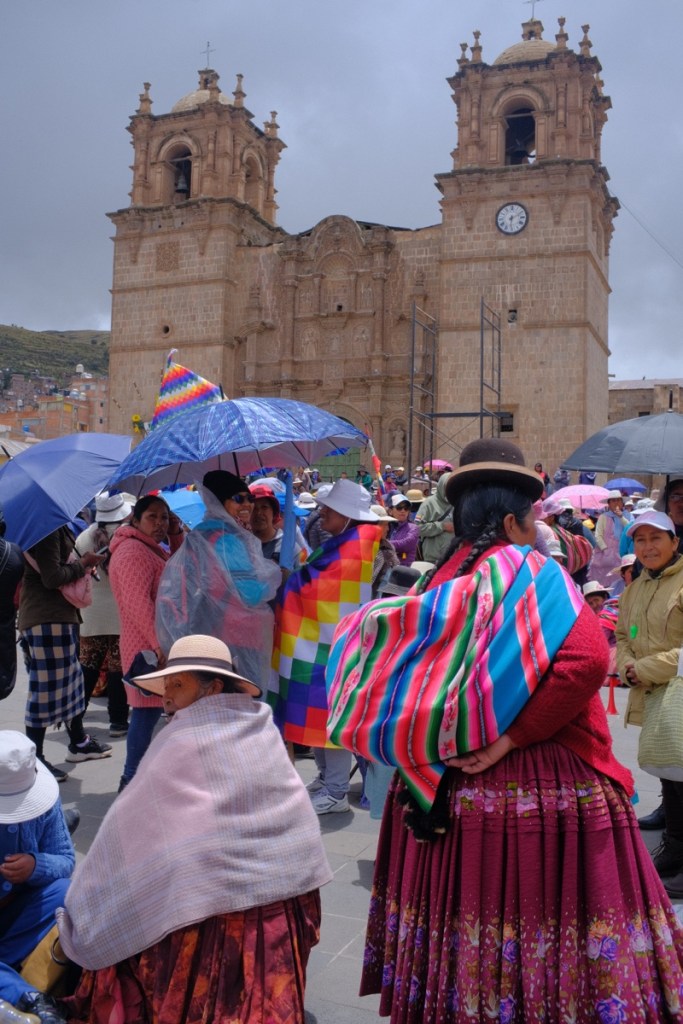
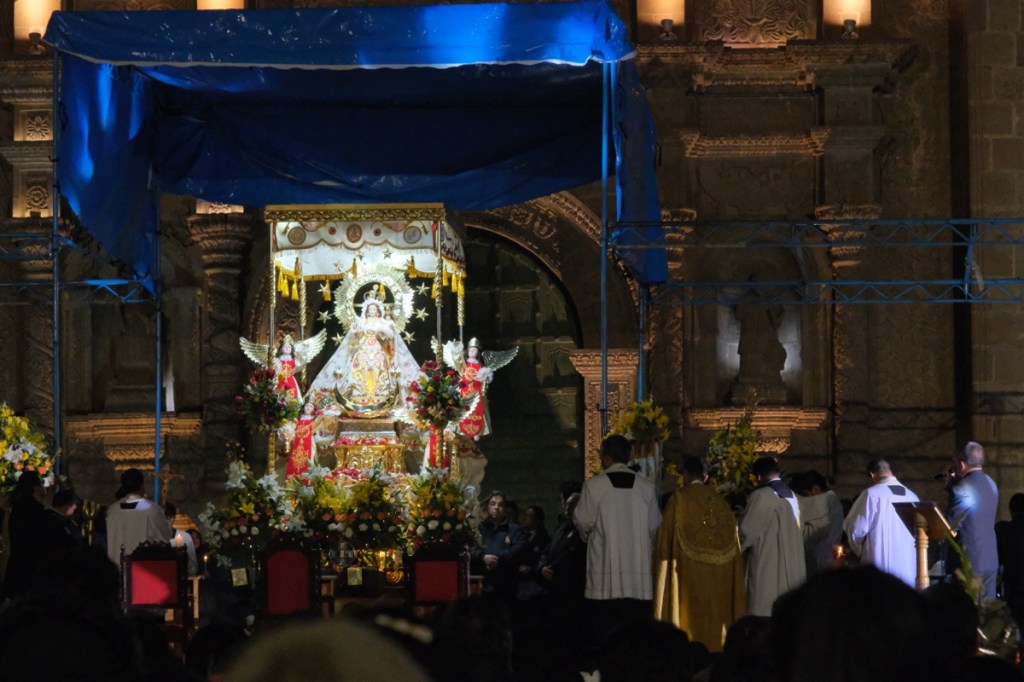
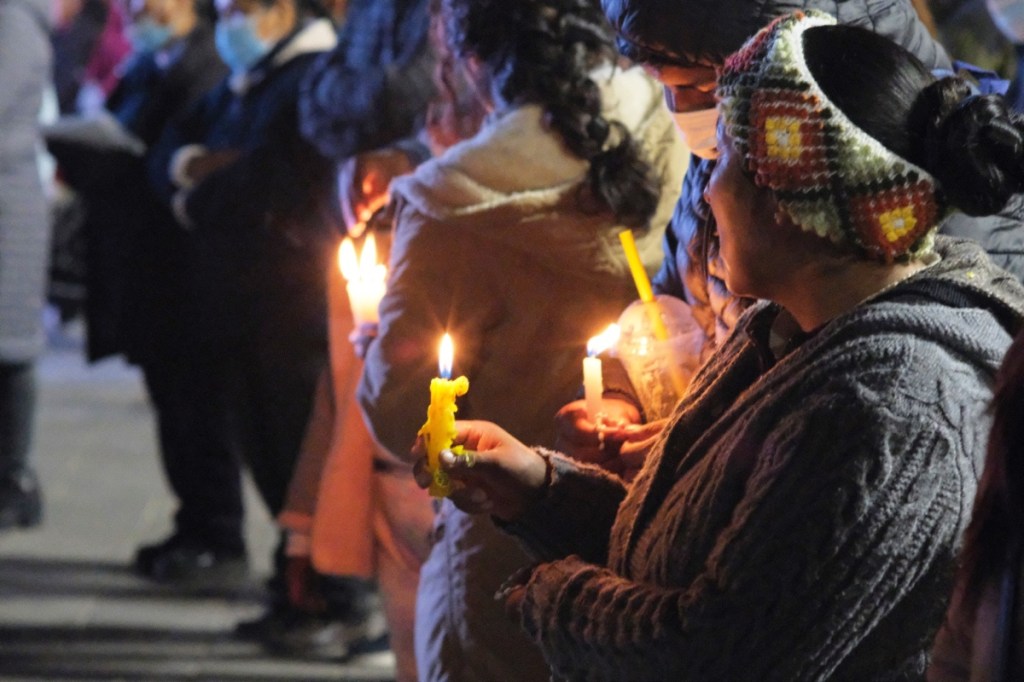
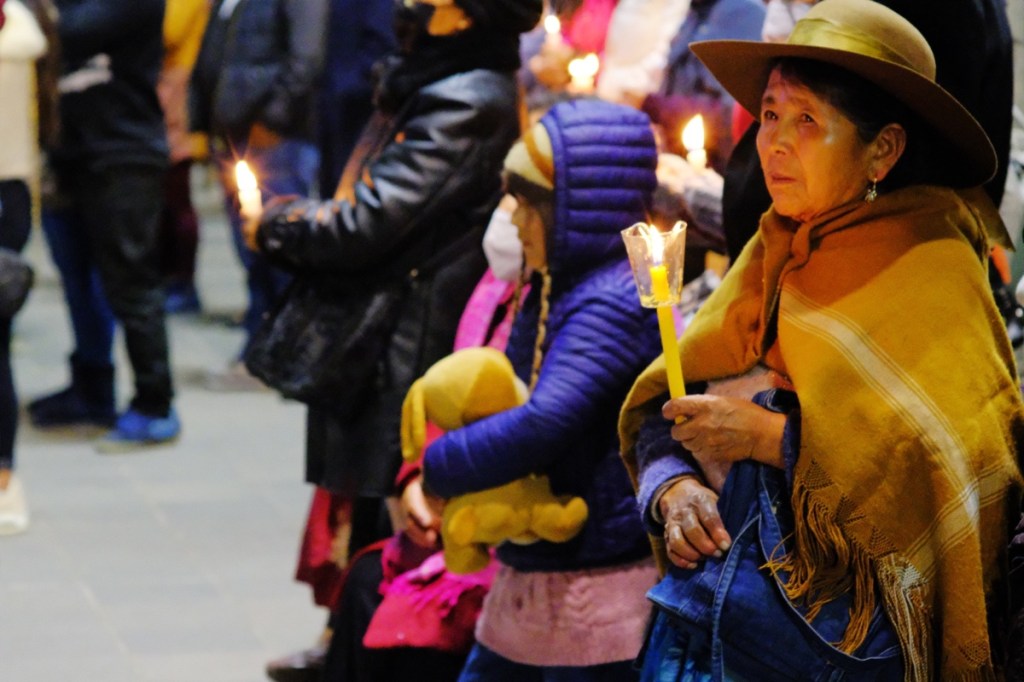
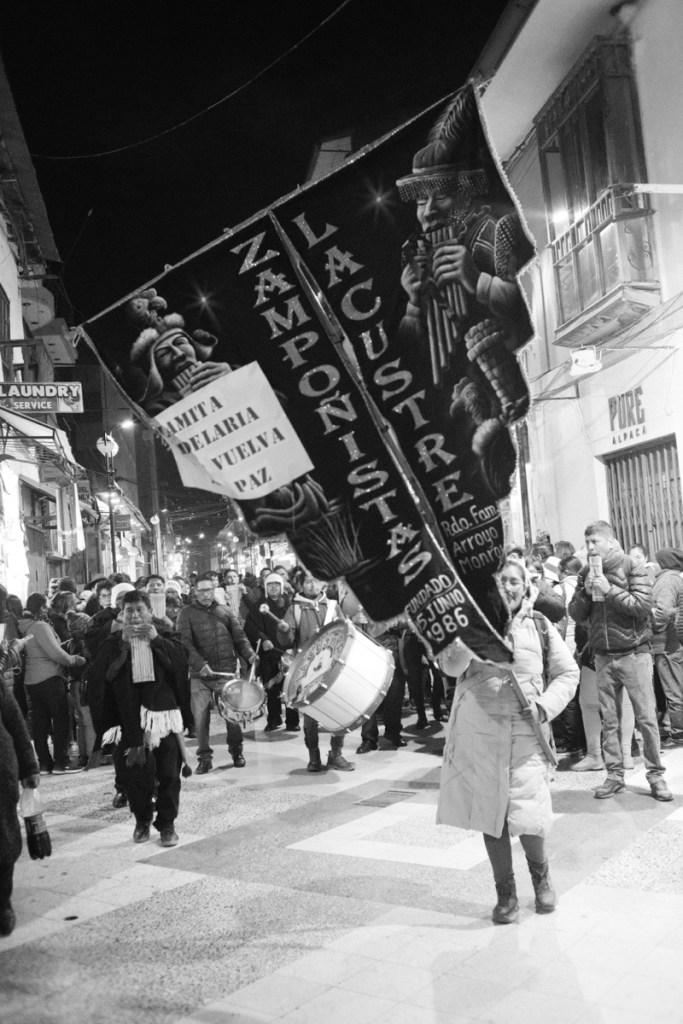
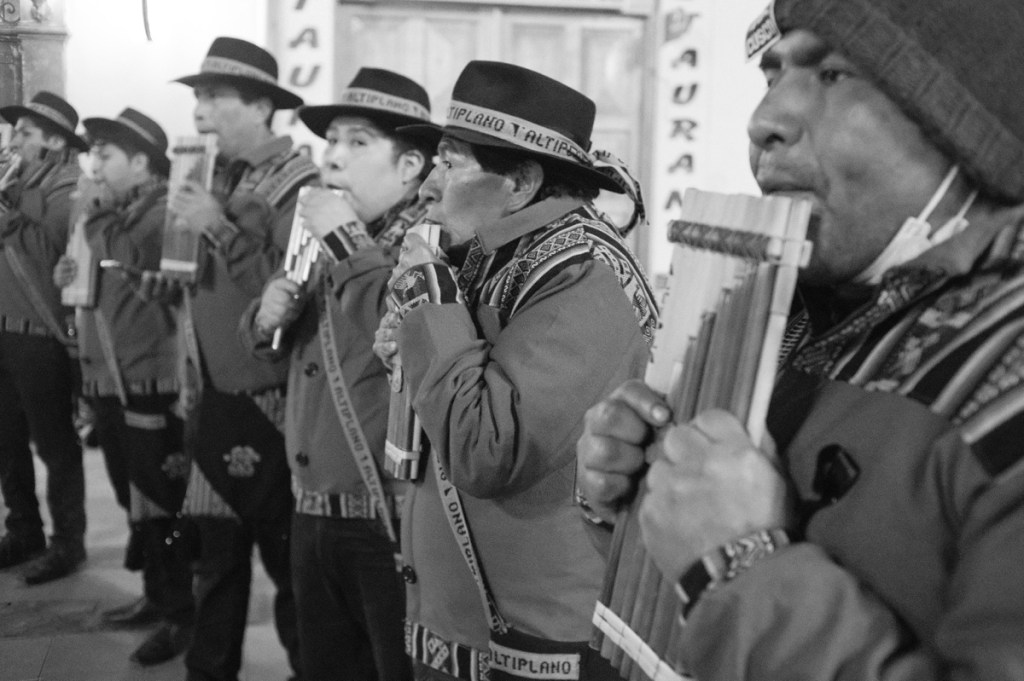
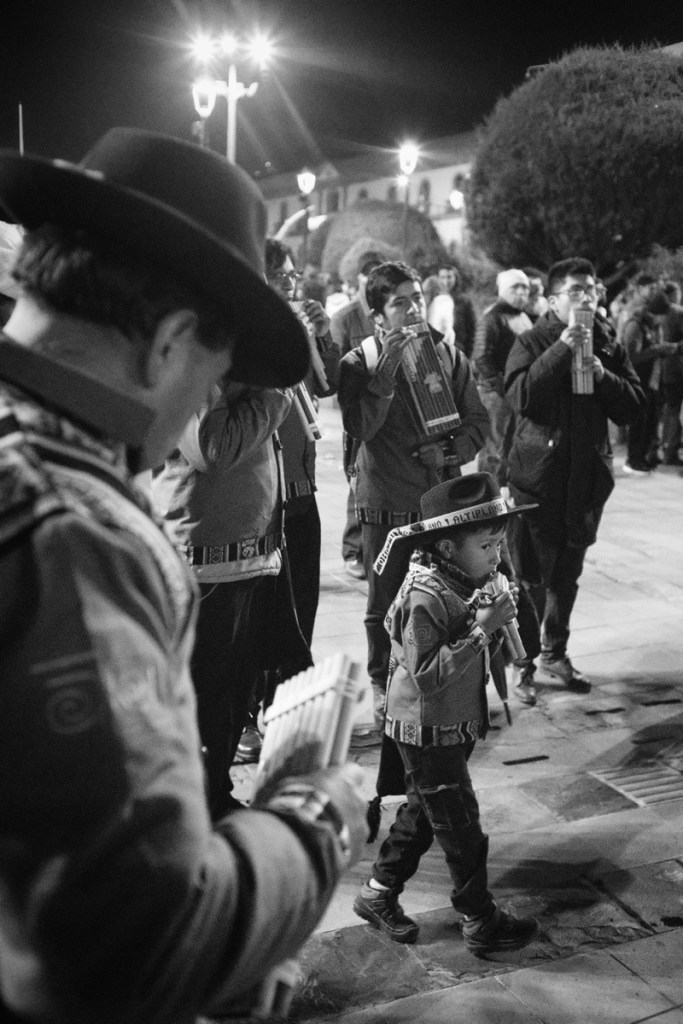
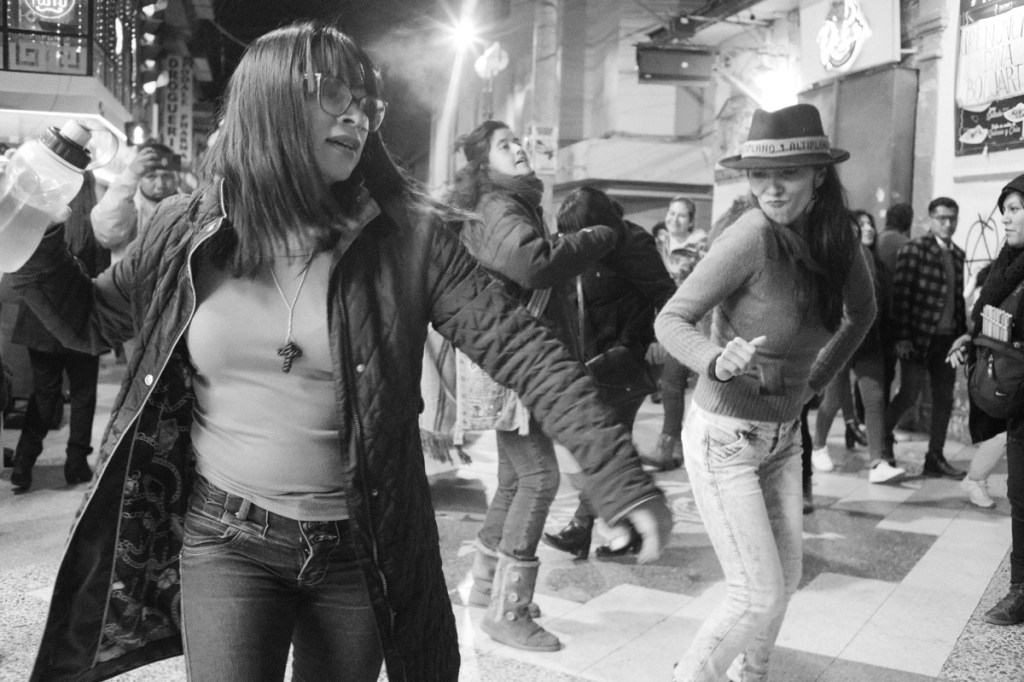
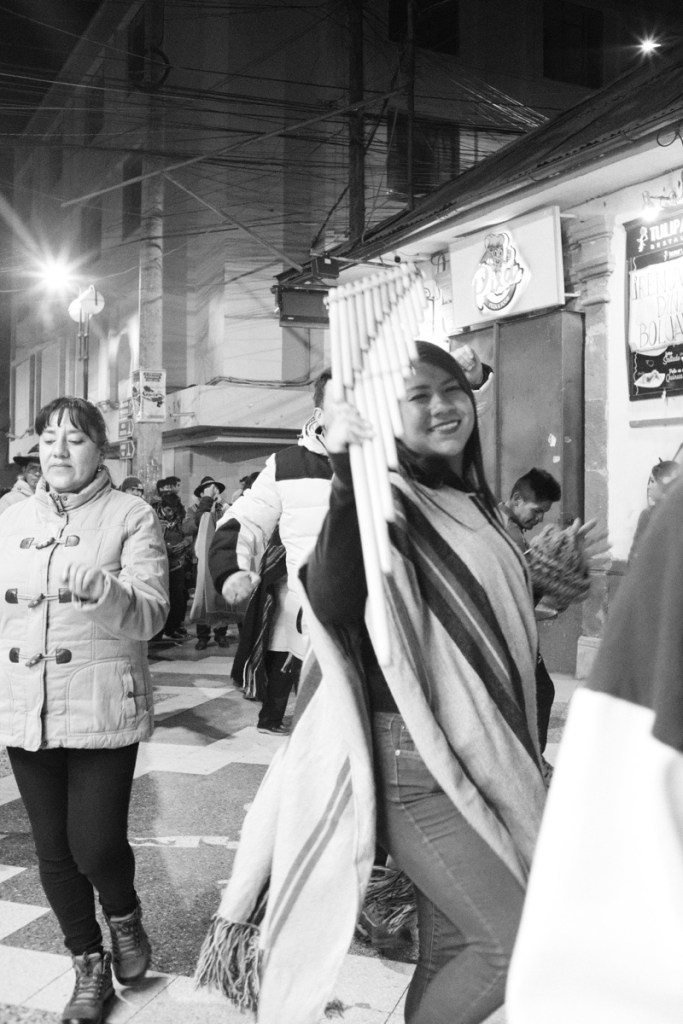
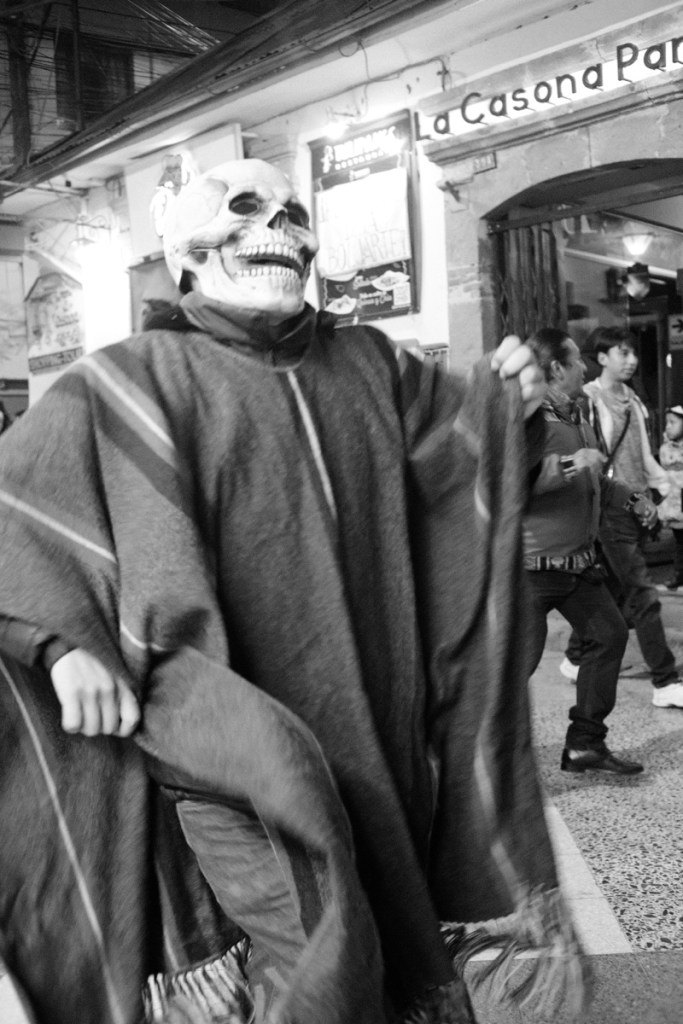
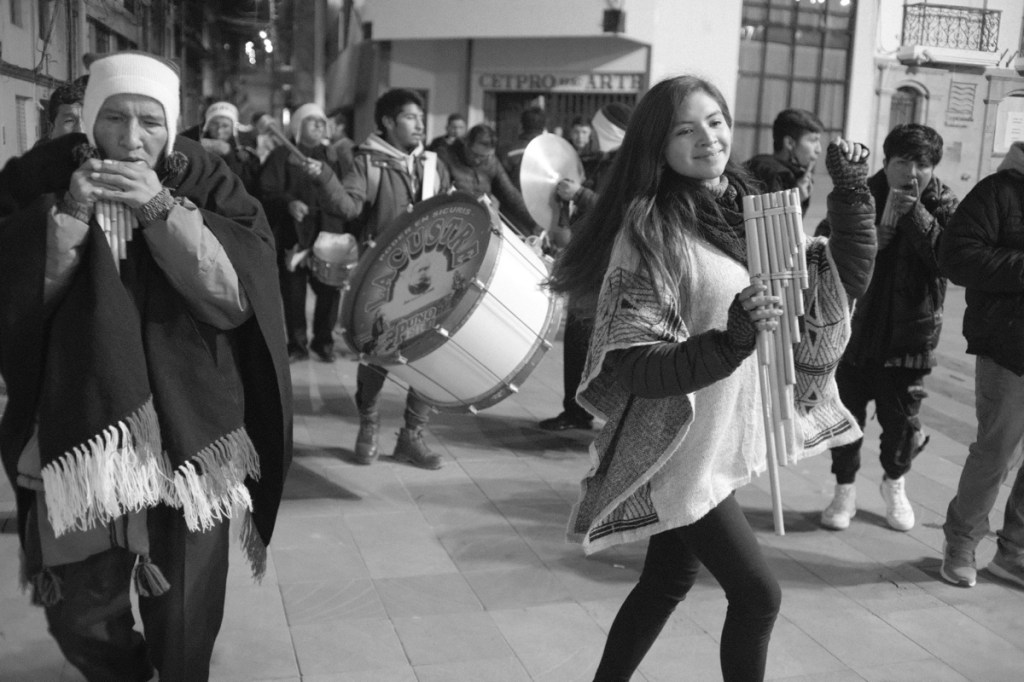
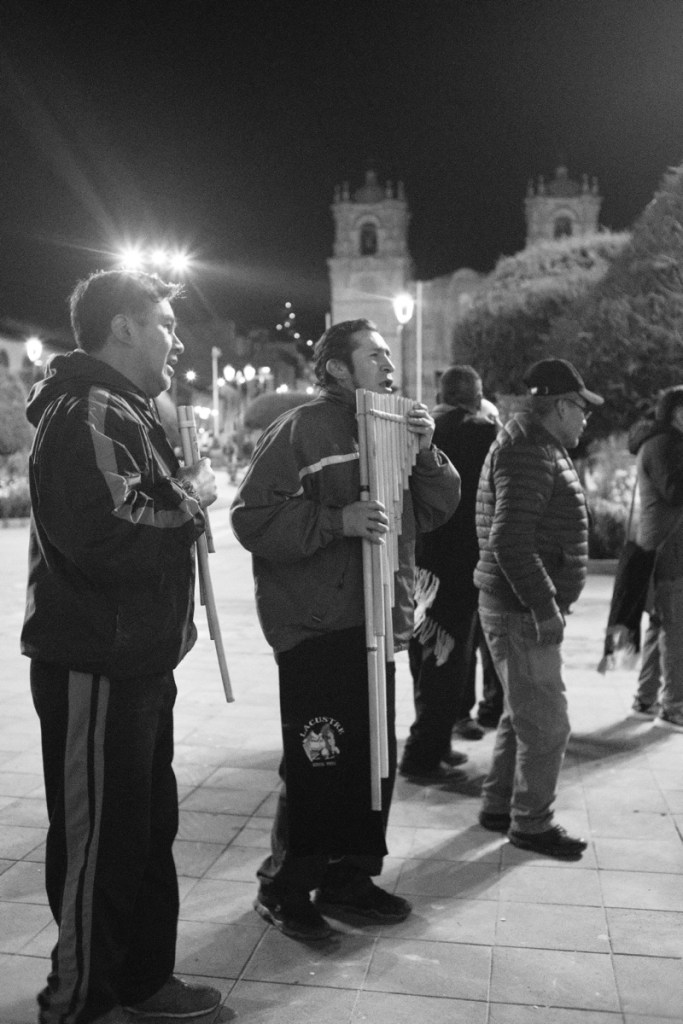
It’s February 1st, and the beginning of Puno’s grand festival of the Candelaria. Normally the festival is extremely colourful and gathers musicians from all over the country. This year, it’s very low key and rather sad because of the political context, but we still see some local marching bands playing drums and flutes in the streets.
In the evening, the news are not great. The negotiations did not turn in our favor, but nonetheless, we’re told to be ready by 5am, we’ll try an escape by another port.
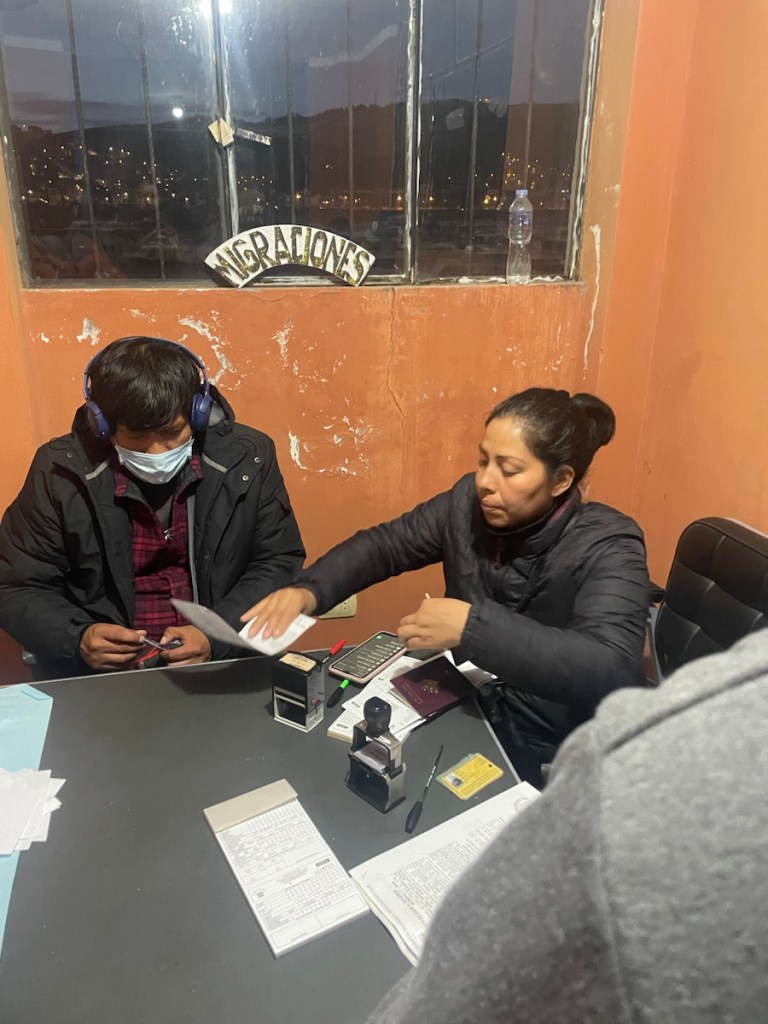
At 5am they come to pick us up, we stop at the harbour to get our passport stamped. But the migration officer tells us he’ll stamp our passport at our own risk; there’s little chance we manage to actually leave today, in which case we’ll be illegal in Peru and maybe won’t be able to enter the next country. We step back. Our guide is again negotiating in the next house. Eventually our escape is aborted and we must return to the hotel.
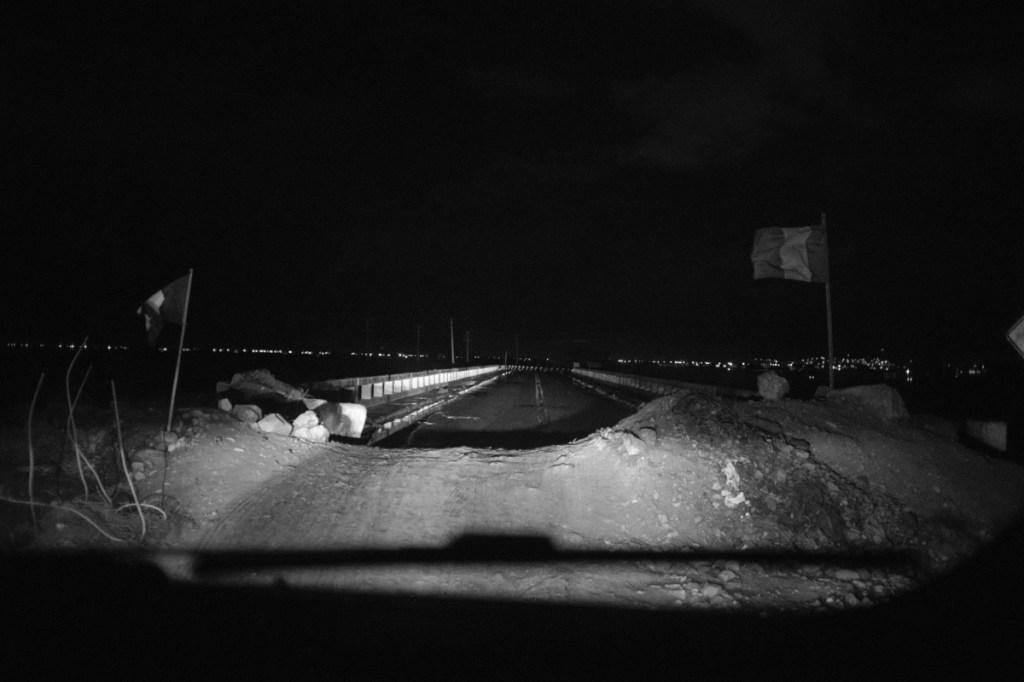
We’re dissuaded to leave by road in the night, the bridge of Llave that leads to Kasani is shut by the protesters and they’re particularly aggressive. It’s not safe.
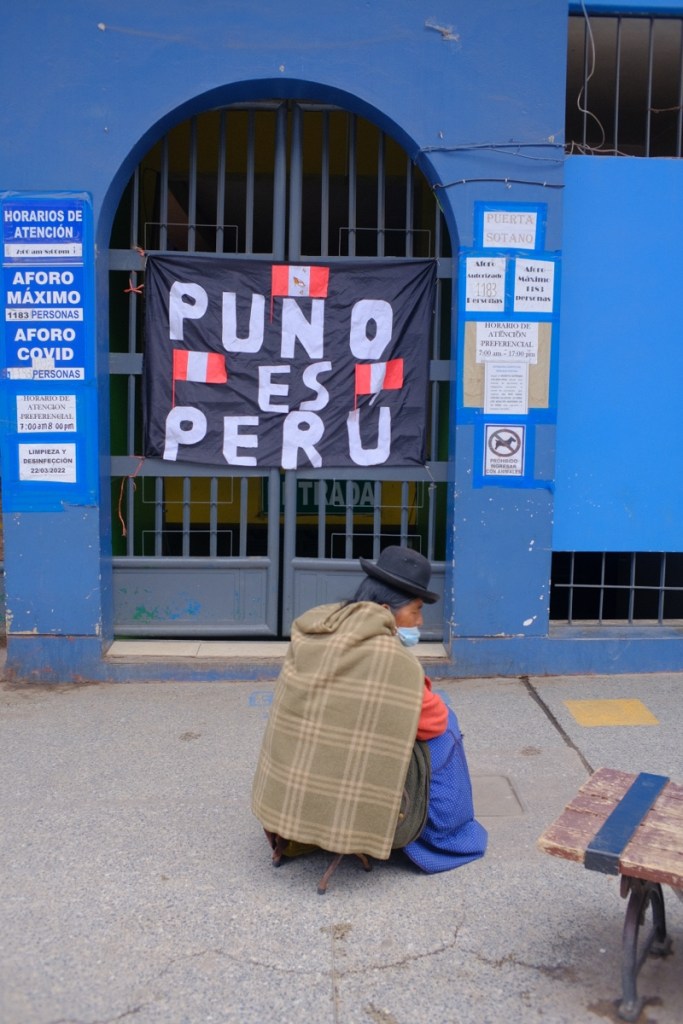
The girl at the hotel explains to us that, back in the 90’s, when Peru’s economy was very low, the government allowed foreign companies to come exploit the country’s resources at a low fee, with a 30 years renewable lease. The south of Peru is rich with minerals such as copper and lithium. For the past 30 years the region has been depleted of its resources without any benefit for the locals. They demand a change in the constitution so these leases cannot be renewed and foreign companies to pay for what they take. From here we can easily imagine the foreign economic and political pressure, and the corruption behind all this.
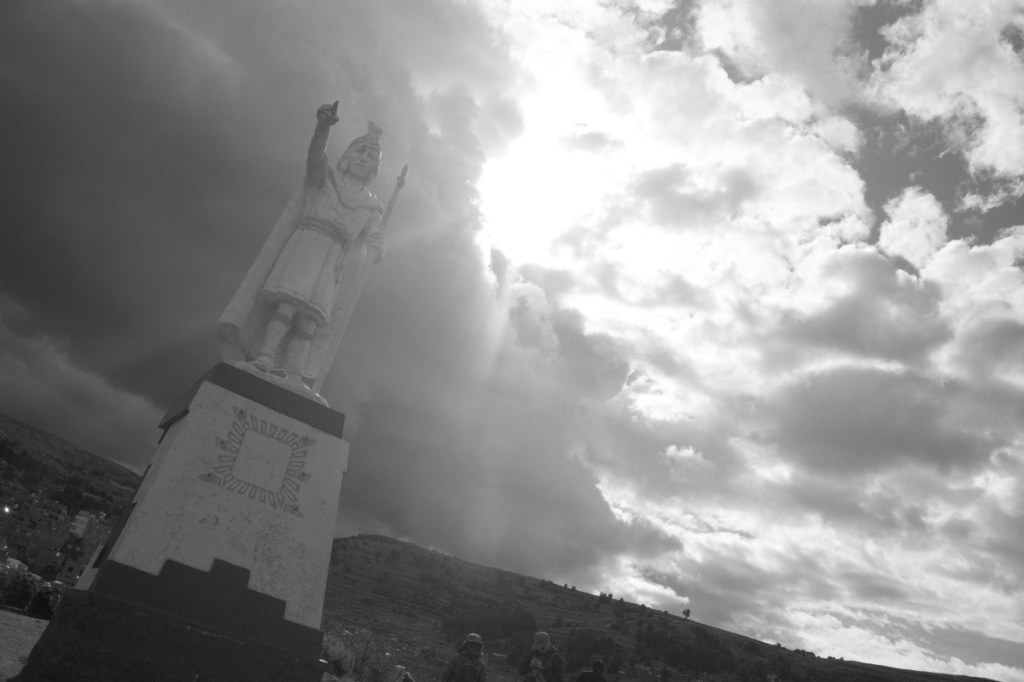
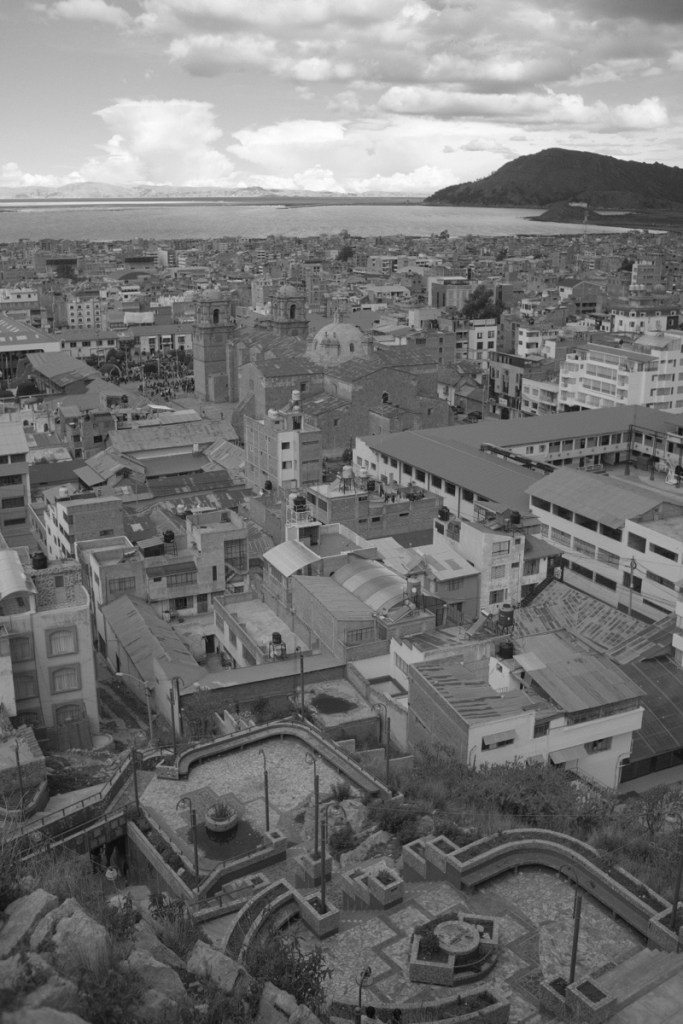
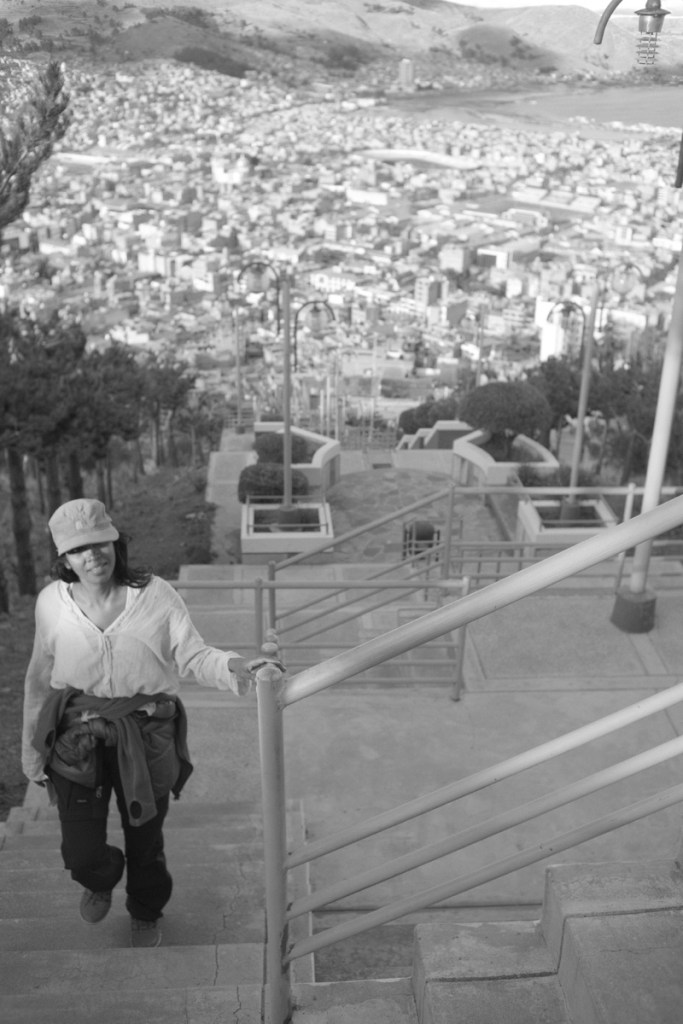
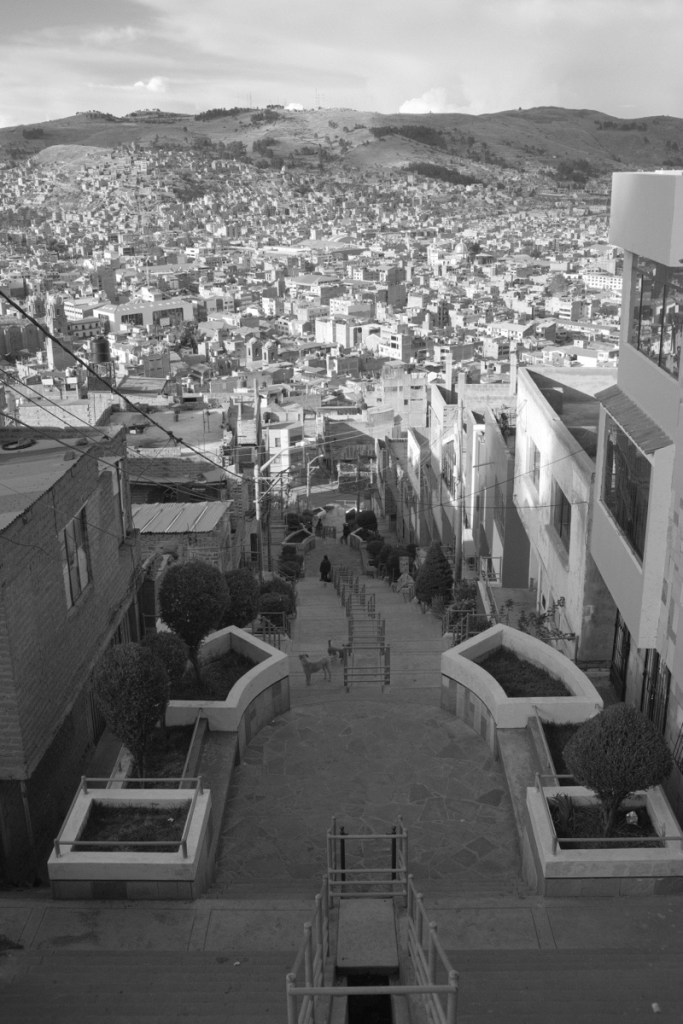
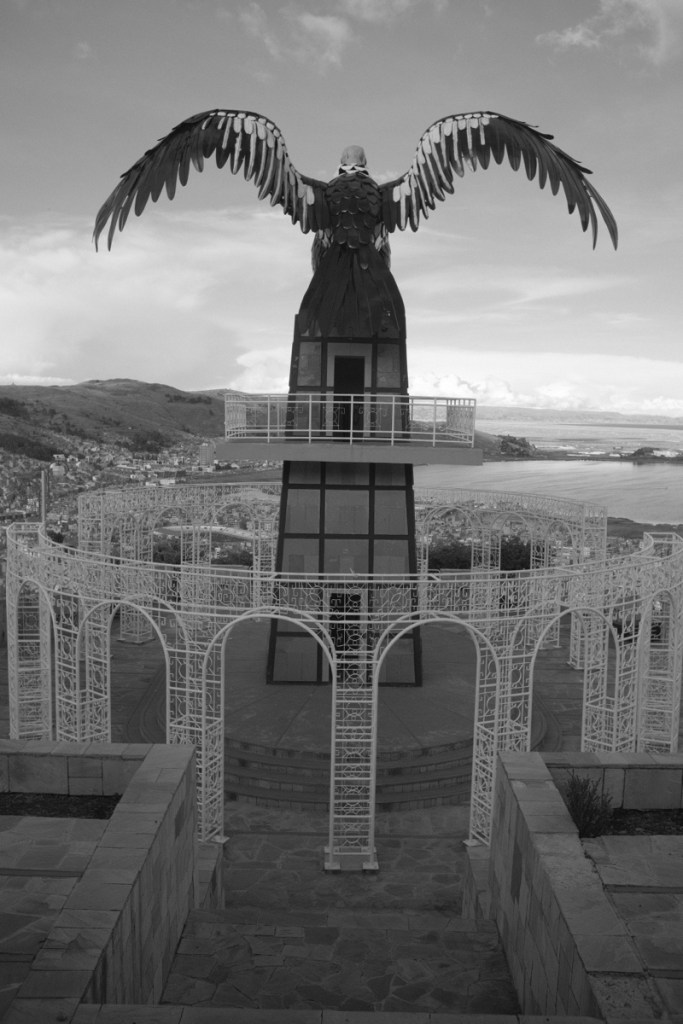
In the afternoon we walk up to the Inca statue and higher up to the great condor overlooking the city, from where we have a great view on the lake.
When we return to the hotel, we’re told to quickly go to the migration office, the port should open tomorrow. « But be very discreet about it, don’t tell anyone you’re going to leave! ». This time there are a few more people getting their stamp and the migration officer accepts to stamp our passport; it’s a good sign, we’ll probably be able to leave. This time we must be ready by 4am.
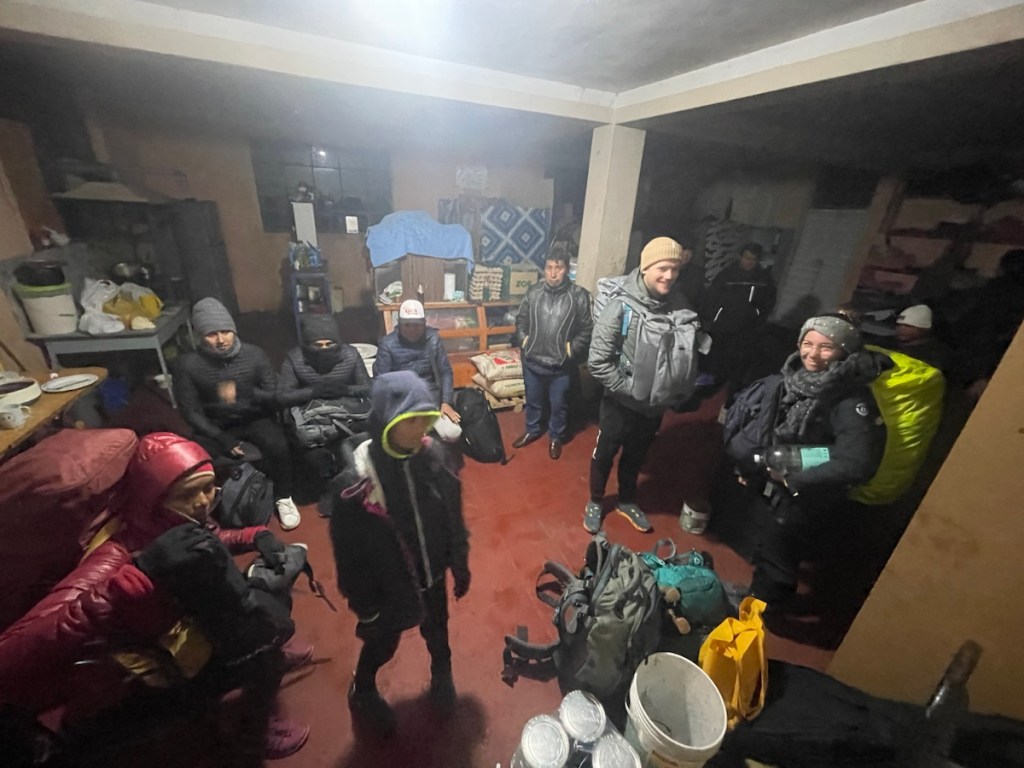
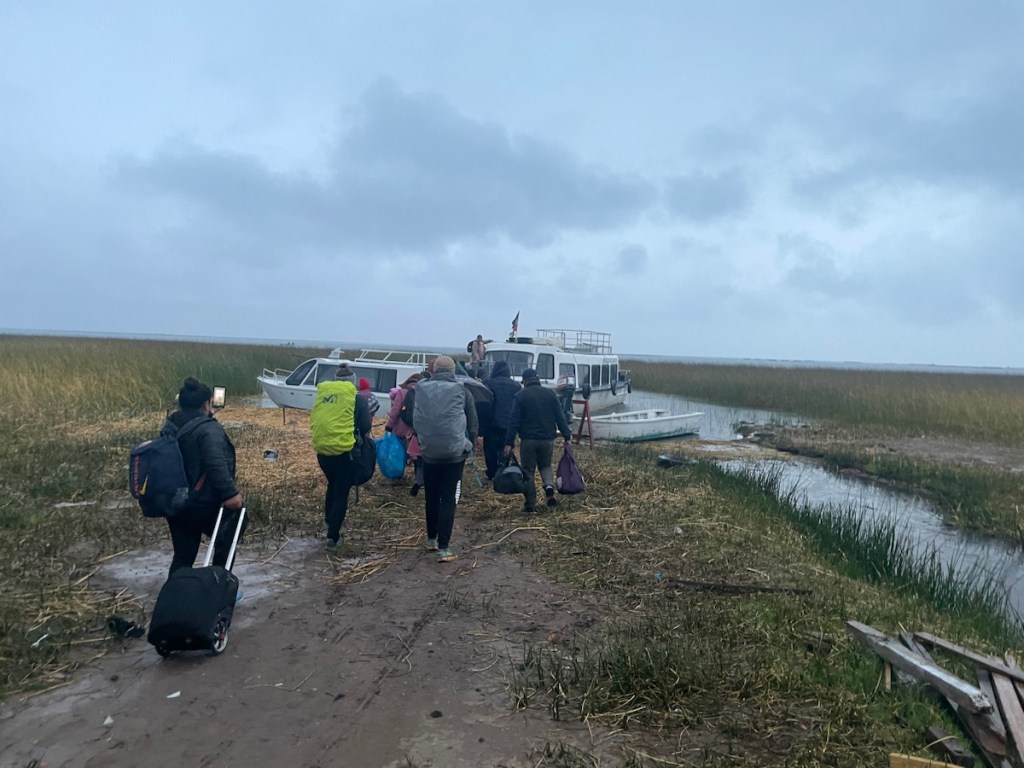
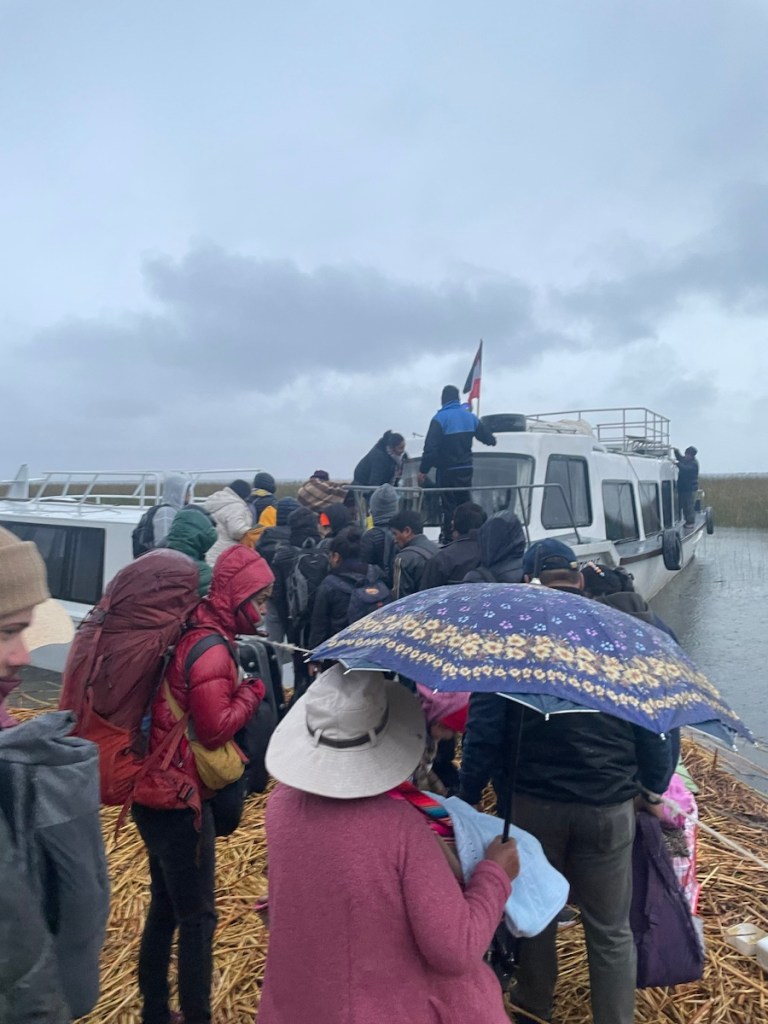
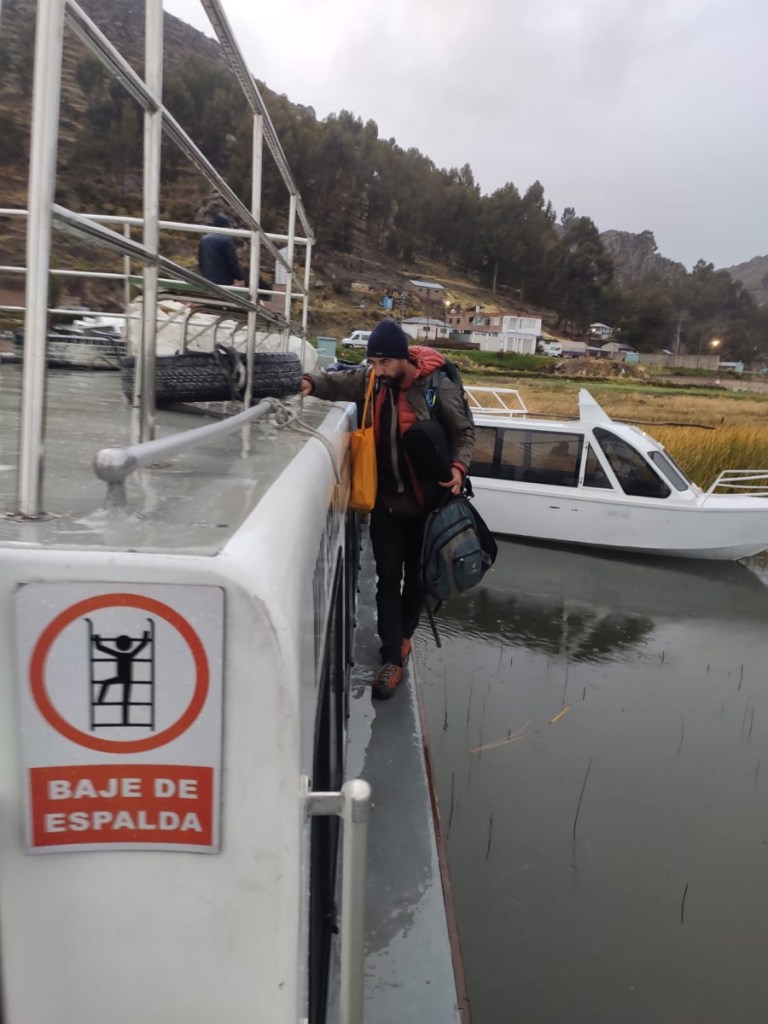
At 4am sharp they come to pick us up. There are more people in the shuttle this time, and we drive a bit further to a smaller port 20 minutes away from Puno. There we’re parked in a building while we wait for our boat. A couple more shuttles bring some more passengers. About 40 in all. The French couple and us are the only tourists. After a half hour our boat is here and we can board, under the rain and the rising sun. It’s not really a harbour, there’s no deck and we must climb into the boat with our heavy backpacks. But we’re really leaving this time!
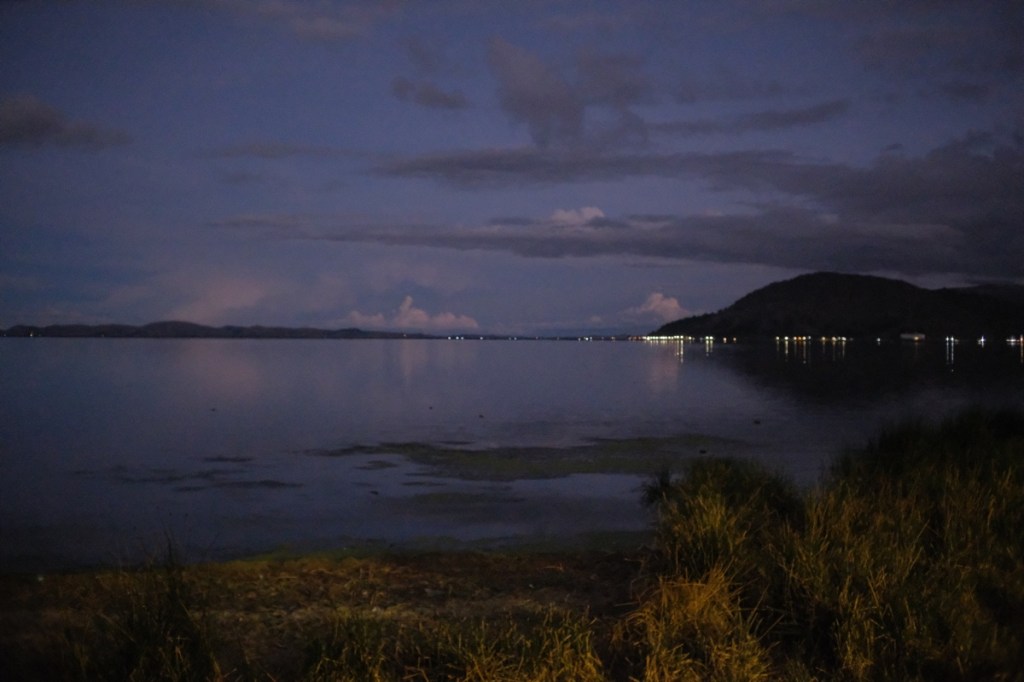
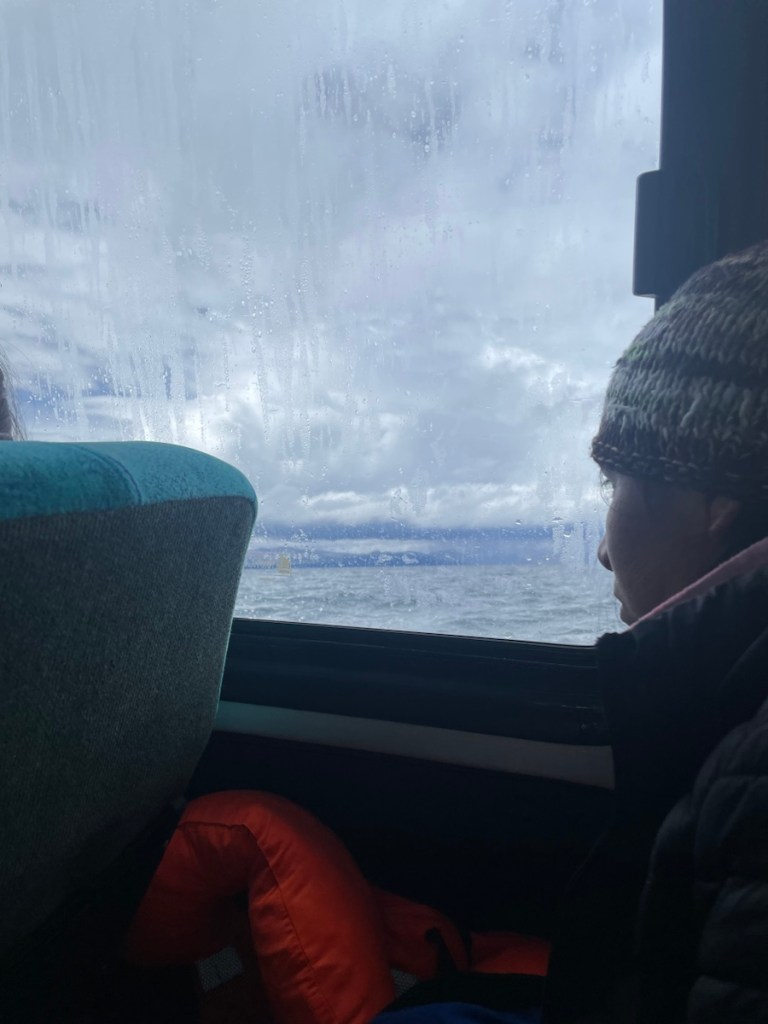
I’m writing these lines in the middle of the lake Titicaca, while the boat takes us to Kasani. 4 more hours before we can cross the border.
… we reached the “port” of Kasani and climbed down the boat, and we found a cab to take us to the Bolivian immigration office and straight to Copacabana (no, not in Brazil!). I was a bit anxious that the immigration officers would bother us with covid test requirements or some such thing but they didn’t ask any question and let us in.
Finally, after a week of trying, we made a successful escape to Bolivia and drank a Pisco Sour to celebrate! 🎉
Thank you Colombia, we had a great time and we loved your people 🙂
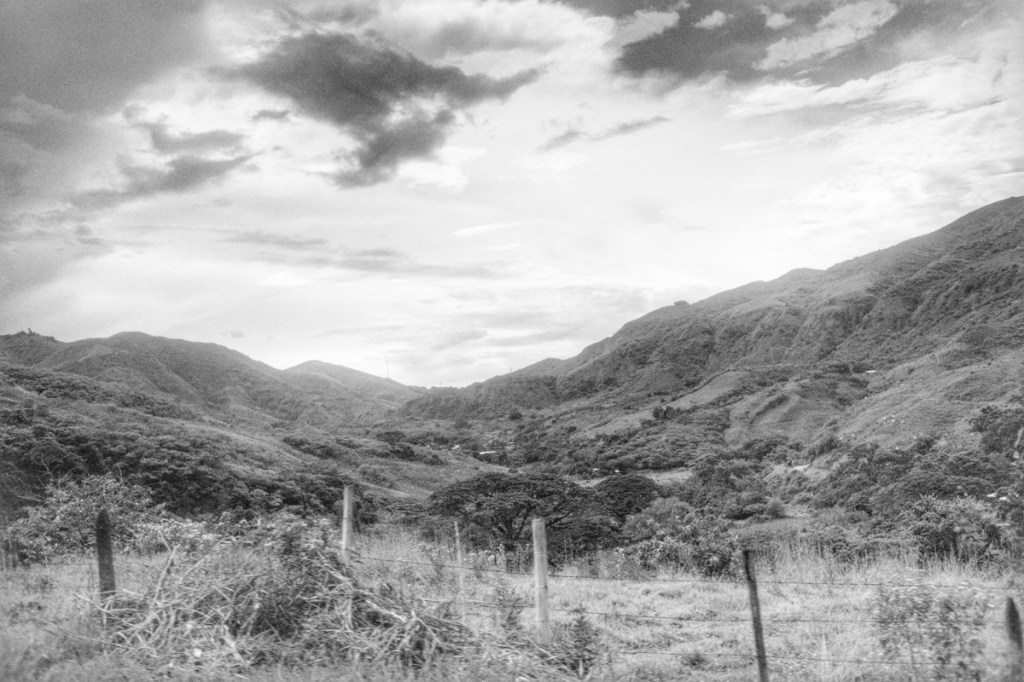
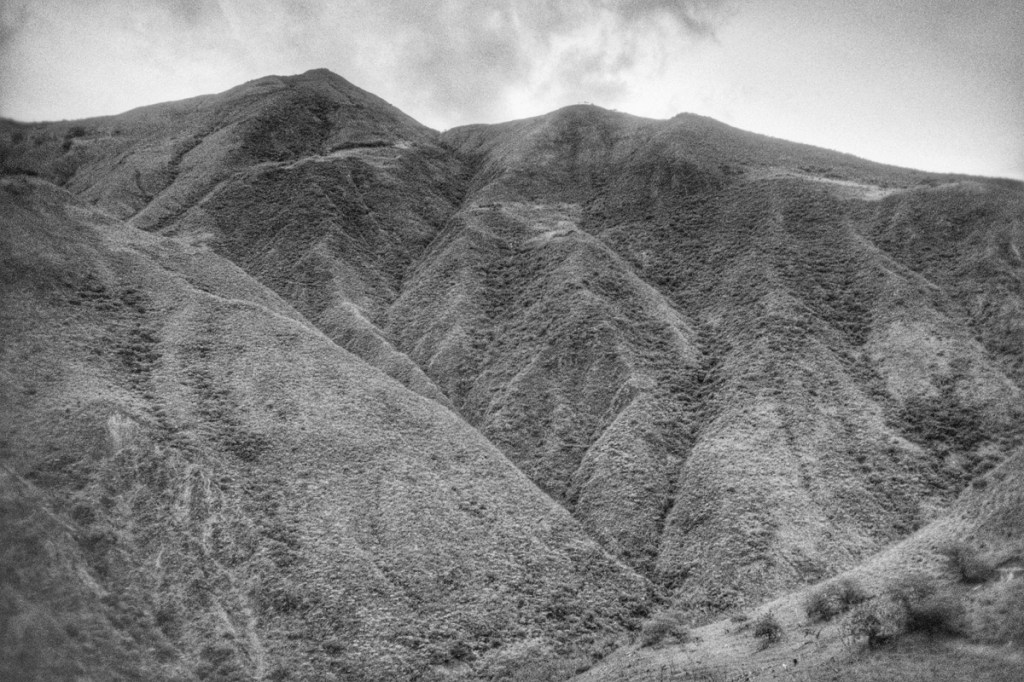
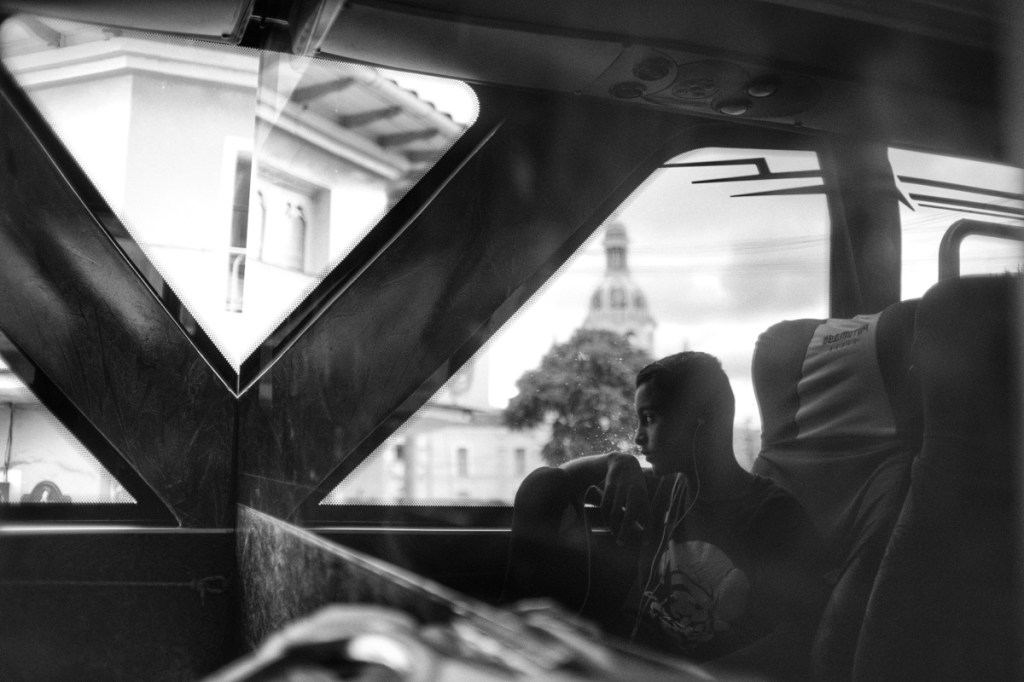
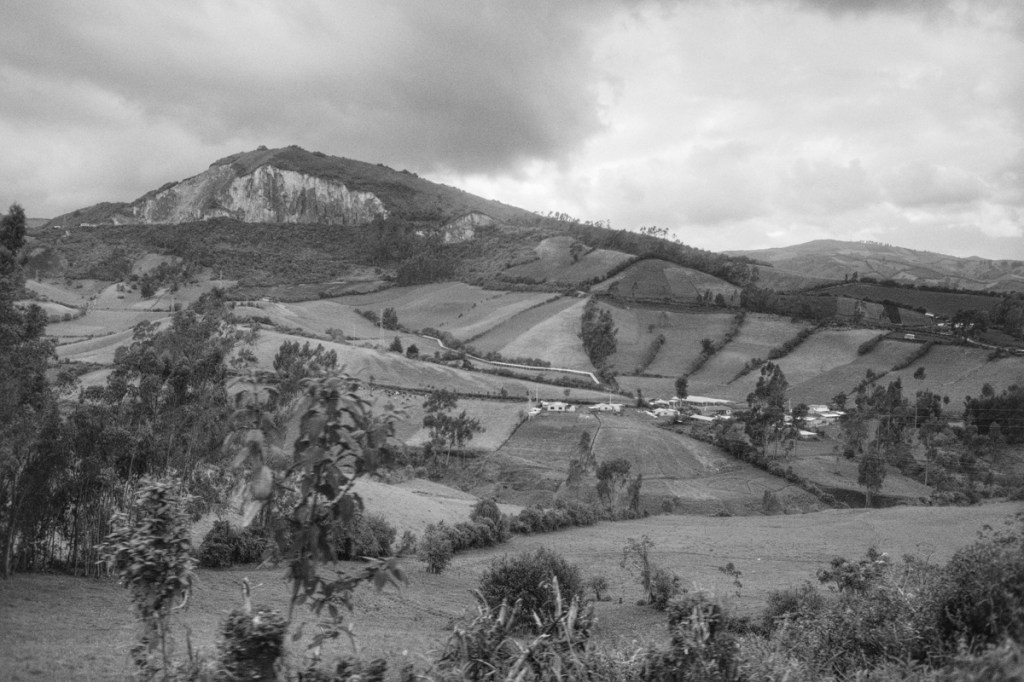
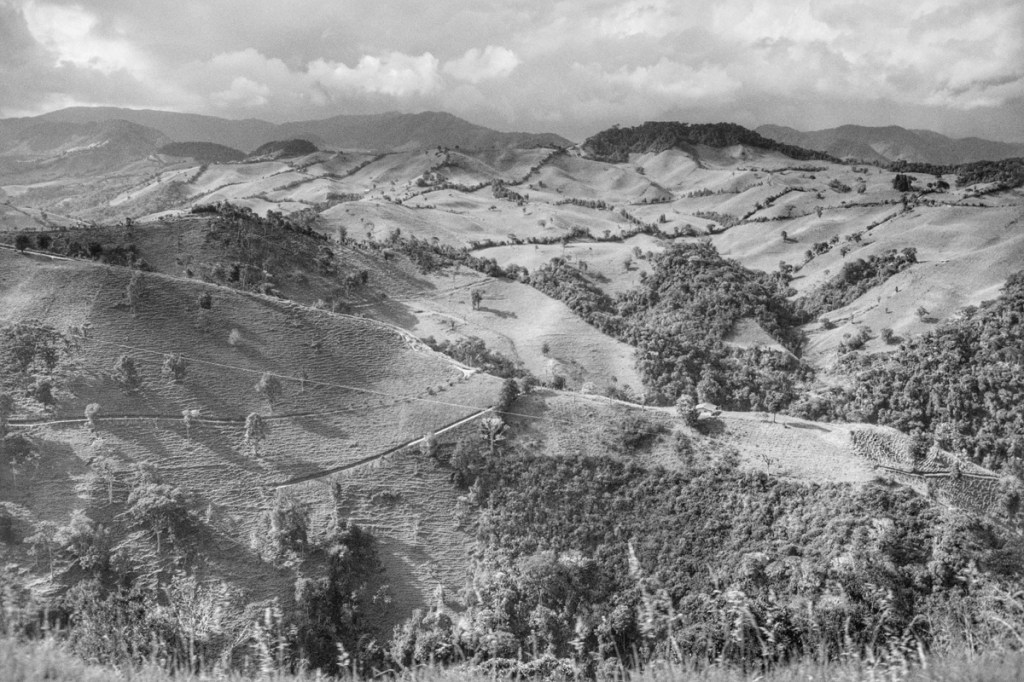
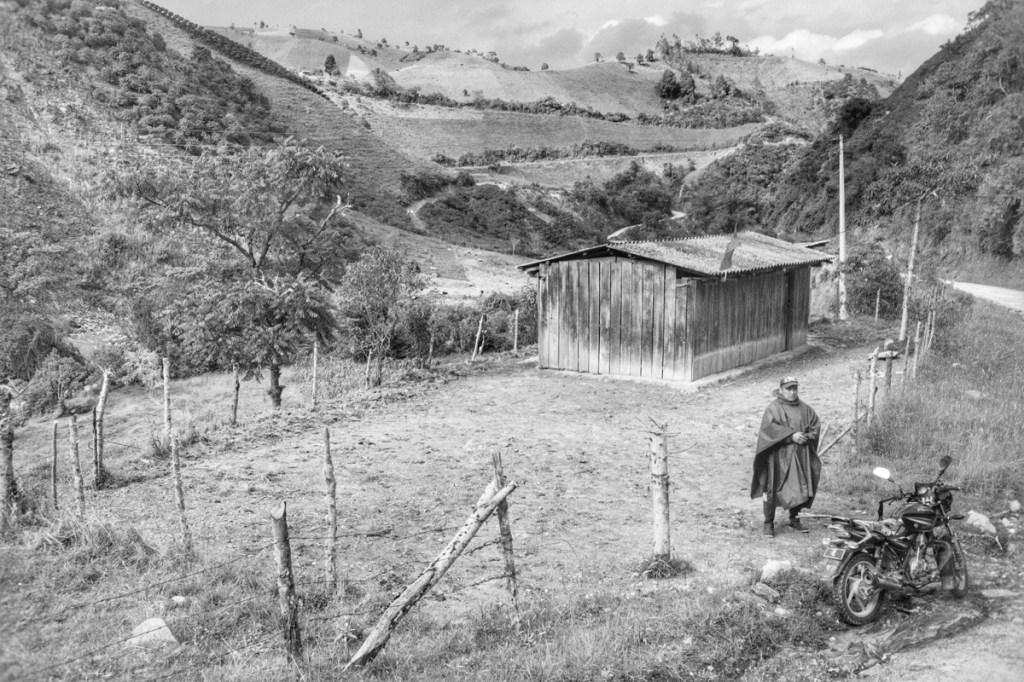
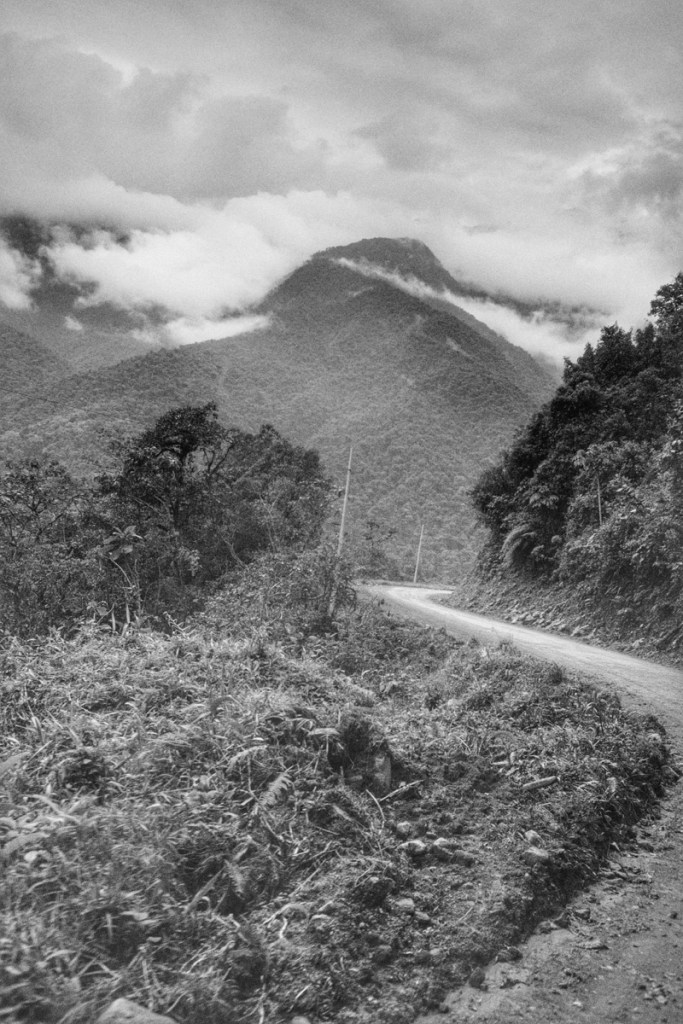
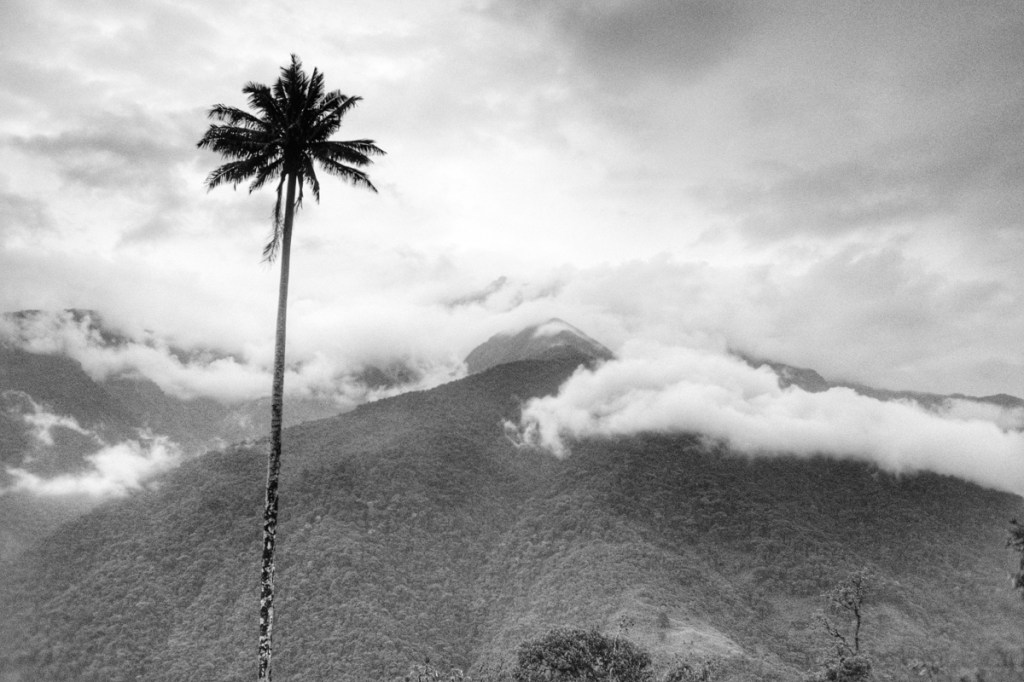
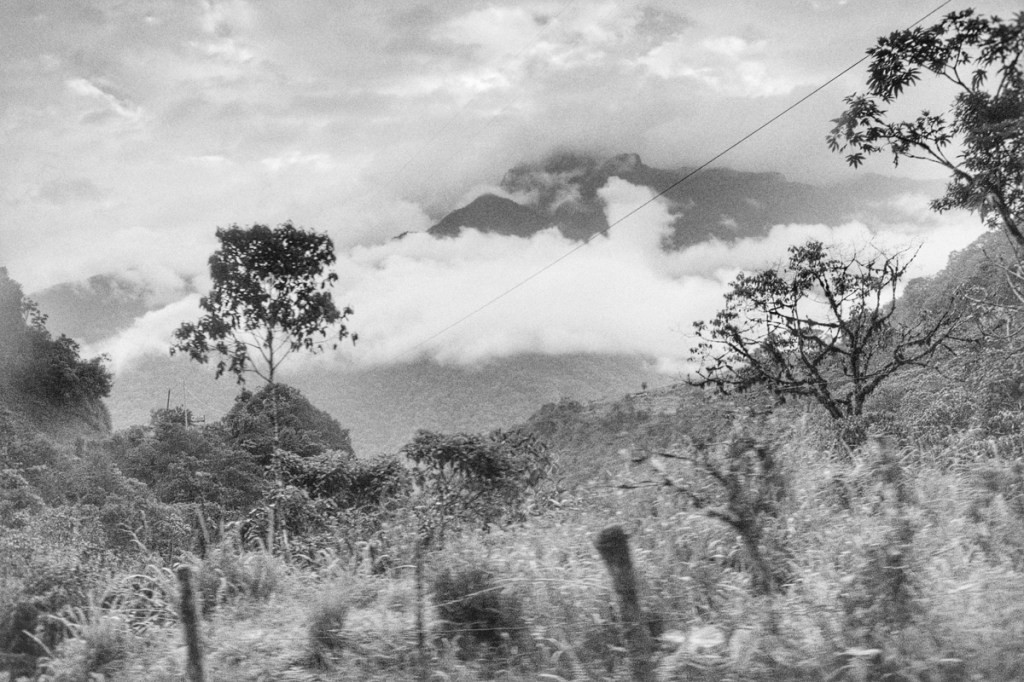
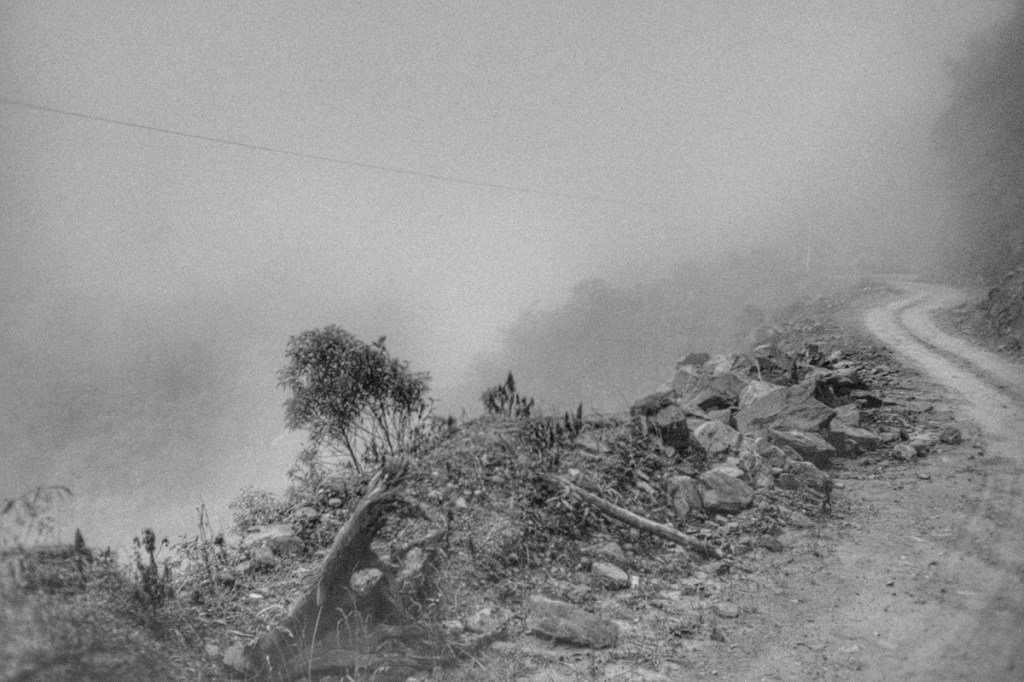
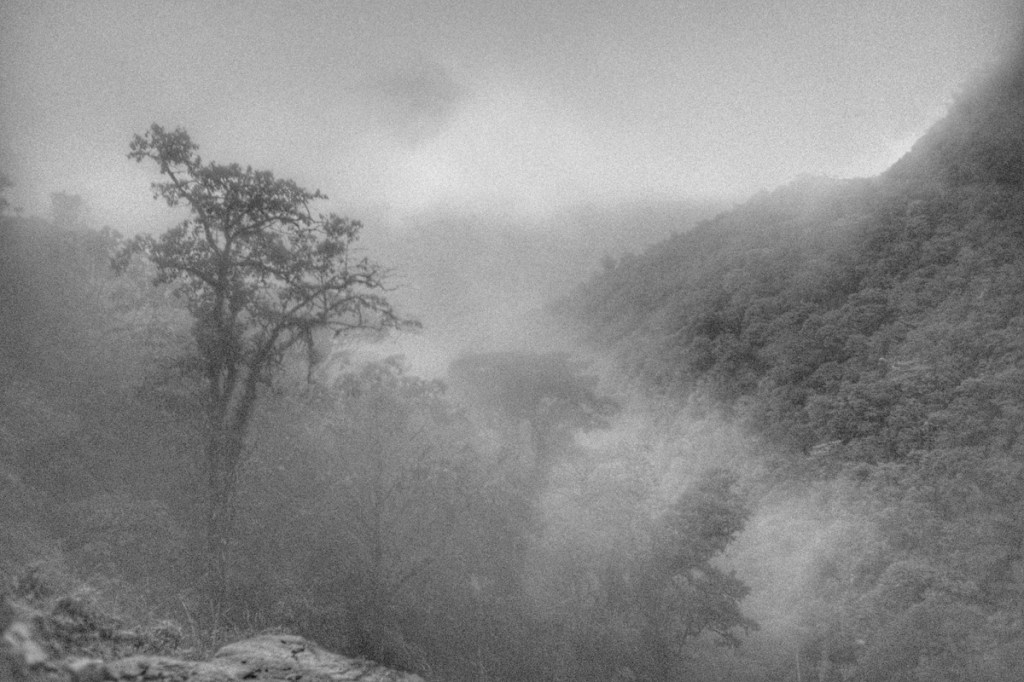
From Popayan, we moved down to Ipiales, near the border with Ecuador, for one last night in the country. The route in the mountains was beautiful and I tried to capture some of it through the dirty bus window! We arrived right during the « feria de blanco y negro » -a carnaval where people throw flour and spray shaving cream at each other- but we barely had time to witness it, we had further plans already.
Back in Guatape, we had met with Sam, an English tourist who gave us the contact of a guide in Ecuador to take us deep into the amazon forest. We had an appointment with him in Coca in two days.
(Mary is afraid of everything! She won’t jump in water or ride a bicycle. But tell her to go meet giant anacondas in the deepest parts of the amazon jungle and she signs in right away!)
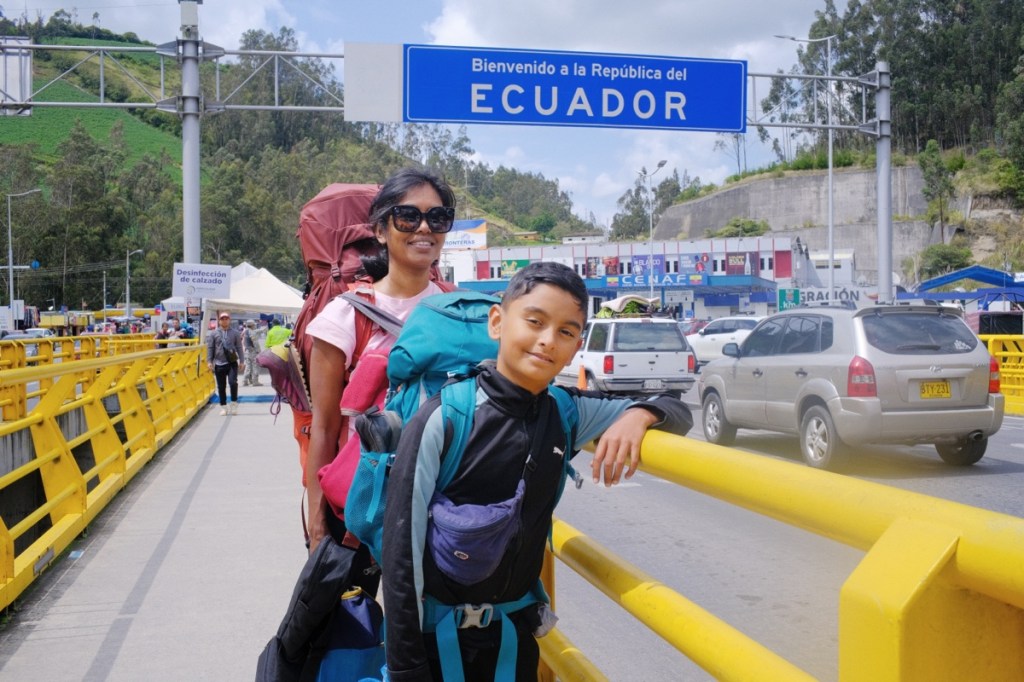
From the center of Ipiales, a city bus takes us near the border, we get off and walk the rest of the way.
Here also, the stamping of passports is a mere formality and goes smoothly. Only the wait on the Ecuador side is a bit longer.
From there a taxi took us to Tulcan, where we could find a bus to Lago Agrio, from where we could take a bus to Coca!
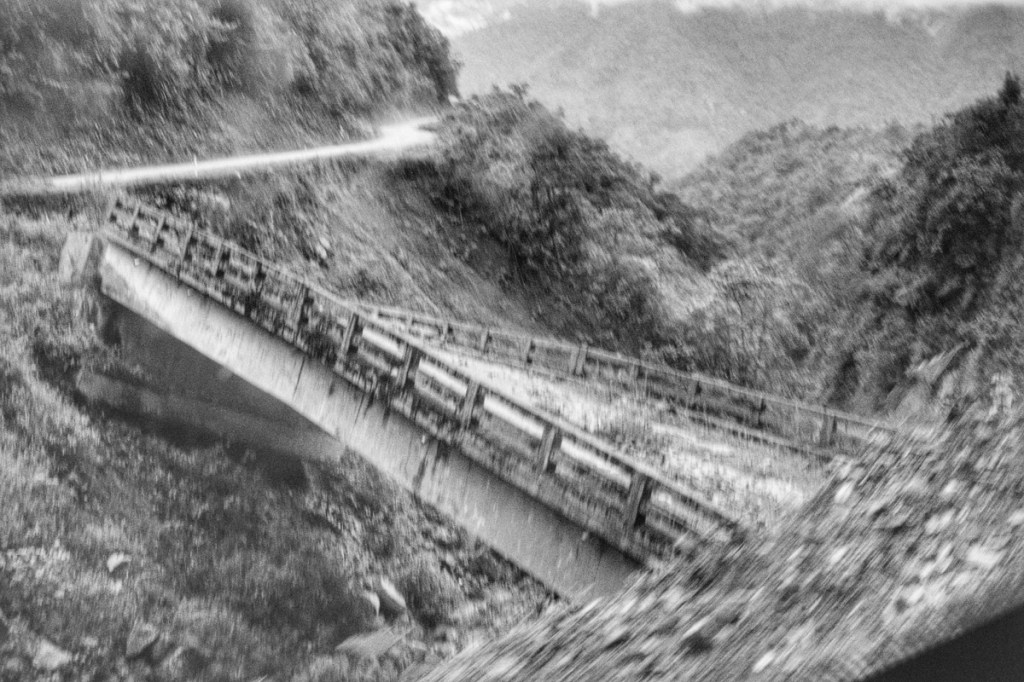
We reached Coca around midnight, about 14 hours after we reached the border. Again, the route to Lago Agrio, along the Andes, was splendid, but most of it was a painfully slow and bumpy dirt path. (The route to Coca was probably nice as well but it was too dark to tell!)
Time to catch some sleep, tomorrow we’re meeting our guide.
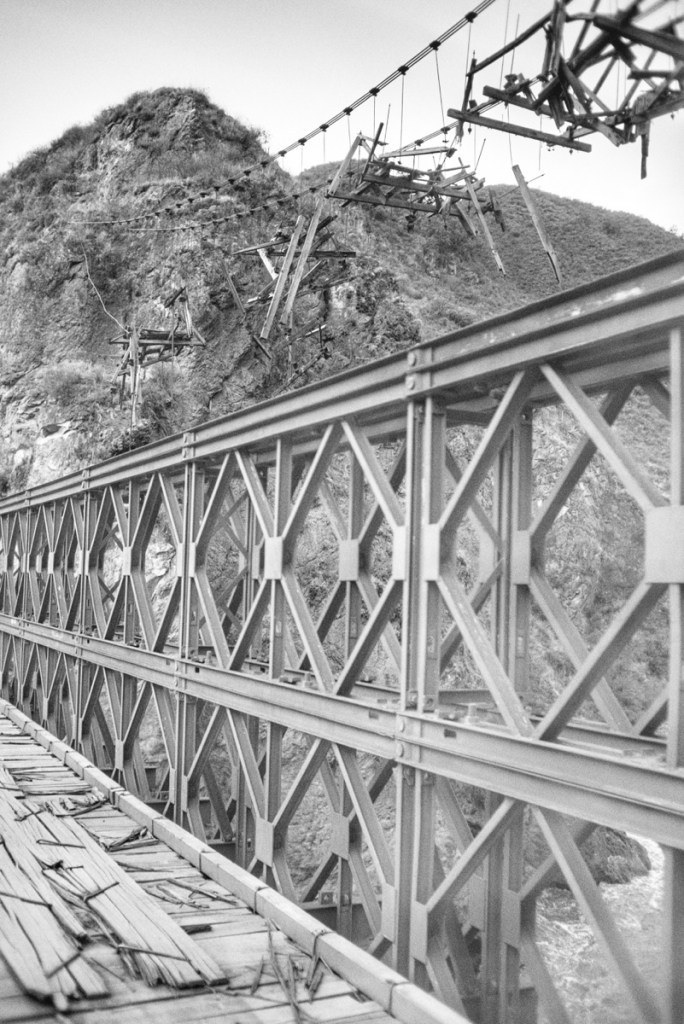
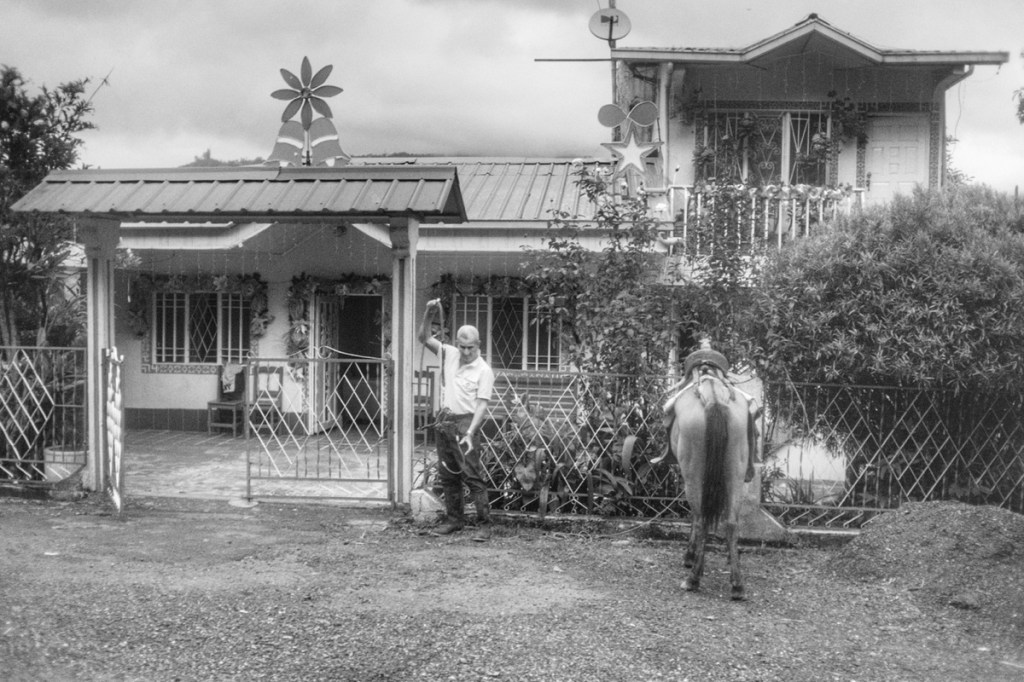
On the route to Ipiales…Feria de blanco y negro: people are ready to get floured!Seats along the side of the road; waiting for the paradeWelcome to EcuadorLeo reflecting in the busThe route to Lago Agrio…The broken bridge
Sadly leaving our friends in Puerto, our onward route to Guatemala was taking us once again to San Cristobal de las Casas.
12 hours in the bus, by night.
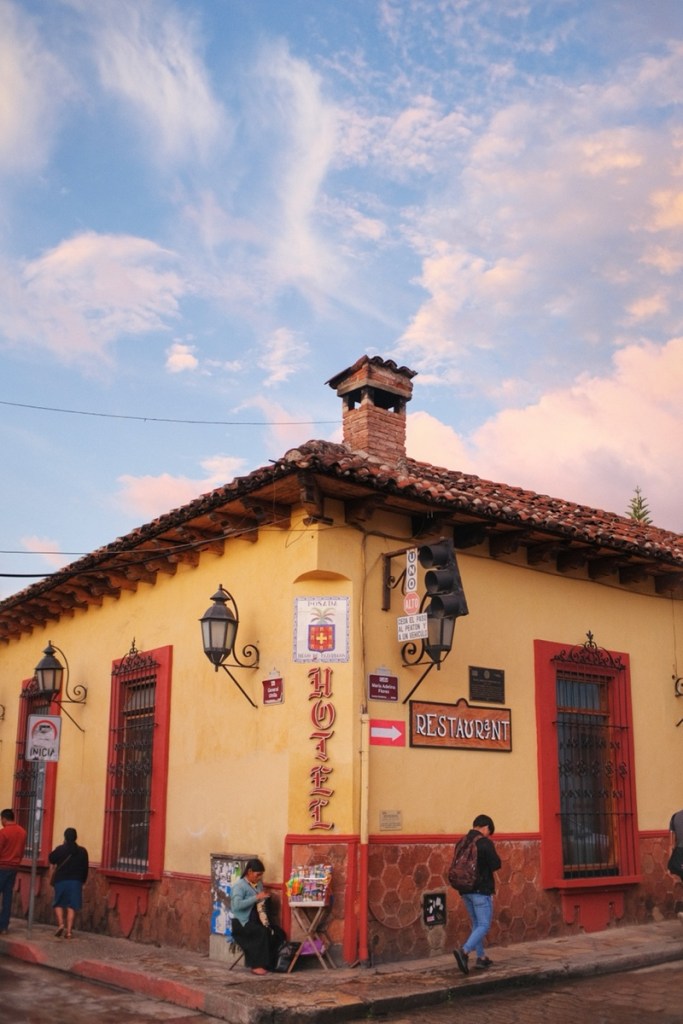
We had already stopped by San Cristobal over a month back, while visiting the Chiapas. It was raining the first time so we were glad to come again and get a better feel of the city vibe! It is indeed a lively and colourful place.
Speaking of lively, we went looking for a live music place to spend the evening. It was Wednesday night, not the most happening day of the week, but we ended up in a place that advertised an open mic evening. We were there early and barely anyone was there. I borrowed a guitar hanging on the wall. That’s when a girl came up to me asking if I wanted to participate. As I was about to politely decline, I heard my self answer « sure, why not! »
I had no idea what I could play for them, so I went for my old french classics: « Ou va-t-on » by La Tordue. Which, as Rafa later suggested, turned out to be an appropriate parallel with our journey around the world!
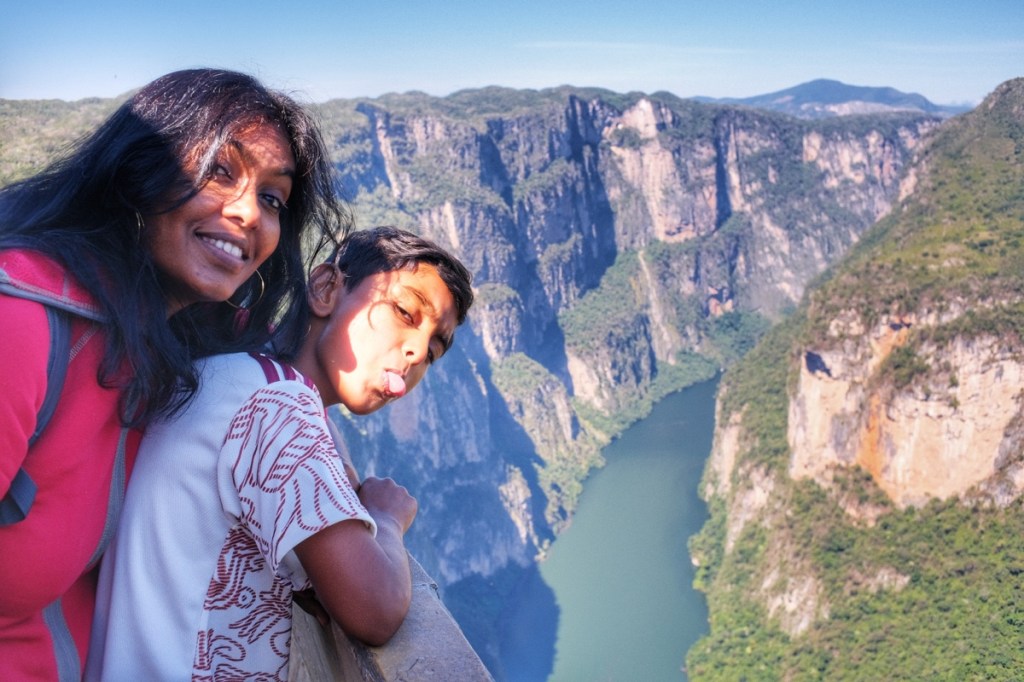
Then, for the one day of rest we had between two loooong bus rides, we cleverly decided to visit the “nearby” canyon del Sumidero. The tour turned out to be 2 hours in a bus to get to the mirador overlooking the canyon, followed by 2 hours by bus to get down to the canyon, followed by 2 hours stuck in a boat that felt like a floating bus, followed by 2 hours by bus to get back to San Cristobal.
The canyon itself was certainly lovely, but i hate these kinds of tours; I don’t know why I keep falling for these traps
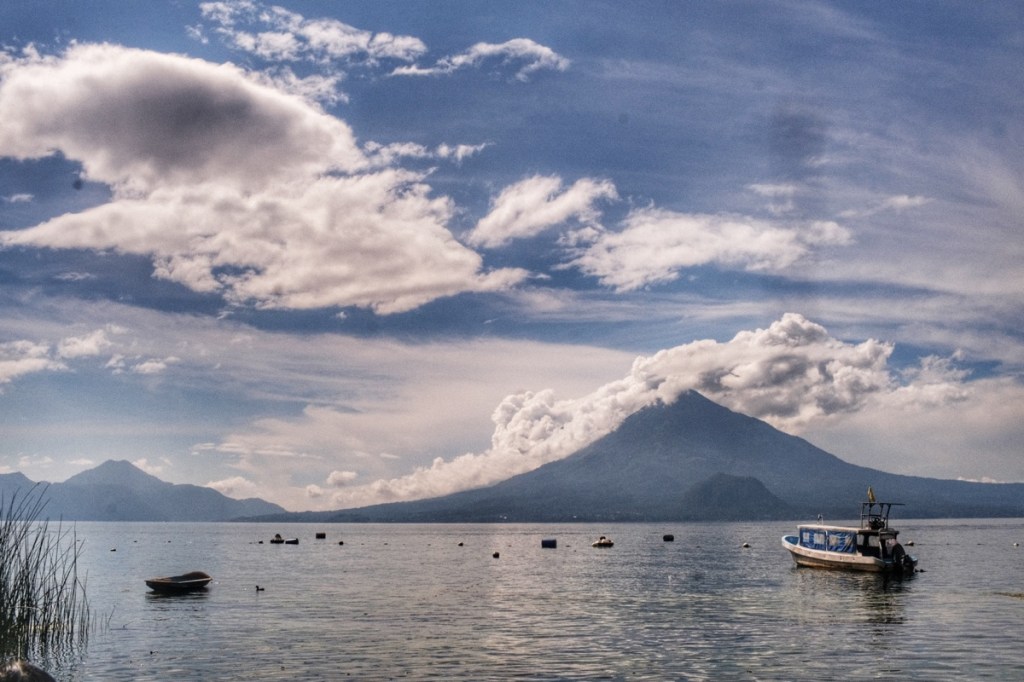
By then we were more than ready to go to bed and wake up at 6 for our next shuttle, taking us to Guatemala and the shores of lake Atitlàn.
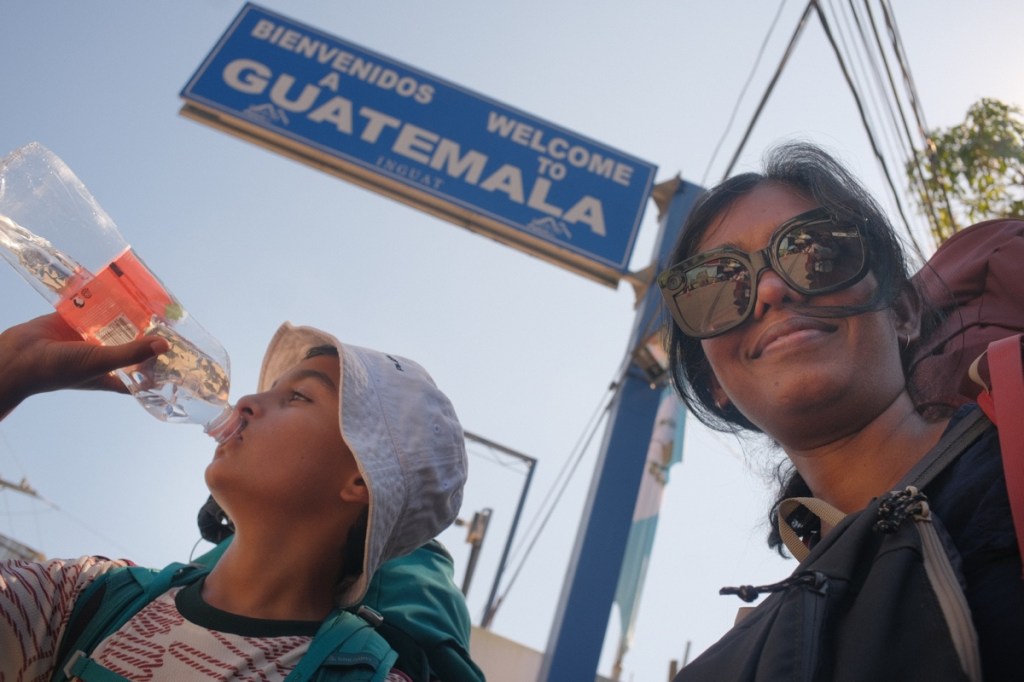
After maybe 5 hours, the shuttle dropped us at the border and we walked into Guatemala. Stamping our passports went like a breathe and we waited a bit for the next shuttle that would take us to Panajachel.
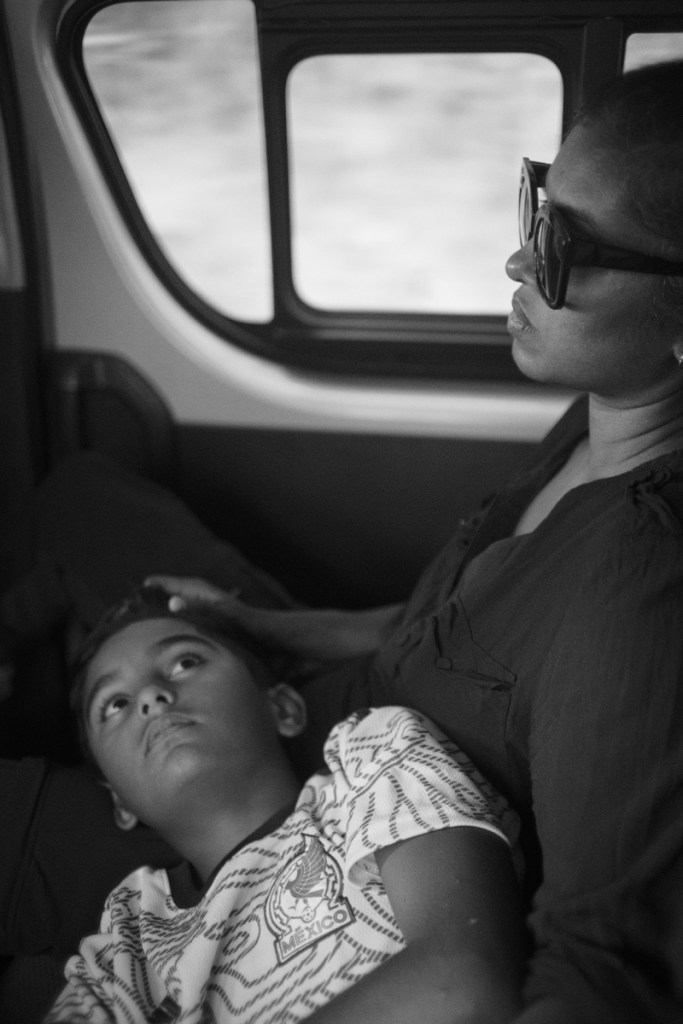
That’s when things got a bit more complicated. Apparently the normal road was blocked by protesters and we had to make a detour through the mountains. So instead of reaching around 5pm, we reached past 10pm, after 16 hours of winding mountain roads in a shuttle bus.
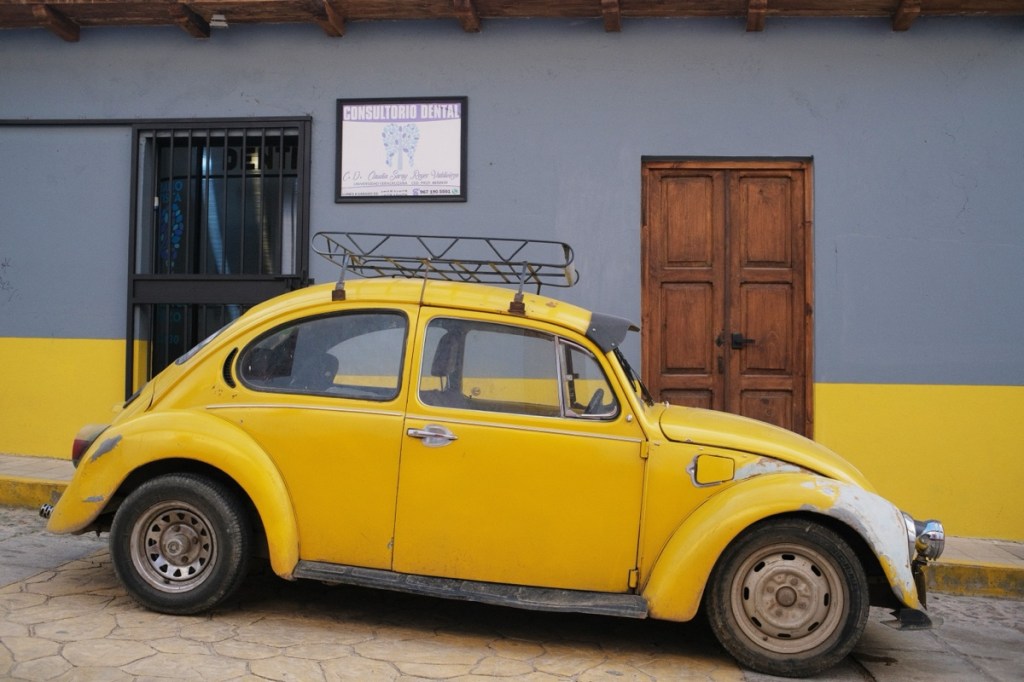
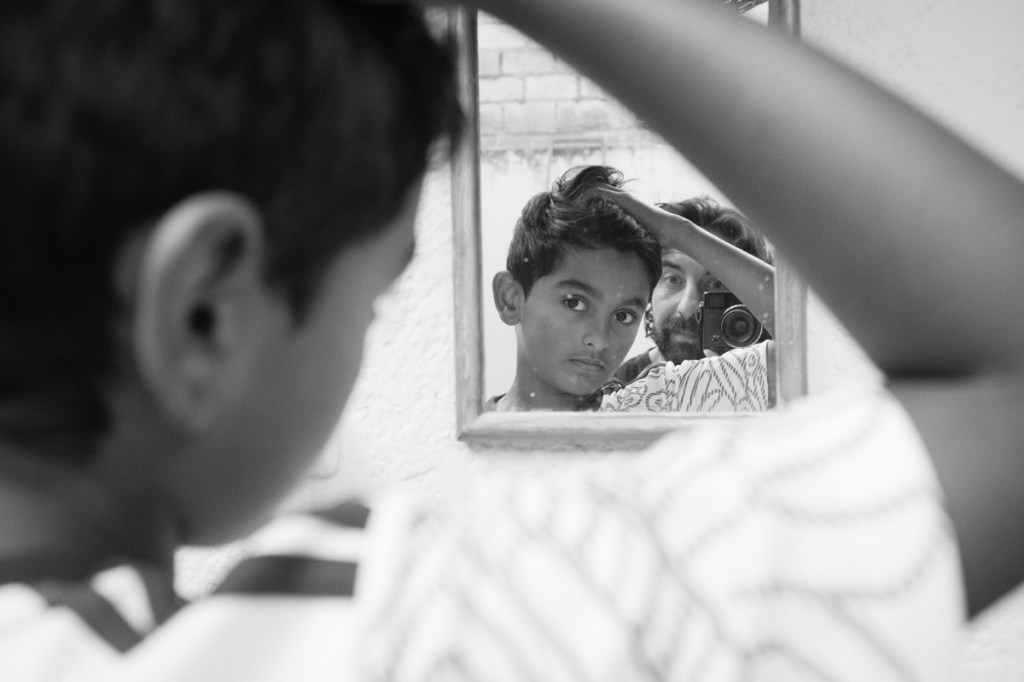
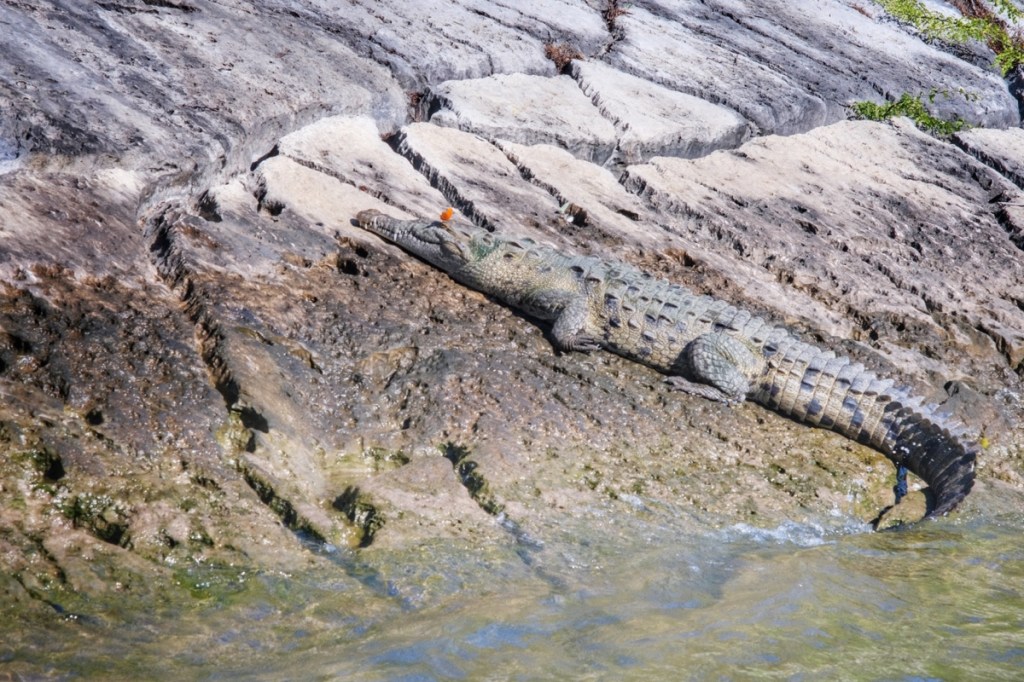
San Cristobal de las CasasRéflection of a church in a puddle The traditional beetle picture Beautiful fireplace in our guesthouse Father and son in the bathroom mirrorSuperstar on stage!Canyon del Sumidero Canyon del Sumidero Canyon del Sumidero The Christmas Tree waterfallCanyon del Sumidero Canyon del Sumidero A crocodile 🐊 on the bank of the river Welcome to Guatemala 🇬🇹 Never ending bus ridesFirst view of lake Atitlàn the next morning












 Raahi - A traveling family