After we heard about the political unrest in Peru and stories of tourists stuck in Macchu Picchu, our initial plans to go there from Colombia fell apart.
In Guatape – Colombia, we met a British tourist who talked about this amazing tour in Ecuador. We saw pictures of him next to a 6 or 7 meter Anaconda digesting a deer it had eaten! I was immediately sold on the idea. So we decided to put Peru on the back burner and go to Ecuador.
This was to be our second time in the Amazon rainforest. We had been to Iquitos, Peru many years back but hadn’t spent much time with the local community. I realised that we were going to be in the Yasuni national park near the river Napo which flows right up to Iquitos!
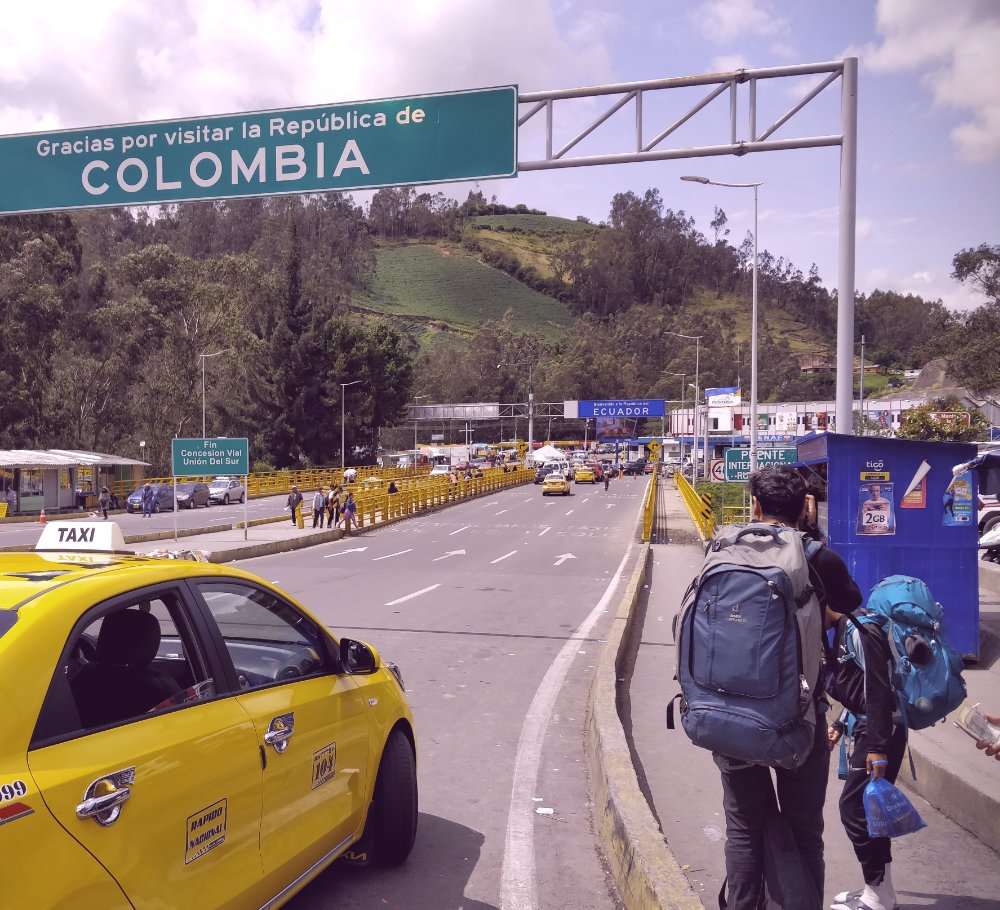
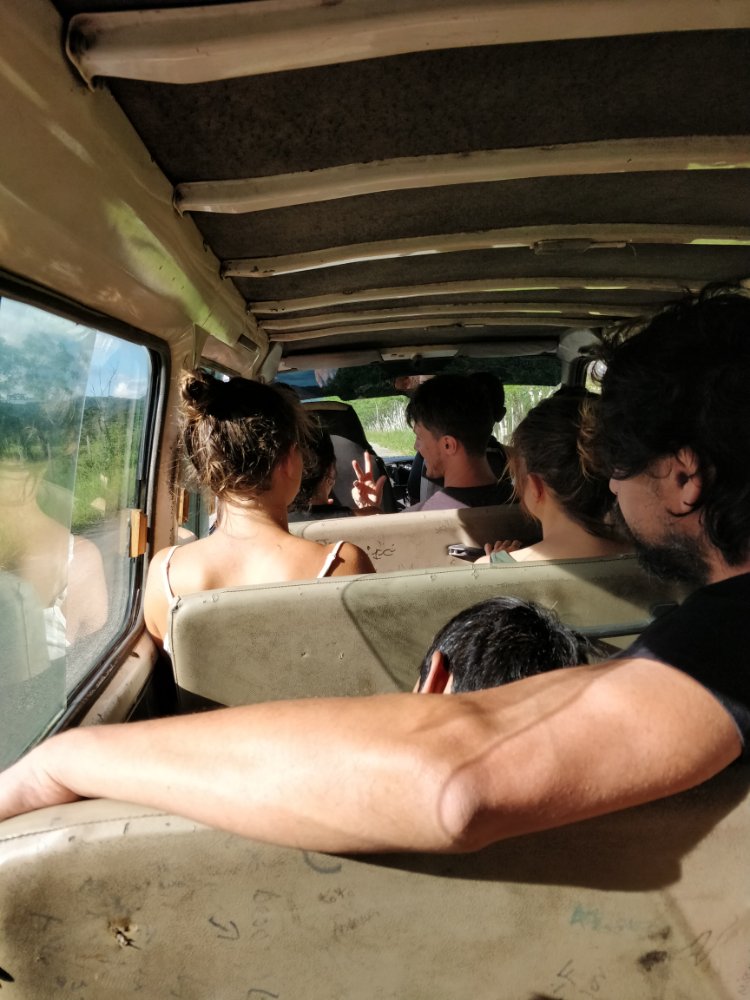
Once in Ecuador, we got our bus tickets, sim card, got some snacks and hopped onto the bus. I stepped down to get some peanuts and was paying the vendor when I heard Arjun yell my name. The drivers in Ecuador are sticklers of time and I could see the bus move with Arjun literally hanging out of it. I ran as fast as I could and I luckily made it! I almost slipped and fell on my seat as the buses in Ecuador have slippery Formica flooring.
After two excruciatingly long bus rides from Tulcan to Lago Agrio we reached El Coca by 11 in the night. The way to El Coca was through mountainous roads and was breathtaking! Strangely enough there were no toilet breaks. I was so grateful when one of our fellow travelers requested the driver to stop and we went out in the wild to relieve ourselves.
We met Wareka and his team the next morning. He also came with an English translator as our Spanish is rather weak. In the evening, we went out for a drink to break the ice and get to know each other. One of the team members came with his wife and child. To Leo’s utter surprise and confusion, the little kid was served a little bit of beer.
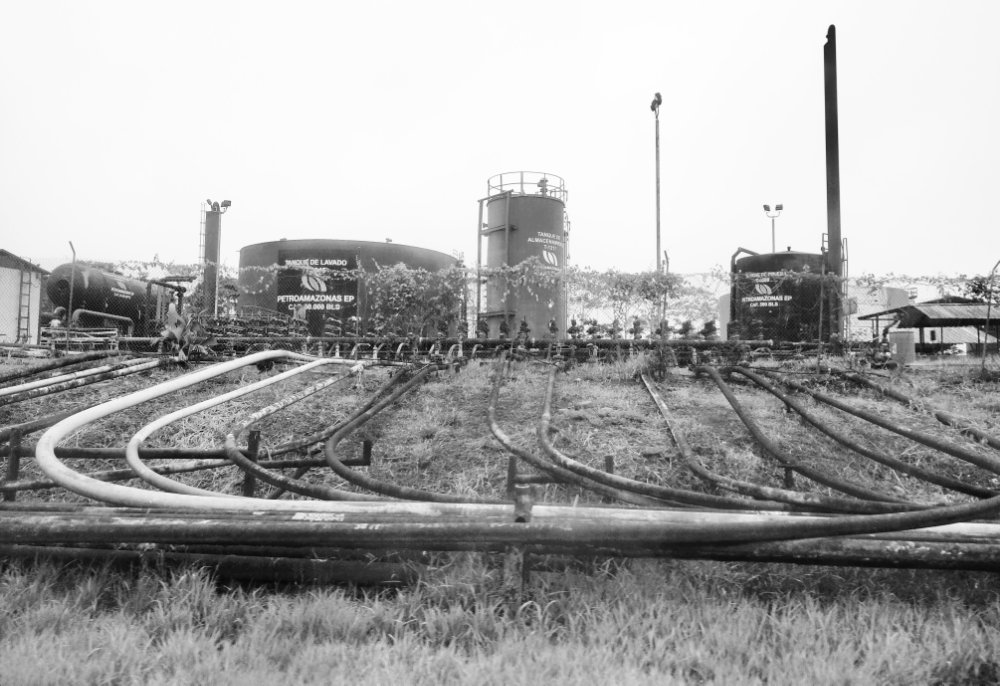
The next morning we left at 6 in the morning for our expedition. It took us two hours from Coca to get to the river. Along the way there were several oil extraction platforms. The Yasuní National Park, a 3,800-square-mile swath of forest, holds more than 1 billion barrels of oil, and is also home to one of the most diverse collections of plants and animals on the planet! Chevron had been accused of polluting the Amazon rivers and poisoning waters used by local communities for over 26 years. They were fined a sum of USD 18 Bn which was eventually reduced to USD 9.5 Bn. Chevron never paid a cent and in fact the lawyer – Steve Donziger who fought on behalf of the indigenous tribes lost his law license and was told to serve a 6 month prison sentence in 2021!
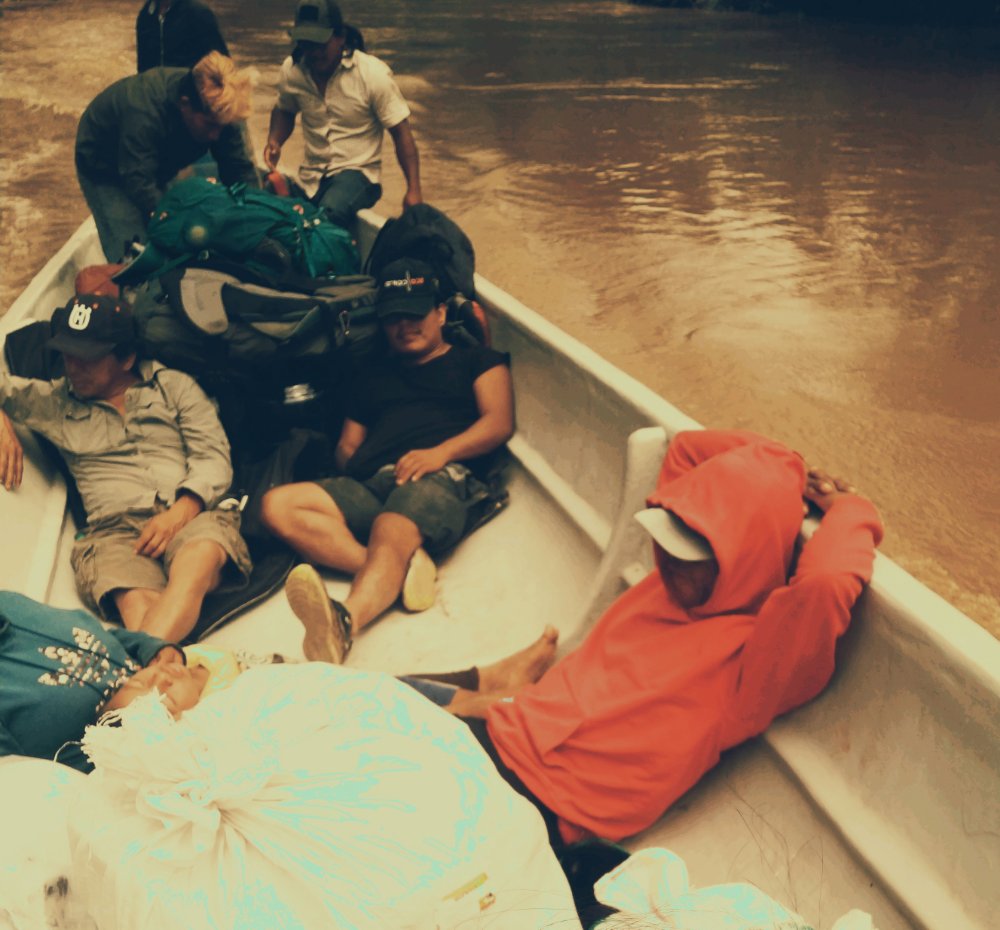
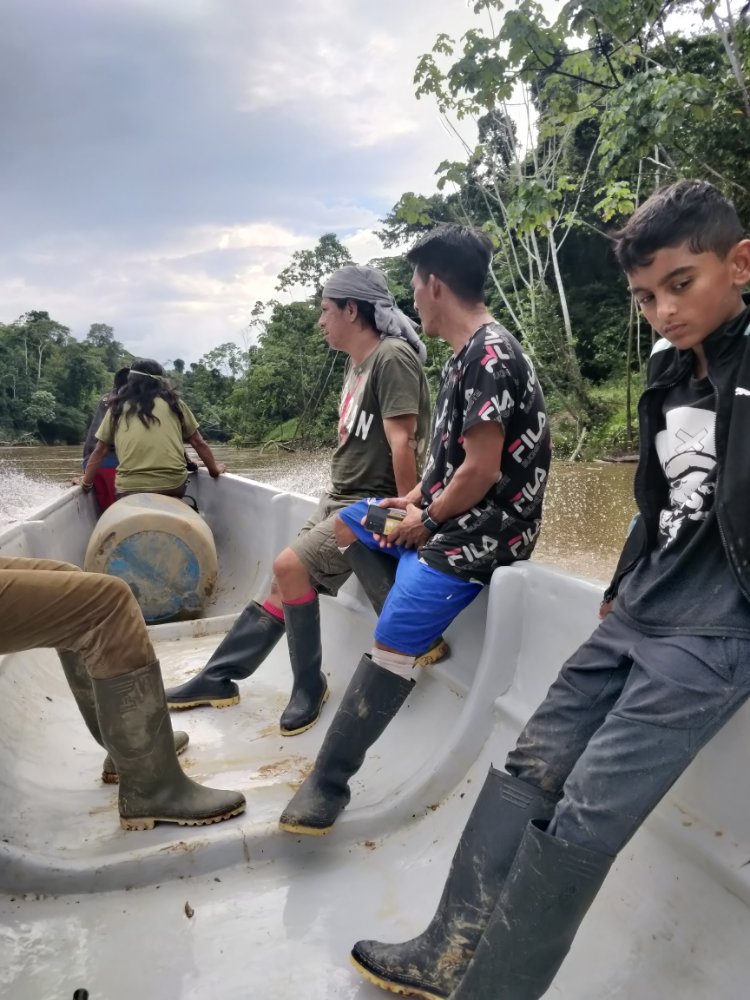
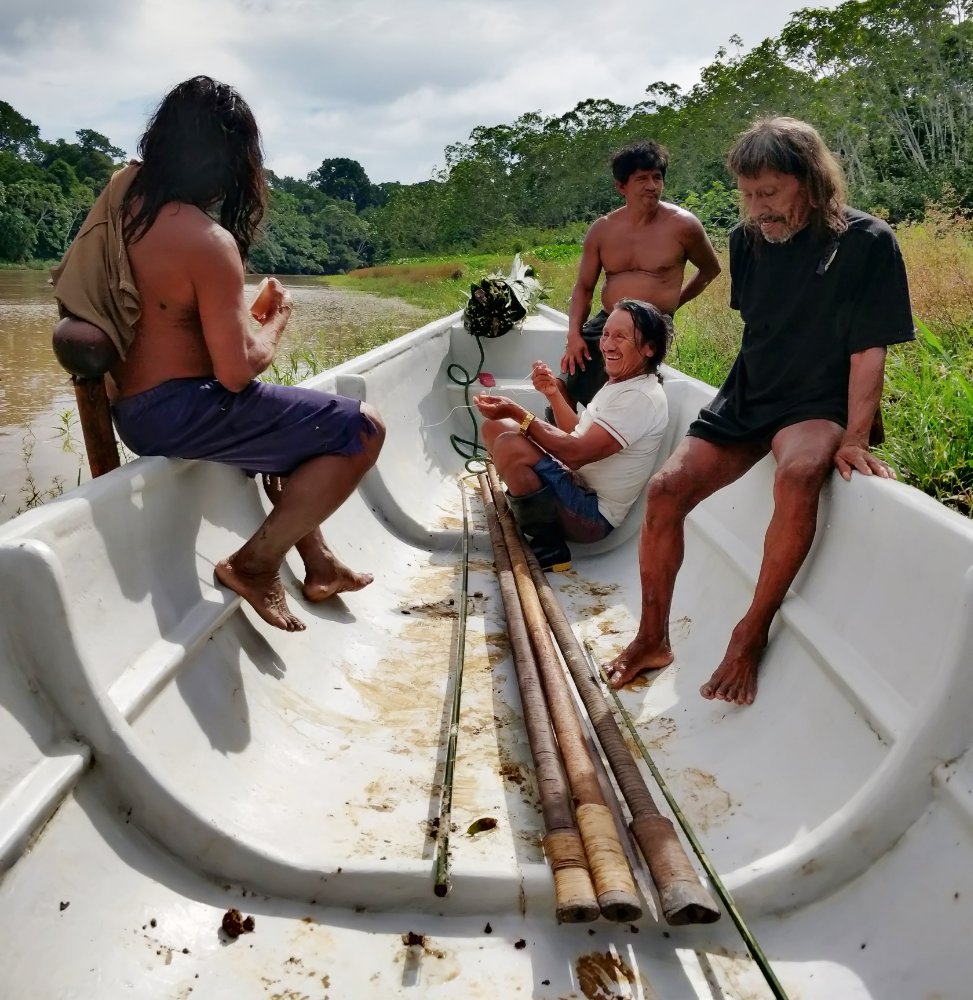
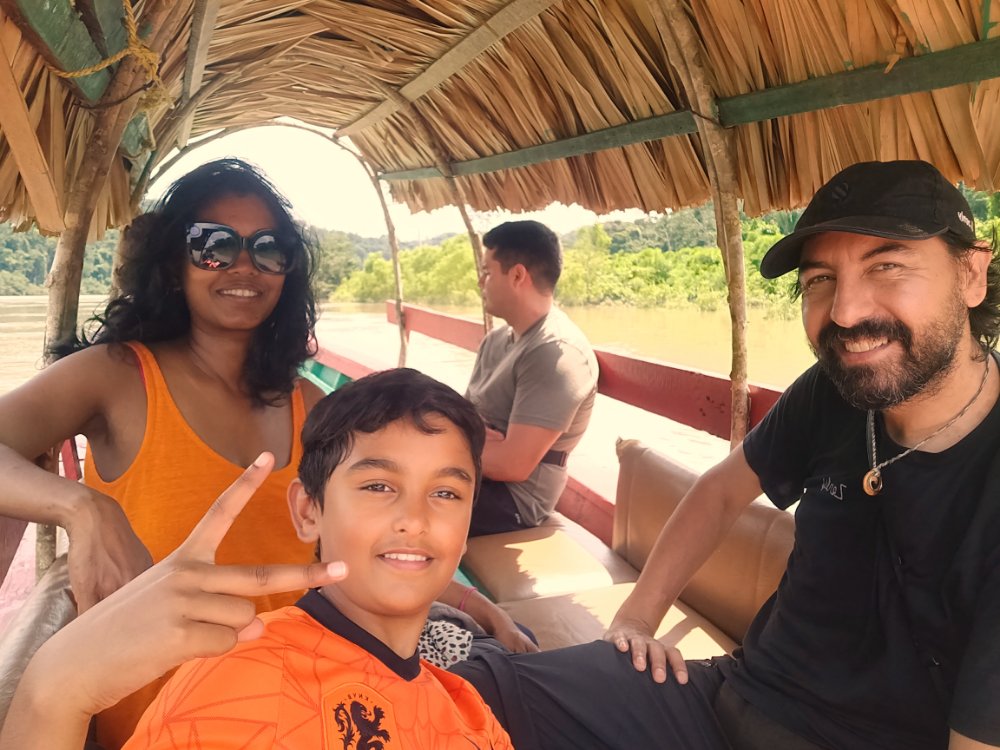
We were asked to keep an eye out for anacondas by Pajarito (Spanish for parrot because of his ability to make different bird sounds) our translator. We were also warned about the Taga tribe who’ve chosen not to be in contact with the outside world. Any attempt to go close to their area is met with violence. Someone from the Waorani tribe was killed as recently as 2014 😱 So throughout the ten hour board ride we were alert while all the others took a nap except for Yatey and Raoul who were riding the boat. We took two breaks along the riverside to meet one of Wareka’s three wives and to pick up/ drop off people. When we reached the village it was night. We were shown our rooms which were in a wood cabin. We could hear bats and we saw some cockroaches. We were really glad that there weren’t too many mosquitoes around.
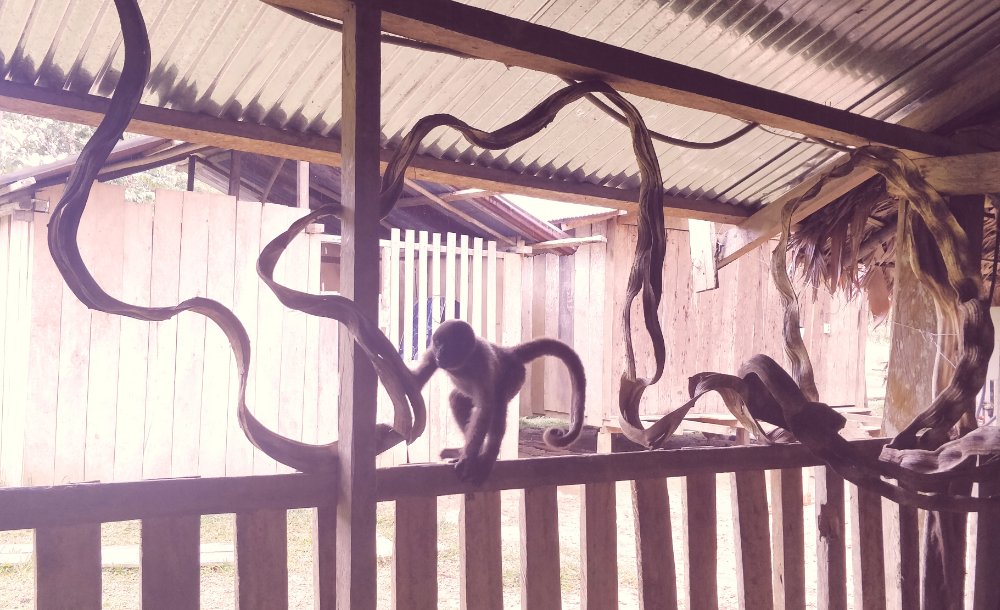
The boat ride tired us thoroughly but Yatey, Raoul and Waraka got busy in the kitchen to cook us a meal. As we walked around with torchlights, we noticed a small pond and someone casually mentioned that there are often snakes in that one. Noticing my discomfort they quickly added that they weren’t poisonous, just water snakes. In the dining area, a monkey kept coming towards us. It was the village pet monkey which they playfully call mono loco (crazy monkey in Spanish). After the meal, Wareka asked us if we wanted to go look for alligators and other reptiles. By this time we were too tired to venture out so we went to bed with the bats, the roaches and other insects.
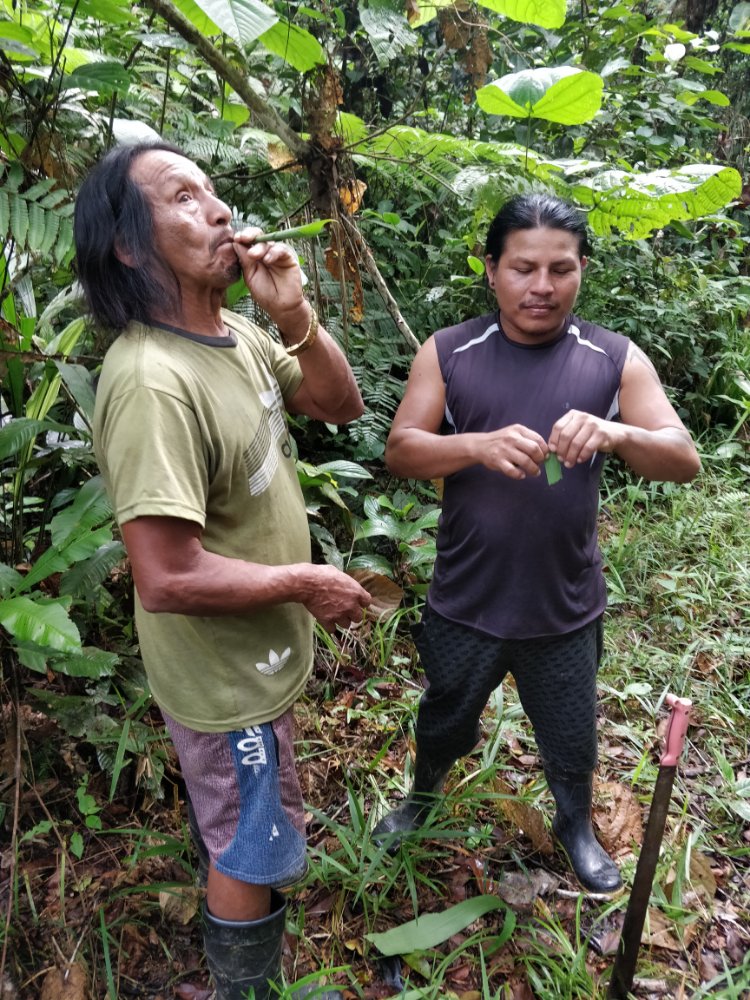
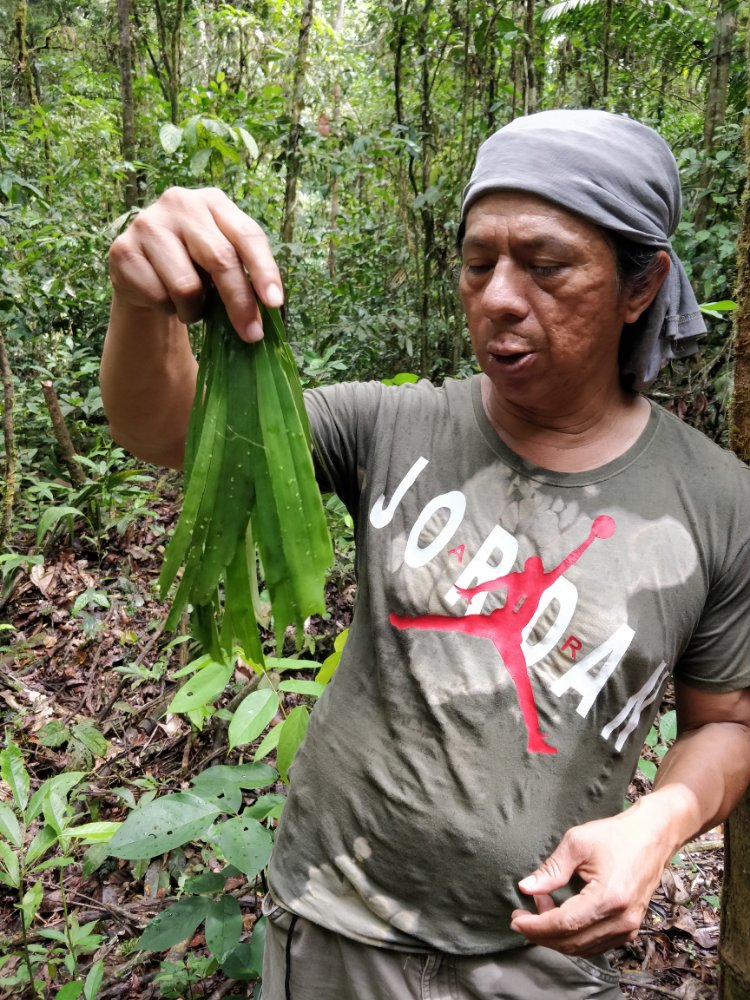
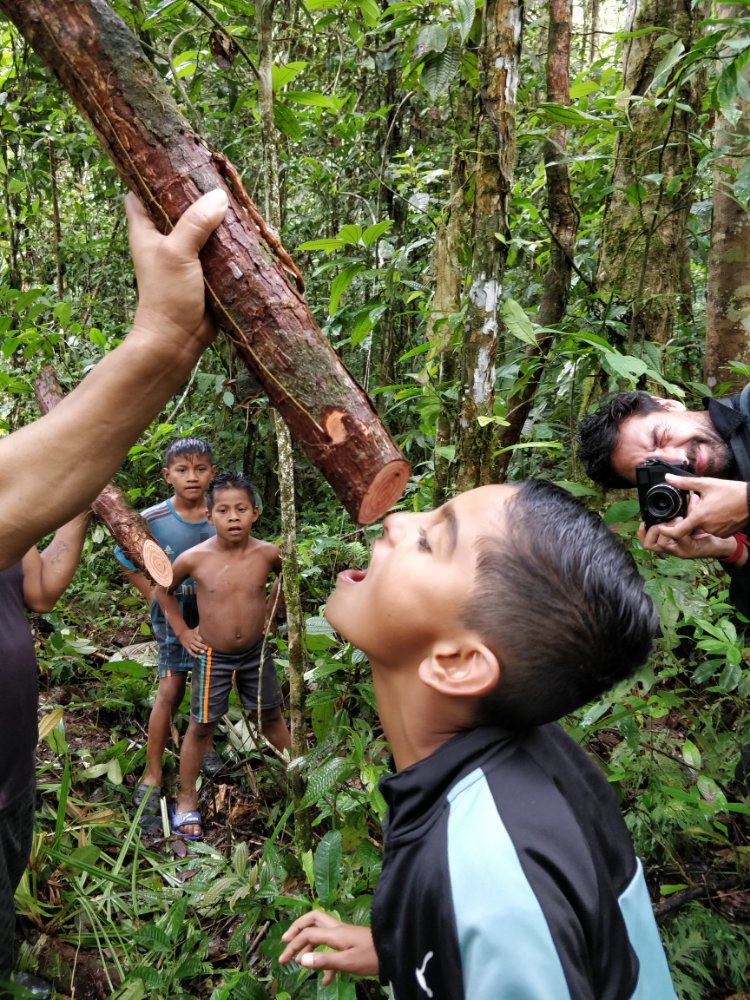
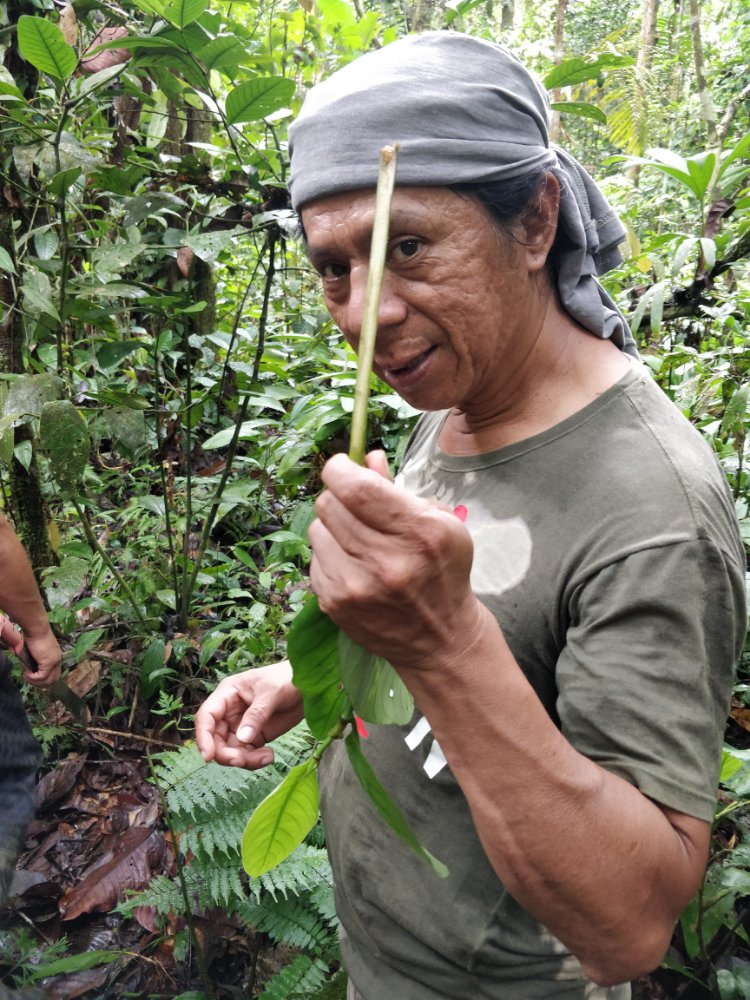
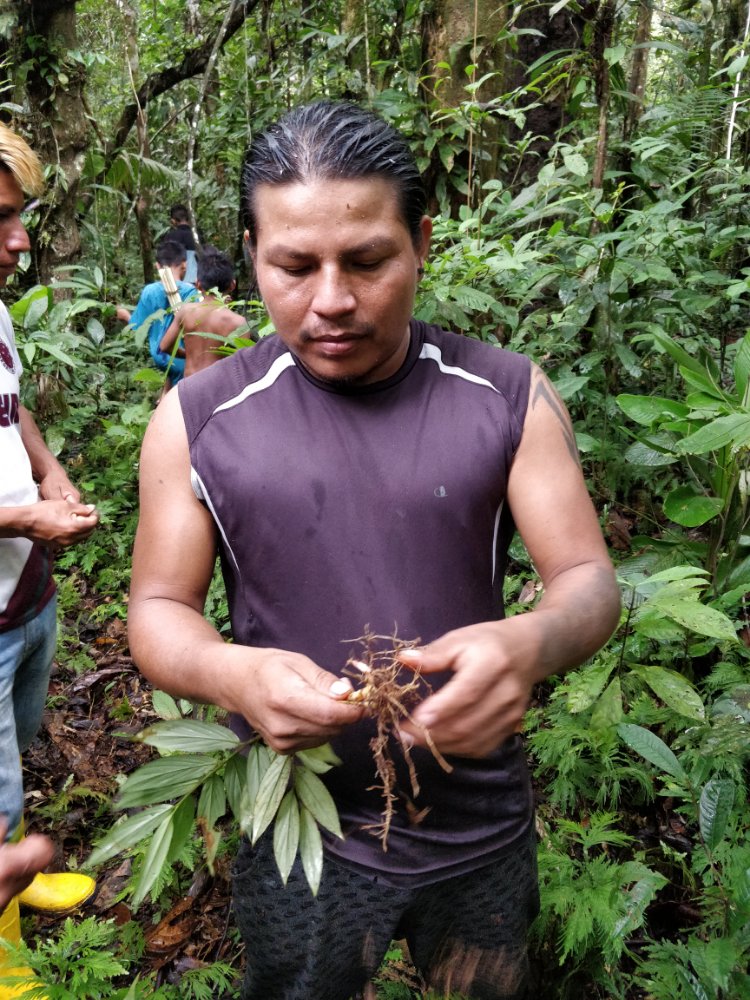
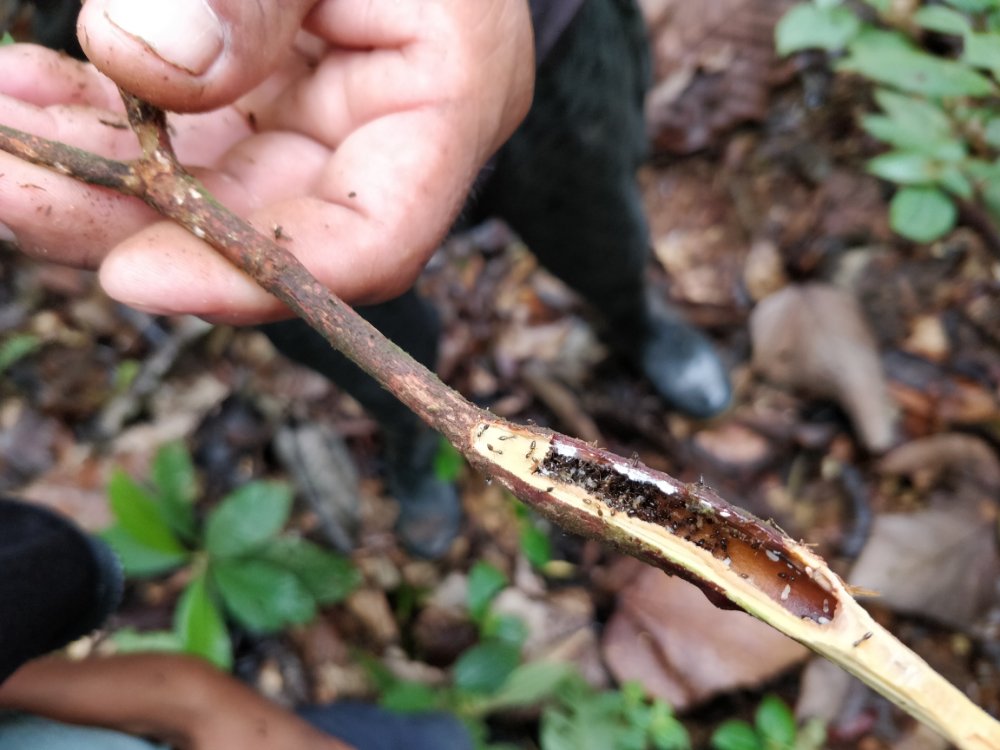
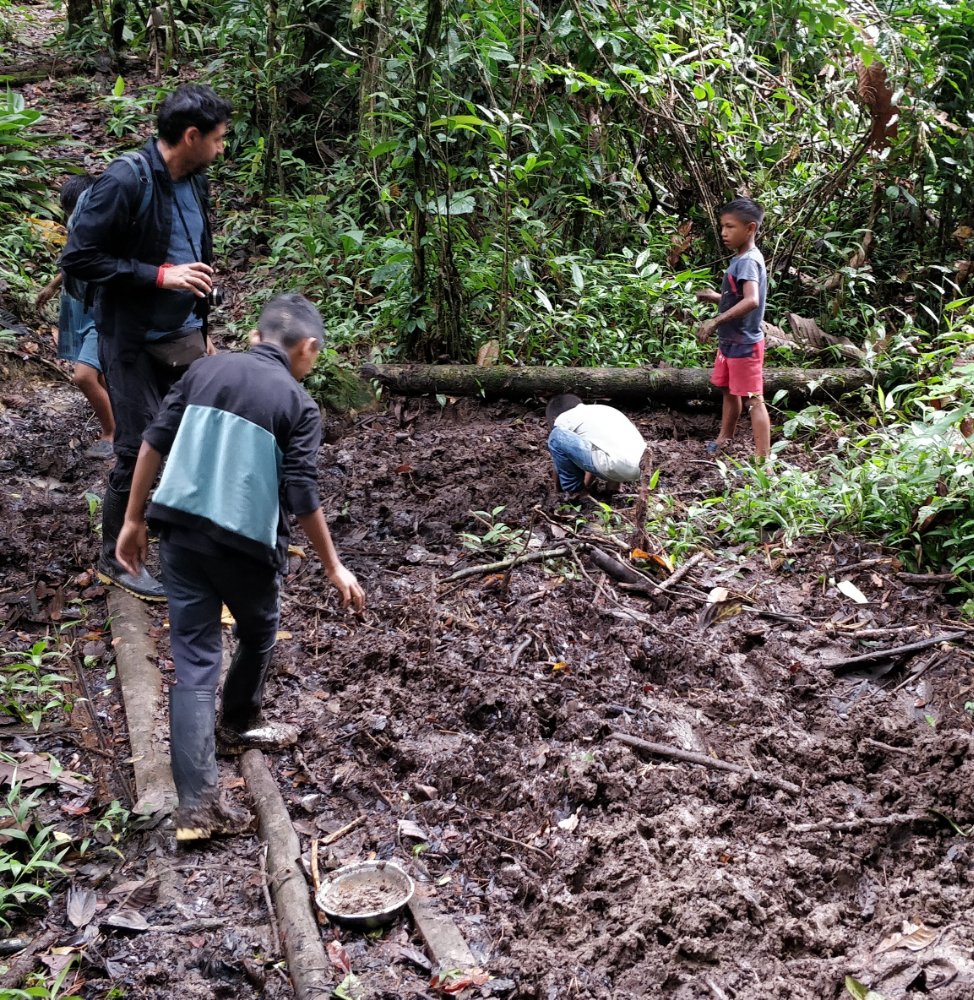
The next morning we were awoken by the roosters. Wareka and his team had already started preparing breakfast as we were getting ready. We walked from the village into the forest behind their houses. Wareka was with his father Guinto, Pajarito and some kids who were carrying a bowl. For the next few hours, Wareka showed us several medicinal plants which helped with snake bites, fever, digestive problems, cold and cough, wounds etc. Their pharmacy was basically in their backyard. He pointed out to one of the kids and mentioned that one of the plant roots had been used to save him from a mamba snake bite! There were plants that were used as a toothpaste, shampoo and barks that had pure drinking water. The bark had to be cut in one stroke, else the water was sucked up quickly by the tree. One day when Wareka was here collecting some medicinal herbs, a jaguar leaped on him from behind. Not knowing what it was he swiftly pushed the feline back. The jaguar left after leaving claw marks on Wareka. We looked at his wound in admiration. It was now time to prepare for the hunting and fishing expedition the next day. Wareka pulled out palm stems and started sharpening them into tiny spears. The tips were to be dipped in a poison from curare vines that immediately paralyzes the prey. The topmost part of the sharpened end was then cut horizontally but not too deep. This was to ensure that the arrow stays in the prey’s body even when an attempt is made to pull it out. Such attempts were made by monkeys and we were to go hunt them the next day! We then went with the kids who started digging mud in swamp-like patches to pull out earthworms. These were to be used as bait for piranhas for the fishing expedition.
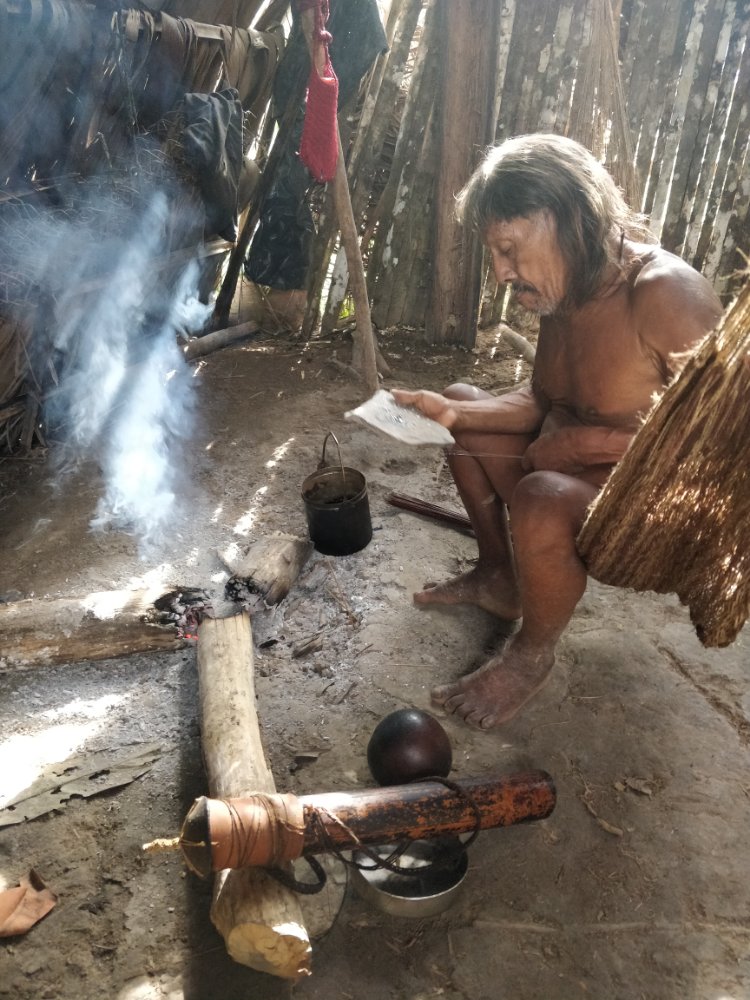
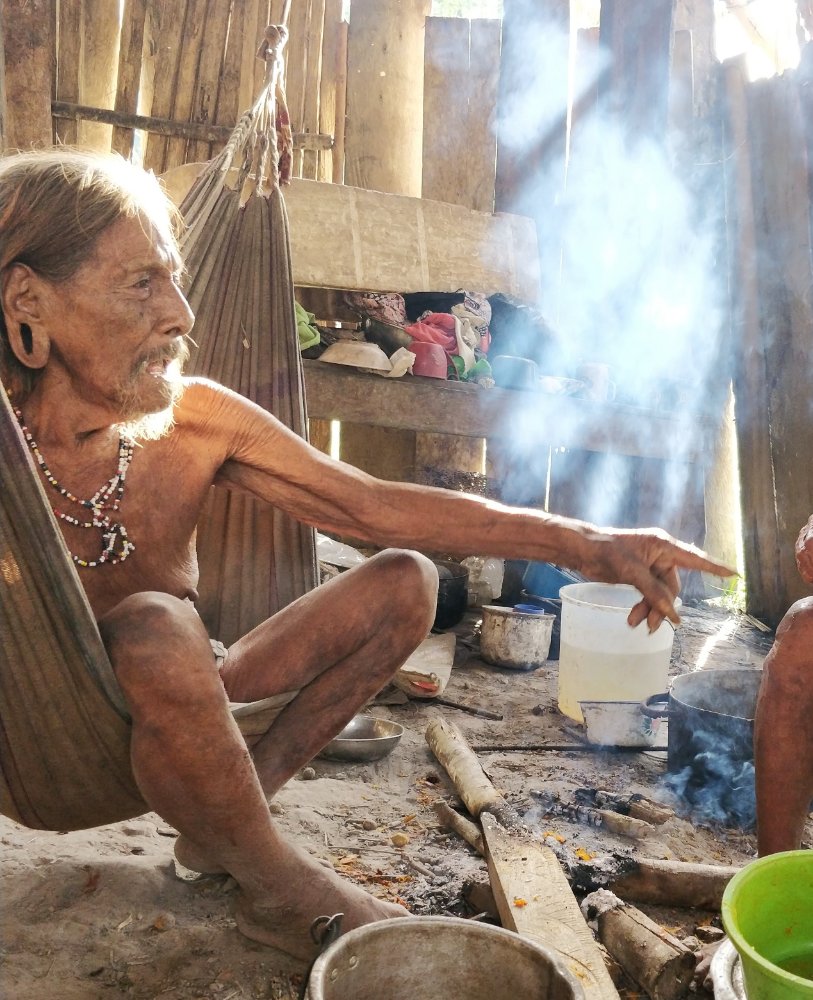
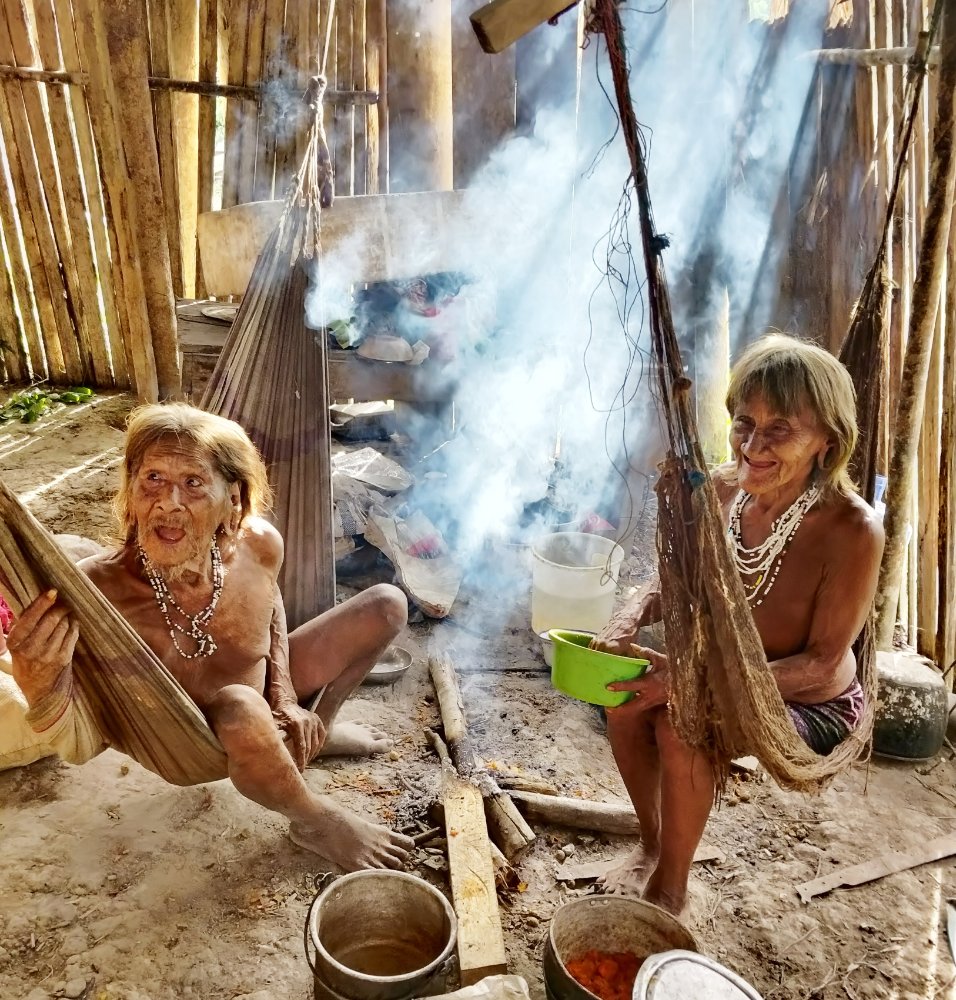
In the afternoon we met the village elders. This included the shaman Kempere and the next in line shaman Miniwa. Kempere is said to be 120 years old but there are no records to prove this. The Woaranis are in contact with the outside world since the 60’s. Under Kempere’s leadership the Woaranis kept the oil companies out with their poison arrows and spears. The Christian missionaries managed to find a way into the community through a woarani woman. She even convinced Kempere to go live in the outside world as a “civilised” human which meant wearing clothes which meant having money to pay for them which meant working to earn the money which meant being formally educated. Kempere did go but not for long. He came back and continued being the village shaman. Although the community is now in contact with the outside world and has a small school, there isn’t a church and they follow their beliefs. We also met Kempere’s wife who has this radiant toothless smile. She is one of the most beautiful women I’ve seen.
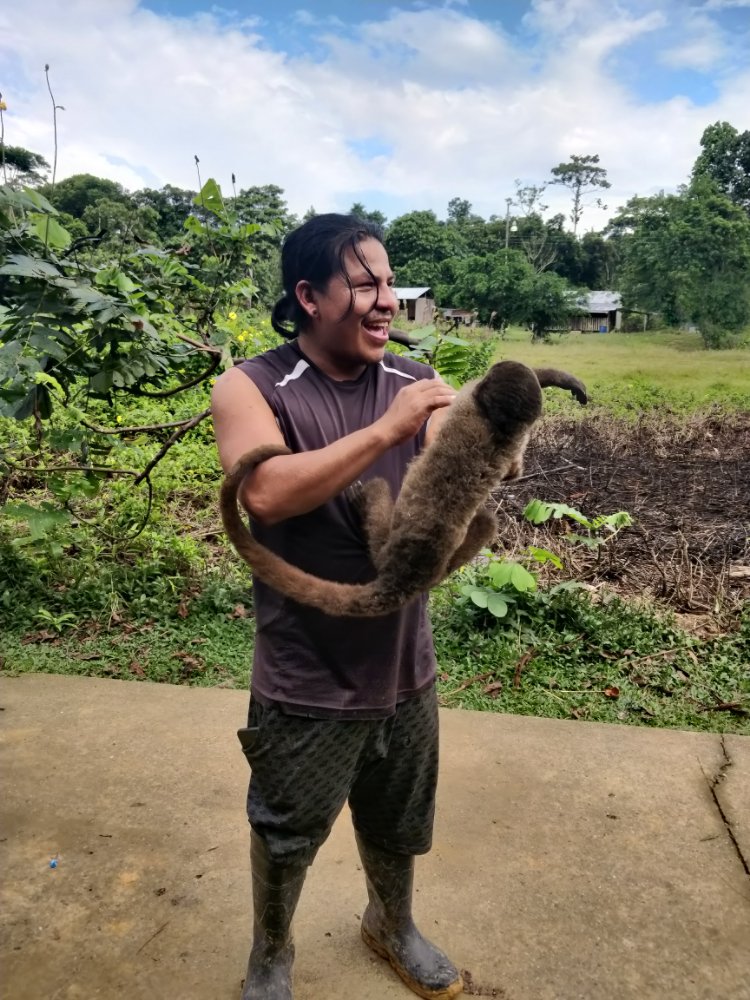
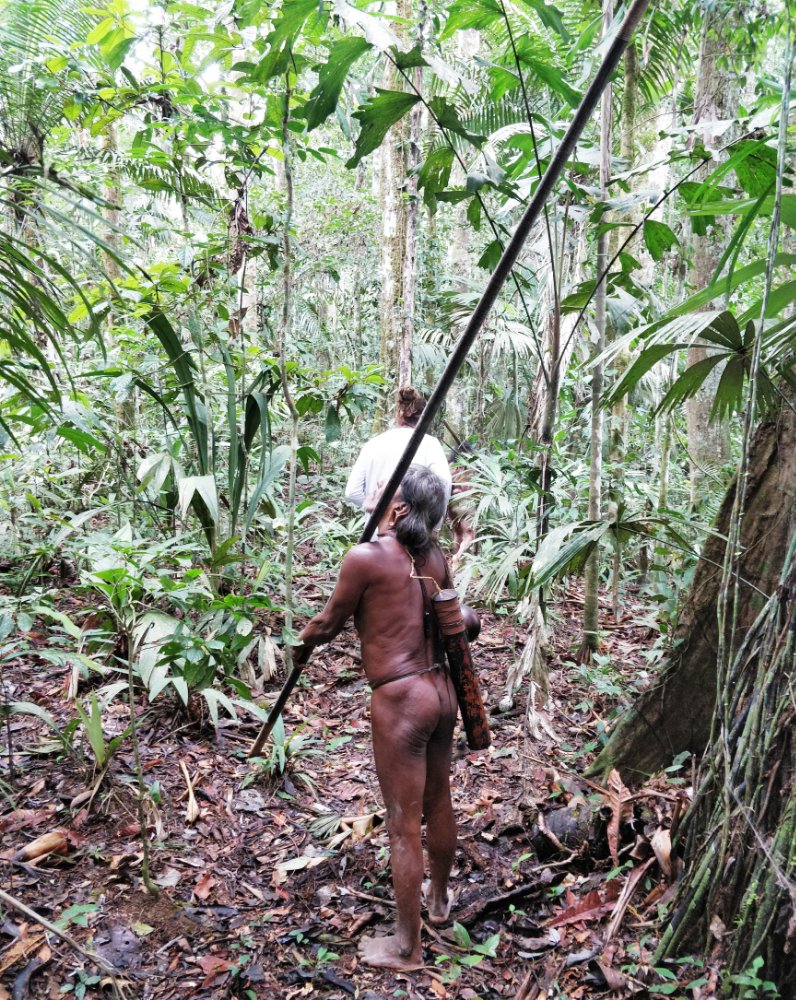
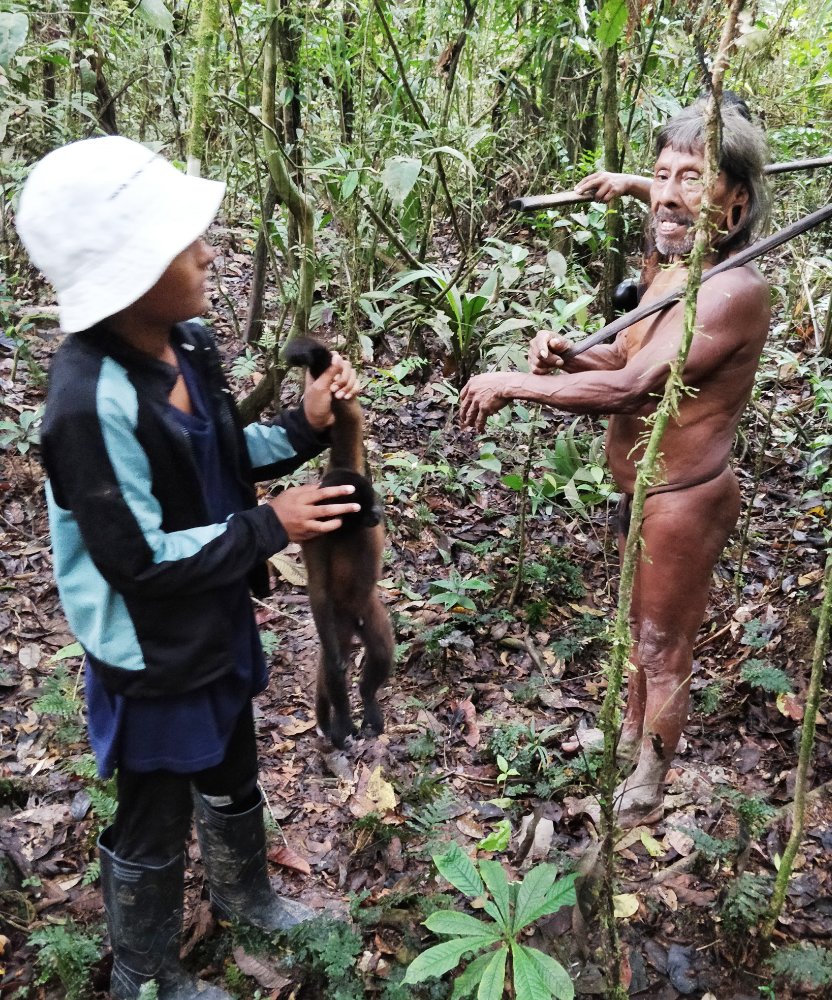
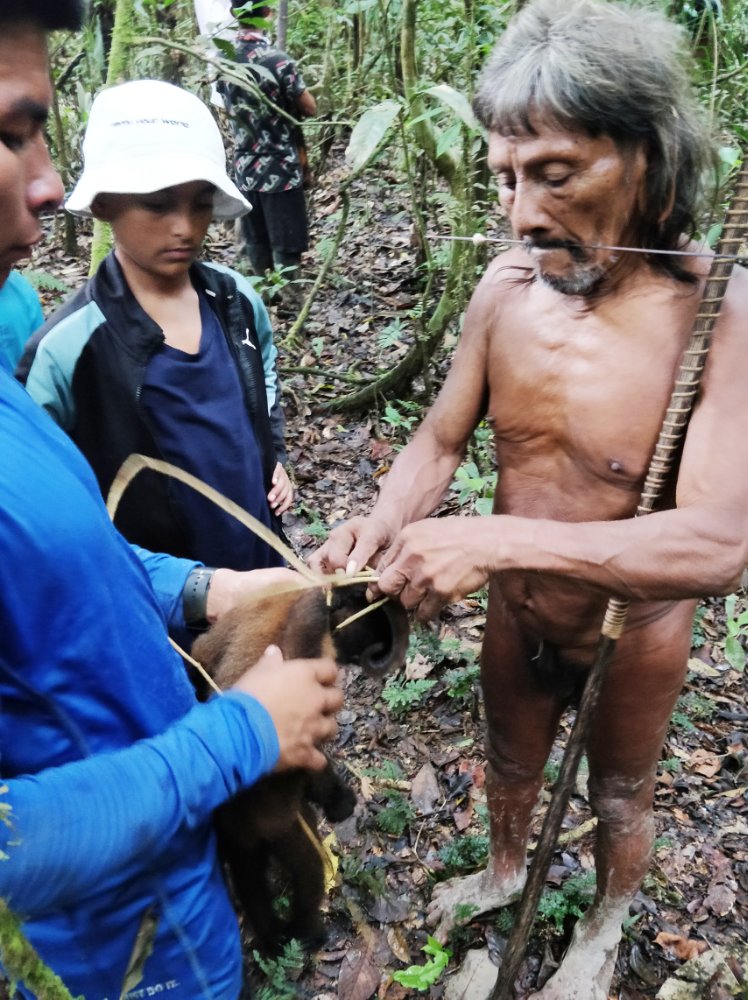
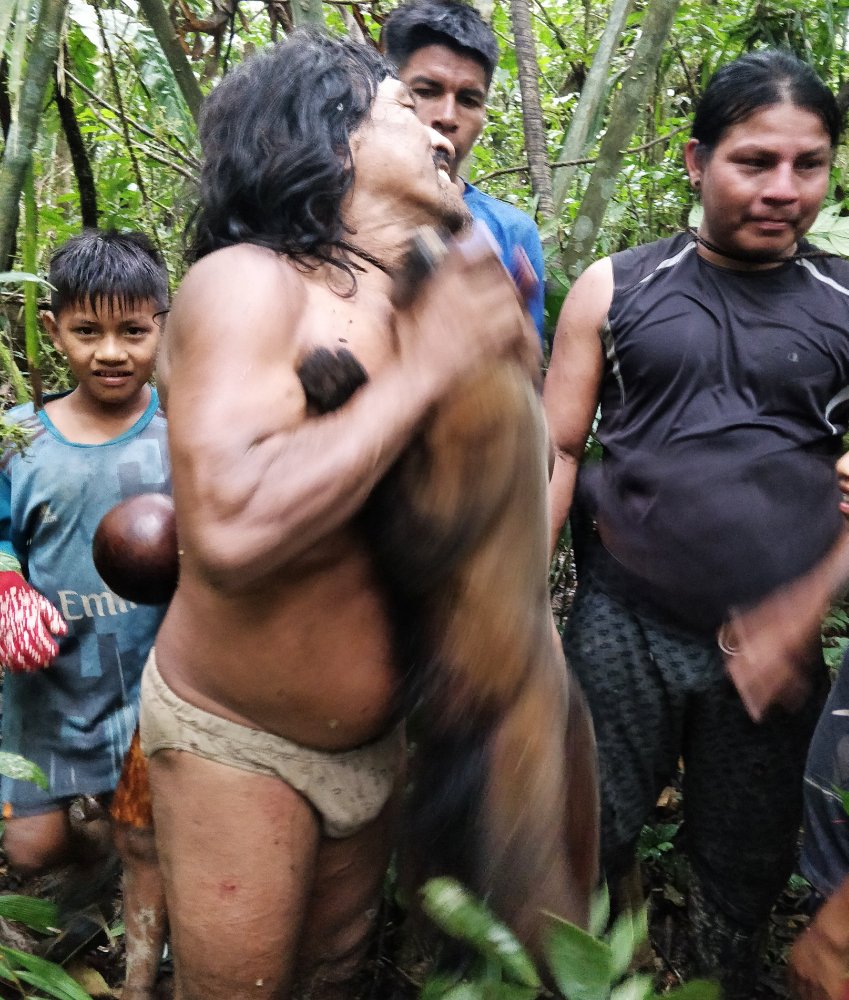
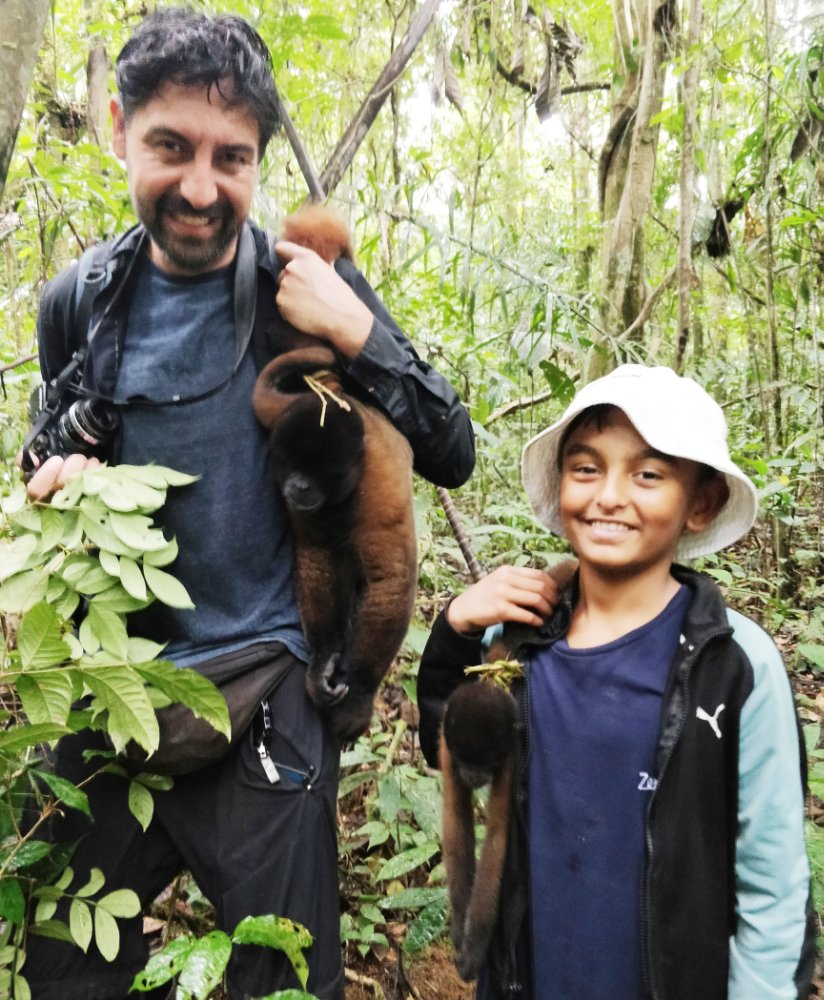
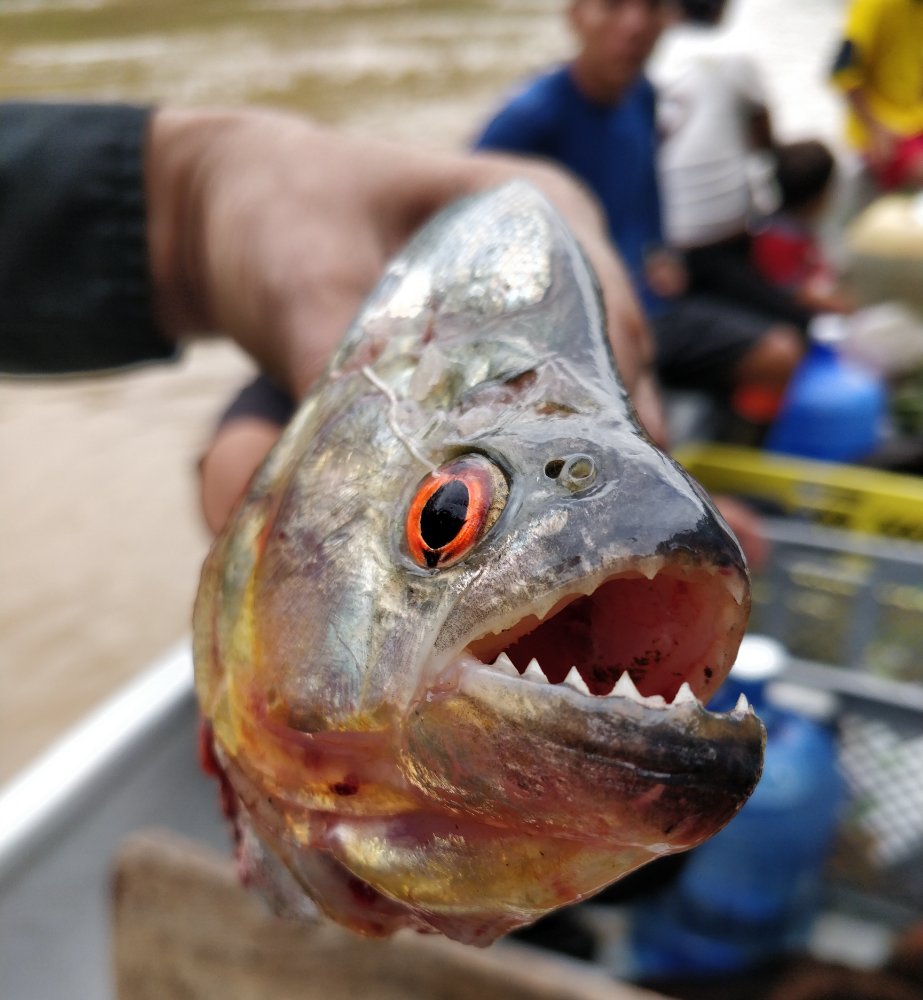
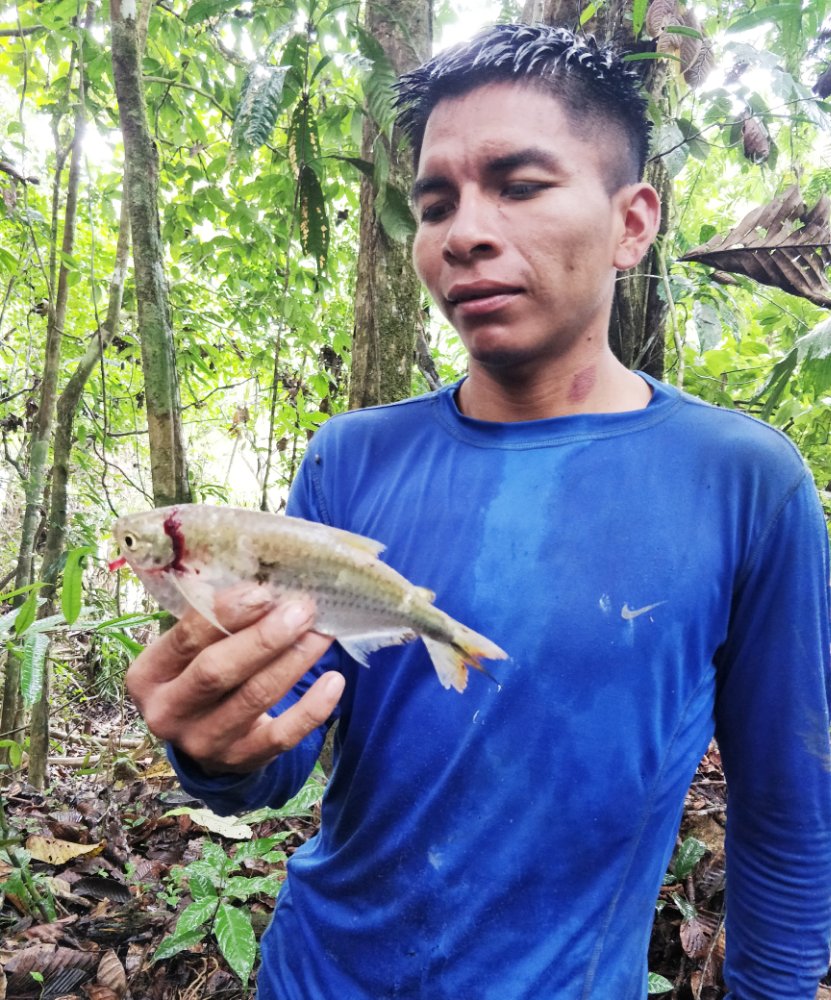
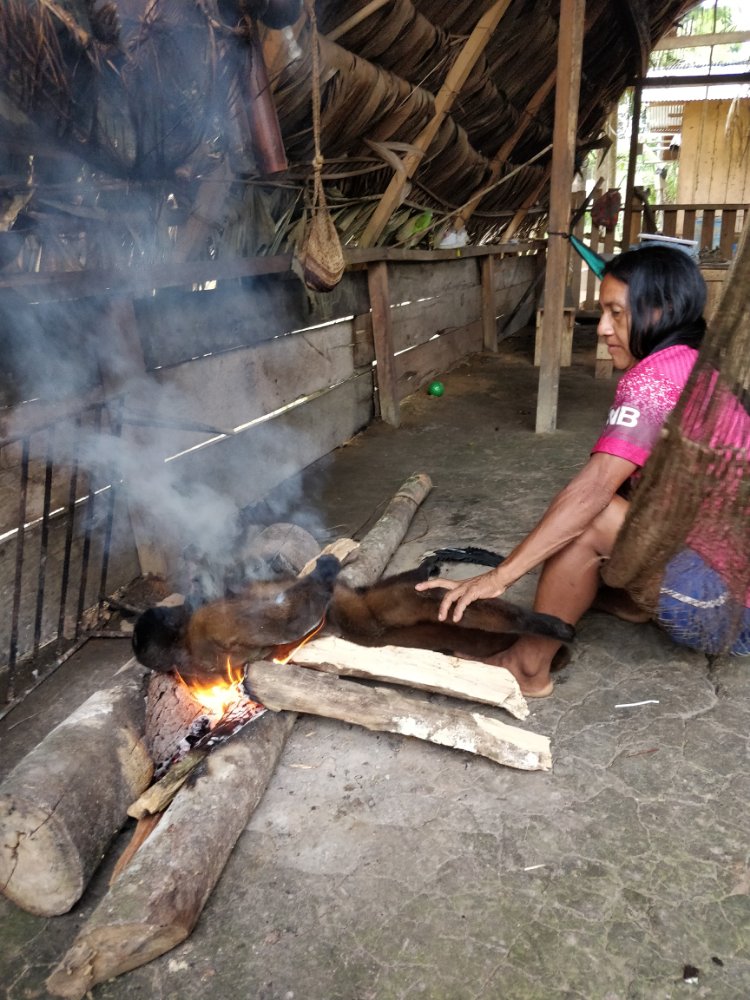
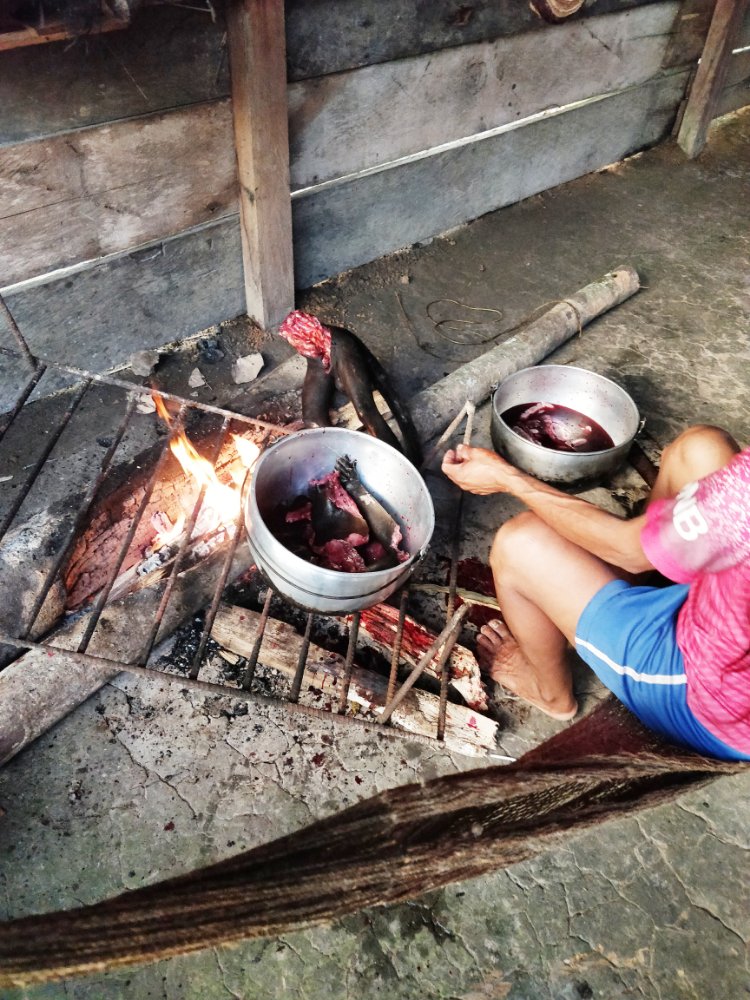
The next day we left to hunt and fish with Wareka, Miniwa, Baewa and Ginto. We were joined by a German tourist called Dario. There were of course some kids who came along. It was a boat ride further down where there is a monkey population. As soon as we were on shore, Miniwa and Baewa took off their clothes and put on the heavy wooden blowgun, the poison darts and cotton container around their necks. The kids were the first to spot the monkeys. What followed was a chase which left us panting and heaving through the swamp, getting entangled in the vines and getting our foot stuck in the marshy soil. At one point Dario couldn’t get out and I remembered a wildlife episode I had seen where you should lay sideways to get out. I suggested he do this and it worked! For once I felt useful in the jungle. Most of the time I couldn’t see the monkey but Wareka and his team knew exactly where they were. They took aim and the first victim was a baby monkey. Apparently they were targeting the mother who abandoned the baby and the baby got hit by the poison dart. They proceeded to tie the monkey in a way that it could be carried like a handbag. It’s hands felt like velvet. Much to his alarm, they gave the monkey to Leo so he could carry it. He reluctantly took the monkey to save face in front of the kids. The second monkey was large and made us run a lot. We were out of breath by the time they got him. He fell from the tree and Baewa quickly strangled him. They then rubbed his body over theirs. It was to ensure that the prey animals do not smell the predator. They stopped hunting as this was enough to feed everyone. The second big handbag was given to Arjun who clearly wasn’t at ease. We then went fishing or rather the boys went fishing. Women are not expected to hunt and fish so I wasn’t given a rod. The woaranis caught a lot of catfish, Pajarito caught a piranha and Arjun caught a sardine. Arjun somehow managed to slip and fall in a bush of thorns and had them embedded in his palm. Arjun is of course a champion in the urban jungle!
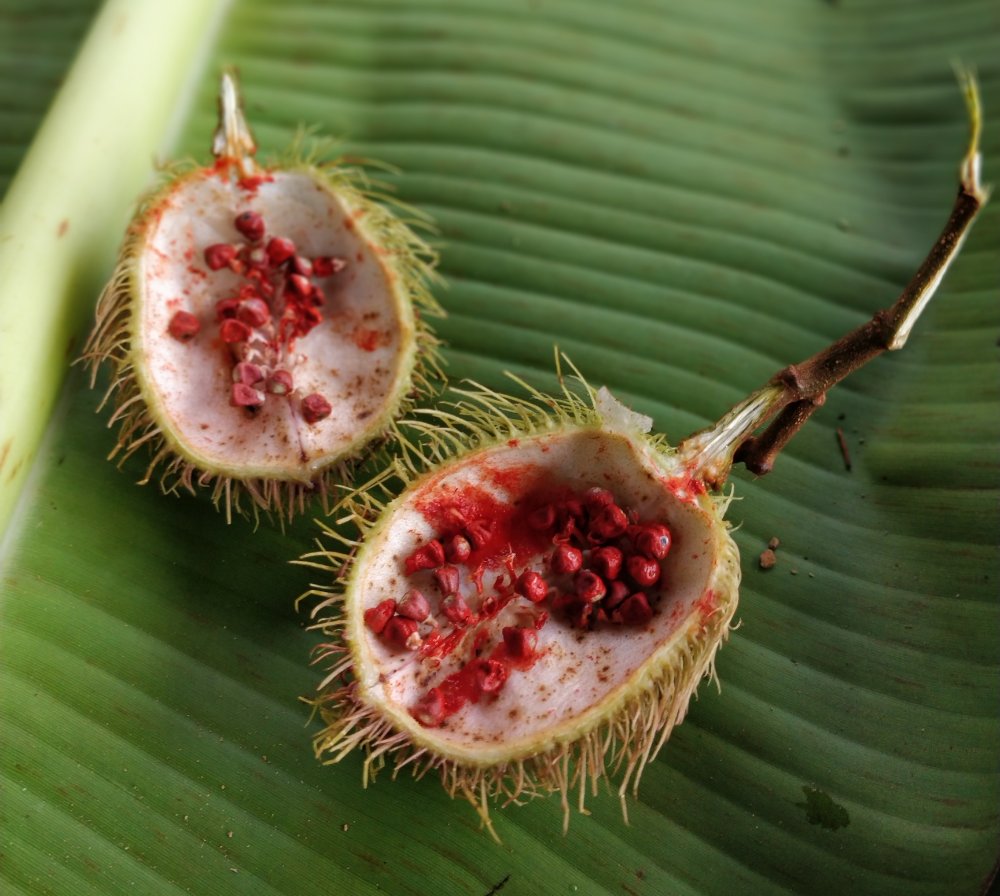
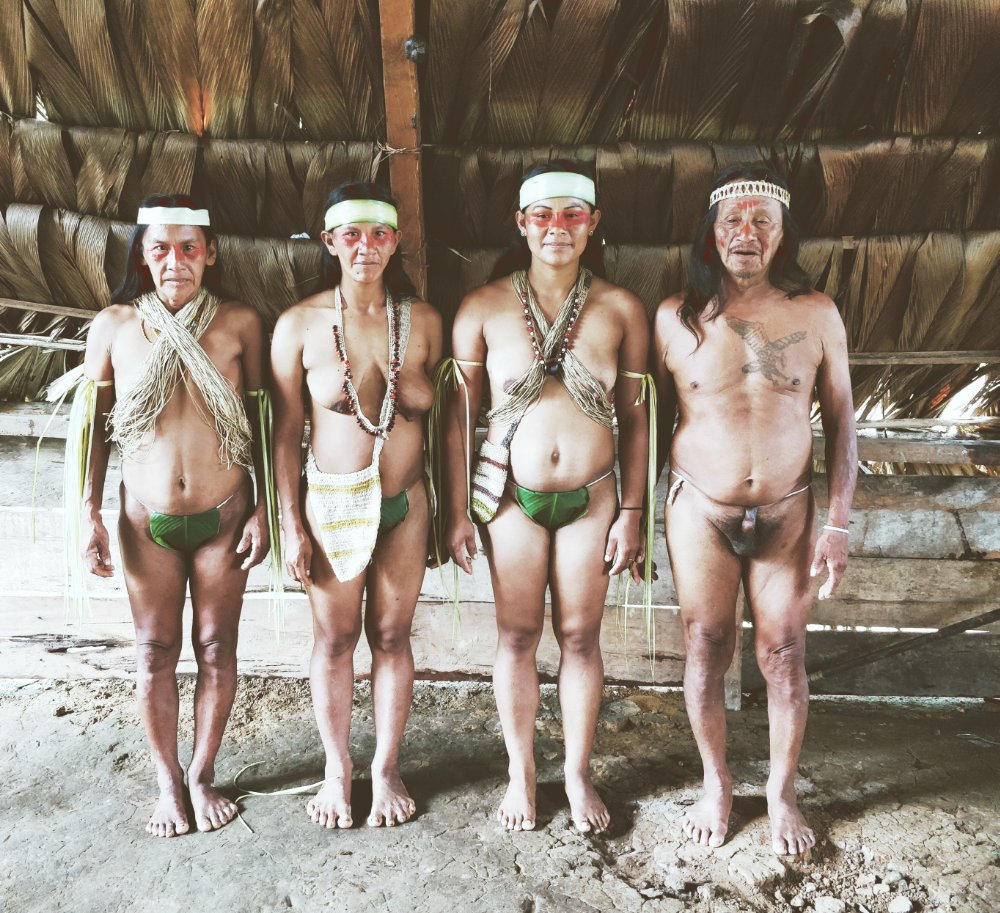
The following day we spent time with everyone in the village. Arjun got all the thorns removed from his palm, by one of the women, except for one stubborn thorn. It looked like the beginning of an infection. The women displayed some handicrafts and we were then invited to watch a traditional song and dance. Wareka’s father Guinto and three women performed the traditional dance. The women had some red paint around their eyes from the seeds of a fruit. In the afternoon we left to see bright coloured parrots and macaws in a nearby forest. Guinto showed us a bush that had been trampled upon by a Jaguar and then marks left by the claws of a Jaguar on a tree. I nervously asked if it’s likely that we’d see one. They weren’t very sure. That didn’t assure me much. We were shown several medicinal plants and then finally we reached the spot with slick mud. Our Wellington boots were stuck in them. We only saw one bird who flew away. It was too rainy for the birds to be there. Wareka mentioned that often anacondas hide in the mud with their heads out to catch their prey. I quickly left the spot and walked briskly towards the forest. Once we were in the boat it started raining heavily and we were completely drenched in spite of our ponchos. Leo was in tears by the time we reached. This was our last evening with the Waoranis. Leo played football with the kids and we turned into bed.
We woke up very early in the morning to see a large sequoia tree before bidding adieu to everyone in the village. We reached El Coca after a 12 hour boat ride and a two hour drive. We were happy to snuggle into the comfortable bed in our hotel room and dream of the jungle.

 Raahi - A traveling family