Cali is supposedly the Salsa capital of the world, but not a particularly pleasant (or even safe) city. Our plan was just to stop by and go spend a day out in the nearby wilderness of Oasis de la Sirena.
But, while the Sirena looked pretty cool on Google maps, it seemed very complicated to reach by public transport. Moreover we realised that the annual feria was not over and there were concerts all over town, so for one day we might as well enjoy the salsa capital of the world!
Concerts were supposed to begin around 2 or 3pm, but at that time they were merely setting up and practicing, and nothing really began before 5pm, to last until around 1am.
The problem is that from 5pm, it’s considered « night time » and, because alcohol is sold in the arena, kids are not allowed to enter! It’s not like we’re going to fill up our 10 year old with hard liquor, just because it is sold there, but there was no negotiating the rule! I don’t know if this absurd law was imported by our puritan friends from the US of A, or if it’s just a local flavor, but it makes no sense at all!
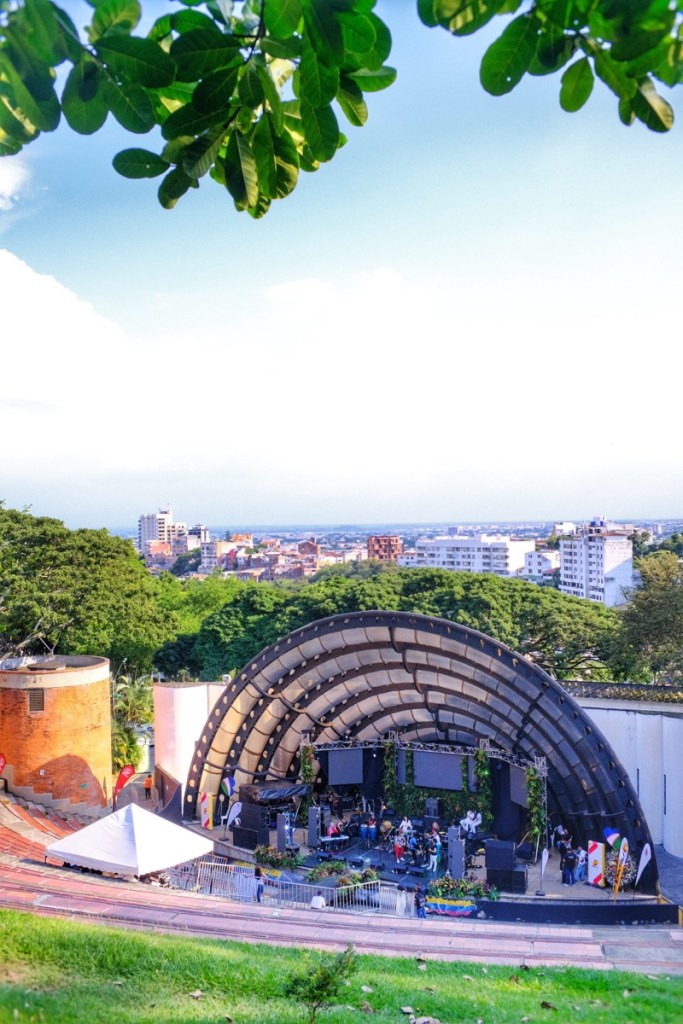
And therefore the safe arena surrounded by security guards was forbidden to our child, and we had to go further out to an open market with a smaller stage where we could enjoy the festival.
In theory, it seemed a lot more dangerous to me than the first option, but in practice it was very friendly and perfectly fine 🙂
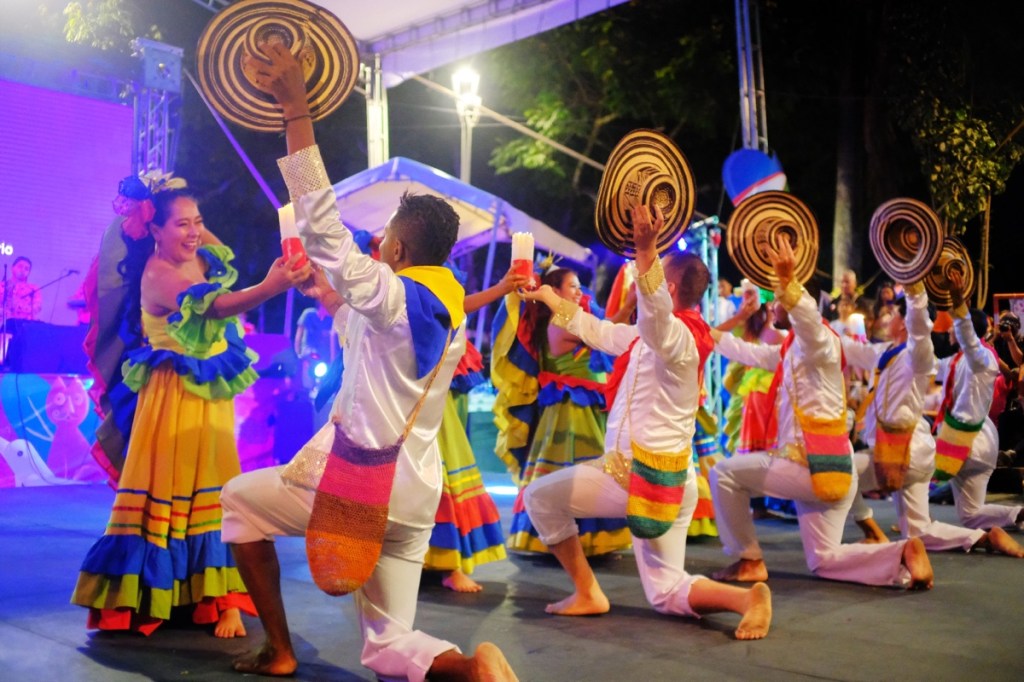
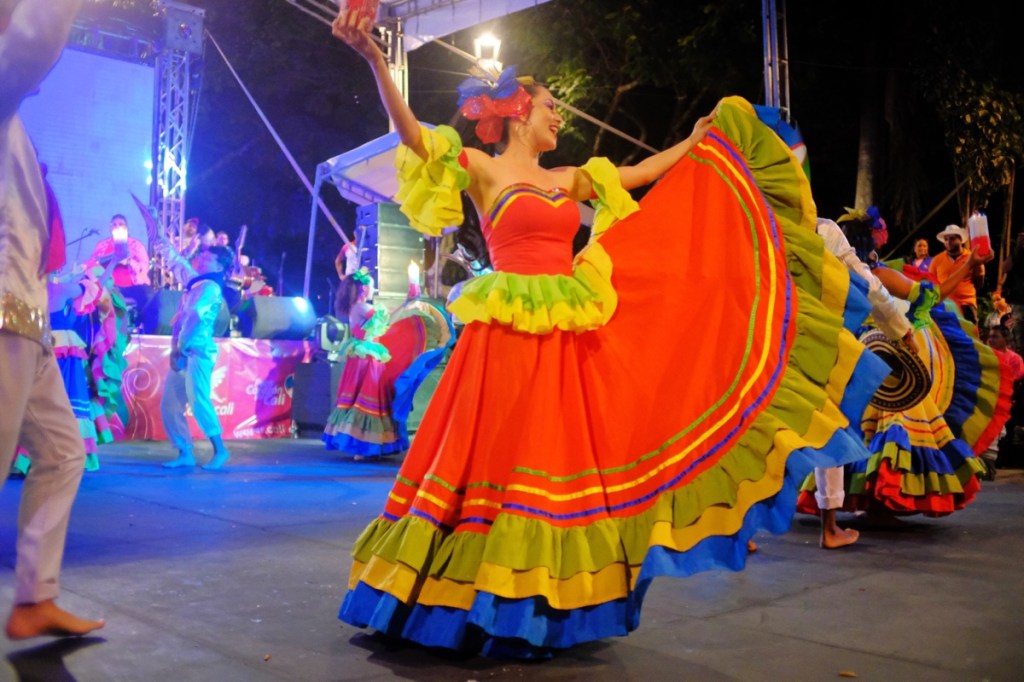
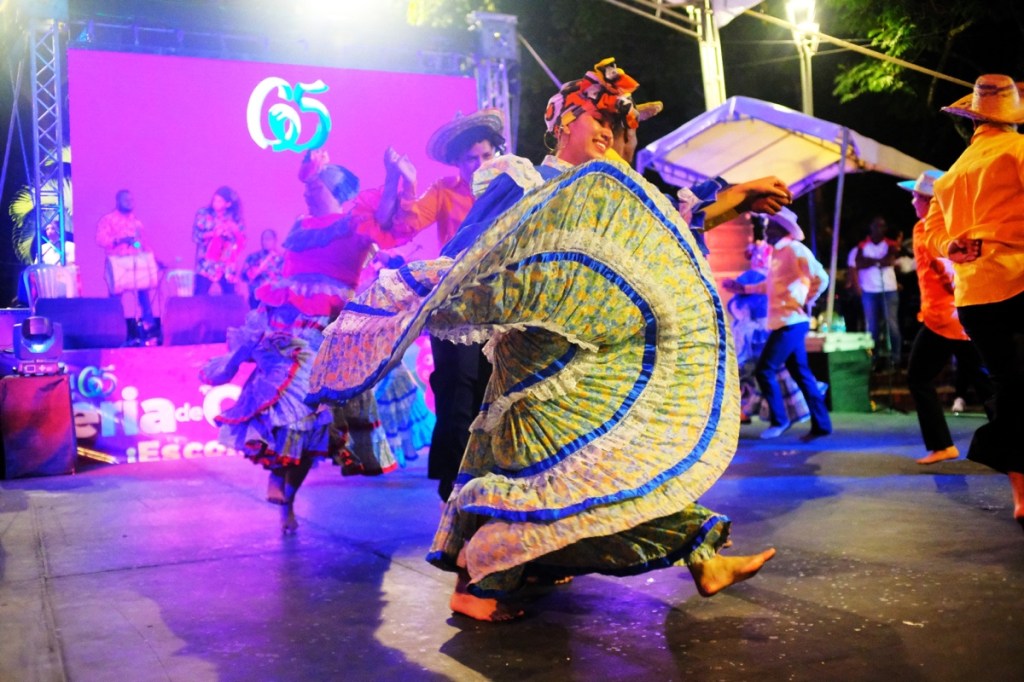
It’s just that, instead of watching the big bands of Salsa, we ended up watching some folk dances. It was fun as well, but not really what we had been aiming for 🤷🏼♂️
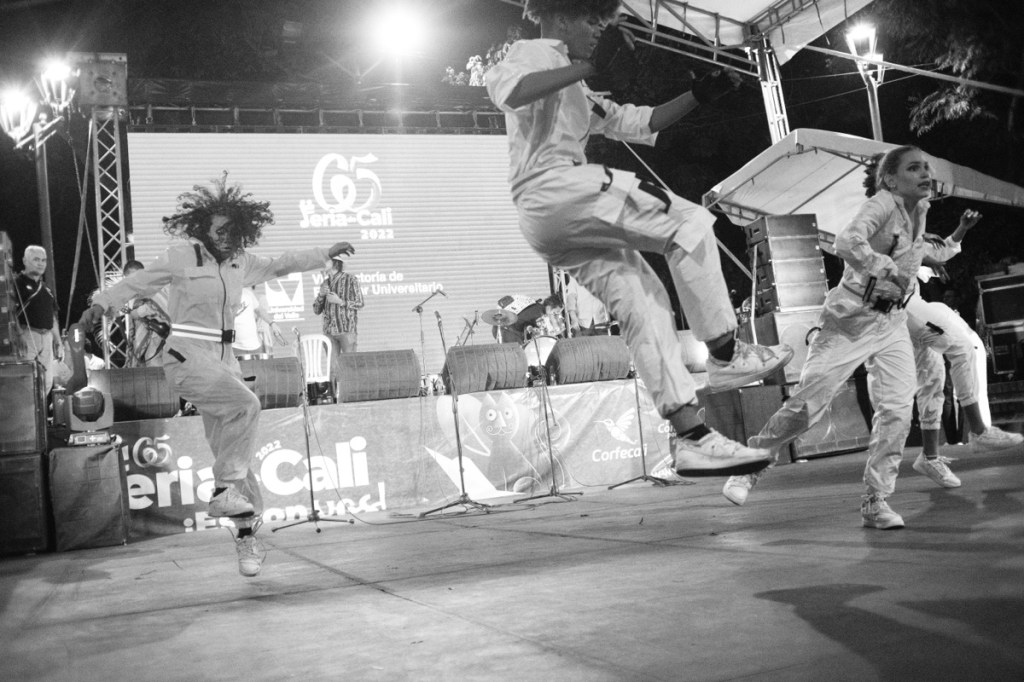
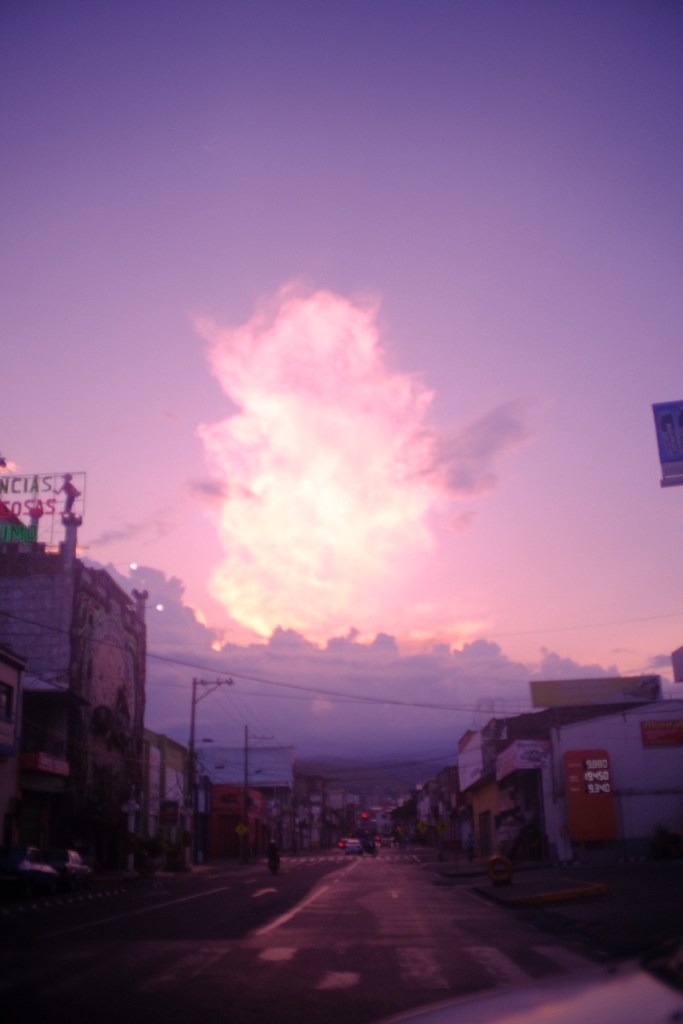
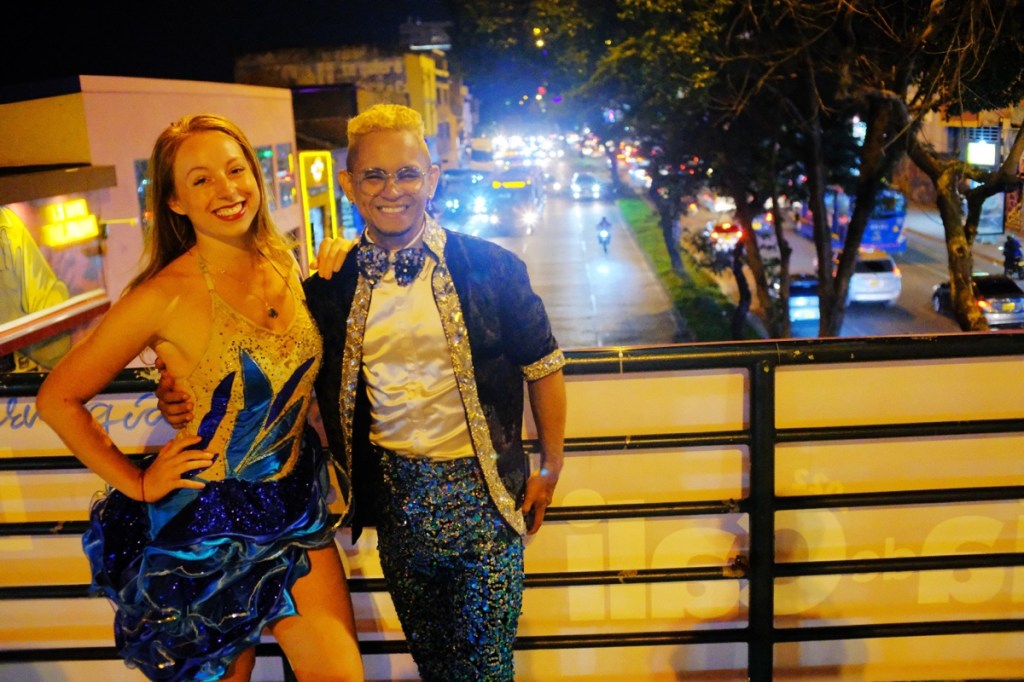
One of stages overlooking the cityCrazy energetic street dance band!Folklore dancesSkies of Cali through the tinted windows of the taxi!A couple practicing salsa on a bridge
We arrived in Medellin on the day of the soccer final. We were surrounded by Argentinian supporters. It’s noteworthy that South American countries support each other unlike the Indian subcontinent. People were ecstatic after the Argentinian win, with cries of “mi Lio, mi Lio”! I tried to cheer up Leo saying “look, they’re all so happy you’re here”. #fail.
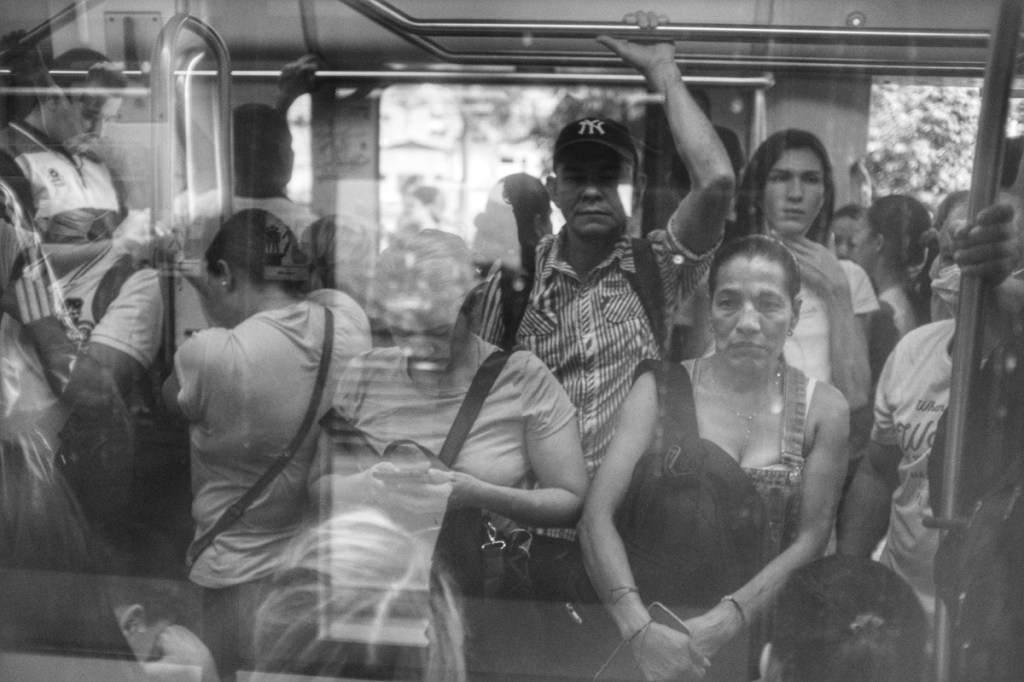
We were near the El Poblado area which is supposed to be a fancy place. It was a safe locality with sidewalks everywhere. Medellin has a metro coverage which is affordable and clean.
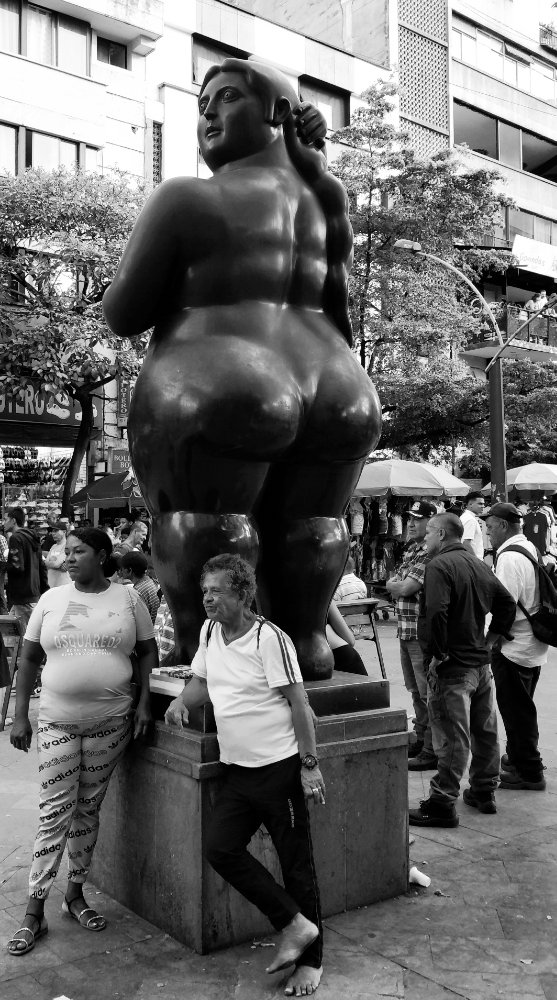
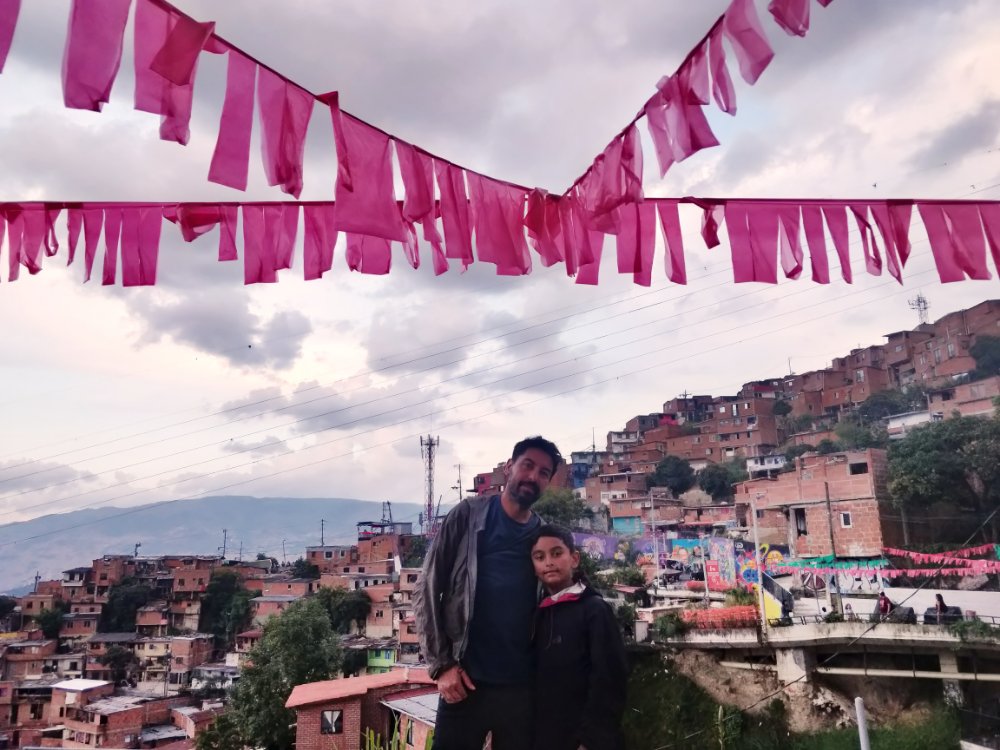
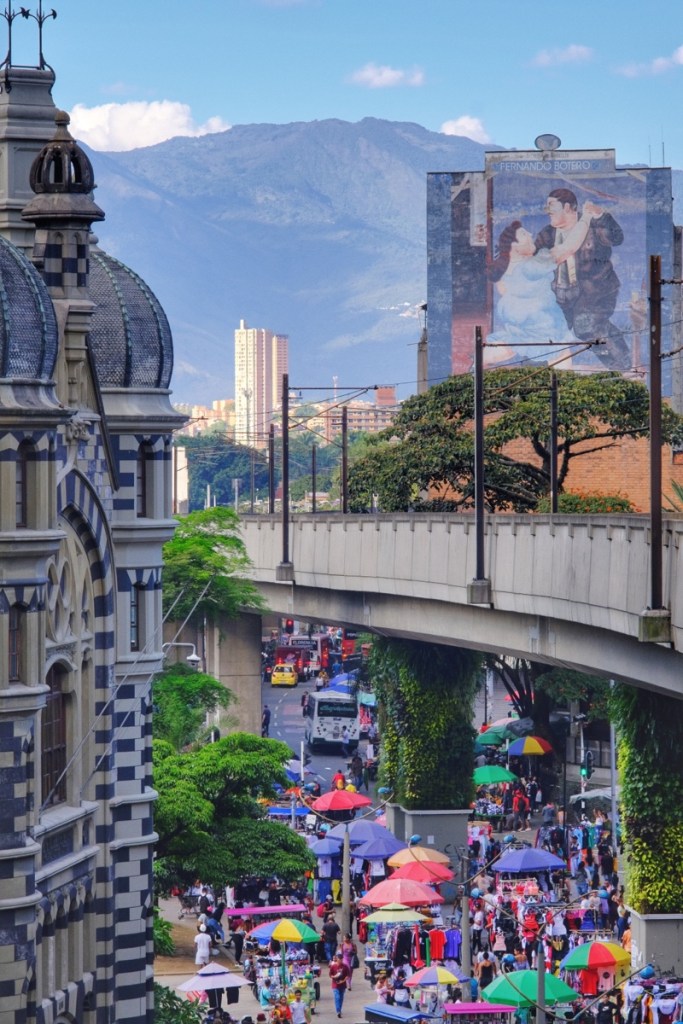
The downtown area was rather dodgy. However, many artistic collaborations have attempted to clean up shady areas. This is a part of the city’s attempt to transform. Botero has gifted many of his sculptures to his hometown. The country has suffered greatly from the narcotics trade. Paisas (people from Medellin) detest Escobar and other drug lords. There is a palpable rivalry felt by the Paisa people towards their fellow Colombians in Bogota!
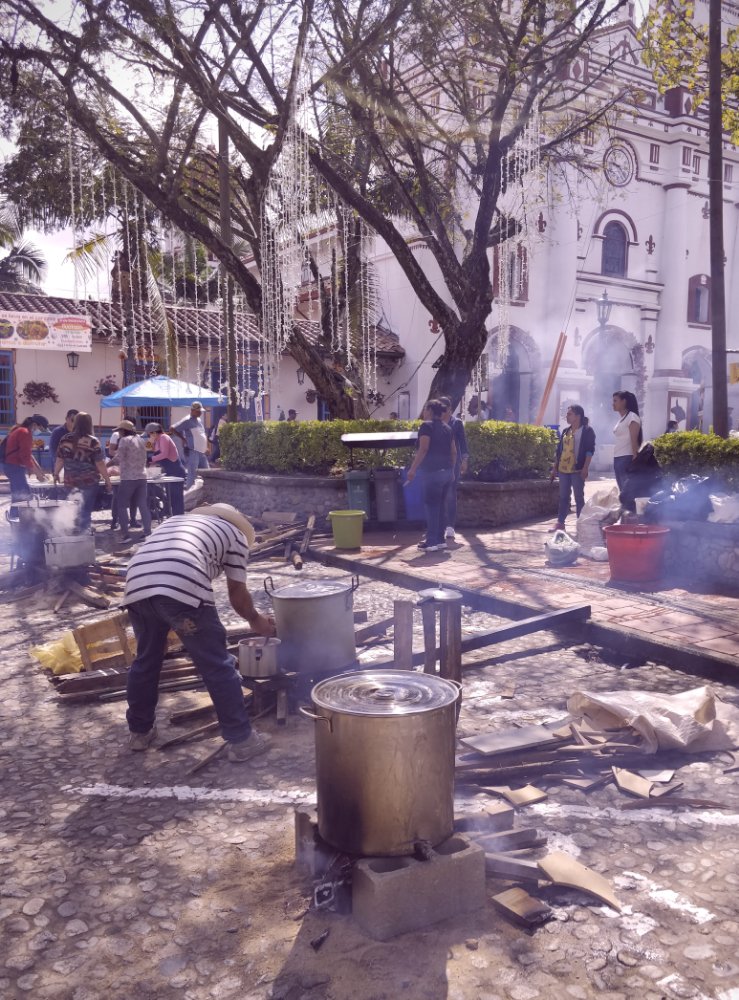
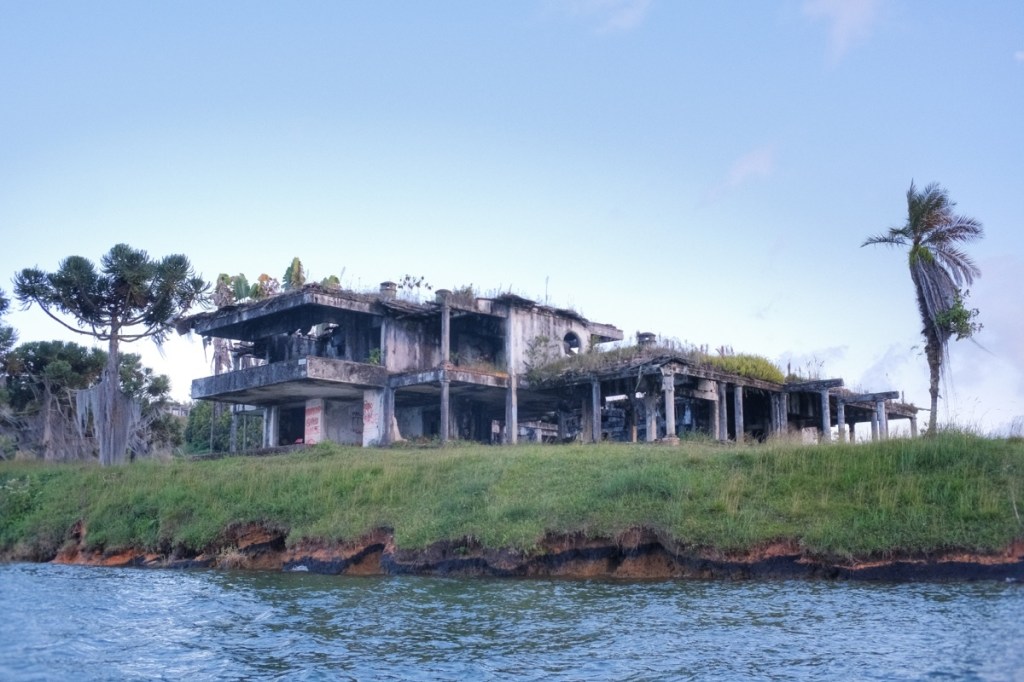
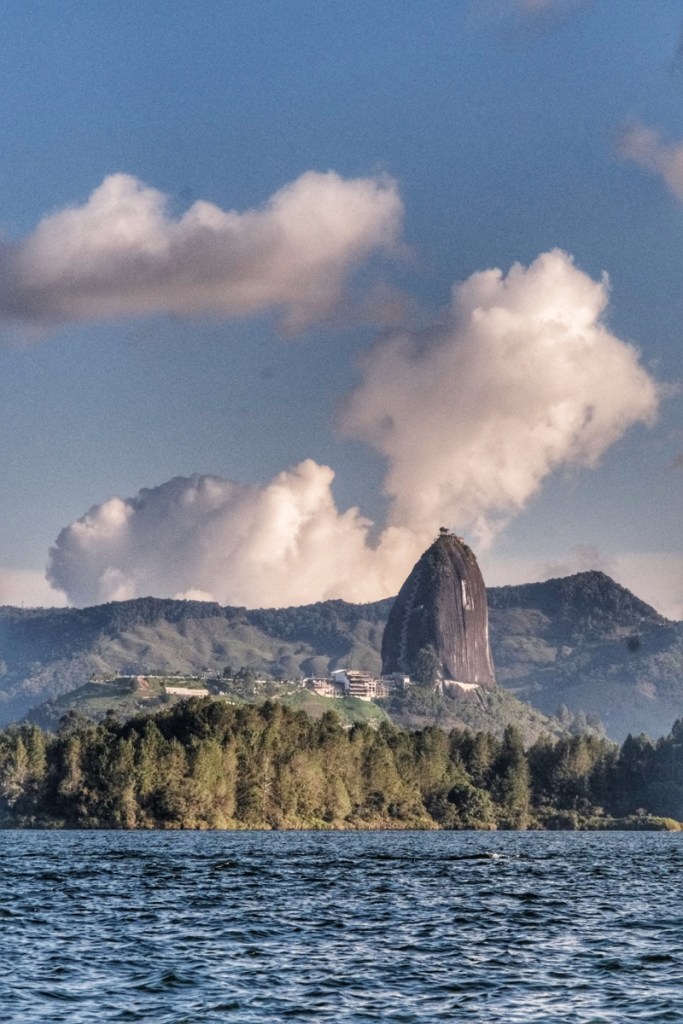
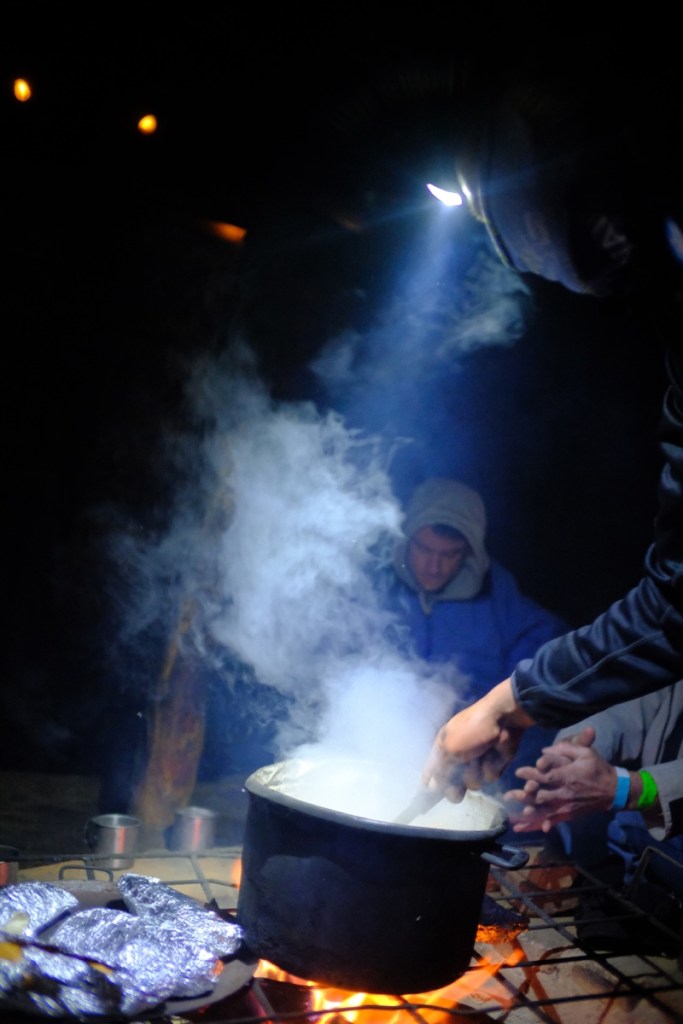
Before Christmas, we headed to Guatape which is a beautiful valley surrounded by a man made lake that submerged the surrounding villages. Many millionaires buy island-like land and build their luxury villa there. One of them belonged to Escobar. His property is now in ruins. One such private property has the piedra del Peñol which is the second largest rock in the world. We climbed the rock, went swimming in a river in a town that was nearby and soon it was time to leave. When we were leaving, the town centre was decorated and many people were cooking a kind of soup over firewood. Different groups were cooking this in the open kitchen. I went to a restaurant and asked them if we could try the soup but we were told that it’s only for the family members. It’s basically different families who make this traditional soup which family members then share.
Soon we were close to Christmas eve and I started feeling homesick. My sister went home to spend Christmas in Bombay with my parents and my brother. Arjun’s parents were in Lucknow and his aunts in France. Here we were in Colombia as tourists and no plans for the festival. I started booking for our next stay and I found a couple in Medellin who rent their apartment. I suddenly had this crazy idea. I wrote to them asking them if they’d invite us to celebrate Christmas eve with them. It could be a cultural exchange. To my surprise they agreed!
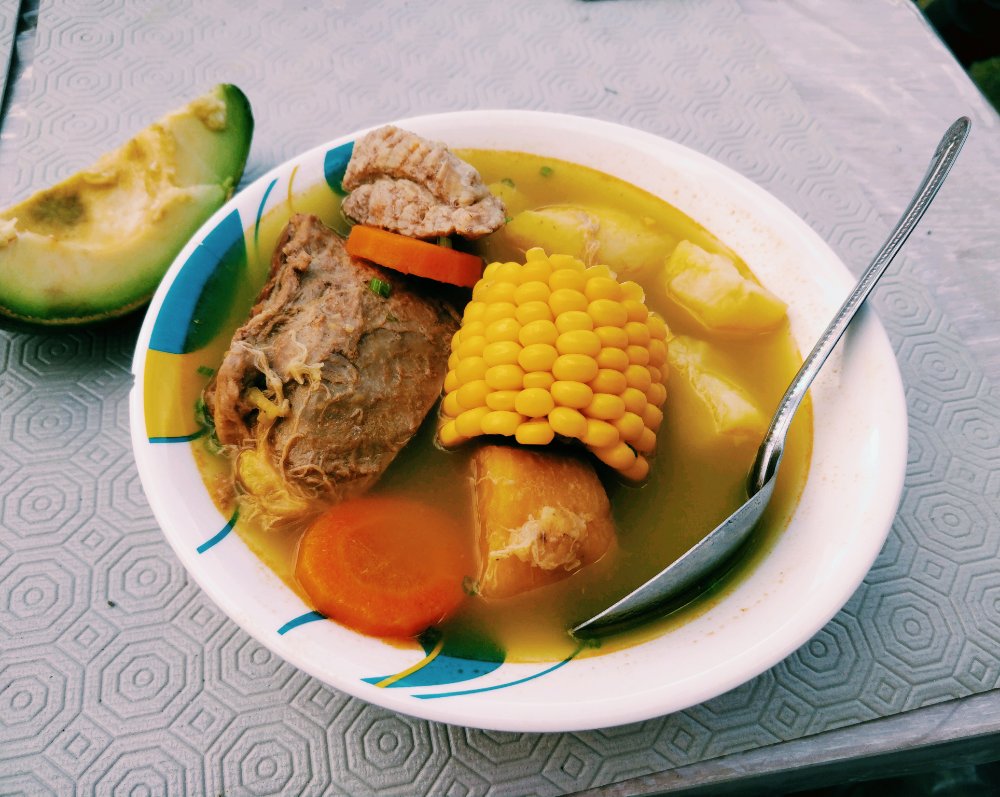
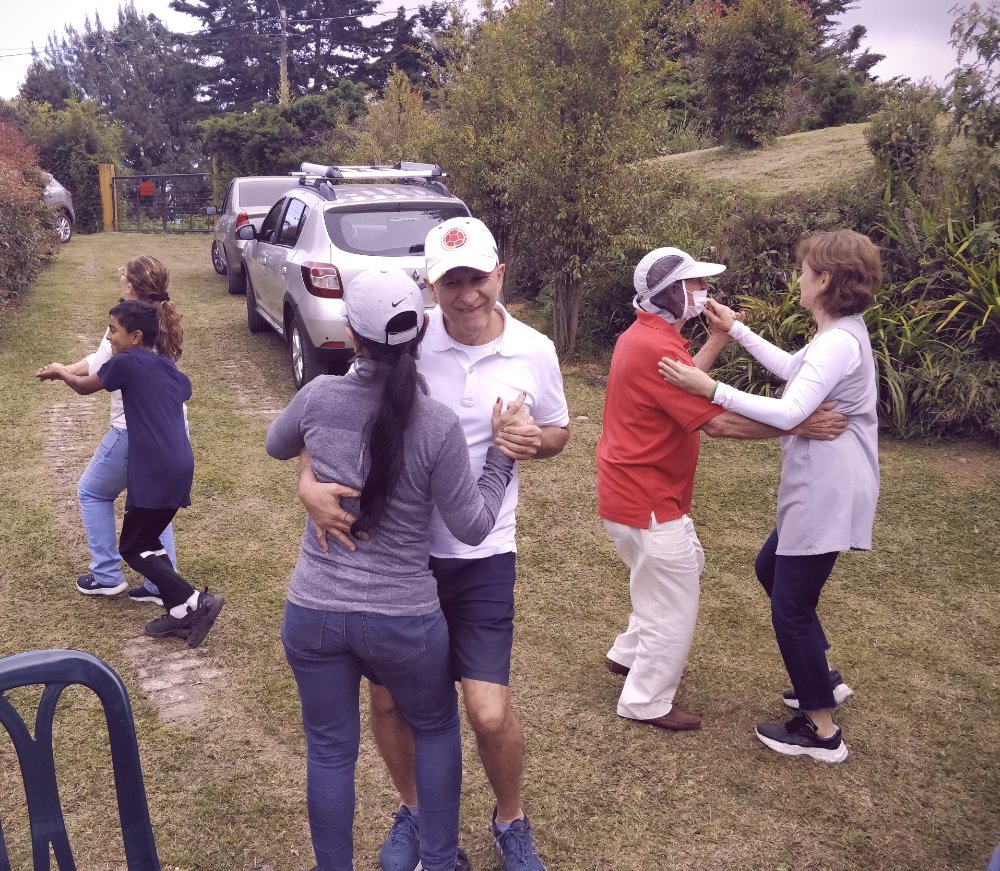
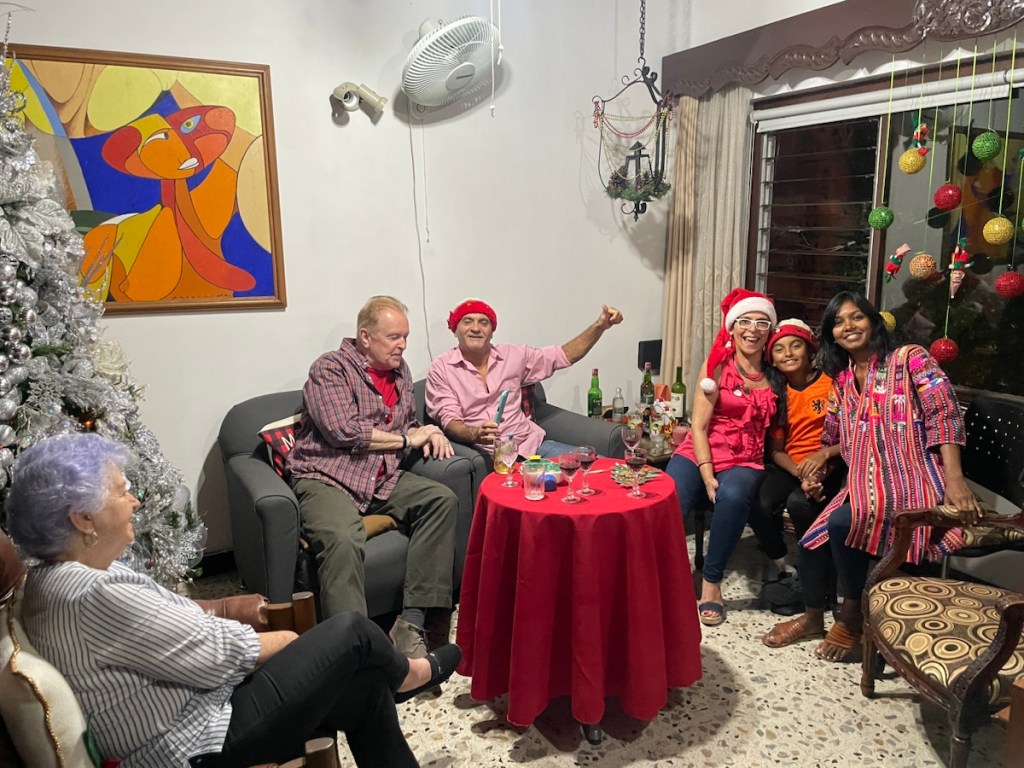
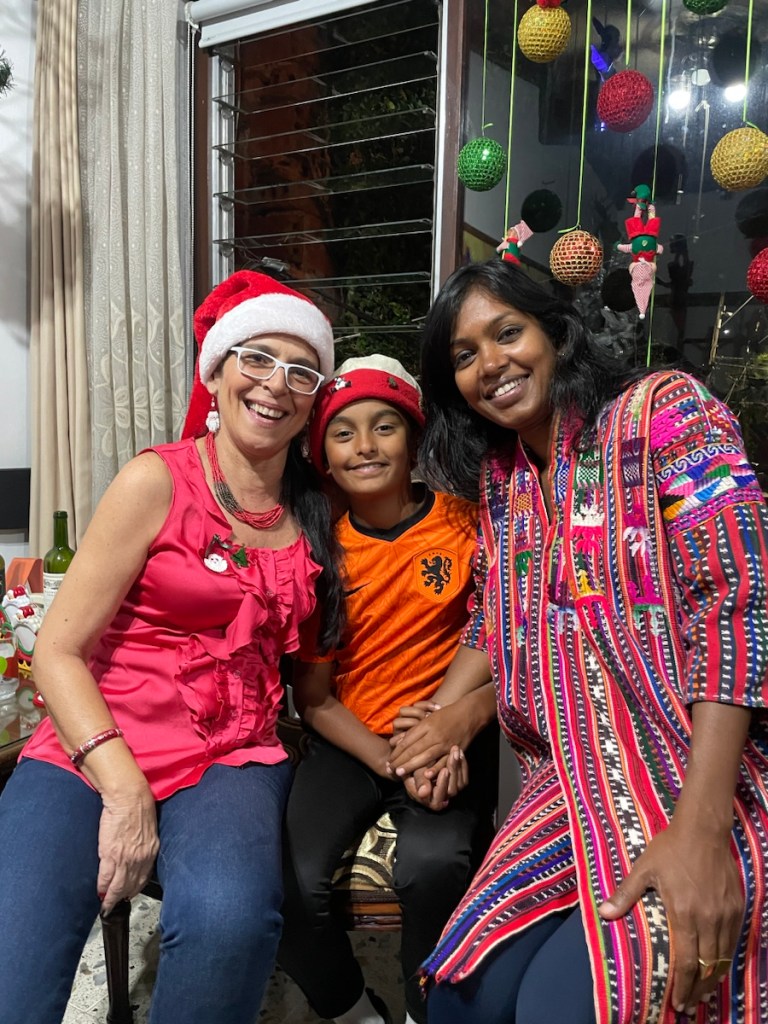
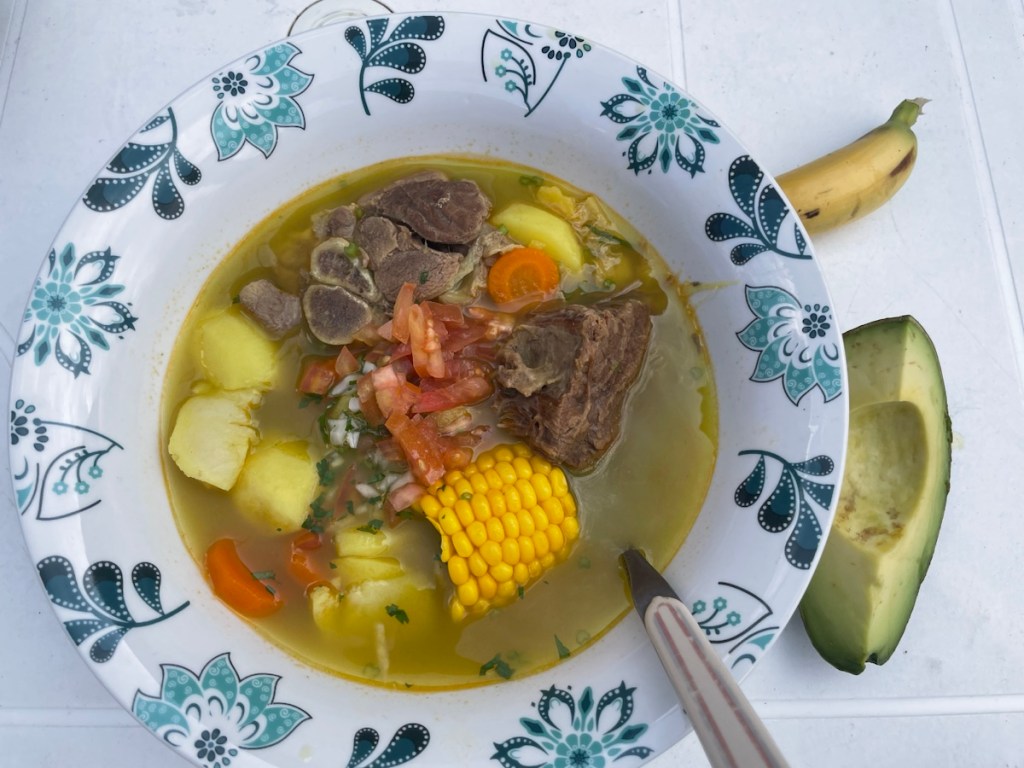
After Guatape, we headed back to Medellin to spend Christmas with Mauricio and Liliana. We had a lovely Christmas eve 💕 Liliana’s mother Betty and their friend Phil was also part of the celebration. They even had some gifts for all three of us! We were then invited to Liliana’s brother’s finca (country house) up in the hills. There we met other family members. It was a day full of festivities, singing, dancing, chatting and having the delicious soup called “Sancocho” which is traditionally made after Christmas eve. A magical experience! We had to leave Medellin with a heavy heart. Leo was in tears.
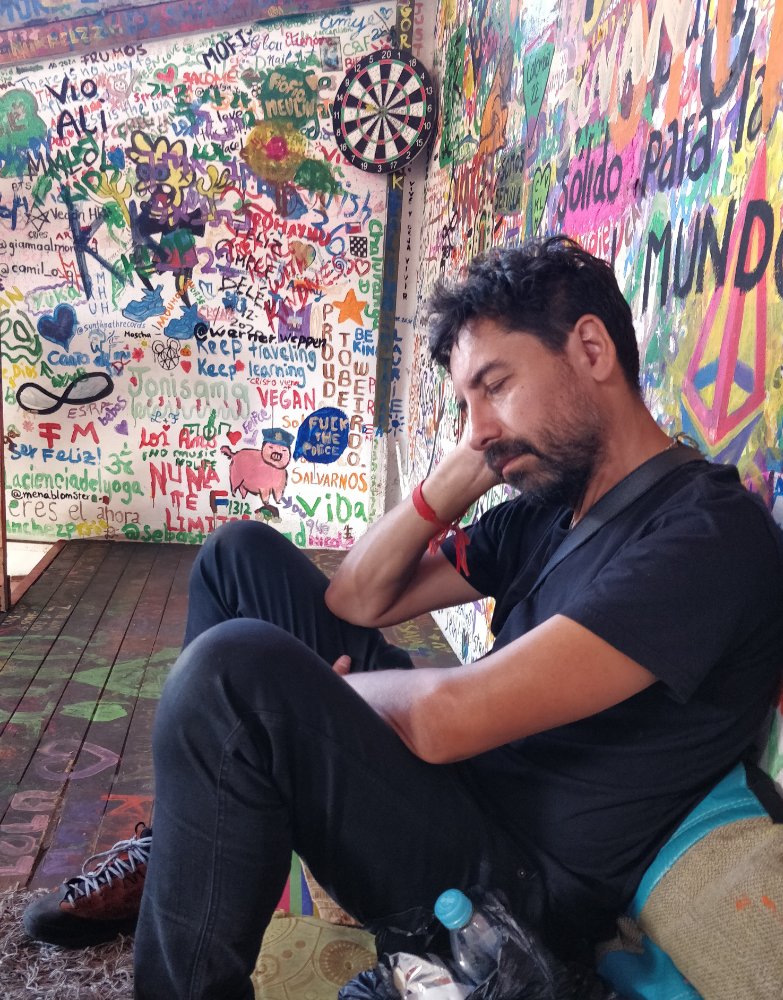
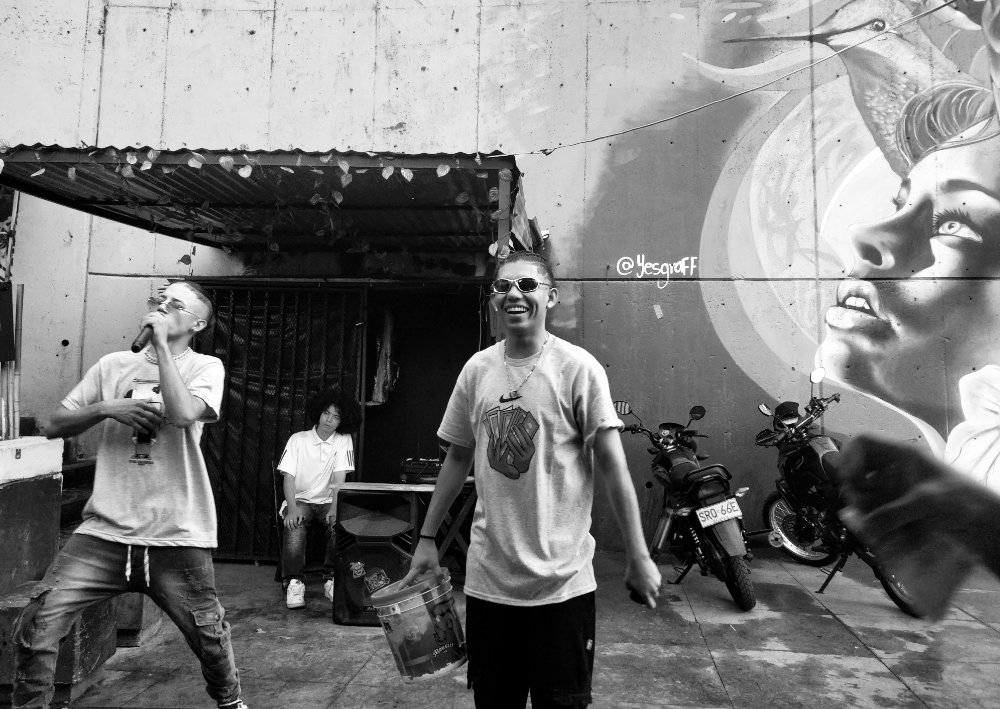
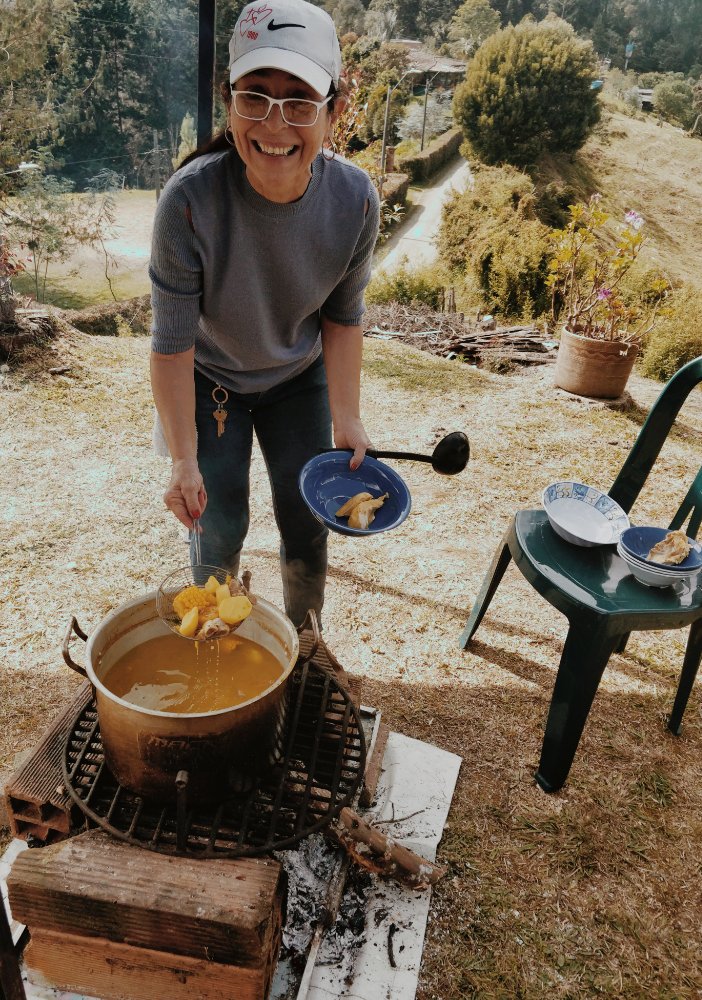
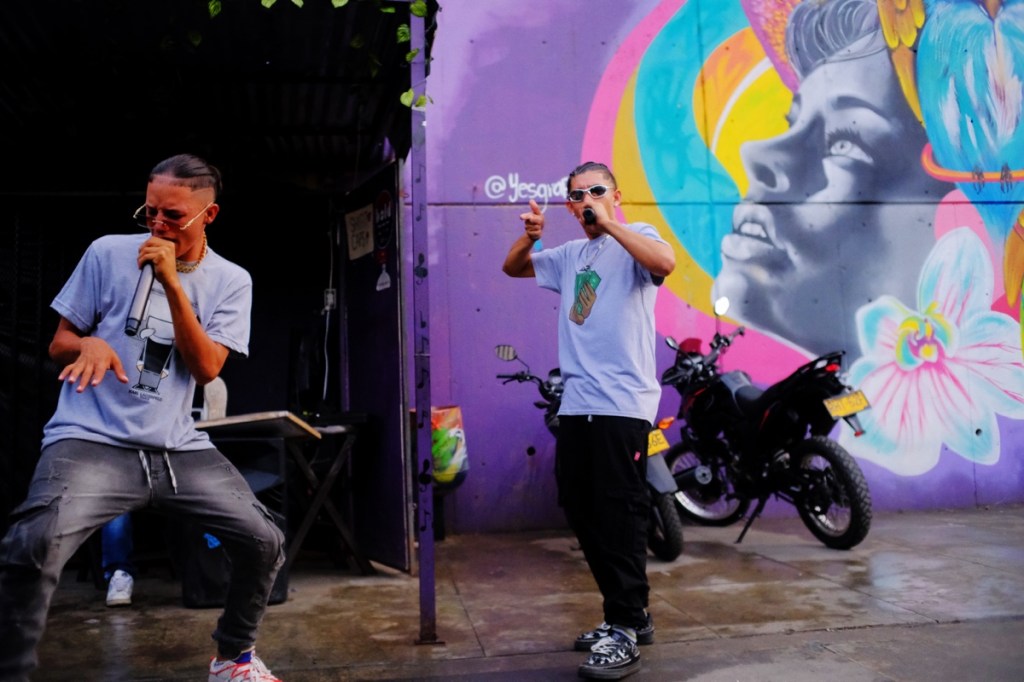
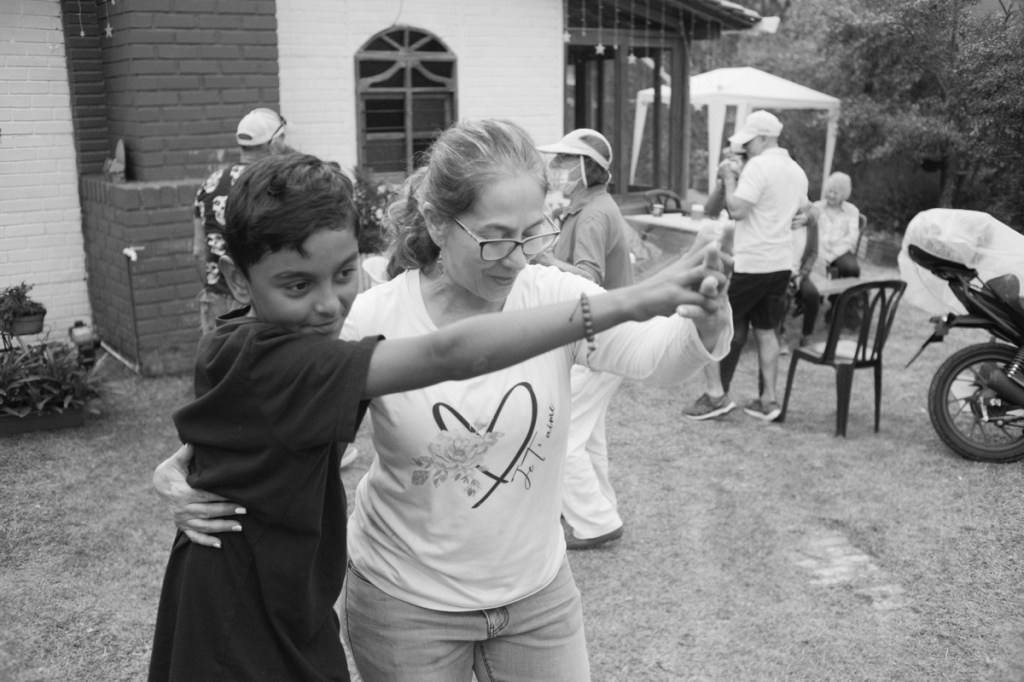
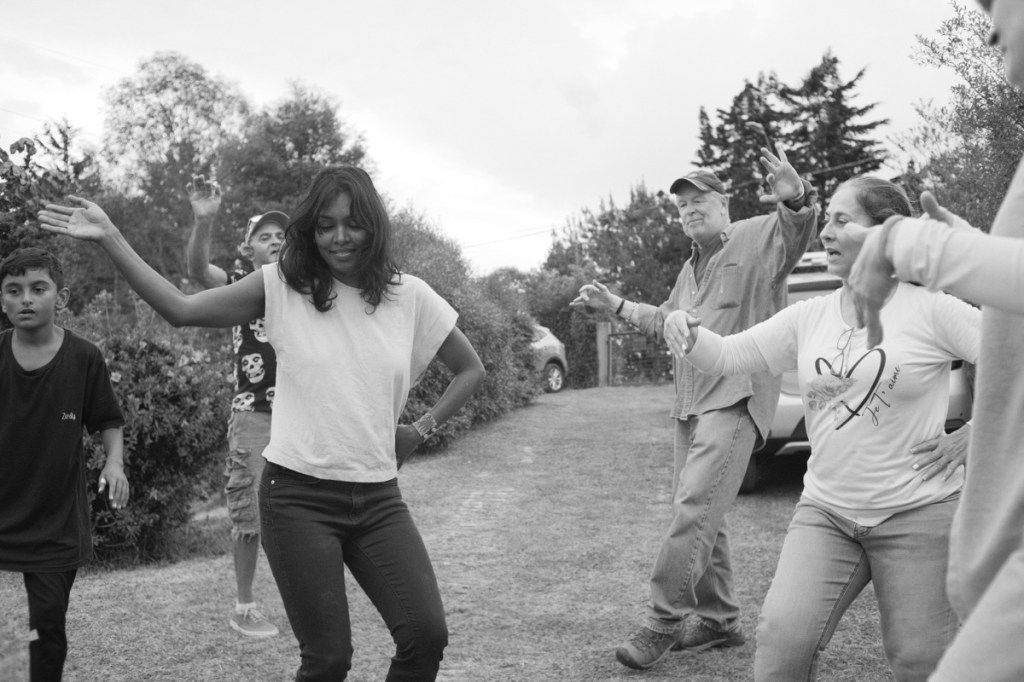
Public transport in Medellin Sancocho being prepared near the church in Guatape.Arjun tired after a bike ride+ climbing 750 steps upwards and downwards.Freestyle rap in Communa 13Communa 13Liliana dishing out the Sancocho 😋Sancocho Nora teaching Leo some Salsa moves!Leo and Mauricio relaxing 😎
From Medellin we reached Salento, the first stop on our southbound journey to Ecuador.
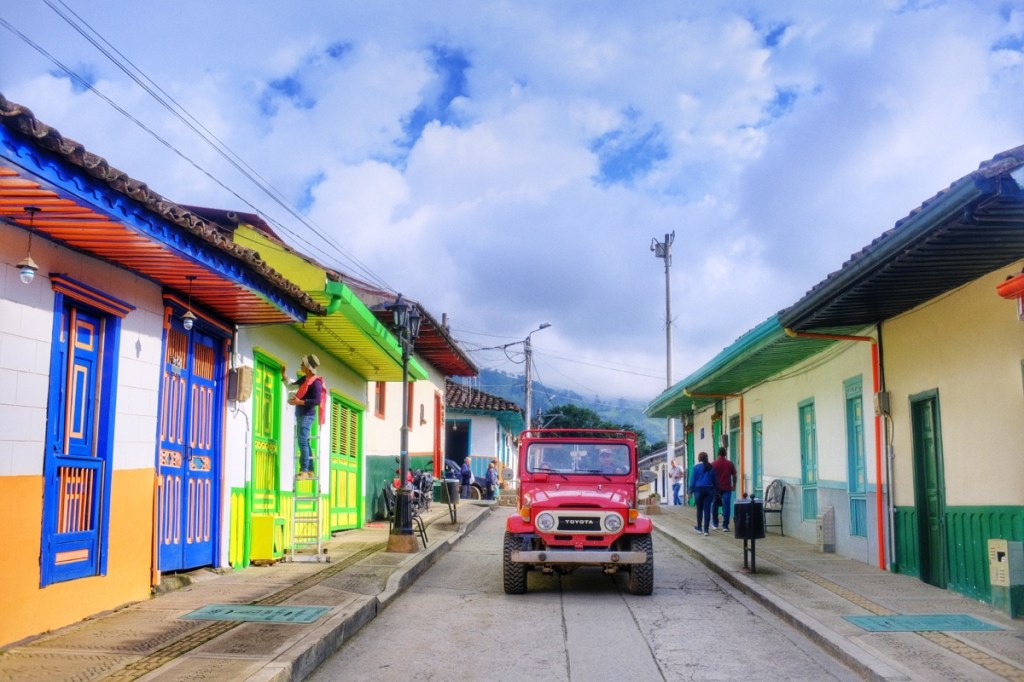
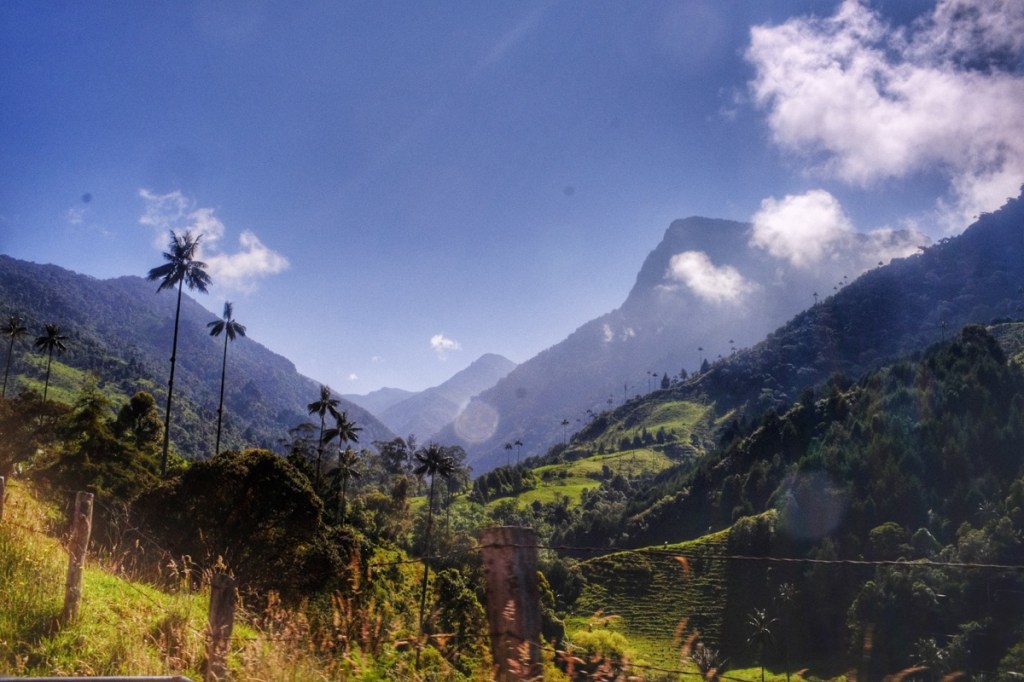
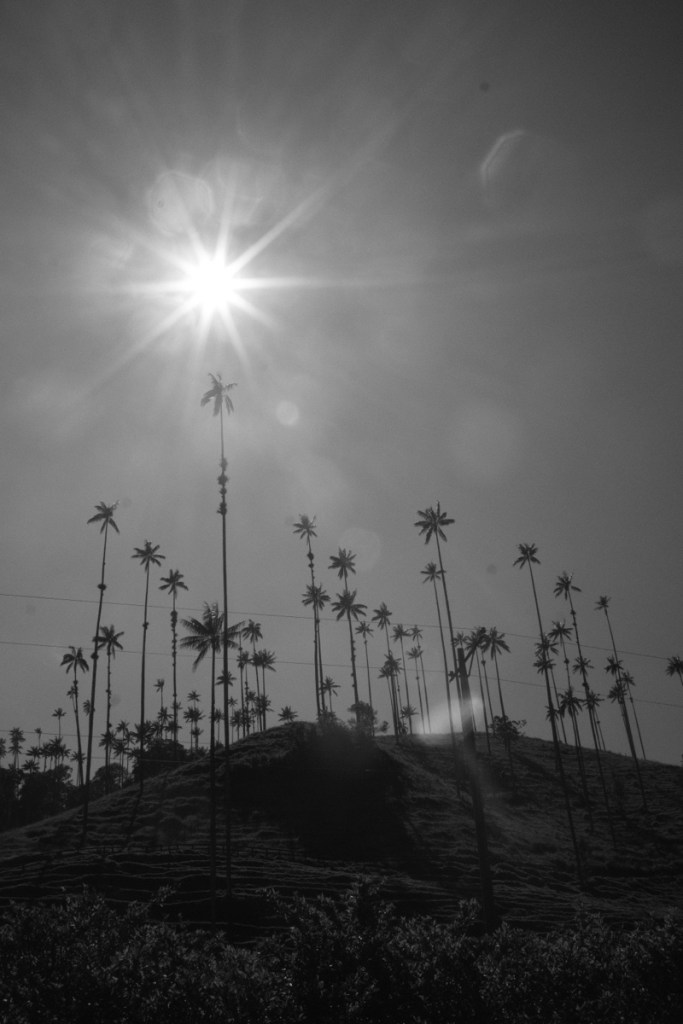
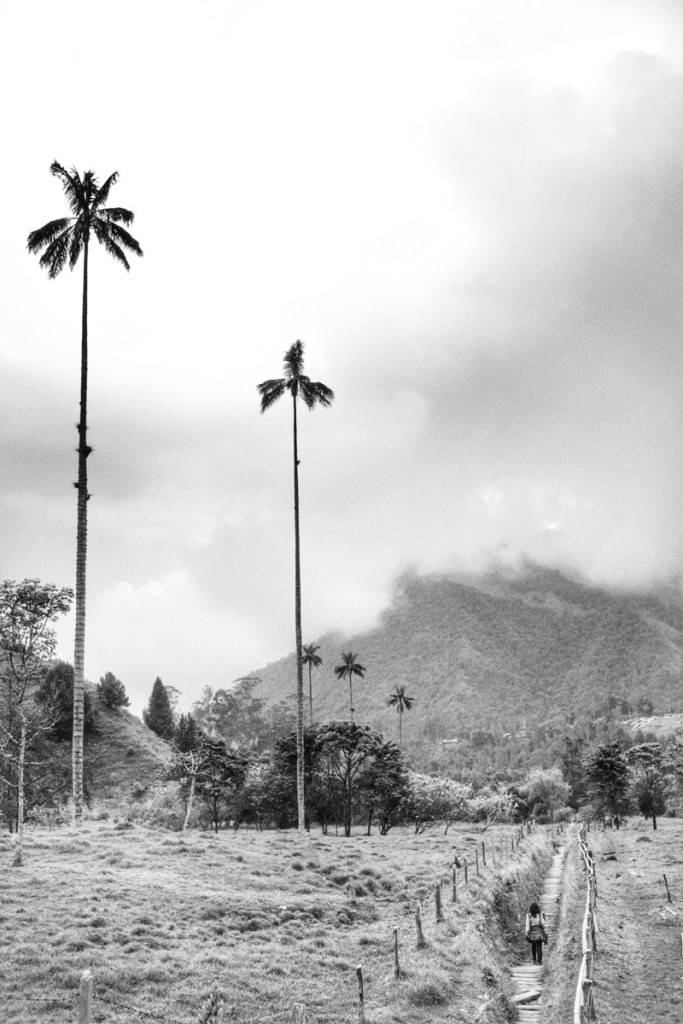
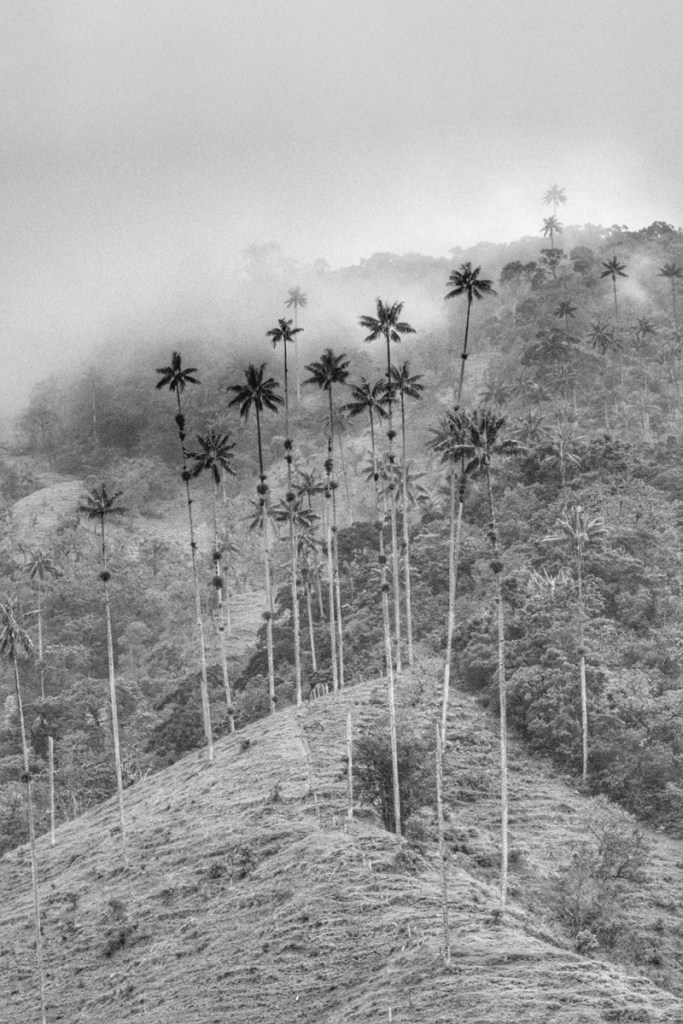
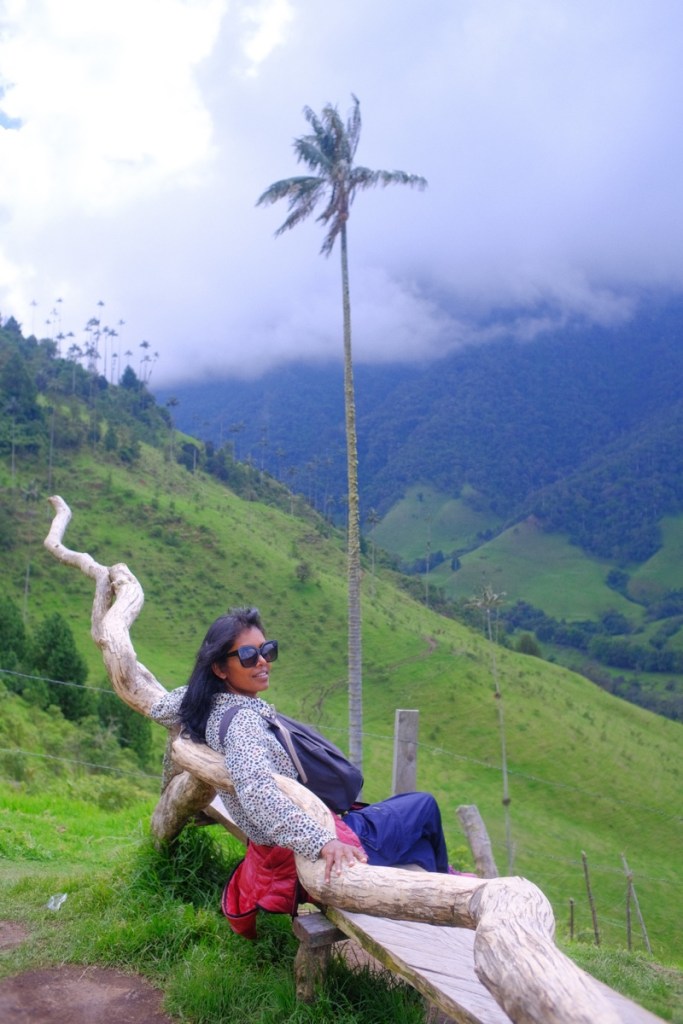
Salento is a cute and colourful village located between Pereira amd Armenia, mostly famous for visiting the valley of Cocora. These giant palm trees have become one of the icons of Colombia.
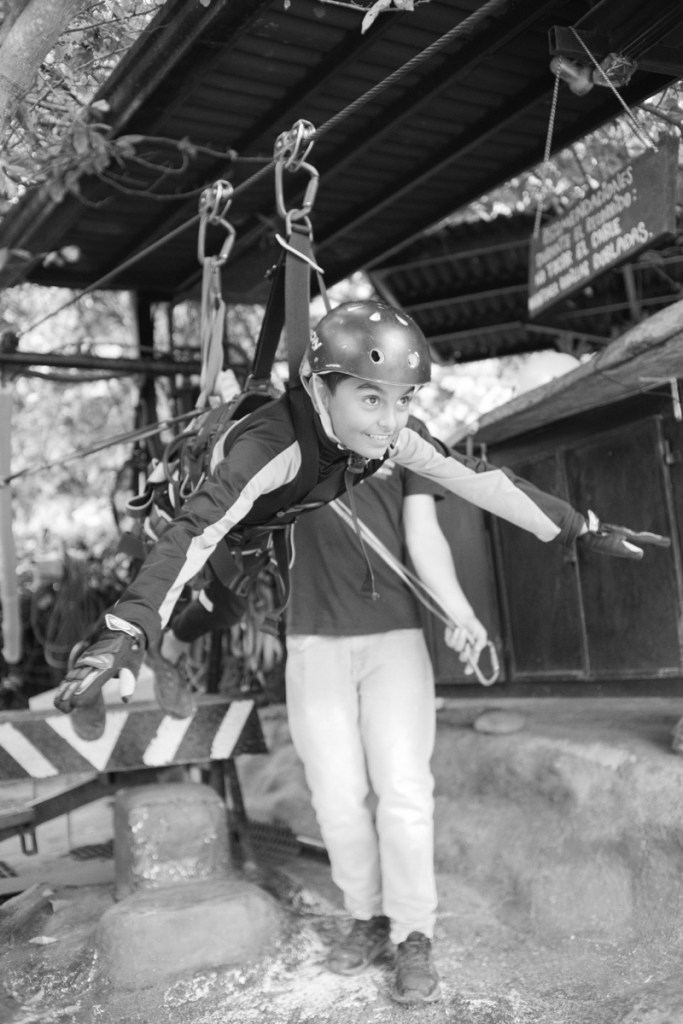
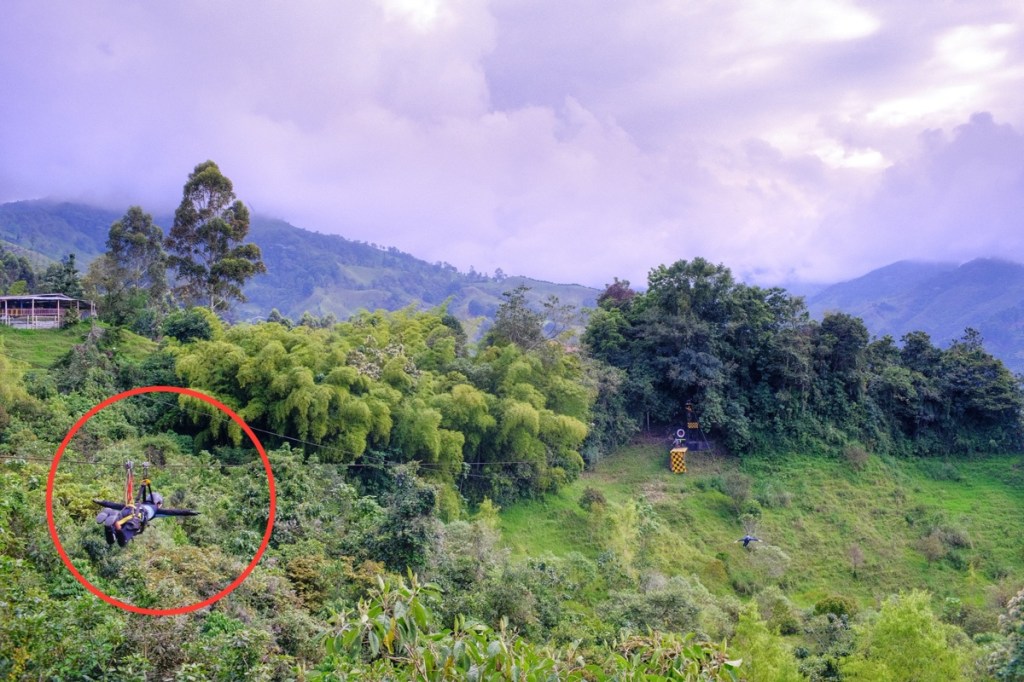
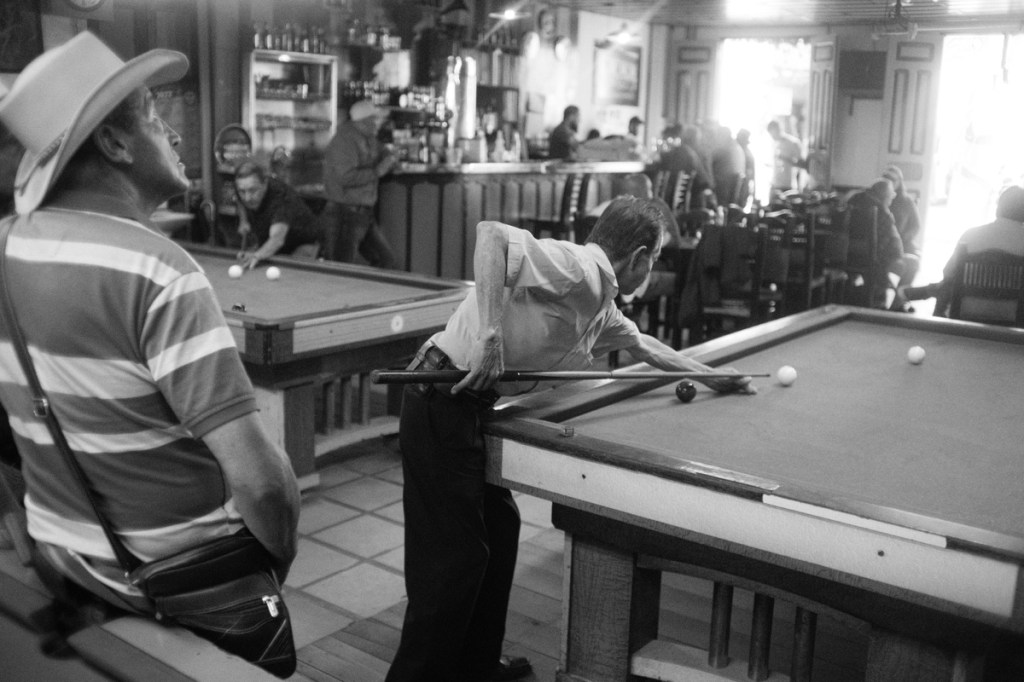
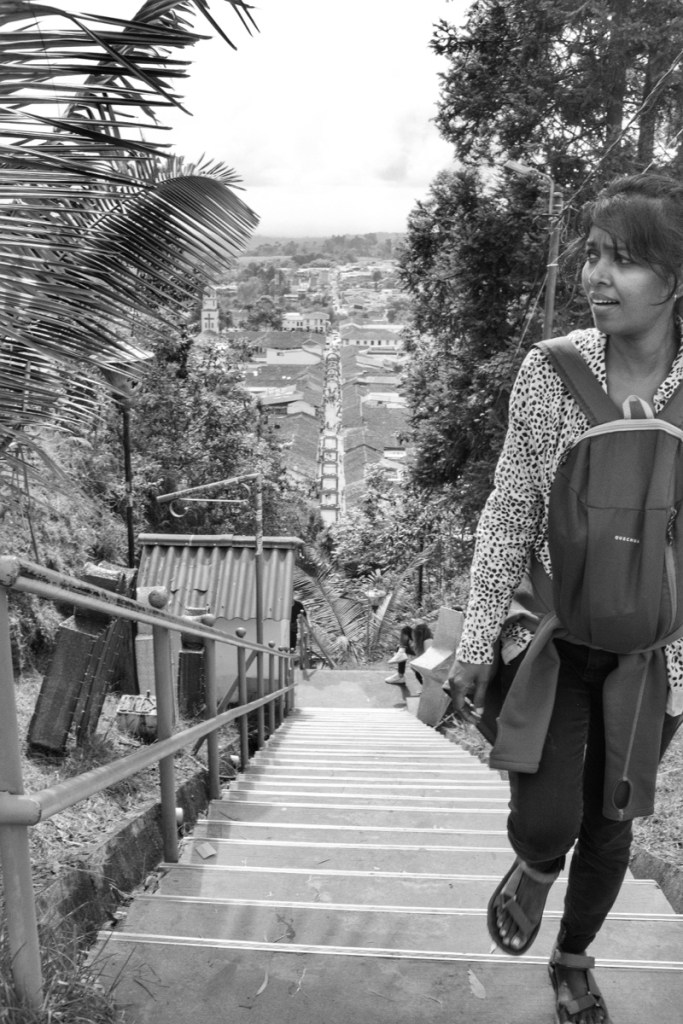
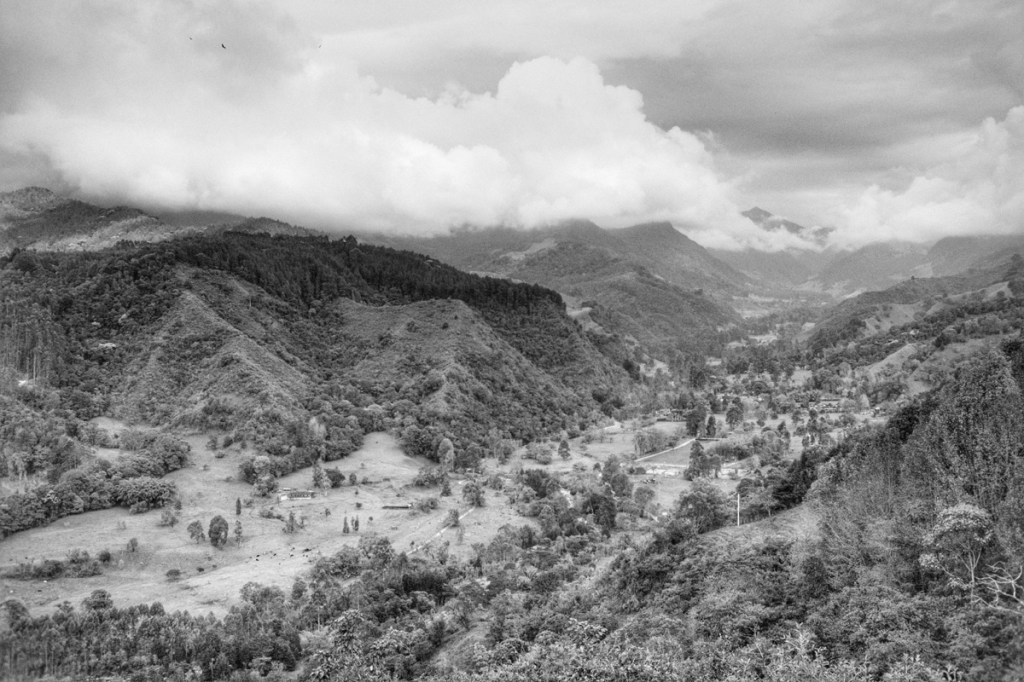
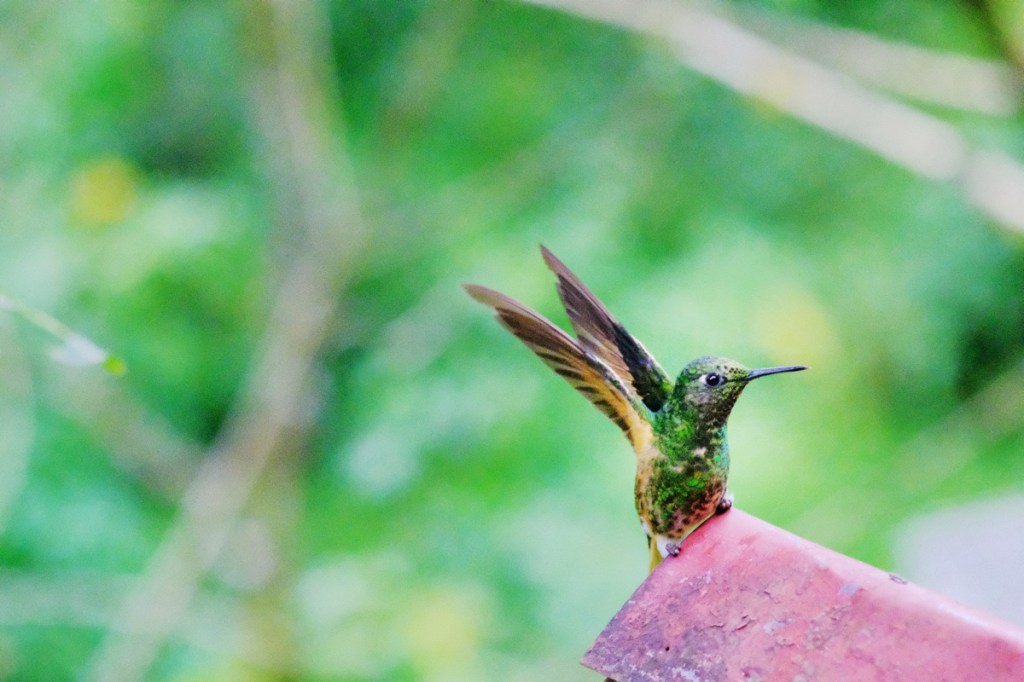
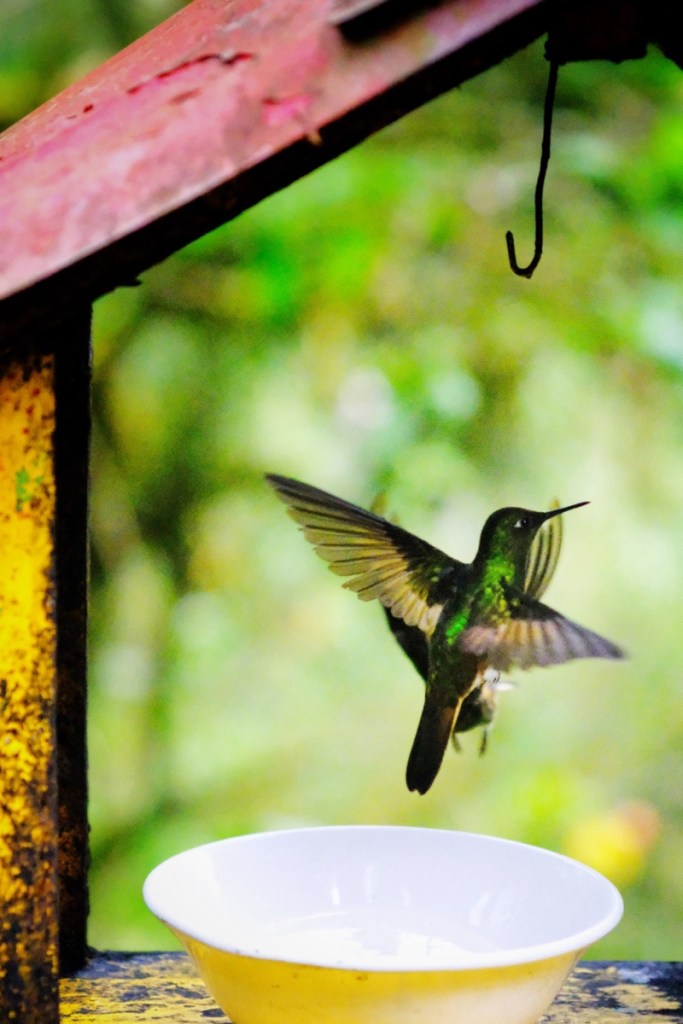
House in Salento Streets of Salento Ready to fly over the valley!Airborne !The billiard bar. But no kids allowed 😥Some 500 steps (rough estimate) up the Salento miradorView of the valley from SalentoGlobe trotters at work!Entering the valley de Cocora (standing at the back of the jeep)Meet the giantsMary and the giantsPalms in the cloudsRaiders of the lost ark!Hiking, always hiking.. can we go back to Paris?!A nice little break Hummingbird at the bird sanctuary
We arrived in Medellin from Bogota, after 10 hours of night bus and reached just on time to watch the wold cup final: France vs Argentina. We reached too early to check into our hostel, so we just sat on the terrace of a café broadcasting the match, with our backpacks around us.
You all know that part of the story already; 75 minutes of boring hopelessness and then the most formidable suspense until the last minute of an unending match!
Since then it’s been: “where are you from?” – « Francia » – « Oh, I’m sorry! » 😅
Medellin is home of the Paisas – that’s how the locals call themselves. Paisas are extremely proud of their city and their region, and everyone kept telling us « Welcome to Medellin! Medellin is amazing, much better than Bogota, Bogota is no good, we’re much nicer! »
Yet, to be honest, our first impression of Medellin was not as enthousiastic as that of Bogota. The centro, where most museums and culture is located, is rather dirty and doesn’t feel so safe. Other neighbourhoods are nicer but mostly residential or with many bars and restaurants (El Poblado, typically is where rich people and foreigners hang out)
When I was young, Renaud was singing the dying children on the sidewalks of Bogota, but it’s in Medellin that we encountered the most beggars, mostly women and children, from Venezuela, selling candy.
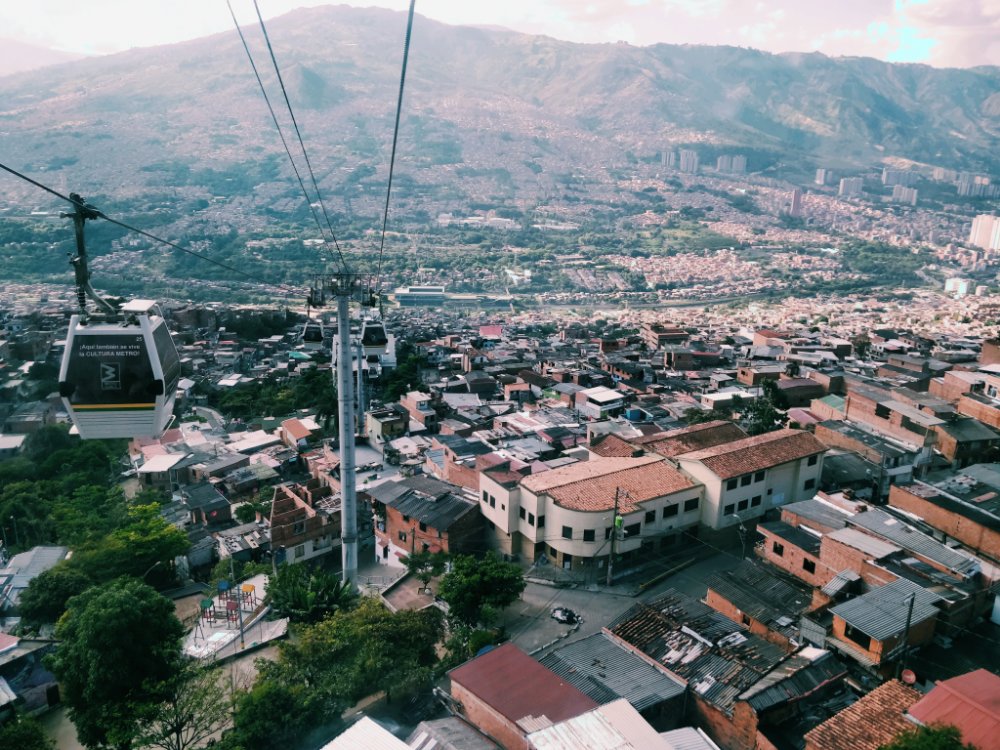
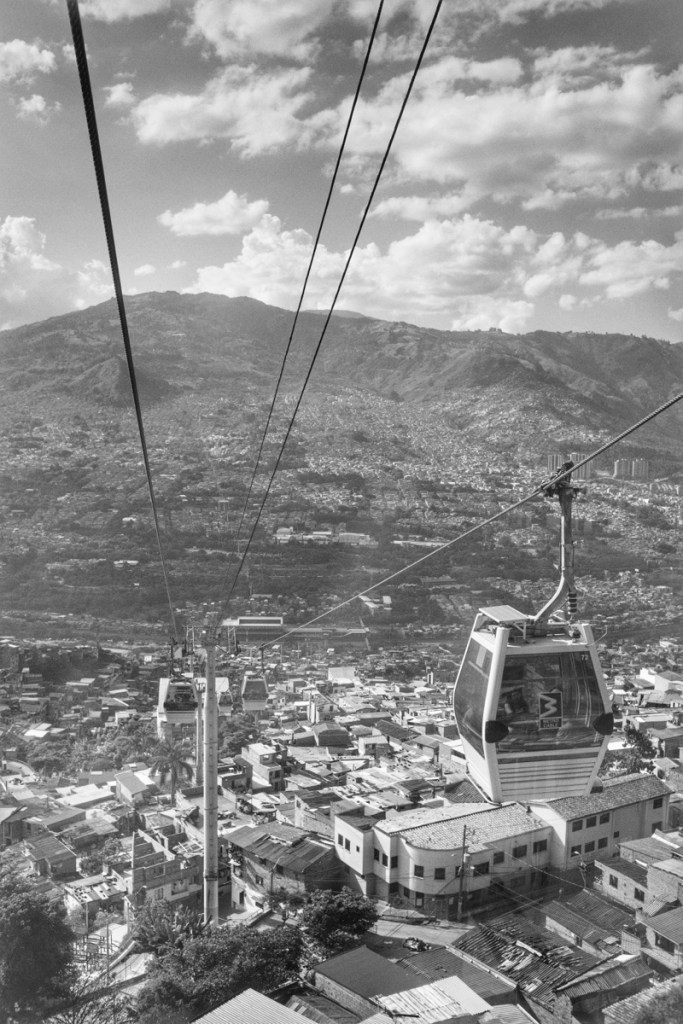
Having said that, Medellin has a much better transport infrastructure than Bogota, with Colombia’s first metro and even cable cars to connect the higher parts of this large city surrounded by mountains. (The « metro cable » was apparently installed by Grenoble engineers 🐓)
Medellin was home of the biggest, most famous, Colombian gangster, the one that should not be named in the streets! (initials P.E.) Much to the Paisas regret, PE has become one of the biggest touristic attractions of the city! A private museum is dedicated to him (that we didn’t visit), t-shirts and paintings of his portrait are everywhere and tours are organised to visit his hacienda, in which he had created a private zoo with African wildlife! Apparently, a colony of hippos are still striving and becoming a real issue for the locals!
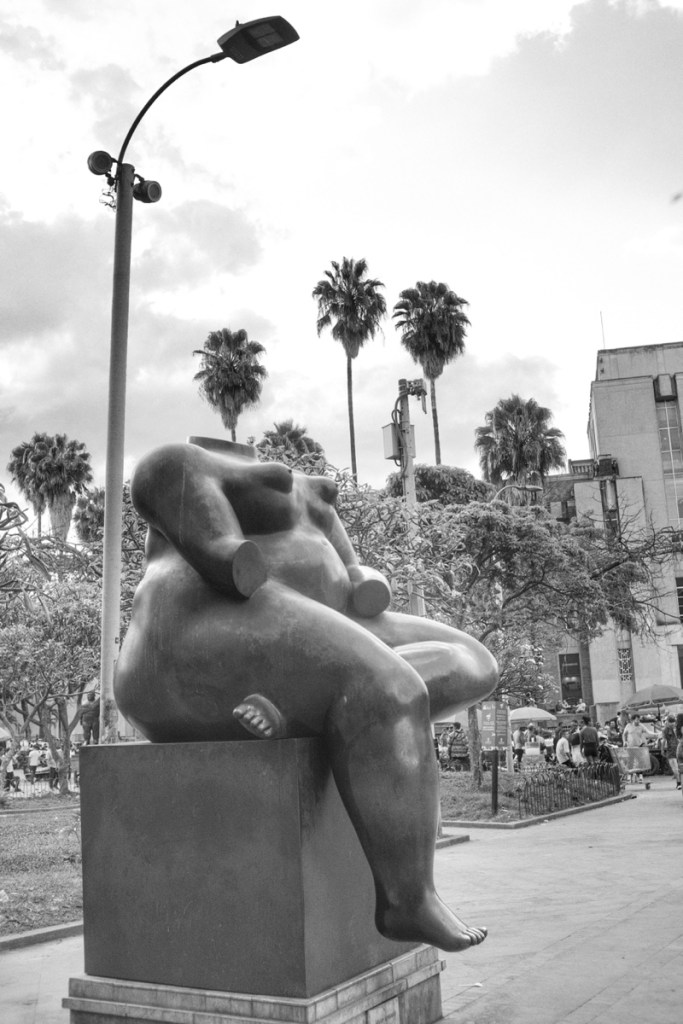
Medellin was also home of Colombia’s most famous artist, and Plaza Botero displays a fantastic collection of giant bronze statues, all donated by the artist to his hometown.
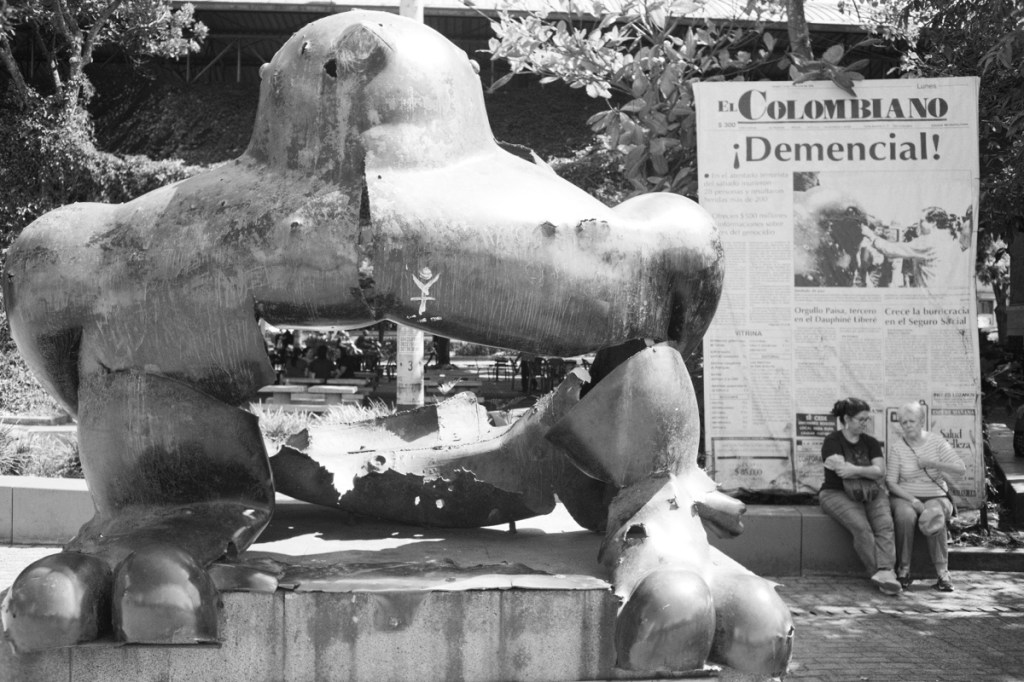
One statue, of a bird, on plaza San Antonio, was destroyed by a bomb terrorist attack that killed dozens of people. Noone even knows who and why since all terrorist groups revendicated the act! The point here is that, when the destroyed sculpture was removed, Botero called the mayor of Medellin and urged him to keep it back in its place, for people to never forget what happened. He also donated a new copy of the bird sculpture to be placed next to the destroyed one, as a sign of hope.
After years of extreme violence in the 80s and 90s, Medellin has resurrected from its ashes and transformed into a modern city. Yet, petty crime is still present and Paisas are always warning us to remain careful. In a taxi, one day, as the car was beeping, I tell the driver: “You’re like my dad, you don’t like to wear the seatbelt!”. He then explained that it’s for his own security, because thieves can use the seatbelt to strangle him!
In Medellin -thanks to Zenly again- I met with Paul, another colleague, french of colombian origin, who settled in Medellin, married a Colombian girl and together they founded Makata; the graphics designer behind much of Zenly’s cute 3D designs.
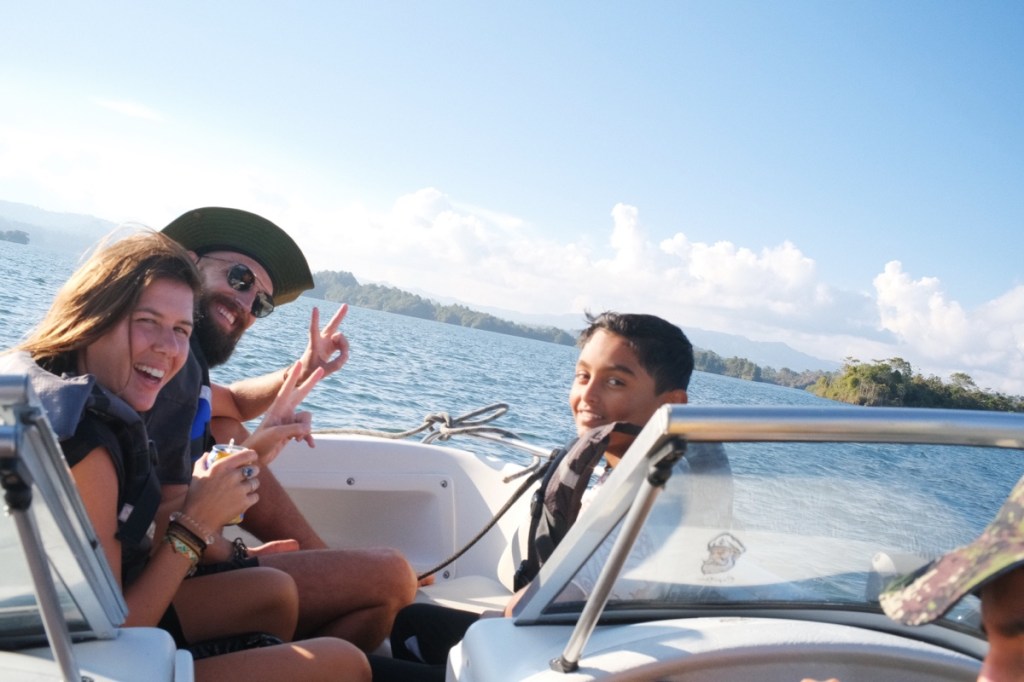
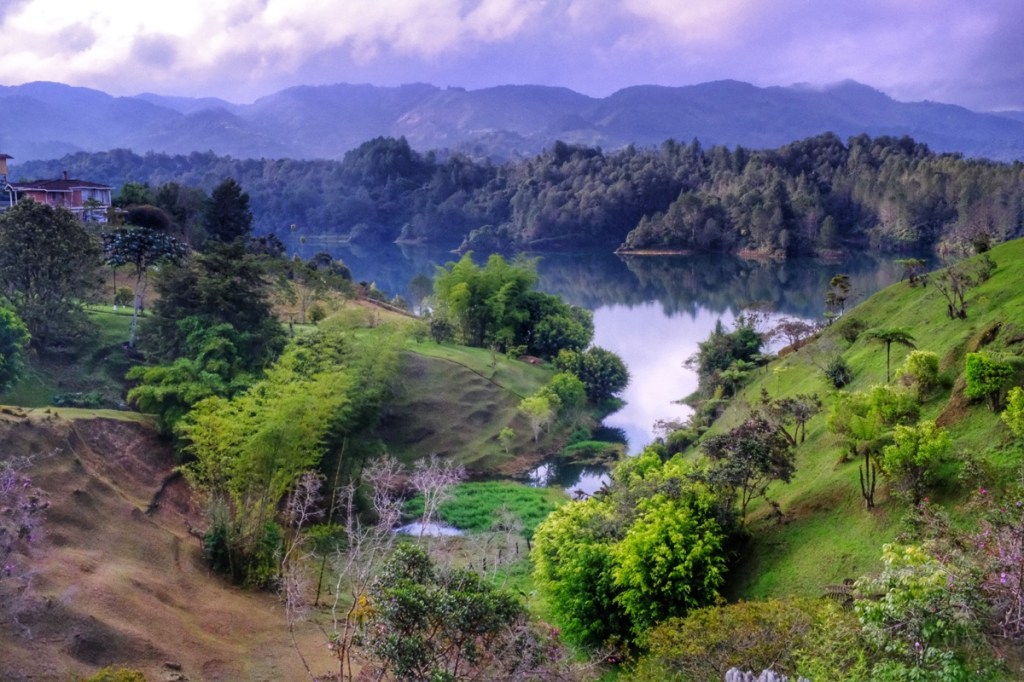
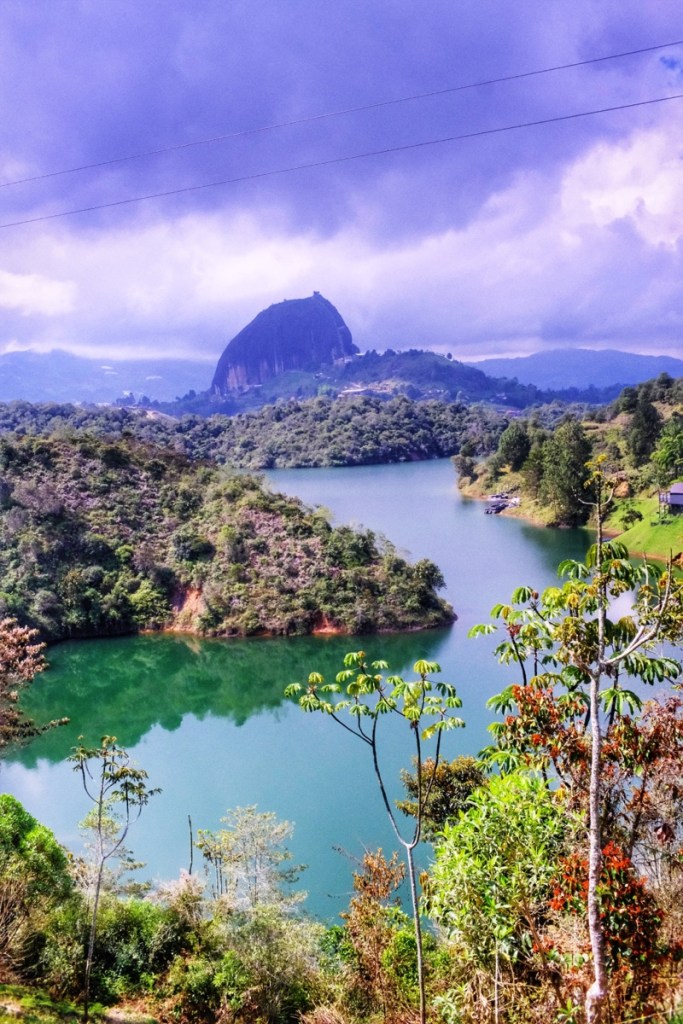
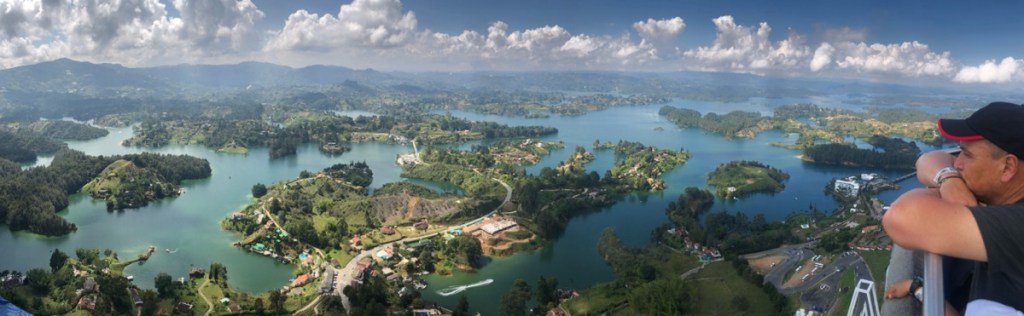
From Medellin, we made a two days excursion to visit lake Guatape. This beautiful lake, with a coastline so intricate that makes it look like a bunch of entangled rivers, was created 45 years ago, by submerging an ancient village, to create Colombia’s largest dam.
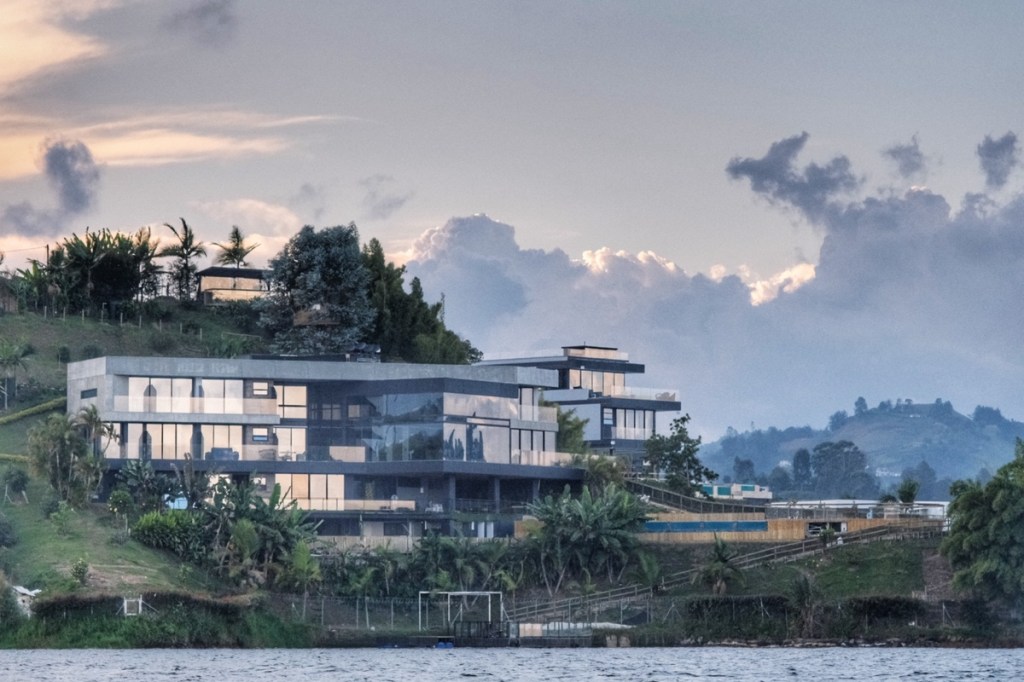
Many rich Paisas own a country house on the shore of the lake. Including famous PE of course, whose bunker house was bombed with 200kg of dynamite by a rival gang!
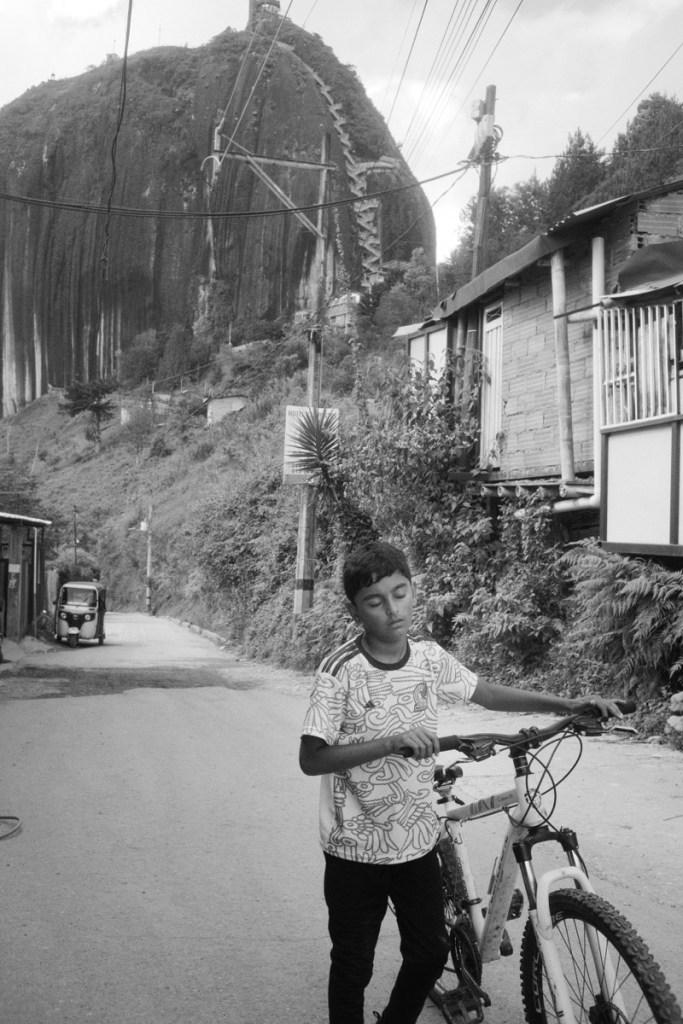
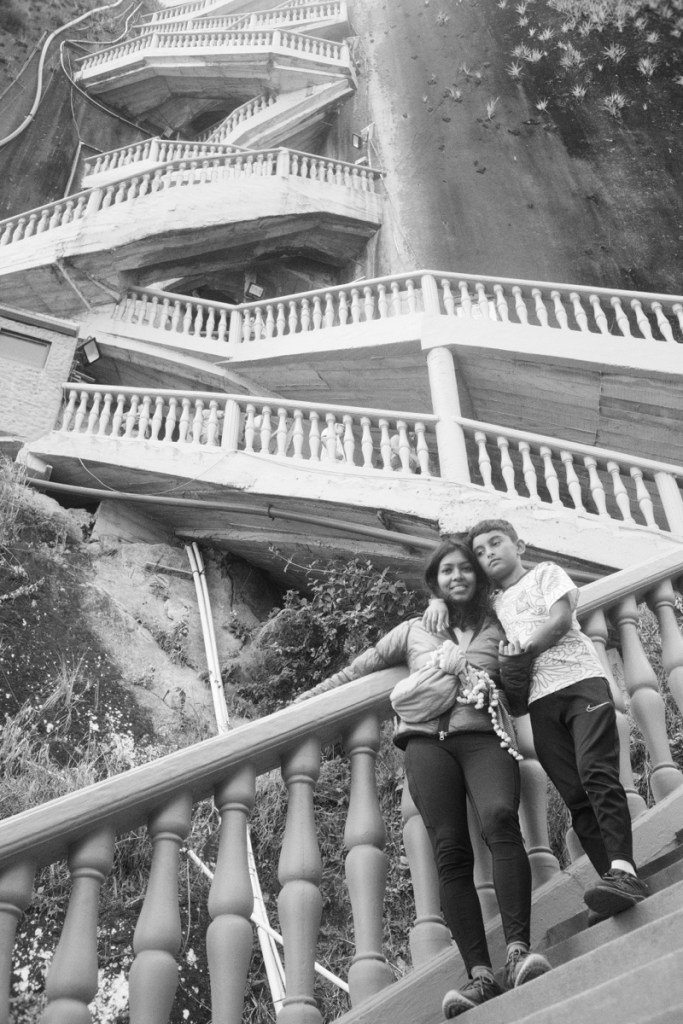
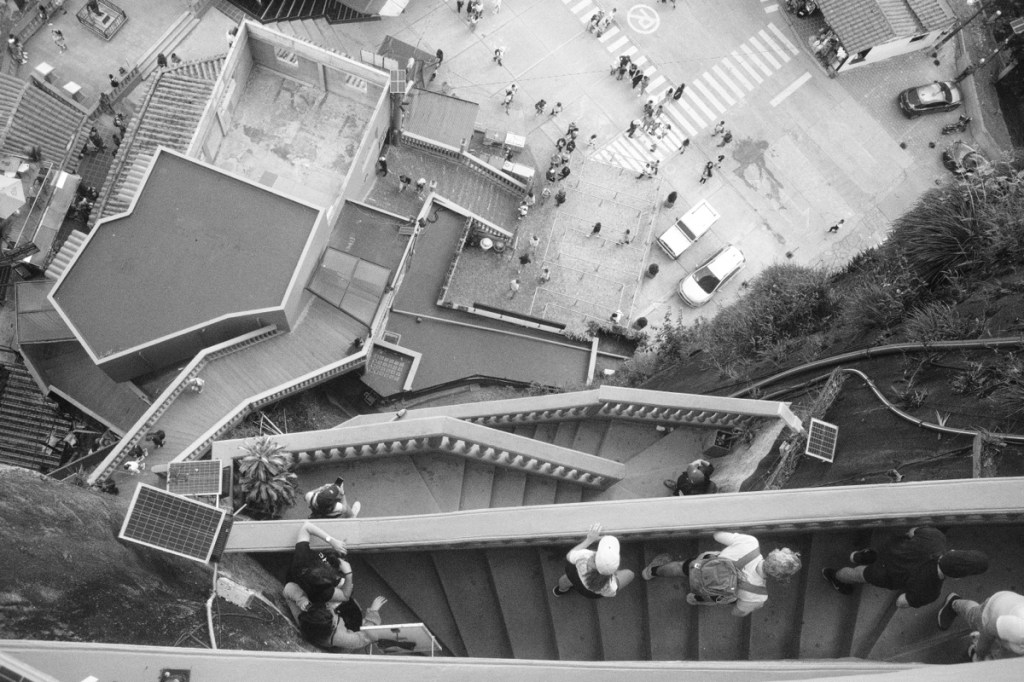
Overlooking the lake is the Piedra del Peñol, a gigantic standing rock that can be climbed for 20kcop per person, using the 750 steps leading to the mirador and the tourist shops. It’s crowded with tourists, but the view is indeed a sight for sore eyes!
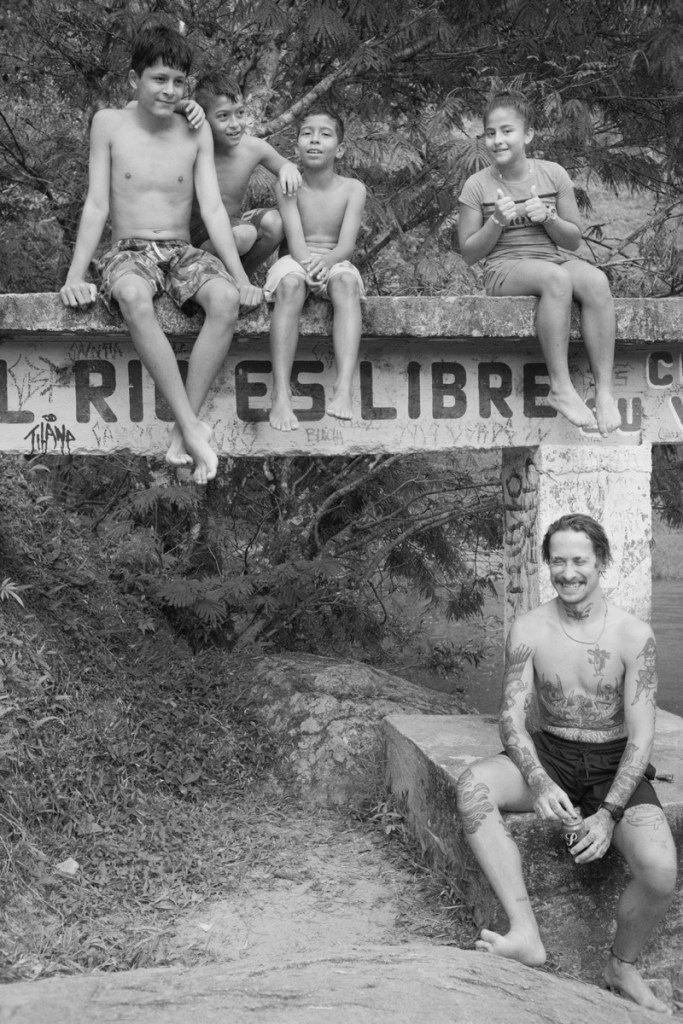
An hour east of Guatape, we also went to San Rafael, to see some waterfalls and swim in the river. Because who doesn’t like to swim in a river a day before Christmas? 😀
We returned to Medellin on the 23rd and that’s when we really discovered the true, genuine, Paisa hospitality. We were hosted by Mauricio and Liliana who rent a part of their house on Airbnb. We were delighted when they invited us to share their Christmas eve’s dinner. We brought some wine and chocolates and joined the couple, Liliana’s mother, and Phil, a retired American who spent the past 2 years (!) in the second appartment they rent in their house. (Mauricio’s father was an architect and the house is actually divided in 5 apartments, one of which is occupied by Liliana’s mother)
Not only did they invite us for dinner, but they even had small gifts for us under the tree! ❤️ We ate cold cuts and salads and then a chocolate cake with ice cream.
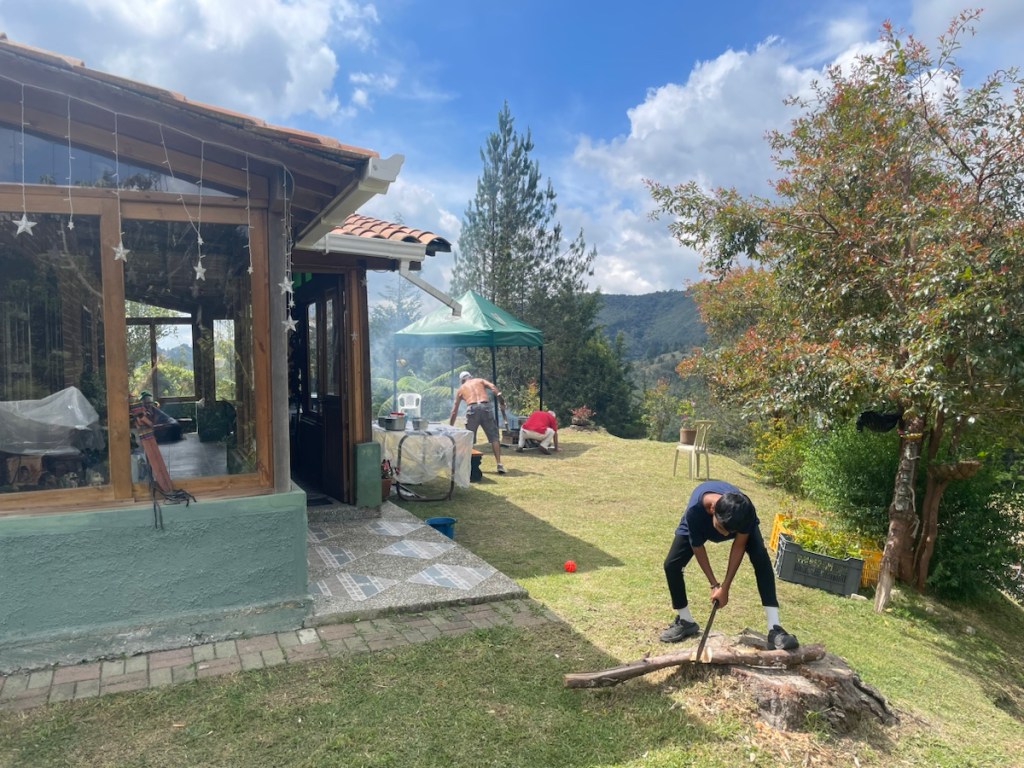
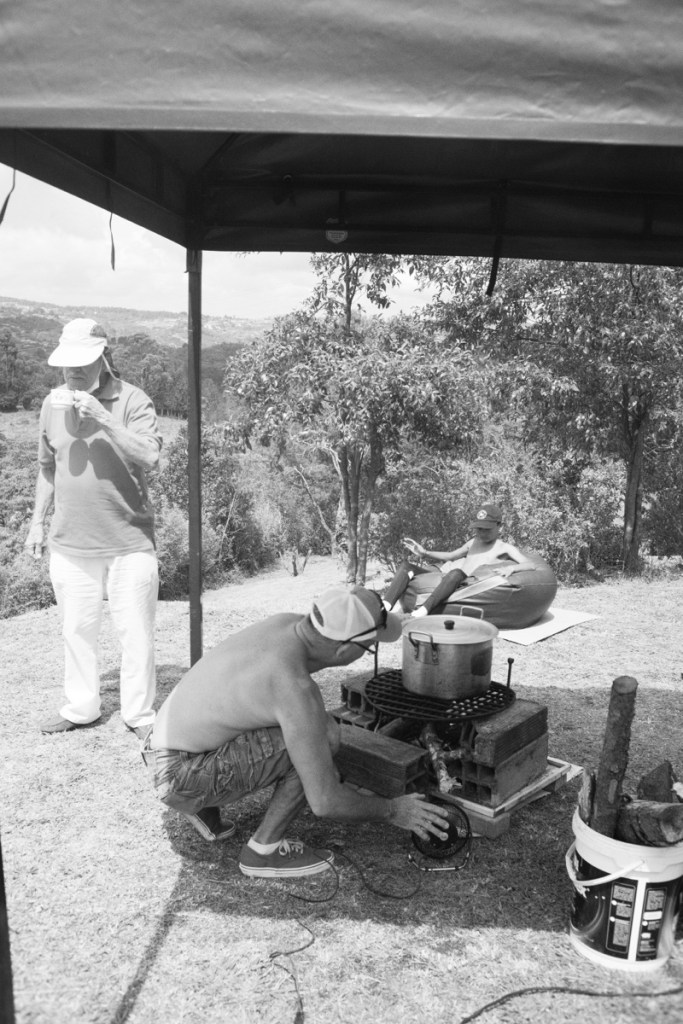
The next day, they also invited us to spend the day with them and some more family, in the finca of Liliana’s brother, in Santa Elena, up on the mountain. It was a beautiful day and they cooked the traditional Sancocho; a big soup of meat and vegetables cooked over firewood, that all families make and share on Christmas day.
We spent the day chatting, dancing, playing music and frisbee! Sharing Christmas with such a lovely Colombian family was the best experience we could wish for ❤️
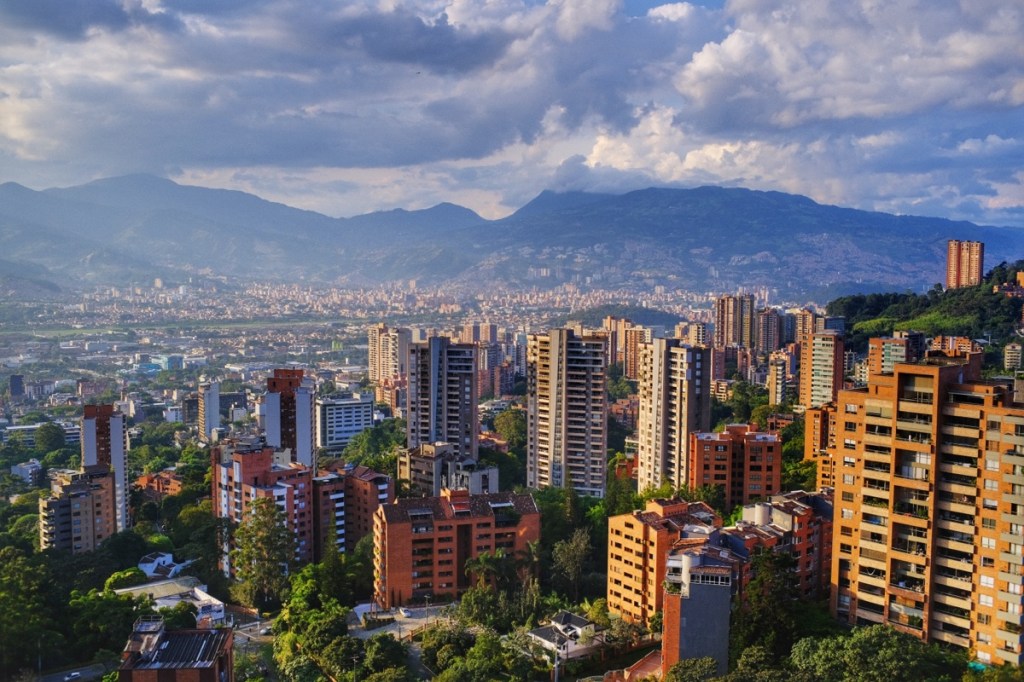
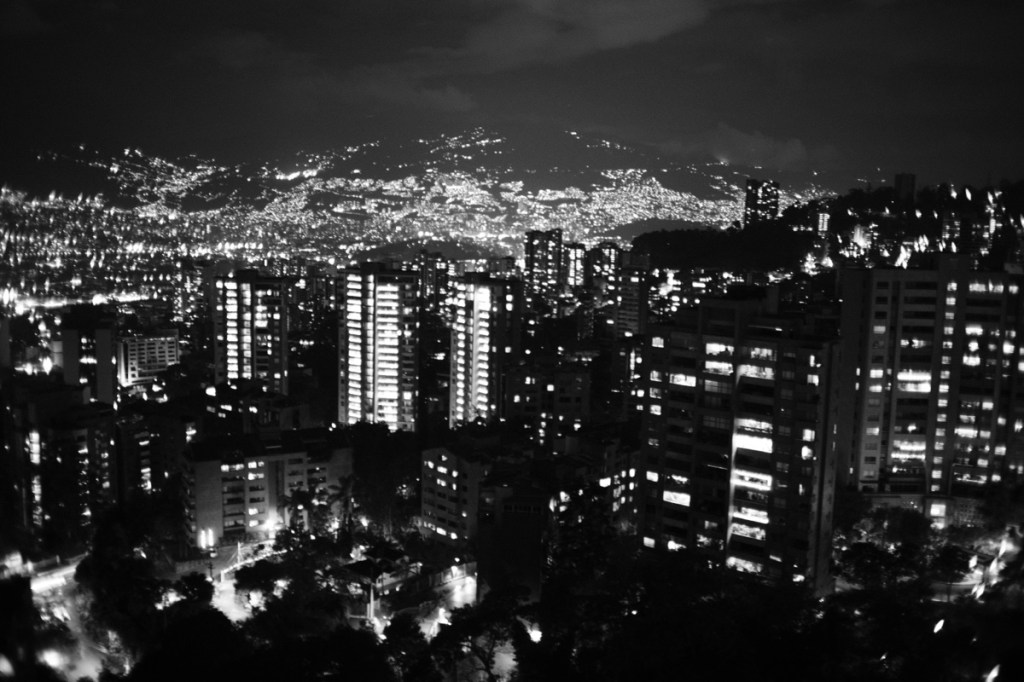
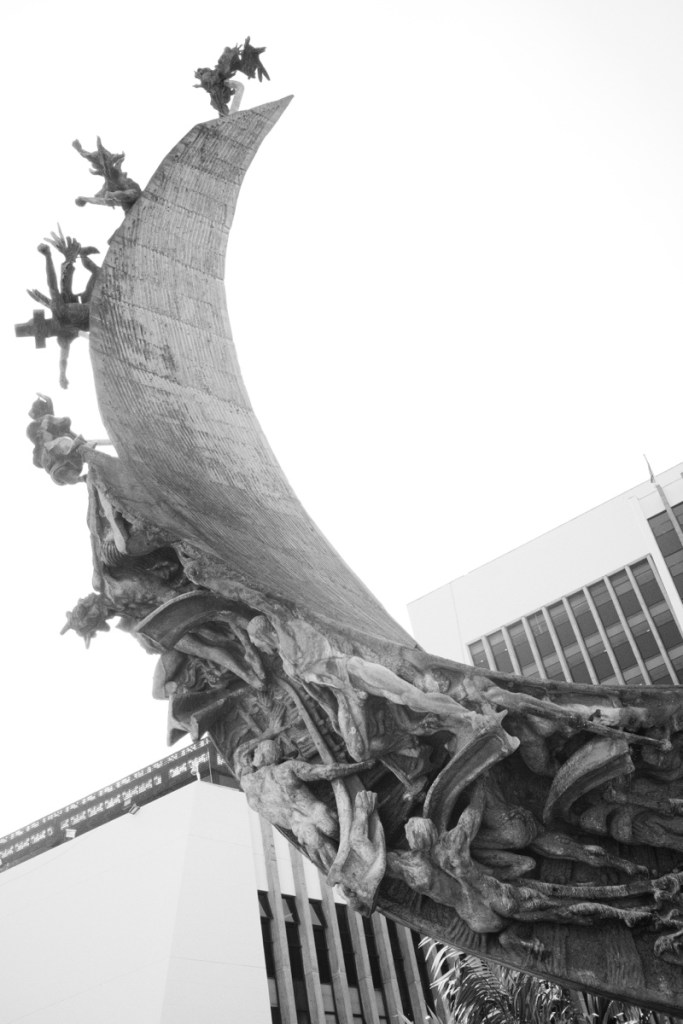
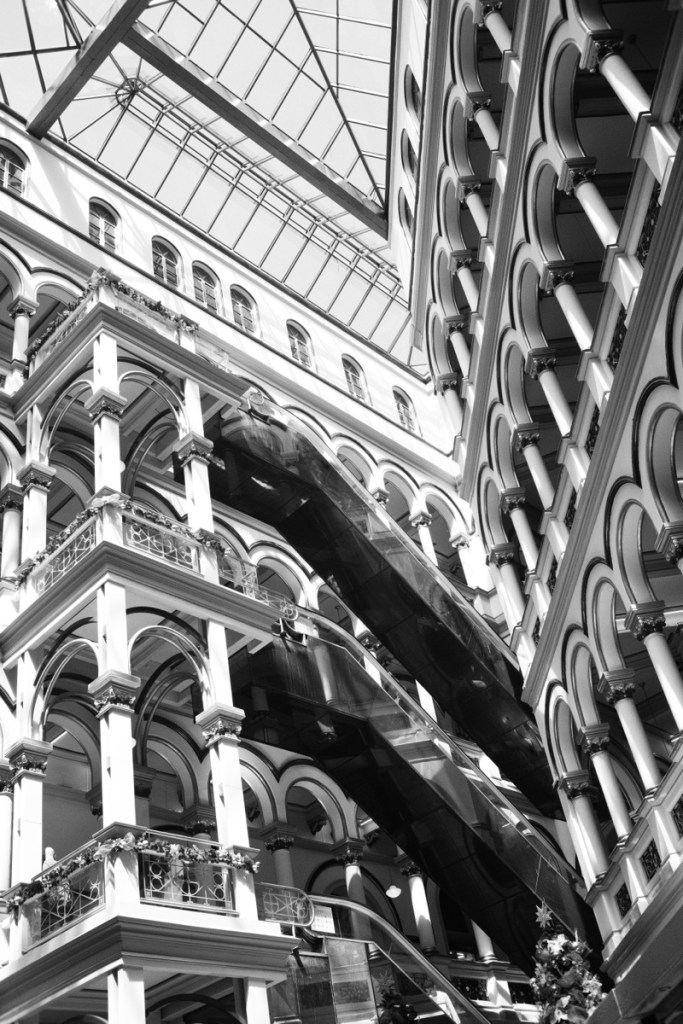
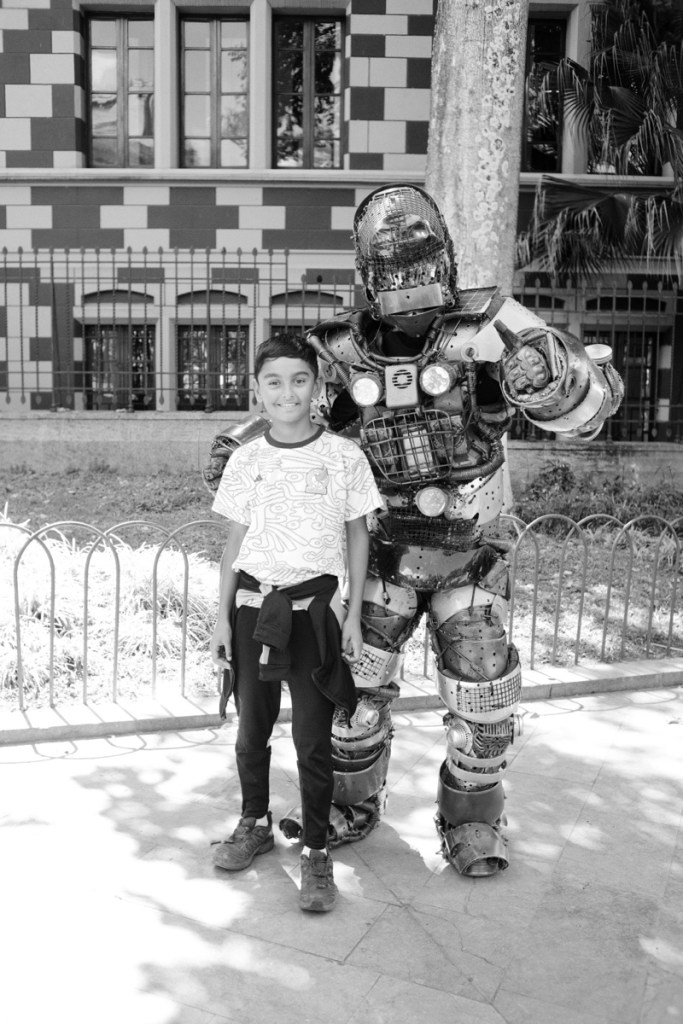
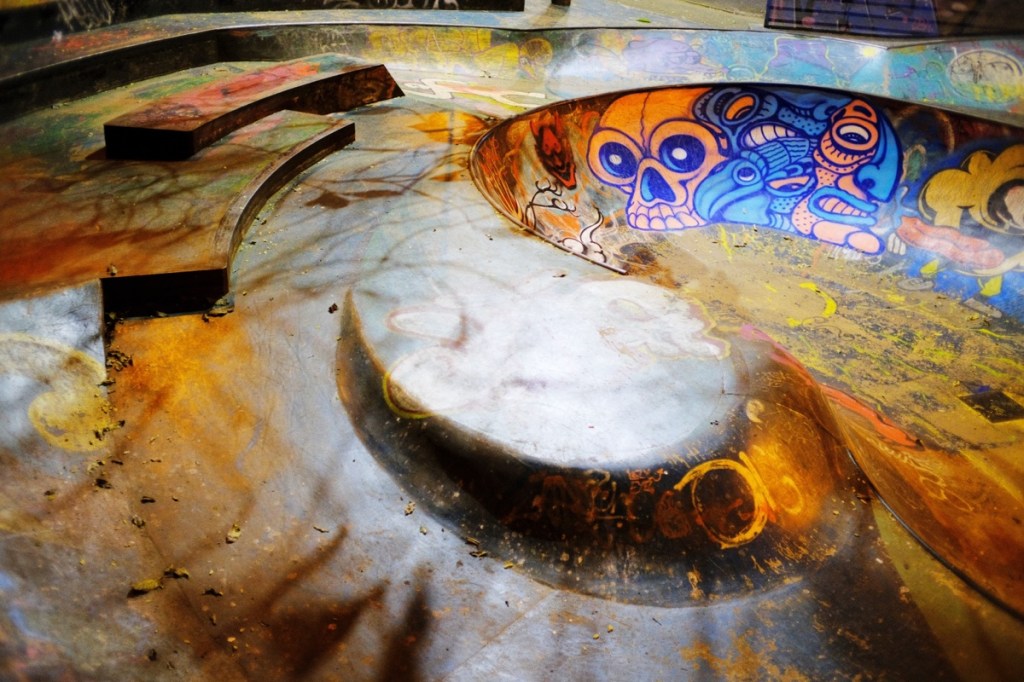
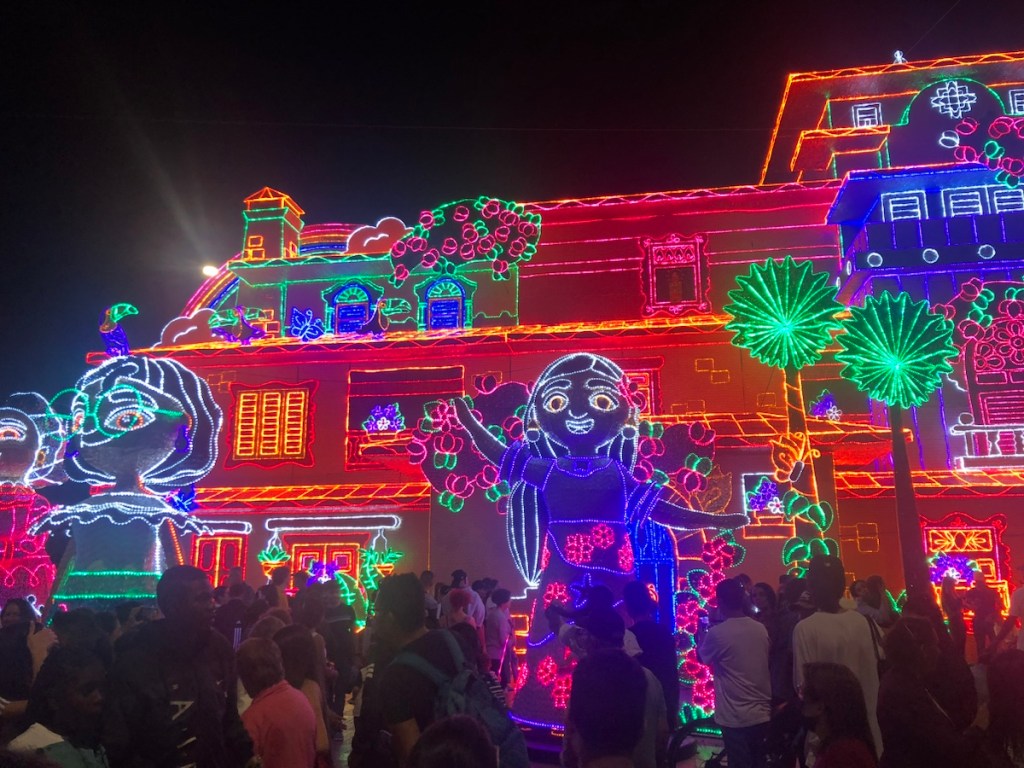
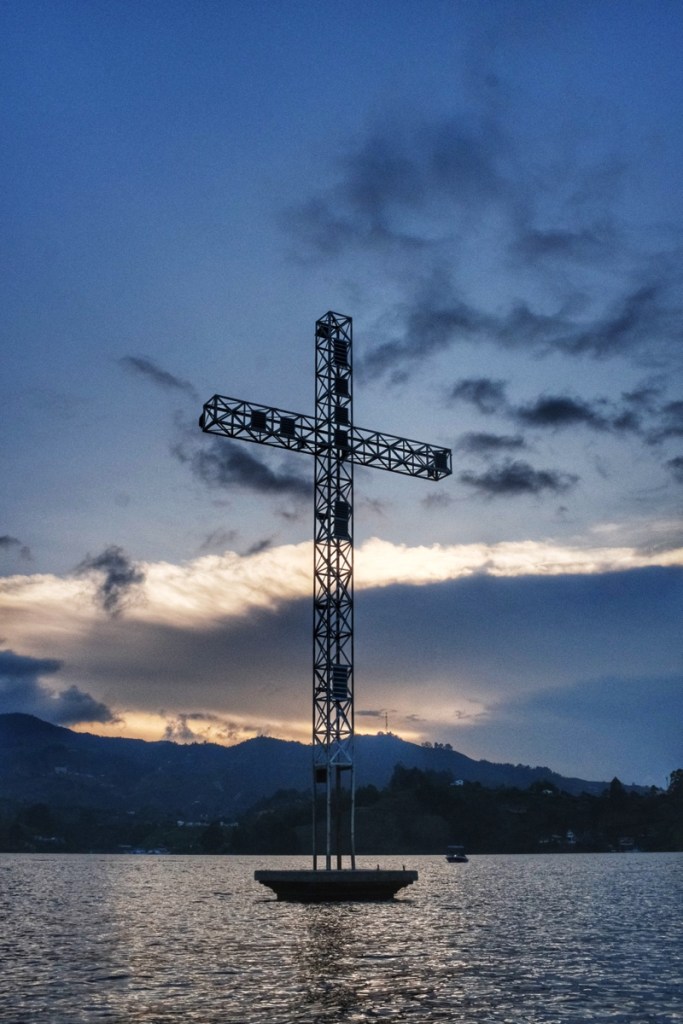
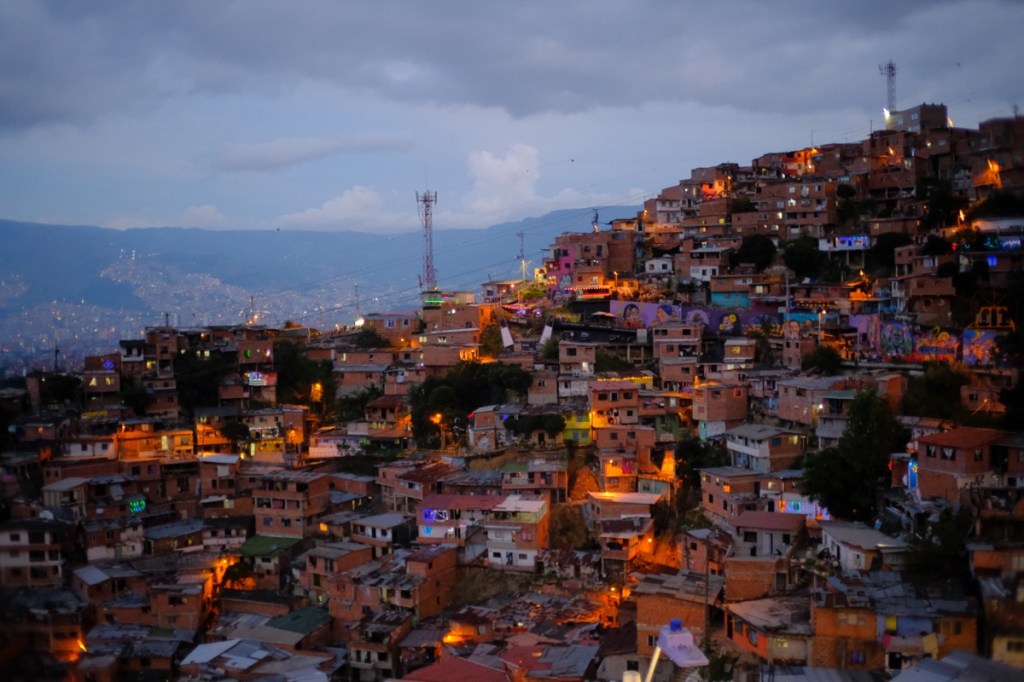
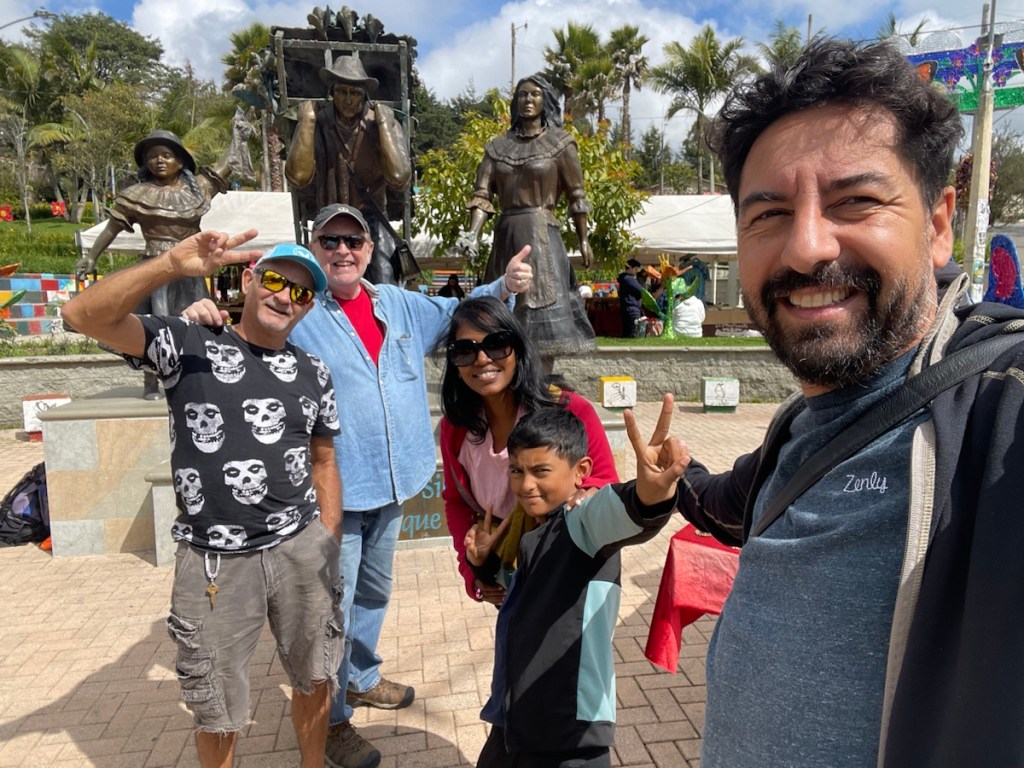
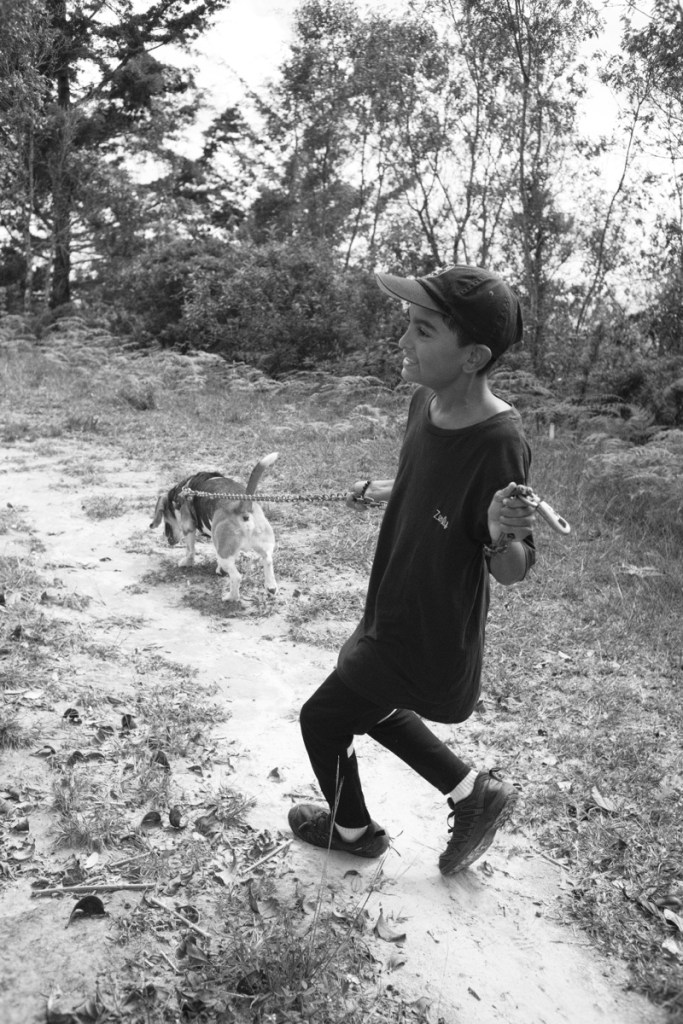
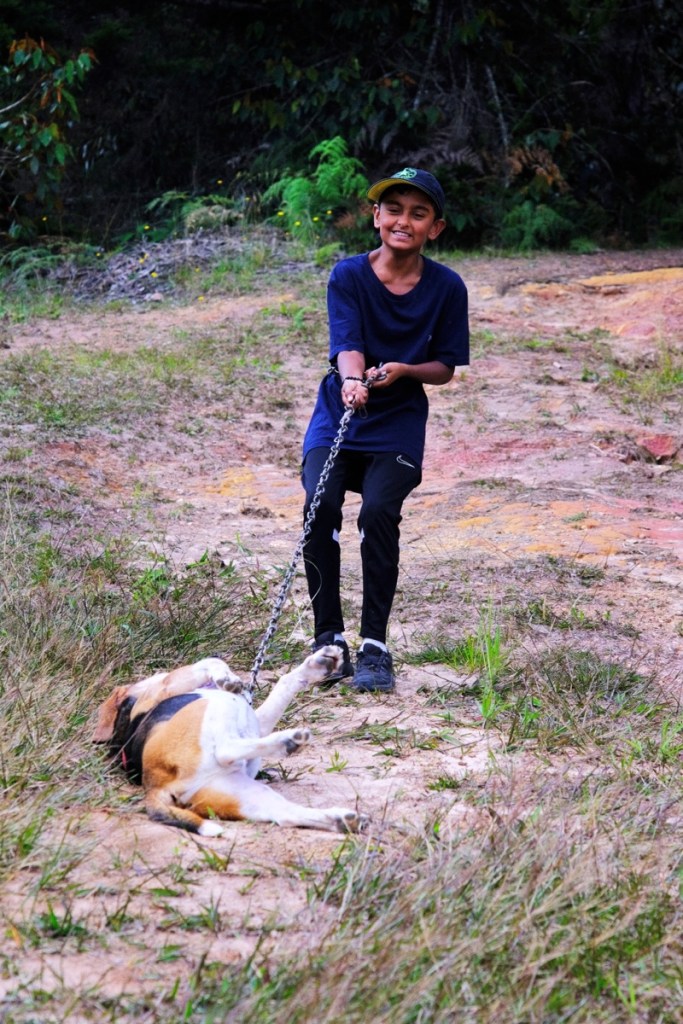
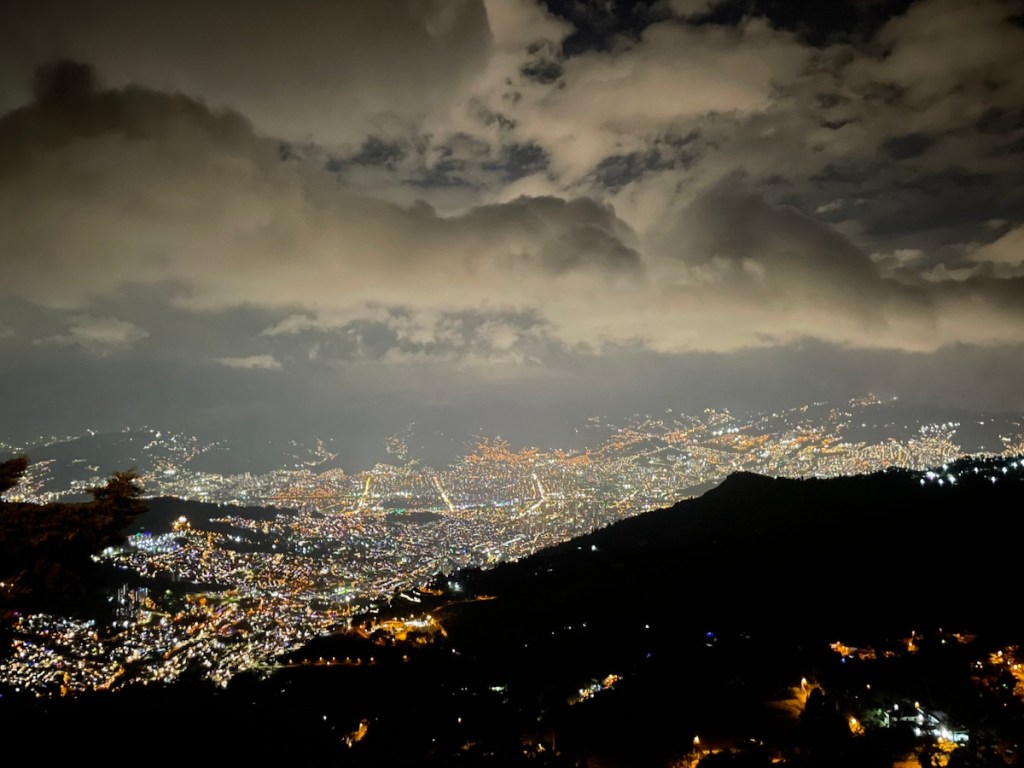
View of Medellin from our apartment on the 21st floor in El TesoroOn more for the night view 🙂The story of Medellin is represented on this giant sculpture This beautiful building, designed by a Belgian architect, was the palace of justice, before being converted into a giant mall for counterfeit articles !Leo and Eco-Recycle man!The destroyed Botero bird in plaza San AntonioLeo in the Metro station In the metro View of the city from the metro cableBotero’s dancers overlooking the metro and the palace of culture Botero’s view of misogyny A cute little skatepark in el PobladoThe famous Christmas illuminations are brought to you by Disney to promote te movie Encanto!Boat ride on lake Guatape The 3M$ country house!The remains of Pablo’s bunker villaLa Piedra de Guatape from the lakeUnder this cross, the submerged village of Guatape French and English lessons with local kids and our friend Sam, by the river in San RafaelBike ride with Leo around the lakeBike ride around the lakePassing the Piedra, Leo is exhausted by the hilly bike ride around the lakeReady to climb the 750 steps!Vertigo!Pano of the view from the PiedraLeo the Lion in Communa 13Hip hop freestyle in Communa 13The night is falling on Communa 13Christmas eve with (left to right) Betty, Phil, Mauricio and Liliana Selfie on Santa Elena PlazaLeo is cutting wood with the machete while the sancocho is cooking Sancocho is cookingThe delicious sancocho is ready !Leo trying to walk Guapo the dog (or rather Guapo walking Leo!)Guapo is not always cooperating !Salsa lesson with Nora« Mary show us the indian dance! » View from Santa ElenaView of Medellin while driving down
We flew from Guatemala city to Bogota as there isn’t a road way or sea route (public) connecting central America to South America.
Once in Bogota, we were left stranded near our Airbnb as the person was stuck in a traffic jam. There were at least three different people asking us if we were okay and if we needed any help. We were staying in the Candelaria area with a view of the Andes mountains.
We decided to go on a city walking tour and learnt a lot about its violent past, political unrest and the ongoing transformation. We also met a bunch of lovely single female travellers. Bogota is a huge city and we were mainly in Candelaria and the Chapinero areas. We also managed to take a quick dekko at other areas entirely by accident. We wanted to book our bus tickets to Medellin and managed to go to the wrong bus terminus which was at the northern end of the city! So we took a bus to get to the right bus terminal but we couldn’t get on it without a metro card which we obviously didn’t have. The driver allowed us to take the ride for free! Another example of Colombian kind heartedness. Except that it was the day where some of the main roads were blocked for the annual event for cyclists. It took us hours to get back but we managed to have a look at other parts of Bogota.
We tried different exotic fruits and the famous chicha (a fermented drink). Apparently, in the old days, the drink was fermented by the saliva of the wise old women in the Muisca community. It was a German who pushed the beer culture in Colombia by way of vicious ad campaigns against the traditional Chicha (Prisons are full of people who drink chicha, Chicha makes people daft etc.). This didn’t work initially but he gradually managed to make the Bavarian beverage immensely popular here with a lot of backing by the powerful people in the city. A beer roughly costs one Euro here!
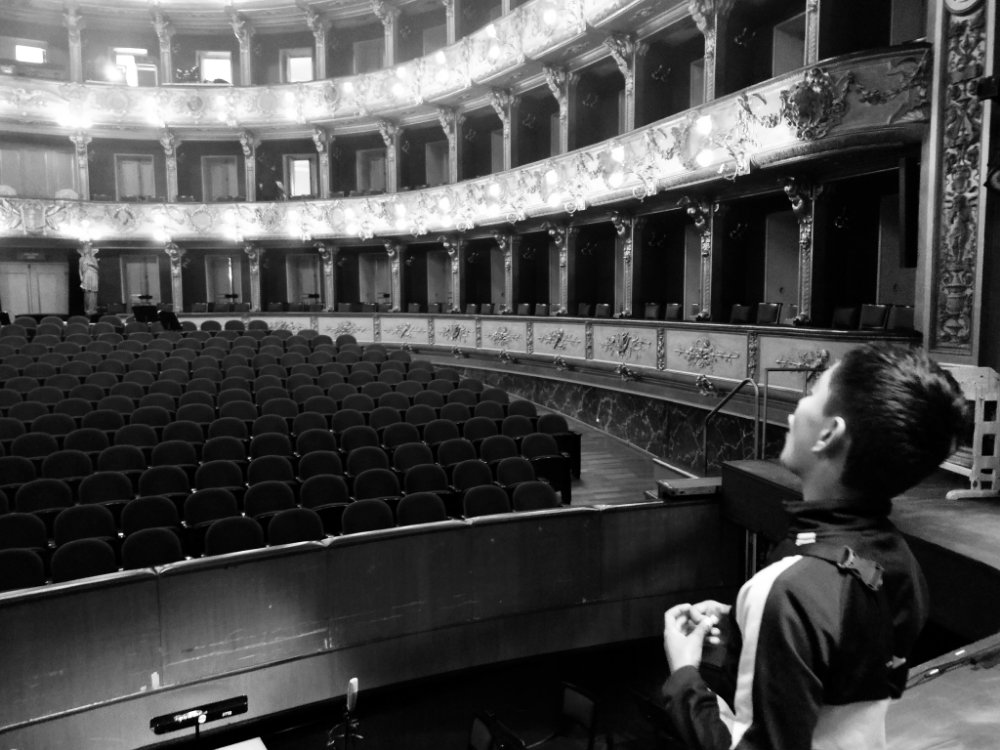
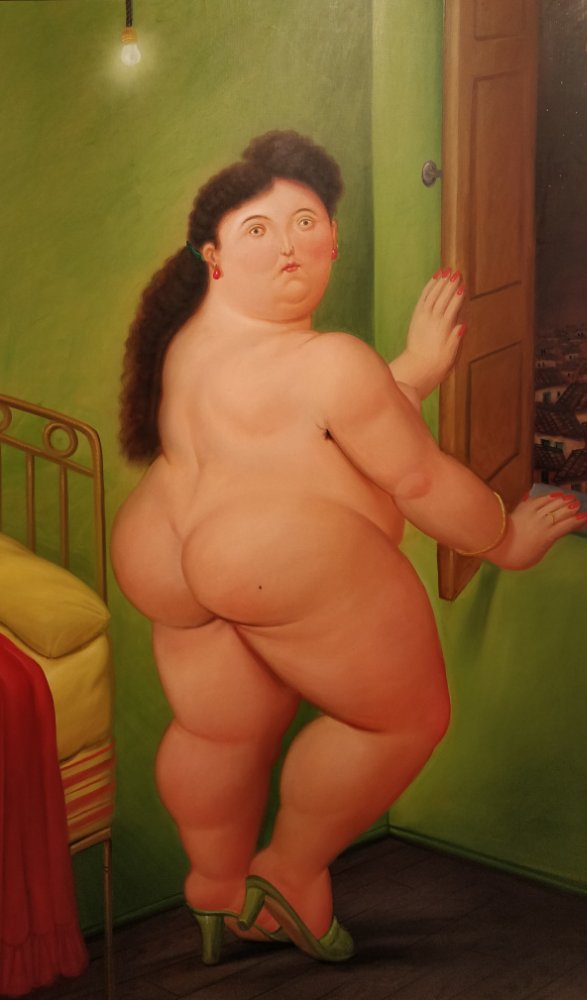
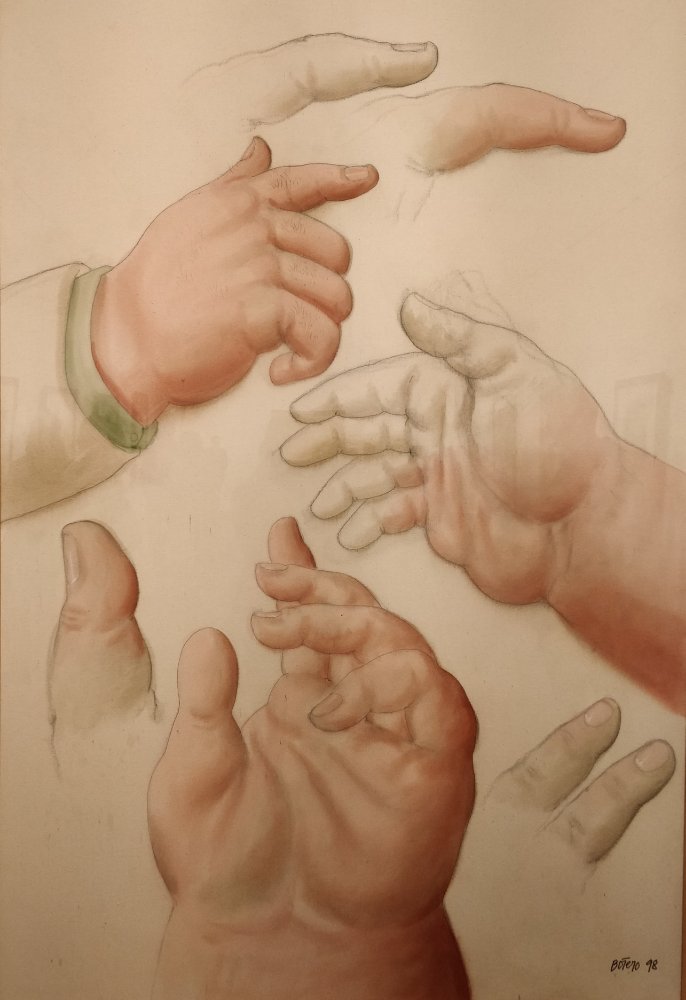
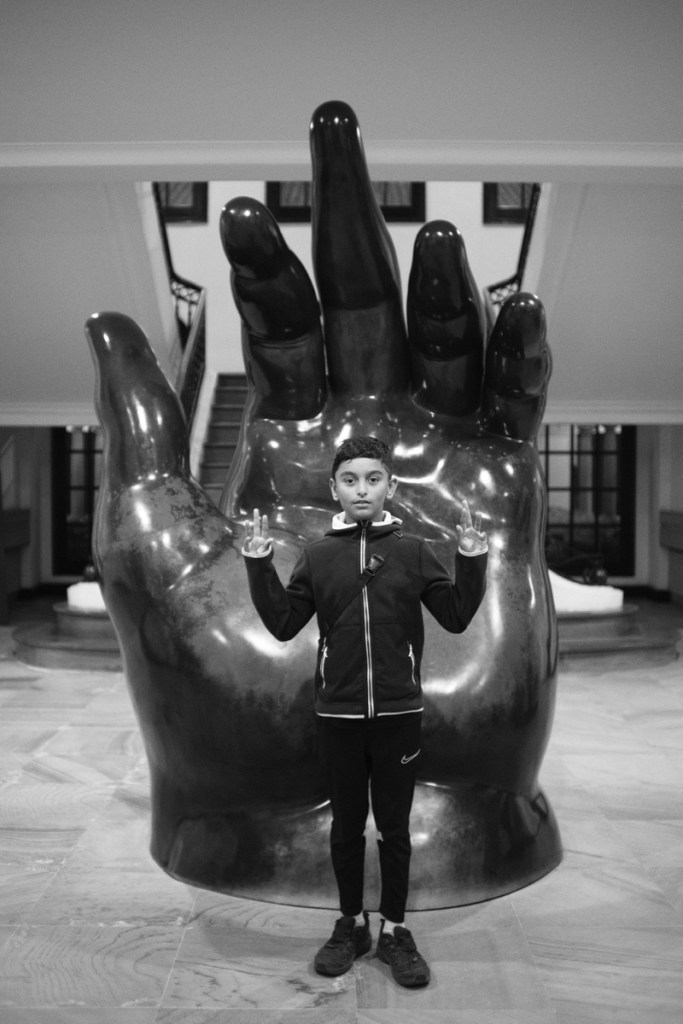
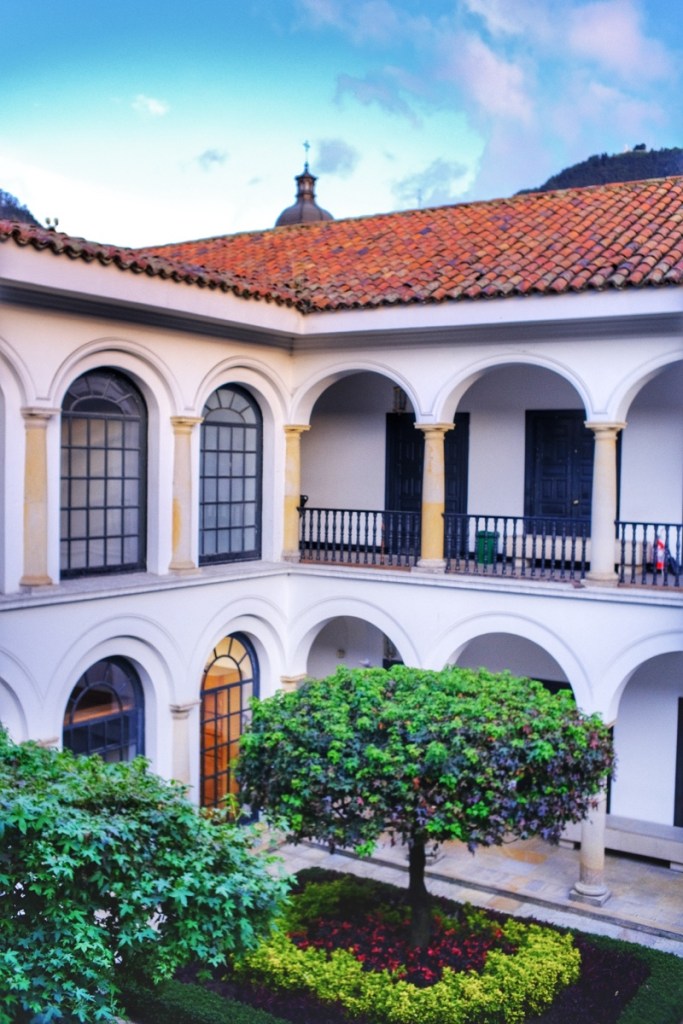
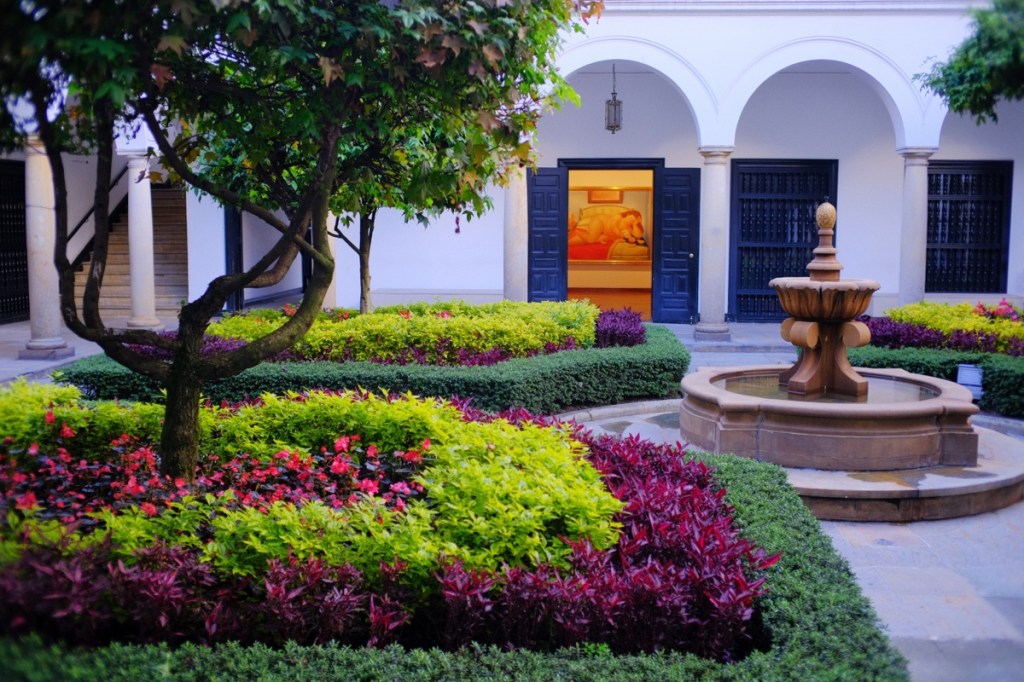
We also went to a library dedicated to the exiled Colombian writer, intellectual Gabriel Garcia Marquez, to the opera and to the Botero museum (Botero gifted his works on condition that the museum should be free and hence accessible to all).
The city has a unique vibe and is very cultured and resilient.
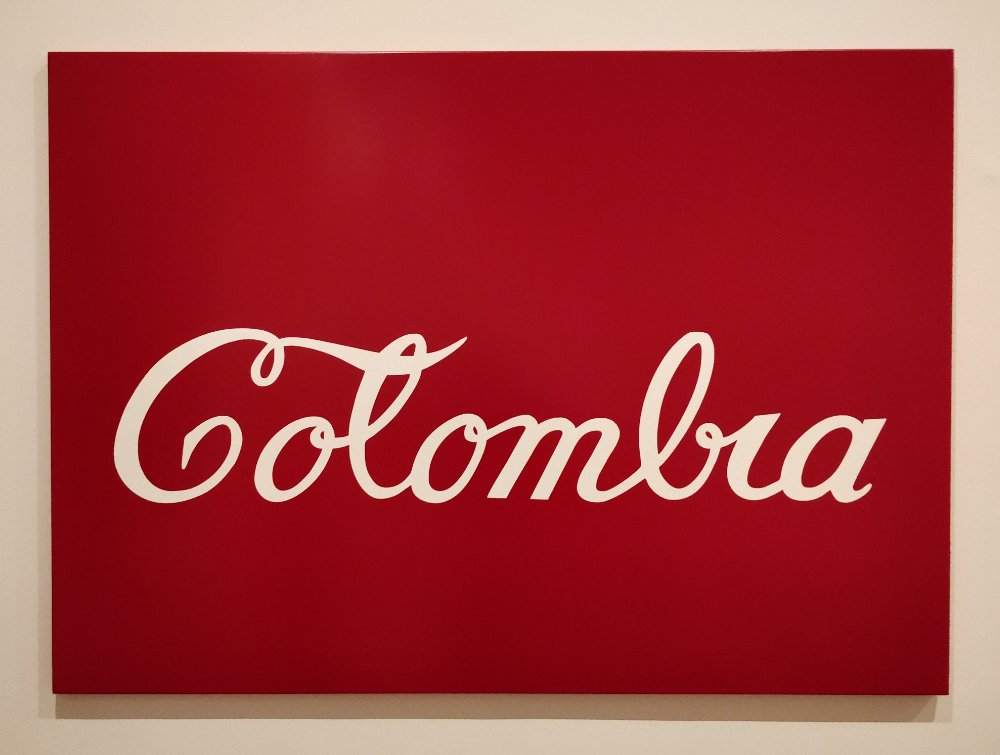
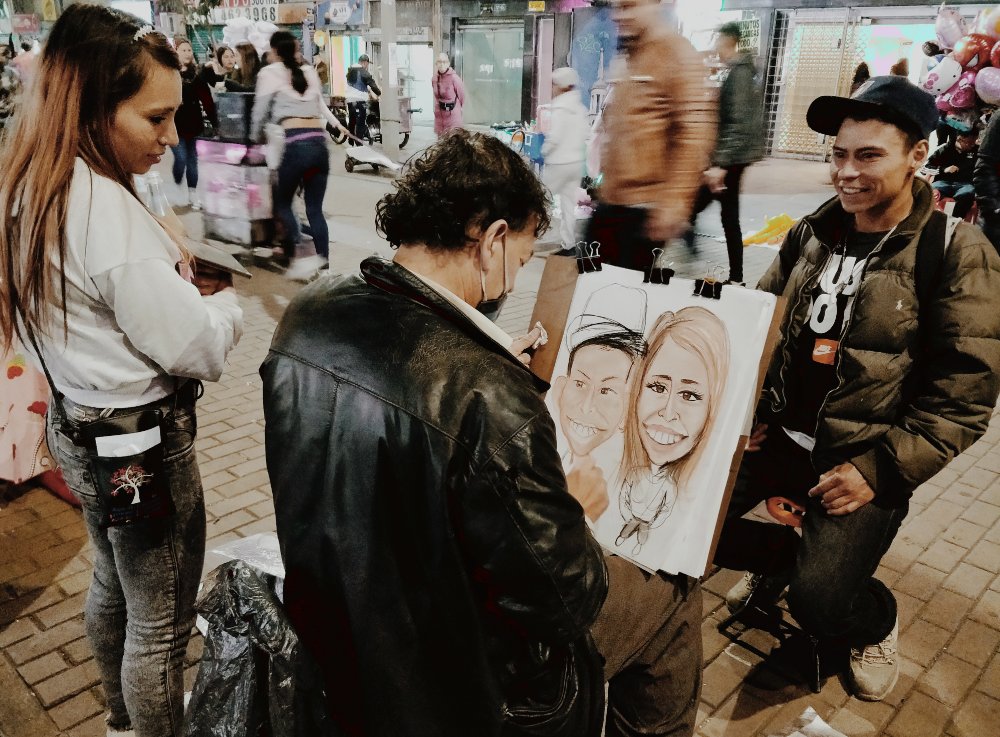
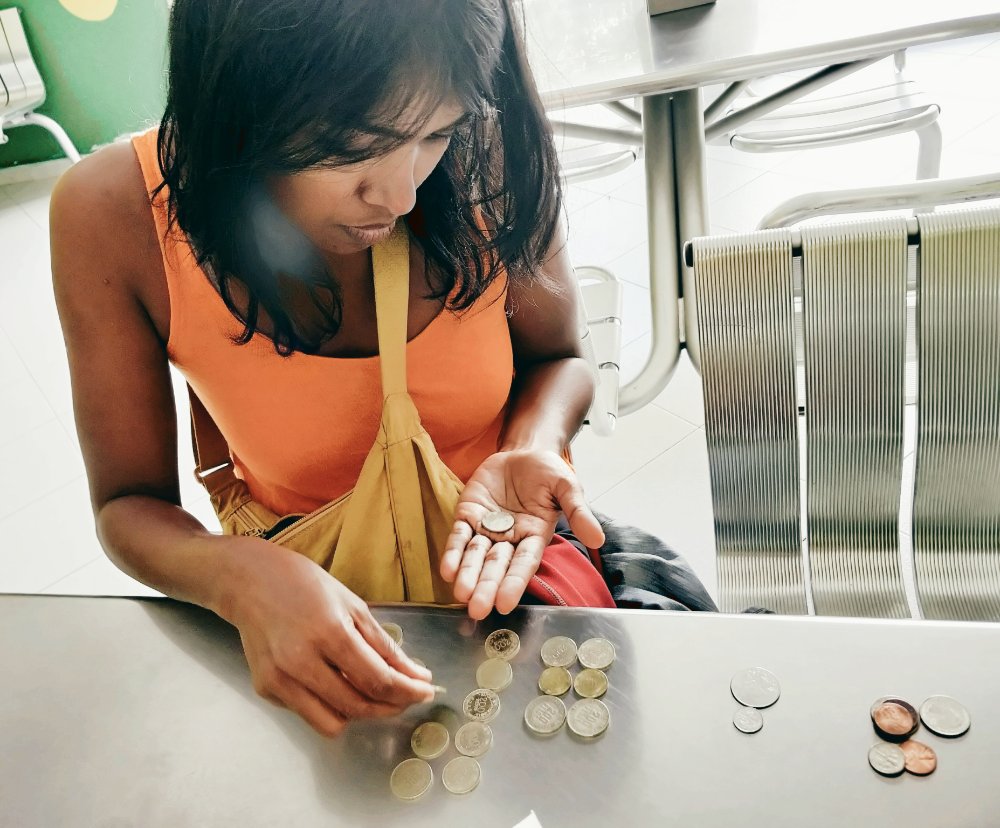
Antonio Caro – Colombia Coca cola At the opera in Bogota Caricature artist in Bogota One of Botero’s nudesBotero – ManosNew country – New currency
A bit like we did from SF to Mexico, we changed our initial idea to travel all the way by bus, to a leap by plane directly from Guatemala to Colombia. Mostly for lack of time -because, yes, even when you’re traveling for a year, you end up running after time! – and also because some routes we weren’t sure of, especially to enter Colombia from Panama where there doesn’t seem to be any route except for narcos infested jungle tracks.
Another reason is that we (Mary) managed to find plane tickets from Santiago Chili to Easter Island end of February, so between now and then we’ll have to focus on the main places we want to visit: Colombia, Peru (hmm, let’s talk of this one later) and Bolivia.
The cheap version of what could be a 2 hours direct flight from Guatemala City to Bogota, took a first flight to Costa Rica, a second to Panama, and a third to Bogota. So in a very superficial way, we did travel a bit across Central America in the end 😛
It’s hard to explain why but, without knowing what to expect, we immediately liked the vibe of Bogota. Everyone seemed very nice and attentive, the old neighbourhood of the Candelaria is vibrant with students and art and museums and bars and music…
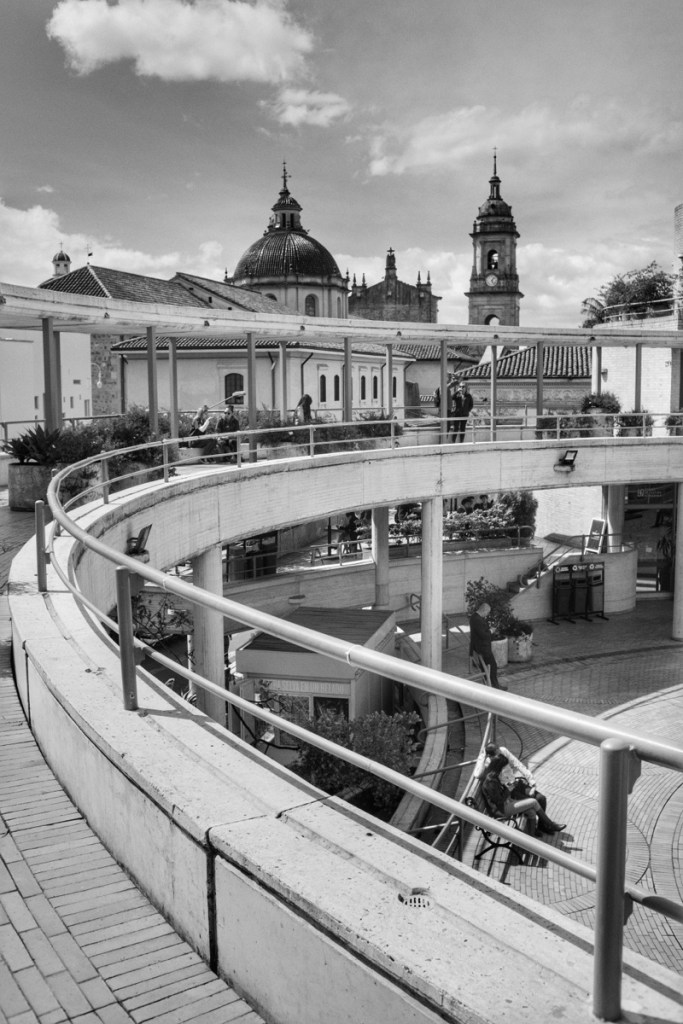
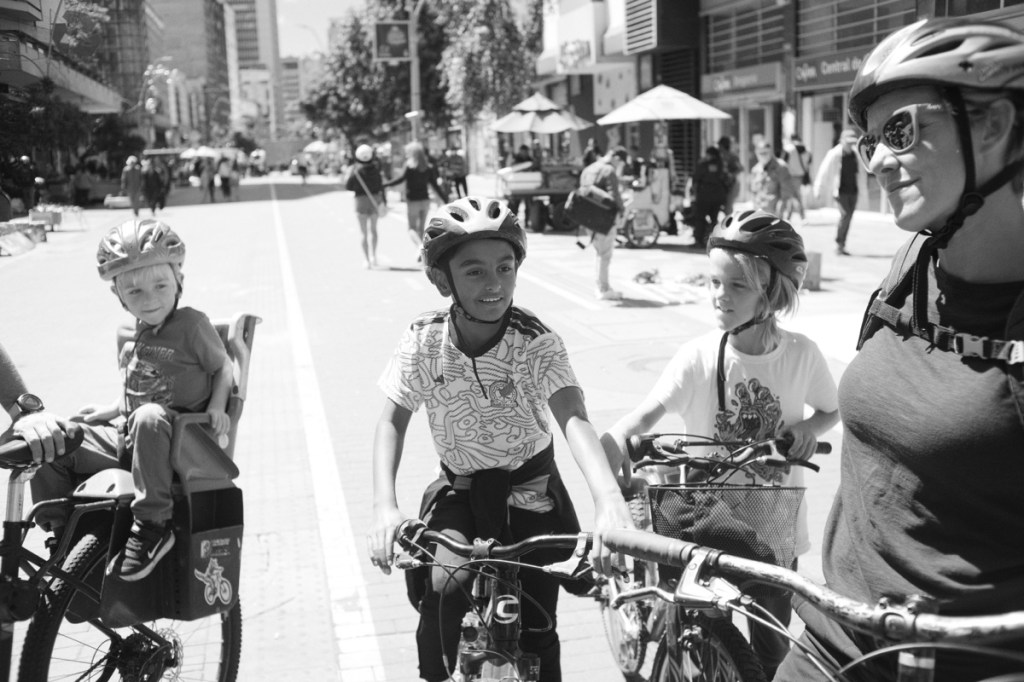
Of course, when I say Bogota, I mean mostly La Candelaria, which is the historical, political and touristic center of this huge city spanning over 2000km2 (about 20 times Paris!). But not only; we took a bicycle tour of the city with Leo, which took us to various other pleasant neighbourhoods.
In Bogota we reviewed the deeds and history of famous Simon Bolivar and Santander whose collaboration lead to the independence of Colombia (on the easy to remember date of 7/8/1819!) and soon after of all of South America.
We learned about the terrible riots of “Bogotaza” in 1948, following the assassination of political leader Gaitan, and the heavy mystery and many theories behind his death.
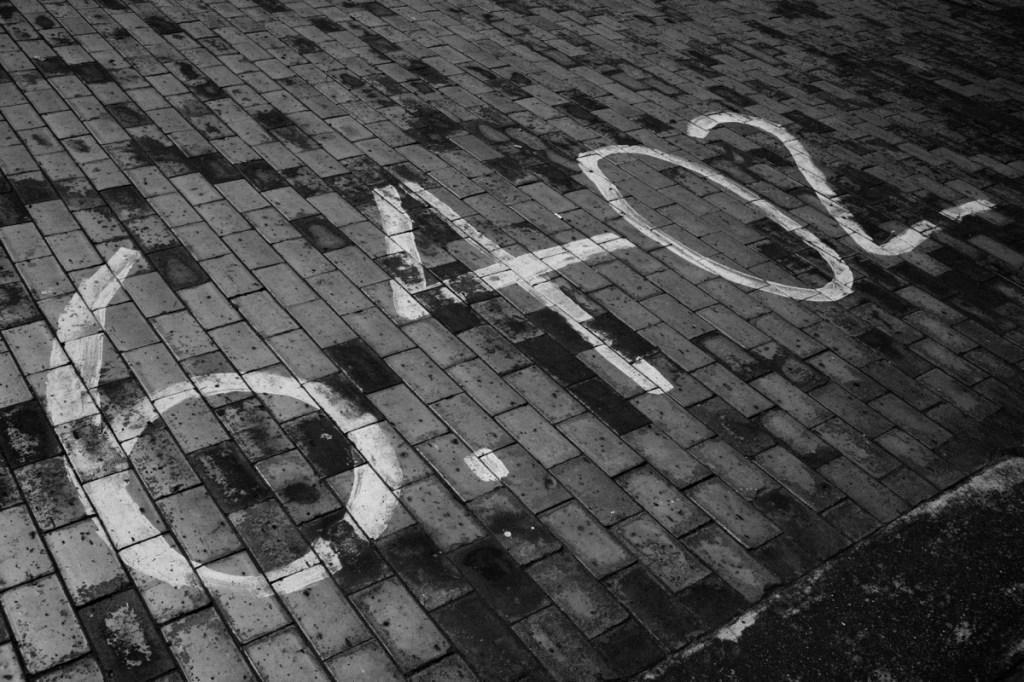
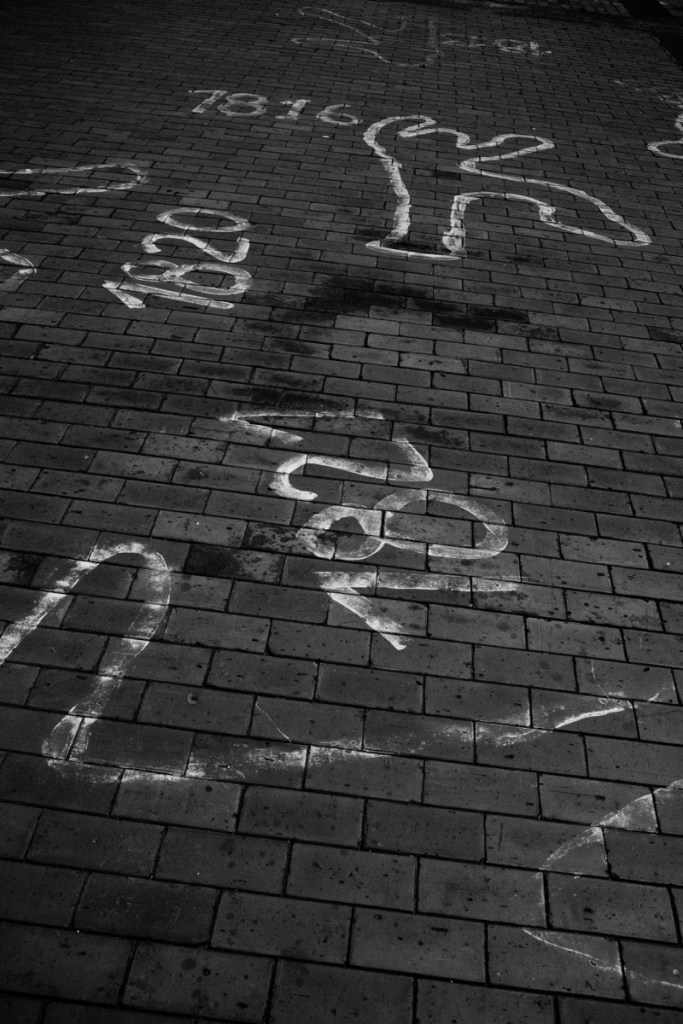
We learned about the sickening “6402 false positive” reported cases. When, between 2002 and 2008, the army was given incentives for every guerrilla member they could kill, they started murdering innocent civilians to dress them up as guerrilla members and get the money! (So much for management by KPIs)
We learned about the indigenous people who took down the statue of a colonial spaniard during the covid protests and then buried it with traditional ceremony, to make peace with the past!
We learned about the assault of the palace of justice in 1985 by the M19 first and then by the army, and again the media censorship and the many questions around the dead magistrates.
Colombia has such a tumultuous and violent recent history that it’s hard to get around any of this.
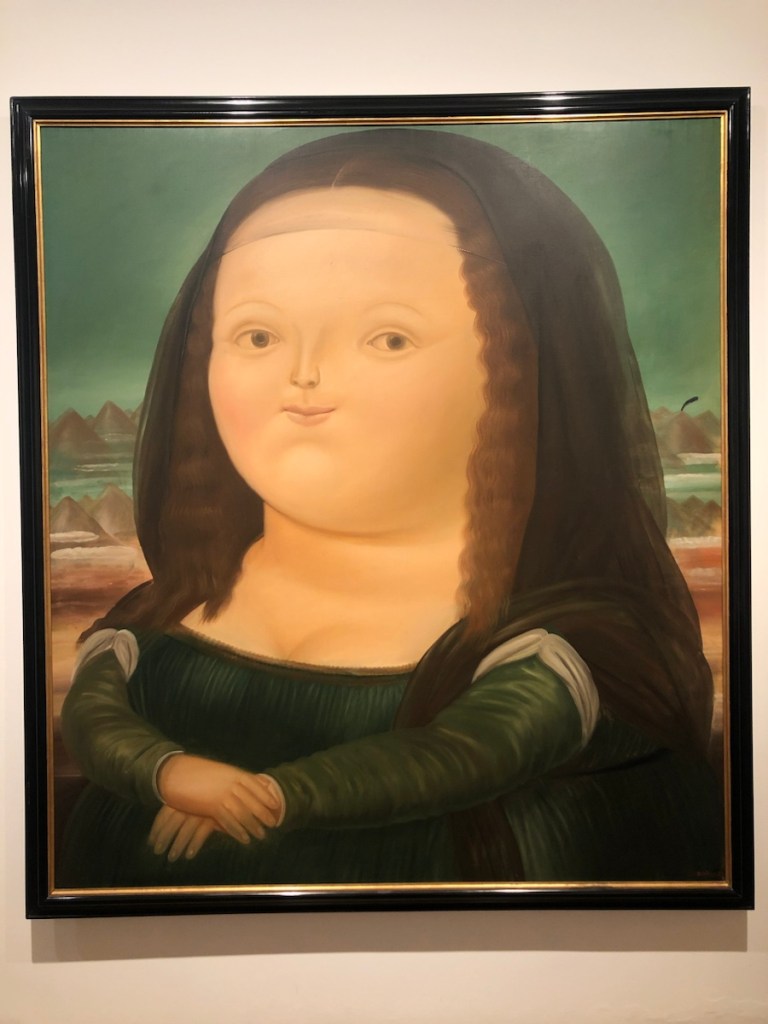
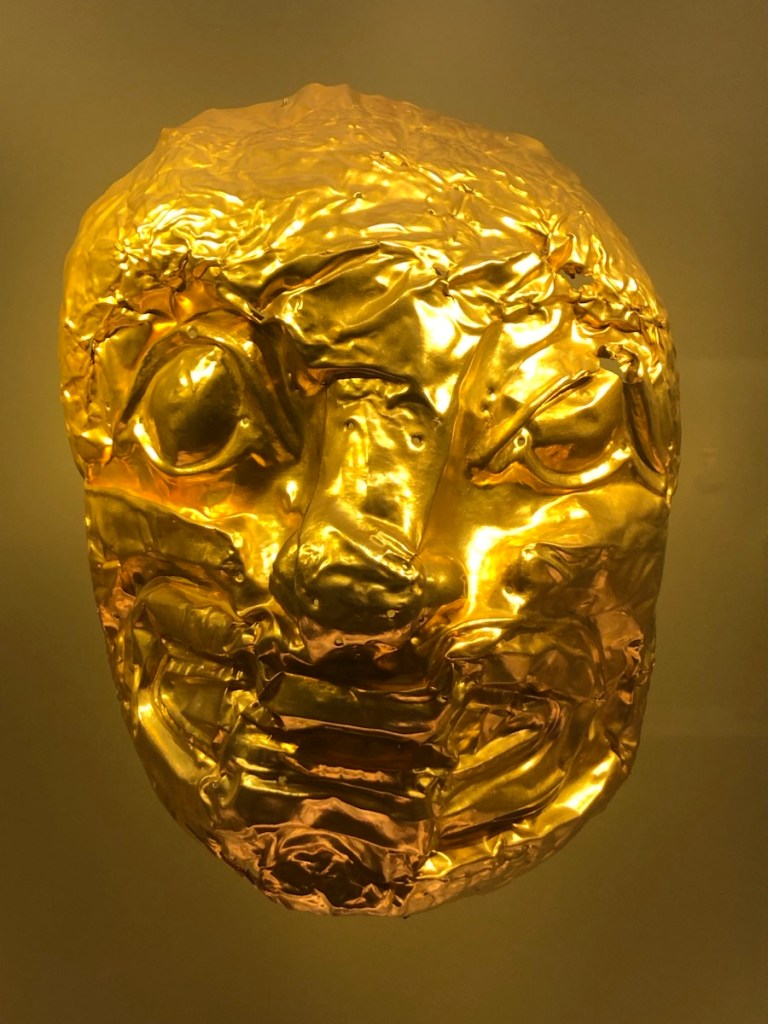
On a brighter note, we visited the Botero museum with his paintings and sculptures completely out of proportions, and the gold museum of course, since, as everyone knows, pre-hispanic civilisations used to build whole cities out of gold! (Or not)
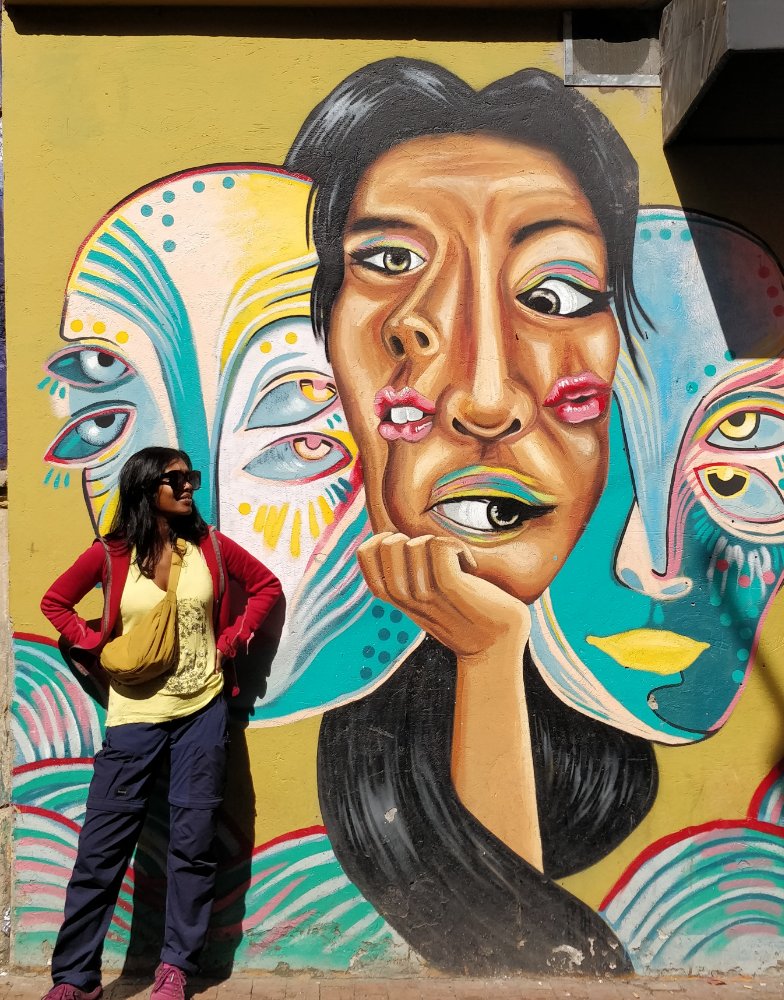
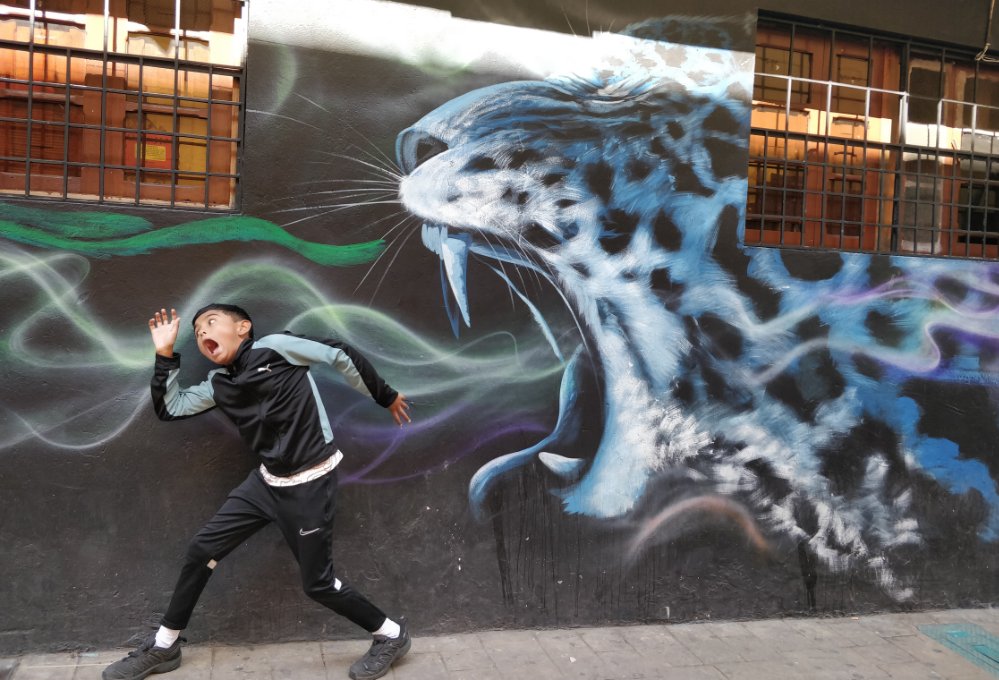
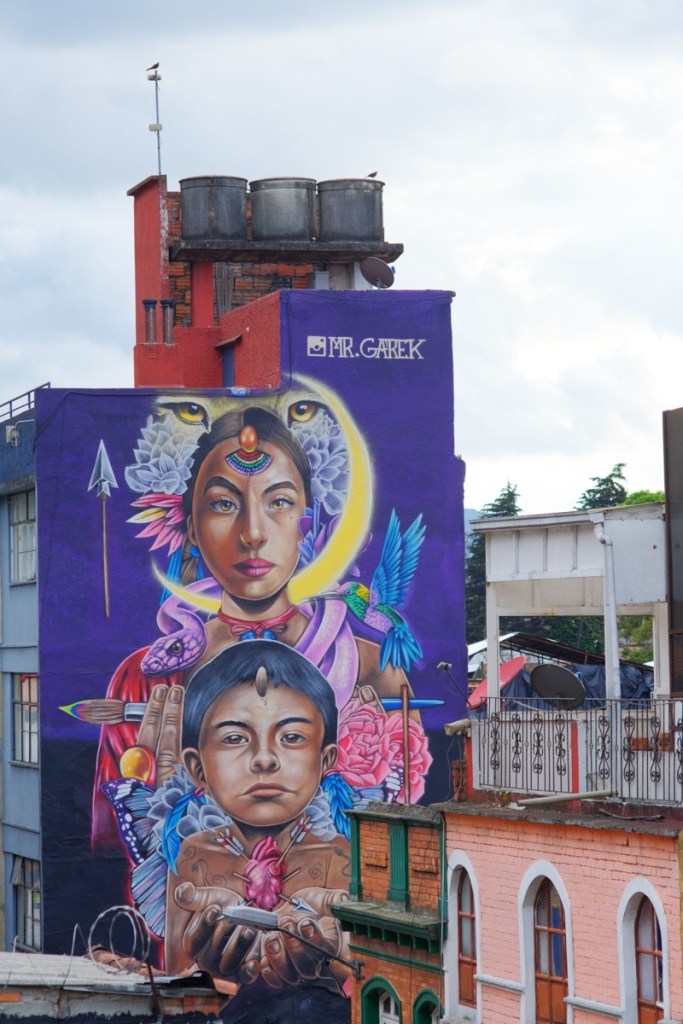
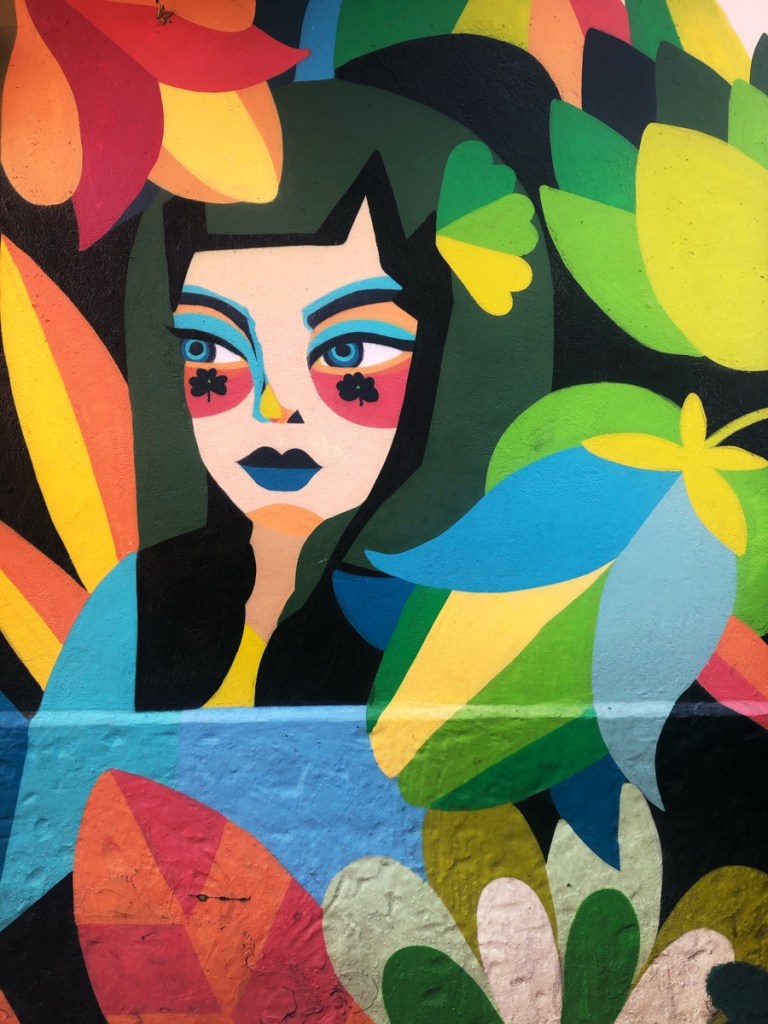
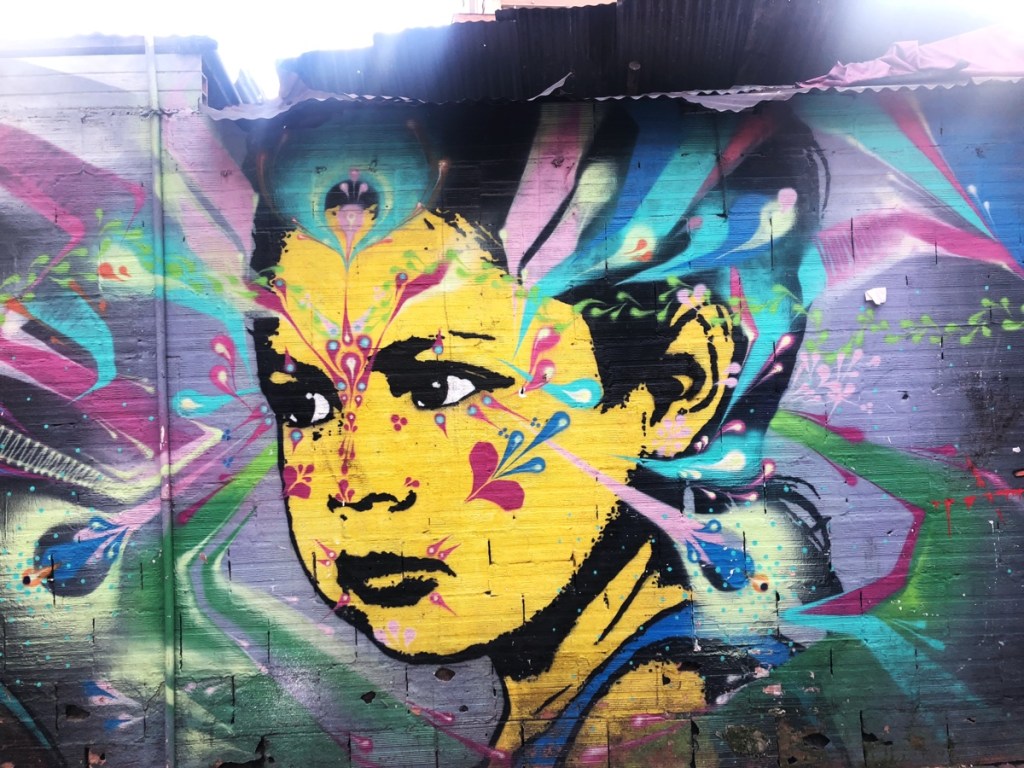
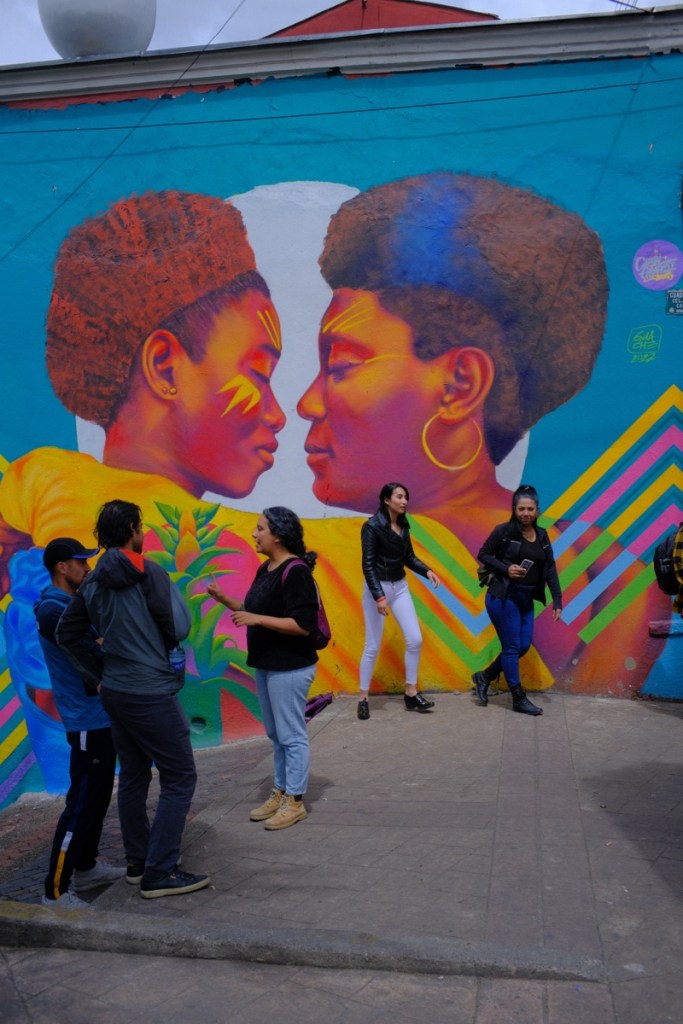
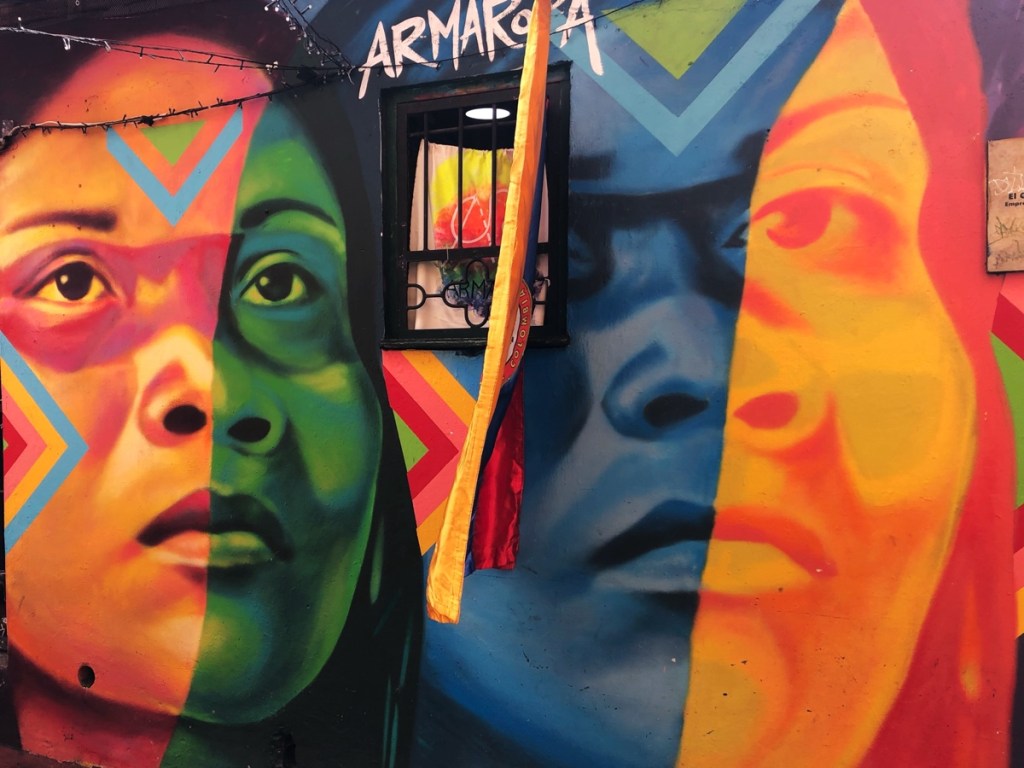
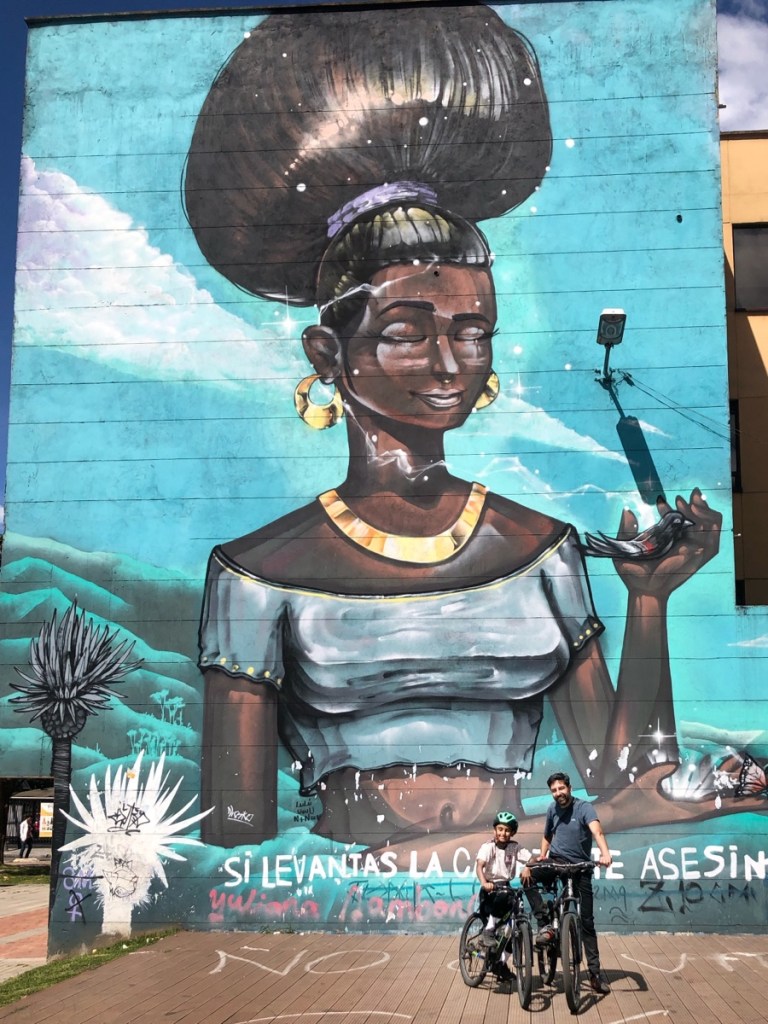
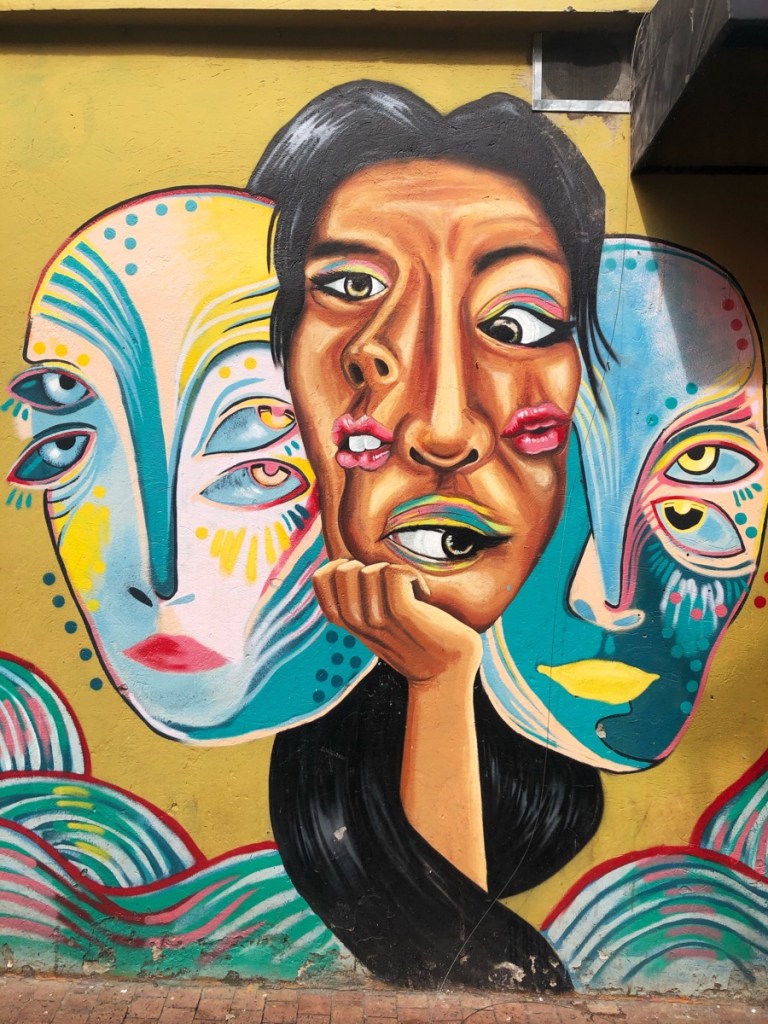
Like many latin american cities, Bogota also has fantastic street art. We also learned how until recently you could actually get killed by the police for painting on walls, but after Justin Bieber came to the city and painted a big canadian flag in 2013 under police escort, the controversy opened the gates for many street artists!
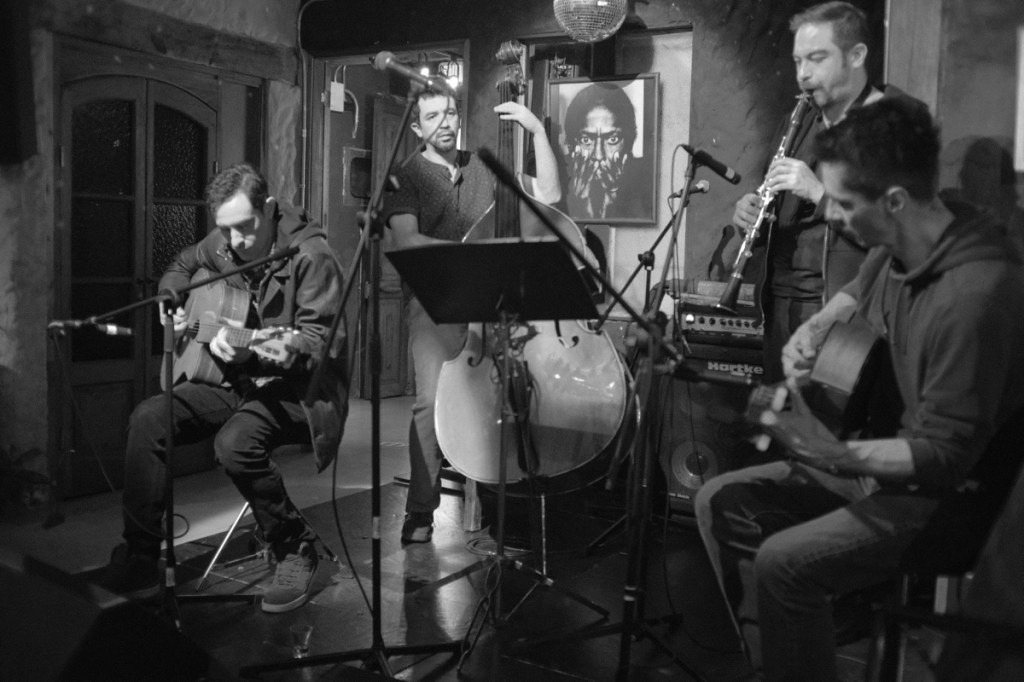
One evening, after Leo and Mary went to bed, I thought I’d stroll around a bit more in the neighbourhood. Walking next to a bar, I heard a familiar tune, I entered and there, in the heart of Bogota, a local band was playing the music of Django Reinhardt! That’s how I met the Hot Club de la Candelaria! I went back to fetch my guitar and we jammed together ❤️
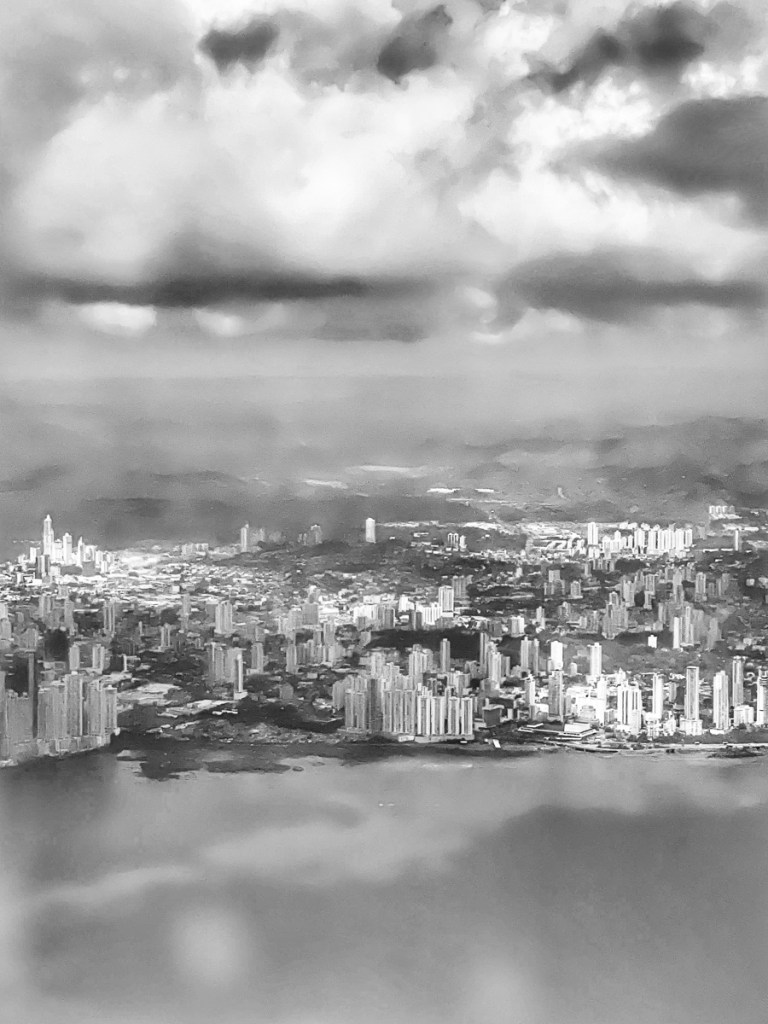
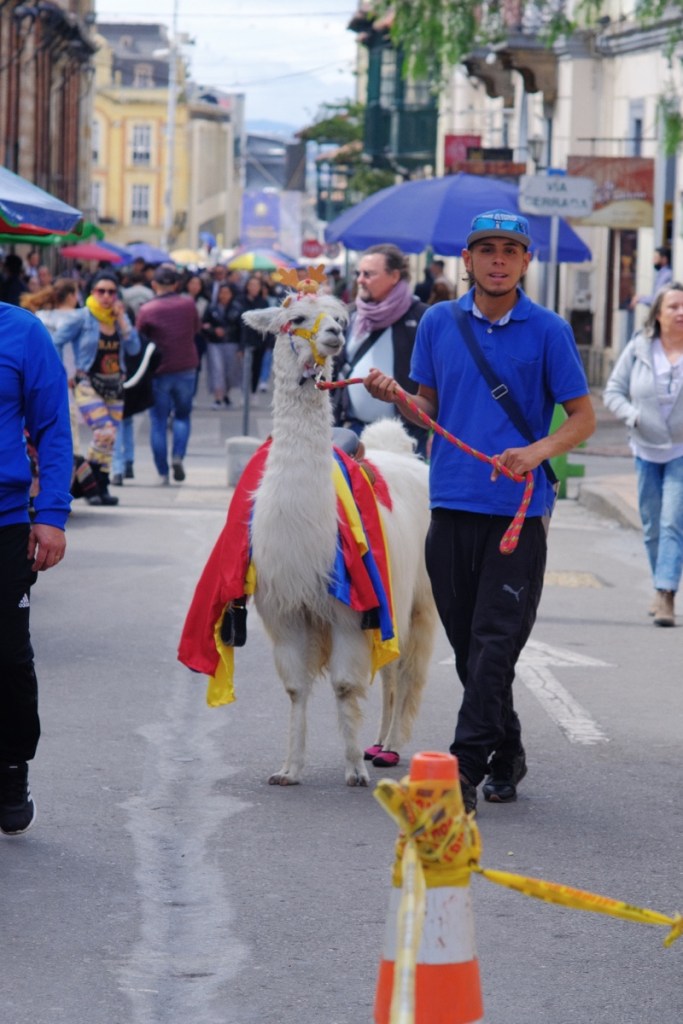
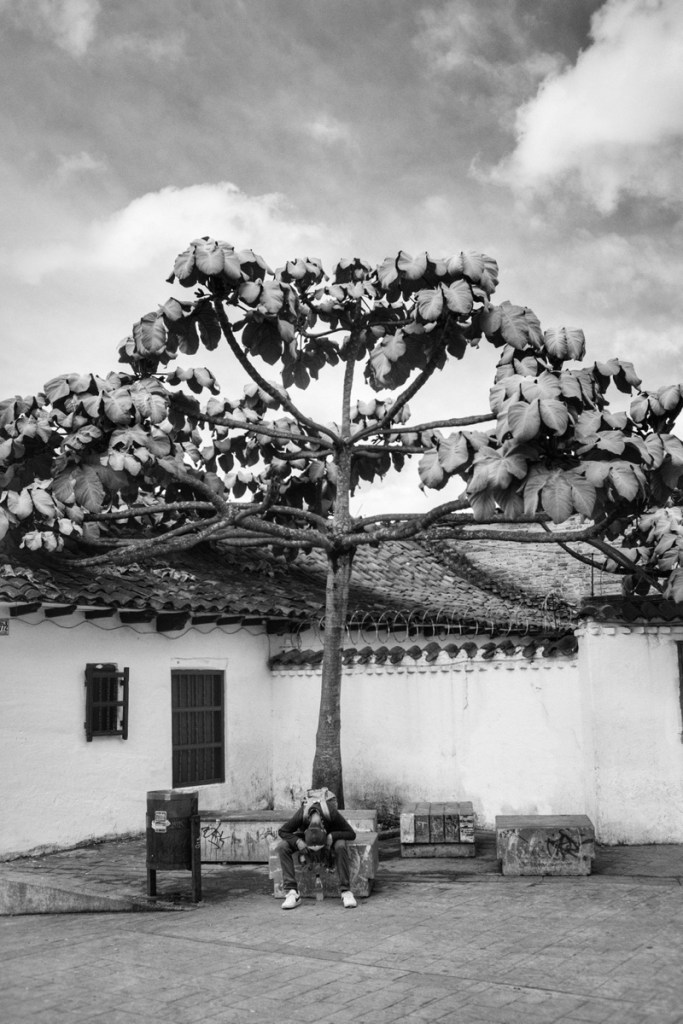
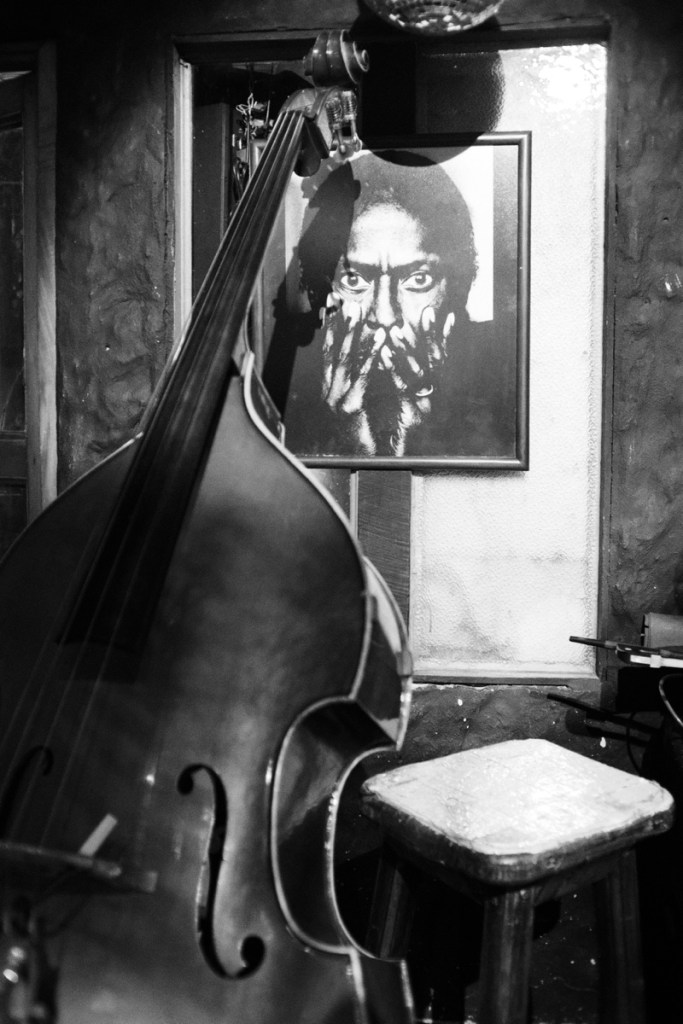
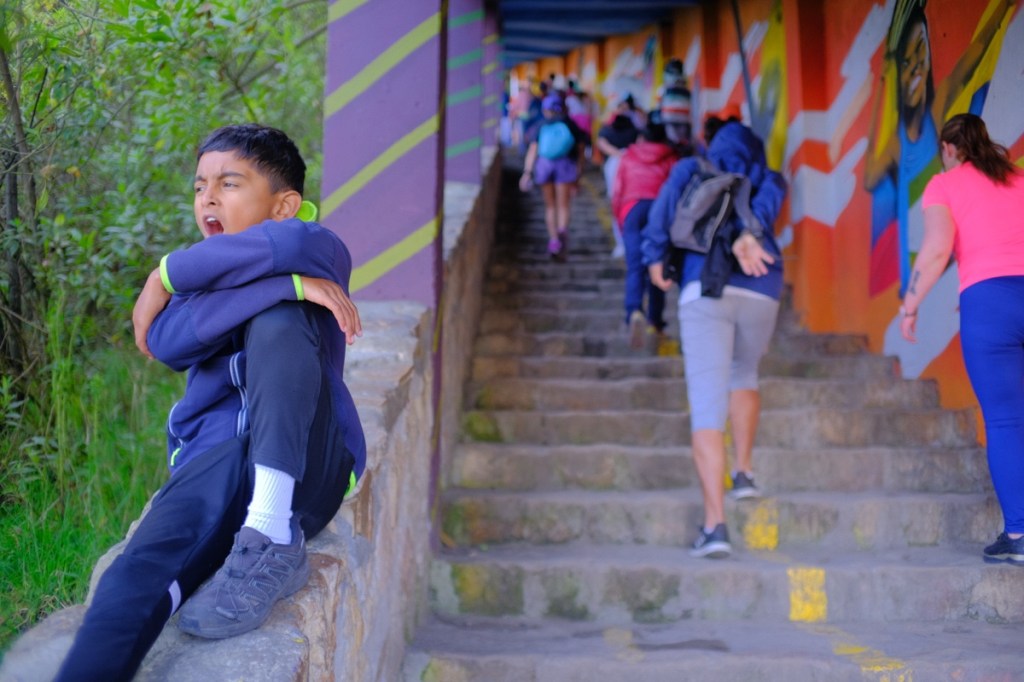
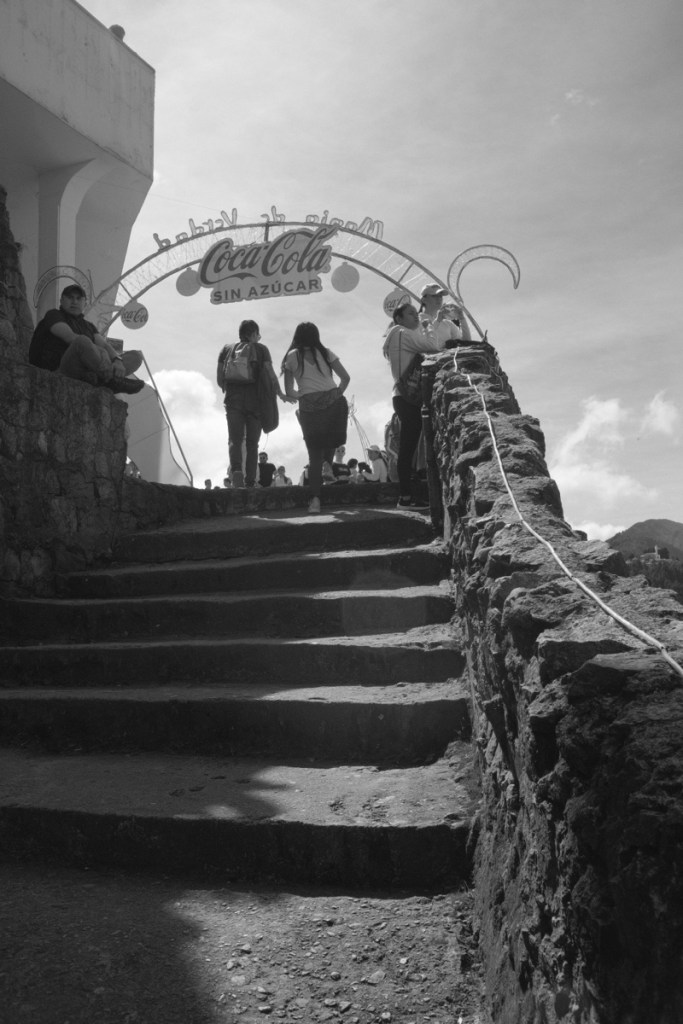
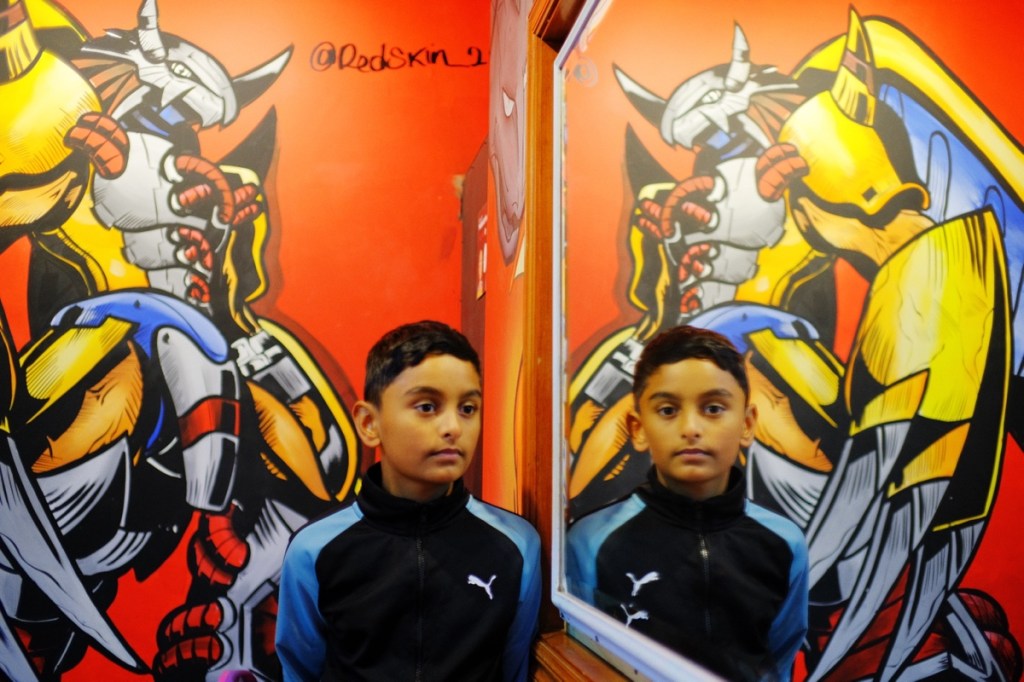
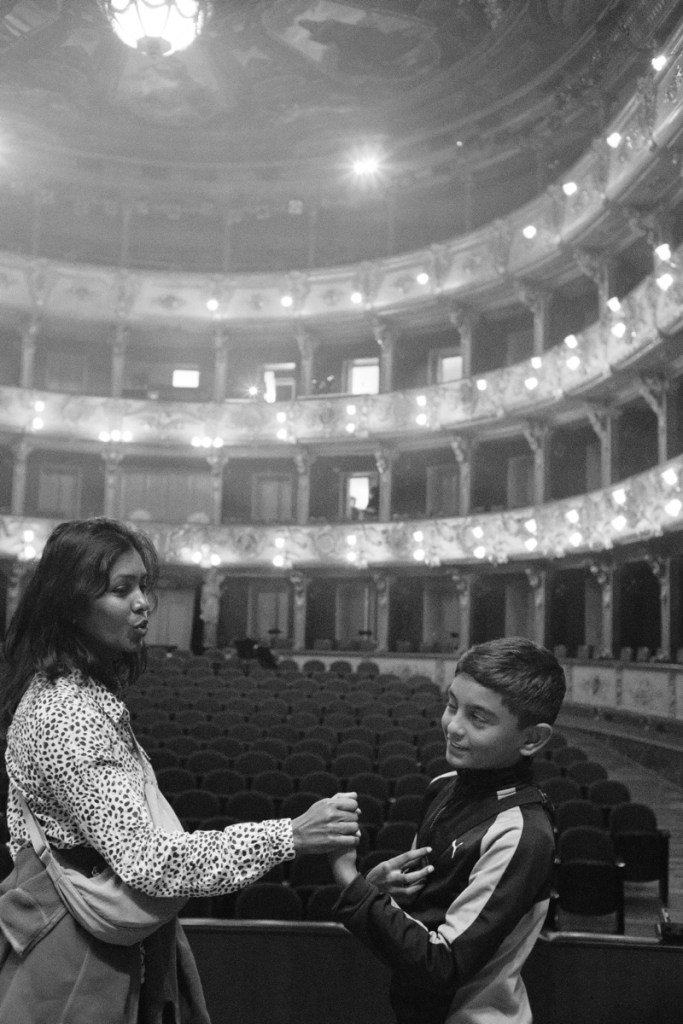
We woke up at 2am for a flight at 5am 🥱Panama from the sky (sorry if you’d have preferred a pic of Costa Rica, but I wasn’t allowed a window seat on that flight!)First view of the city, next our hostel Skies of BogotaStreet artStreet artStreet artStreet artStreet artLibrary by architect Rogelio SalmonaLamas of BogotaBotero museumBotero museum Botero museum (painting through the door!)Botero’s Mona Lisa 🙂Night out with hostel friendsYarumo tree on plaza Chorro de quevedoMask in the Gold museum 6402, the new number of the beastIn memory of the 6402 victimsThe Hot Club de la Candelaria MilesLet’s not forget that Colombia produces some of the beat coffees in the world!Tired of climbing up MonserrateReaching the top of Monserrate, congratulations from Coca Cola (sin azucar!)And running back down!Bike tour with Dexter and family Street artLeo in the Ramen House fully decorated with Manga characters Visit of theatre Christopher Columbus
One of the most beautiful tombs at the Pere Lachaise cemetery is that of the Guatemalan poet/novelist Miguel Ángel Asturias Rosales. I’ve always wanted to travel to Guatemala.
We decided to take a bus from San Cristobal, Mexico at 6h30 in the morning, all the way to lake Atitlan in Guatemala. The exit from Mexico was smooth. We walked from the Mexican border into the Guatemalan border, got all our passports stamped on both sides of the border. This was the first time I crossed borders by road! I’ve done it in Europe but it’s Schengen territory and doesn’t require any passport stamping.
Getting to the lake Atitlan was quite an expedition. Our driver picked us up to announce that there were protests against the government and the main roads were blocked. We had to take the long and winding mountain roads. We took 5 additional hours to reach our destination and all this with the driver not taking any breaks 😱 It’s apparently very common for drivers to go non stop.
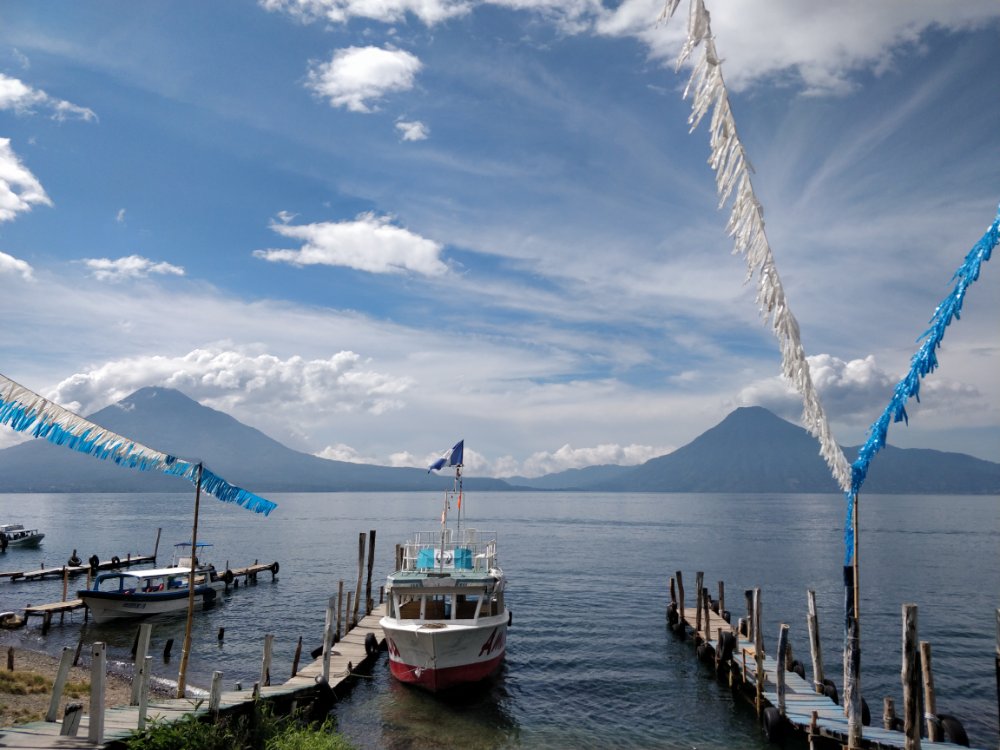
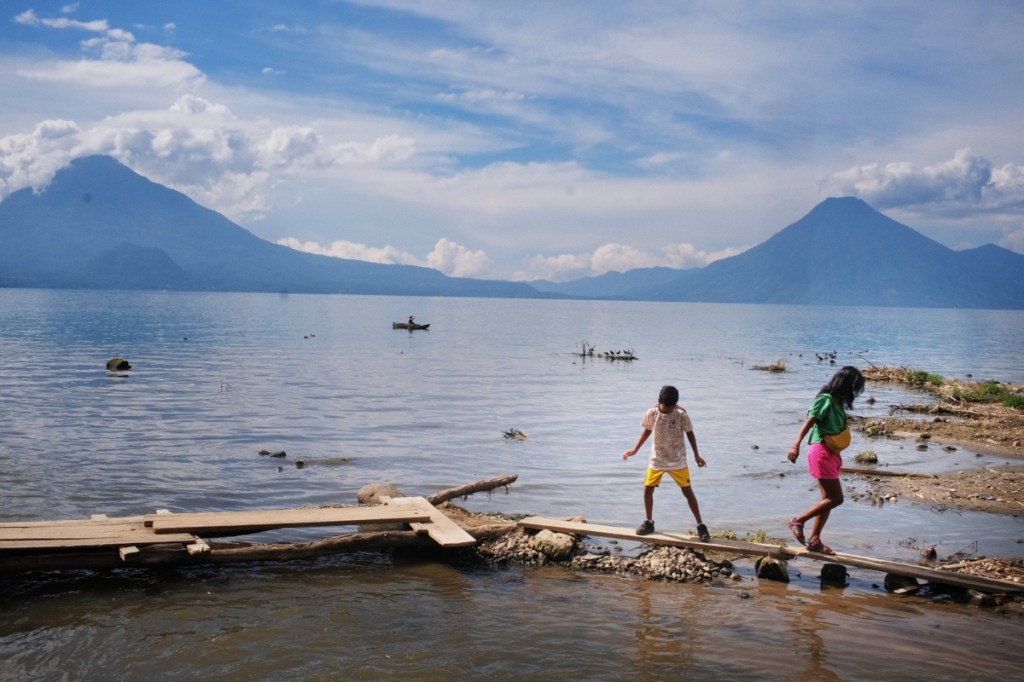
The villages around the lake are full of tourists and with the rise of tourism the lake water has become polluted. We could see sewage water flowing in the lake. We befriended a lot of travellers in guesthouses run by travellers who settled down near the lake Atitlan.
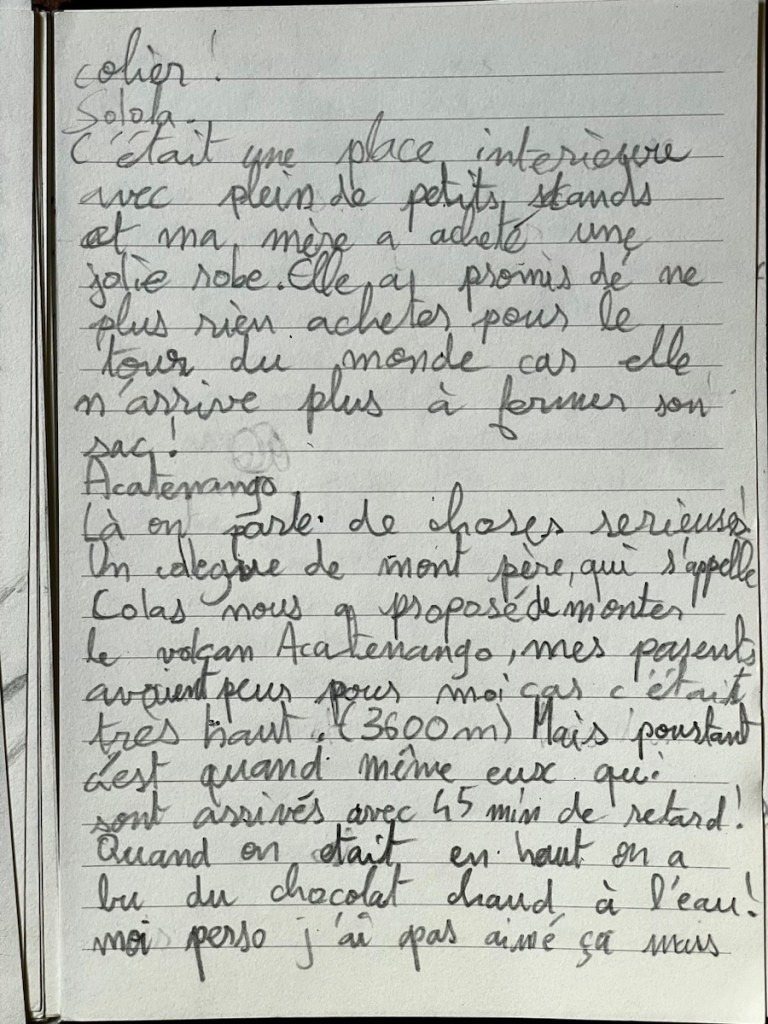
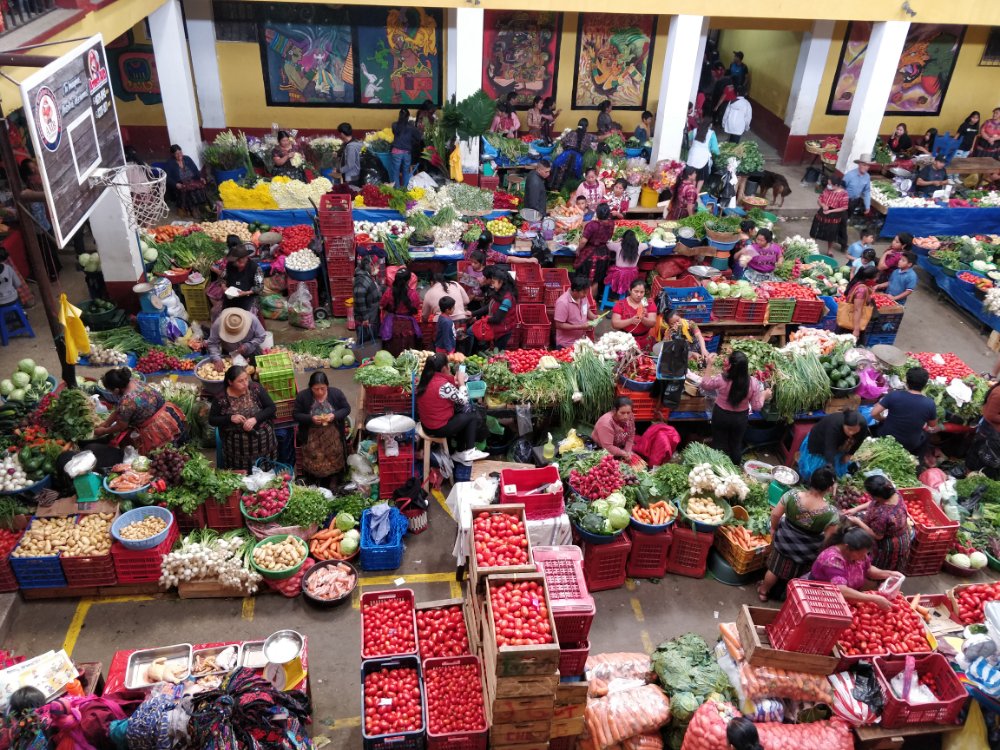
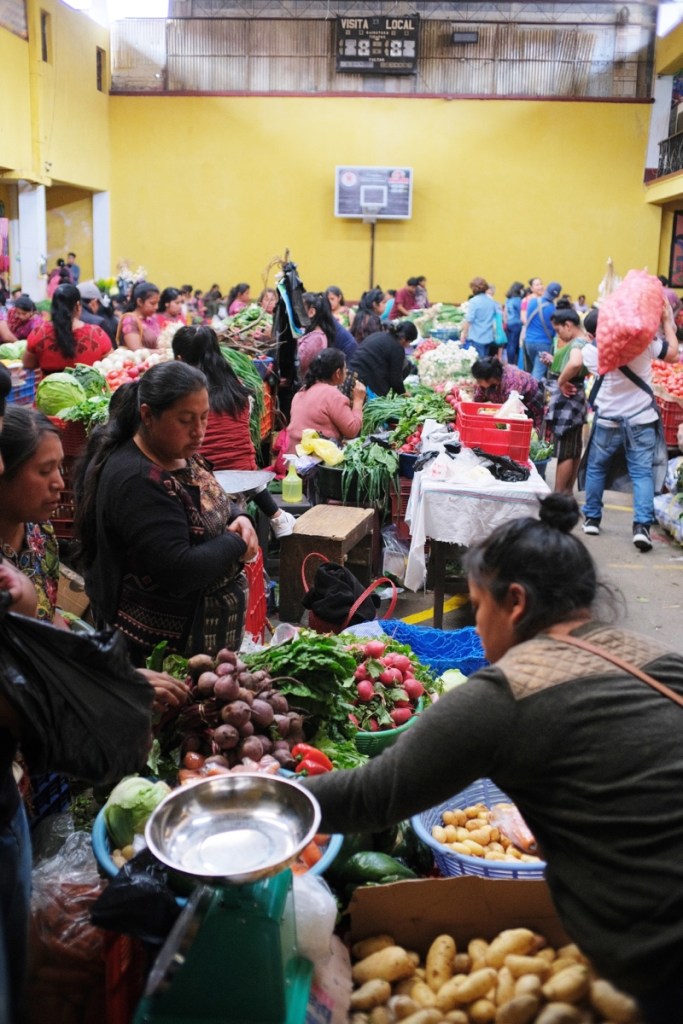
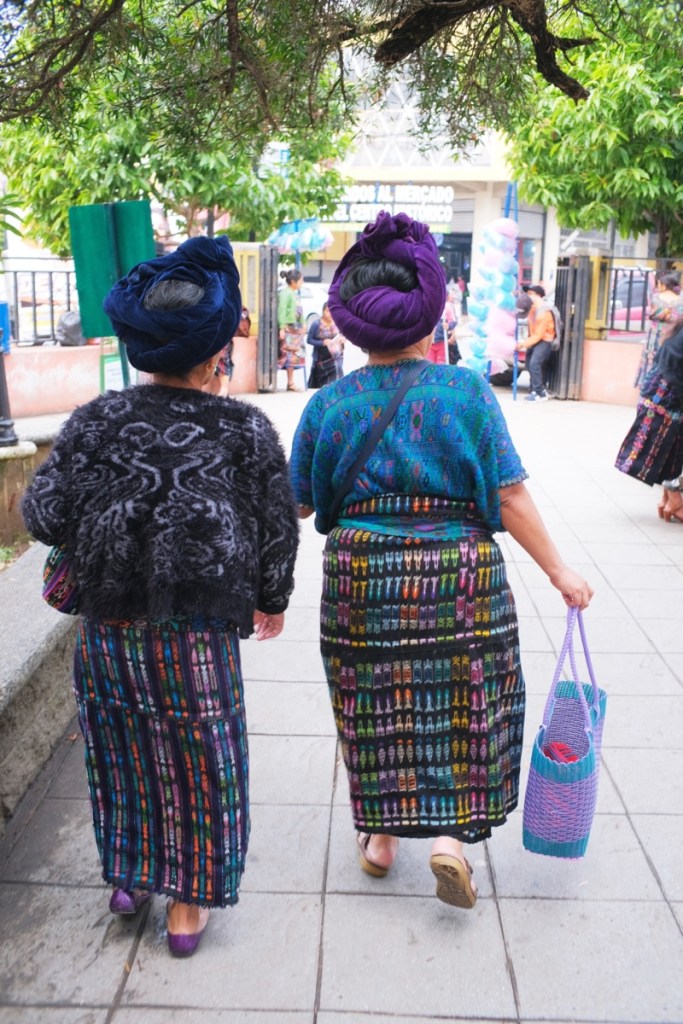
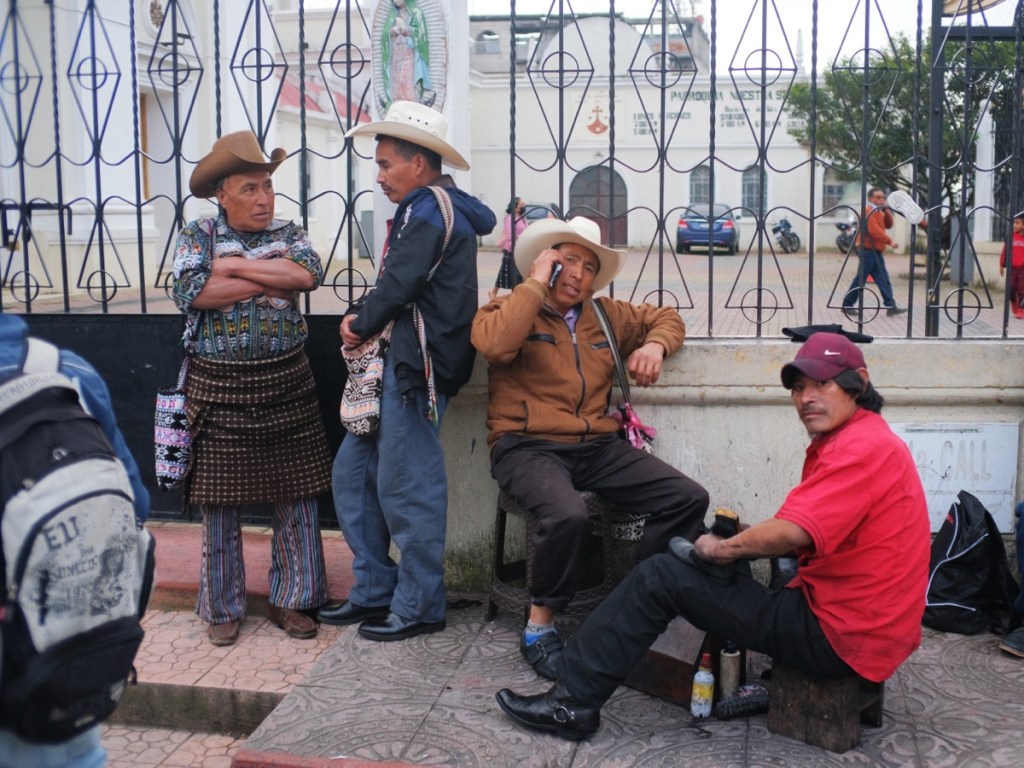
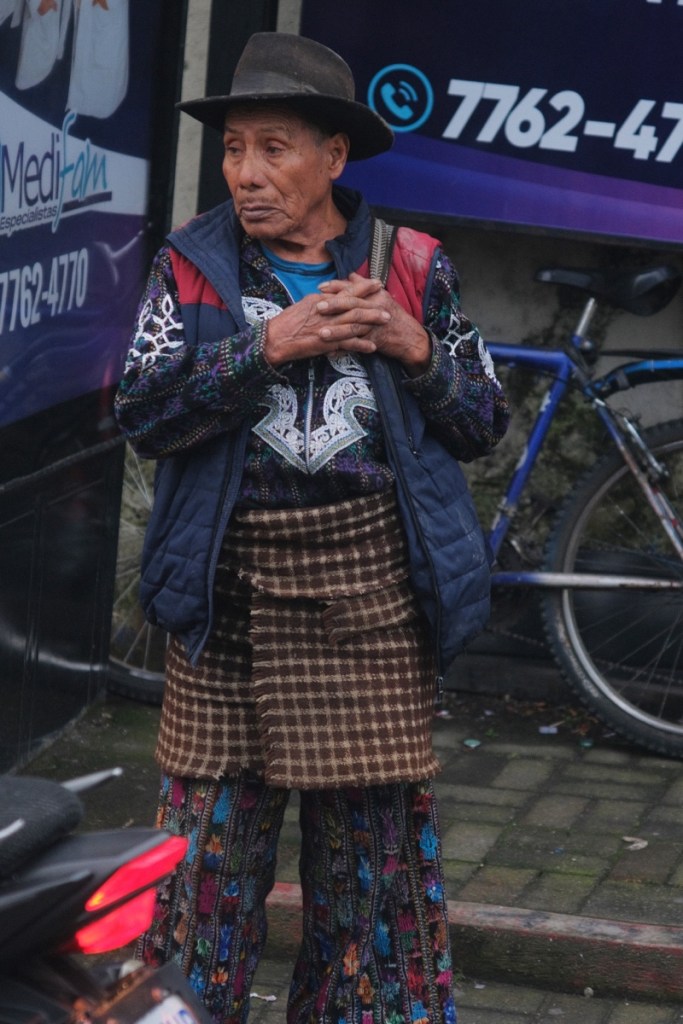
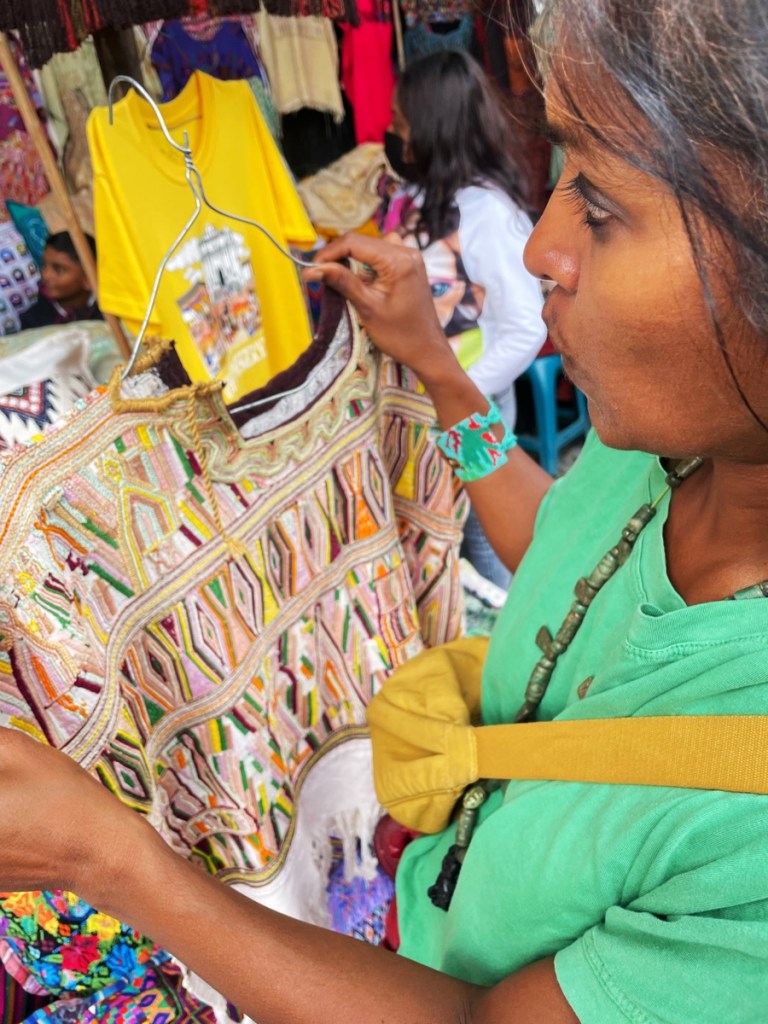
Most Guatemalans are of Mayan descent and many women still wear the traditional attire. Each village has a unique embroidery/ weave. The older generation of Mayan women do not necessarily speak Spanish. They speak indigenous languages. I was awestruck by the colourful embroidered fabric. Guatemalan women are very elegant. We went to the Chichicastenango and the Solola markets. I couldn’t resist picking up some lovely stuff which I struggled to squeeze into my bag. My bag is now the heaviest of us all!
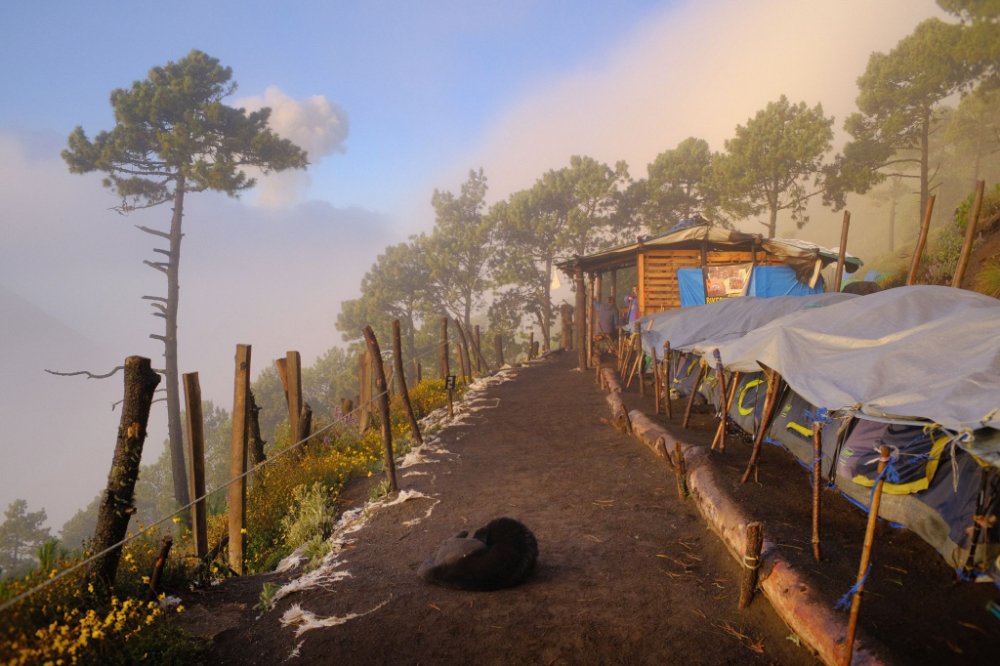
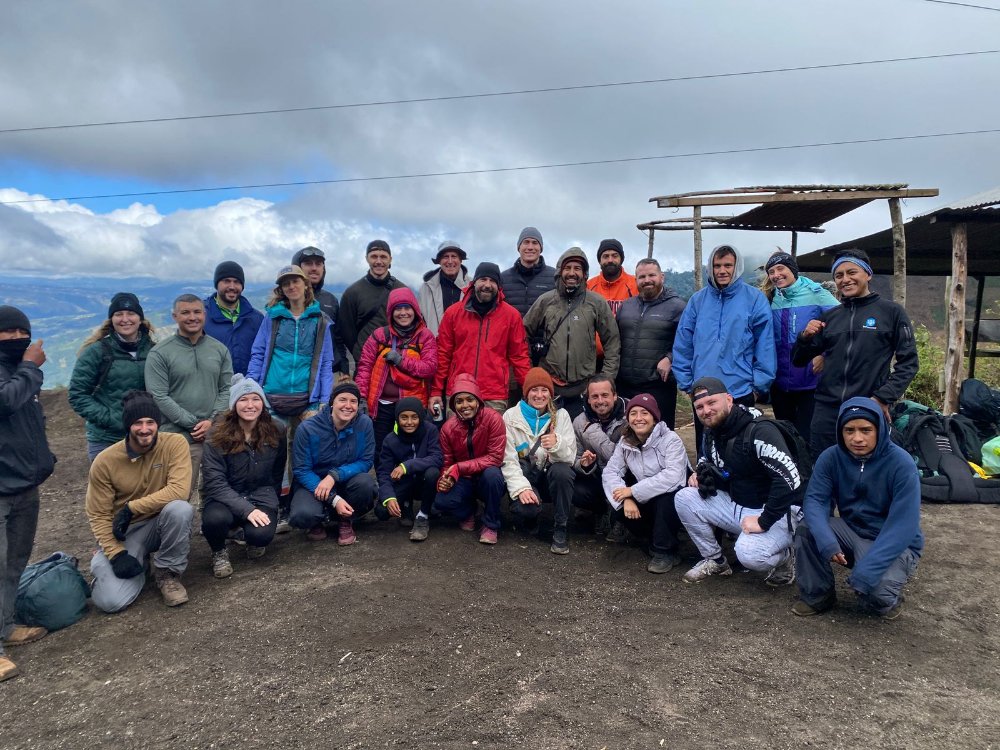
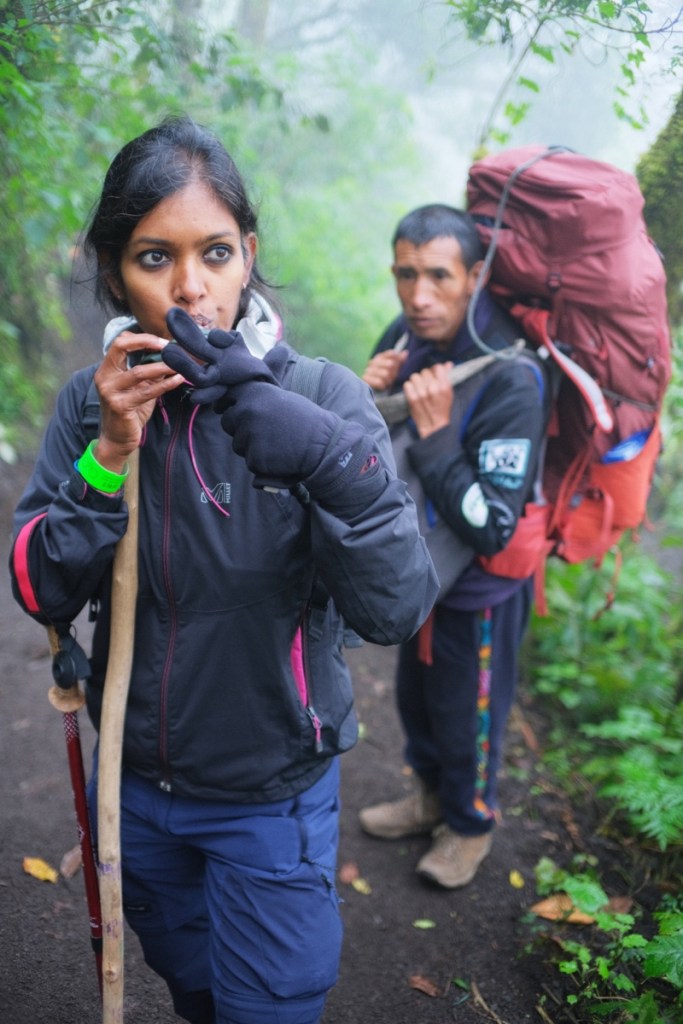
While in San Marcos, Arjun met an ex-colleague who mentioned the Acatenango trek. We were all very enthusiastic and went to Antigua to do the trek. The mountain is at a high altitude (base camp at 3600 m) and we were warned that it was tough. I thought that it wouldn’t be difficult since we had already done the Nevada falls trek in Yosemite national park. Boy, was I wrong! I experienced mountain sickness for the first time in my life. I basically thought I’d die. I had strange visions when I’d close my eyes from fatigue. The guide gave me some medicine when we almost reached the top. Once there, I just wanted to sleep. I had a headache and had difficulty breathing and after all that effort, we only had a very brief glimpse of the Fuego volcano 🌋
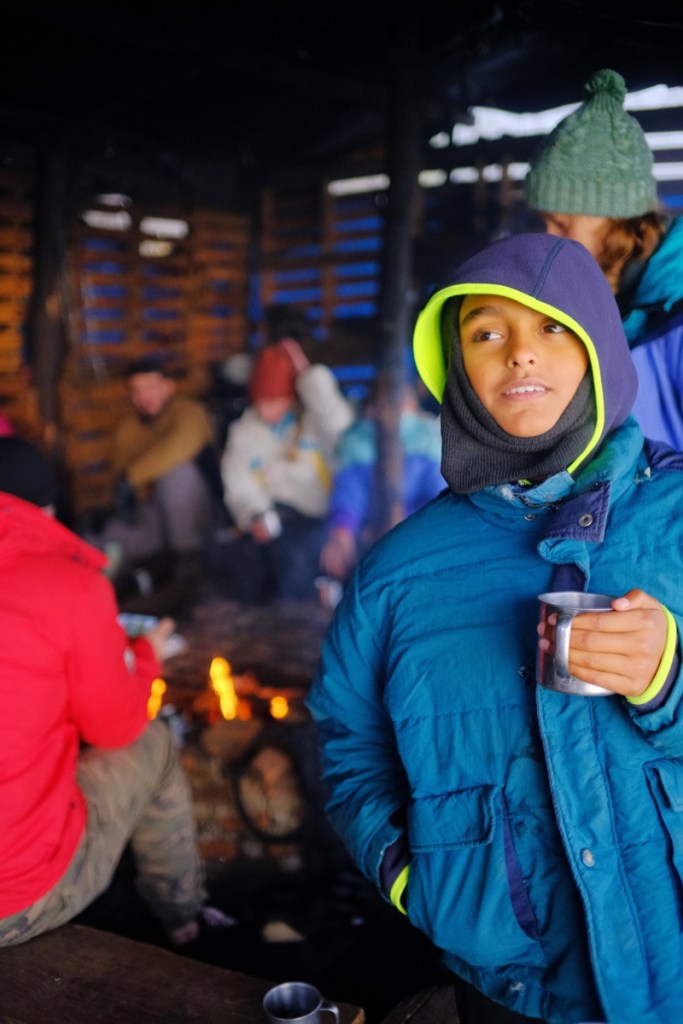
It was windy, cloudy and cold (-5 degrees Celsius). Arjun forced me to have some dinner and a strange concoction to help ease the symptoms. I don’t think it was of much help as I tried hard to sleep. At some point in the night I woke up as I had to throw up “immediately”. I couldn’t even manage to get out of the tent. So I ended up scooping the puke with tissue paper. Arjun graciously helped me finish the task.
The next morning, the guide informed us that we still had bad weather and it was pointless going to the summit for the sunrise. So everyone got to sleep some more. Arjun, Leo and I left half an hour before the others. I felt really weak so I had some electrolyte solution for some energy. The walk down was easier but rather tough on the knees and legs. By the time we were done, my legs were like jelly but I did feel a sense of accomplishment 😃
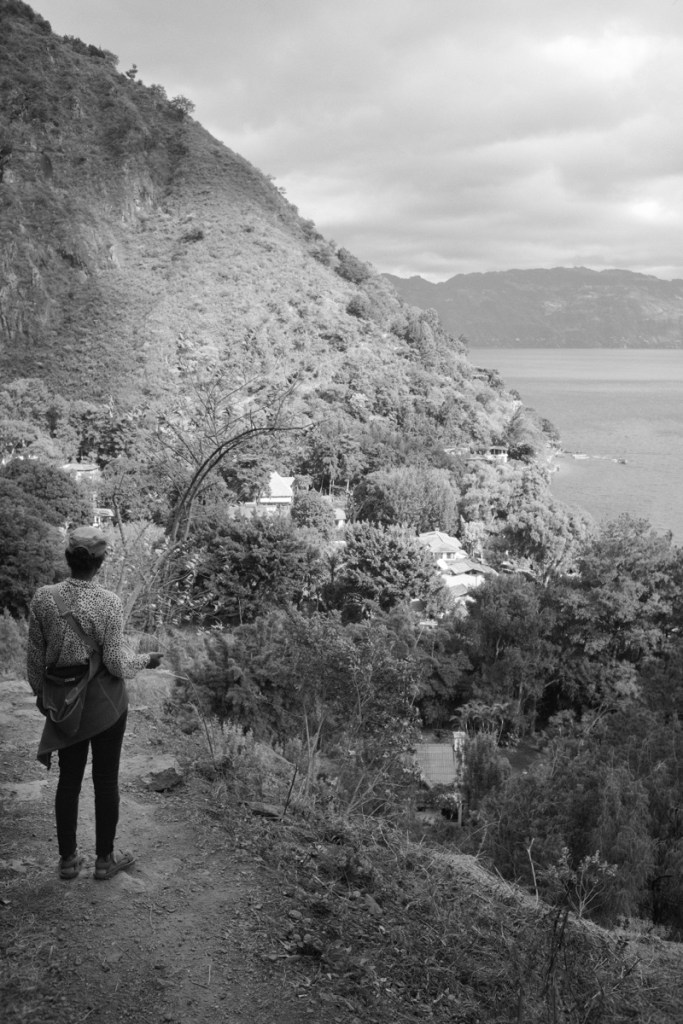
After Acatenango we basically took it easy in San Marcos. Once I recovered, we walked from one village to the other. The view of the volcanic mountains and the lake were fabulous on these trails. We learnt that there were no roads to the village Jaibalito as we walked through mountain paths. At some point, I was facing a dog which didn’t want us to pass. Two of our friends were bitten by dogs (one in Mexico and another in Guatemala) and this made me nervous. We quickly picked up small rocks and made aggressive sounds. Soon more dogs joined this dog and they were all barking. By now Arjun, Leo and I were in warrior mode but we quickly left. The dogs decided not to follow us.
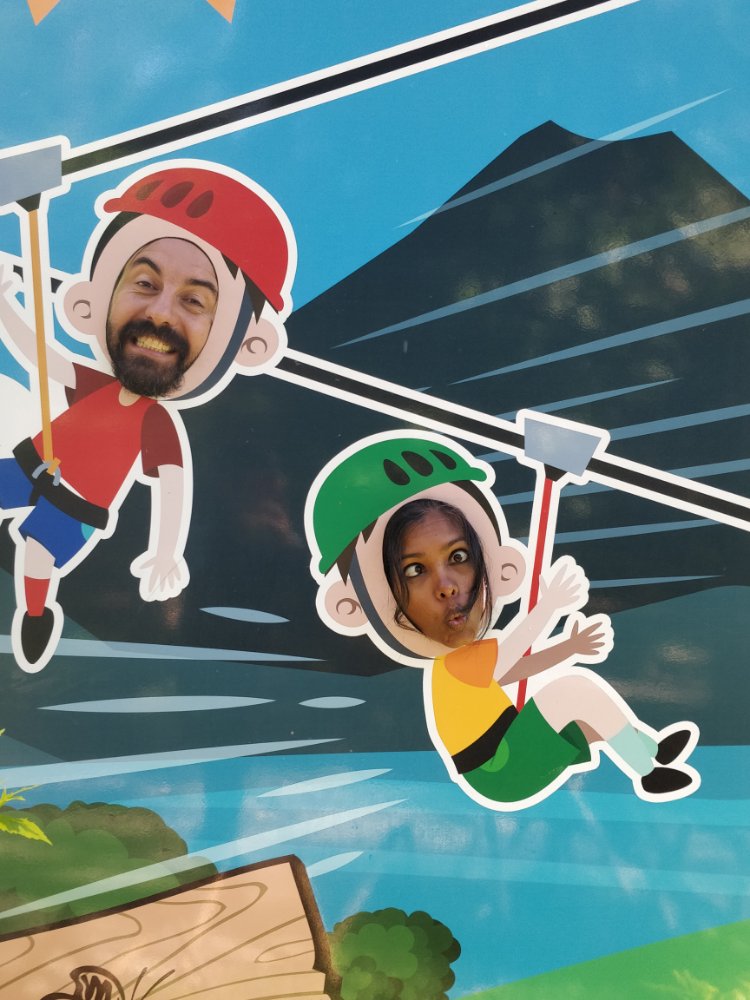
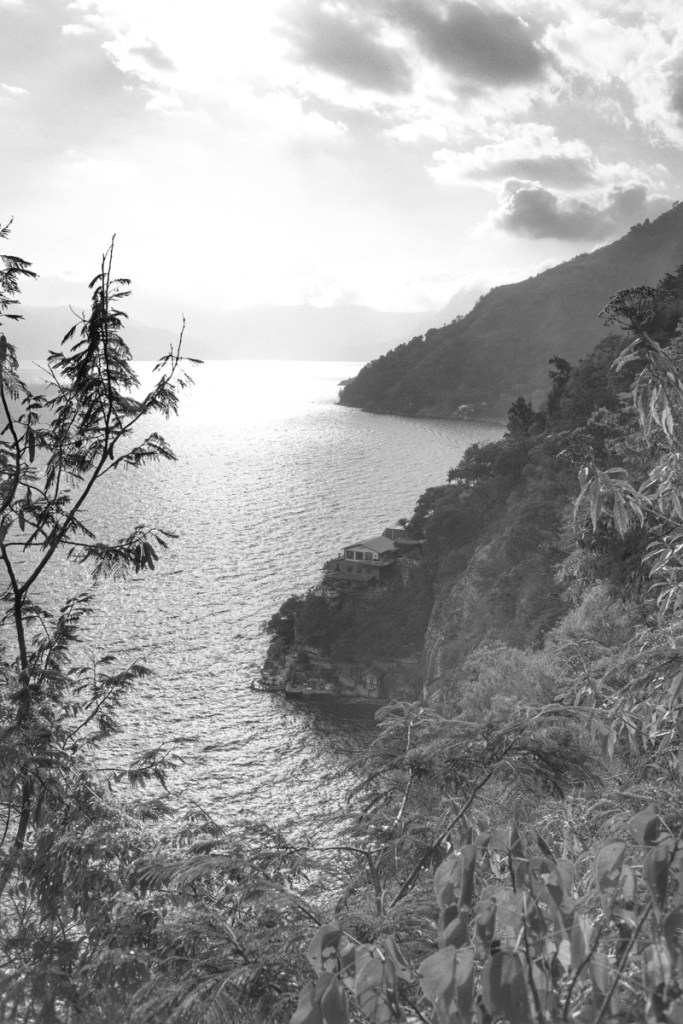
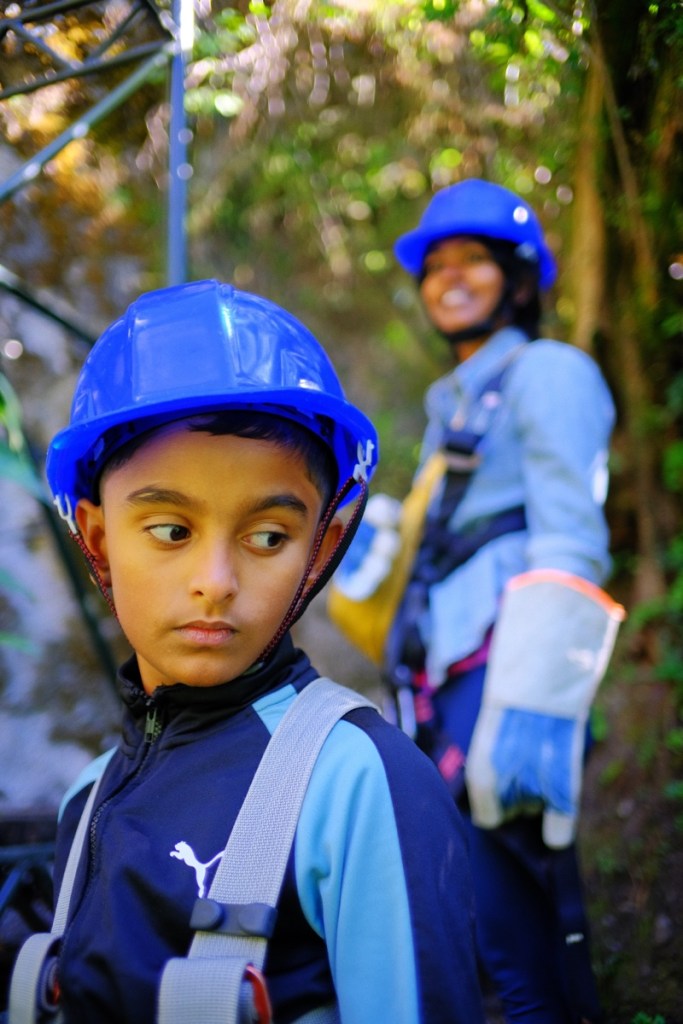
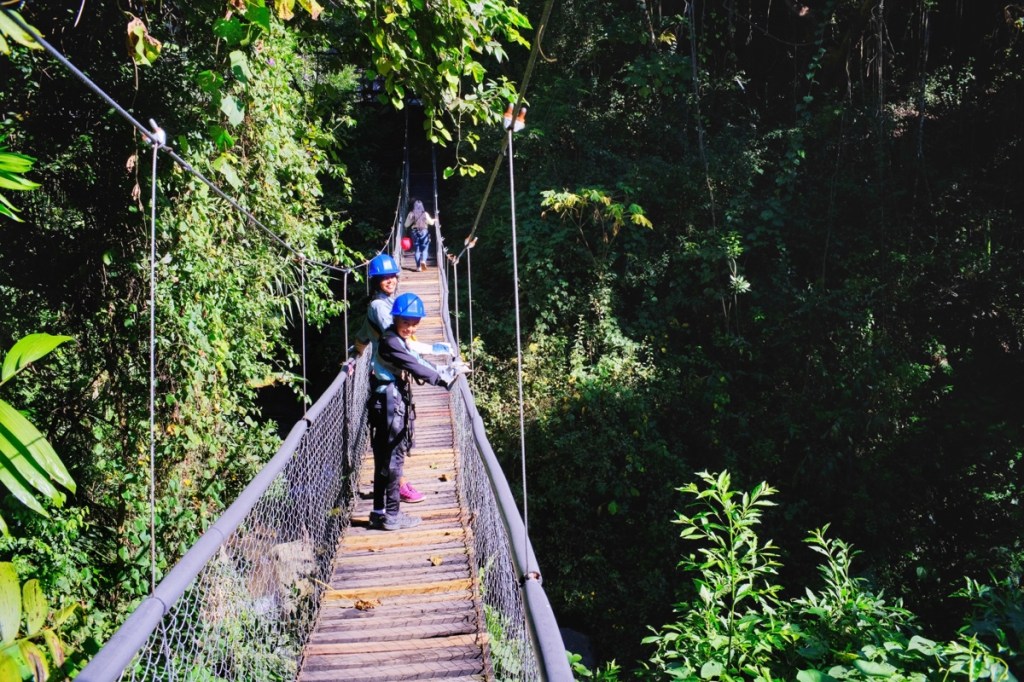
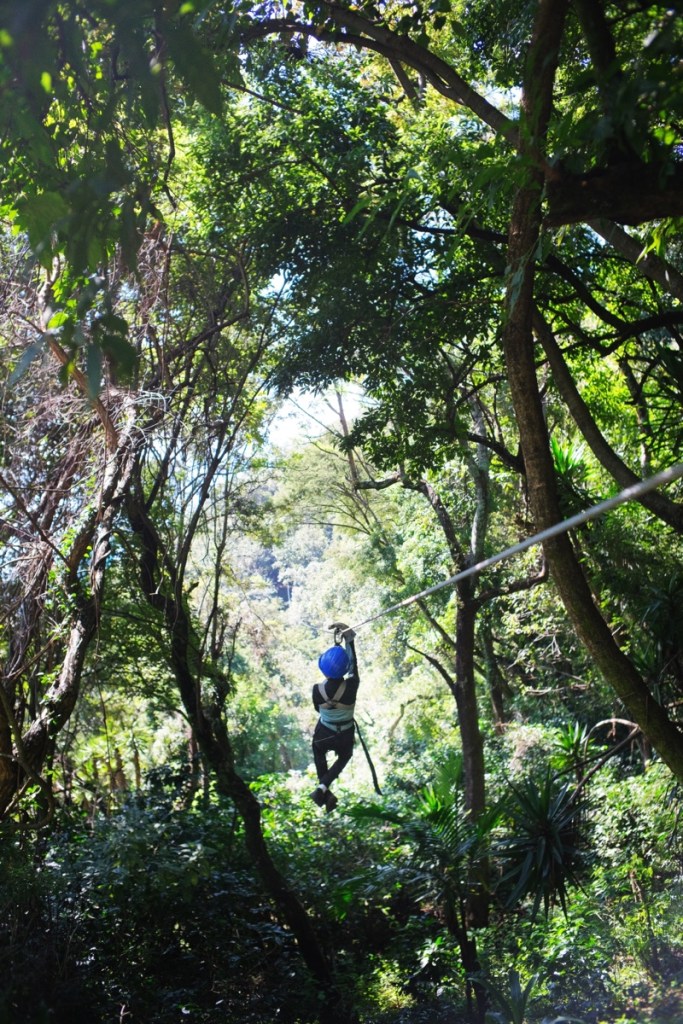
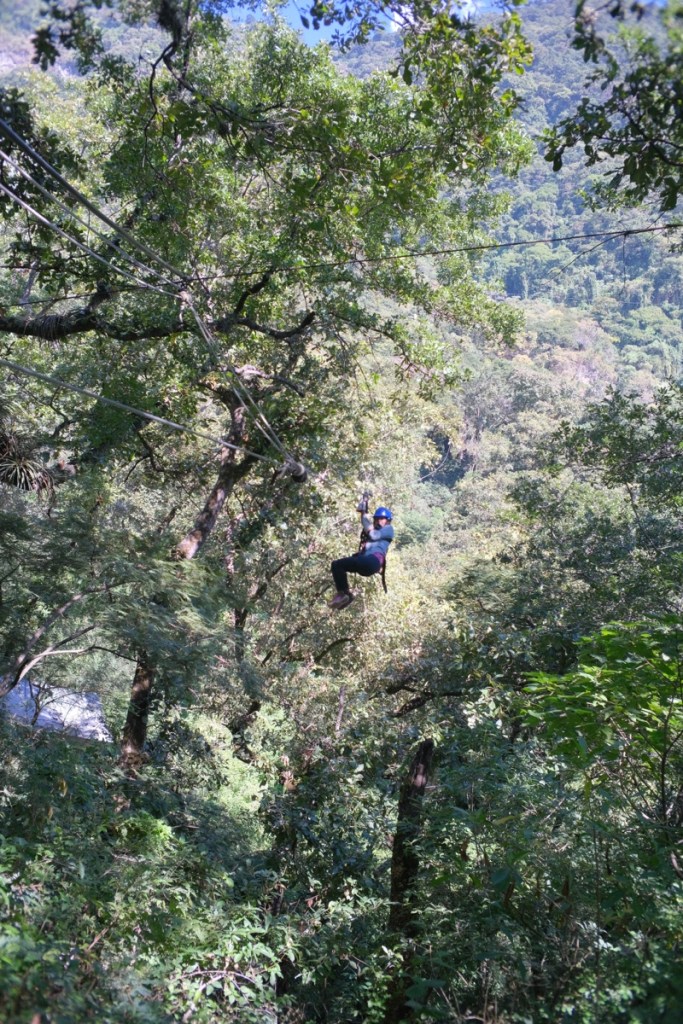
We had a great time in lake Atitlan. We swam in nature reserves, went zip lining and paddle boarding around the breathtakingly beautiful lake! By then, it was time to leave.
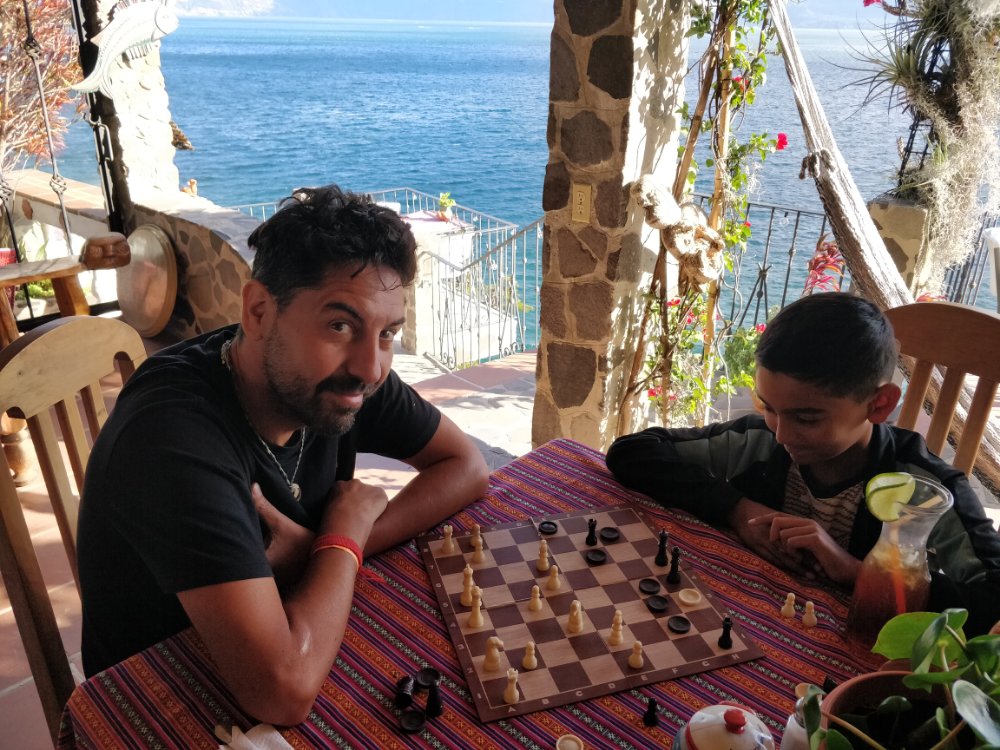
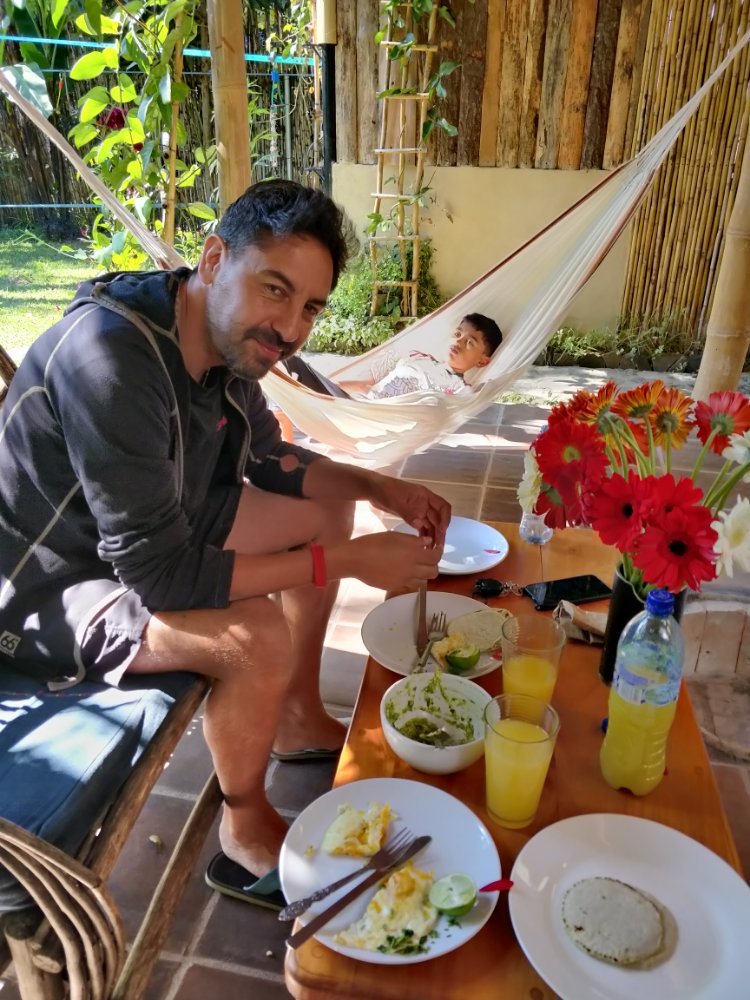
The lake Atitlan The zipline Our tents at the base camp After the Acatenango trek Shatranj ke khiladi Arjun’s surprise birthday breakfast Arjun’s surprise birthday cake for the party Market at Chichicastenango
Ok we’re running late on this blog, it’s time to catch up!
So after our rough ride of Acatenango, we came back to San Marcos on lake Atitlàn for about ten days.
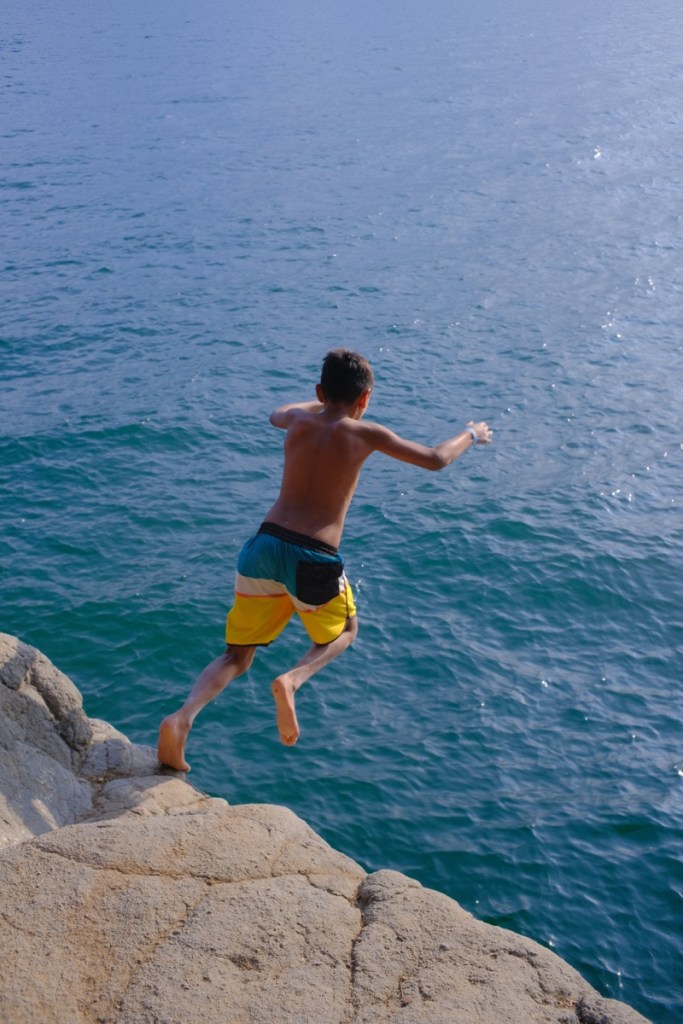
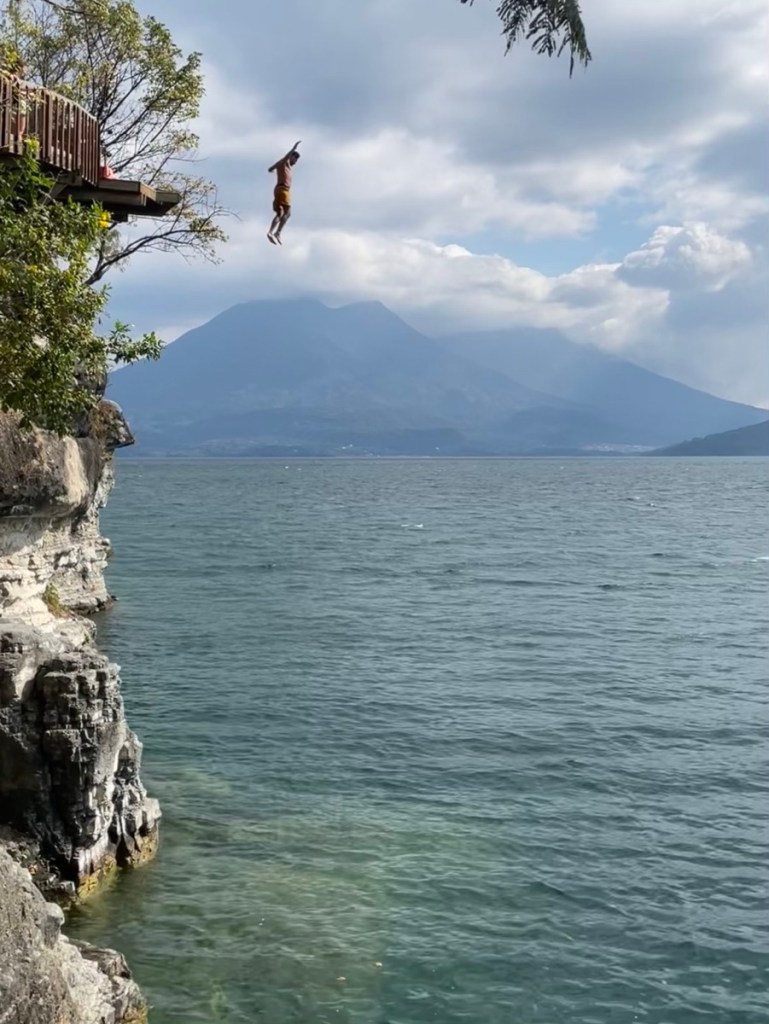
There we rested and let Mary recover from her mountain sickness symptoms, we managed to catch up on Leo’s schoolwork, we explored a few villages around the lake, we jumped, we swam, and we even did some paddle board with Leo 🙂
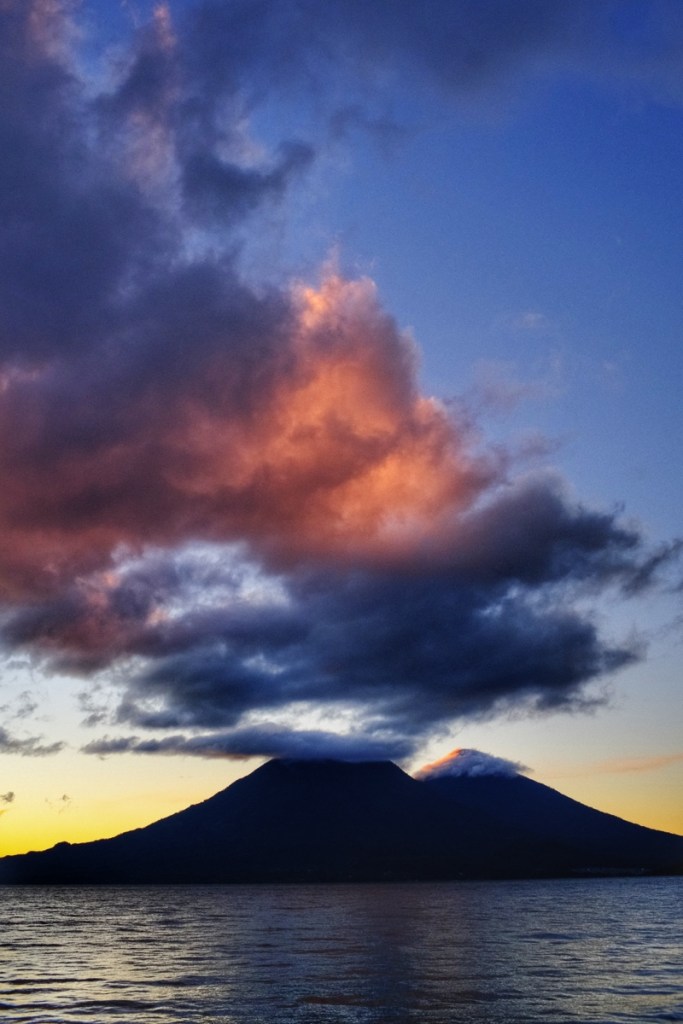
San Marcos is really the hippy capital of Atitlàn! It’s a nice quiet village packed with (rather rich) hippies, yogis and other gurus of various brands. But all in all, if you can bear with the Hare Krishna and Pachamama vibe, it’s a nice base for exploring the lake. It’s midway between Panajachel and San Pedro, and even offers a view on the Fuego when the sky is clear!
From there we took a boat to San Pedro, which didn’t impress us much; bigger, more busy, packed with hostels.. we barely stayed, and walked to the next village, San Juan.
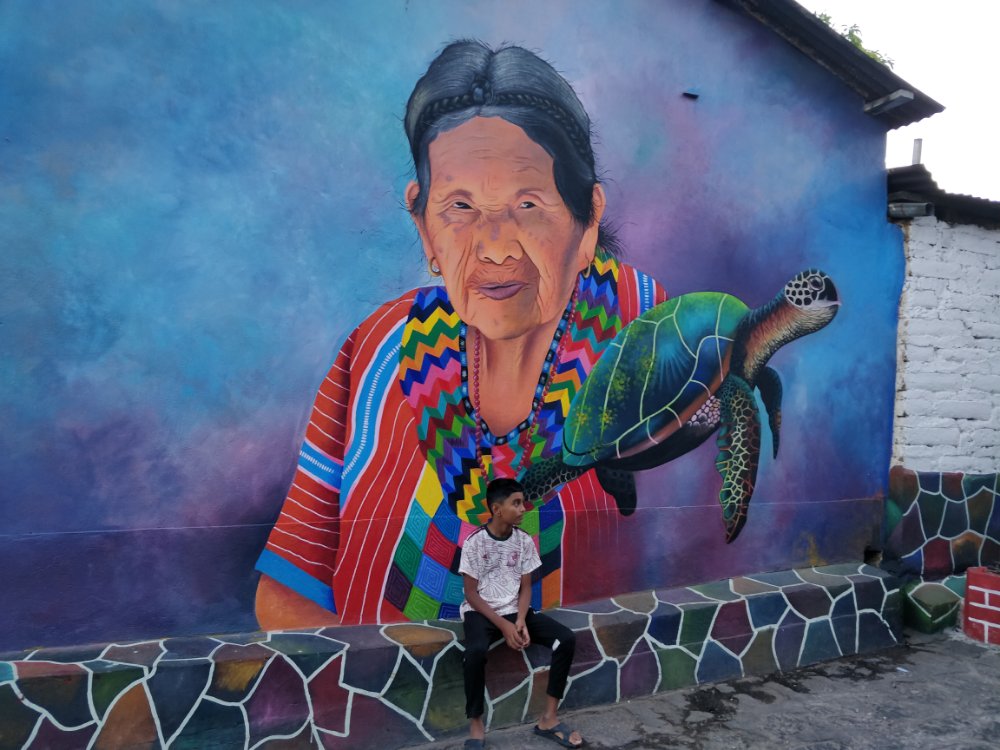
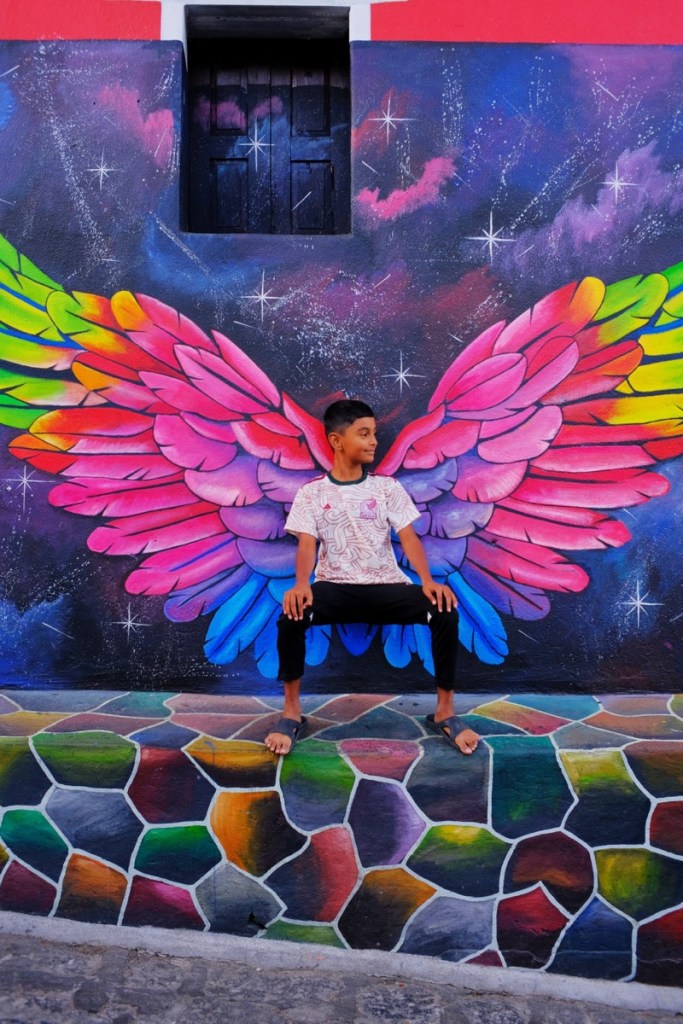
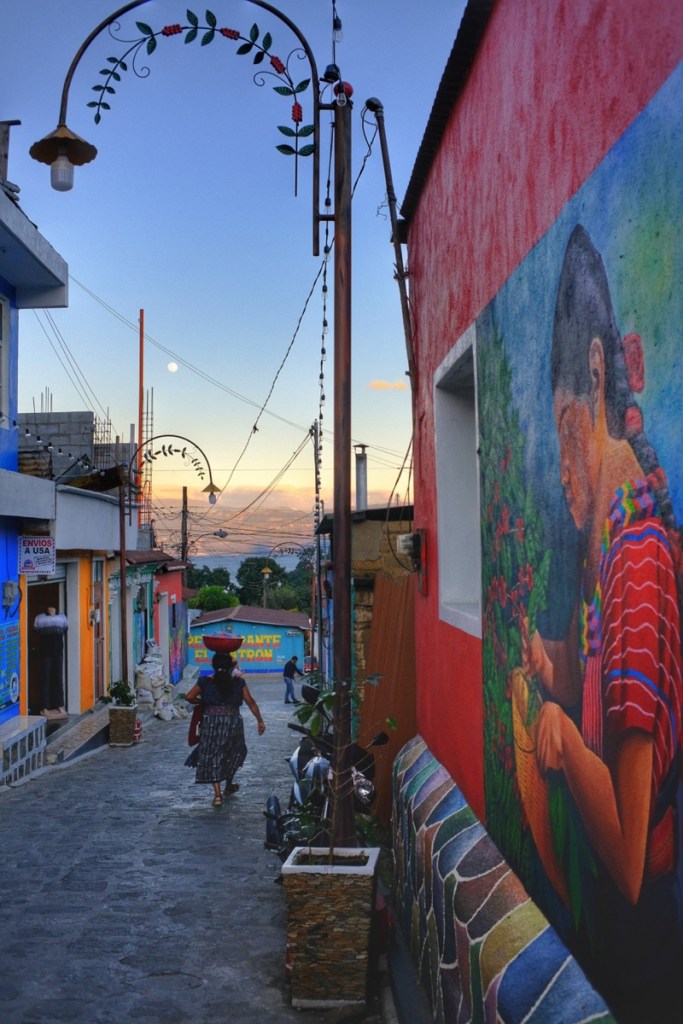
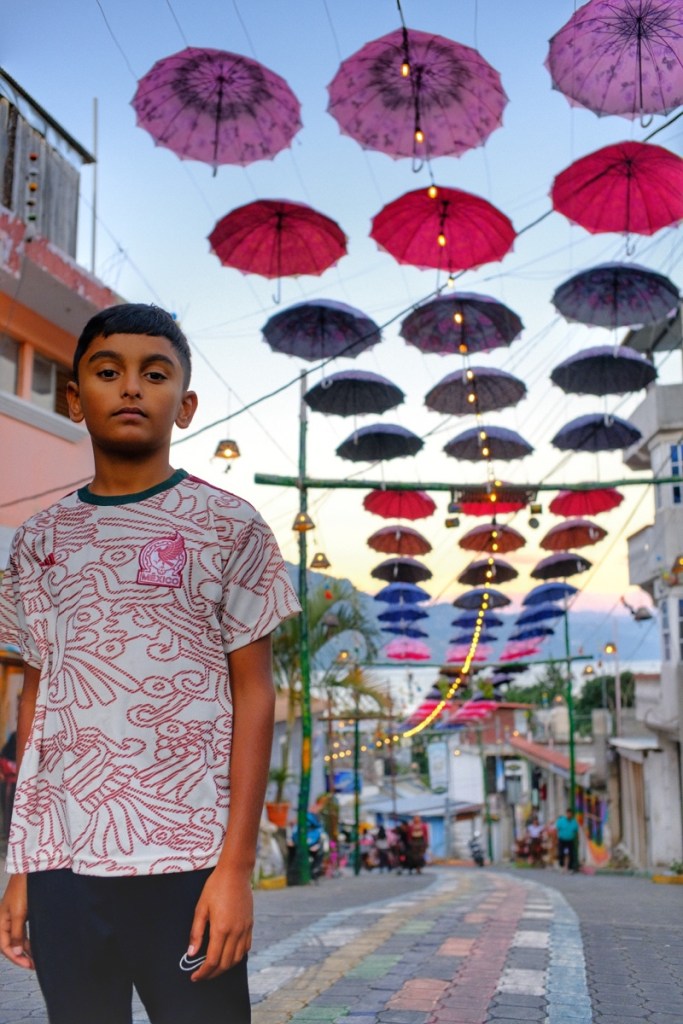
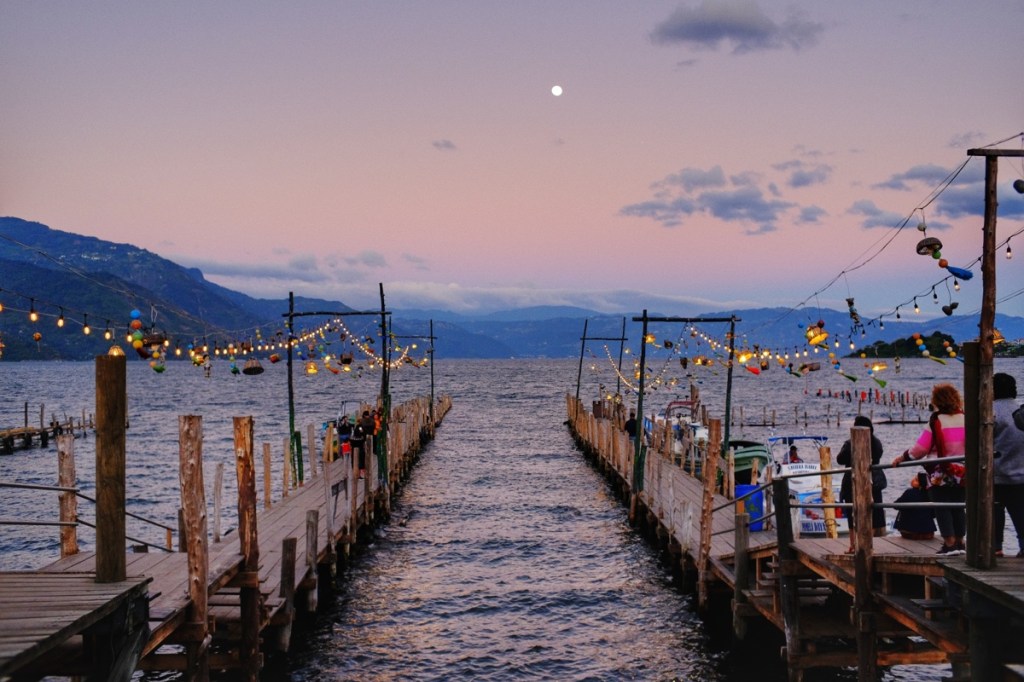
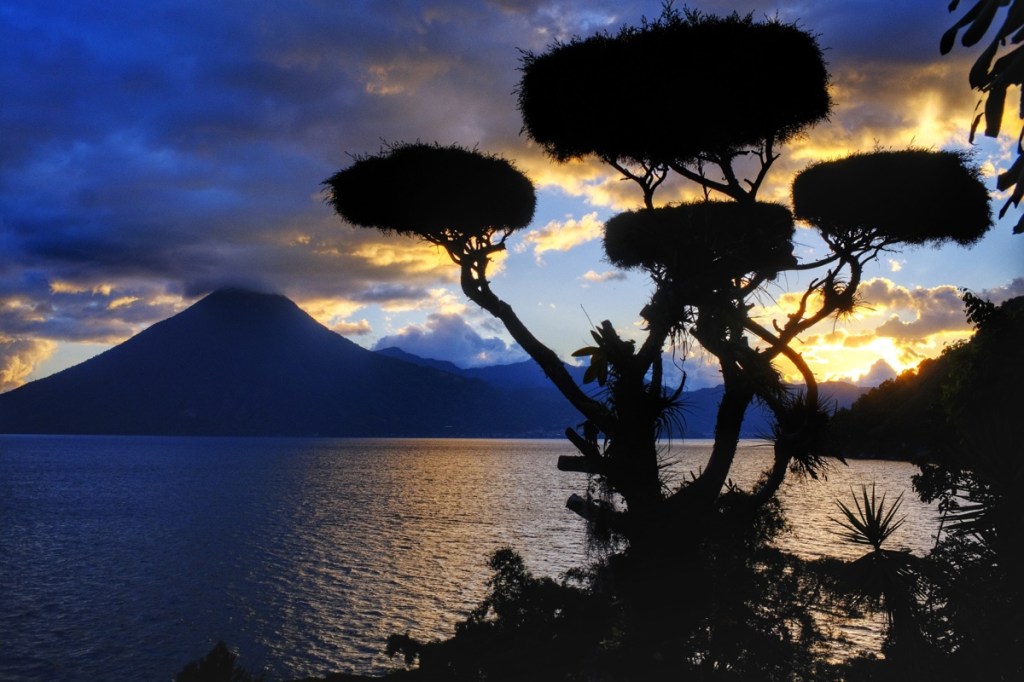
San Juan is much prettier, with lots of colourful painted walls, handicraft and art galleries. The famous umbrella street is very cute, and the dock looks fabulous at dusk!
Except that if you see it at dusk, it means you’ve already missed the last boat to go back! 🙃 So we went looking for a tuktuk to take us back to San Marcos. (Actually a series of tuktuks; each one operating only between his village and the next)
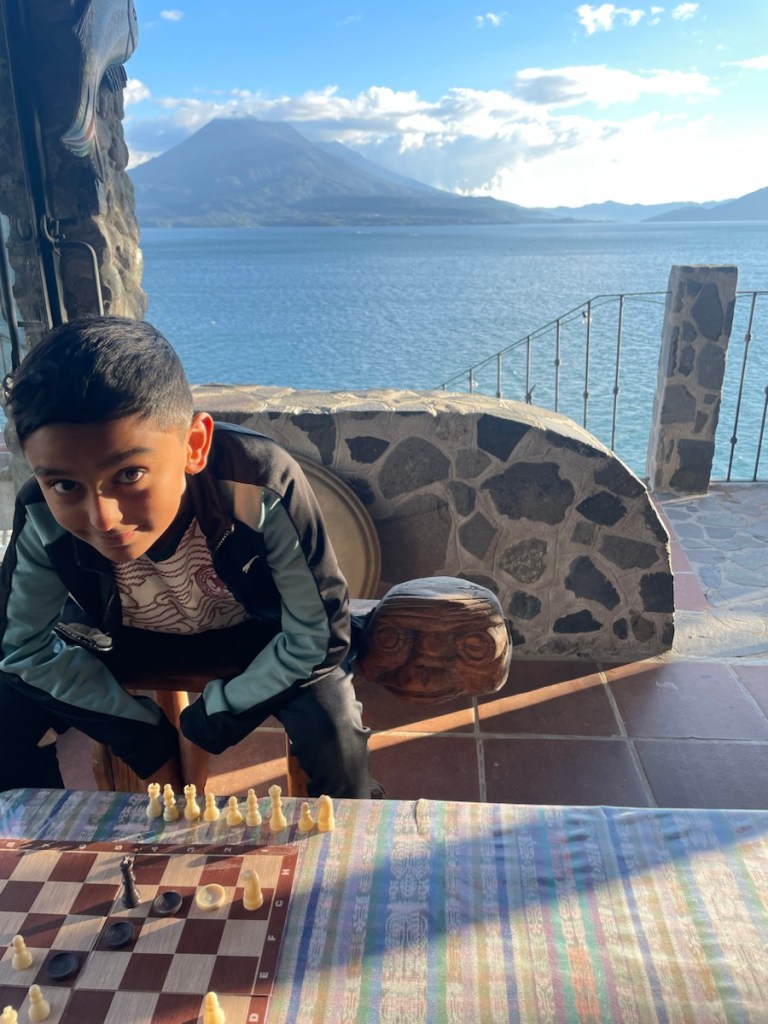
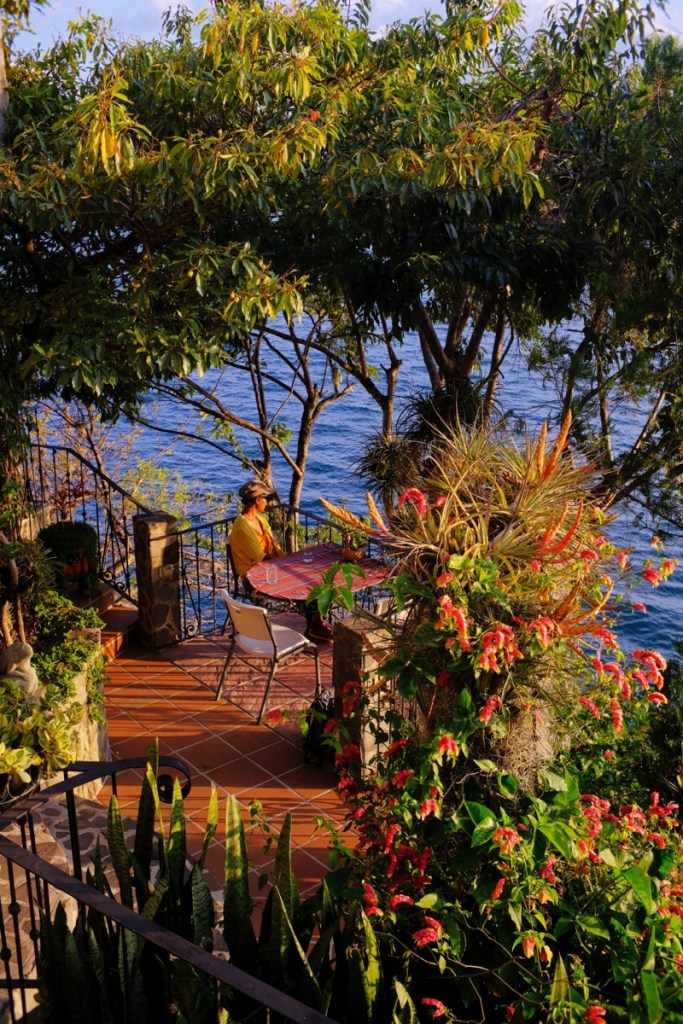
Another day we went hiking the other way, towards Santa Cruz. But we only walked three fourth of the way, to Jaibalito, where we stopped at Casa del Mundo and we found it so nice that we ate and spent the afternoon there, watching the lake and playing chess with Leo. But it was too windy that day to jump in the lake.
Another day, we started the hike the other way round. We took a boat to Santa Cruz, and from there, we did the short hike back to Casa del Mundo. This time we could jump and swim 🙂 And we played some more chess ♟️
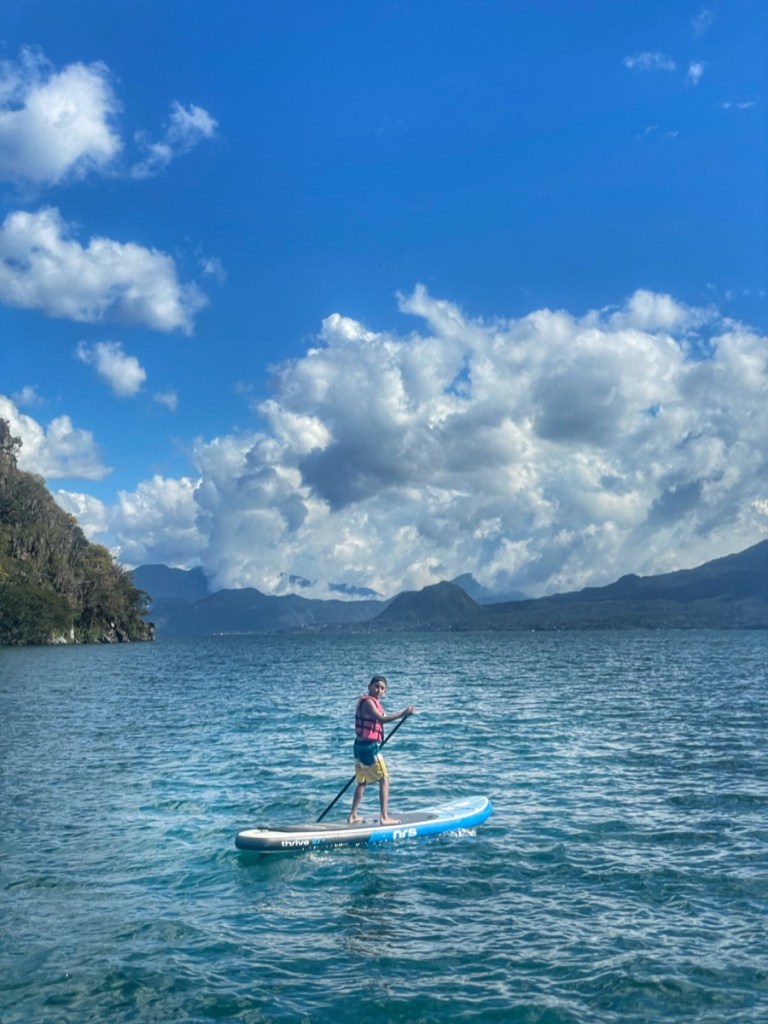
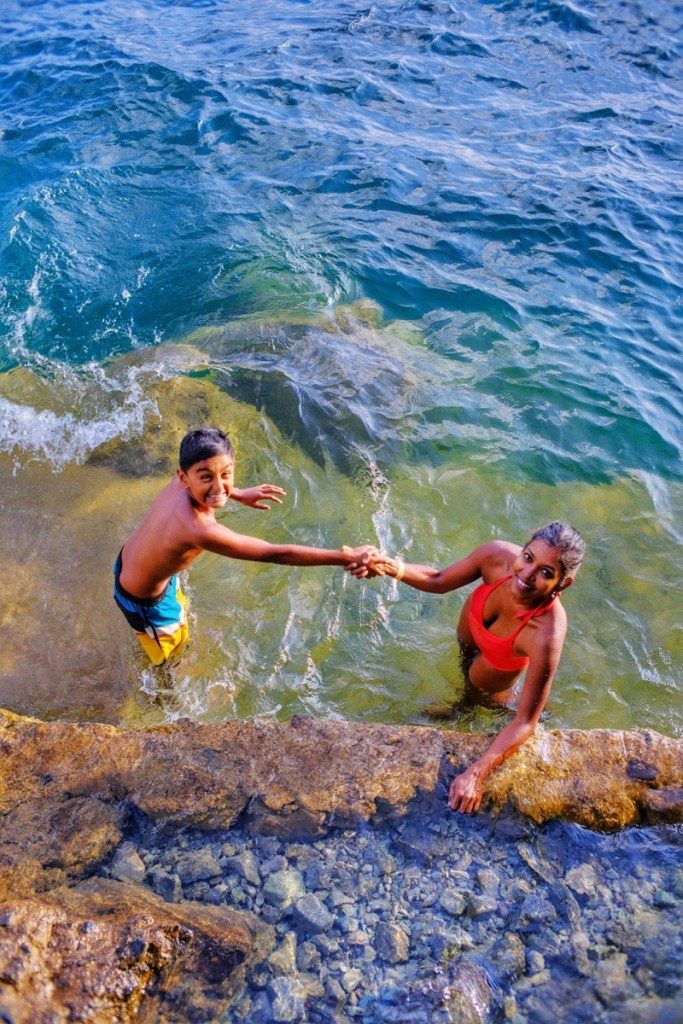
Another day we rented a paddle board to go explore the lake on our own with Leo. At first paddling against the wind was quite a challenge, but eventually the wind stopped and it was much easier. We went up to a big rock that we could climb on and jump from, and watch the boats pass by. Without wind, Leo is able to stand and paddle on his own 💪
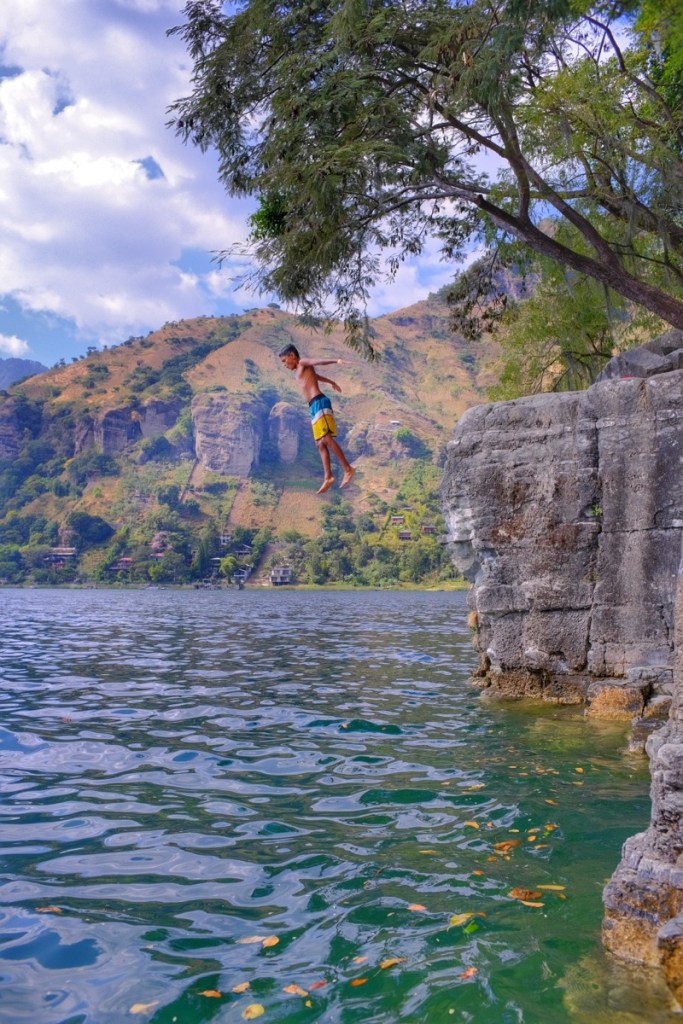
The Reserva Natural of San Marcos is also a great place to hang out, sunbathe and picnic by the lake. It also has a 10m platform, and various rocks of different heights to jump in the water ❤️
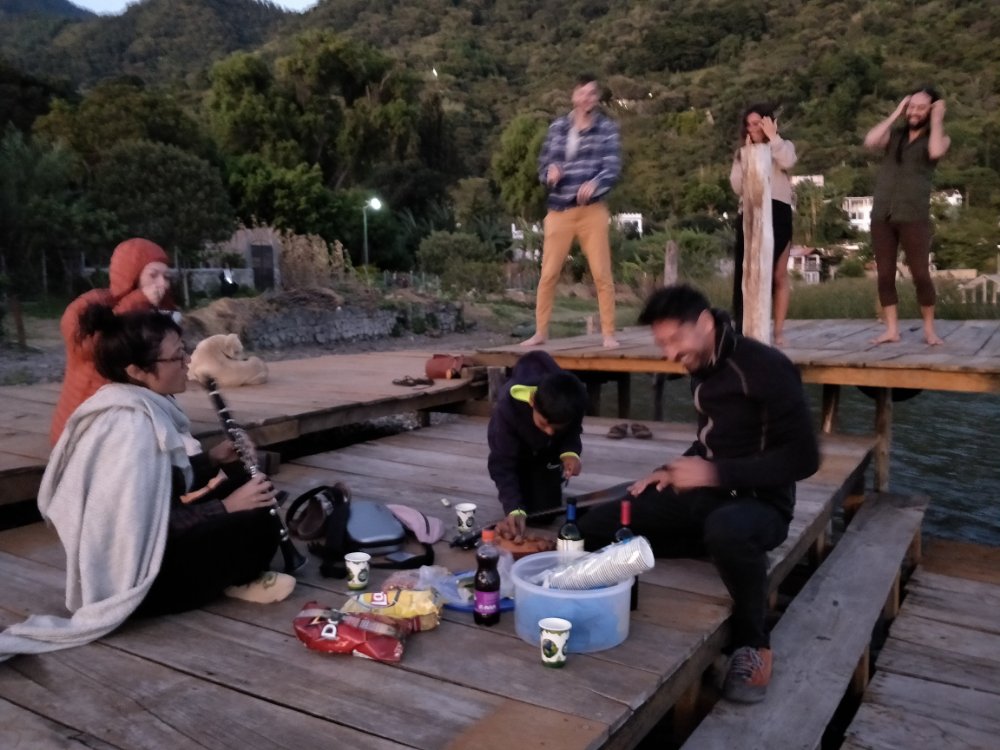
In San Marcos, we met with Claire, a traveling violonist from Canada who even plays gipsy jazz, and with Storm, a clarinetist from Israel, who tells stories with her music. We jammed together and even participated in an open mic at a bar called La Vida 🙂
Last but not least, we celebrated my 49th birthday on Atitlàn! Mary and Leo had baked a surprise cake, we got some wine and invited our hostel neighbours and musician friends to share the cake and celebrate with us. It was a lovely birthday ❤️
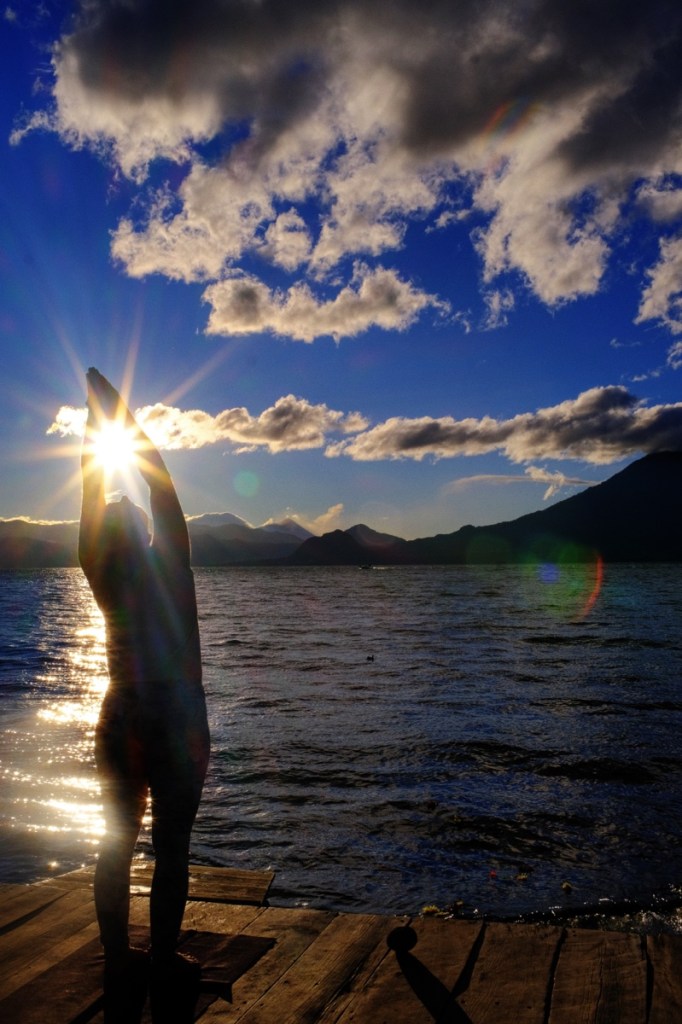
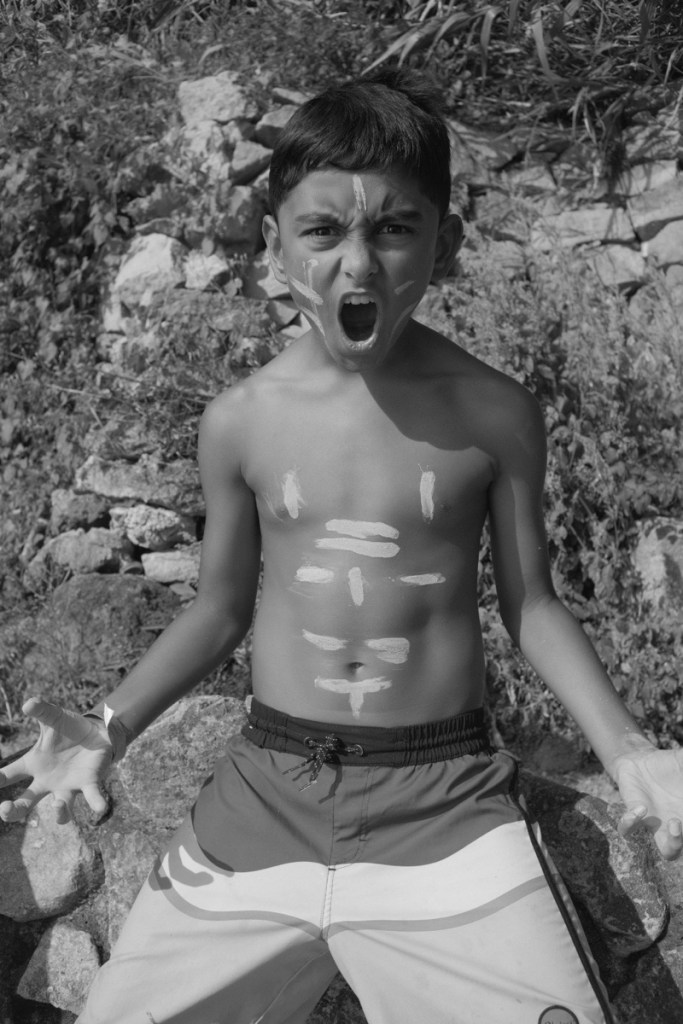
Sunrise on Atitlàn Morning yoga in San MarcosAn angel in San JuanEvening in San JuanUmbrella street in San JuanBeautiful dock, but we missed the boat!Water jumps in San MarcosHiking Atitlàn Playing chess in Casa del MundoSunset in Casa del MundoSunset from the boatPaddle boarding on the lakeMary in Santa CruzFootball in Santa CruzLeo in Santa Cruz Santa Cruz Hiking around Atitlàn Bathing in Casa del MundoCasa del MundoShuttle boats on the lakeMore jumpsMore jumpsWar paintings
We arrived in Panajachel, on the banks of lake Atitlàn and, by one of these magical coincidences (and the help of Zenly to notice them!) we bumped into my ex-colleague Colas, and his friend Thomas also traveling in the region.
Along the lake in Panajachel Meeting with Colas, Thomas and Stephanie
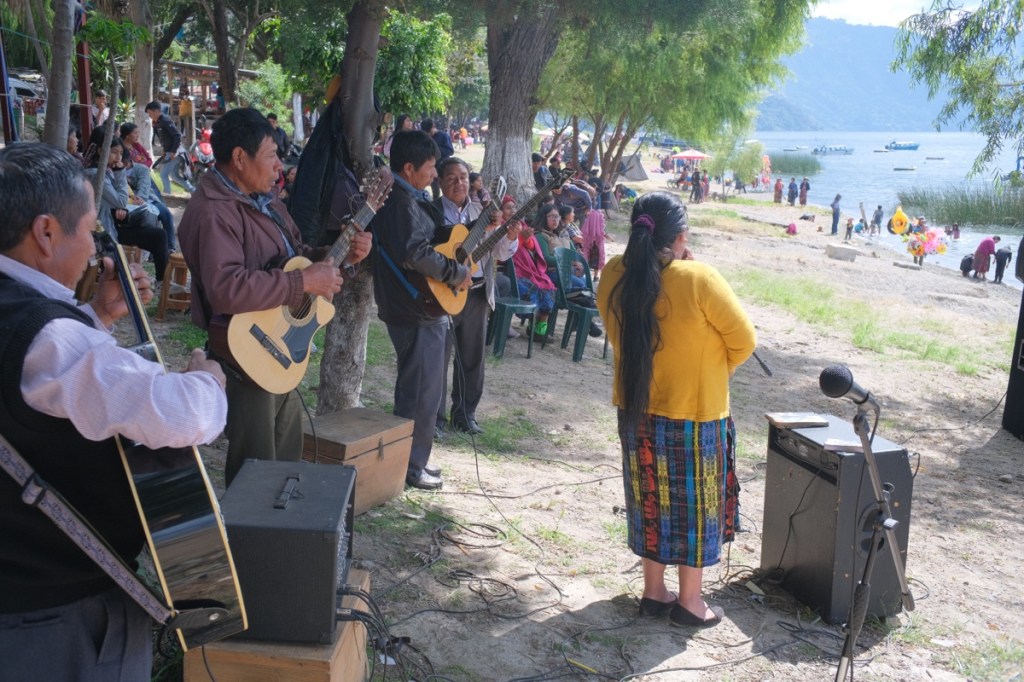
We got there on a week end so we could witness the outdoor mass and religious bands on the bank on the river on Saturday, and on Sunday we went to the big market of Chichicastenango.
Singing prayers by the lake
It took us 3 different “chicken buses” to get there and as many to get back. After buying an embroided guatemaltese dress impossible to fit in her overweight backpack, Mary solemnly promised this was the last thing she’d buy until the end of the trip!
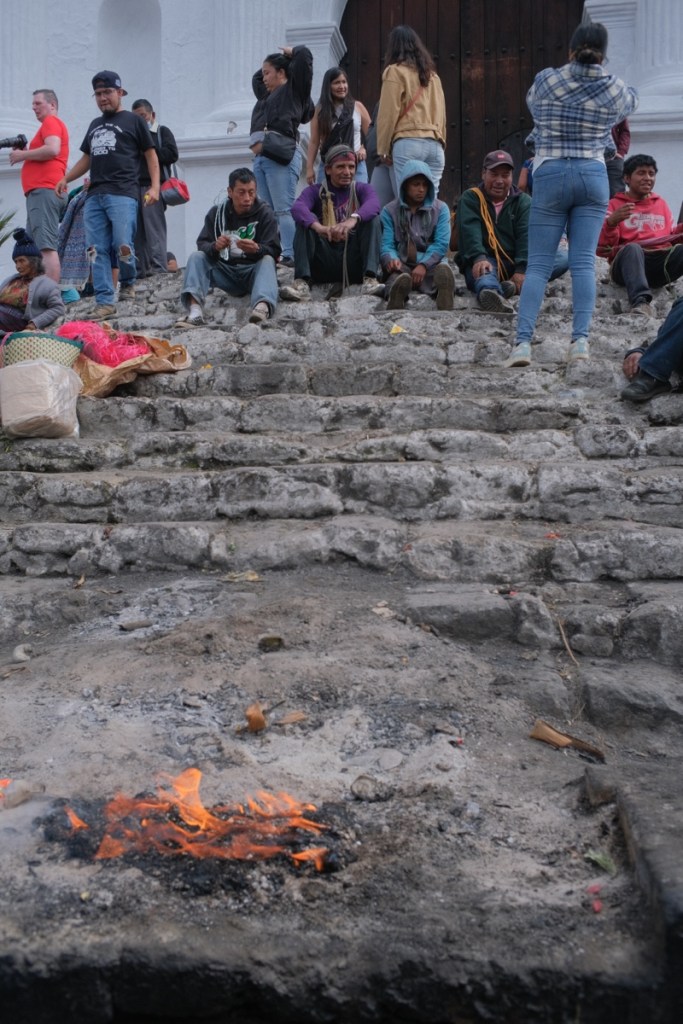
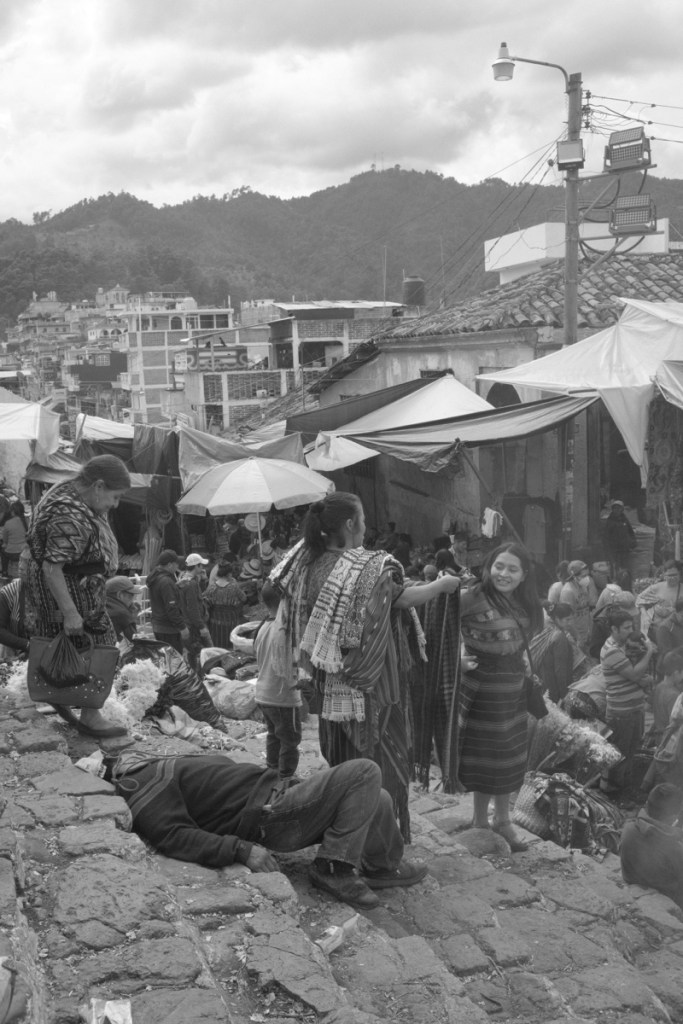
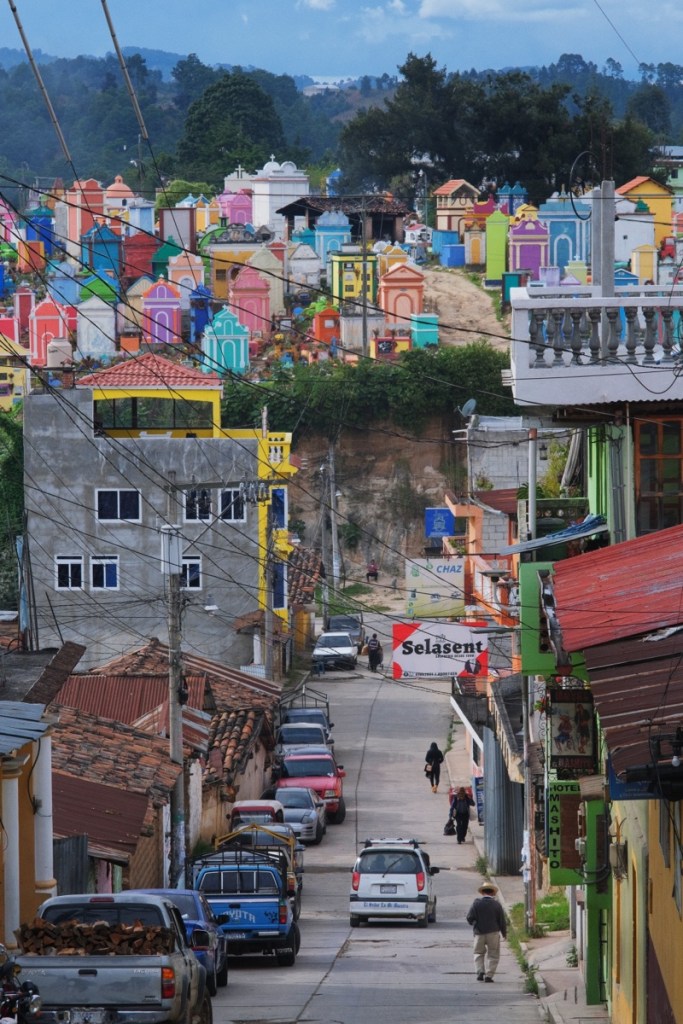
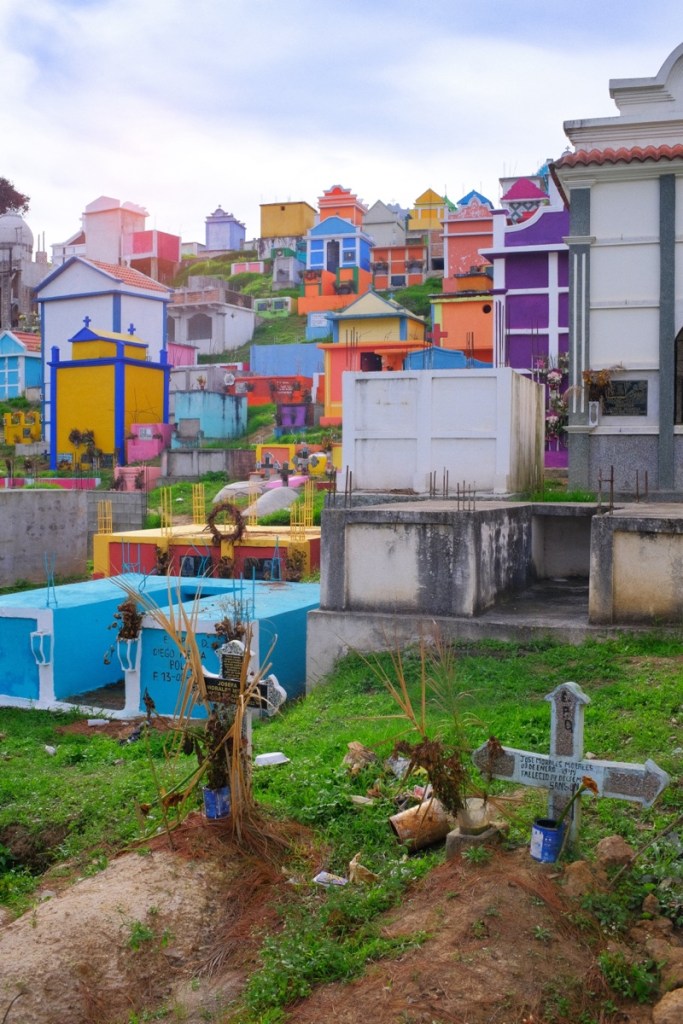
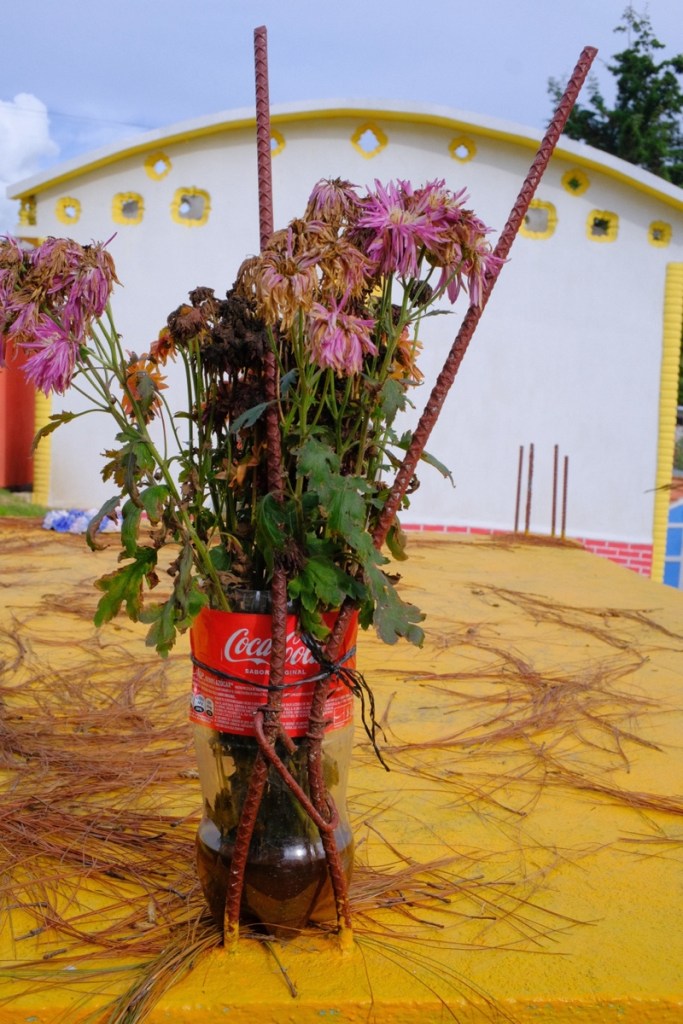
A mix of Mayan traditions and christianity in ChichiA sleepy drunk man and the Chichi marketWomen in traditional dressStreet scene in SololaMan waiting to cross the street Mary admiring the embroidery workThe colourful cemetery in the distance Cemetery of ChichicastenangoOmnipresent throughout their life, the famous brand often accompanies people in the after world!
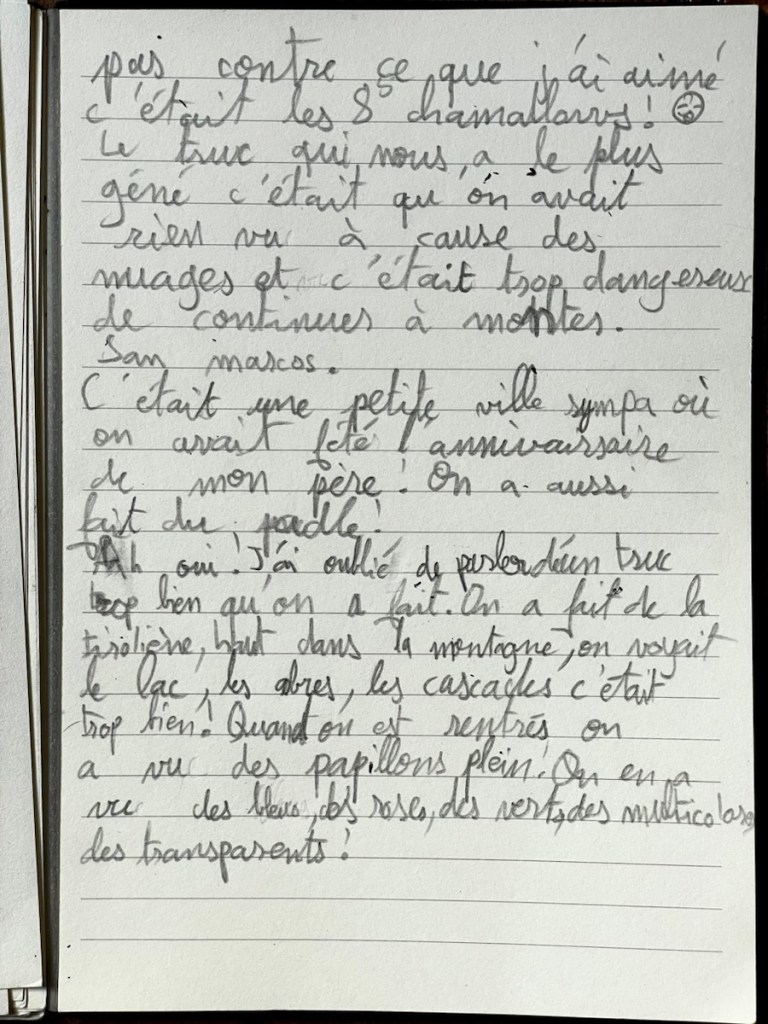
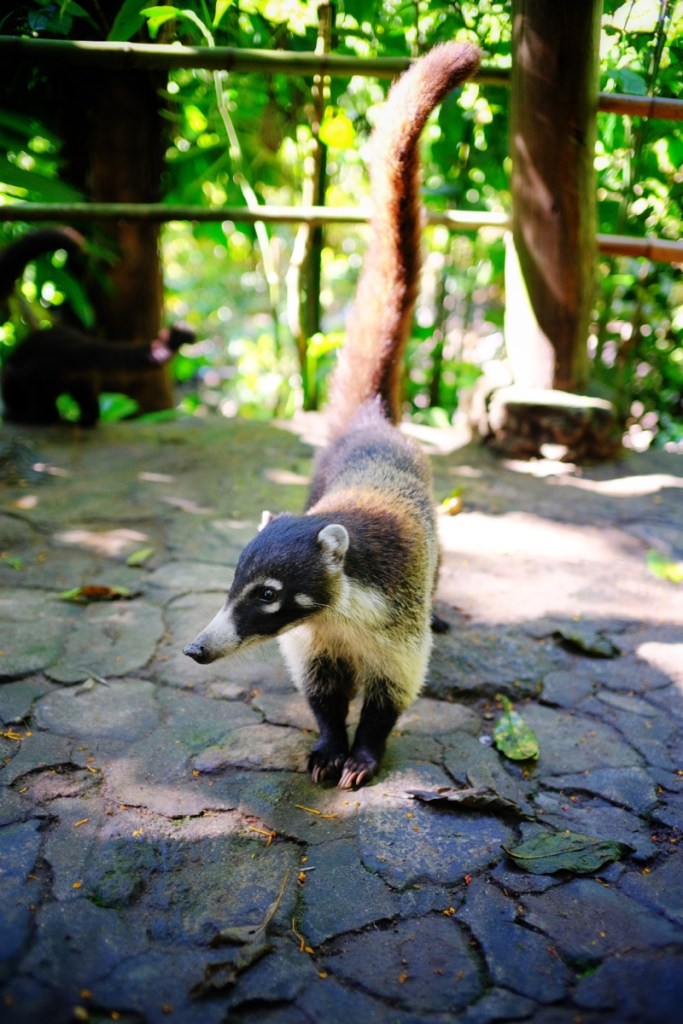
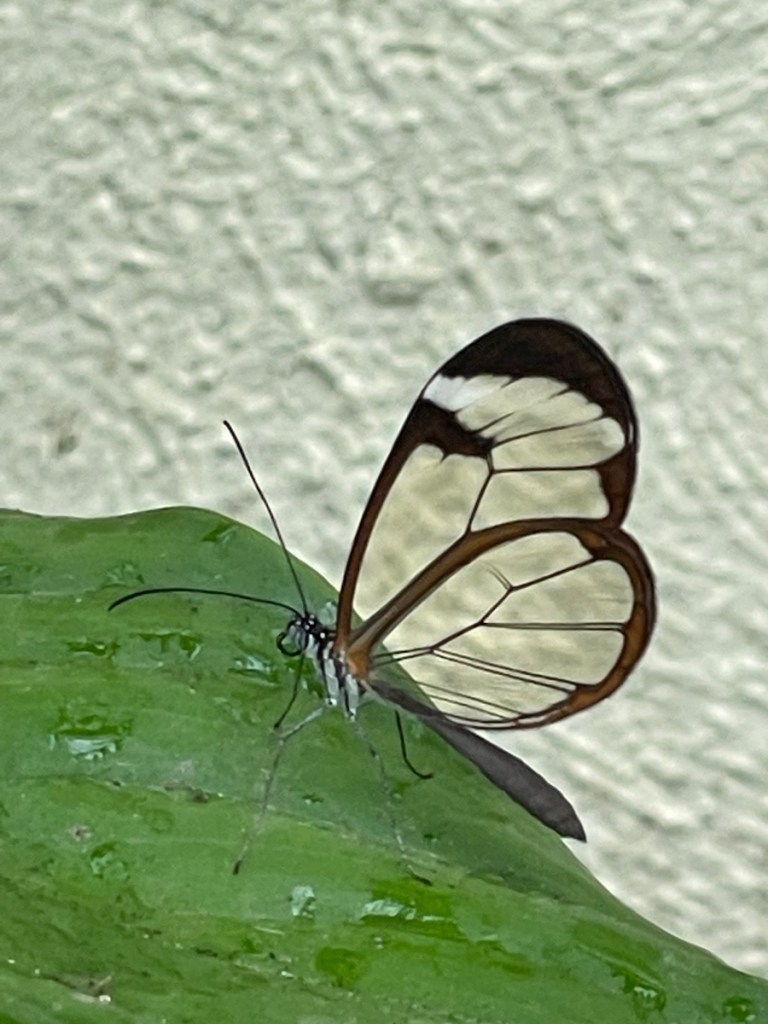
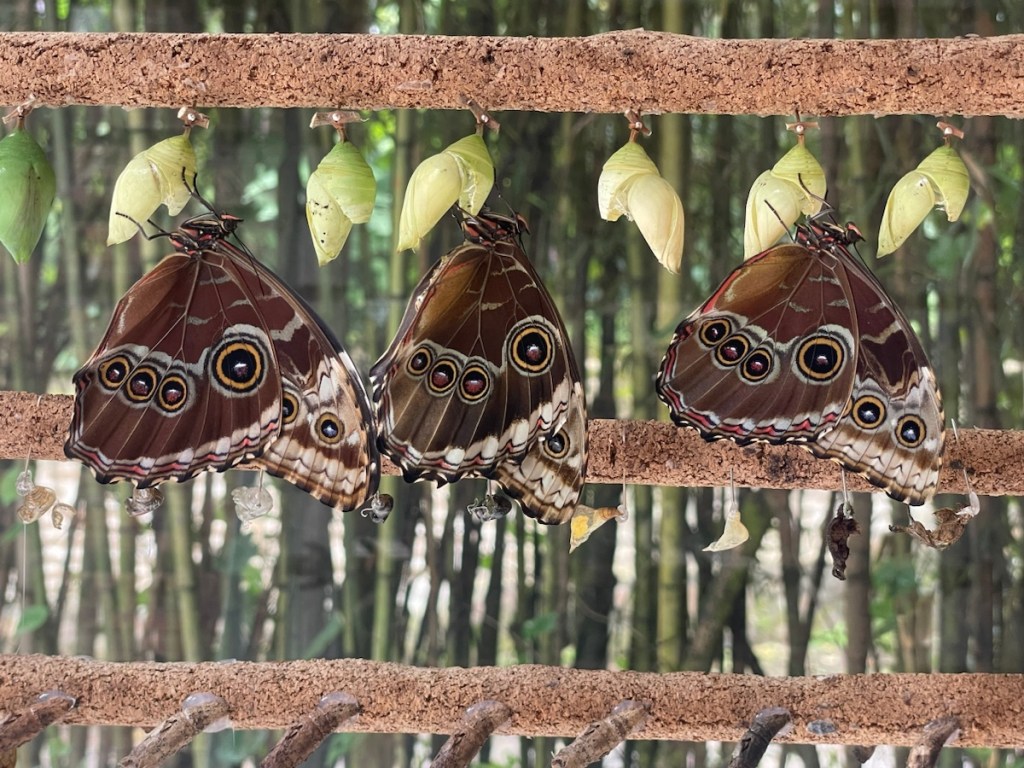
The next day we visited the natural reserve and flew over the jungle on big ziplines crossing the valley and offering a spectacular view on the lake and the volcanos! There’s also a mariposarium where we saw big butterflies and their fascinating transformation from worm to winged beauties!
Ready and equipped for the ziplinesA coatis Transparent wings!Freshly baked!
So far so good and the next day we were moving to our next chill spot around the lake, in San Marcos.
That’s when Colas said they were going to climb the volcano and we should all do it together. So we said yes of course!
I saw a few volcanoes around the lake and thought it would be a cool hike 🙂
But he really meant the Acatenango volcano, near Antigua, 3 hours away, and we had to sleep in Antigua to leave early in the morning, and stay overnight on the volcano to get back down the next day.
So we barely had time to check in and leave our stuff in San Marcos, then return to Panajachel with empty backpacks to catch the last bus to Antigua, where Colas had booked another hostel for us. The next morning we were on our way to climb the mighty Acatenango.
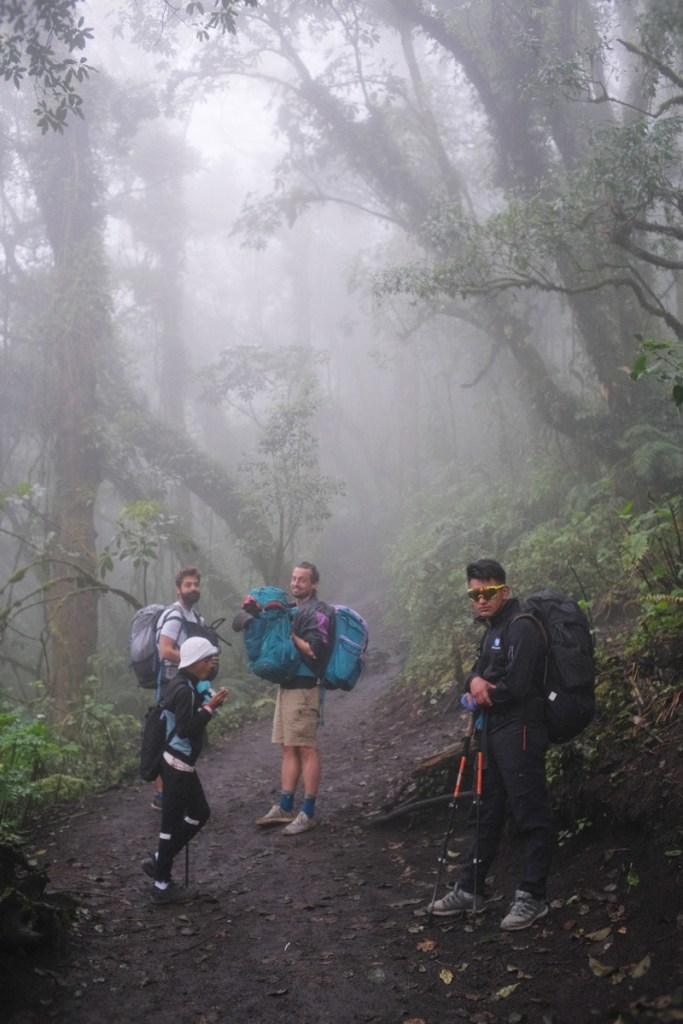
This hike is notoriously not a casual walk in the park; it’s a 5 hours steep walk straight up over 1500 meters of elevation, up to 3600 meters in altitude.
We were mostly worried for Leo; the poor baby, it’s a tough walk for a 10 year old kid!
Well, the poor baby walked straight up with Colas and Thomas, telling jokes along the way, while Mary and I were painfully lagging way behind, all the hiking groups passing us one by one!
I had cramps in both my thighs and Mary got sick with the altitude; feeling headaches and nausea 😦
We reached the camp an hour after everyone else and poor Mary went straight into the tent to try and sleep.
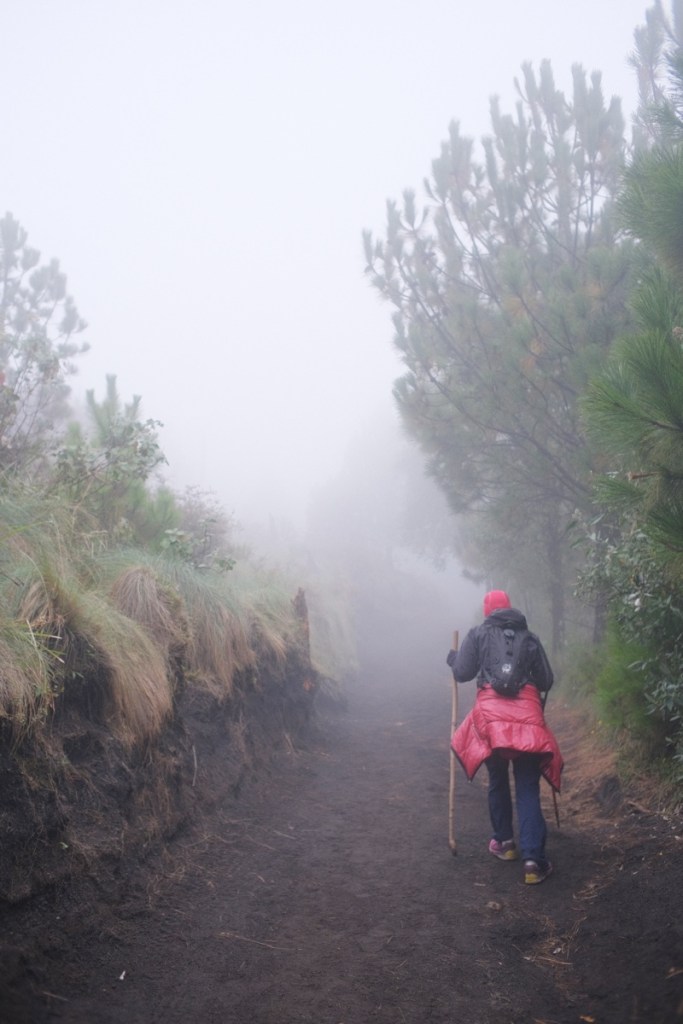
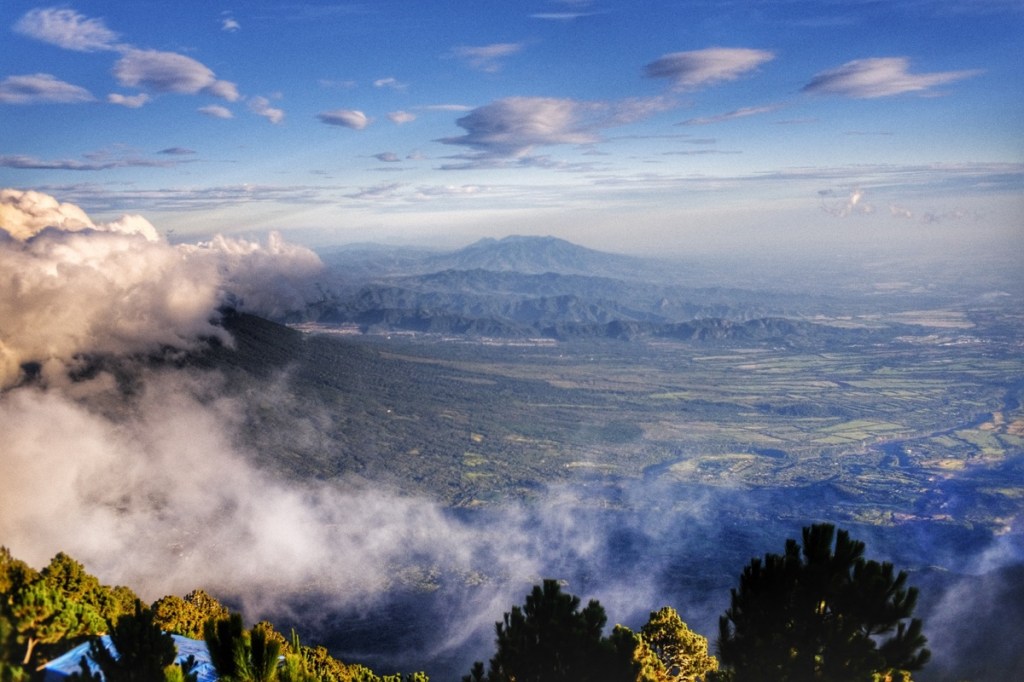
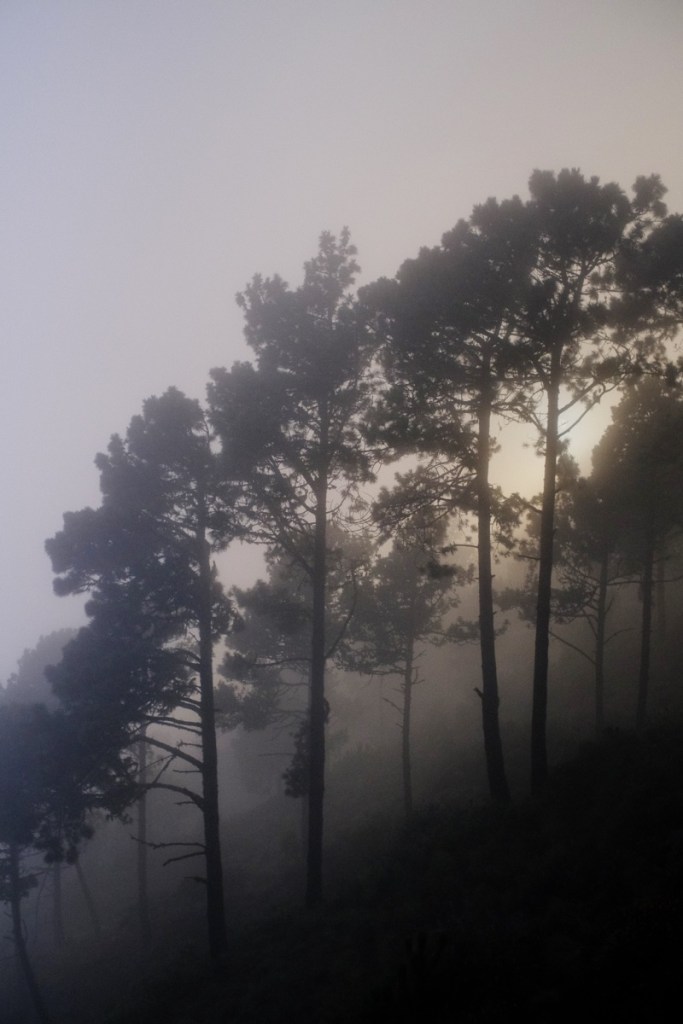
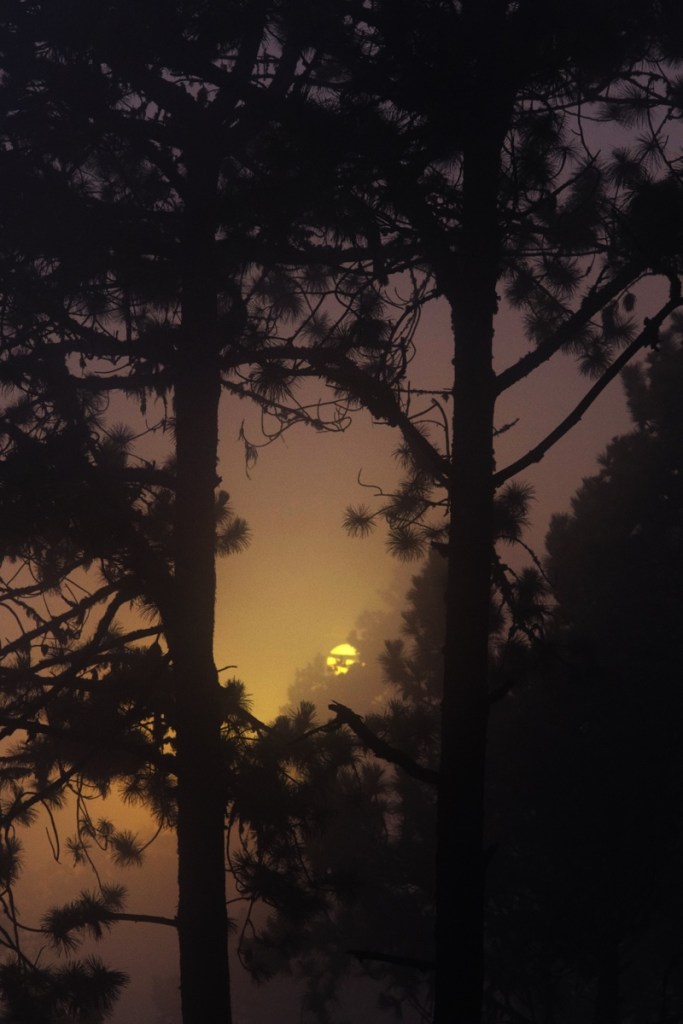
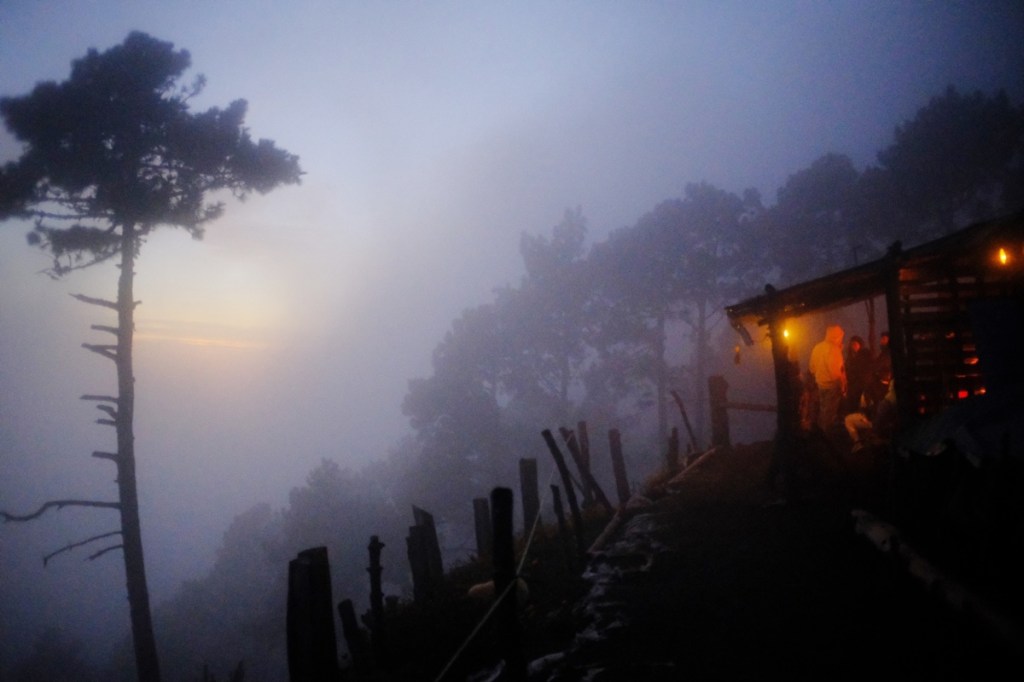
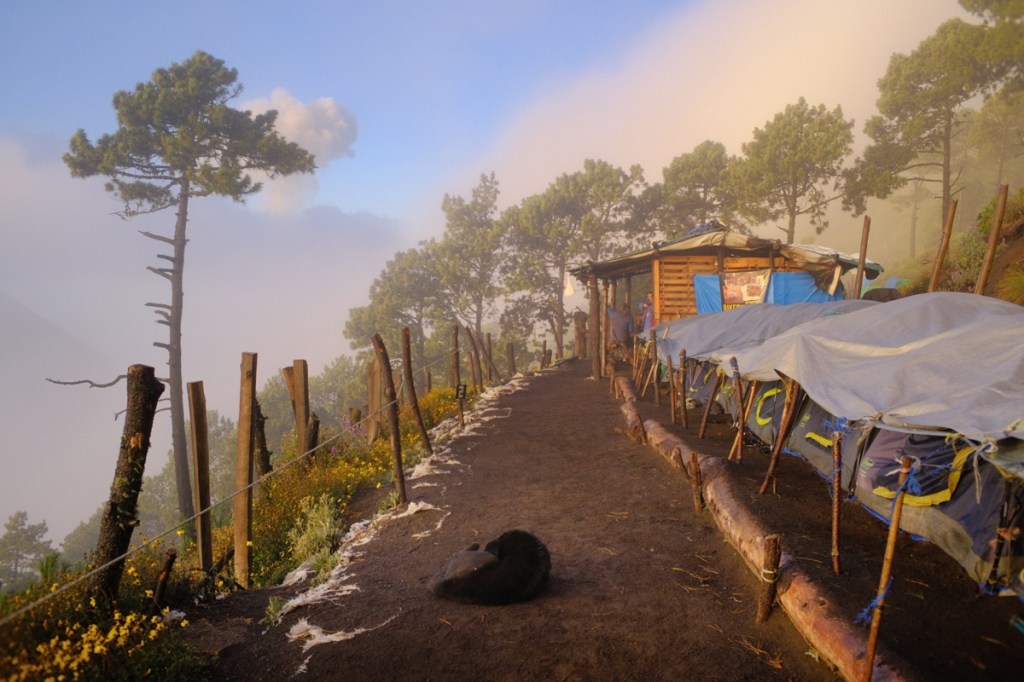
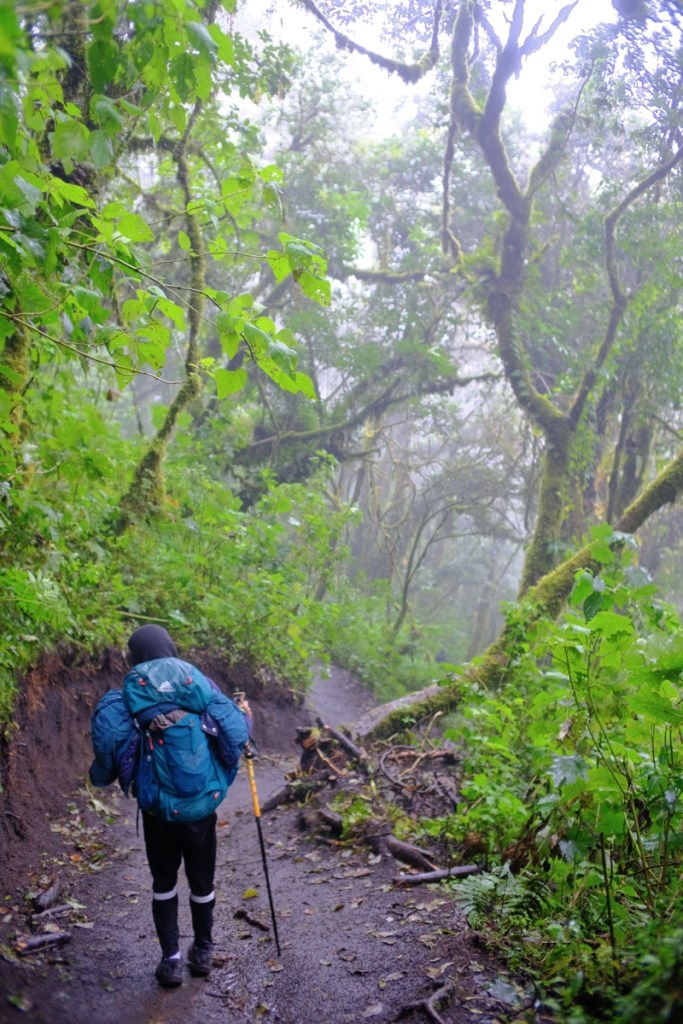
At least, she didn’t miss much of the view; it had been foggy the whole way up and the camp was inside a big grey cloud so we could barely see the landscape!
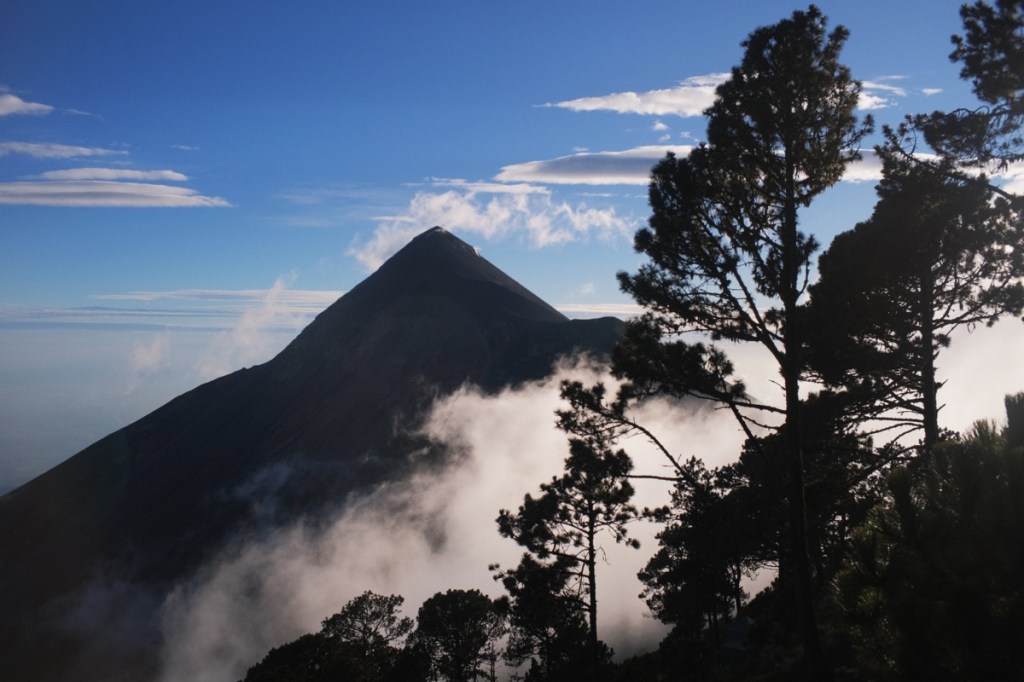
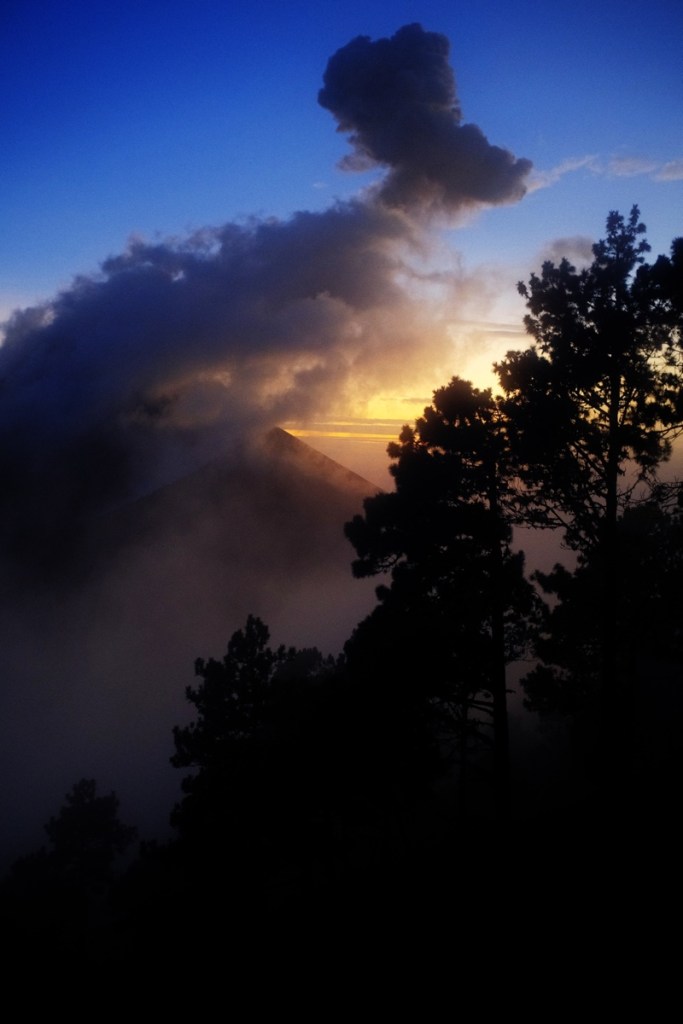
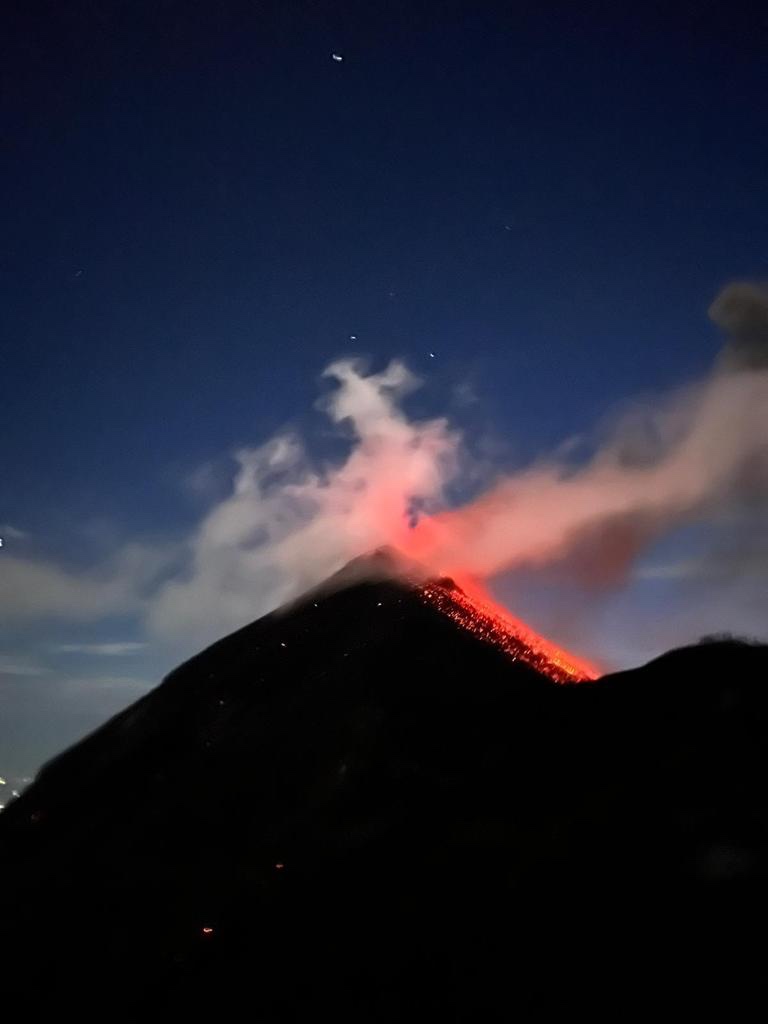
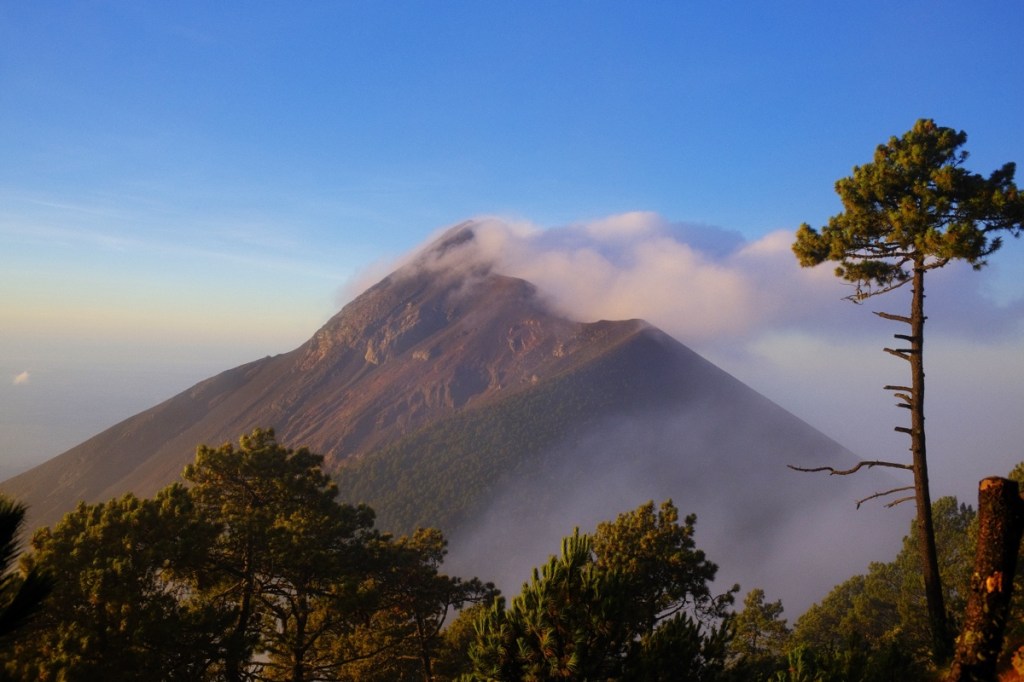
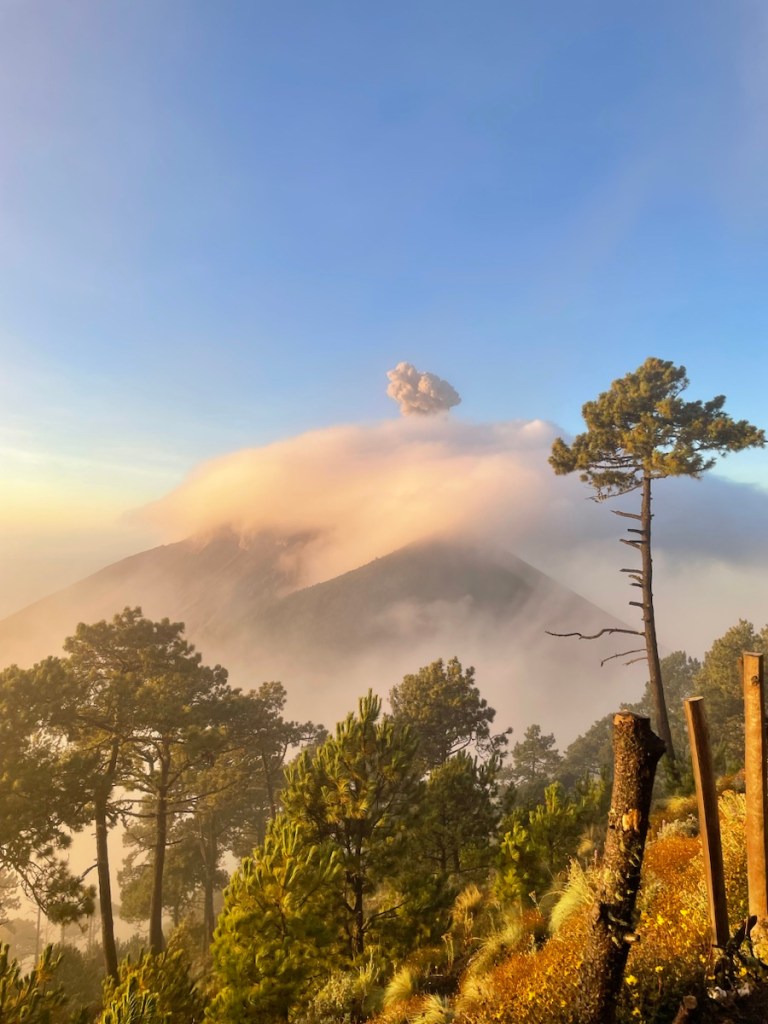
The wind was raging and the temperature was below zero. Only once in a while, the wind would manage to clear the sky for a split second and we would get a glimpse of the Fuego just next to us. As I was desperately waiting behind my camera viewfinder, I was quick enough to capture some of these brief instants of clarity!
There was an optional extra hike in the night to get closer to the Fuego. At this point, with the night falling, the dark cloud surrounding us and the wind and rain slapping our faces, it looked very much like a suicide mission. Nonetheless, a small group of intrepid hikers, including our friends Colas and Thomas, went disappearing into the heavy fog.
After 3 hours, I was ready to report them missing, when we saw them come out of the darkness, pale and exhausted. But they actually saw it! They were lucky enough to walk out of our big cloud and get a real view of the erupting Fuego.
Even the strongest hikers of the group said it was probably the hardest walk they had done.
When dinner was ready, I encouraged Mary to try and eat something, to recover some strength.
I the middle of the night, the nausea became too strong and she vomited everything. She didn’t have the time to open the tent! We tried to clean up as we could with 2 rolls of toilet paper!
The next morning, we were supposed to wake up at 4am to climb a bit more and see the sunrise from the summit, but the clouds were still there and the wind was still raging, so that part was aborted.
Mary was still feeling sick in the morning, but she was able to walk, so one of the guides accompanied us to descend ahead of the group, so we’d have time to walk slow.
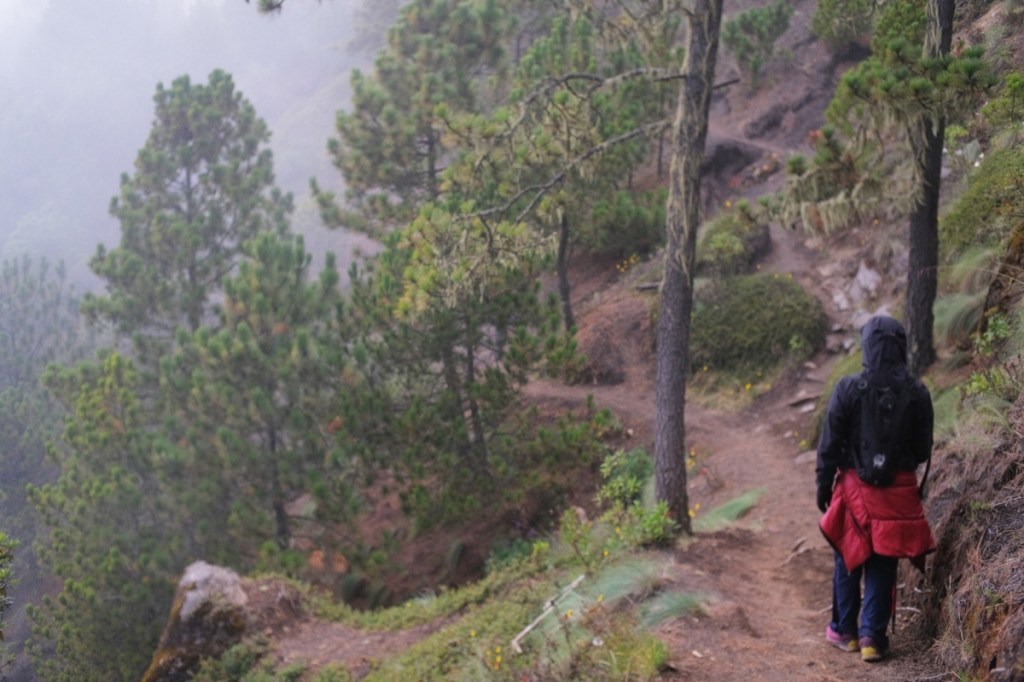
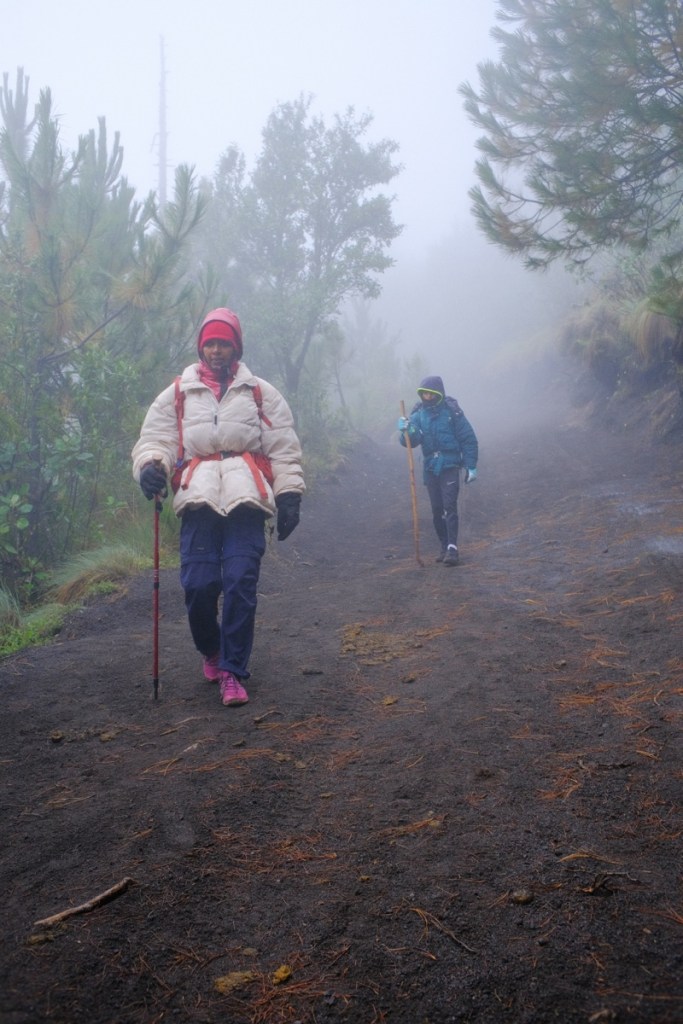
Walking down was a lot easier than climbing, but still it was very steep and slippery, and after a couple of hours quite straining for the legs.
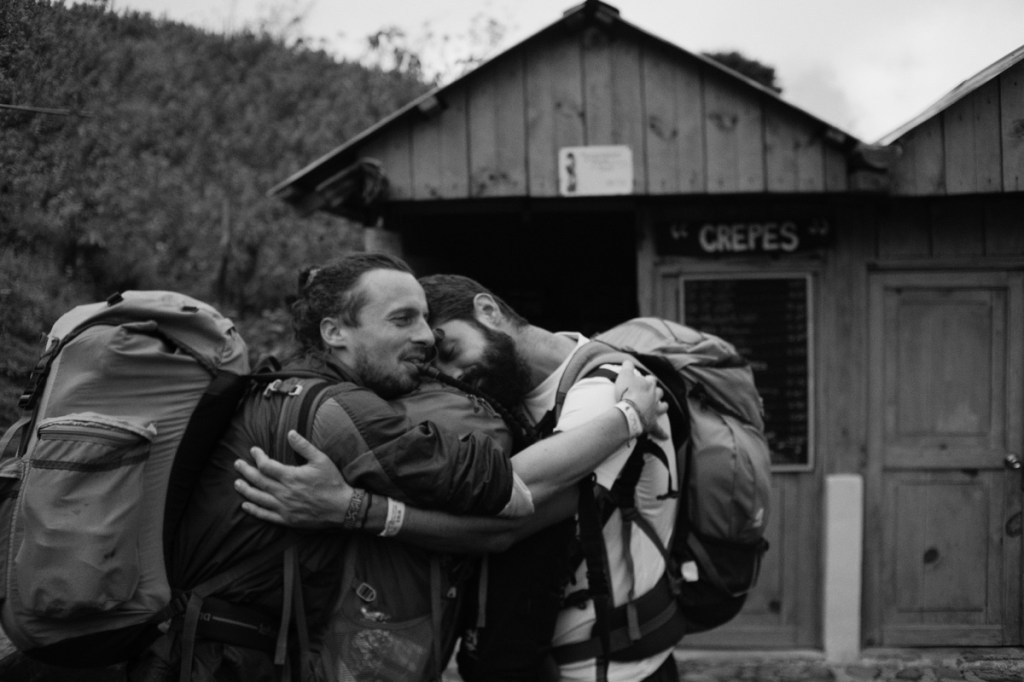
We made it alive down the volcano and returned to Antigua with the rest of the group. After a good bye lunch with Colas and Thomas, we took the shuttle back to Panajachel and the boat from Panajachel to San Marcos, and finally crashed miserably in our bed!
By chance San Marcos is a good place to relax. It took another 3 days for Mary to get rid of the nausea and finally feel better.
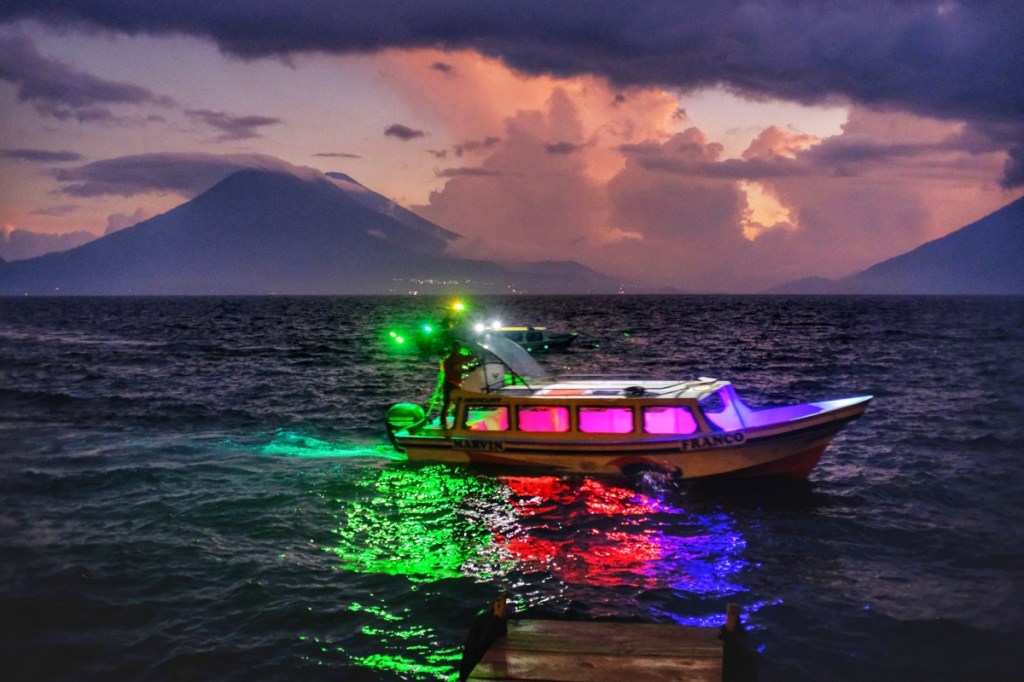
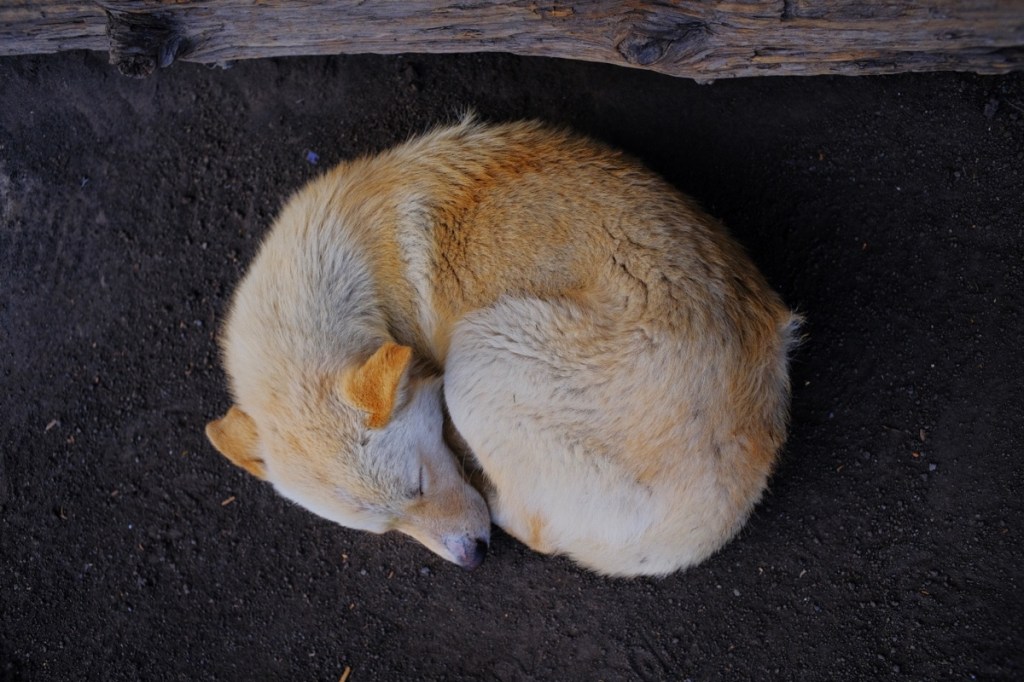
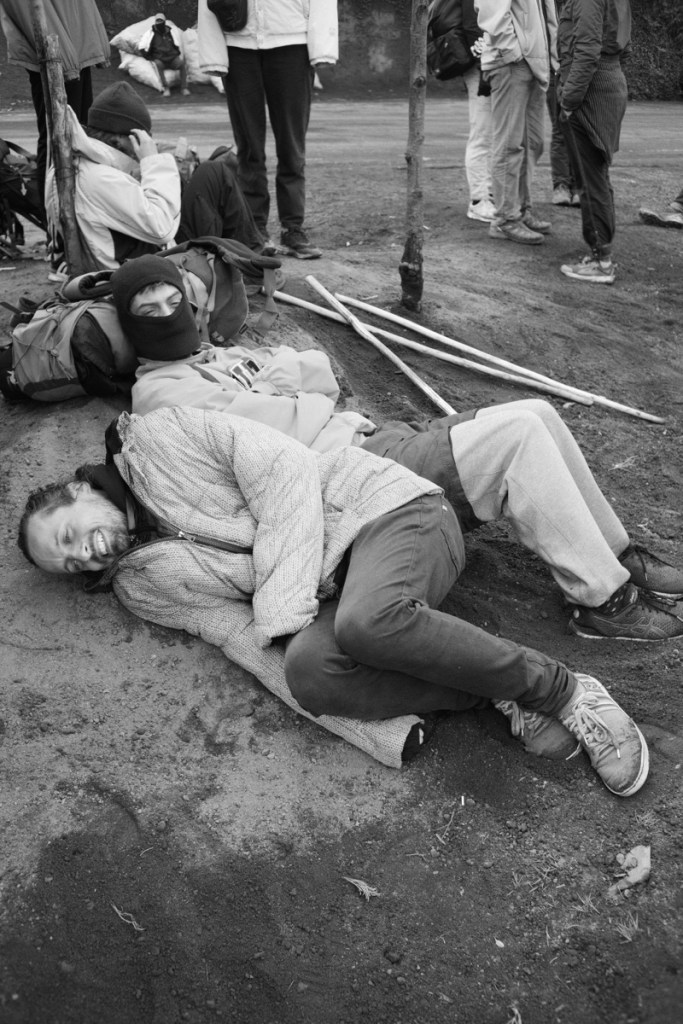
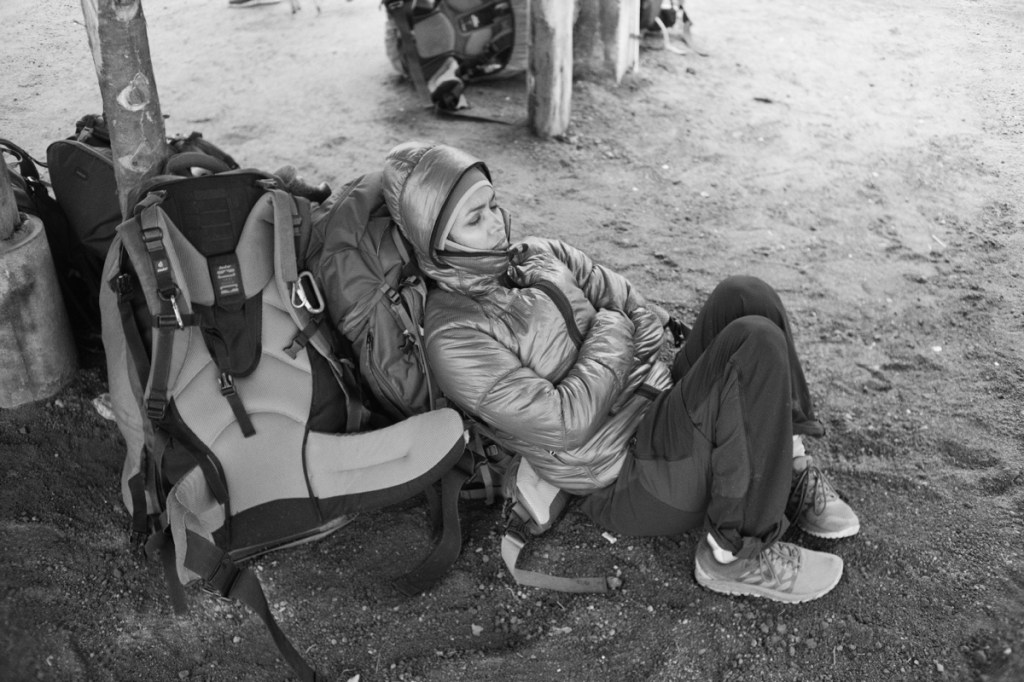
About an hour into the walk. A guide is carrying Mary’s backpack.Colas volunteered to carry Leo’s backpack all the way up!First break Alone after everyone has passed us!Last stretch Clearest view of the Fuego for about 2 seconds!The valley uncovered for a couple of seconds Trees in the fogLeo is rewarded for his walk with a hot chocolate Glimpse at an eruption between 2 clouds The sun is setting behind the fogThe campsite at duskThe dogs are curling to protect from the windThe guides cooking the dinerThomas and Colas returning from their extra mileThe Fuego as they saw it, the intrepid bunch!Another brief morning appearance And a little smoke puff from the eruption !The camp in the morning Courageously walking back downWe all made alive! 🙂Now waiting for the bus in the cold windLeo under the colored lights of the boat taking us back to San Marcos

 Raahi - A traveling family