The most acute readers will undoubtedly notice the subtle double pun about a famous drink made with pisco, and Cusco’s troublesome times on the other hand. Don’t thank me, the pleasure is all mine.
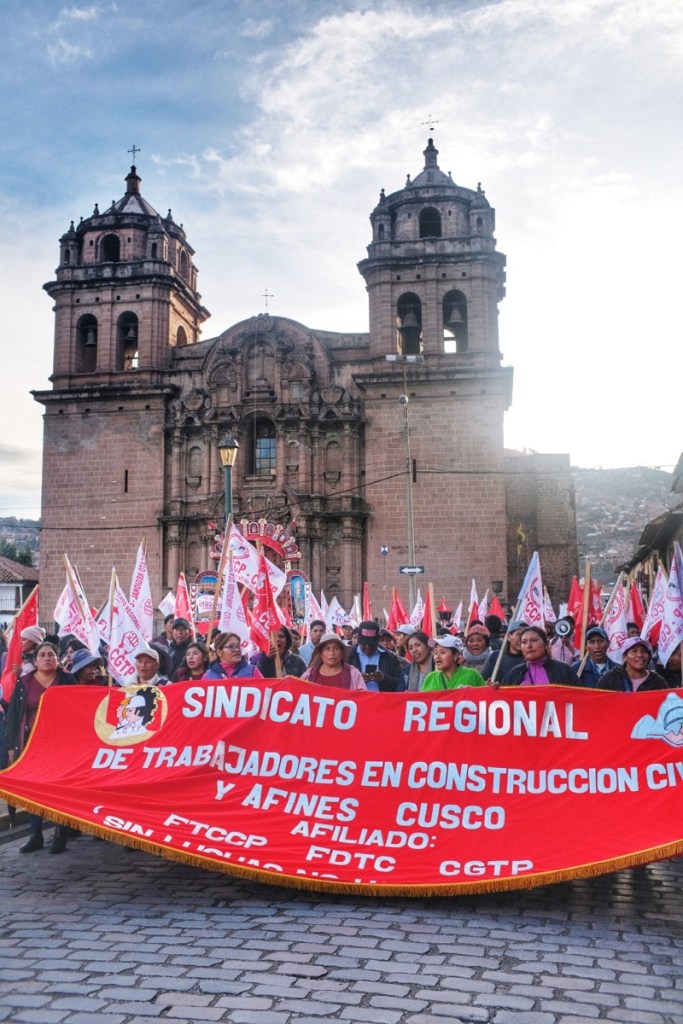
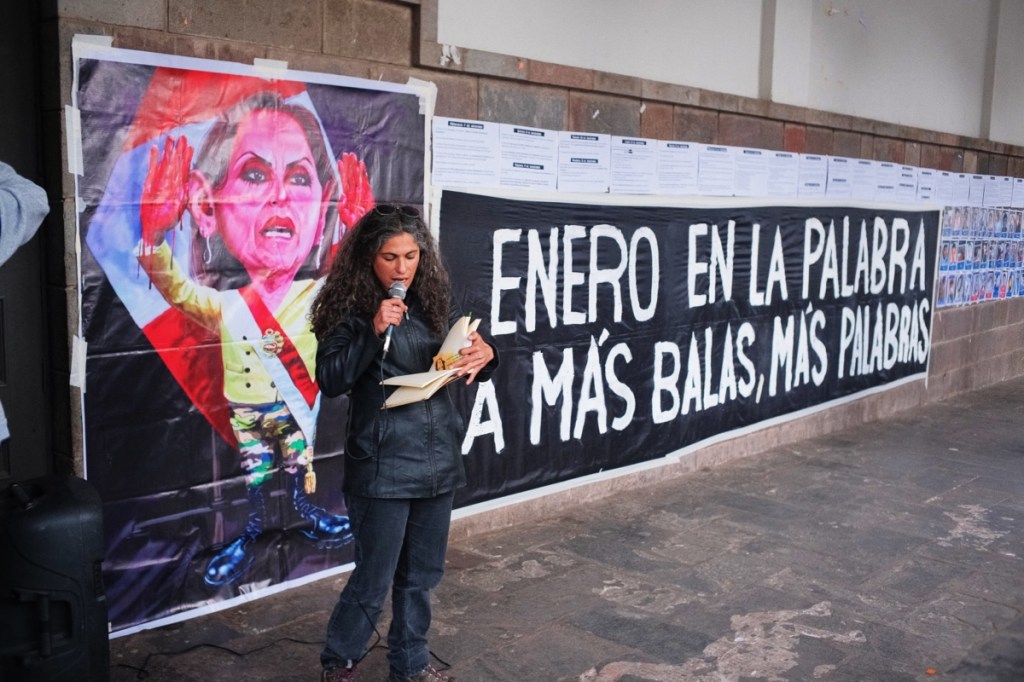
At first we were in Cusco for a couple of days to get acclimated to the height before the Inca trail. Then we wanted to stay a few days more to explore more sites around the city – which we never did! Finally we were in Cusco because the strikes had started strong again and we couldn’t leave anymore! (See next post about escaping Peru!)
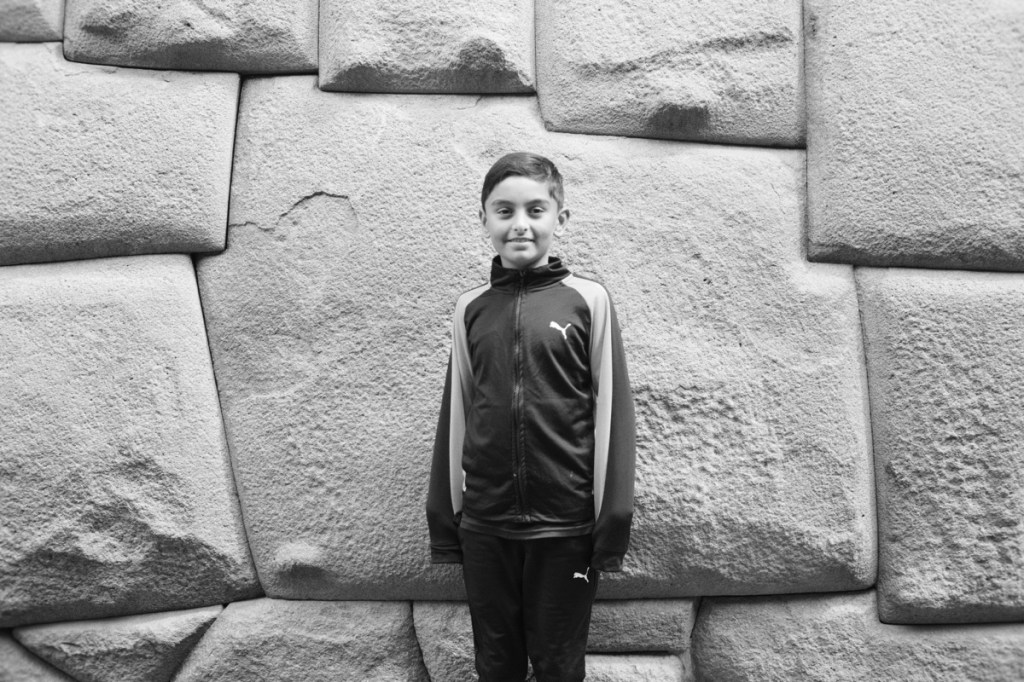
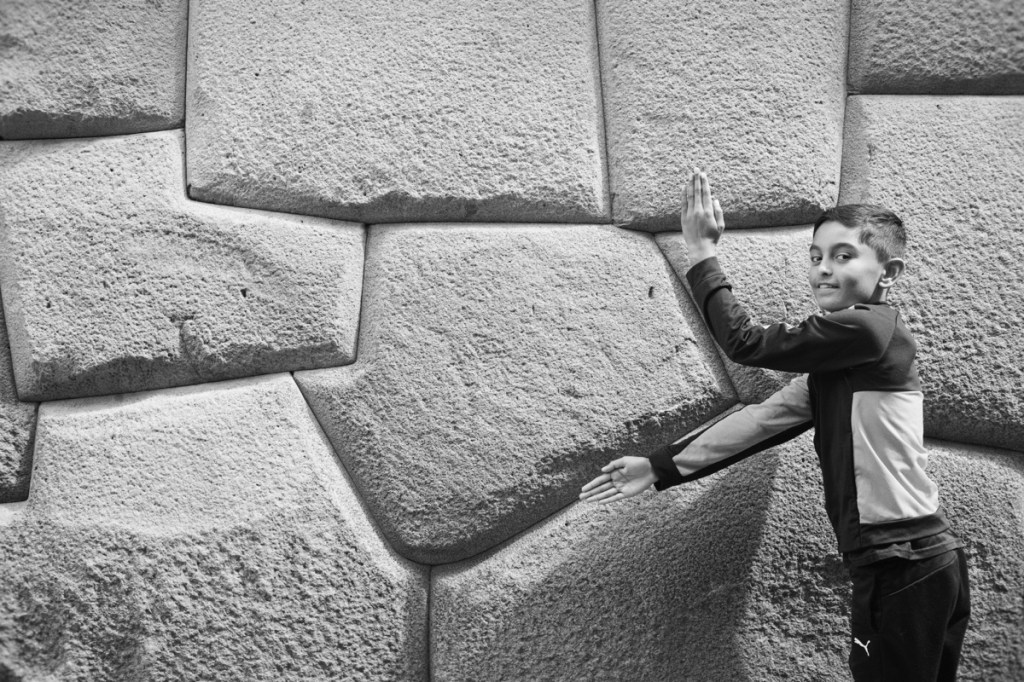
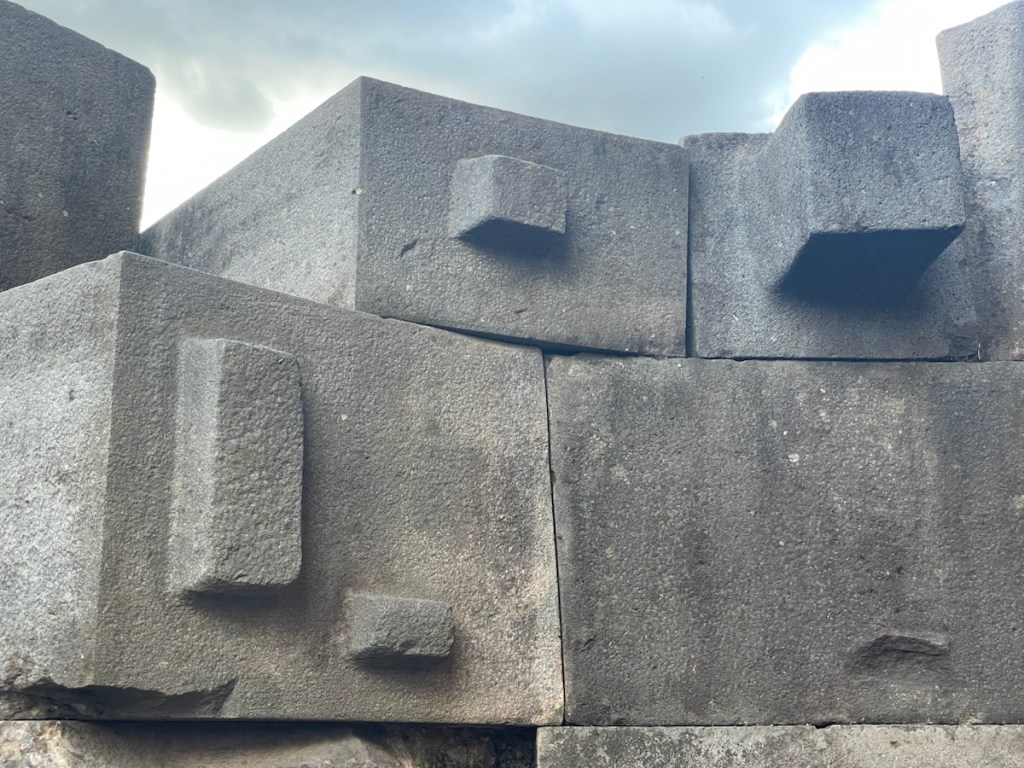
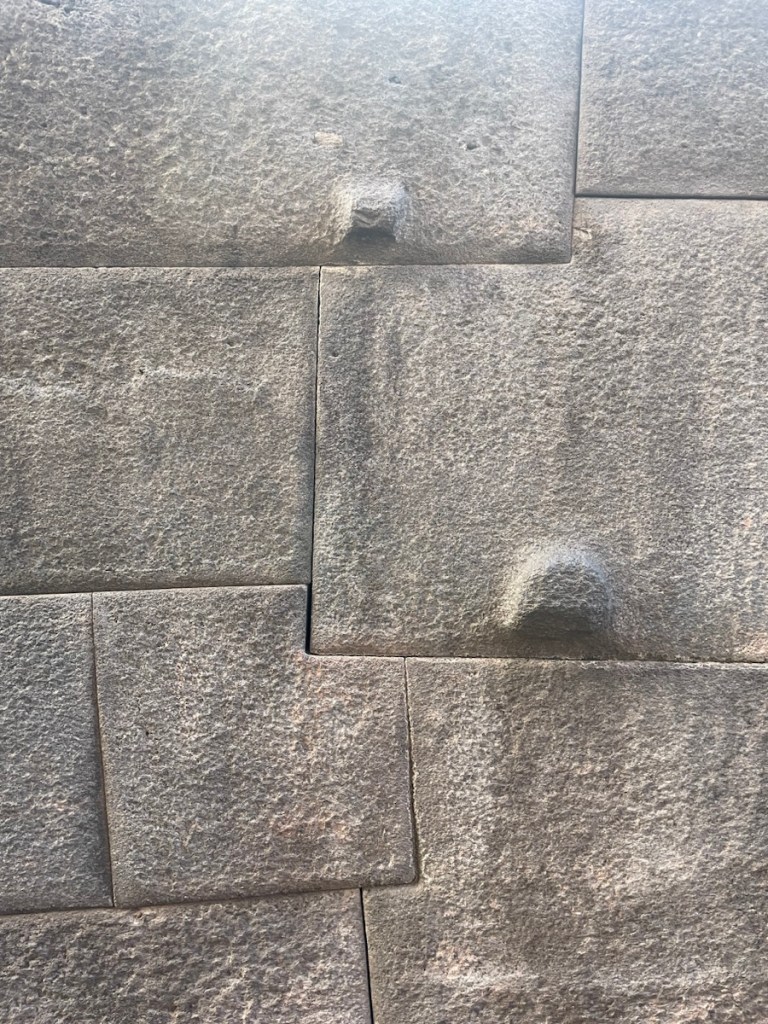
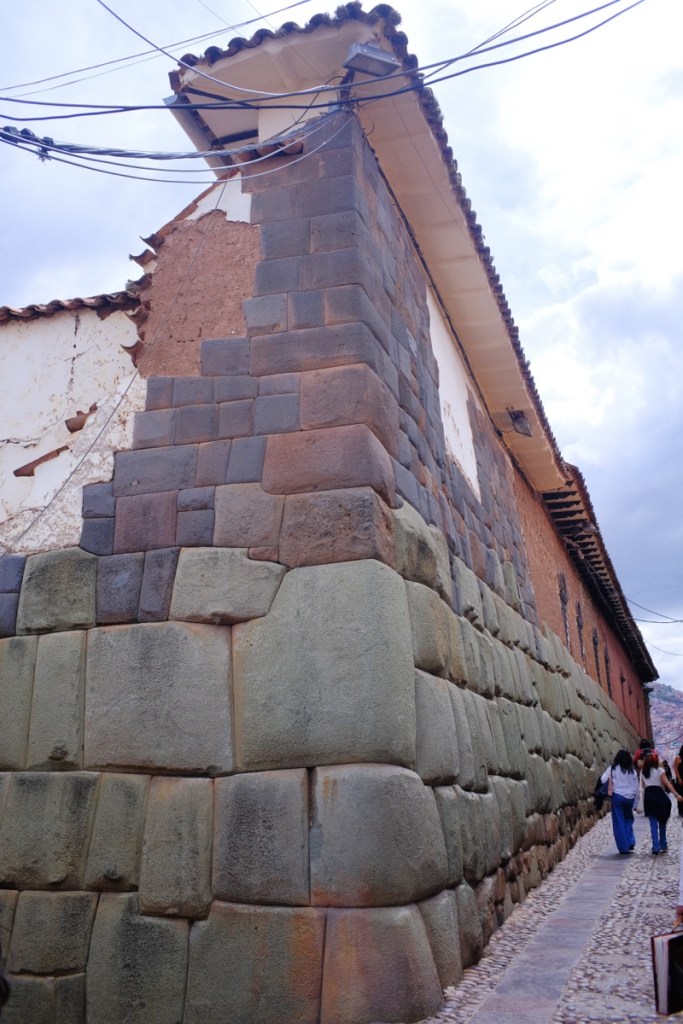
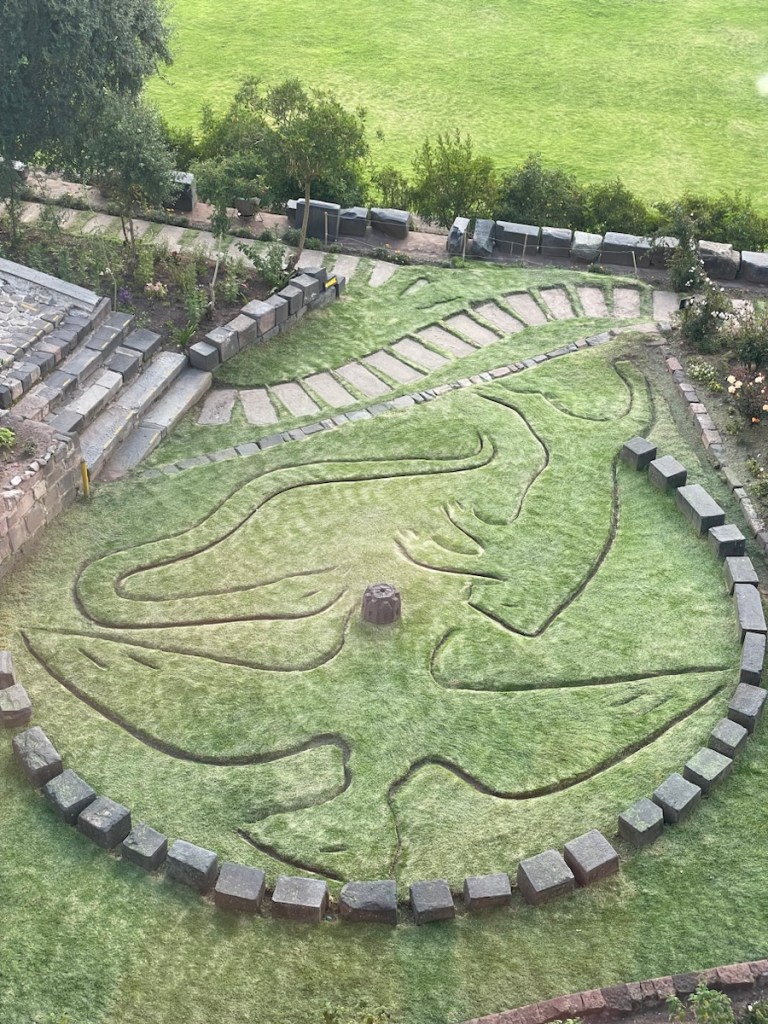
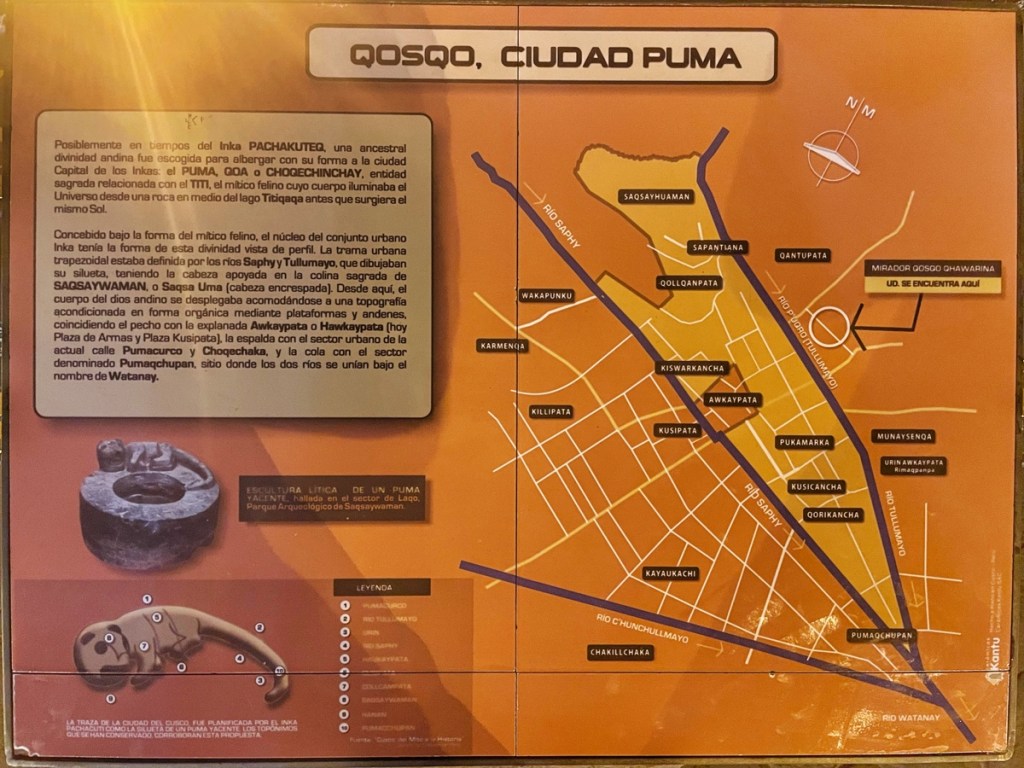
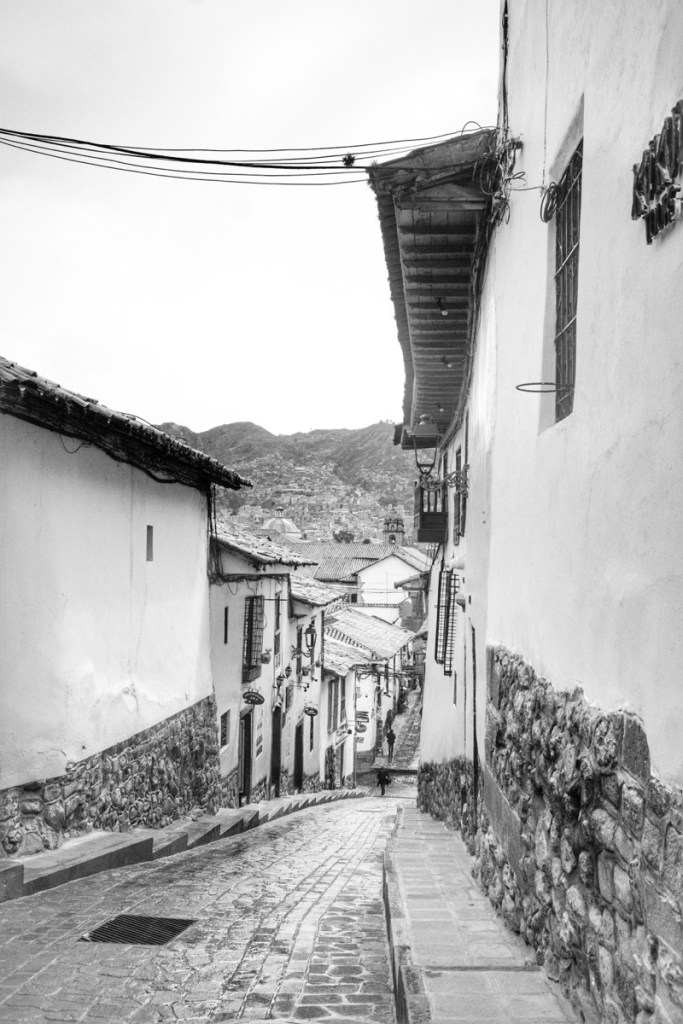
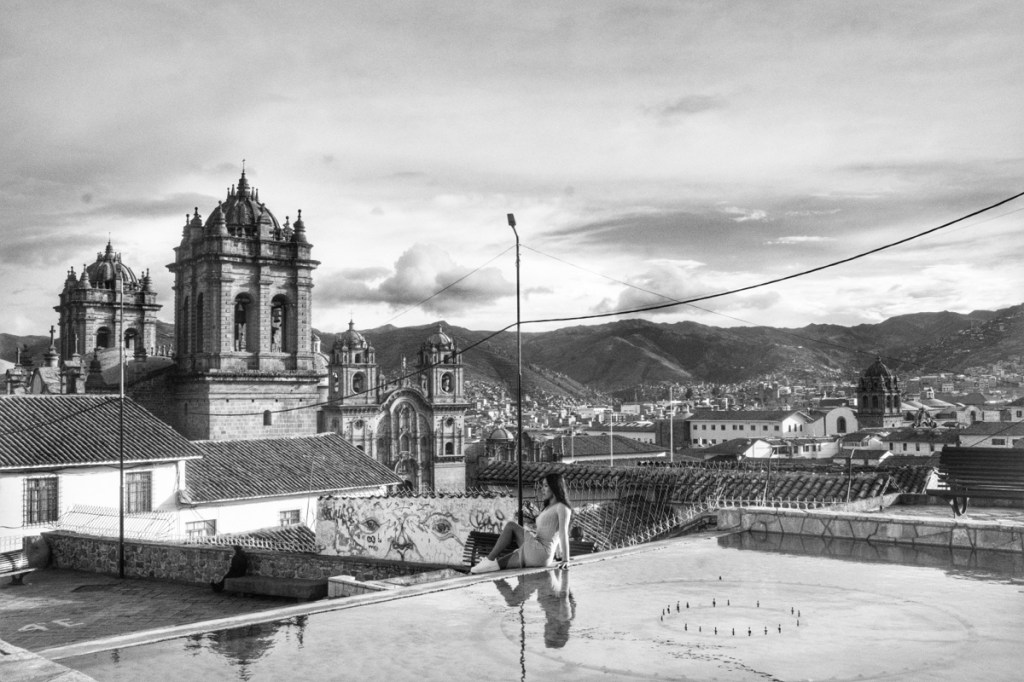
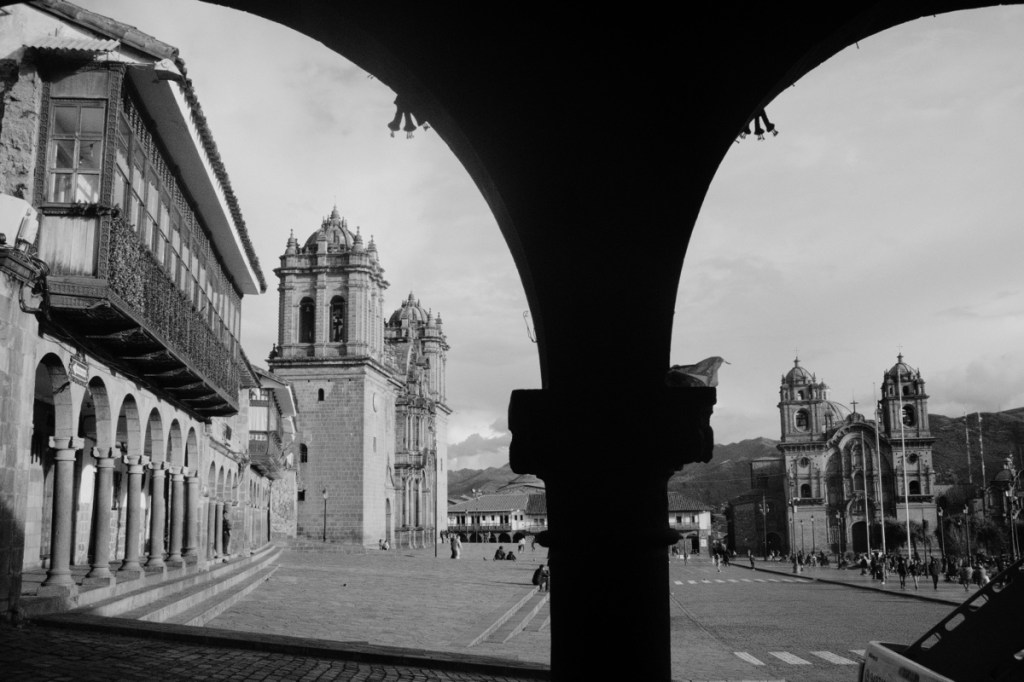
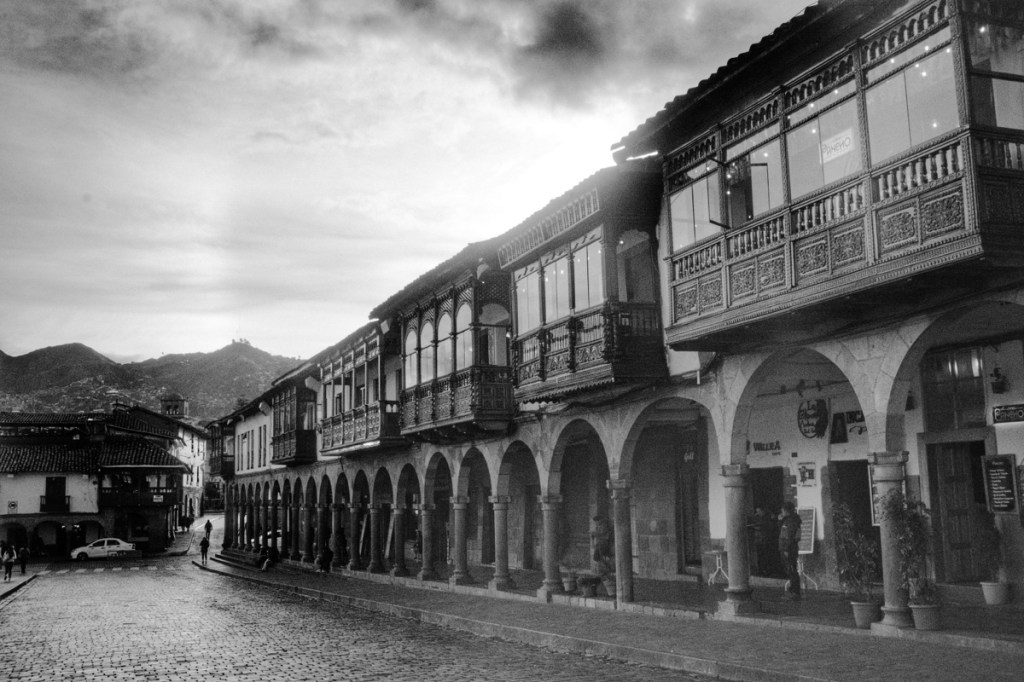
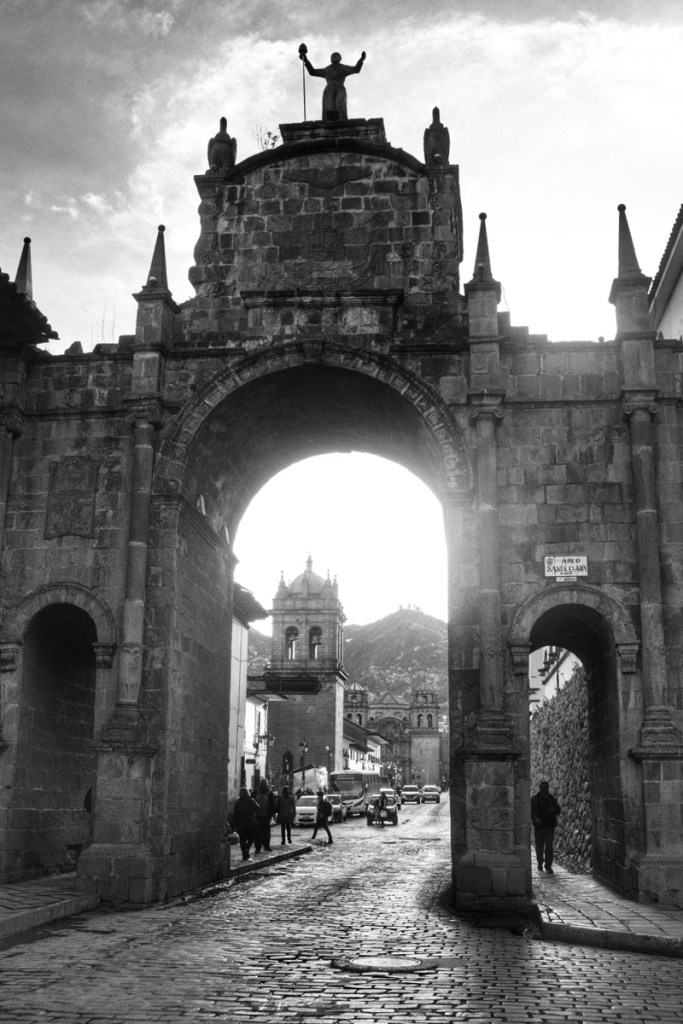
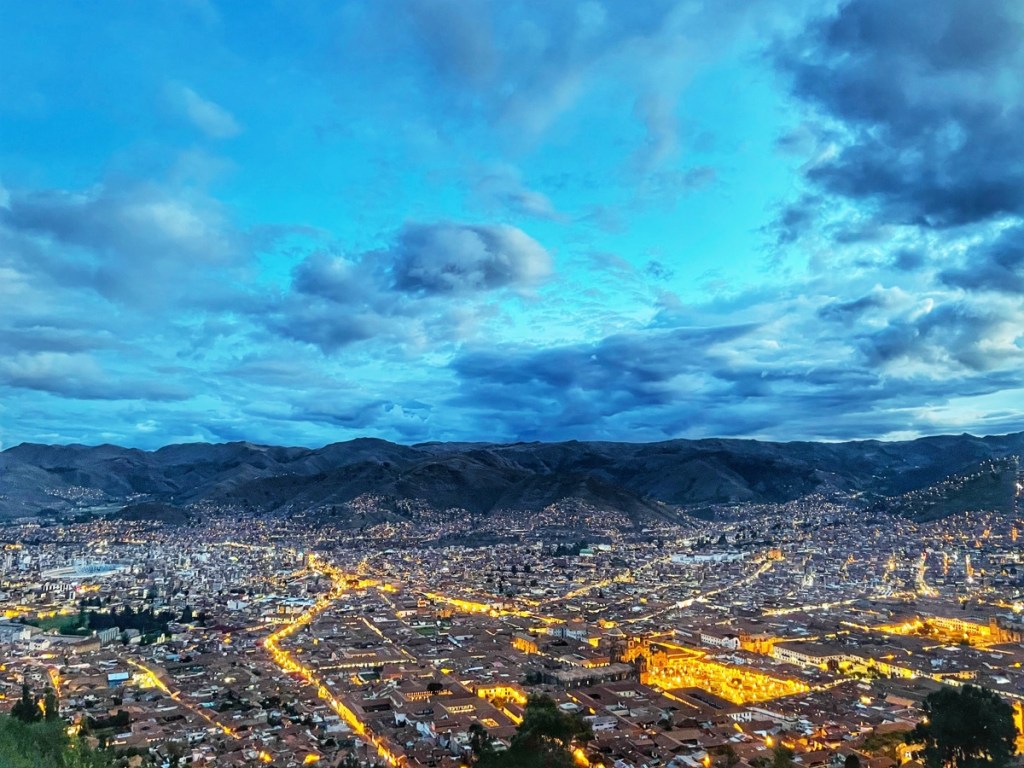
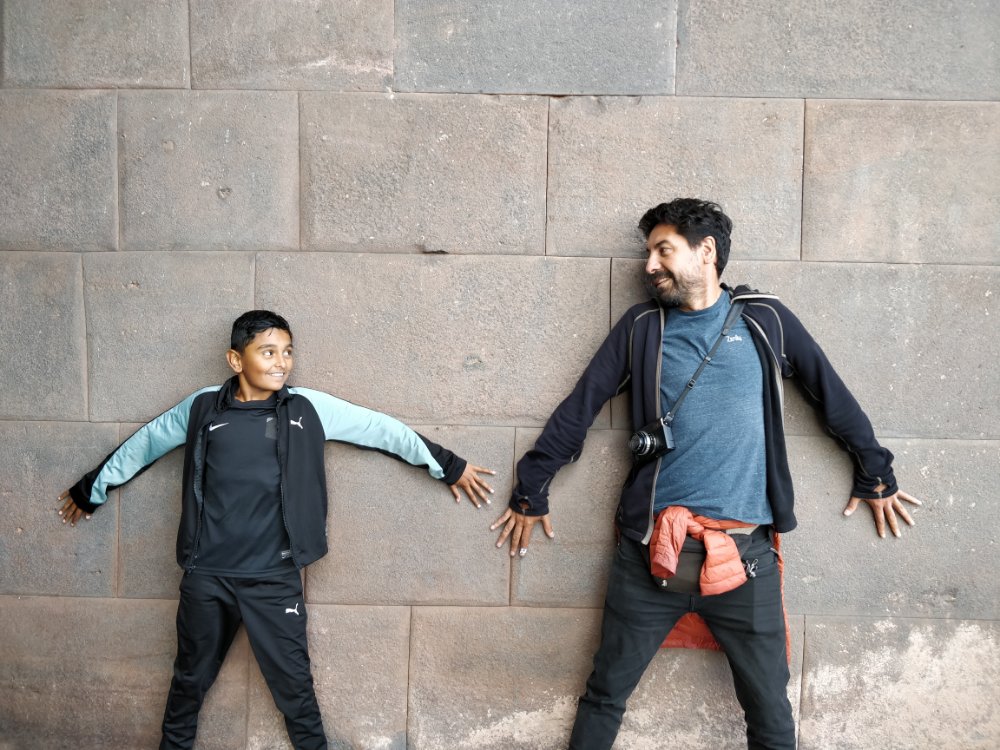
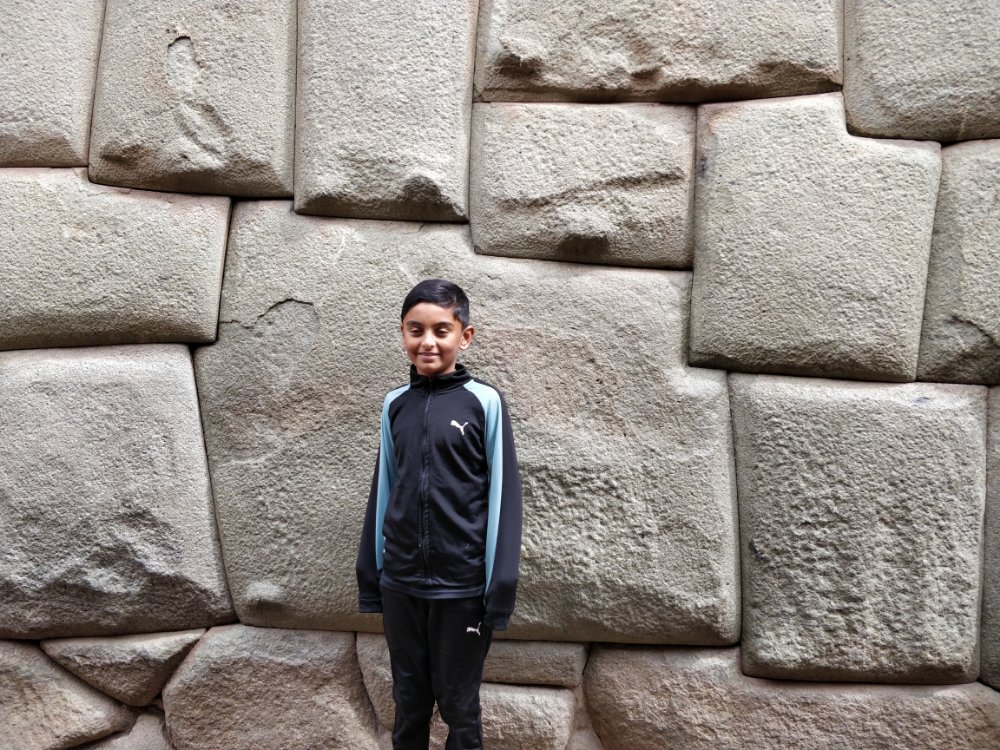
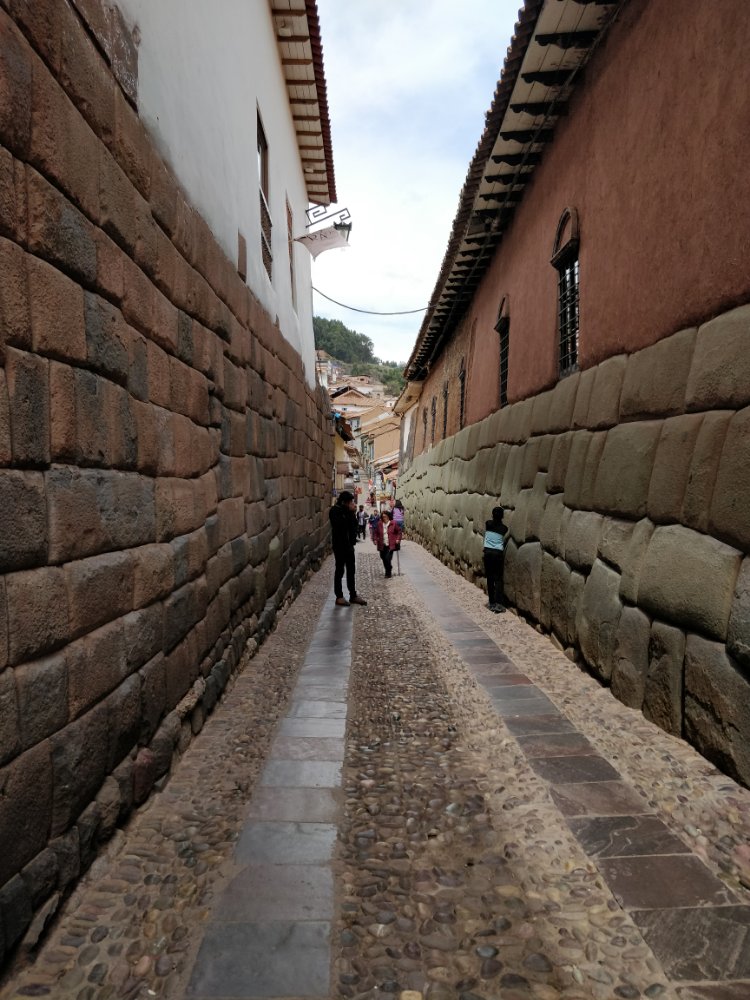
Cusco is a fabulous blend of Inca and post colonial architecture. To start with, the plan of the original Inca city has the shape of a puma! Walking in the historical center, you can admire the fascinating Inca architecture, like a puzzle of giant stone blocks perfectly adjusted (such as the famous twelve corners stone).
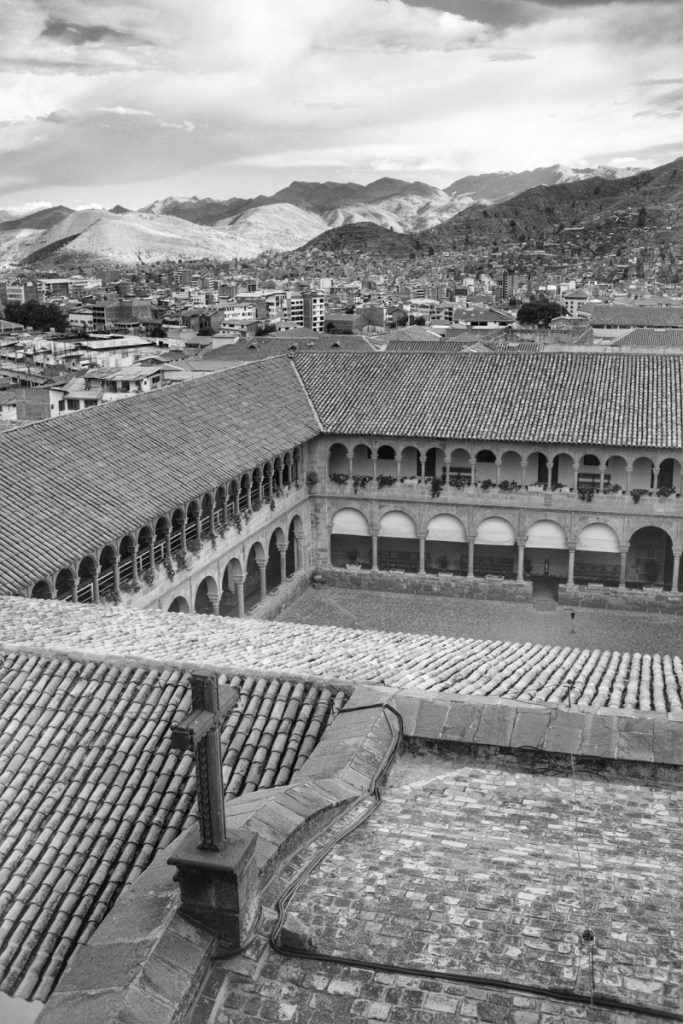
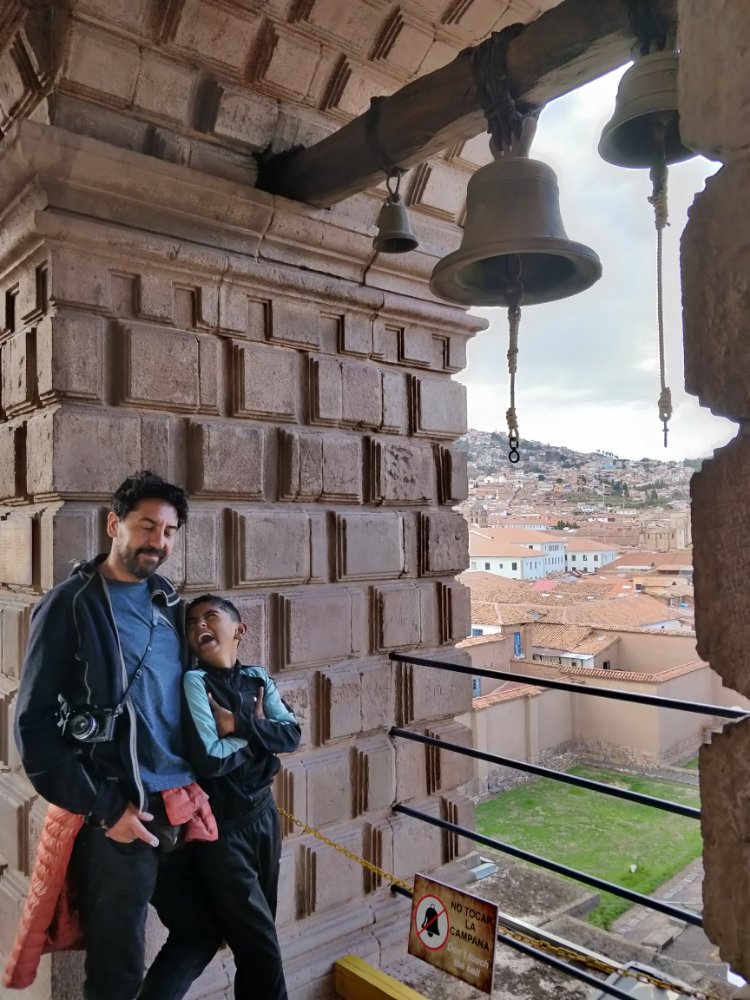
We visited the Qoricancha, or temple of the sun, which has been converted into the Santo Domingo church by the spaniards, but still retains its original Inca structure. The Coricancha is the epicentre of the ceques system; a giant network of Inca cities and temples, all aligned and radiating from Qoricancha, and all communicating with each other (one visible from the next so they could communicate with light signals)
I decided that we stay in Cusco a couple of days before the Inca trek to get acclimated to the altitude. Once bitten, twice shy! After the Acatenango mishap, I took all the necessary precautions to ensure that I do not suffer. Paracetamol and Coca-Cola is what kept me from falling ill.
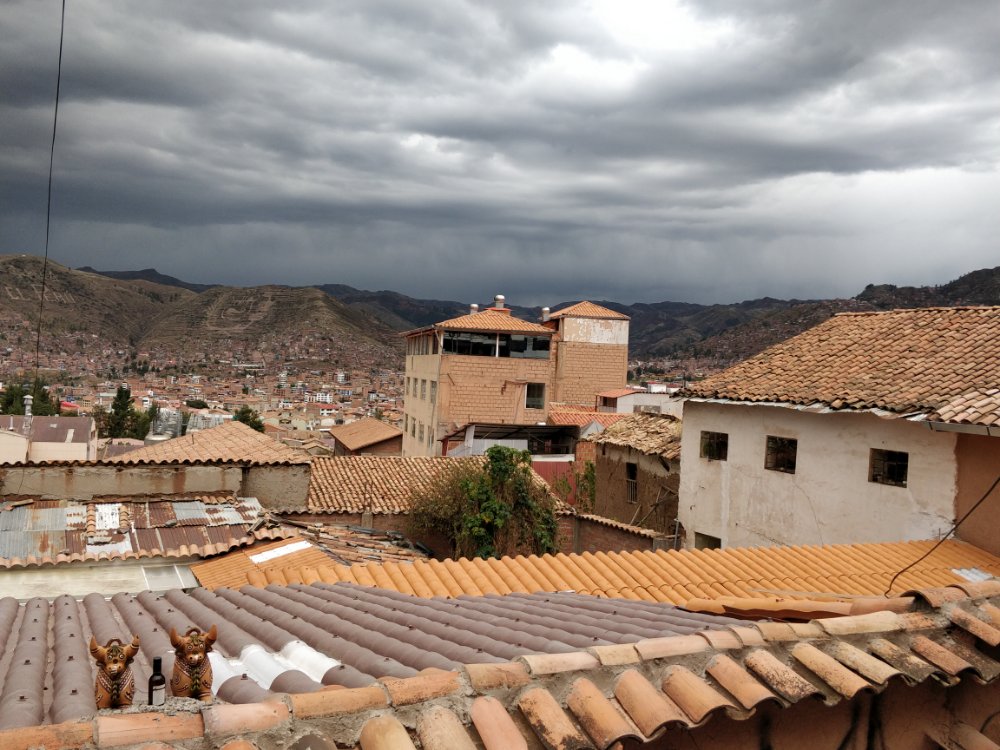
Cusco is a beautiful city with architectural wonders from the Inca period to the post Spanish invasion. We also had some delicious food after months of travelling across Latin America.
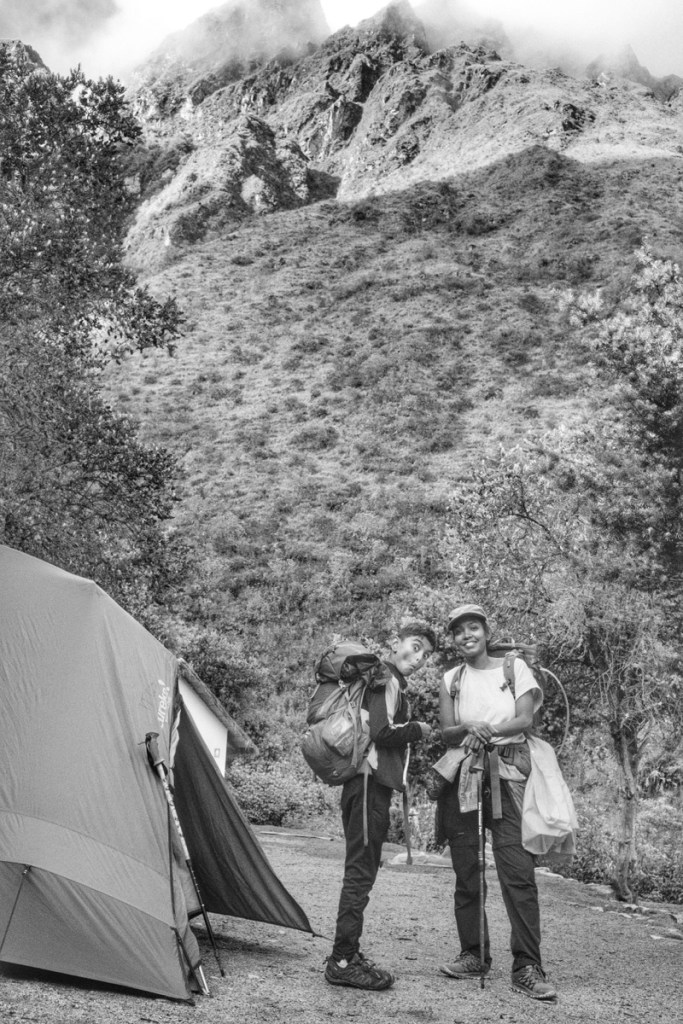
A day before the trek, we were told that we might have to leave the same night for the trek as there were protests planned the next morning. We didn’t want to be stuck in a jam and so we decided to leave. We camped an extra night at the starting point.
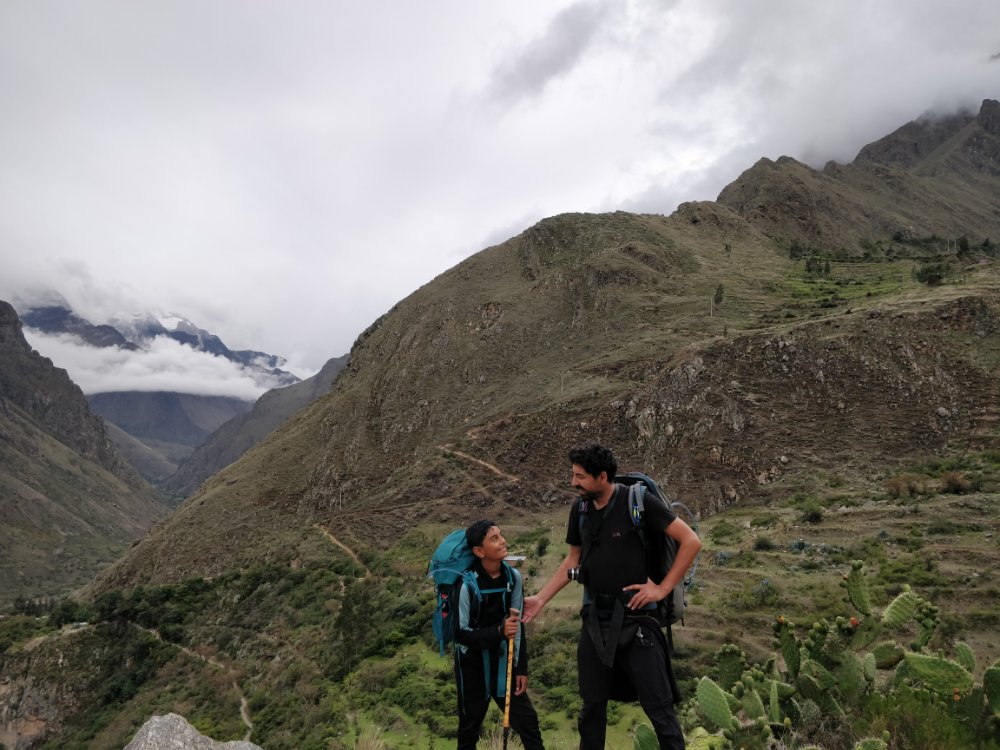
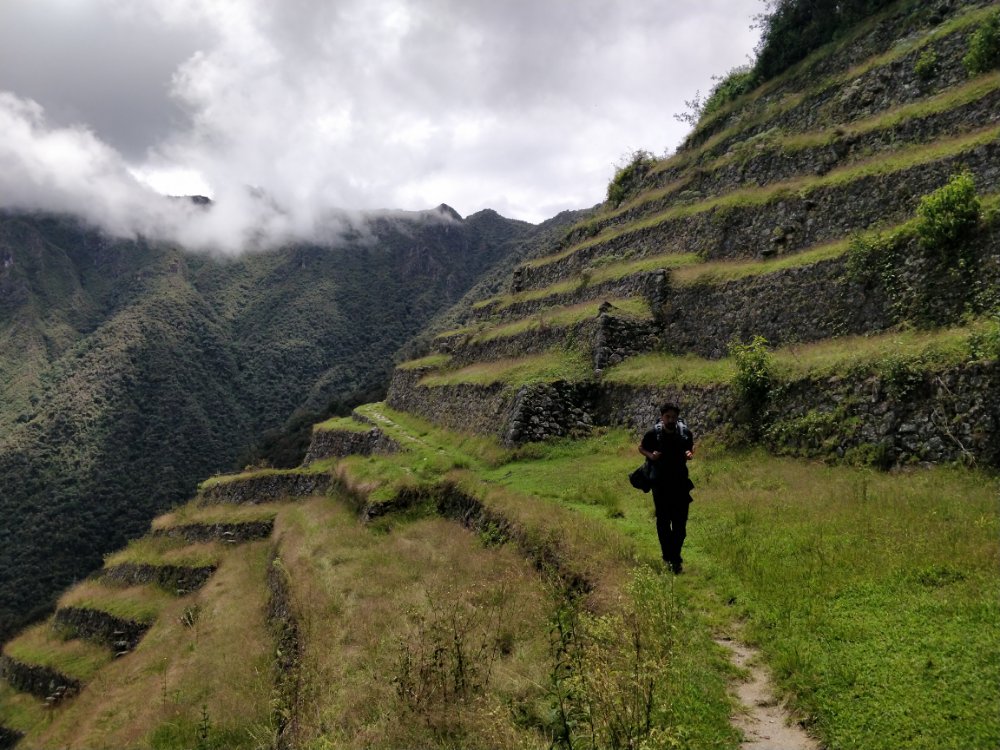
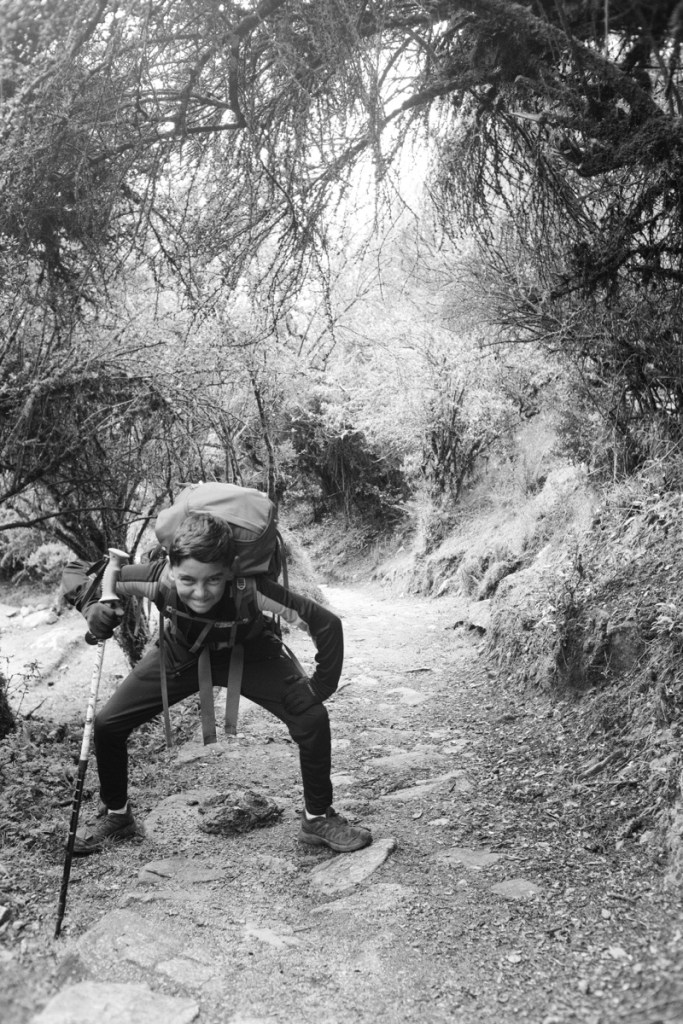
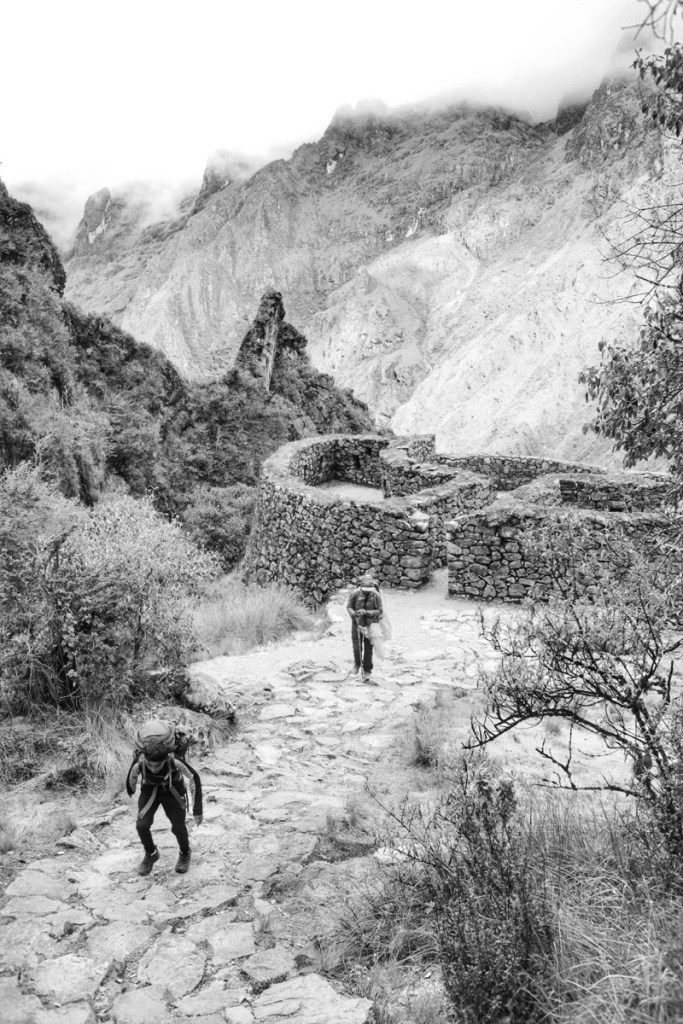
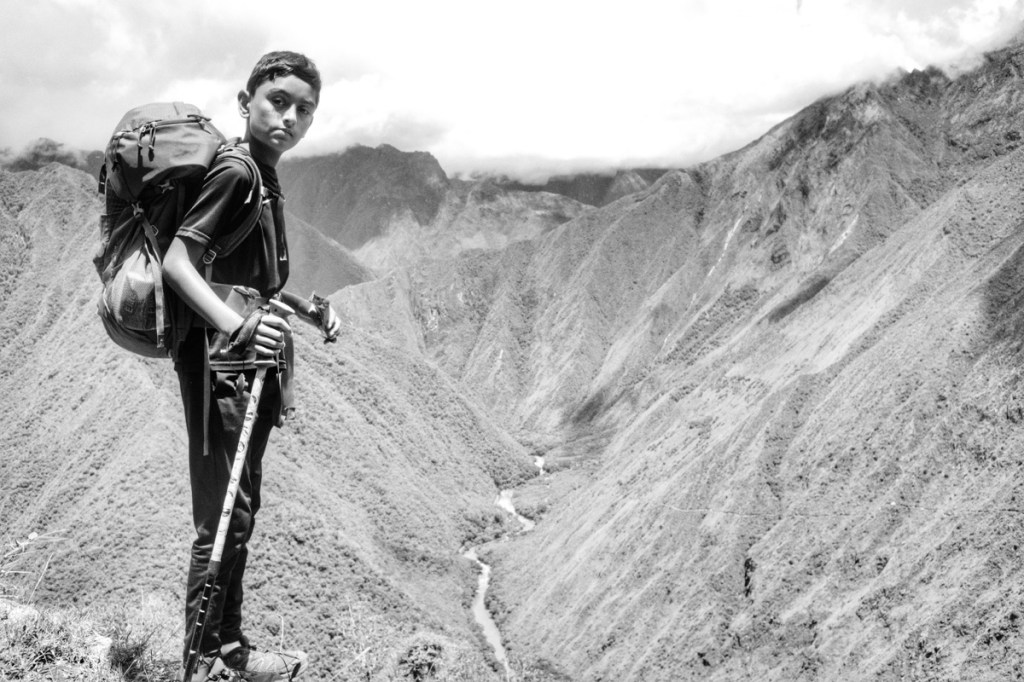
The Inca trek was one of Arjun’s dreams and he was really excited. I didn’t have any expectations. I just didn’t want to fall ill during the hike. The first day was really easy. We walked for 8 hours and witnessed the beauty of the Andes mountains and some architectural sites. We were the only group along with another group of Korean tourists.
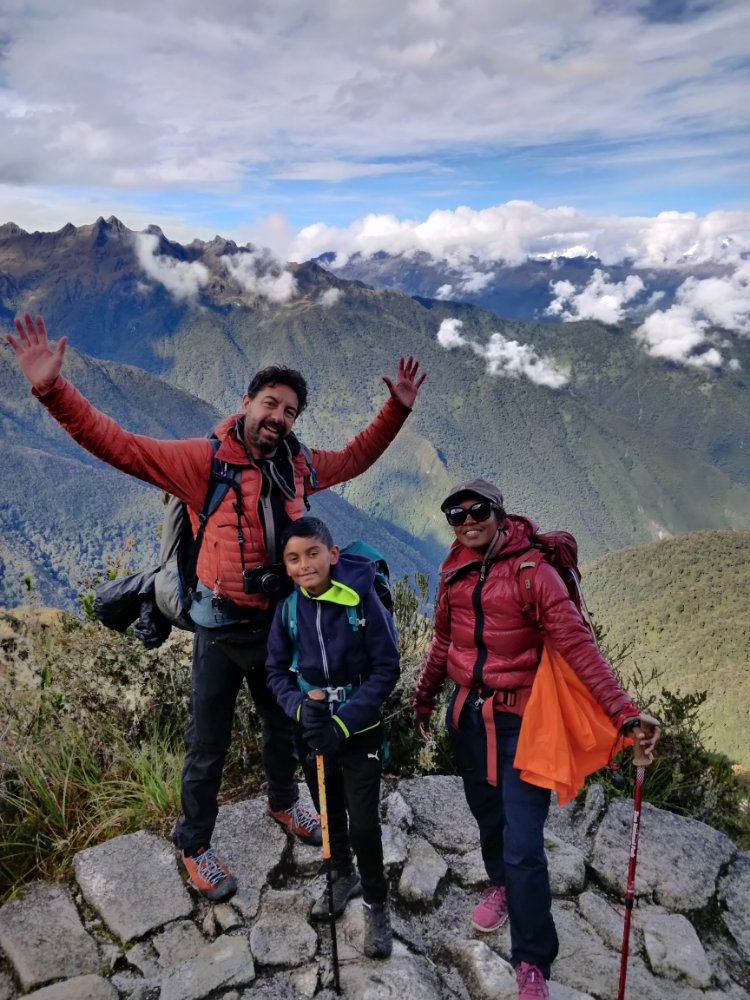
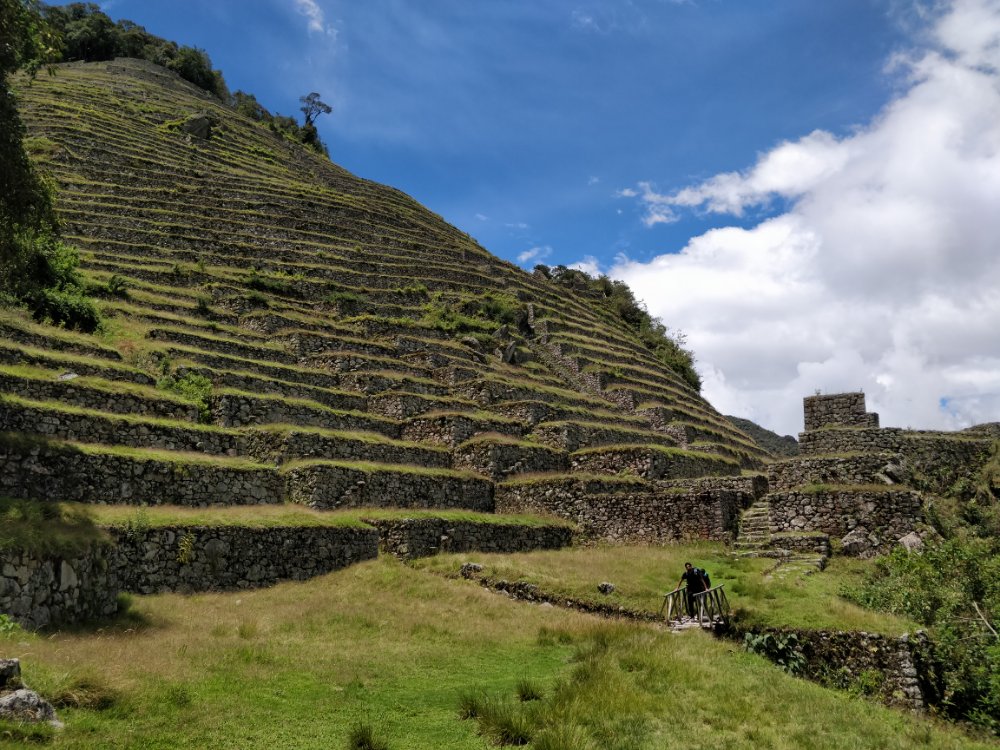
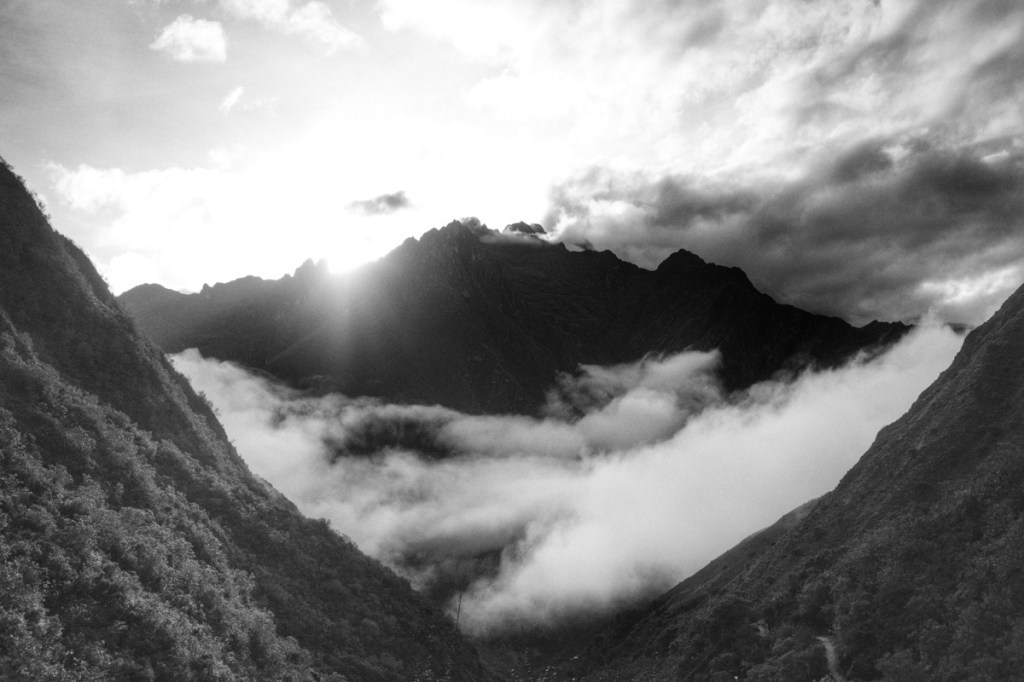
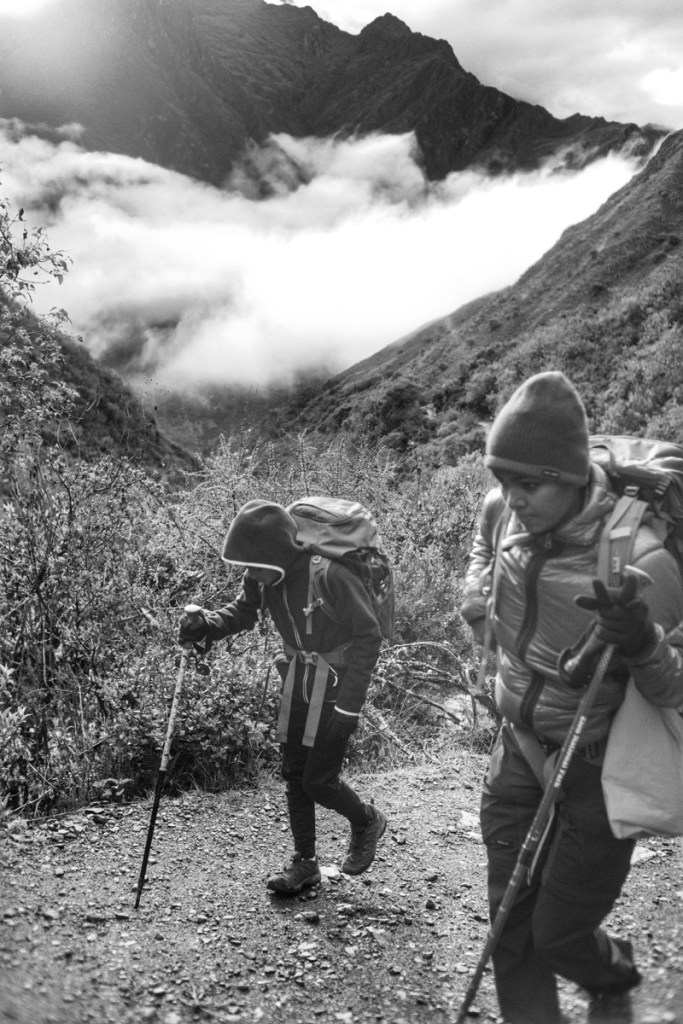
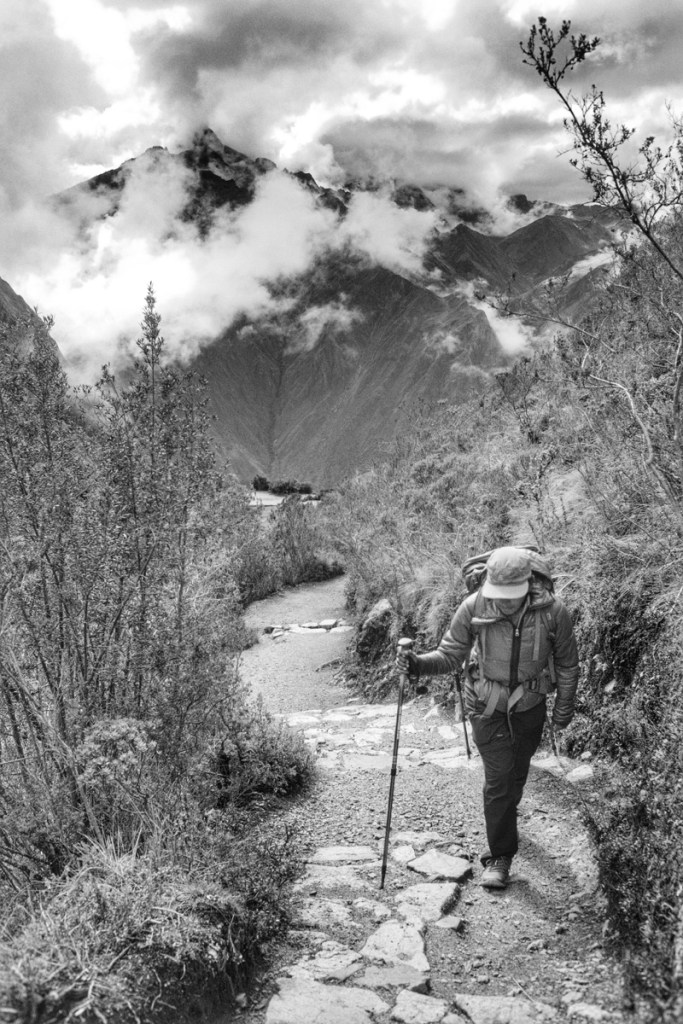
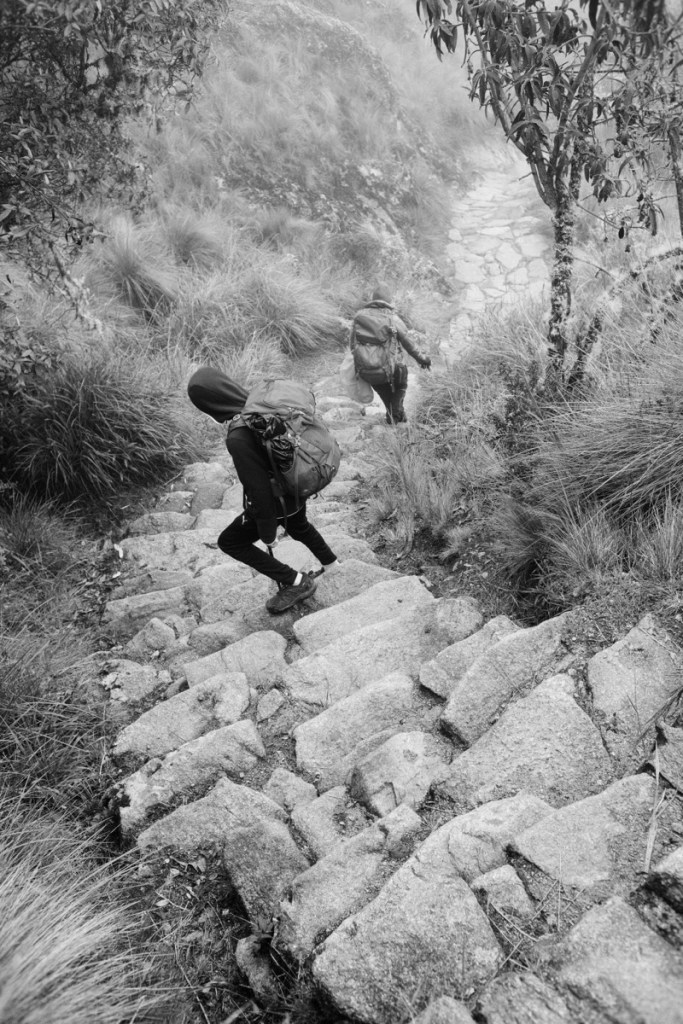
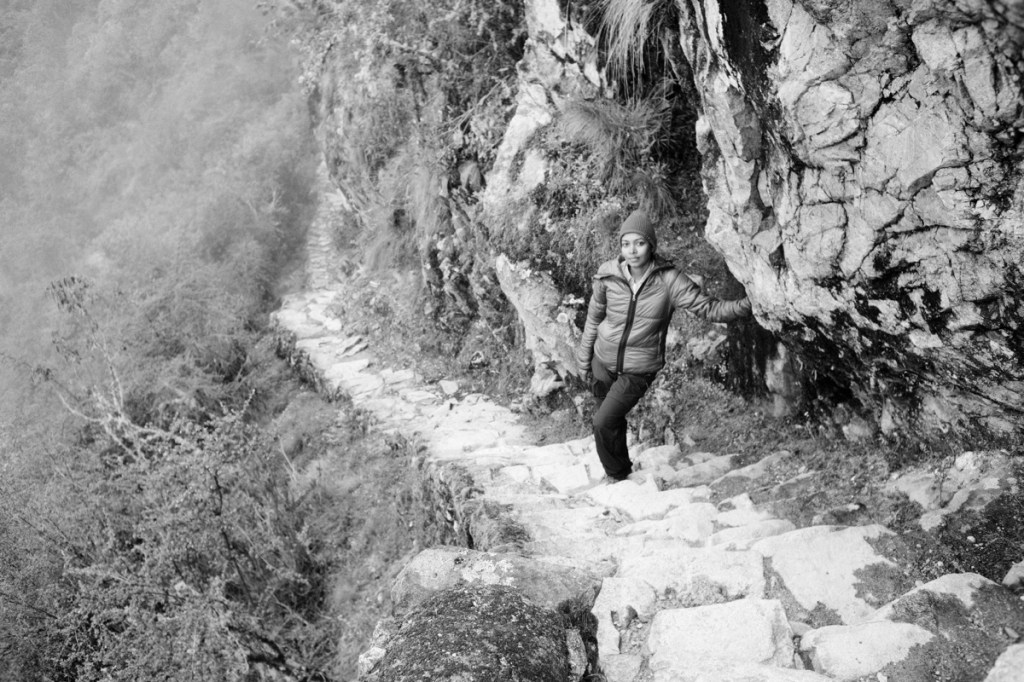
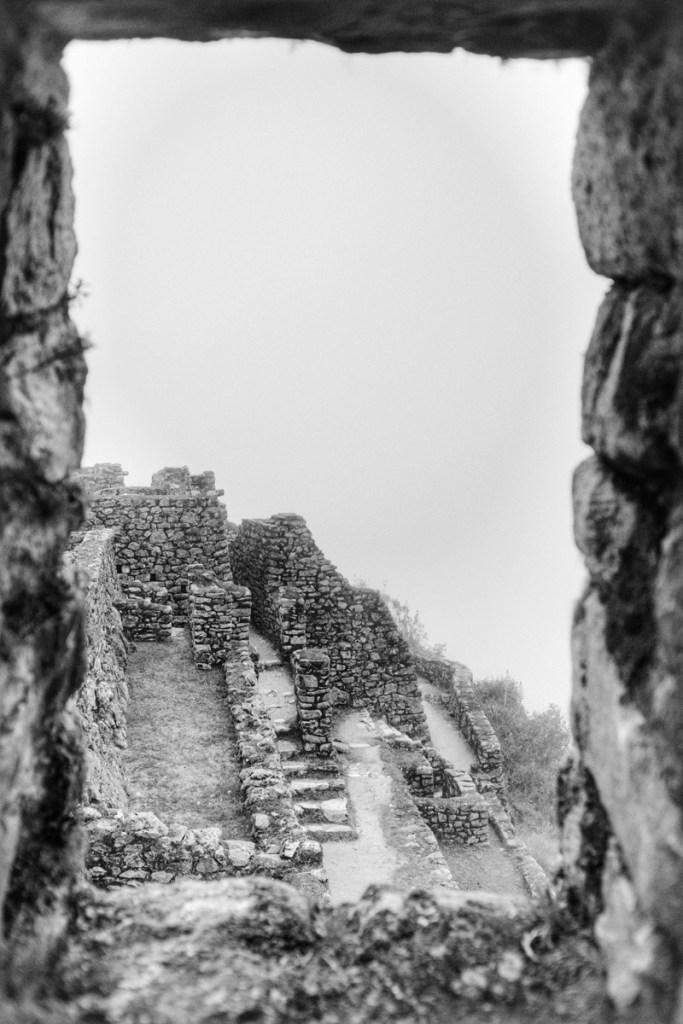
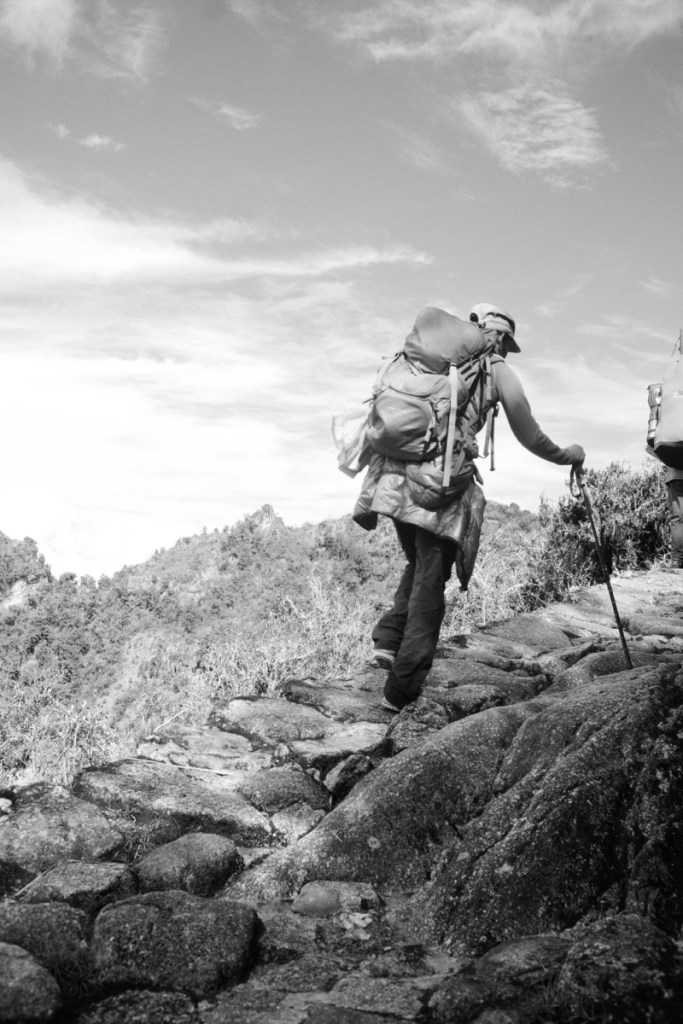
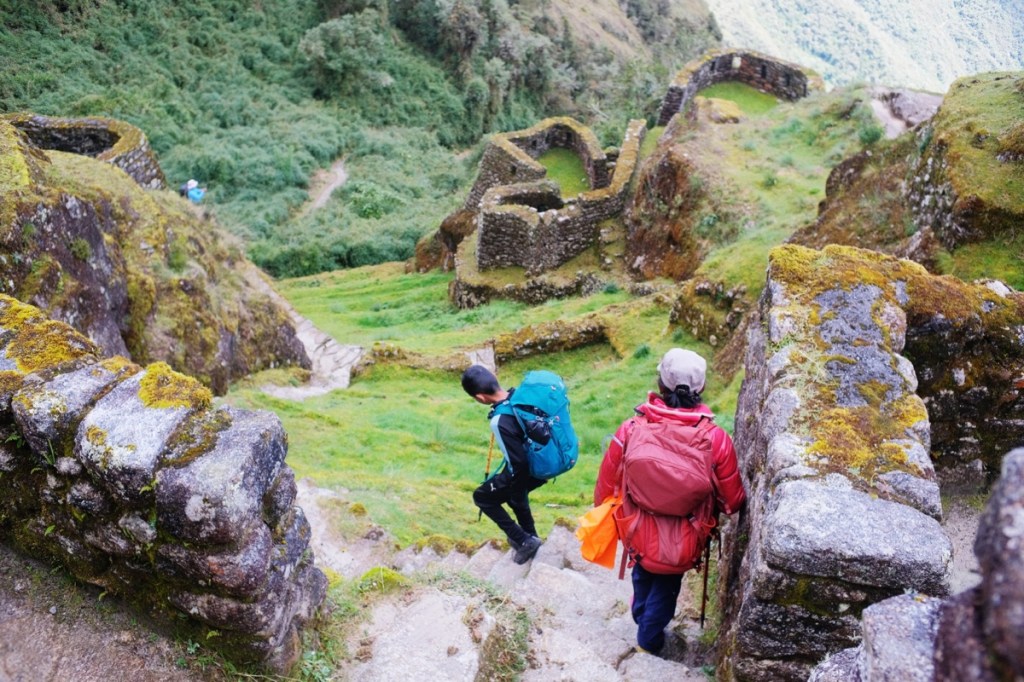
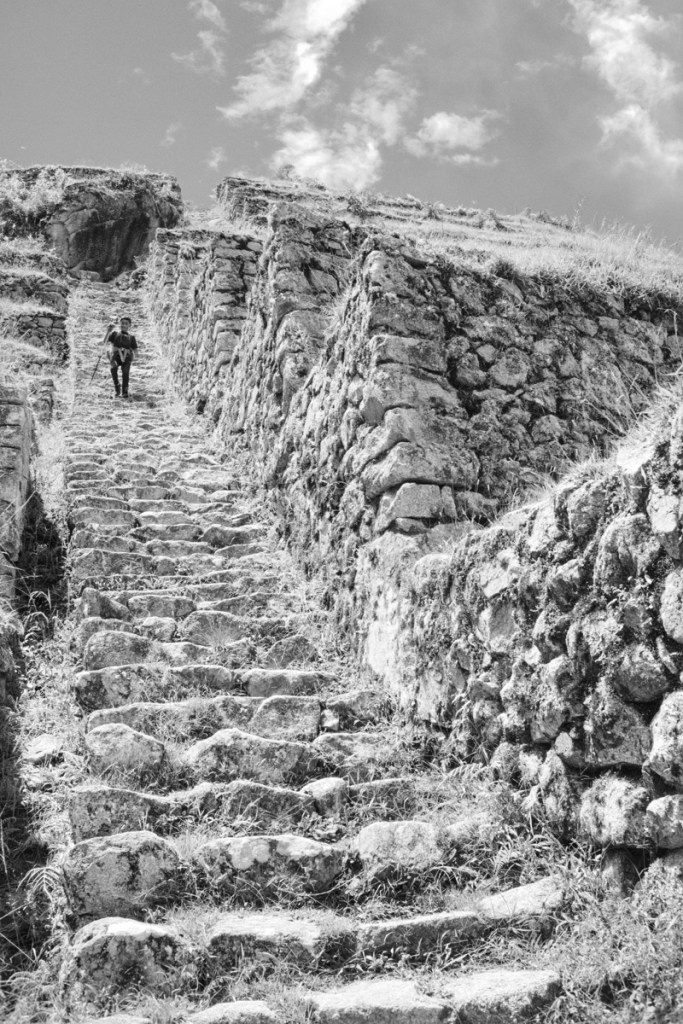
The next day was meant to be the toughest and I was mentally prepared for the challenge. We woke up at 5 in the morning and started climbing by 6. I just kept walking. The weather changed constantly. One moment we could see the spectacular mountains and the next moment we were walking in the clouds with our ponchos. I felt relieved when we reached the dead woman’s pass which was the toughest part of the trek. From then on, it was meant to be easy. After lunch, I started getting sick and quickly took a pill. This wasn’t helping me and I was tired and breathless. Leo saw that I was struggling. He started pushing me uphills and kept cheering me up. He then devised a relay game which was to ensure that I made it to the second peak. I managed to do this part of the trek thanks to him. There were several architectural sites along the way. We finally reached basecamp and I crashed into our tent.
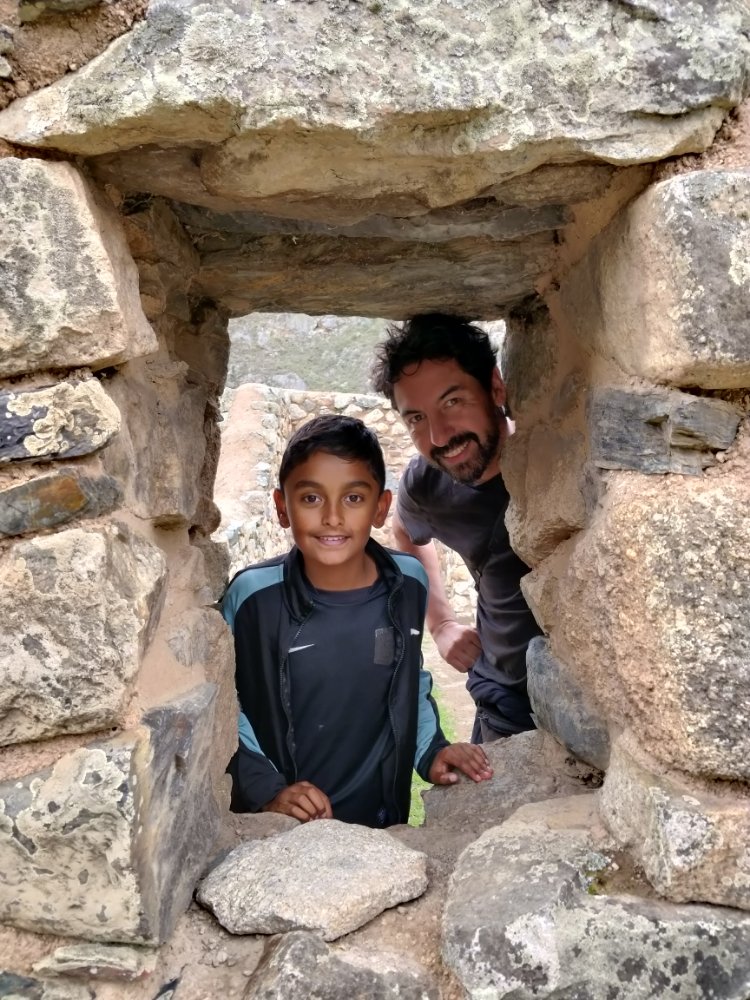
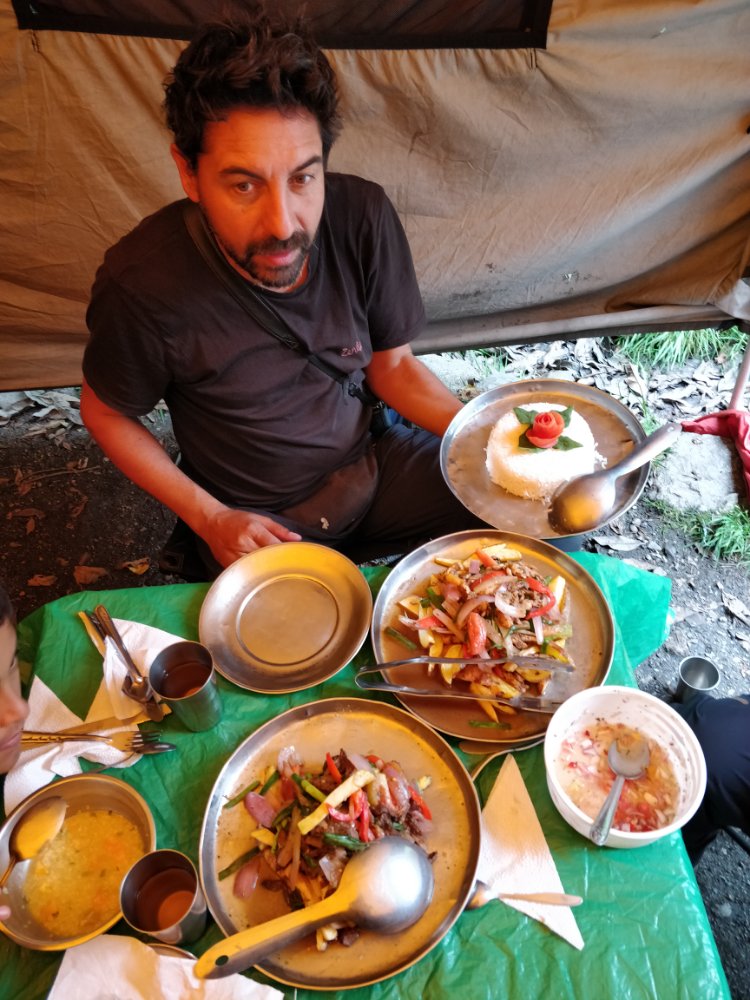
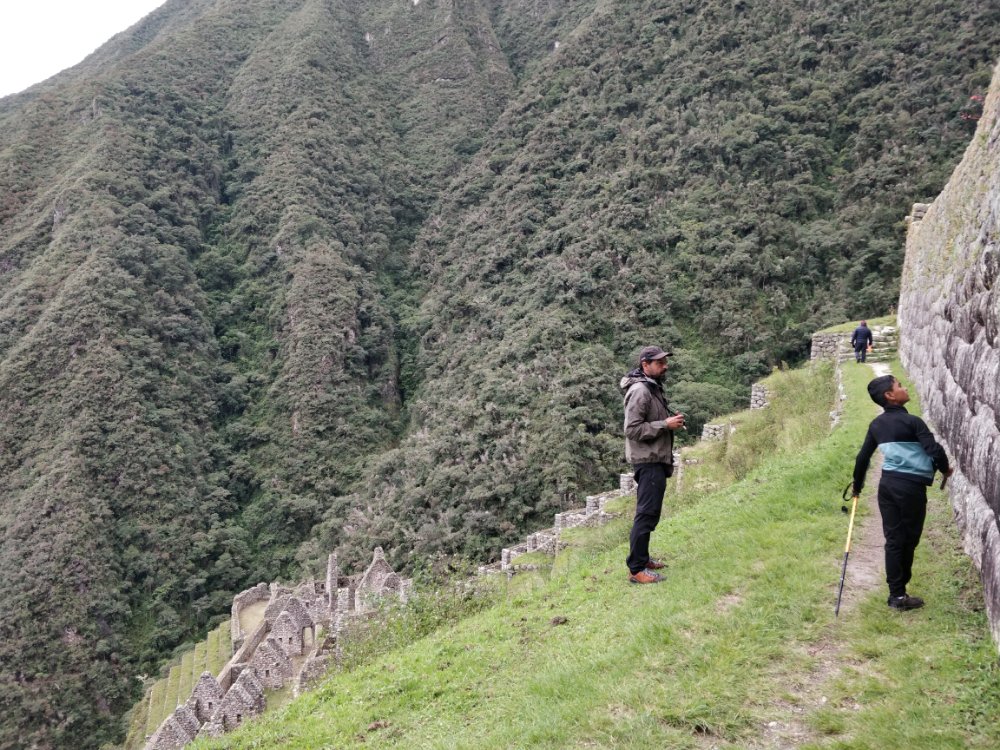
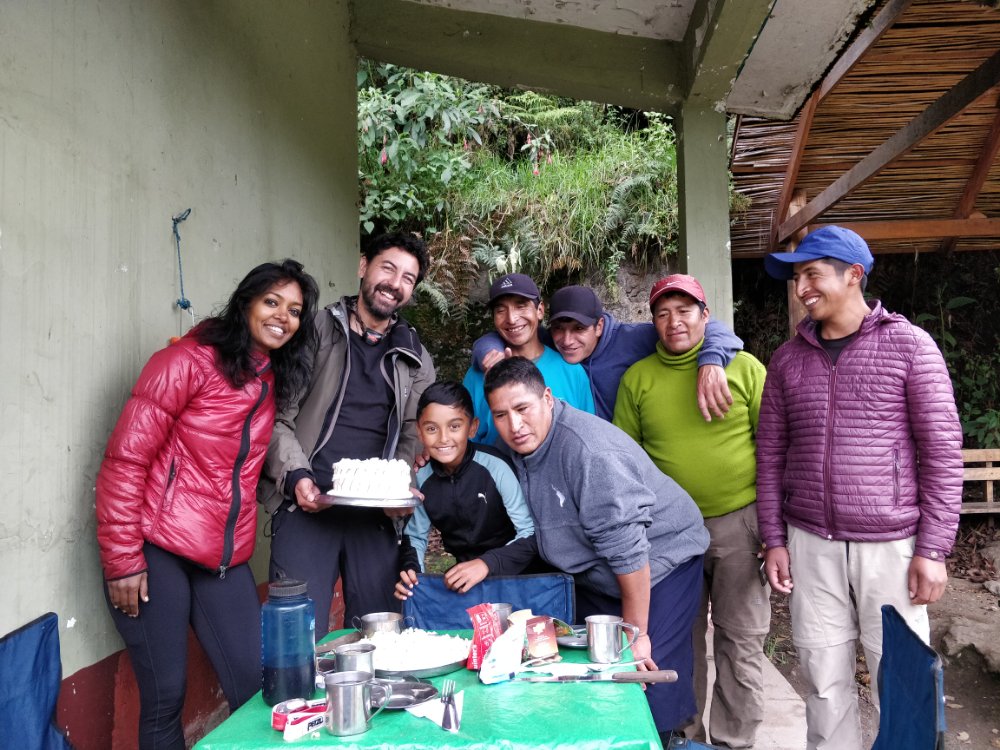
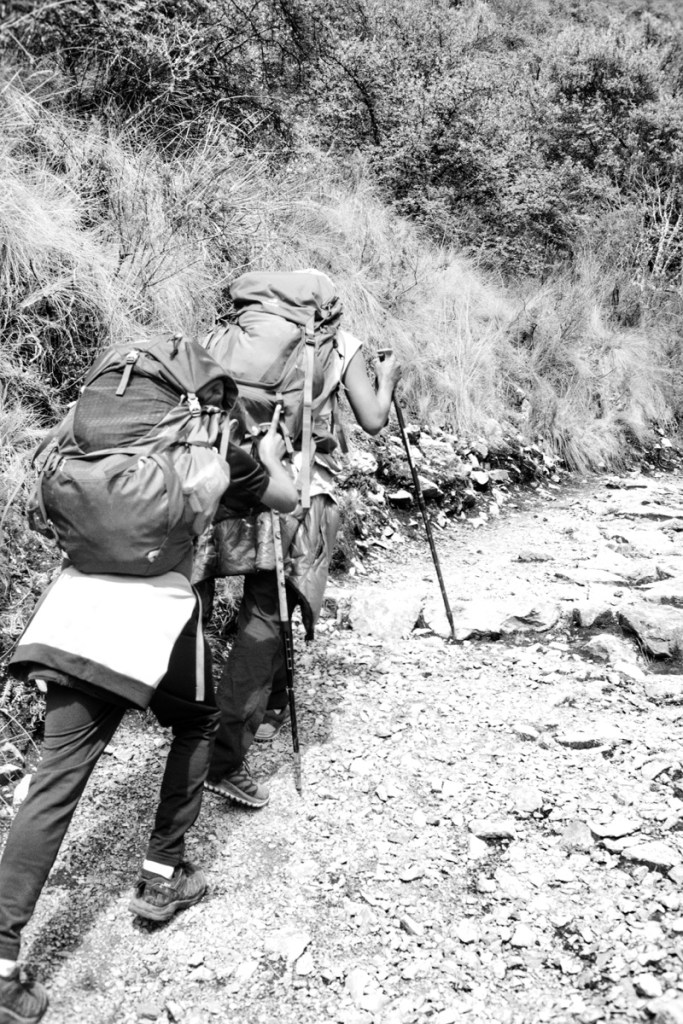
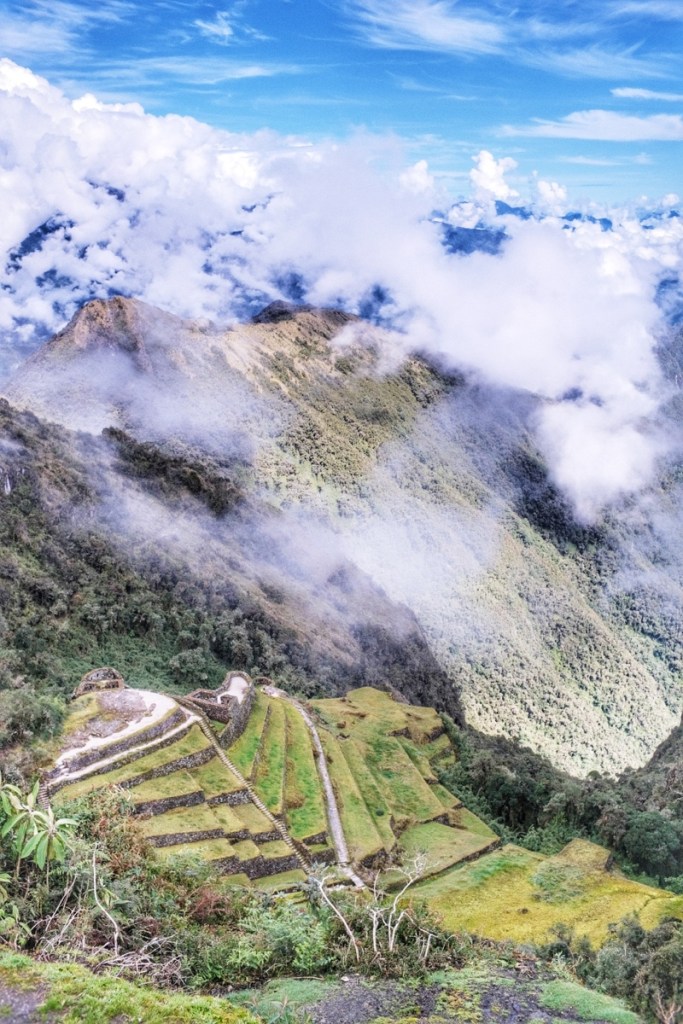
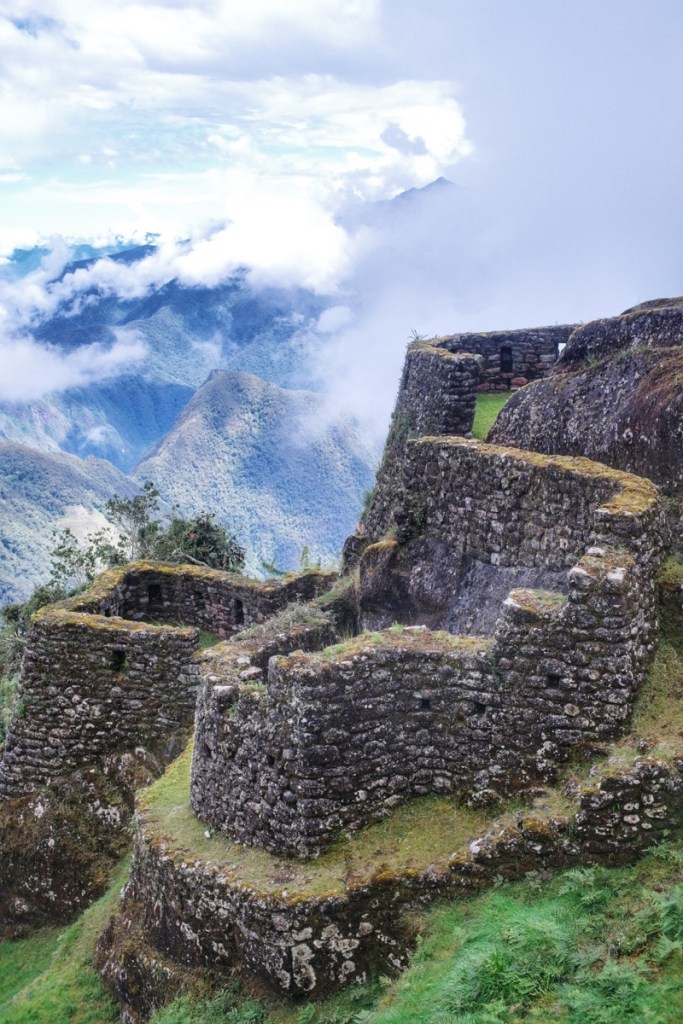
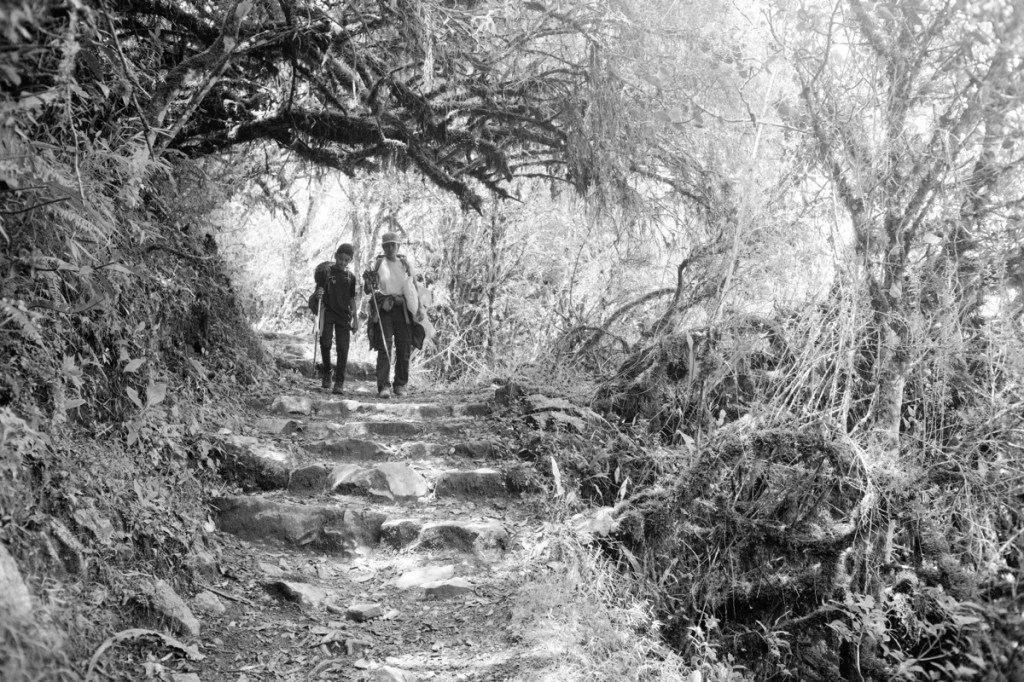
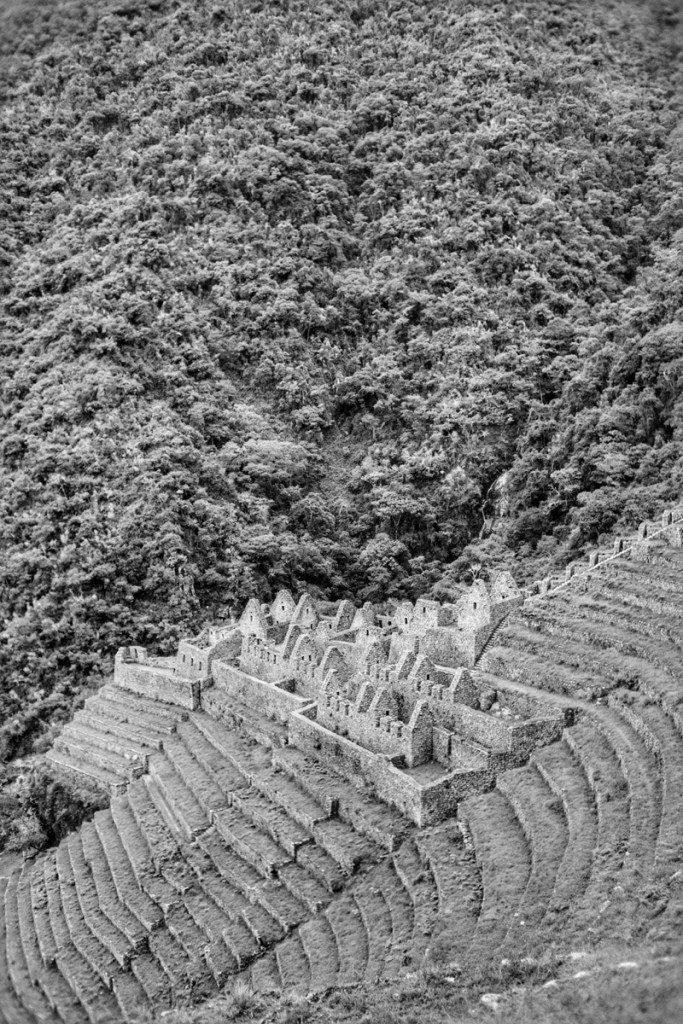
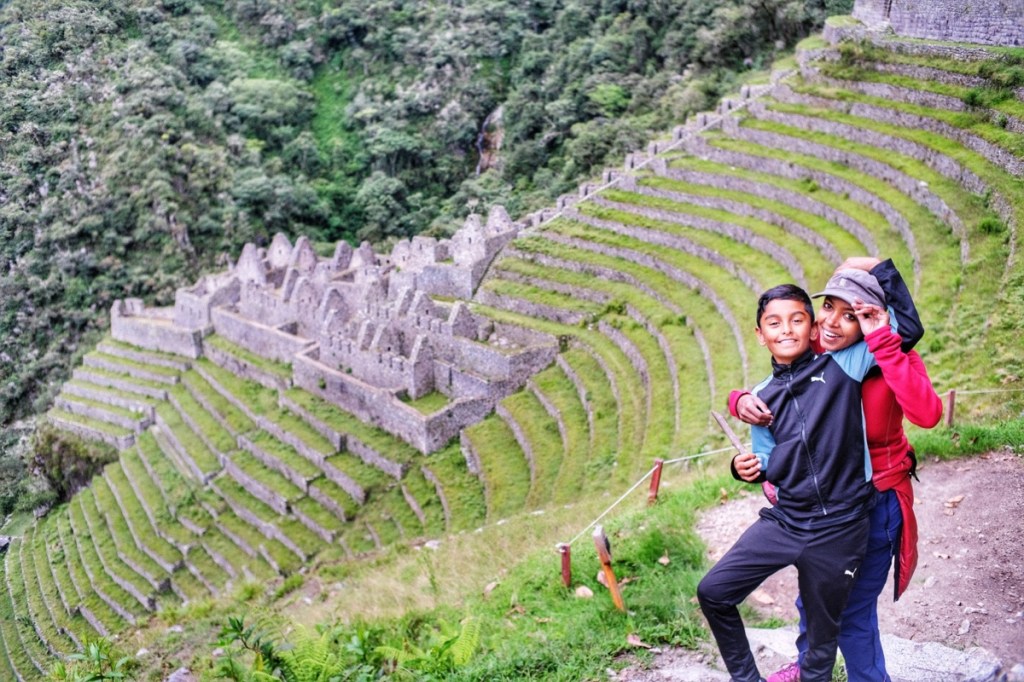
The next morning I started feeling better and we had a lovely trek. In the afternoon, our guide informed us that there weren’t any trains or buses from Machu Picchu and that the site is going to be shut. I could see the disappointment in Arjun. The Korean tourists decided to go see Machu Picchu on the 3rd day and then stay at Aguas Calientes. Our guide was trying to find out if we could visit the site on the 4th day of the trek at sunrise. The trek on the 3rd day was only in the morning. We went to see the site Winiwinay which was an absolute delight and it was just behind our campsite. As we were exploring the place, we could hear trains going back and forth. Also, our guide was told that we could visit Machu Picchu the next day morning. To celebrate the good news we took our first shower in 3 days. The water was icy but we felt clean and ready for the big event. In the evening we had a celebratory dinner with the porters and the cook Jesus who baked a big farewell cake for us! Jesus had been pampering us with his delicious meals for the past days. We ate like royalty. It never ceased to surprise us how the porters carried almost 30 kgs on their back, woke up before us, slept after us and yet they managed to reach the campsite and set up our tents + prepare our meals before we reached!
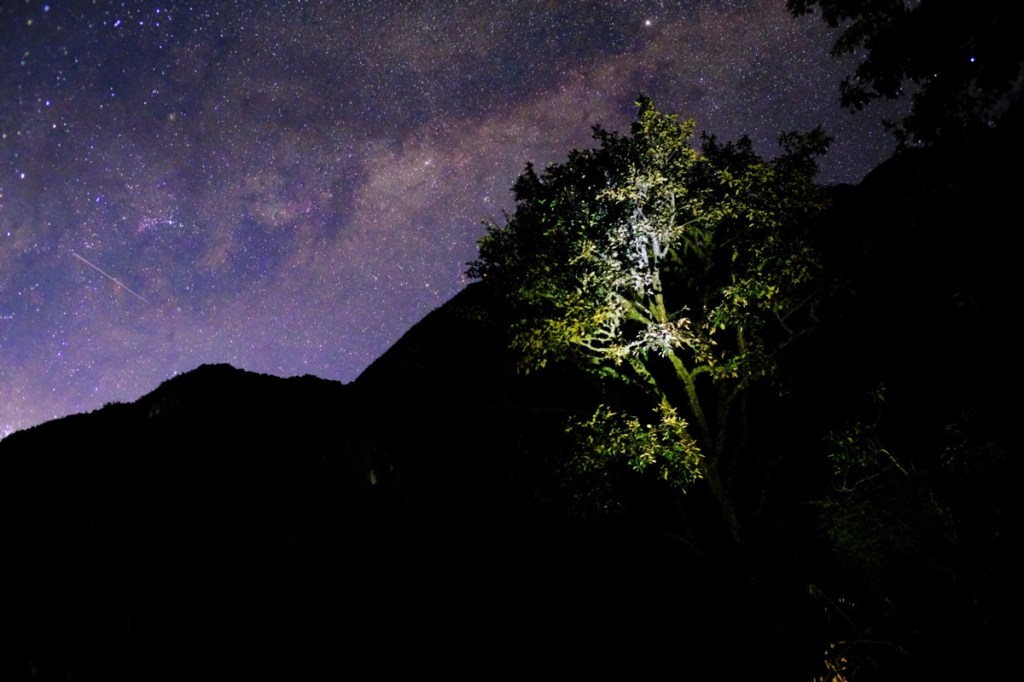
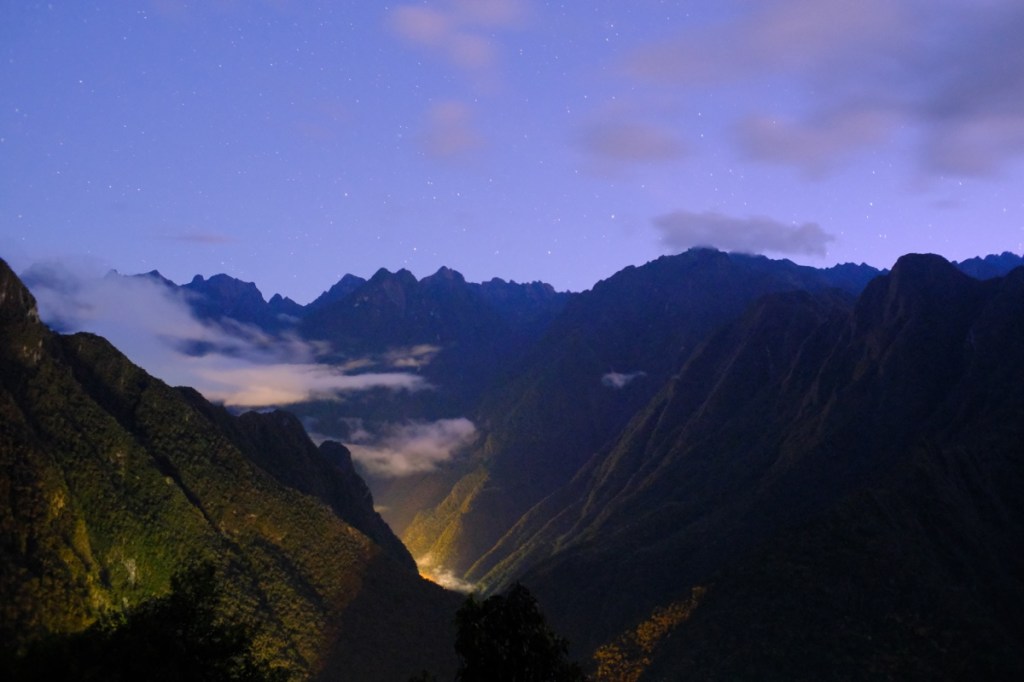
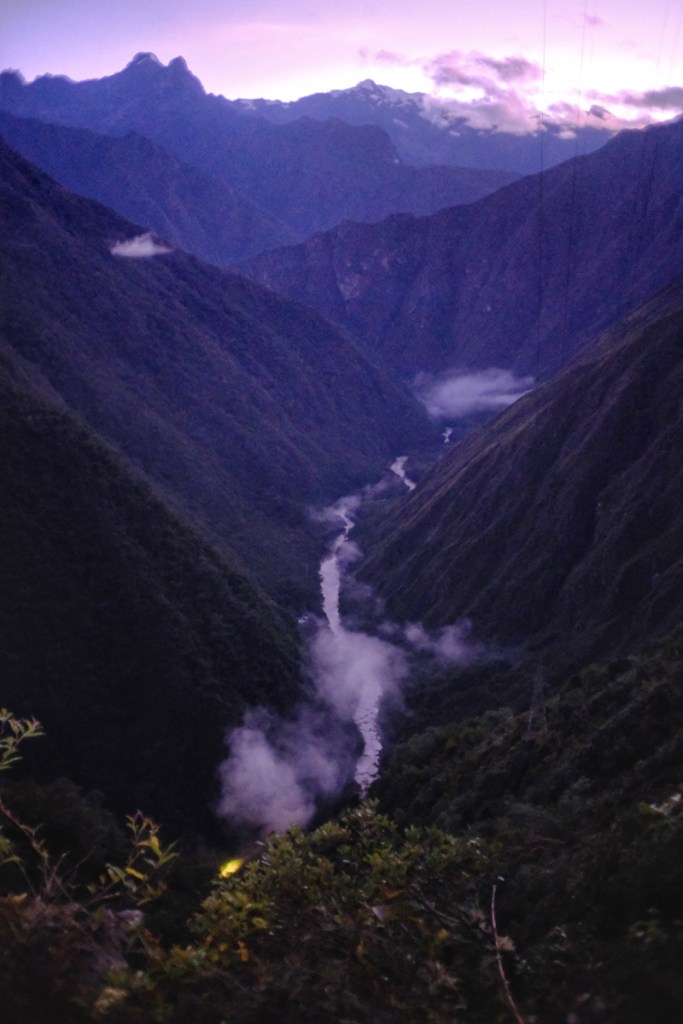
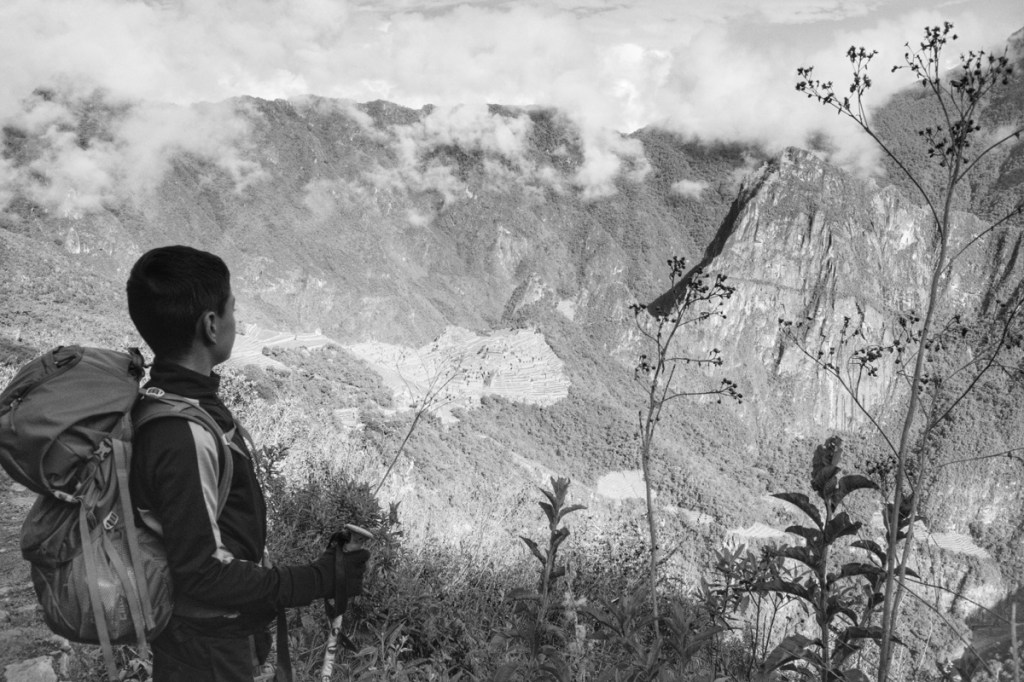
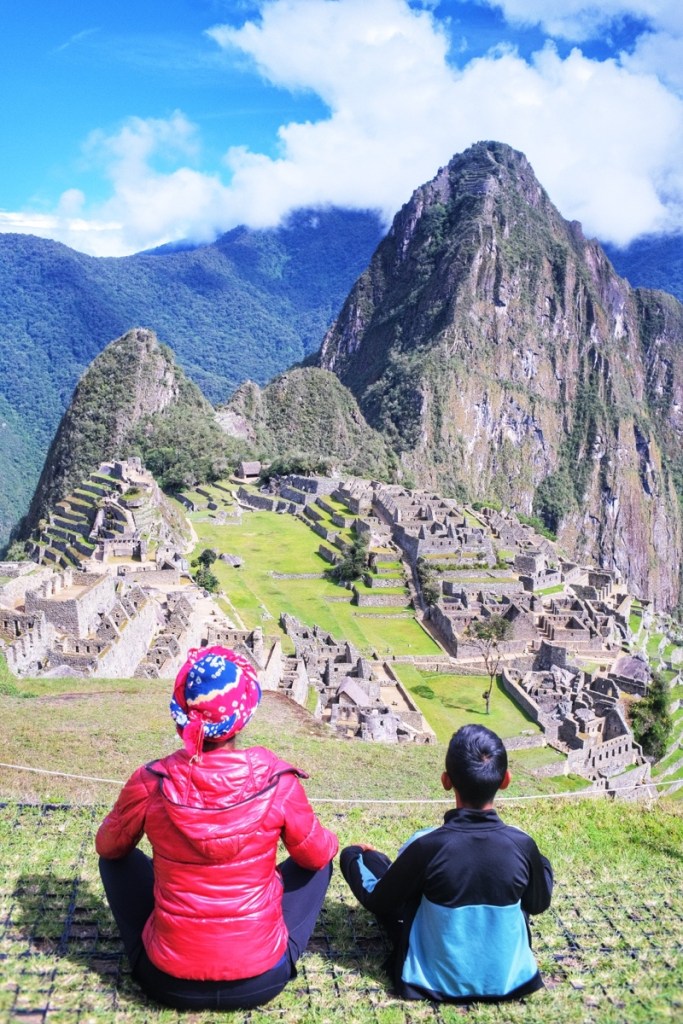
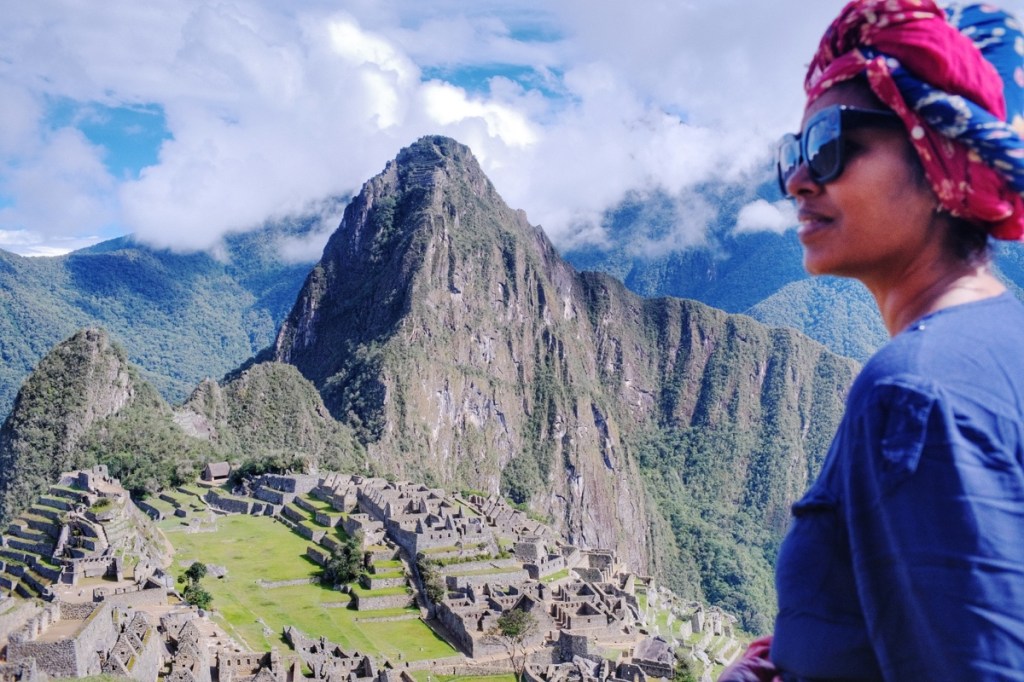
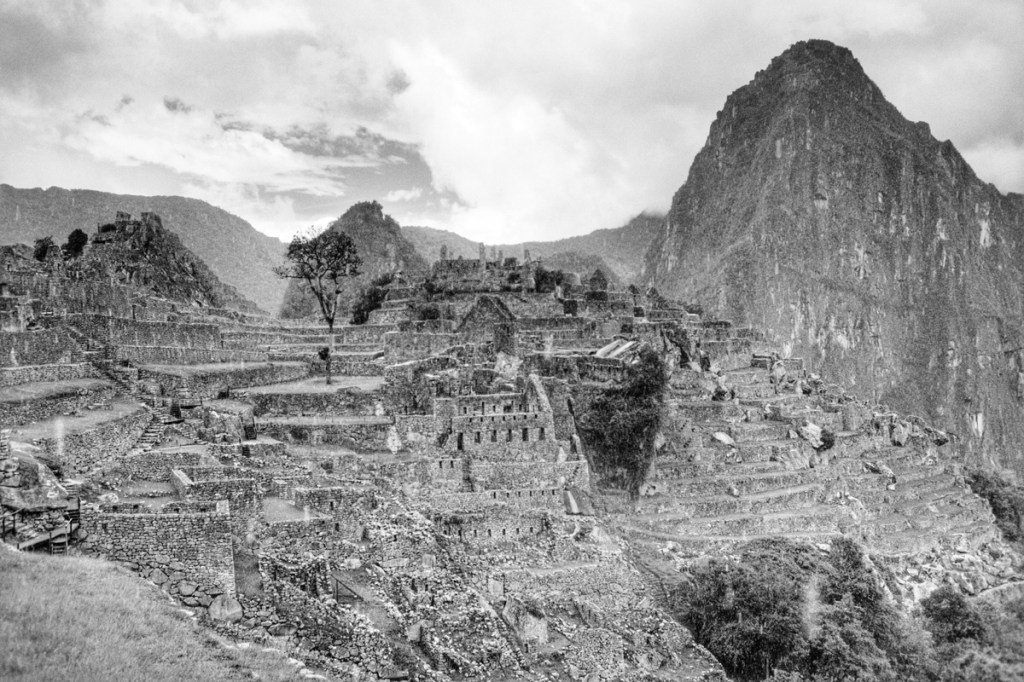
We woke up at 3h30 in the morning on the last day so that the porters and the cook could pack up and leave to catch the early morning train. We went on the roof to do some star gazing. The sky was almost clear and it was a vision. We slowly started our descent into the valley. Once we reached the famous Machu Picchu, we couldn’t see anything because of the clouds. Our guide suggested we stay for sometime and maybe the sky will start clearing up. After half an hour the clouds started moving and we could see the site. It was magical! Arjun literally had tears in his eyes. We walked down and once we were at the site, we realised that we were the only one there! In all these years, the guide had never seen this. We had the entire site to ourselves! I don’t think it could be any better.
The way back to Cusco was an expedition. There weren’t any trains or buses. We walked down to the train tracks and started walking. We took a train platform which basically is a structure with wheels and wooden planks on them. It moves fast when we’re downhill and needs to be pushed on a slope. After this we walked some more and took a minibus to Cusco. We almost reached at midnight with cramps all over our body. Luckily, I had already booked our rooms and we slipped into our warm and comfortable beds after 4 nights in a cold, tent!
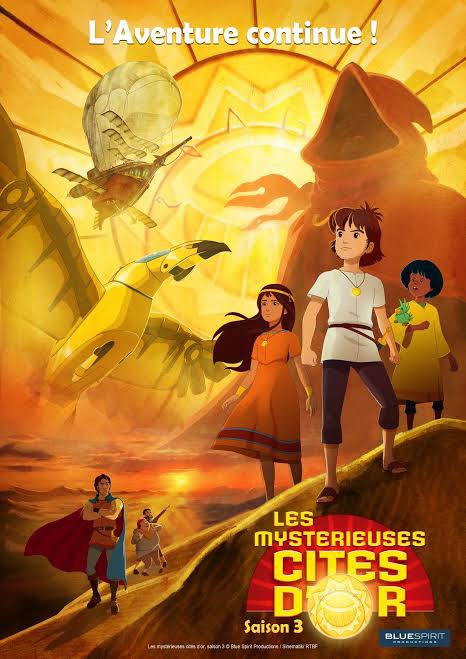
Back when I was about Leo’s age, there was a fascinating animation series on TV called The mysterious cities of gold. It was about the spanish conquistadors coming to South America and desperately looking for legendary cities made entirely of solid gold, and the incredible engineering skills of the lost Inca civilisation.
Around the same time, whenever I’d go to my grand mother’s house, I would sleep in a bed with a big poster of the Machu Picchu just above my head.
Ever since, I knew that I would one day walk the Inca trail that leads to this famous Inca city. And with this trip, the time had finally come.
We couldn’t really choose the time; we’d get to Peru when we’d get to Peru. But February was coming fast and the site is closed in feb because of the rainy season. Even end of January we ran the risk of not seeing anything but clouds and rain.
Then in December, major political turmoil broke out in Peru and we heard of protests and riots in Lima and tourists being stuck in Machu Picchu.. so, sadly, we decided to give up on Peru and go to Ecuador instead.
A few weeks later, Mary found a contact in Peru who told her that the situation was better and things seemed to get back to normal, so we booked a plane ticket « straight » from Quito to Cusco, to avoid Lima, and we booked for the Inca trail.
After Mary’s experience on Acatenango, she was pretty scared of hiking in high altitude again, so we provisioned a few days to get acclimated in Cusco, and start the trek on the 19th.
When we arrived in Cusco, it seemed pretty quiet and normal. But more protests were coming and, instead of leaving early morning, our guide came to pick us up on the 18th evening, to take us near the start of the trail and avoid being blocked on the road. (One extra night in the tent; Mary and Leo were thrilled!)
For those who don’t know, the Inca trail is a famous (and expensive!) 4 days trek along a path made by the Incas that leads to various historical sites and ends with the majestic Machu Picchu.
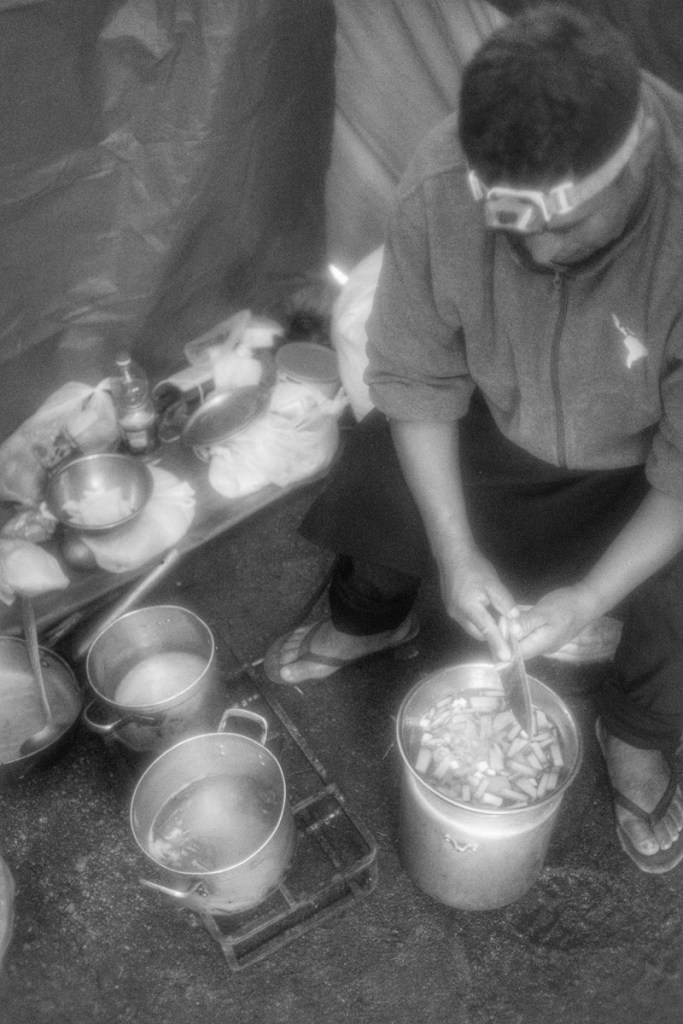
Besides the guide, we were accompanied by an « army » of 5 porters/cooks. Their job is fairly straightforward : everyday, wake up a half hour before us, prepare breakfast, leave after us to pack our tents and all the equipment, then pass us on the trail with 30kg of equipment on their back, prepare lunch before we reach the lunch site, leave after us to pack everything again, pass us on the trail again to setup our tents and prepare diner, and of course sleep after us. All this with a big smile on their face, while we are exhausted from our daily walk and complaining about our back and legs pain!
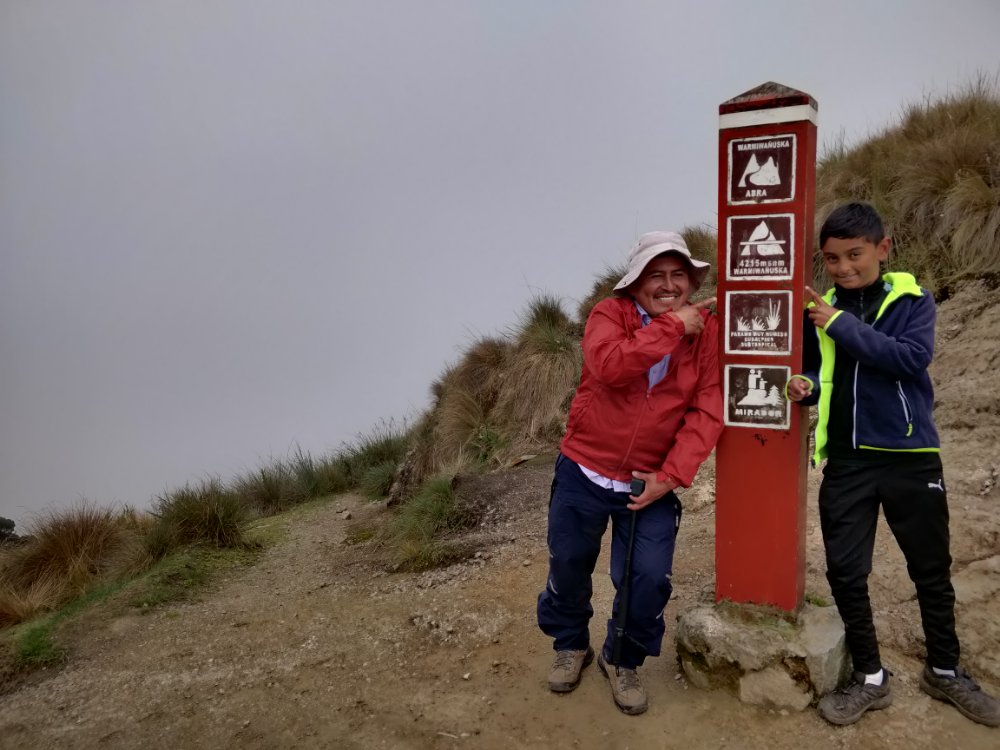
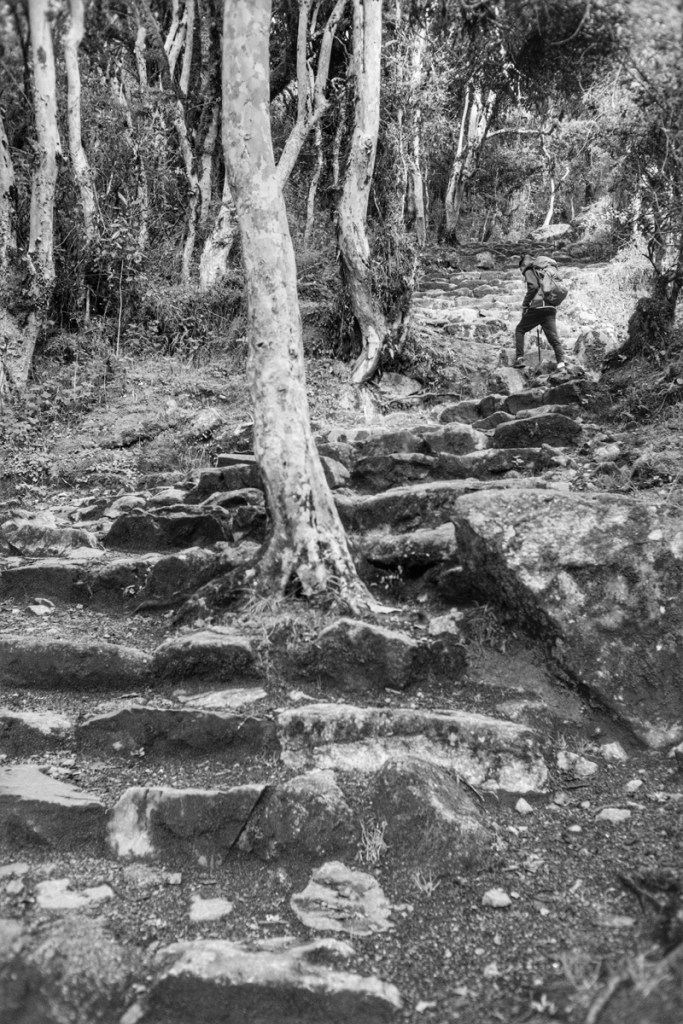
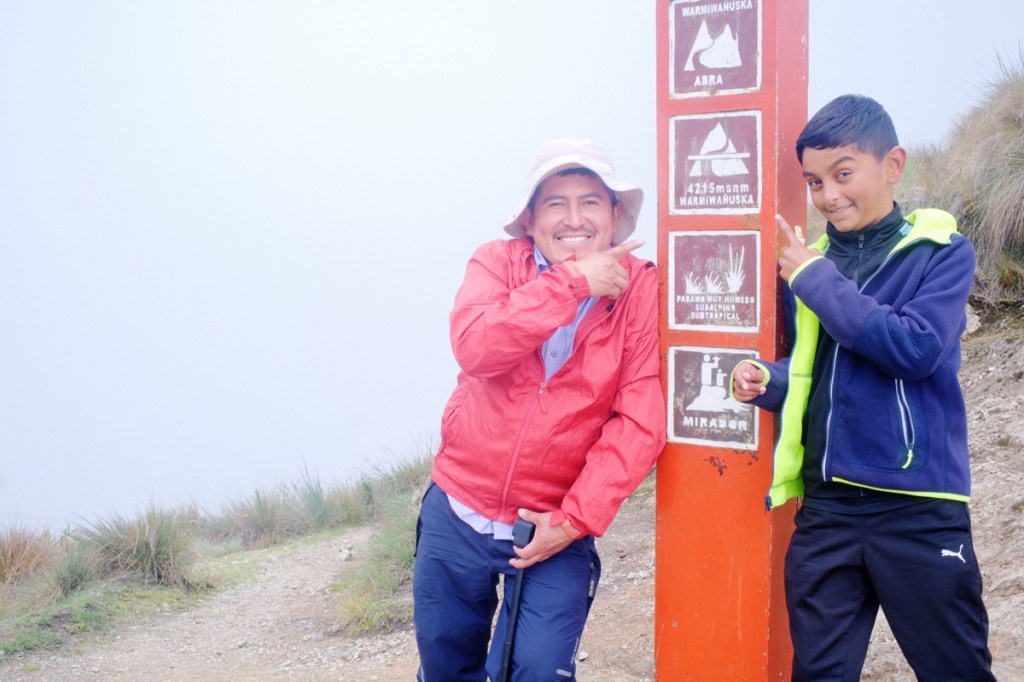
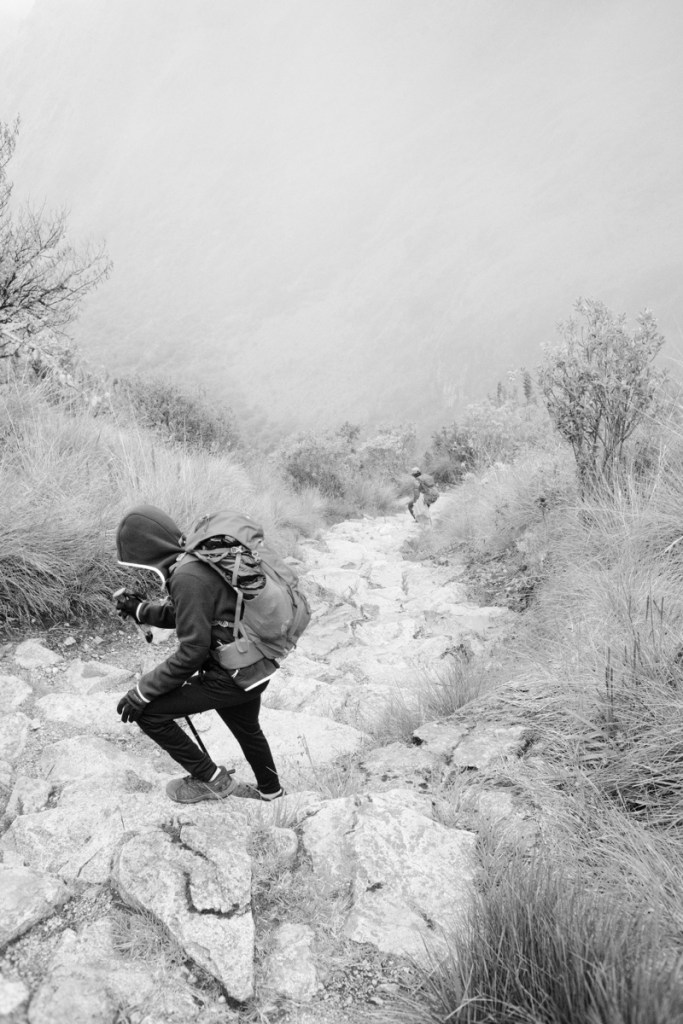
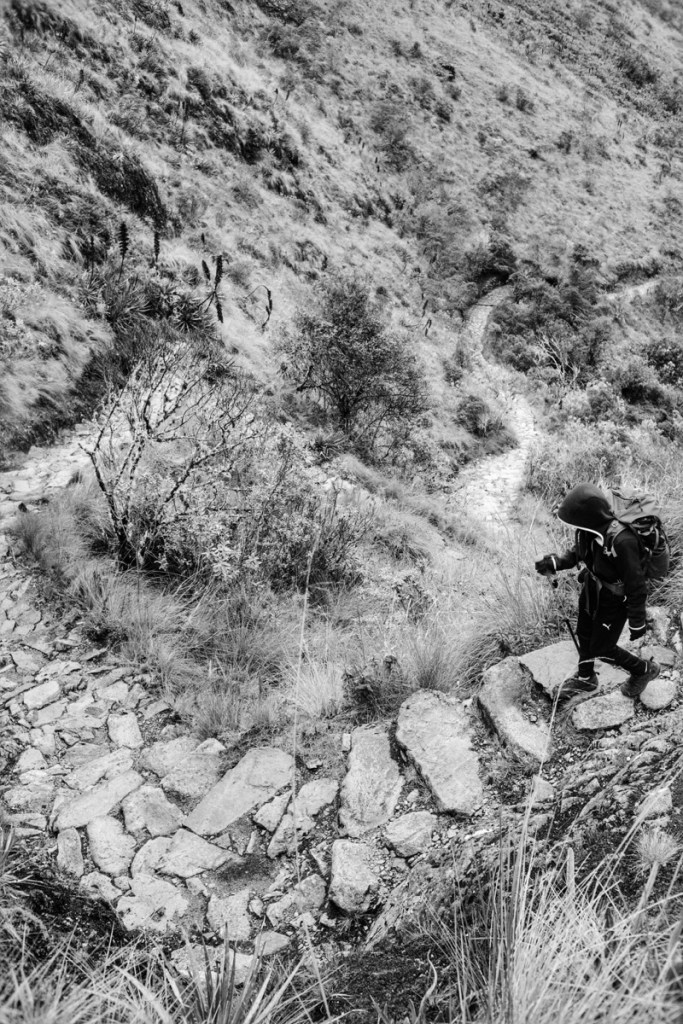
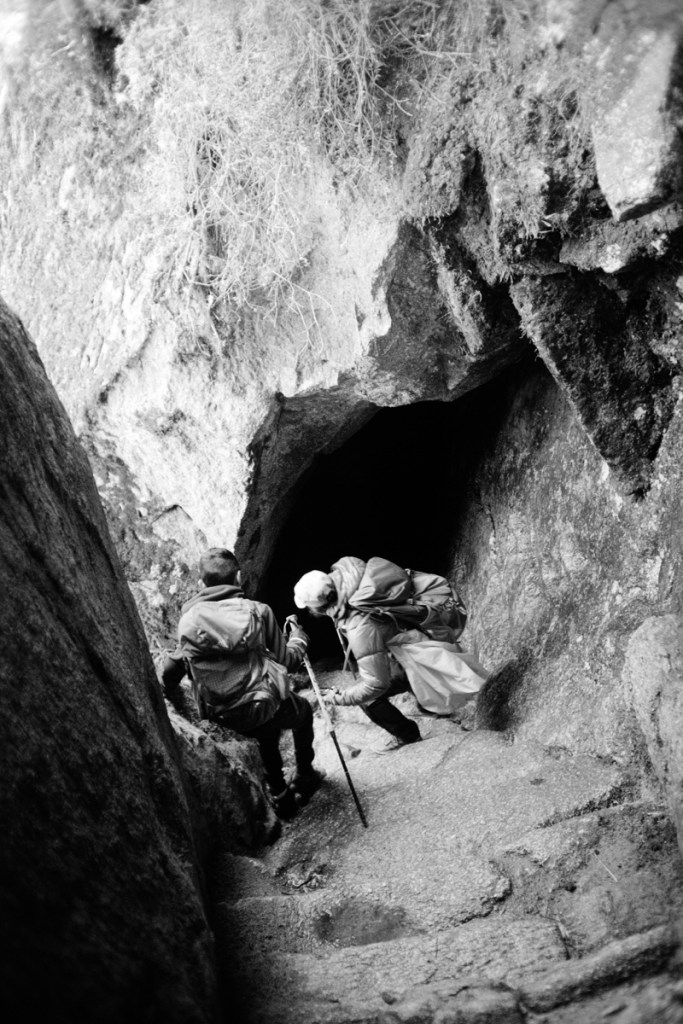
The second day is the most challenging with two peaks to climb at 4200m (Dead Woman pass) and 3900m (Runkuraqay pass), and a LOT of so called « gringo killer stairs »!
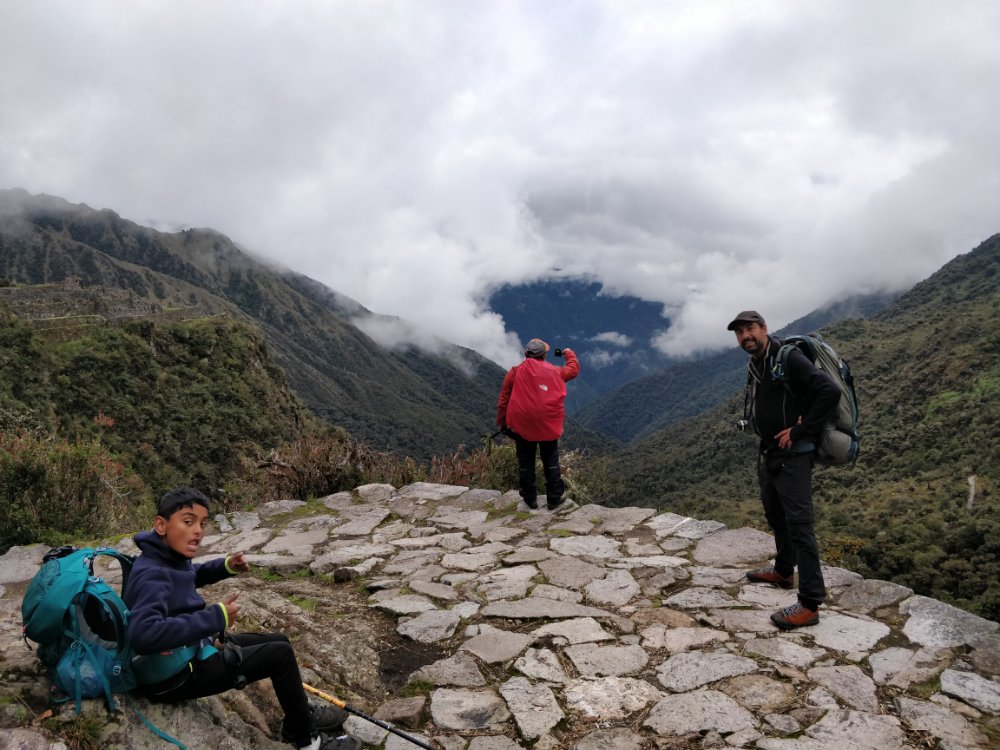
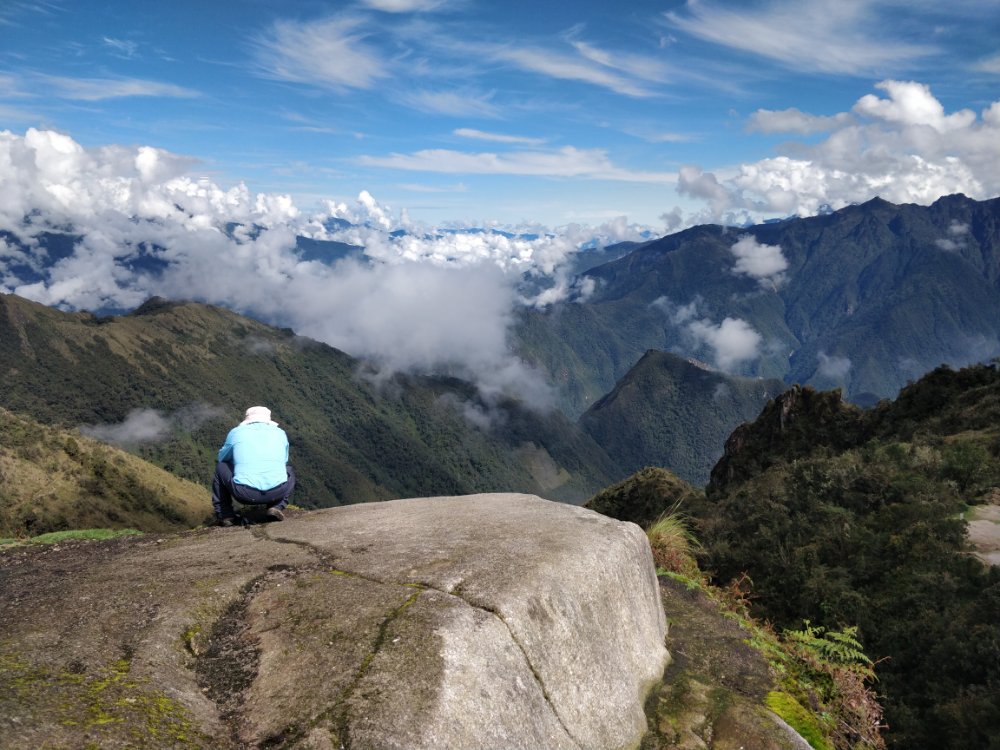
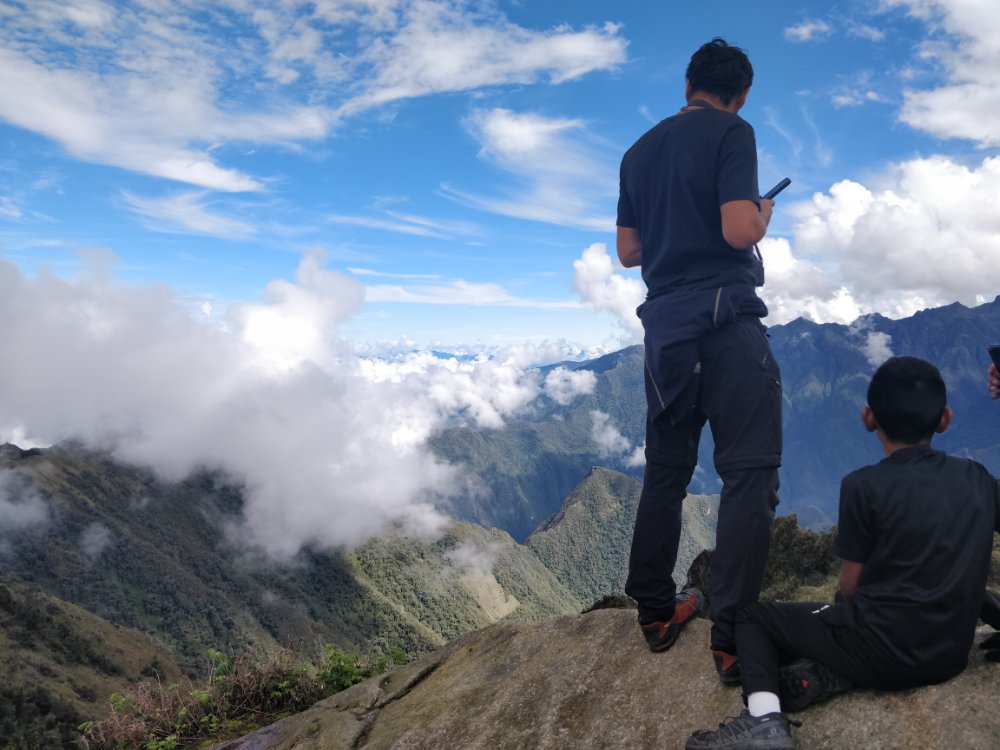
Mary took paracetamol pills to counter the effects of the altitude and bravely managed the two peaks! But our view from the Dead Woman pass was completely blank with clouds, which confirmed my fears of not seeing the Machu Picchu. Between altitude and weather changes we kept switching from sun to rain and it was impossible to know what to expect. But whenever we had sunlight, the views of the andes and the various Inca sites we visited were magnificent !
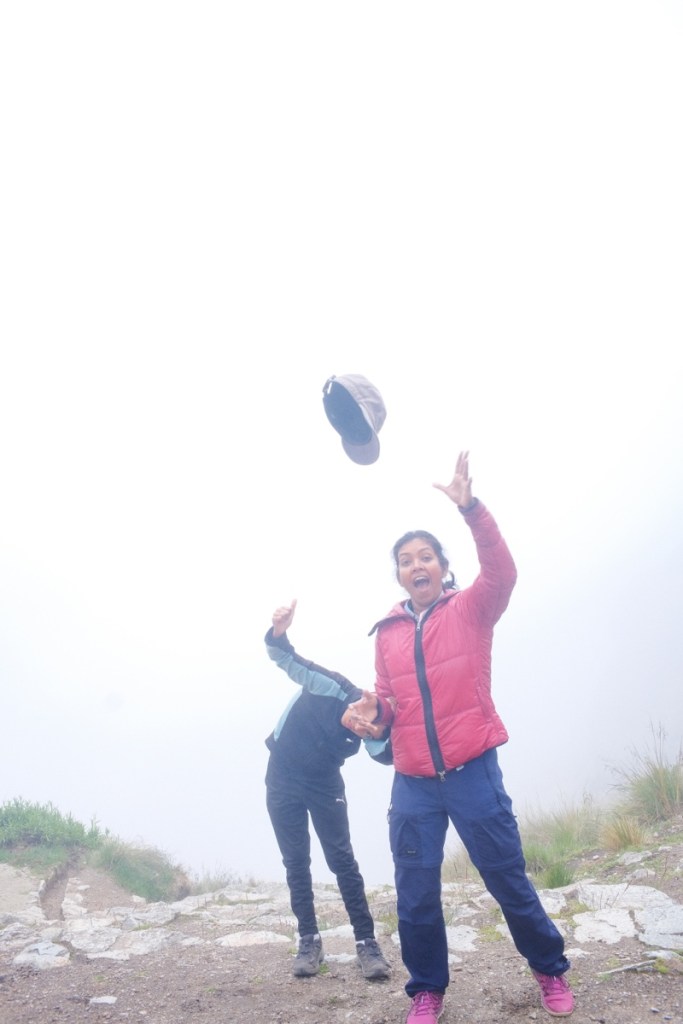
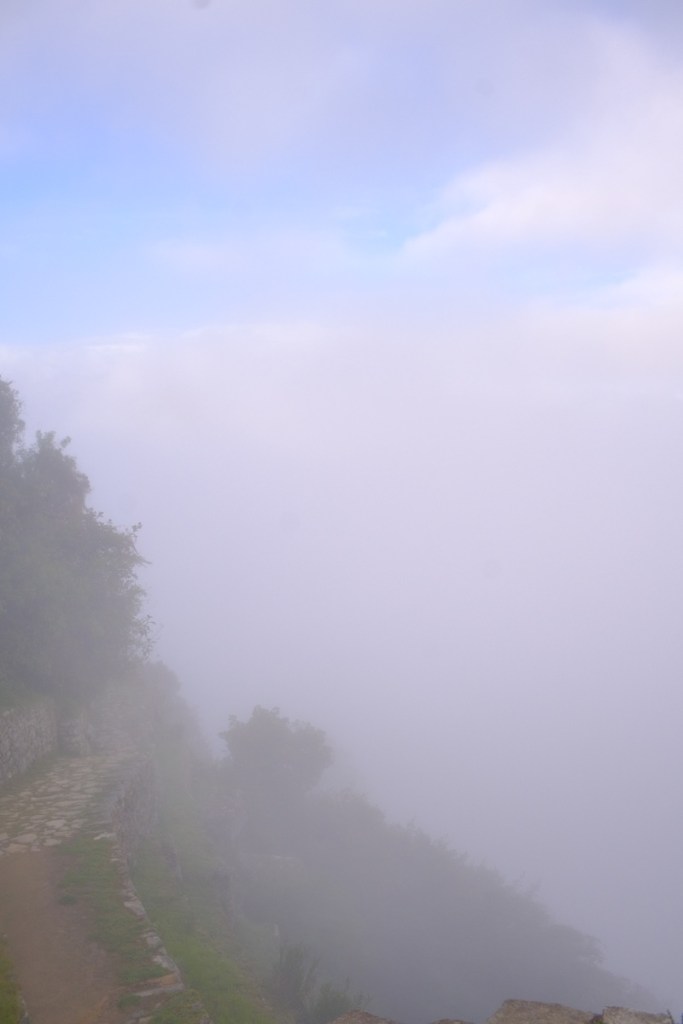
The morning of the 4th day we woke up at 3am (as opposed to 5 or 6 the other days) to let the porters catch their train and for us to see the sun rising at the Sun Gate. The sky was clear and full of stars and I thought my prayers for good weather had been heard, but when we reached the Sun Gate we were again in complete fog and couldn’t see a thing 😭
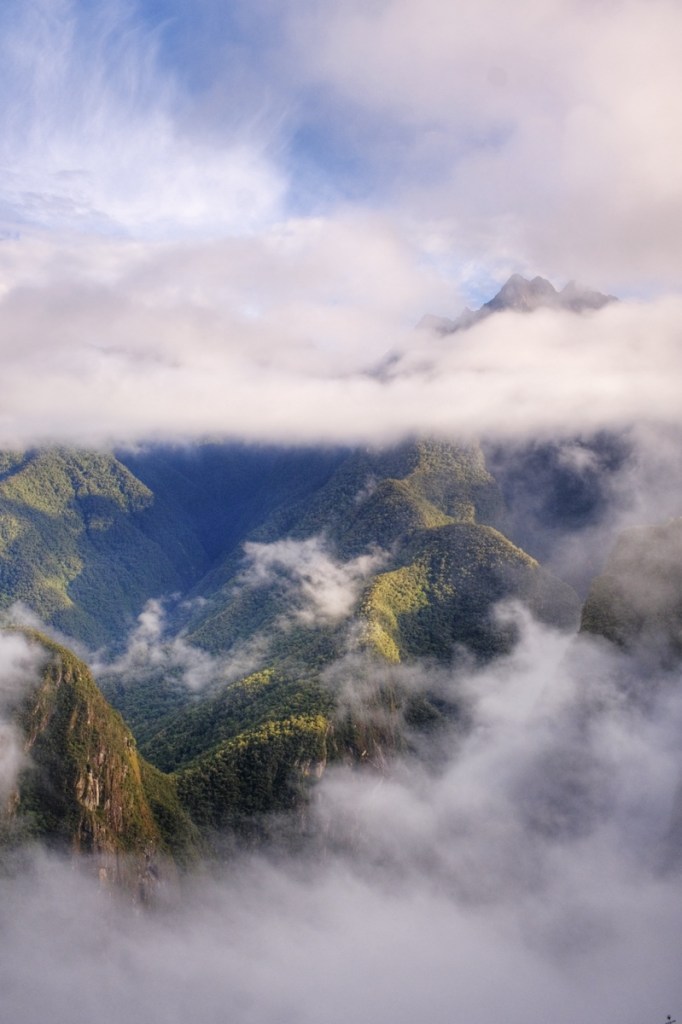
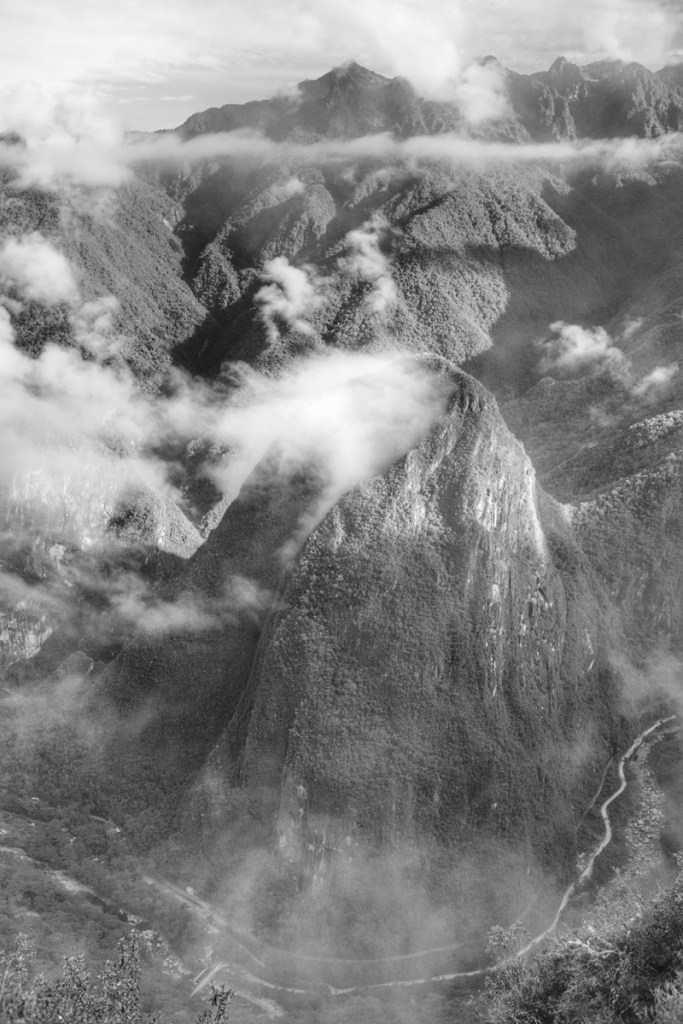
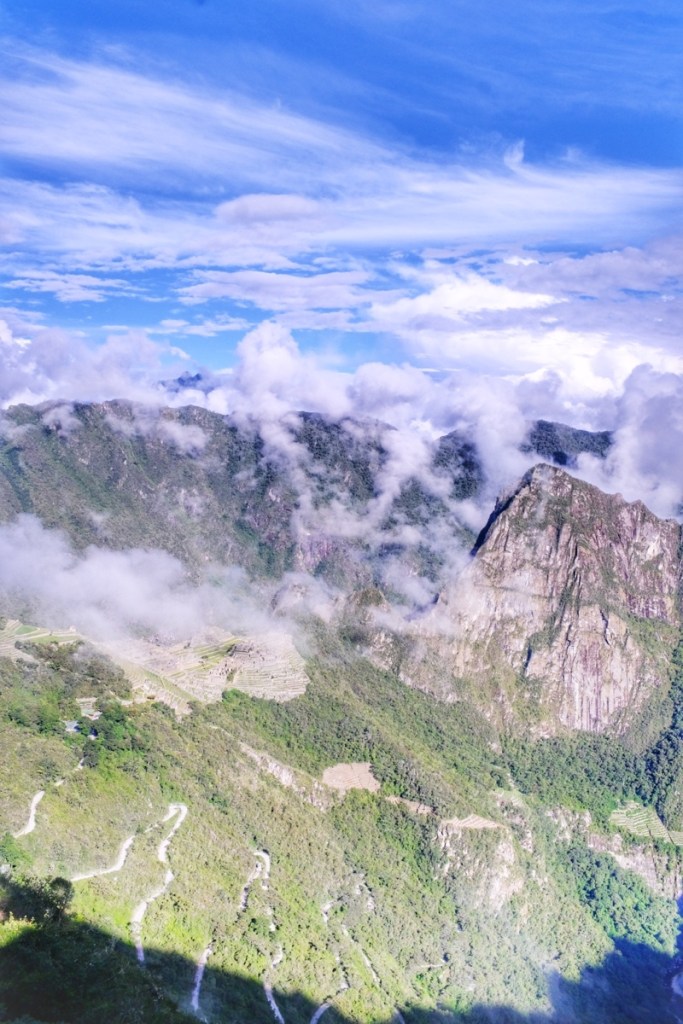
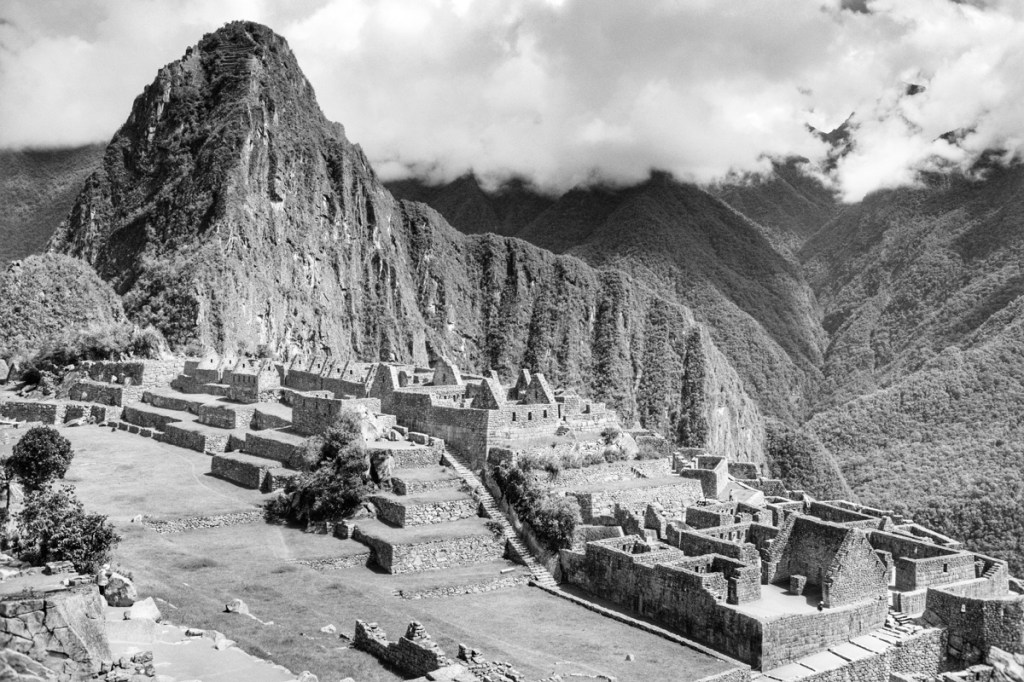
That’s when the magic happened. Just like in the animation of my childhood, when Esteban would call out to the sun, the skies slowly opened, uncovering the mountains and the Machu Picchu, like a beautiful gift that is unwrapped under several layers of cotton!
We walked to the abandoned city, and last but not least, we realised we were the only tourists there! This site, normally so packed with tourists that one must queue to take a picture, was completely to ourselves! Even the guide had never seen the site like this! It’s a disaster for the tourism economy but an incredible chance for us!
Well, this chance came with a price. There weren’t anyone because there was indeed a strike and there weren’t any bus or train to or from Cusco. So instead of an easy last day, we had to walk for another 3 hours down to and along the train track to a place were we could find a taxi that could take us back to Cusco in 8 hours. We finally reached our bed around 11pm, completely drained, 20 hours after waking up.
Info and contact: instagram @leotourguide20
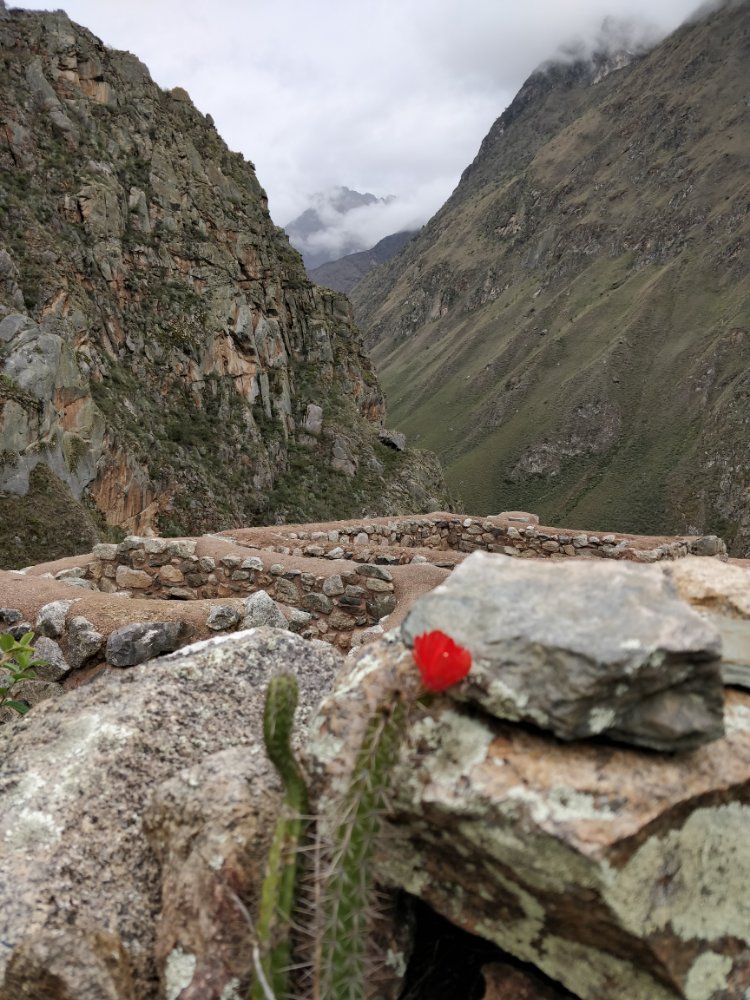
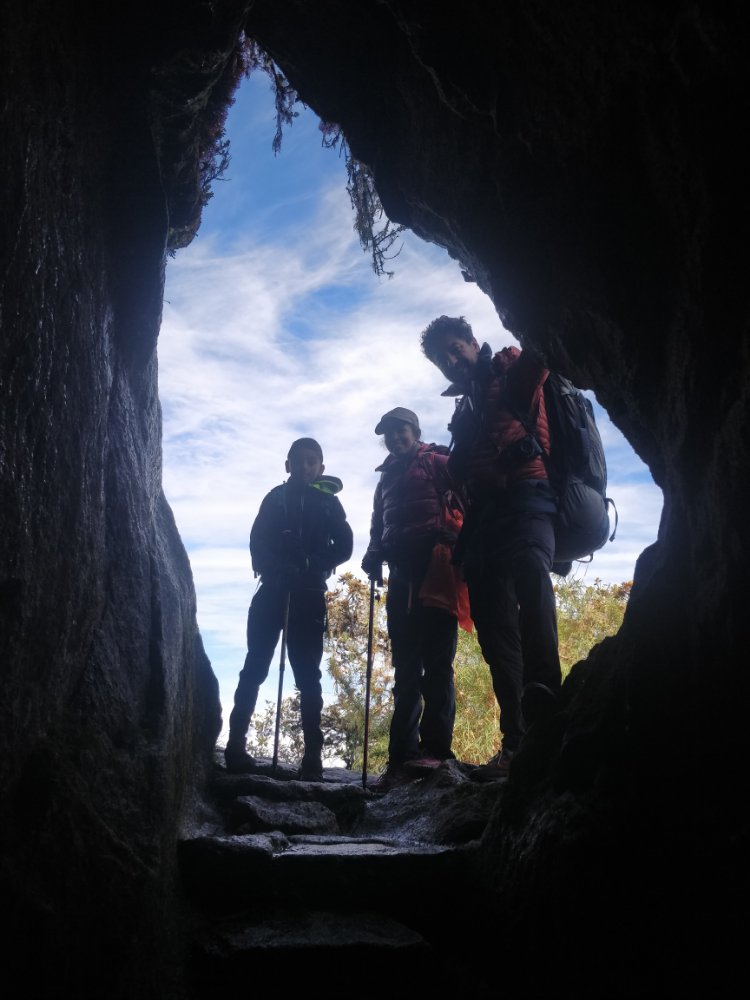
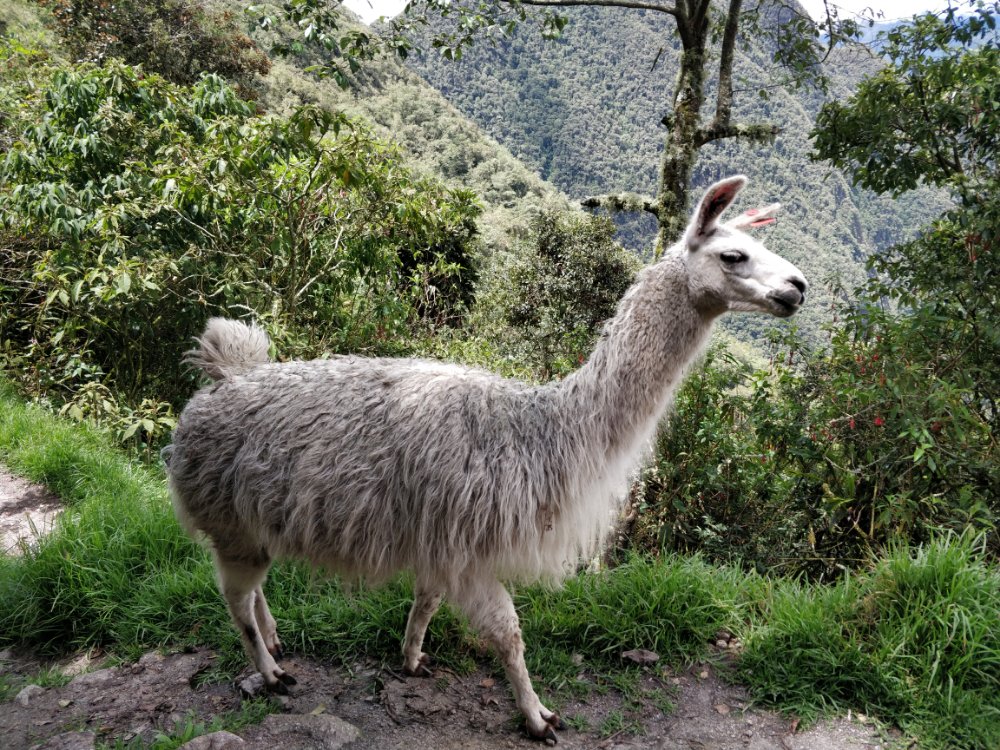
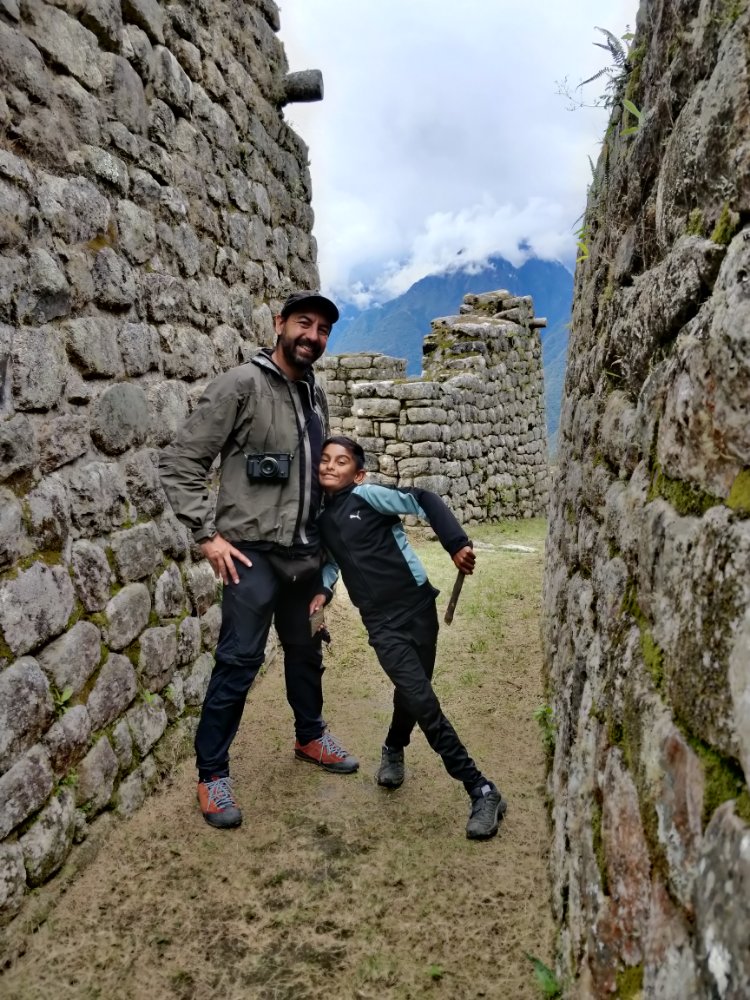
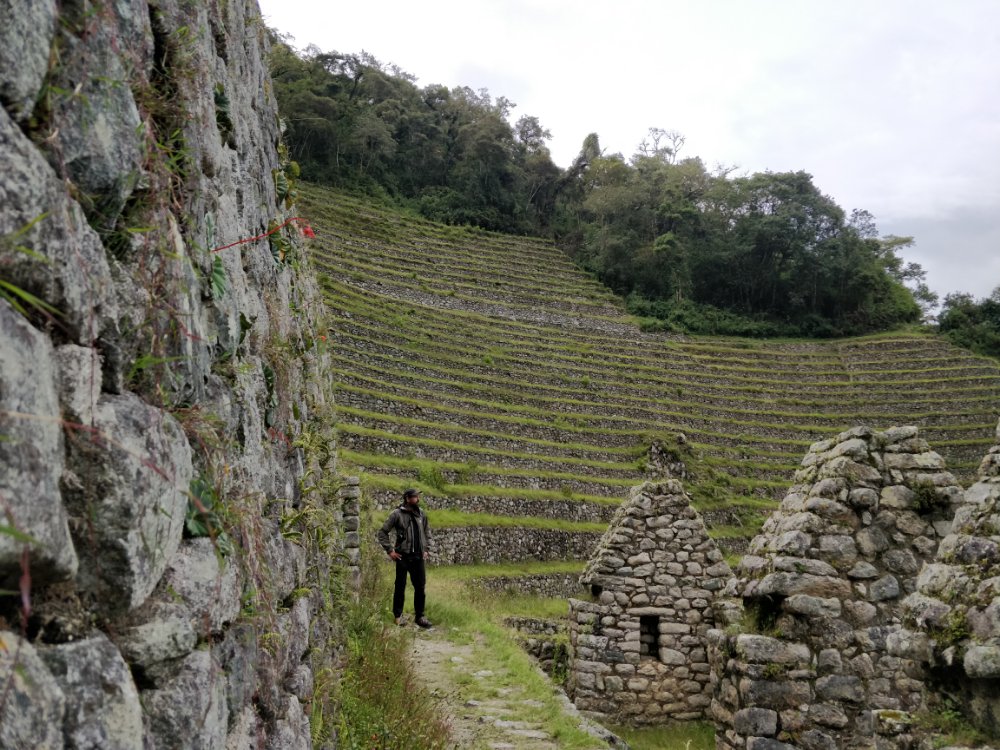
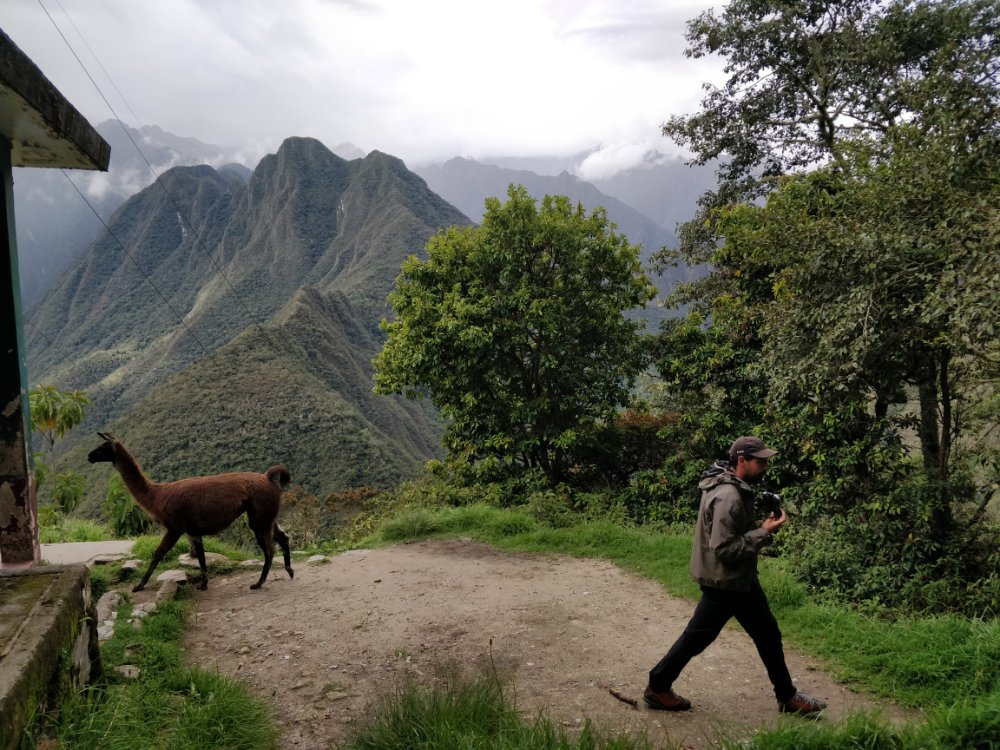
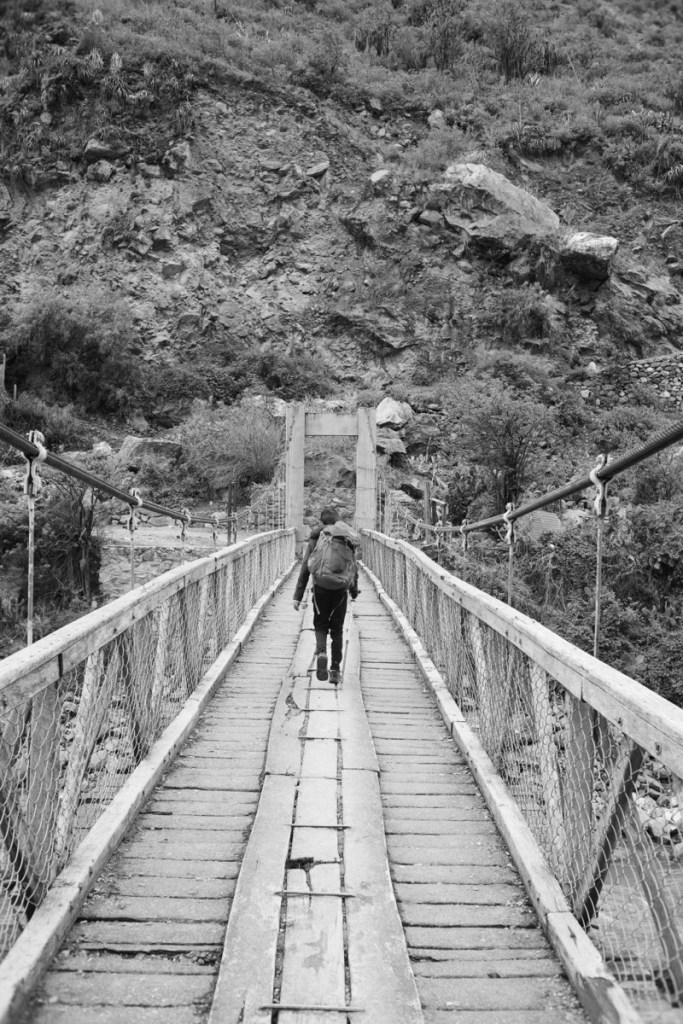
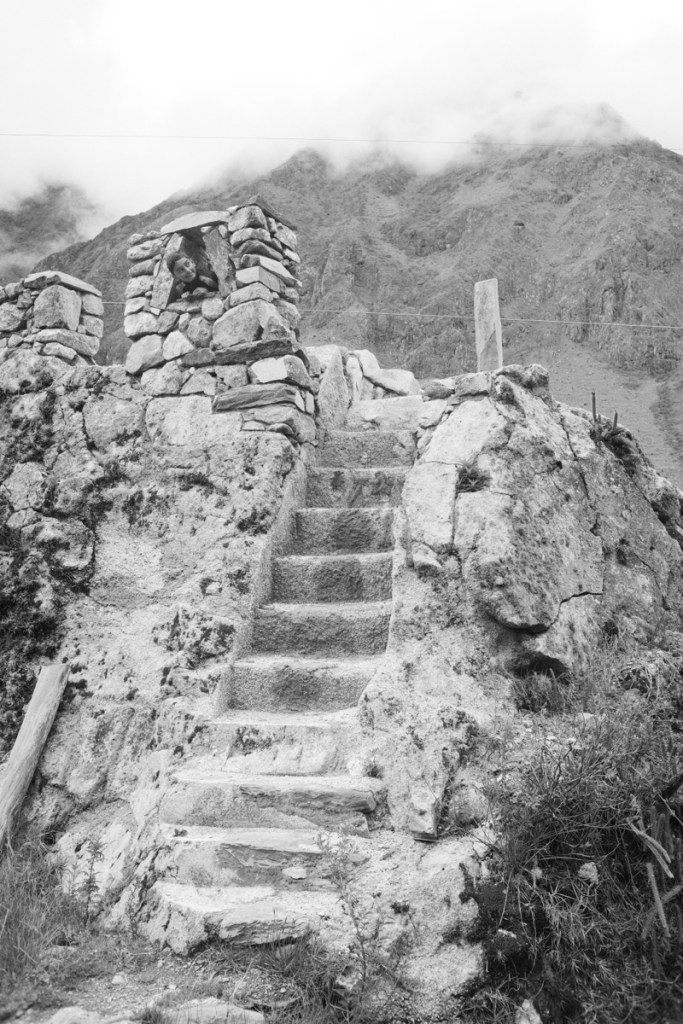
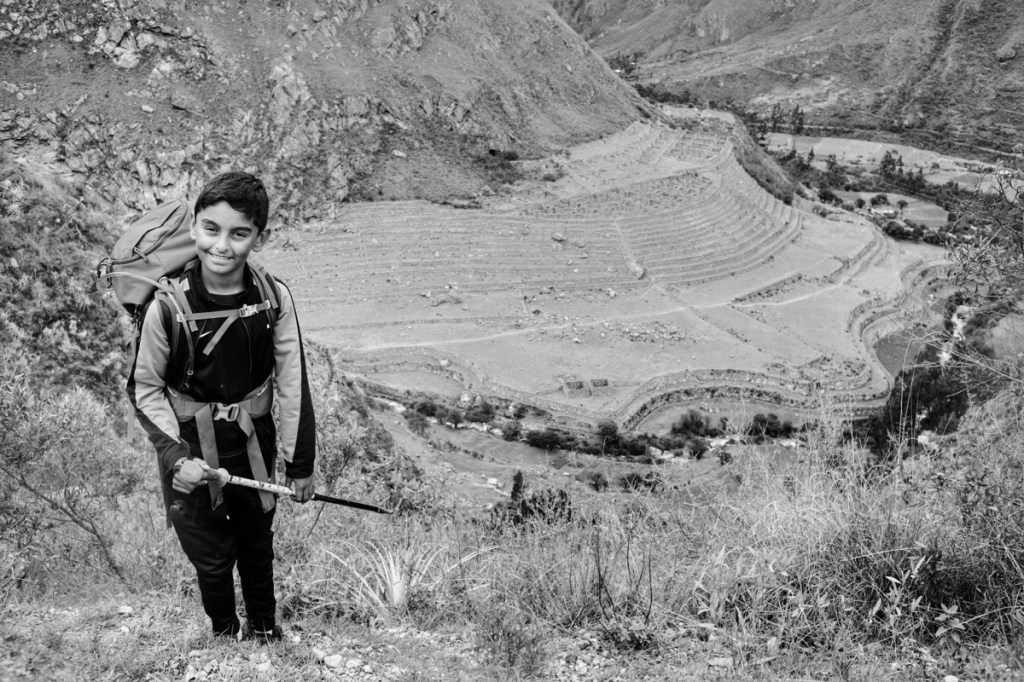
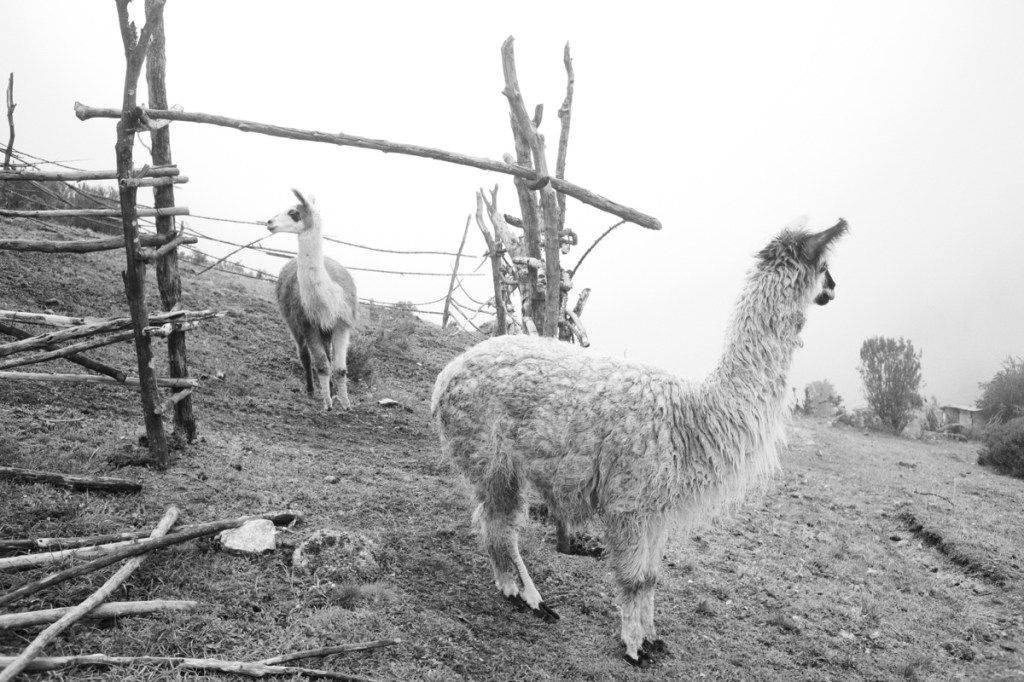
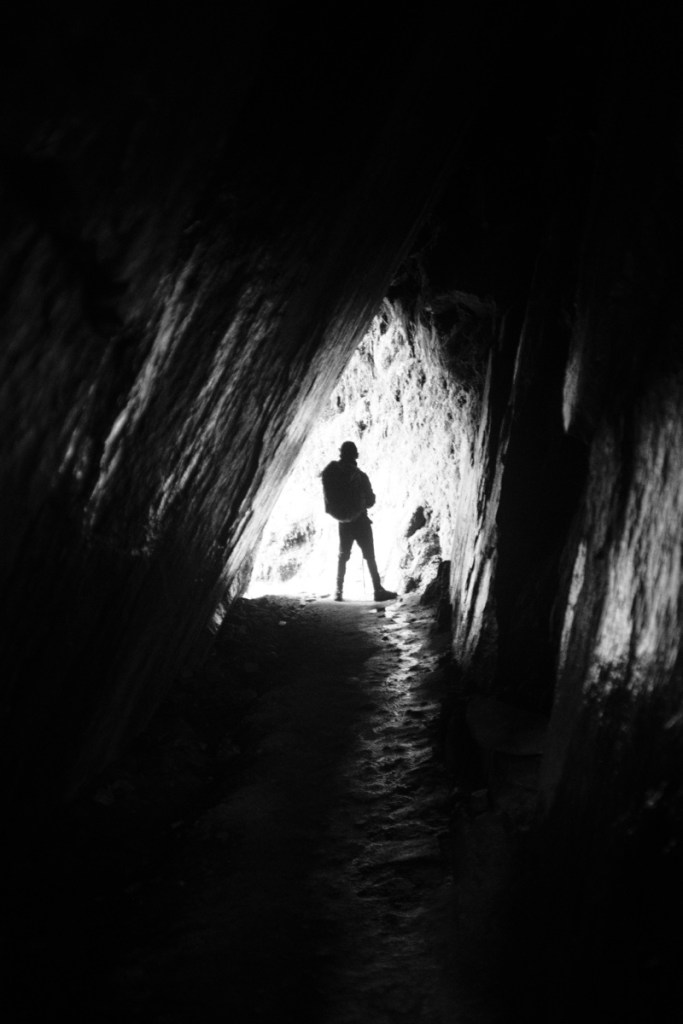
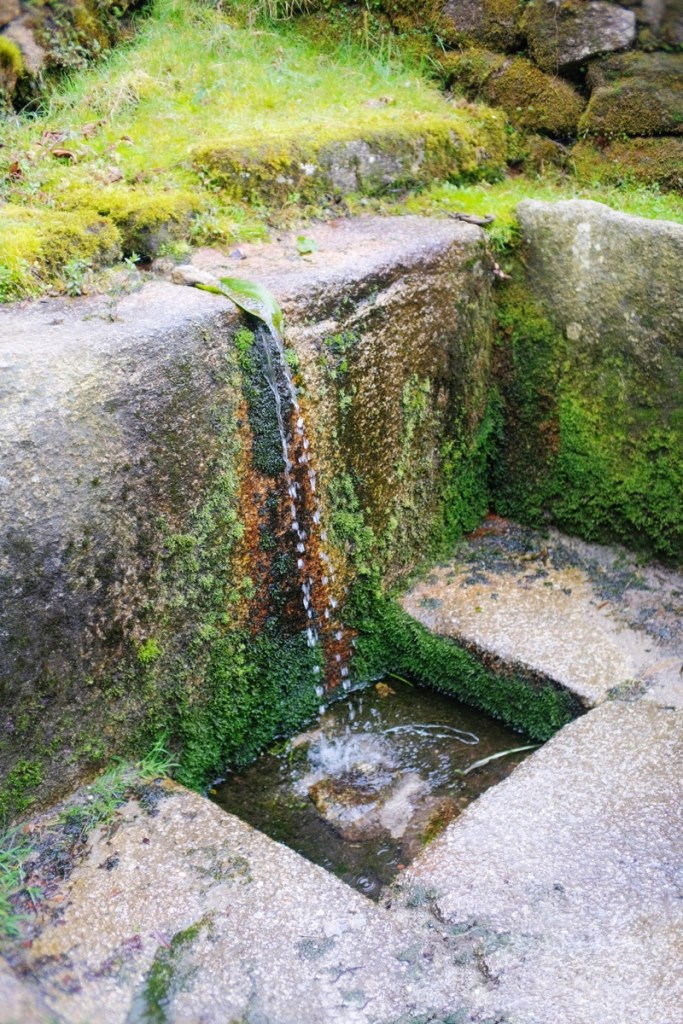
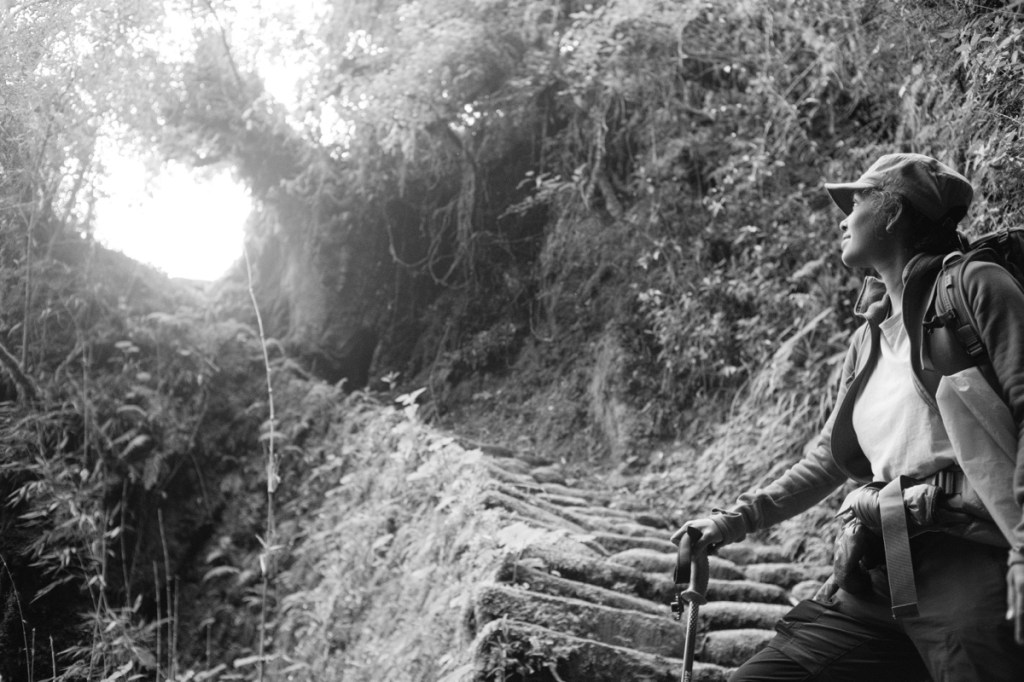
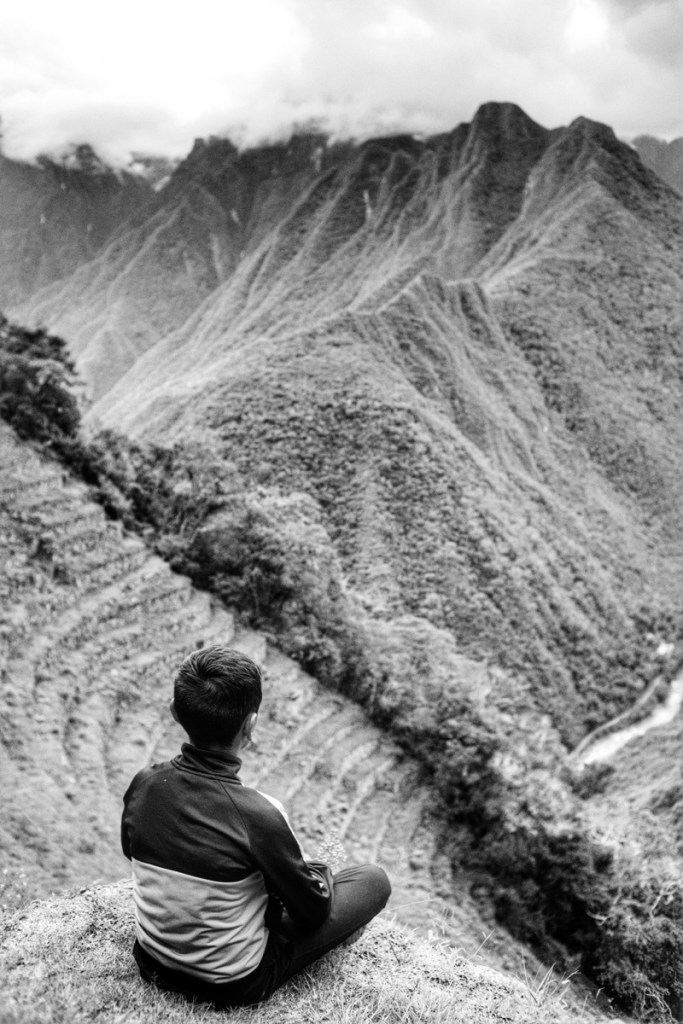
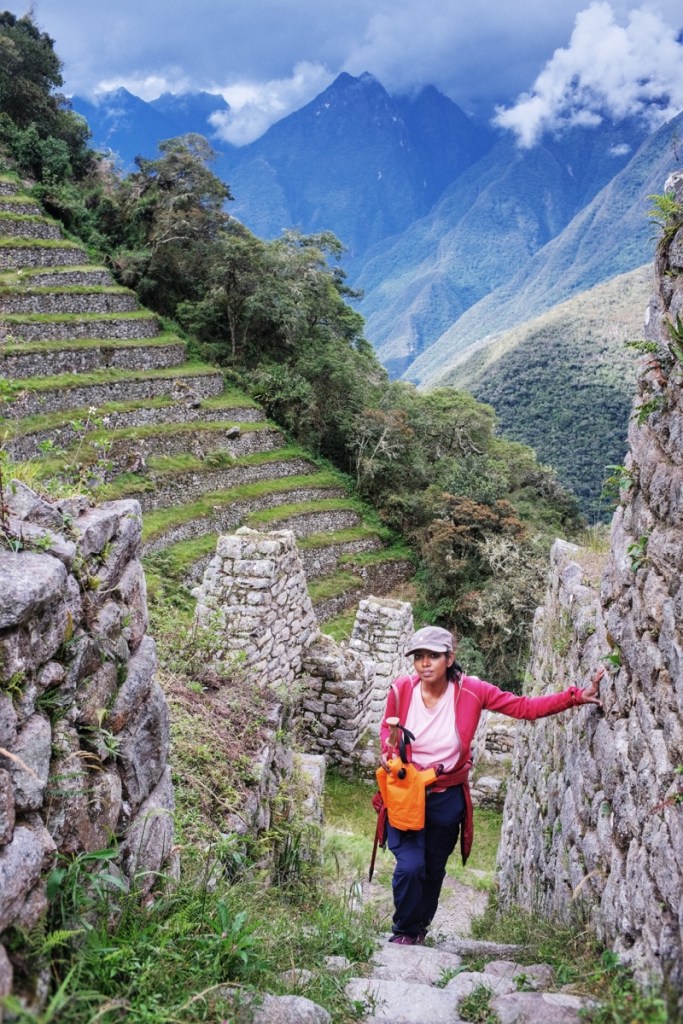
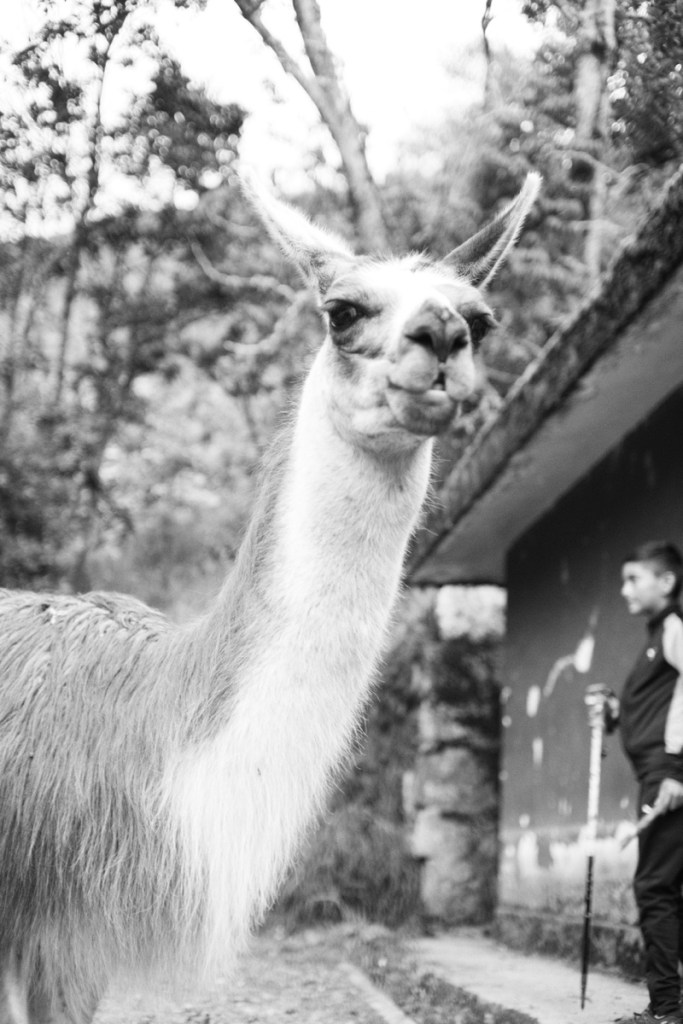
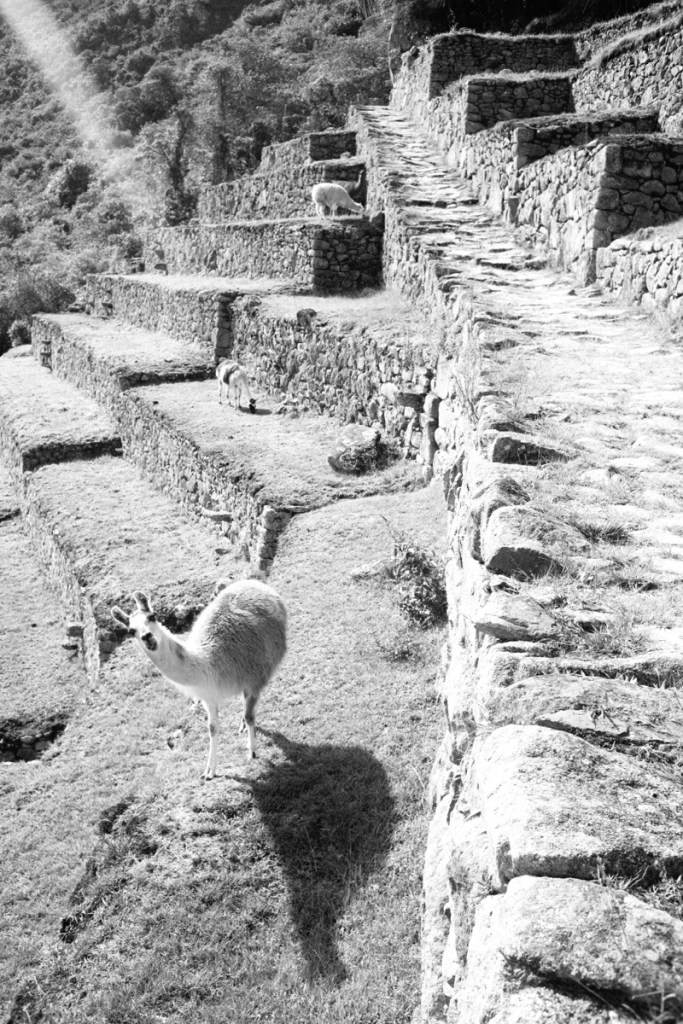
The mysterious cities of goldOff we goLeo at the window with no house around it Overlooking Llactapata terracesWoman at the door, first lunch break Starting to climbLeo playing Tarzan with a vineShort break by the streamFirst day over, so far so good!Second morning, time to get startedIt’s starting to get steeper!Leo couldn’t resist!Meet the lamasLeo is pushing Mary up the hill!There we are, at 4215m! (and what a view!)And the Dead Woman is still alive!The way down is just as steep!I love the shape of this path!And down againLast steps to Runkuraqay Runkuraqay in the afternoon fogWe made it through the second day and Jesus is cooking our diner Passing a small tunnel Luis is passing us with his huge backpack Because I know you’re craving for some colour by now 🙂A little nap in the clouds An Inca fountain PhuyupatamarcaPhuyupatamarca Intipata stairs and terraces WiñaywynaLeo and friend at the last campsiteQuick attempt at night photography4am on the valley Clouds at the Sun Gate, but there is hope!Slowly the skies open Last cloud over the Machu Picchu!And there we are.. alone!!Just us and the lamas!
And so after 10 hours in a canoe, one last night in Coca, and 9 hours in a bus, we got to Quito, only to leave Ecuador the day after!
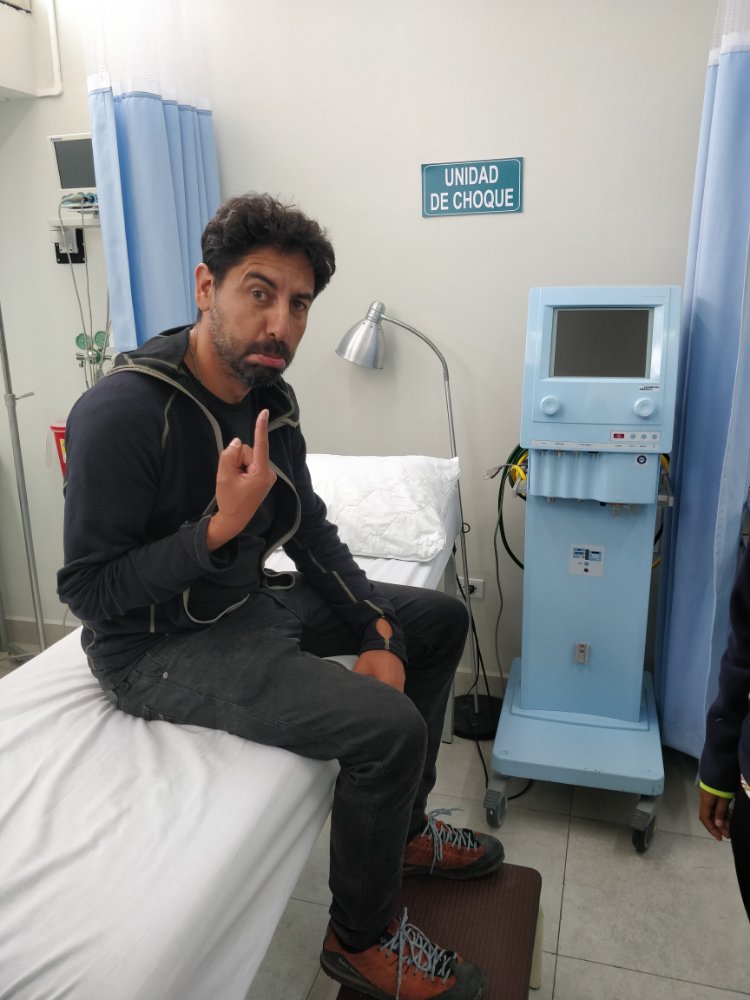
We had just one day to spend in Quito, and what better way to visit a capital city than with a tour of its hospitals?
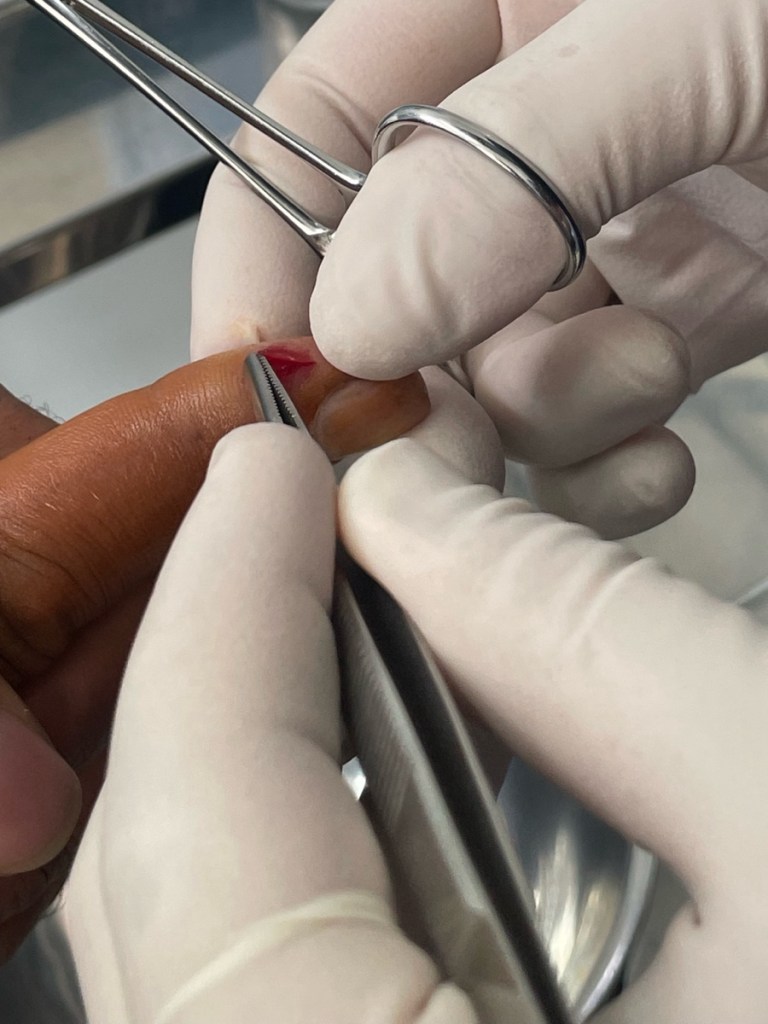
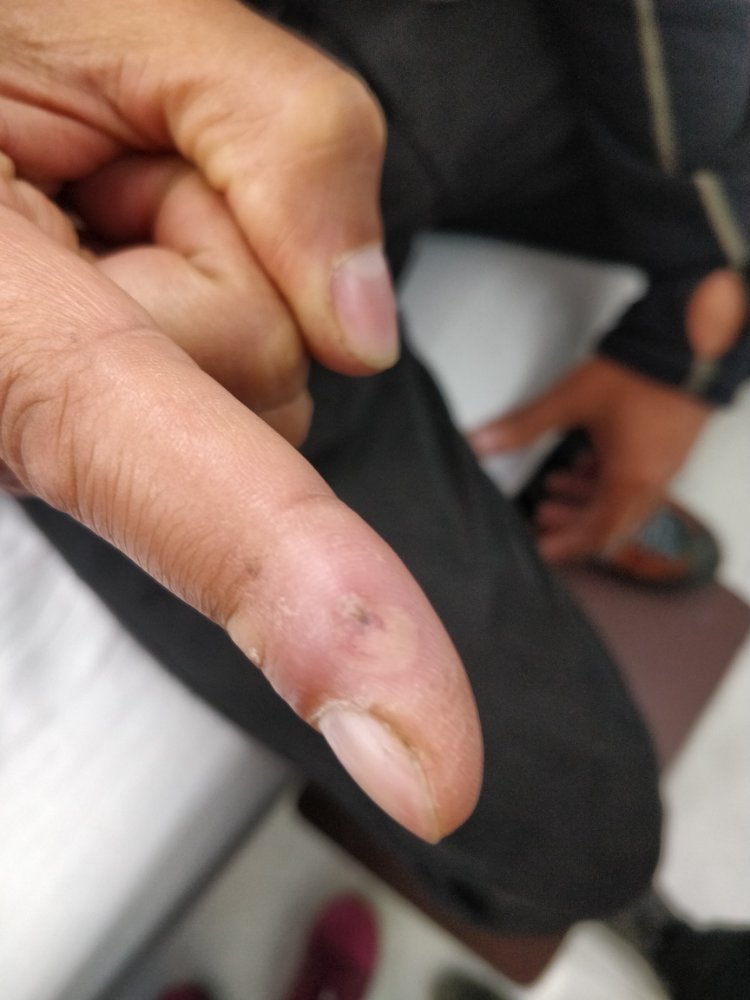
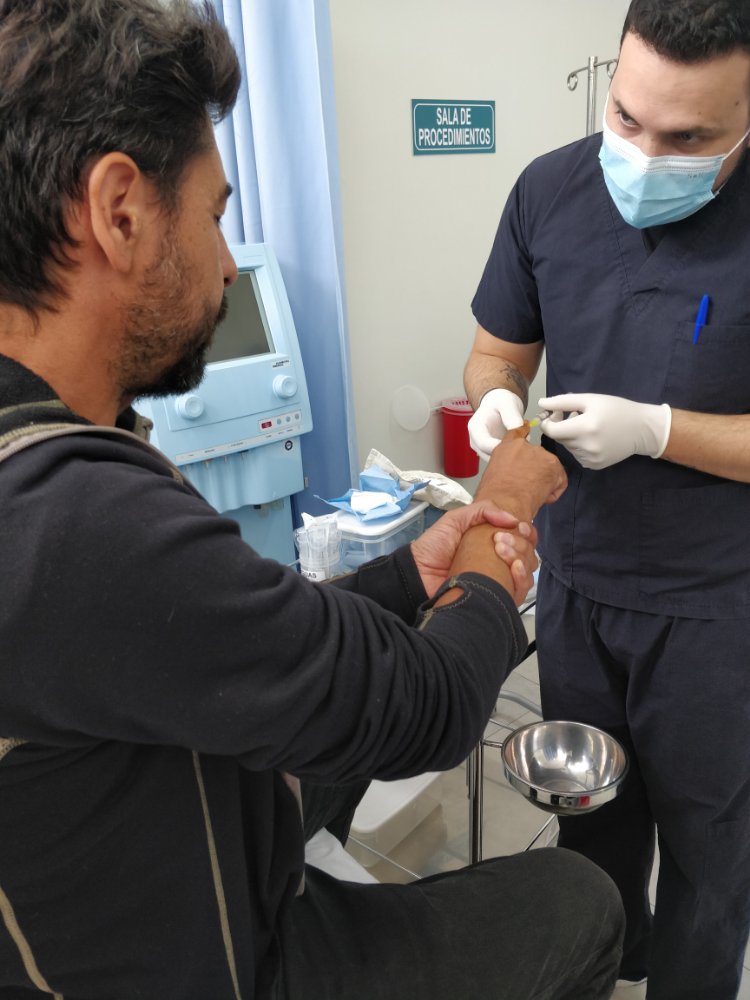
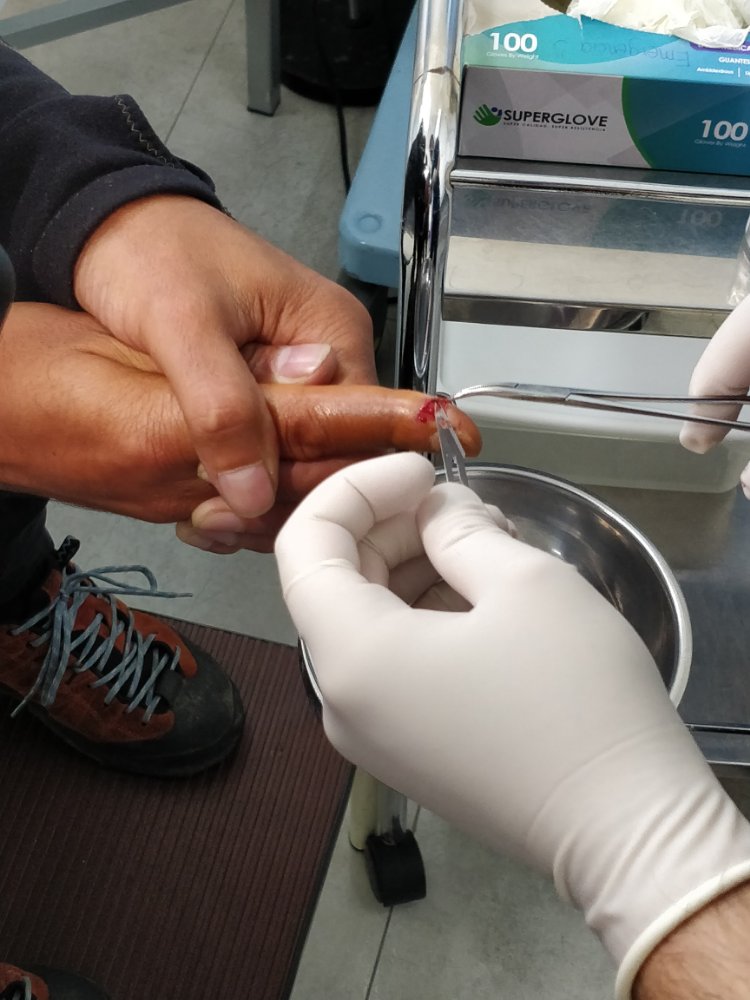
Remember that fall on the spikee branches a few days back? One of the splinters was still buried in my finger and it was getting infected, so I had to take care of this before we moved on.
We were recommended to a first clinic. We got there and they said they would charge 500USD to remove the splinter! Seeing our pale faces they suggested we try with another clinic !
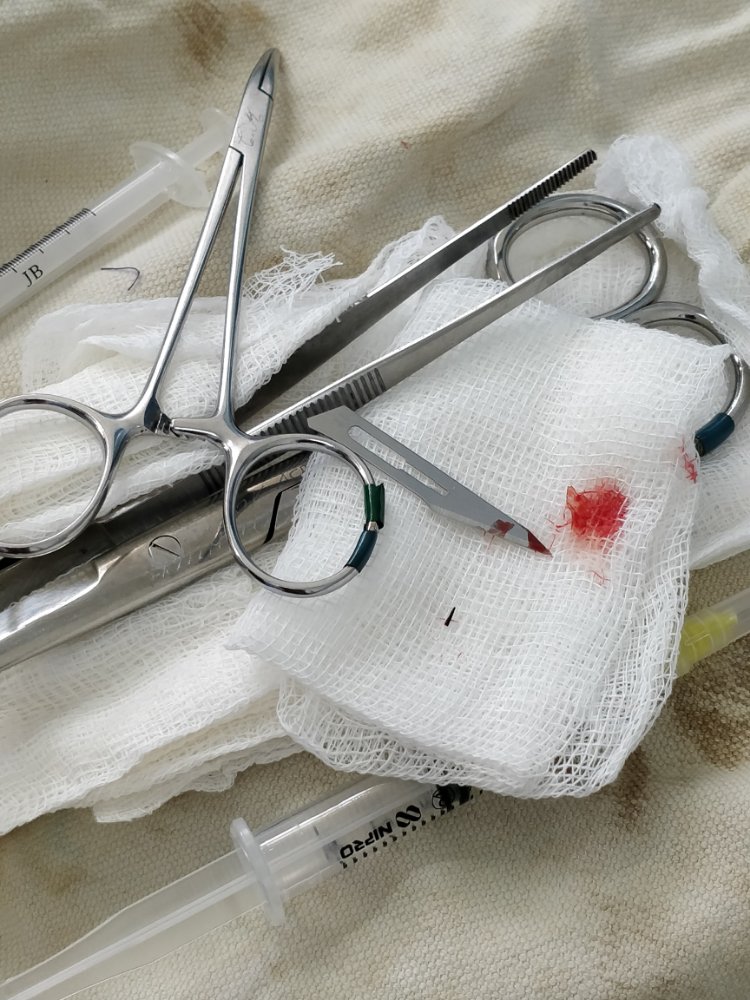
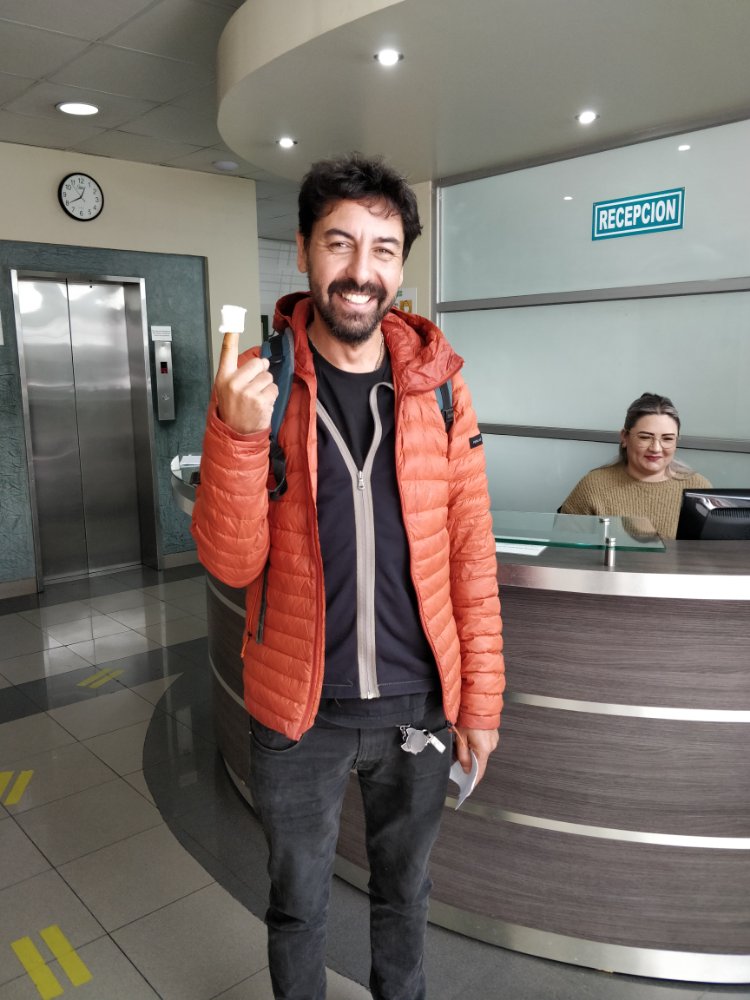
Indeed the next clinic was charging 25USD for the same. The doctor was super nice and a few needle stings later I left with an open finger, a big bandaid and still enough time to visit some of the city 🙂
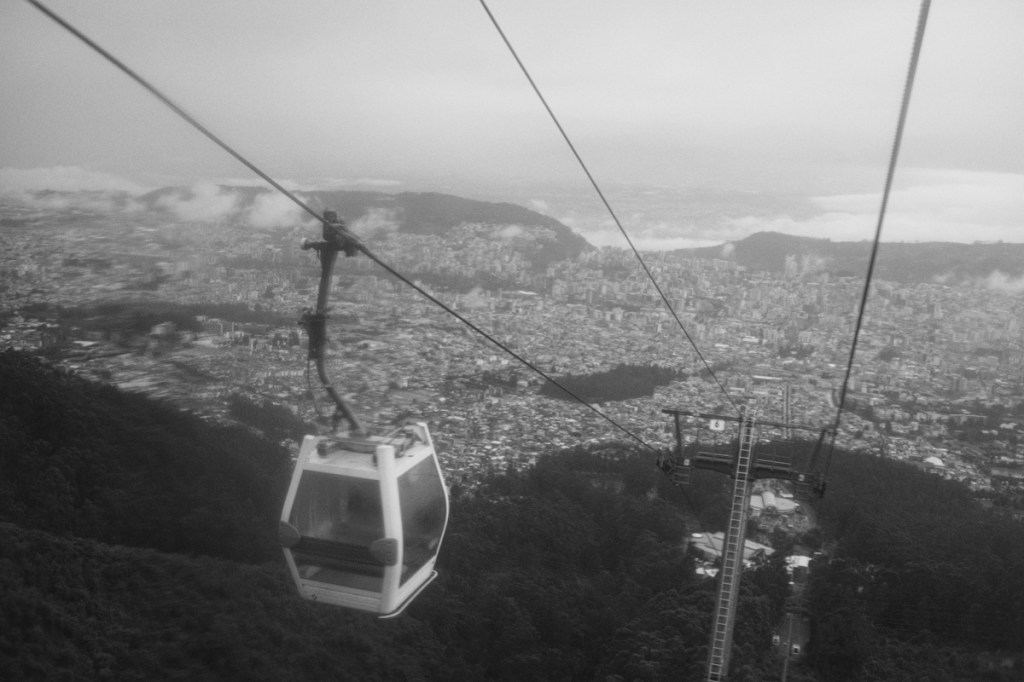
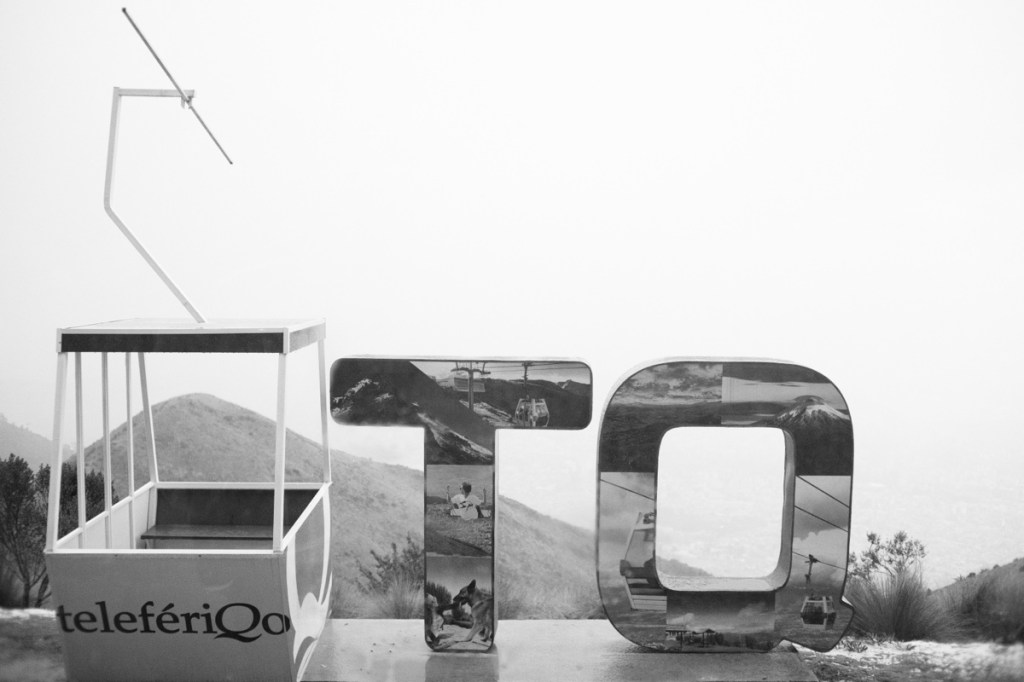
The doctor has suggested we try the cable car that leads to an amazing view of the city, so we went straight there. But by the time we reached it was starting to be cloudy and rainy. When we reached the top, we had an amazing view on white, blank, nothingness! And an hour long queue to get back down since everyone else felt the same way.
We only had a few hours left for an evening stroll in the historical center. The next morning we had to wake up early for our flights.
Ouch!Cloudy viewBest view of Quito we could get!Evening strollQuito by night Where is Leo?Early morning before the planesQuick view of the Cotopaxi from the plane window (photo and edit by Leo)
After the jungle adventure we decided to try and get to Cusco. I contacted a tourist company (recommended by a friend) that organises treks to Machu Picchu to understand the situation in Peru. She confirmed that things were slowly going back to normal. This sounded encouraging and we decided to fly from Quito to Cusco since we didn’t have much time. The Inca trail ends in January every year because of the rains.
So we headed from El coca to Quito by bus. We were in Quito only for a day. Arjun’s thorn related infection worsened. It began to be painful. Our Airbnb host recommended a clinic and we quickly went there. Once we reached the clinic, the nurse dissuaded us from getting treated there. Apparently, this minor intervention required a plastic surgeon and it was to cost us 500 USD! This was their procedure. Although the plastic surgeon might have done wonders to Arjun’s finger… who knows, Arjun may have become a finger model, we decided to go to another clinic recommended by the nurse. Everyone here were thoroughly professional and the doctor was really kind. He told us to take the cable car and have a bird’s eye view of Quito. We did just that. Except that the weather conditions worsened just when we reached and we couldn’t see beyond 2 meters. Thunder, lightning and a hailstorm! The wait to get back was loooooong. We walked around the historical centre in the evening and woke up very early to catch our flight. Unfortunately, our Airbnb host didn’t turn up to collect his keys as he thought we were leaving in the evening! We left the keys in an envelope near the doorstep before a few panic calls and jumped into a cab to catch our flight. We had 2 stopovers – Guayaquil and Lima. At the airport in Lima, Arjun was charged for his guitar as it wasn’t a standard size. This made us mad. Noone has ever charged us for taking a guitar with our cabin luggage. We reached Cusco after a series of unfortunate events. Cusco airport was empty near the exit. Noone holding placards, no taxis, not a bird in sight except for police personnel. Once we walked out of the airport we took a cab to our Airbnb.
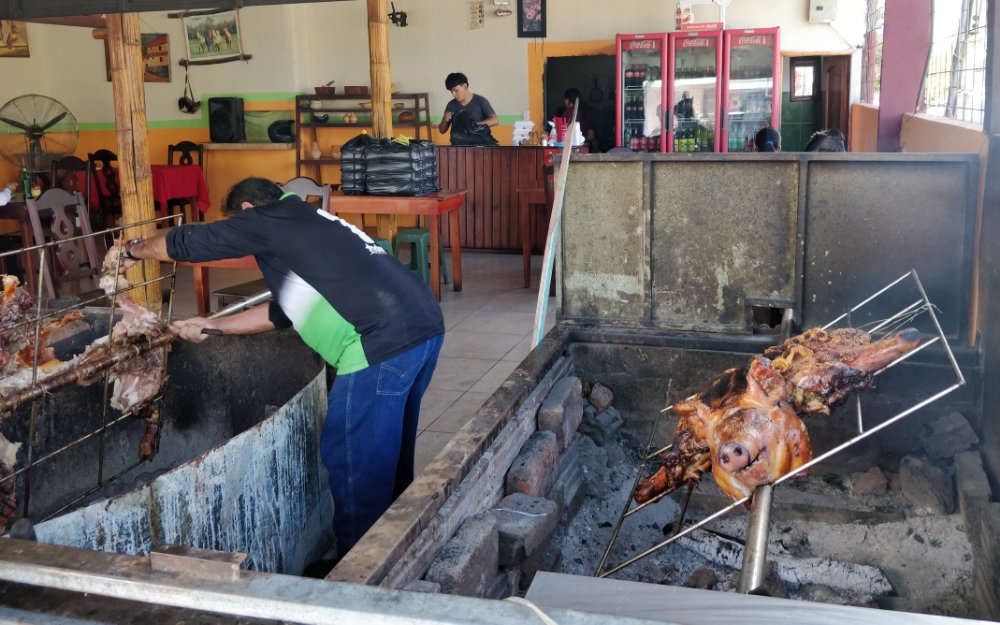
Roast pig in QuitoBeforeThe embedded thorn Anesthesia The operation The stubborn thorn out at last!After
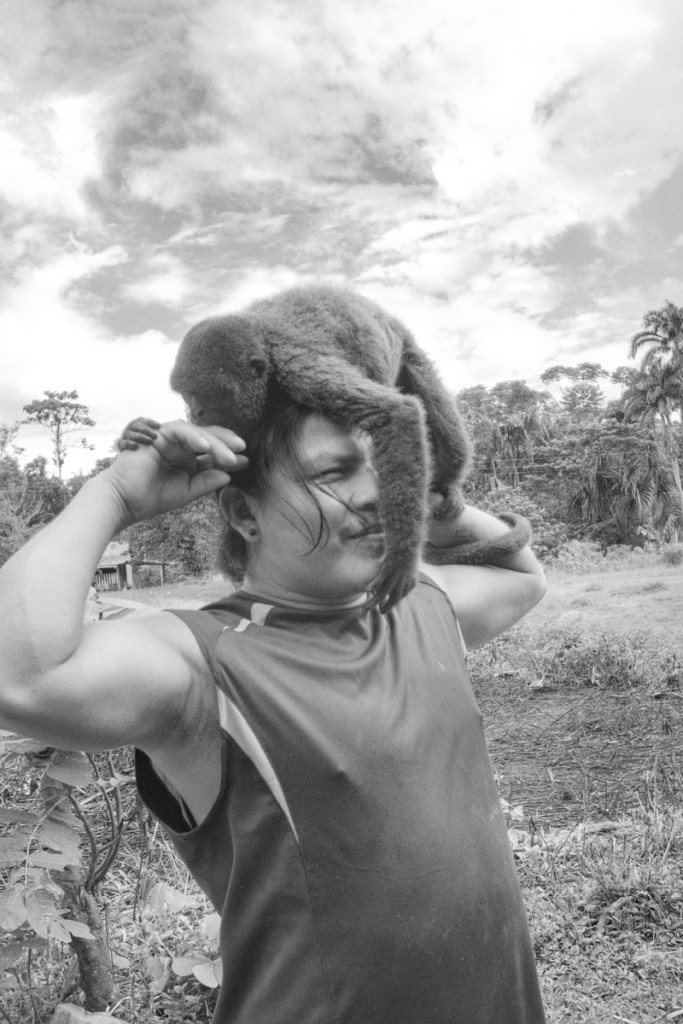
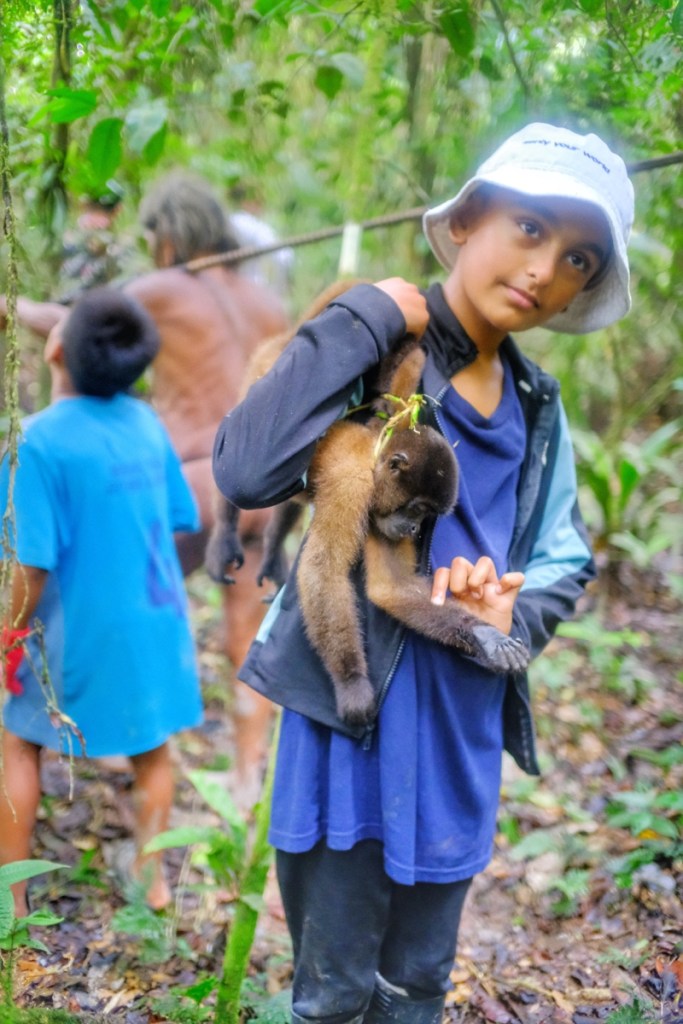
.. or how I ended up carrying a dead monkey on my shoulder in the middle of the rain forest.
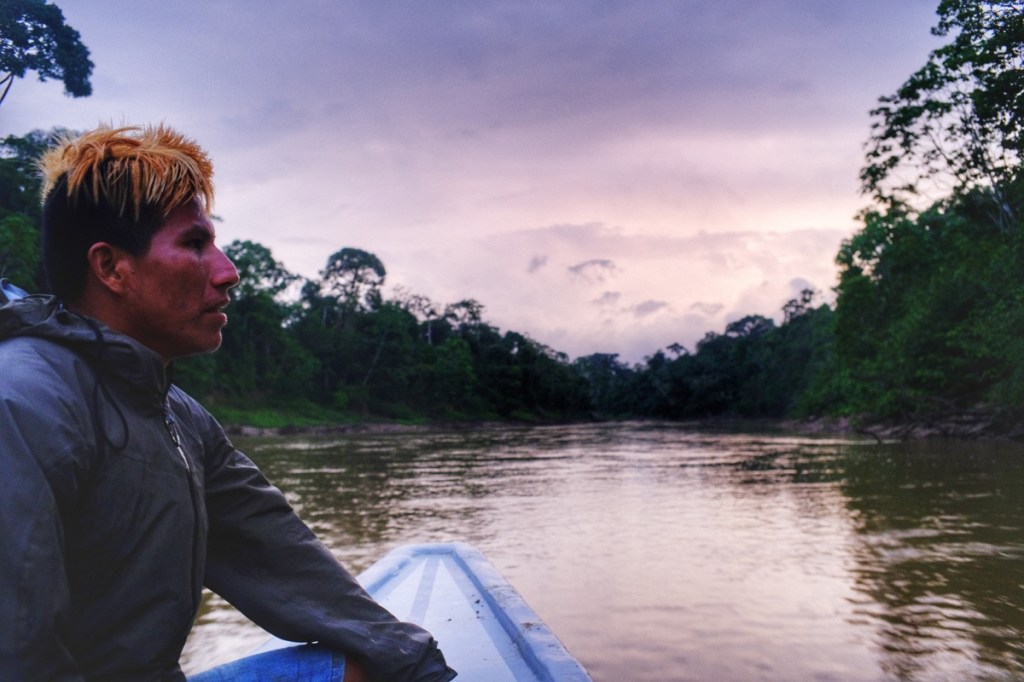
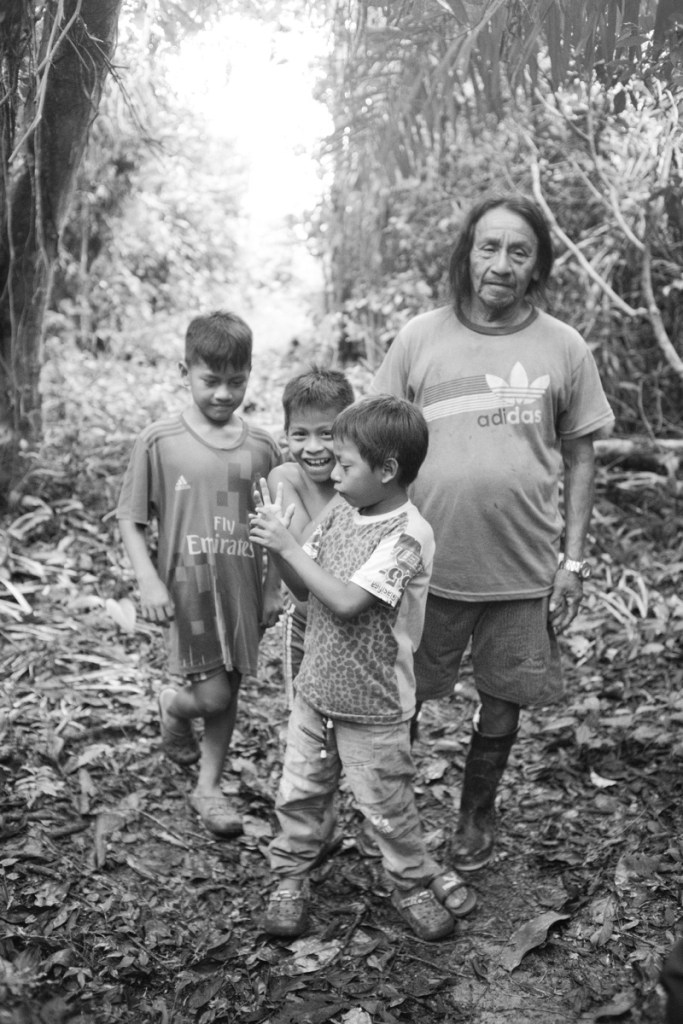
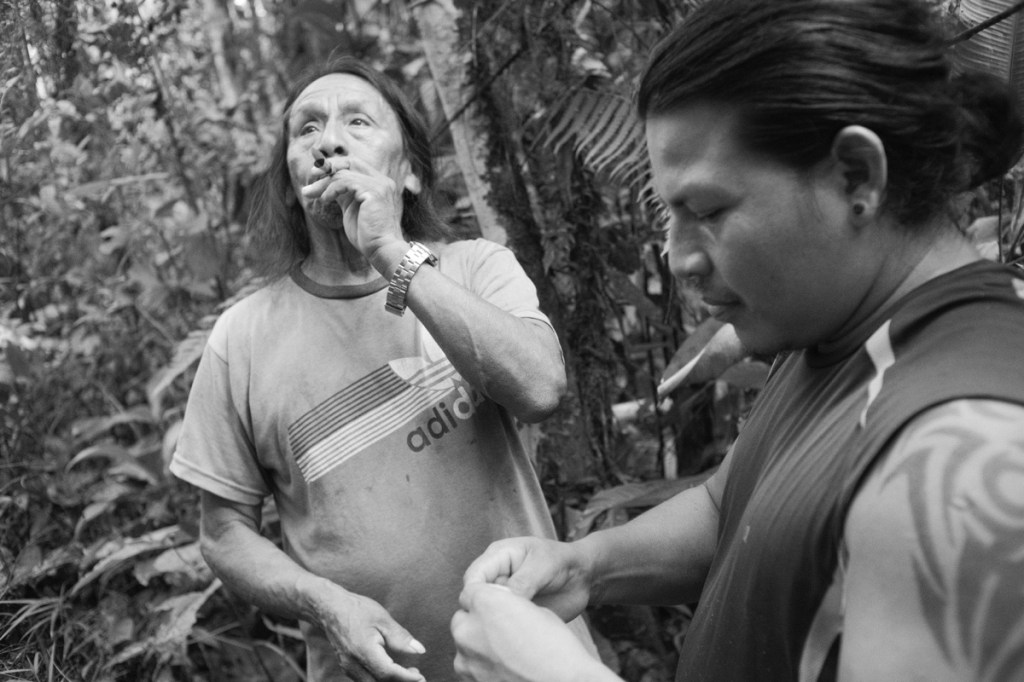
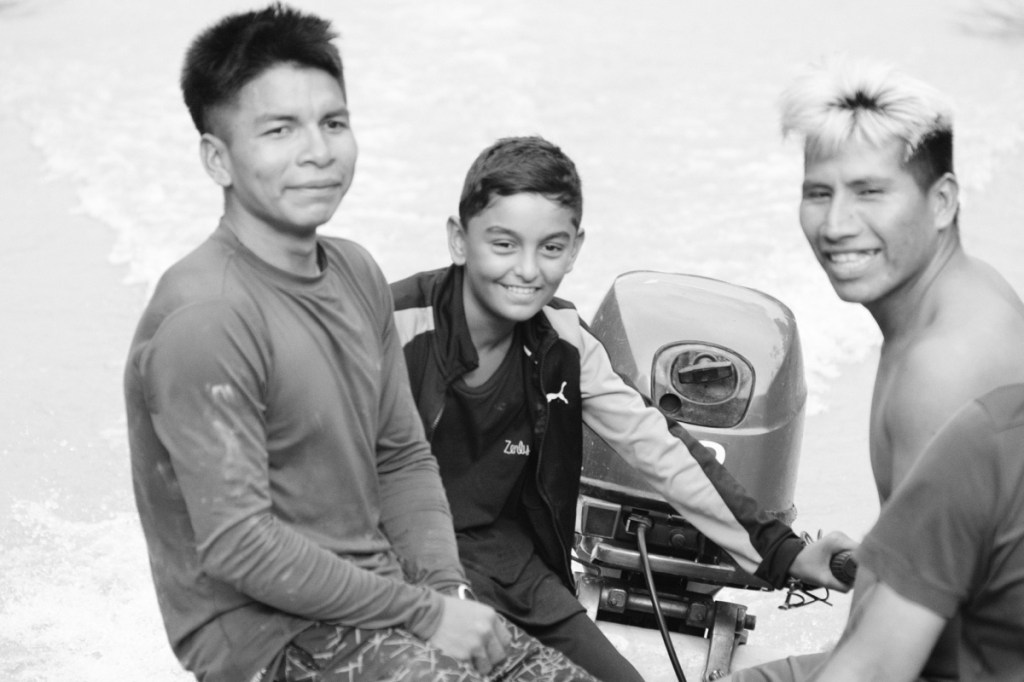
And so we finally met Wareka, our guide with whom I had been exchanging WhatsApp messages. He’s a short, strong, young man in his early thirties with a friendly smile. He comes with « Mr Paharito » (named after his ability to imitate birds) who speaks some english, to help as a translator, and two cousins; Yatey and Raoul. They’ll be our escorts into the jungle.
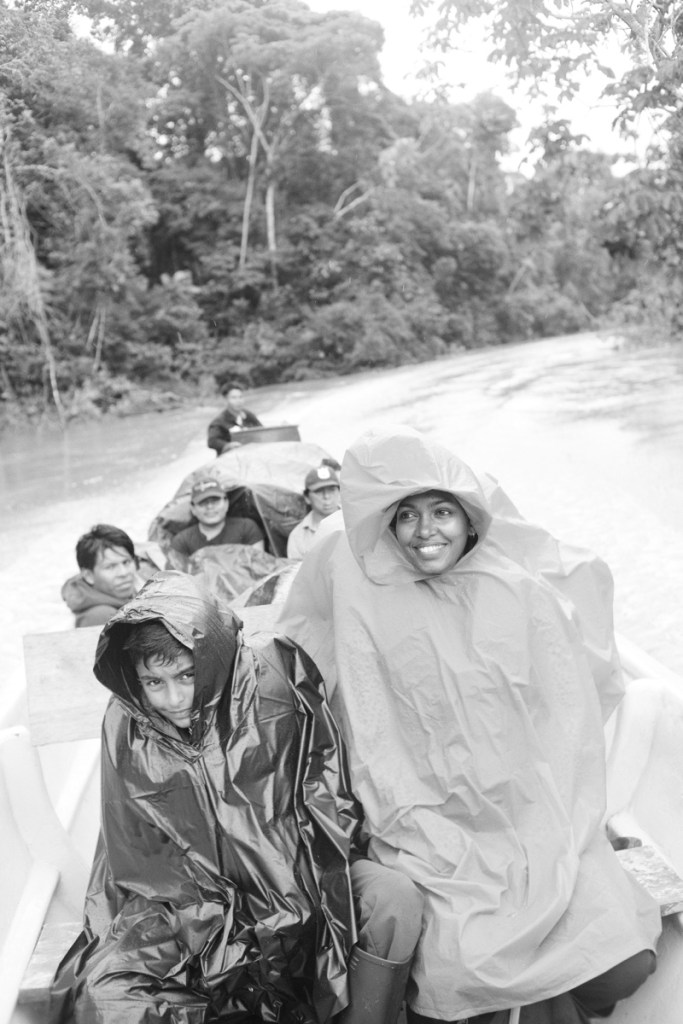
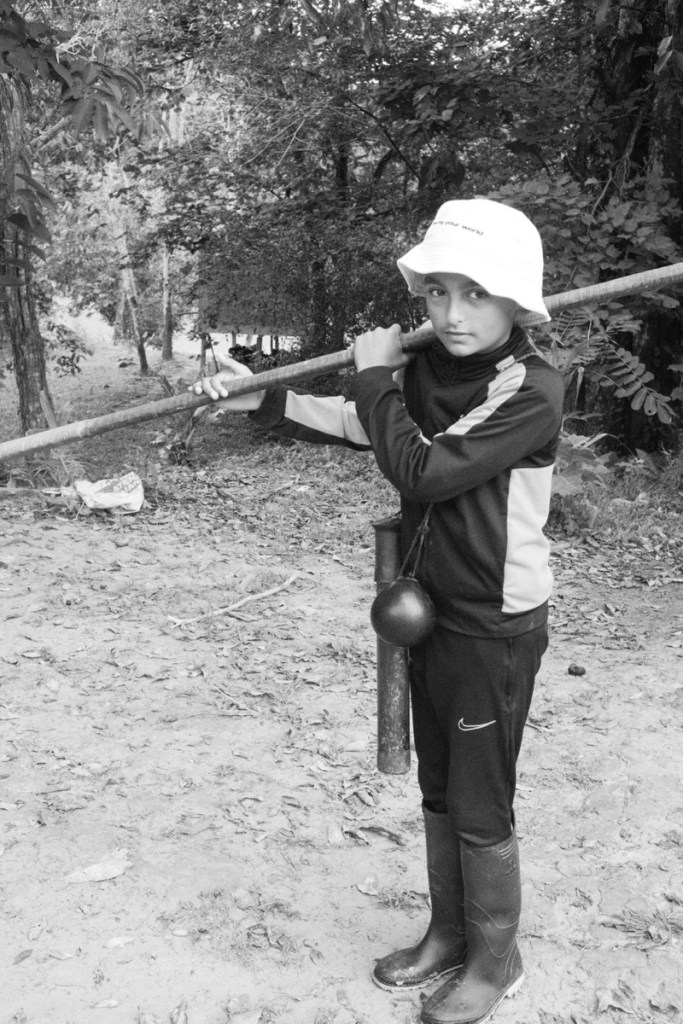
Wareka and his cousins are from the Waorani tribe who live deep in the amazon forest and have been « contact people » for some 60 years now. Tomorrow they will take us to their family and show us their customs. But first we need gum boots! They take us to a store to buy rain ponchos and a pair of gum boots for Leo; with this we’re ready for the adventure.
In the evening, we all meet for a few beers, to break the ice and learn a few words of waorani.
At thirty, Wareka has 8 children, from 3 wifes, and started his own tourism agency. (Makes me wonder what I’ve done with my life 😂)
In the discussion, they explain something about a guy called Taga, who split from the tribe because he refused to be « contact people ». Taga and his followers, the « non contact people », have been in conflict with the waoranis. We’ll be passing through their territory, and if they see us, they kill us! … But don’t worry!
I’m not sure if they pulled this up to spice up their gig, but I must admit it made us all a bit nervous !
The last night in town was disturbed by a loud storm with heavy rain, and dreams of Tagas attacking our boat!
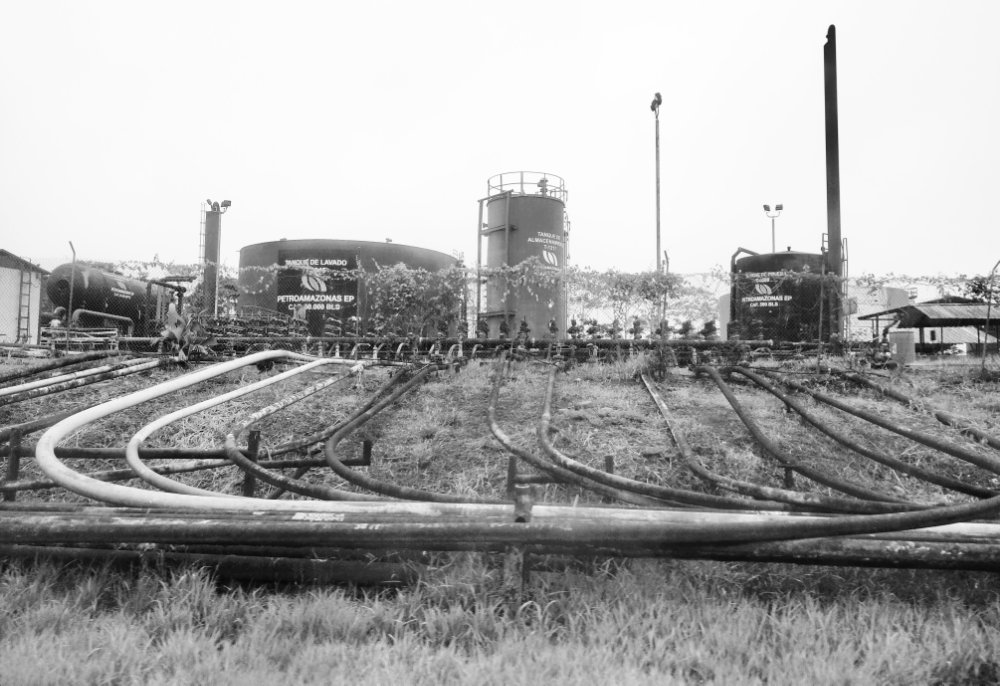
At 5:30am, it’s time to load our bags in the pickup truck and go. We cross the Napo river and head towards the Yasuni national park. For a couple of hours we follow an oil pipeline alimented by a series of extraction sites. The Ecuador jungle has been invaded -and heavily polluted- by American oil companies. (Chevron owes 80B$ to Ecuador for a case of pollution but they won’t pay a dime!)
We reach the San Francisco hotel, by the Shiripuni river, where a breakfast is awaiting us, then walk to the river; it’s 10am and the rest of the trip is by canoe.
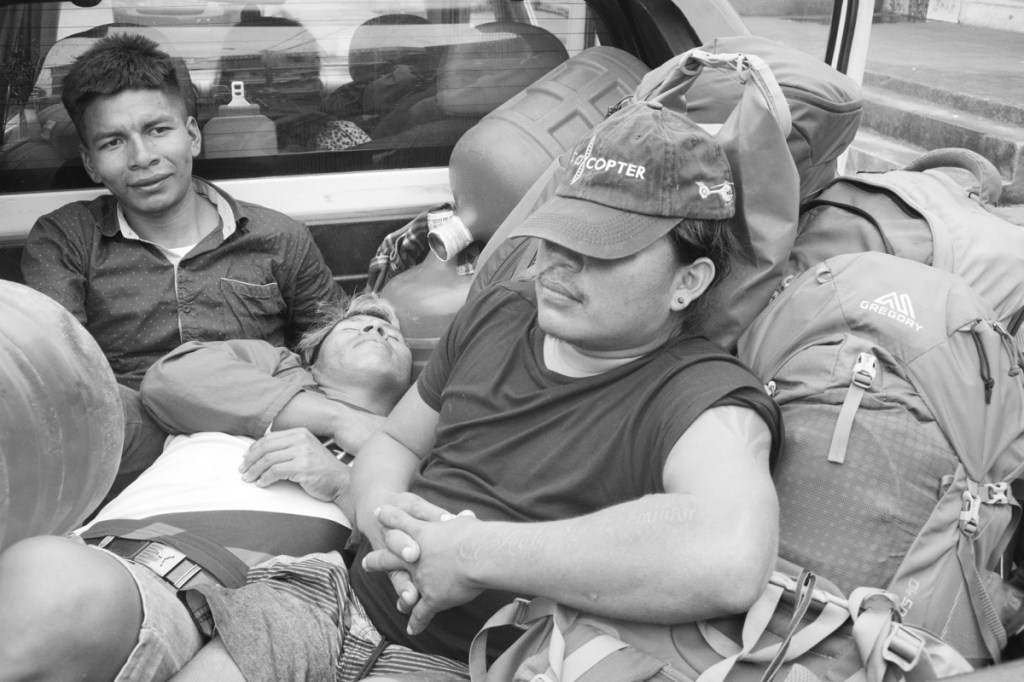
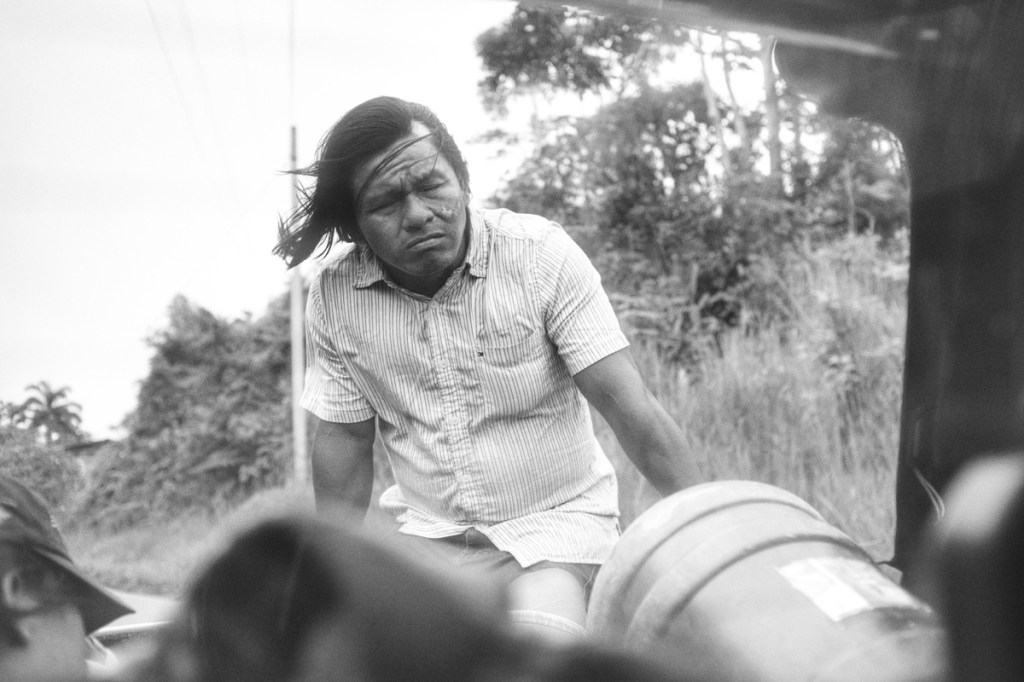
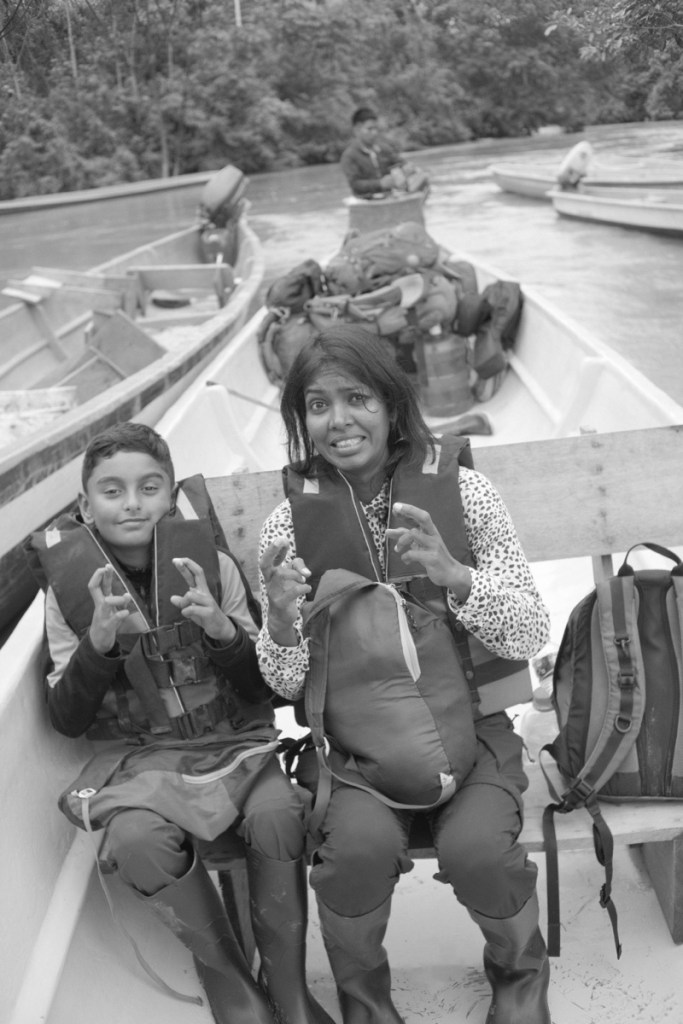
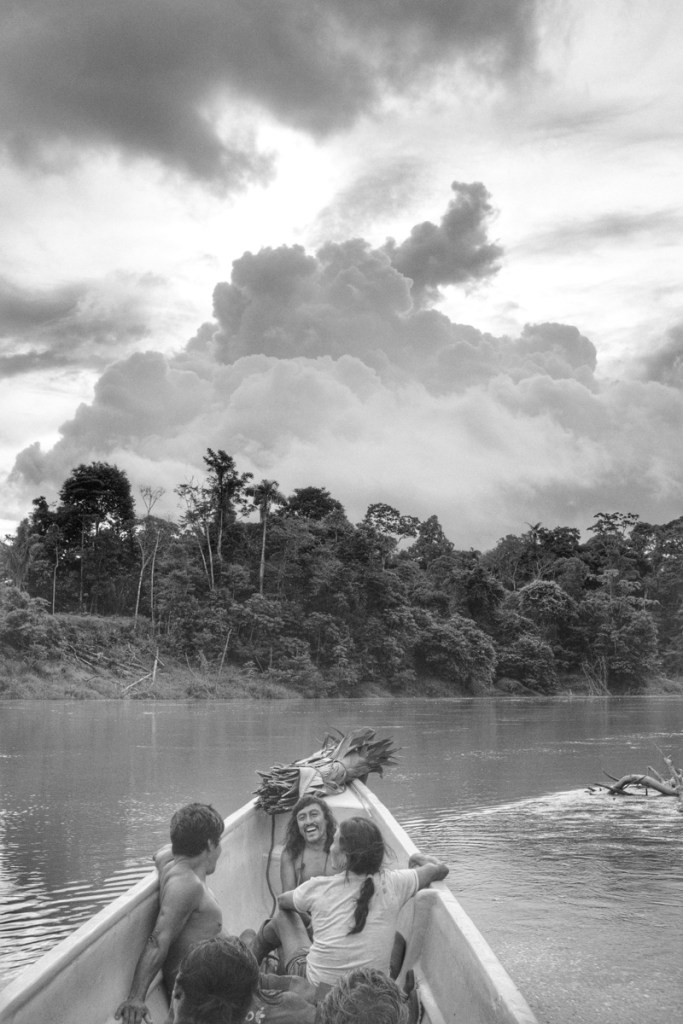
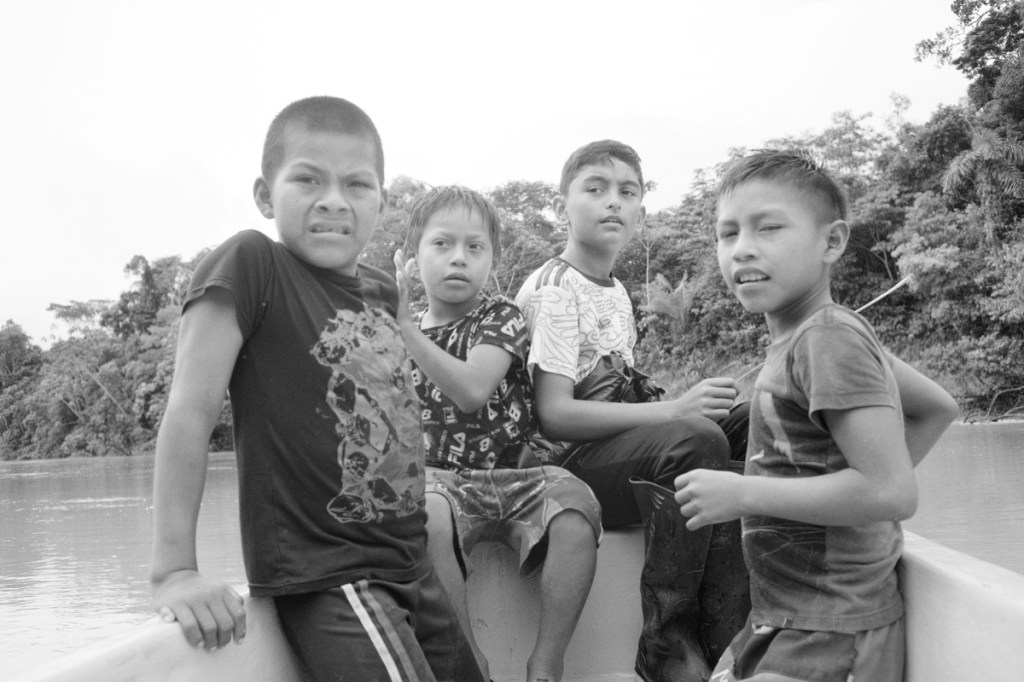
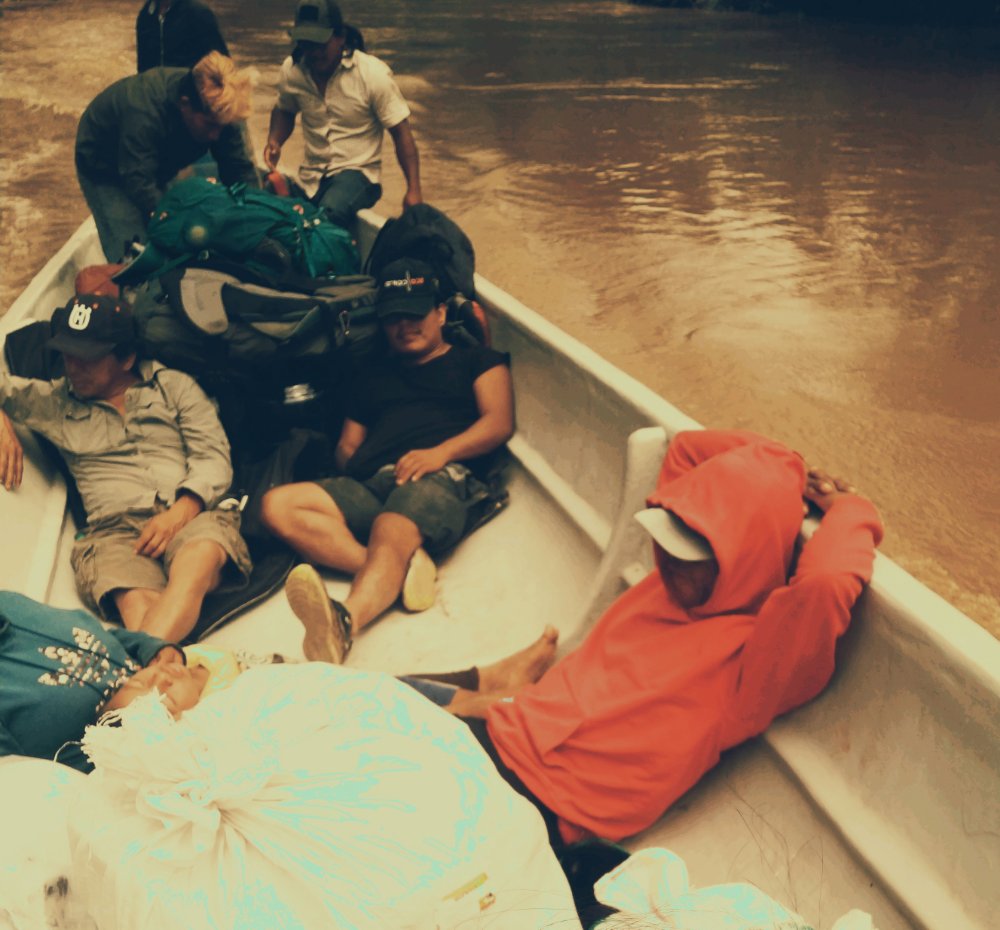
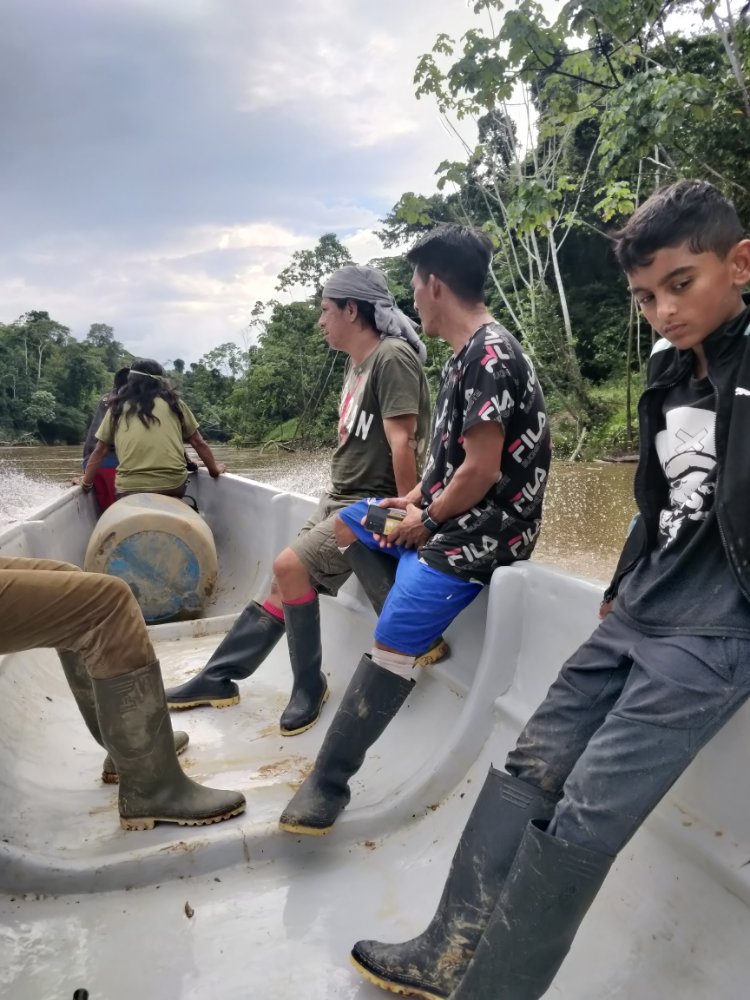
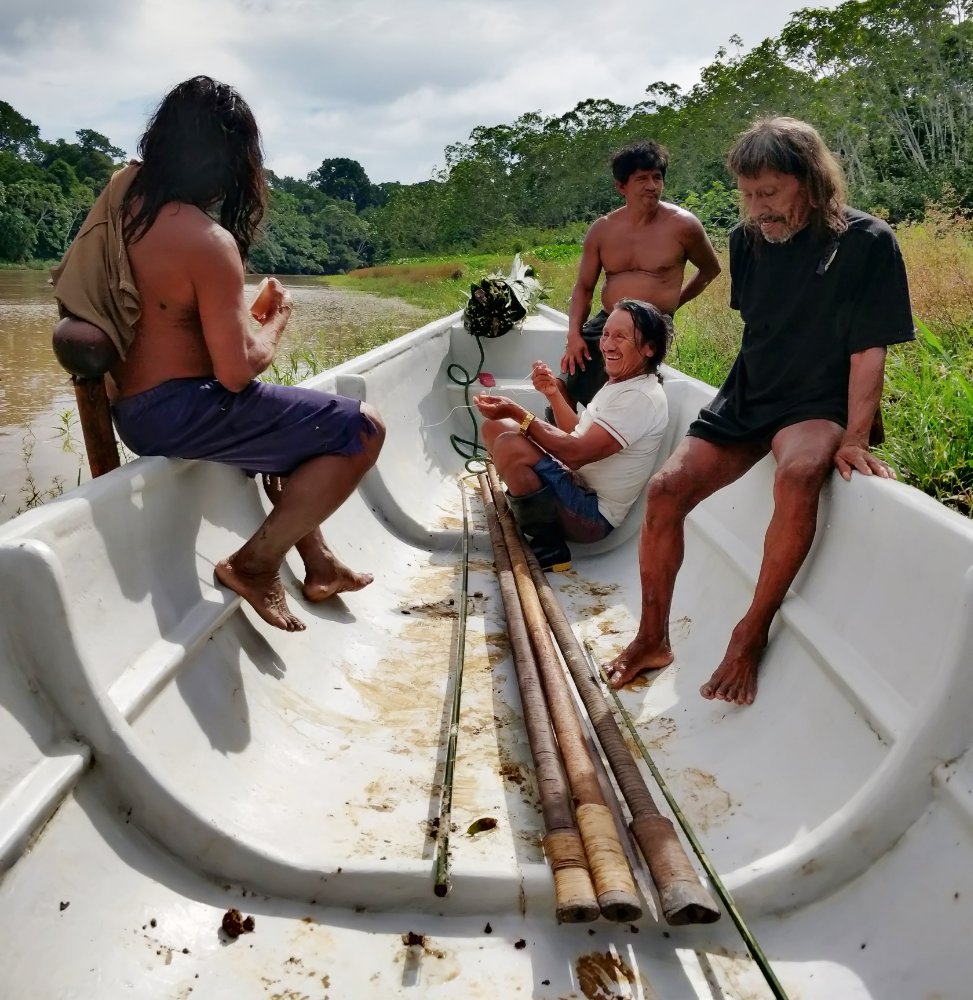
For hours we keep our eyes wide open; admiring the jungle, looking for birds and monkeys and crocodiles… and potential attackers! We’re sitting on a small wooden bench, on the floor or on the baril of gasoline. Yatey drives the boat, standing by the engine, and Raoul sits on the front to help navigate. The others quickly fall asleep, they know it’s a long ride. For us it’s the adventure of a lifetime, for them, it’s just a ride back to the village!
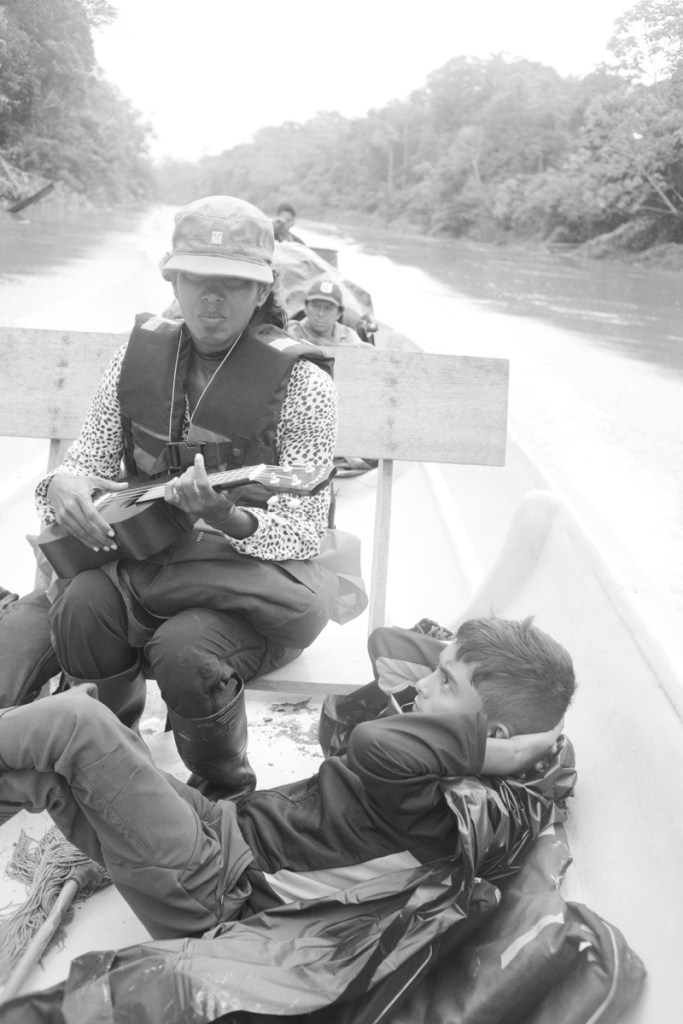
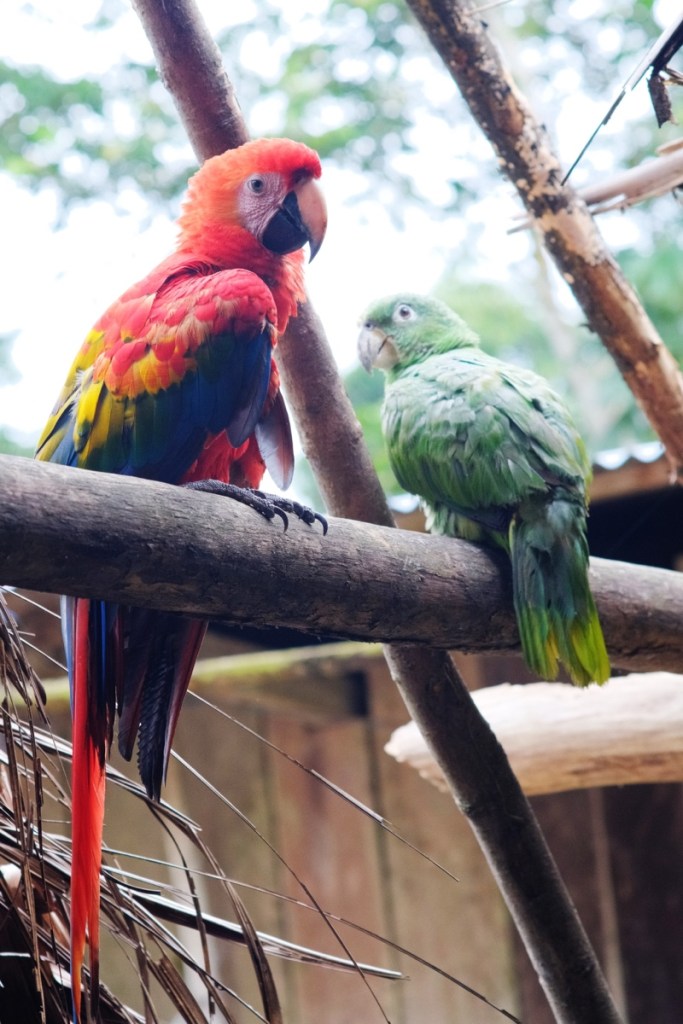
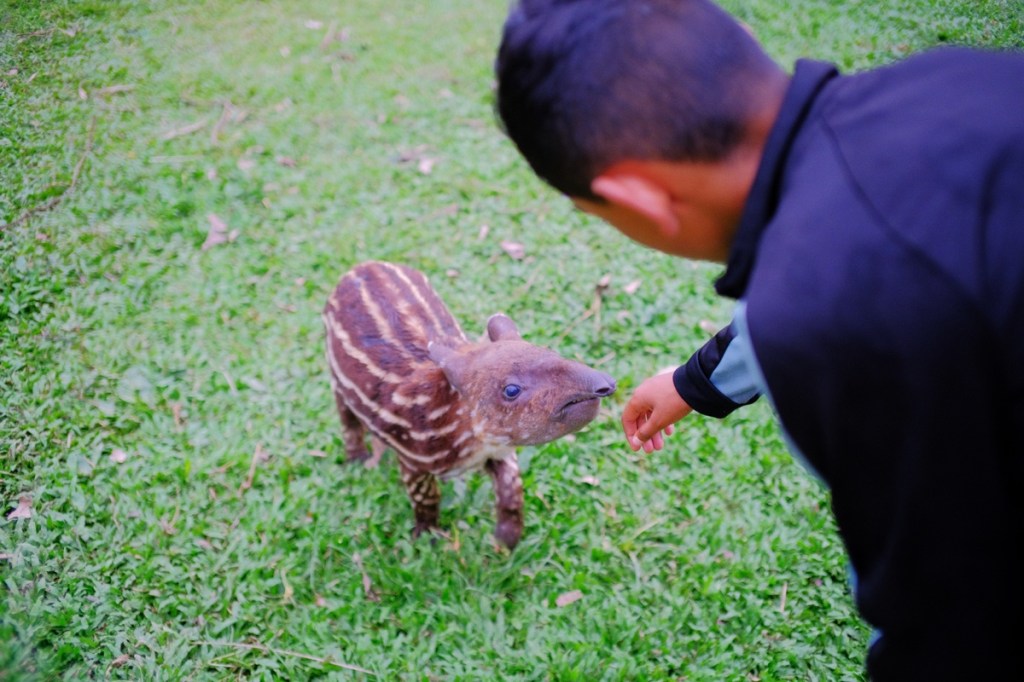
We manage to spot big parrots of various kinds, often flying in pairs, and giant herons flying close to us. We pass by a big tapir swimming, that ducks in the water and escapes to the shore. After a few hours we also start dozing off. Eventually we even pull out the guitar and ukulele to kill some time.
We make a short break at a first settlement where we meet one of Wareka’s wives and child, and pick up some people in the boat.
We reach around 6pm, just before nightfall and the rain, after 10 hours of navigating inside the jungle, towards the Peru border.
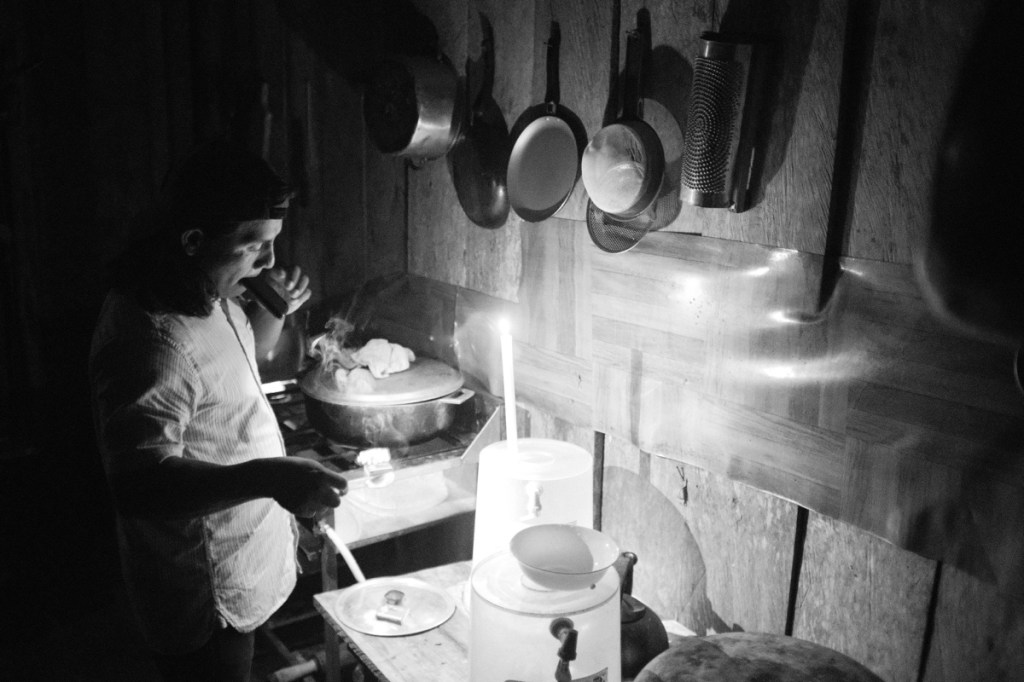
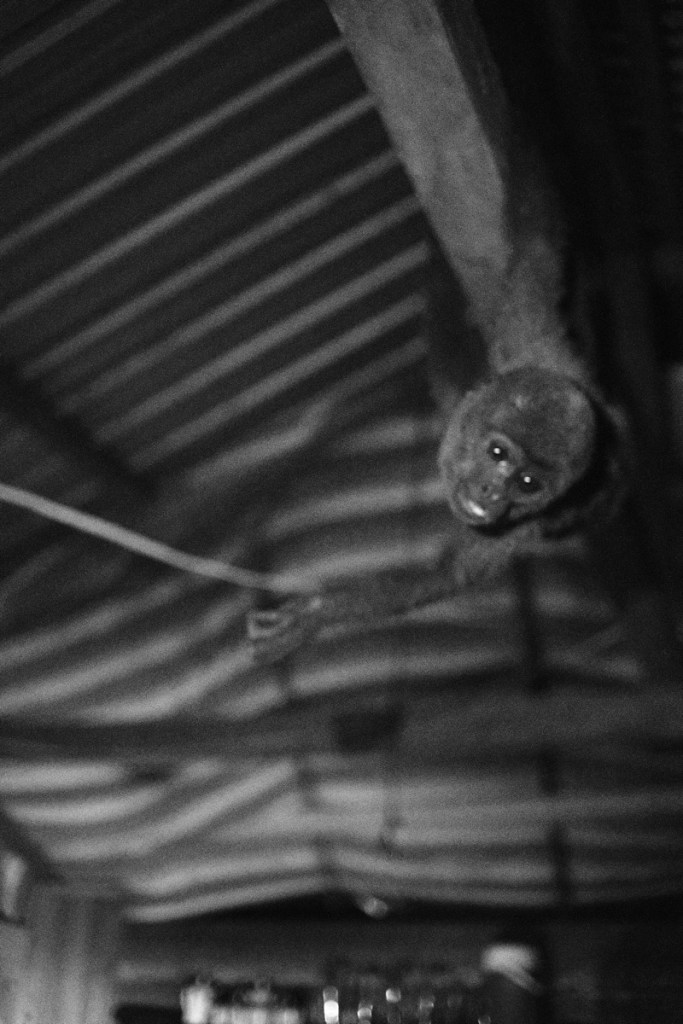
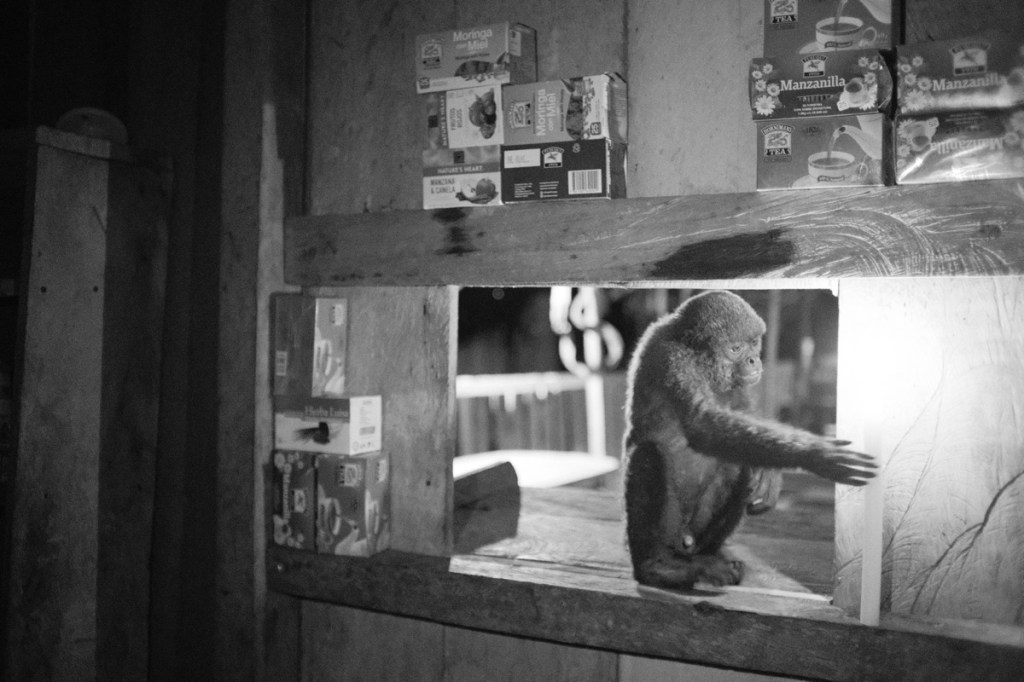
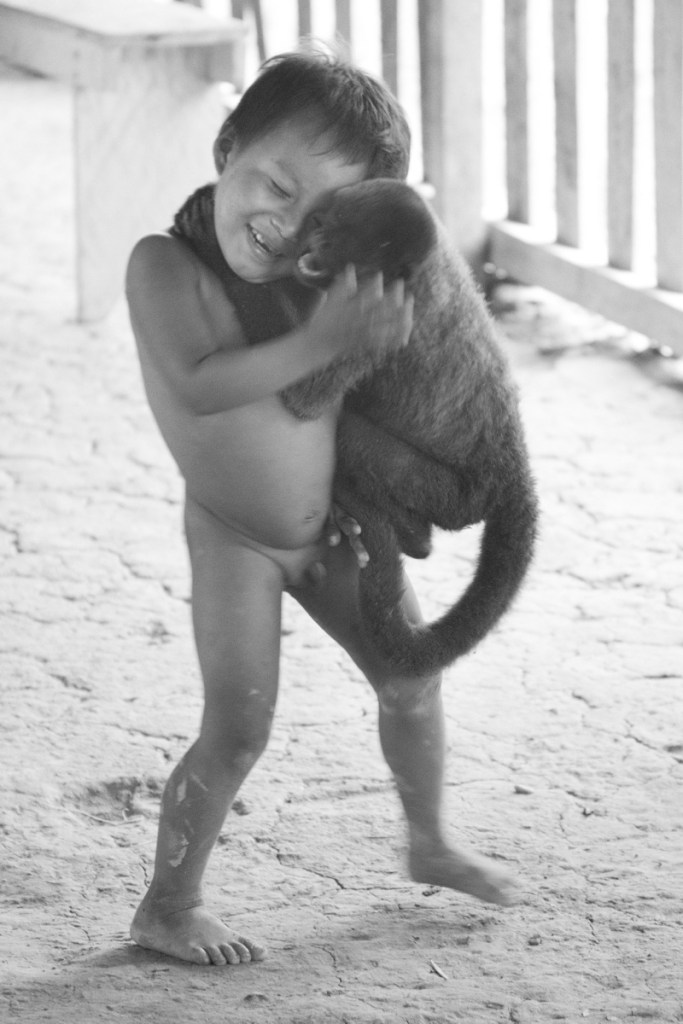
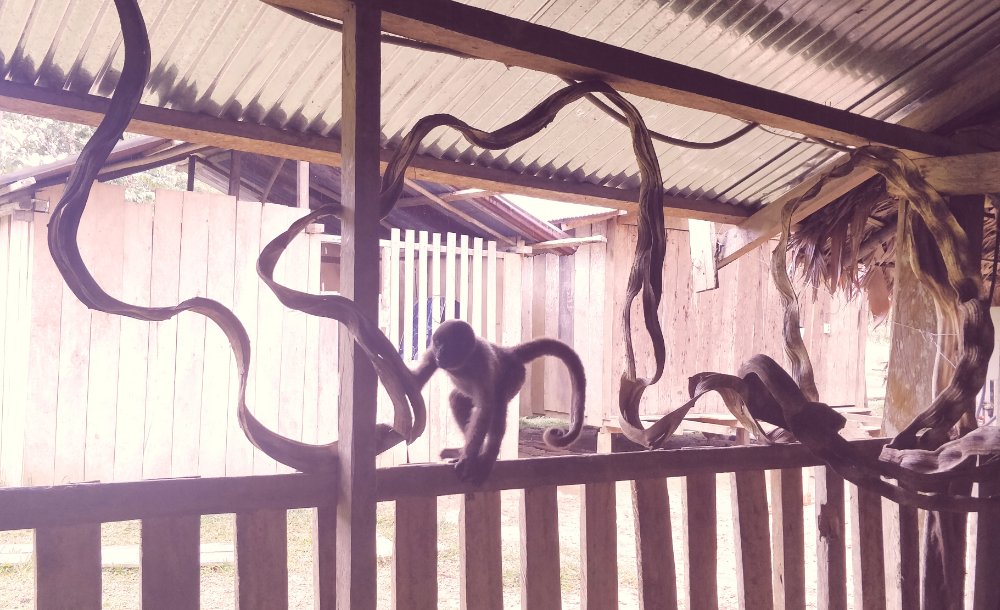
Already, Yate and Raoul start cooking the evening meal, with vegetables brought from Coca, while a young pet monkey jumps all around the kitchen and makes Leo nervous.
I was a bit anxious before leaving, but when we went to bed in our wooden cabin, it felt strangely familiar. The smell of humid wood, the nocturnal sounds of the jungle, the voices of the bats under the roof, the mosquito net above my head, reminded me of Iquitos in Peru, of Belem in Brazil, or even Chang Mai in Thailand, where I had already slept in the jungle many years ago.
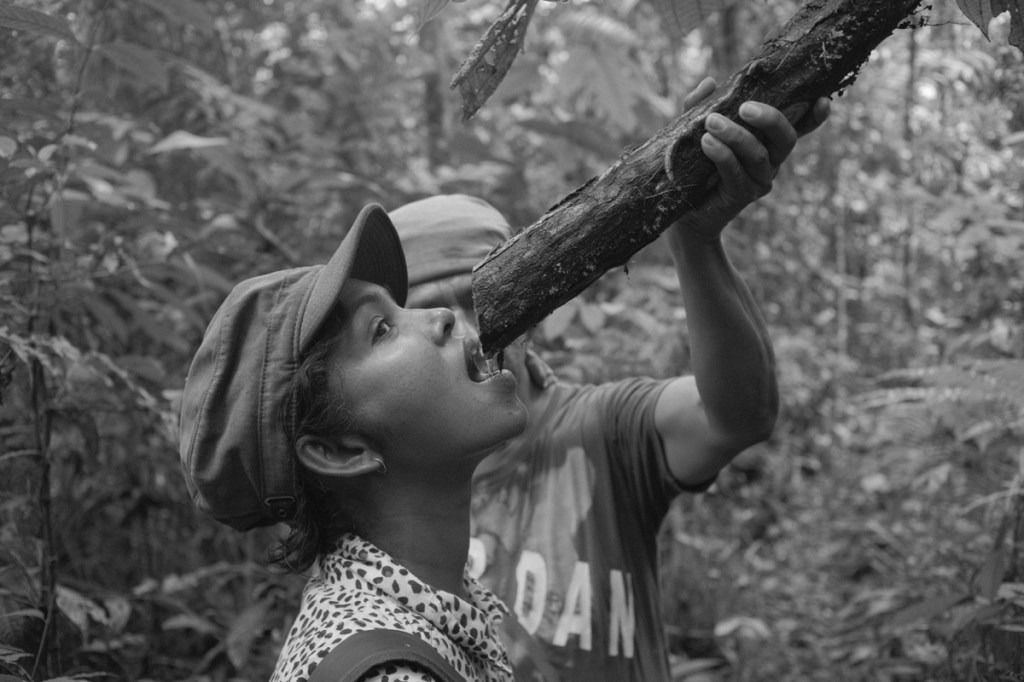
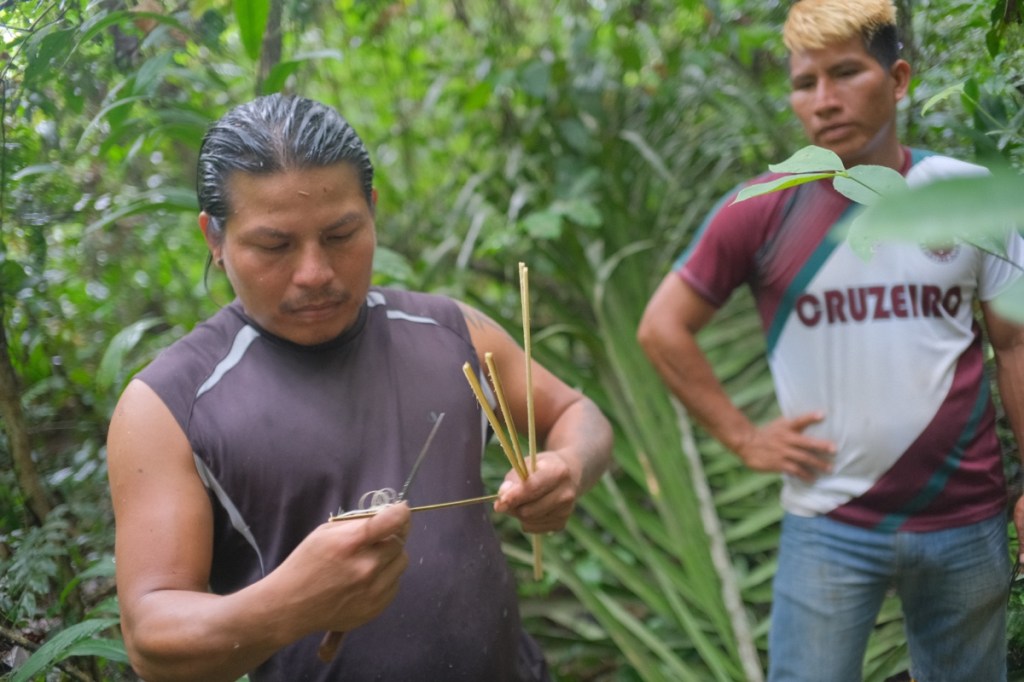
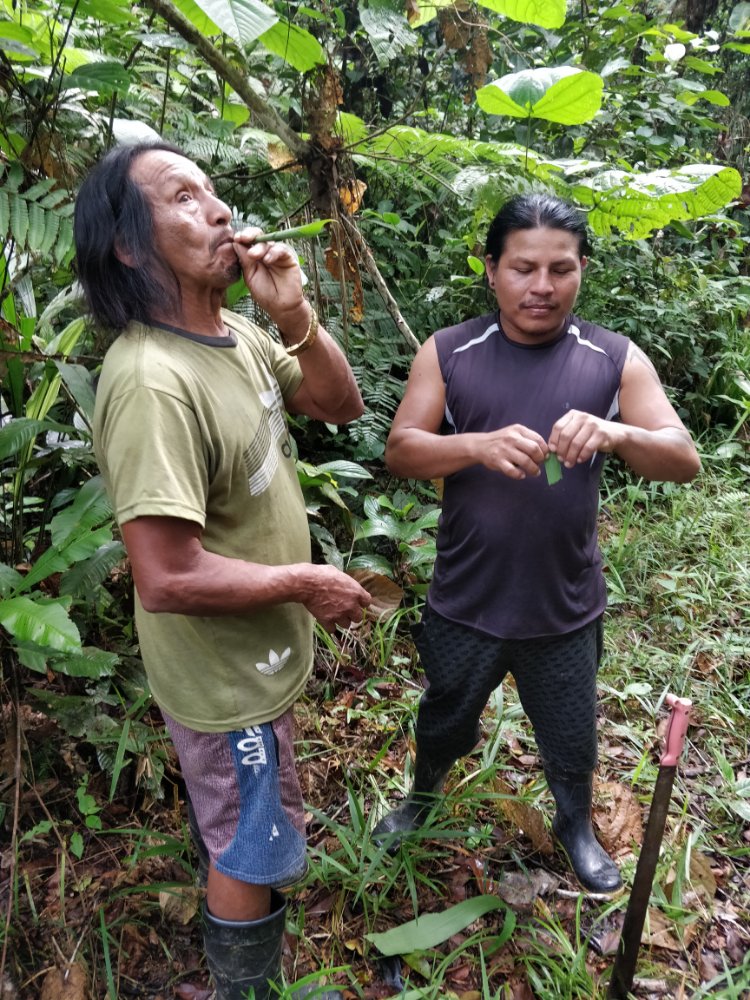
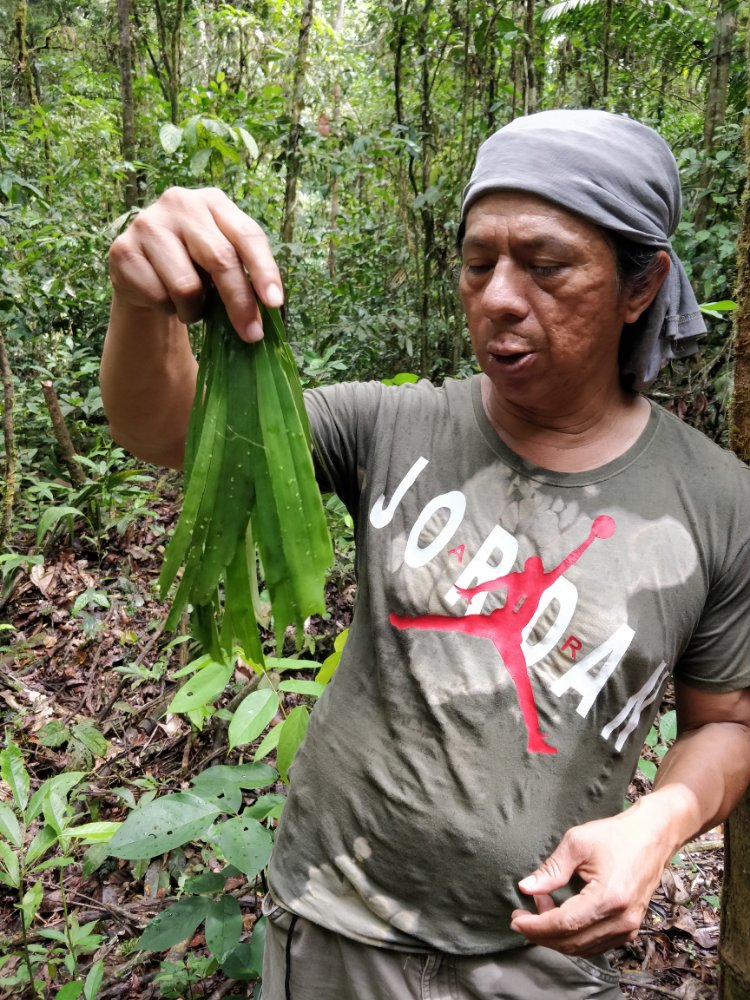
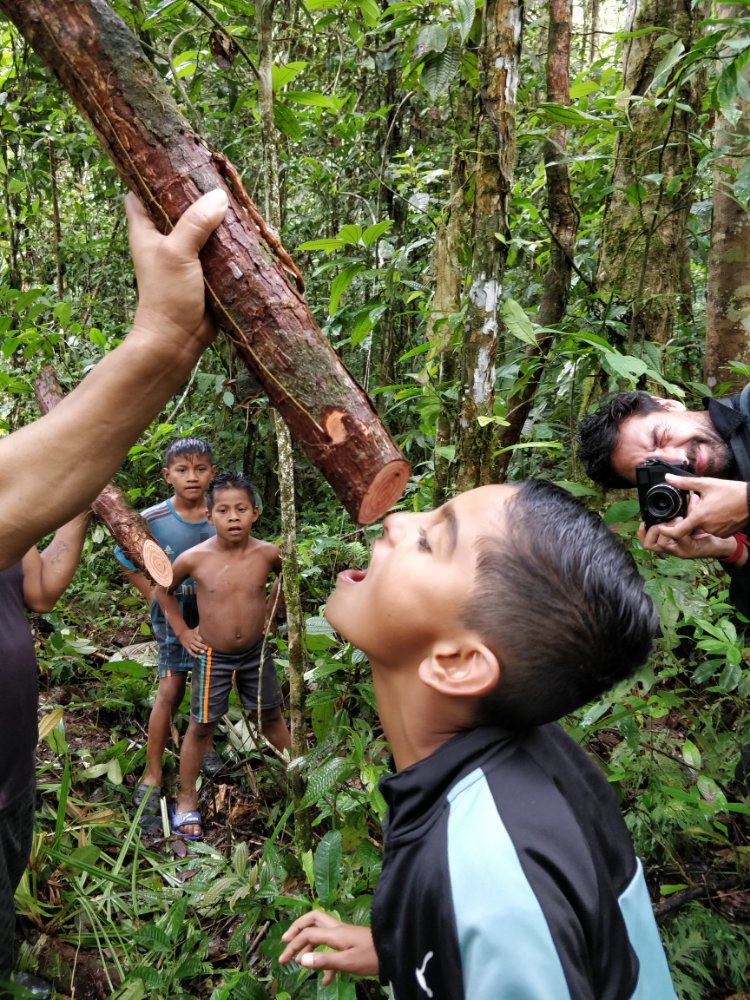
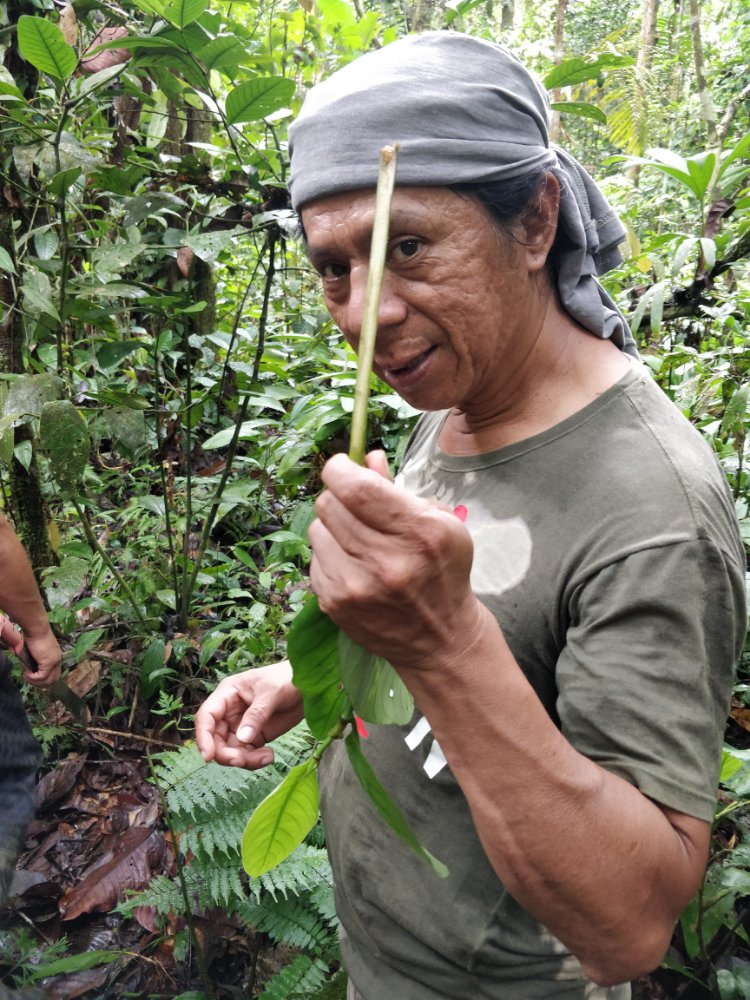
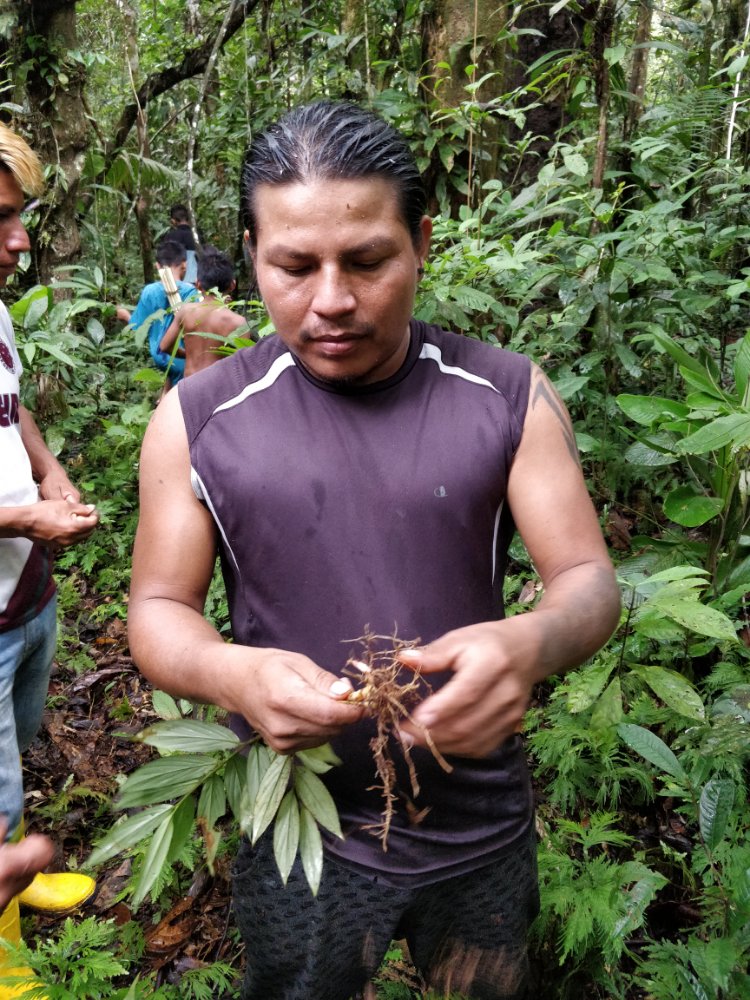
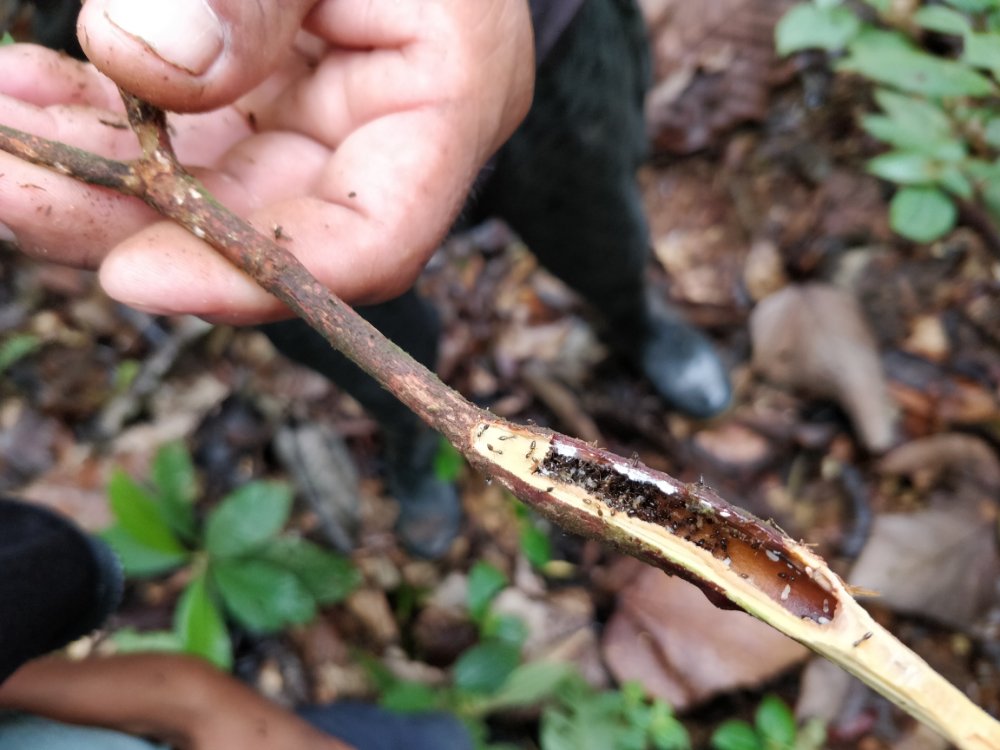
On the second day, after a breakfast of bread, butter, jam, coffee and eggs, Wareka and his father Guinto, took us for a walk in the « backyard », our first walk into the jungle, behind the settlement. They showed us some of the plants they use, out of the incredible biodiversity. Plants to cure fever or diarrhoea, plants to cure bites of venomous snakes, plants to imitate bird sounds, termites nests to make antiseptic, plants to use as soap and toothpaste, plants to drink fresh water from, tree ants that taste of lemon, plants to make razor sharp knives, plants to make strong threads that they use to make hamocs… and plants to make the darts that we’ll be using tomorrow and plants to make the poison that they put on the darts.
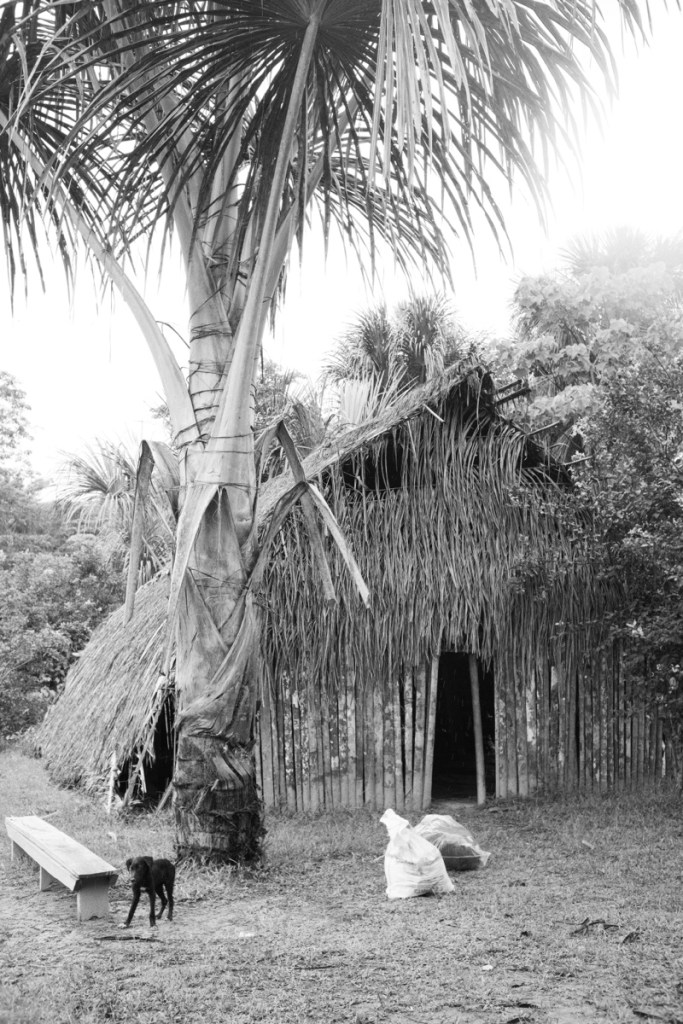
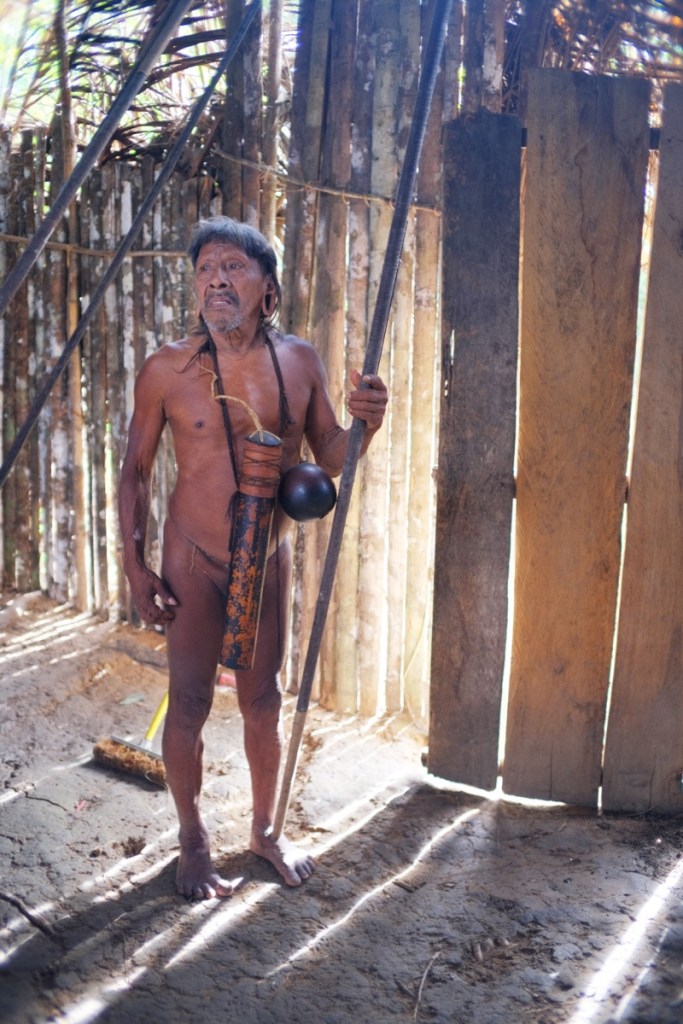
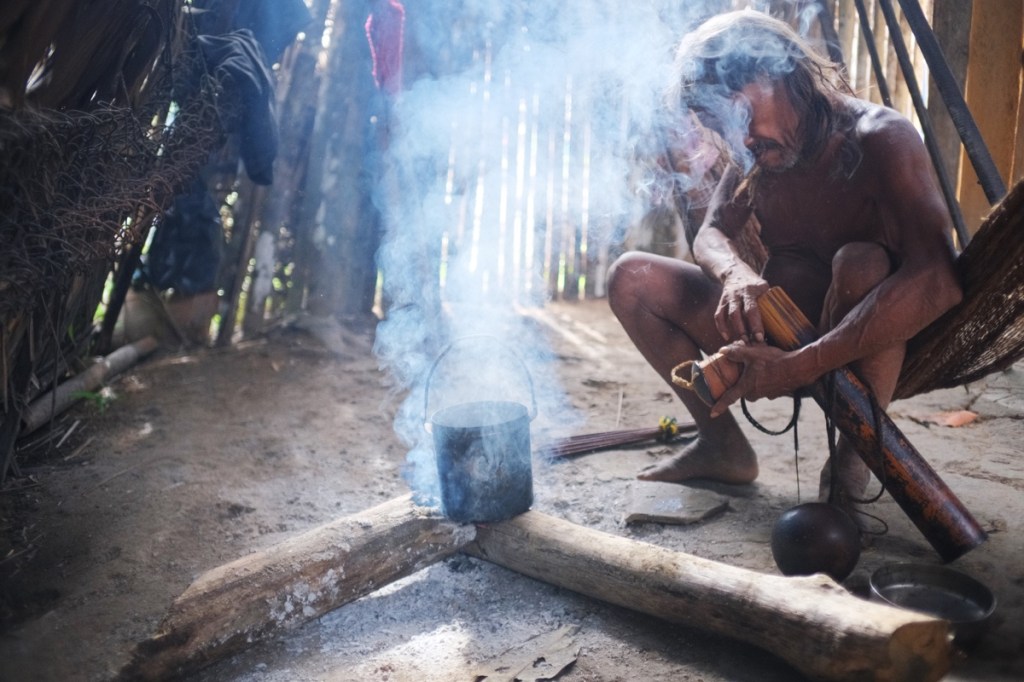
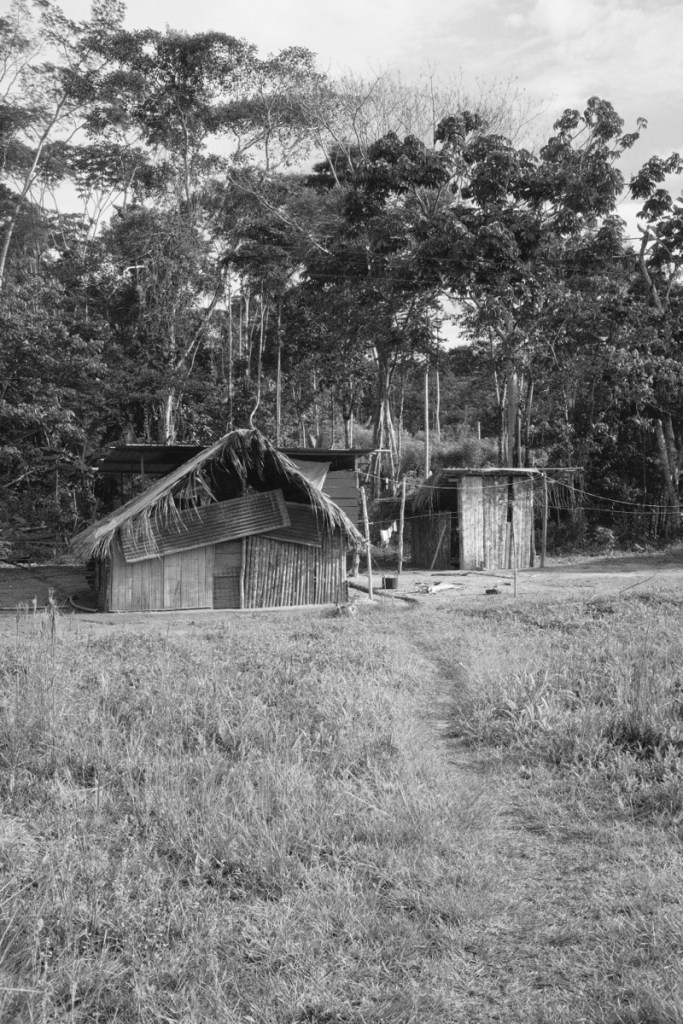
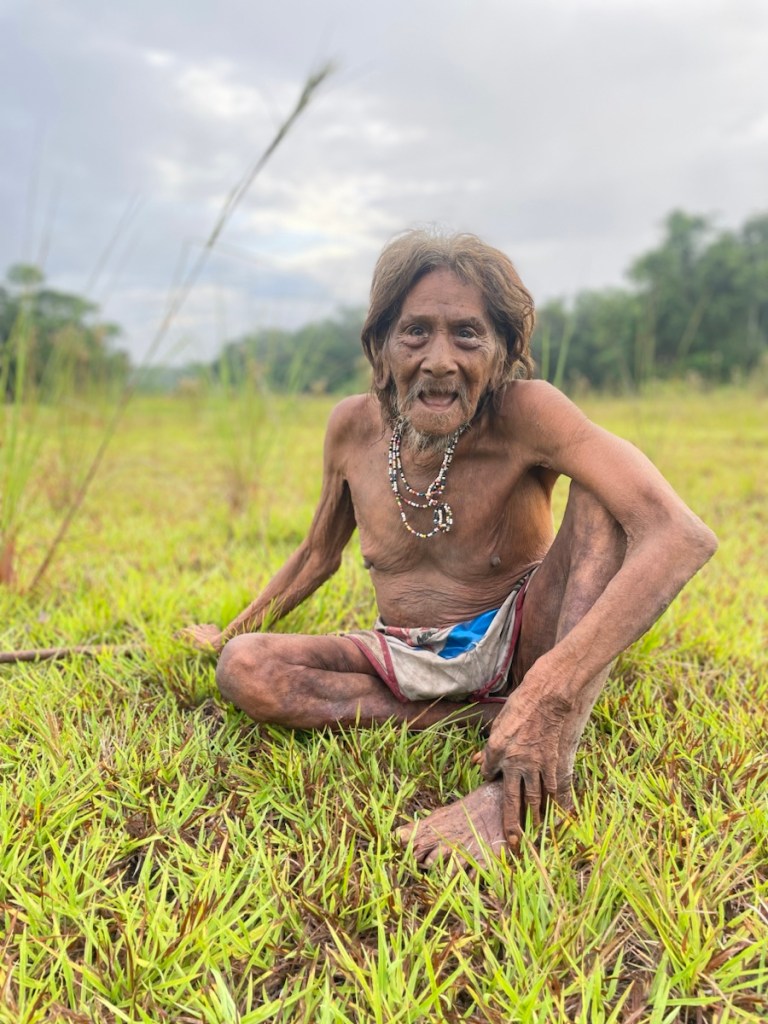
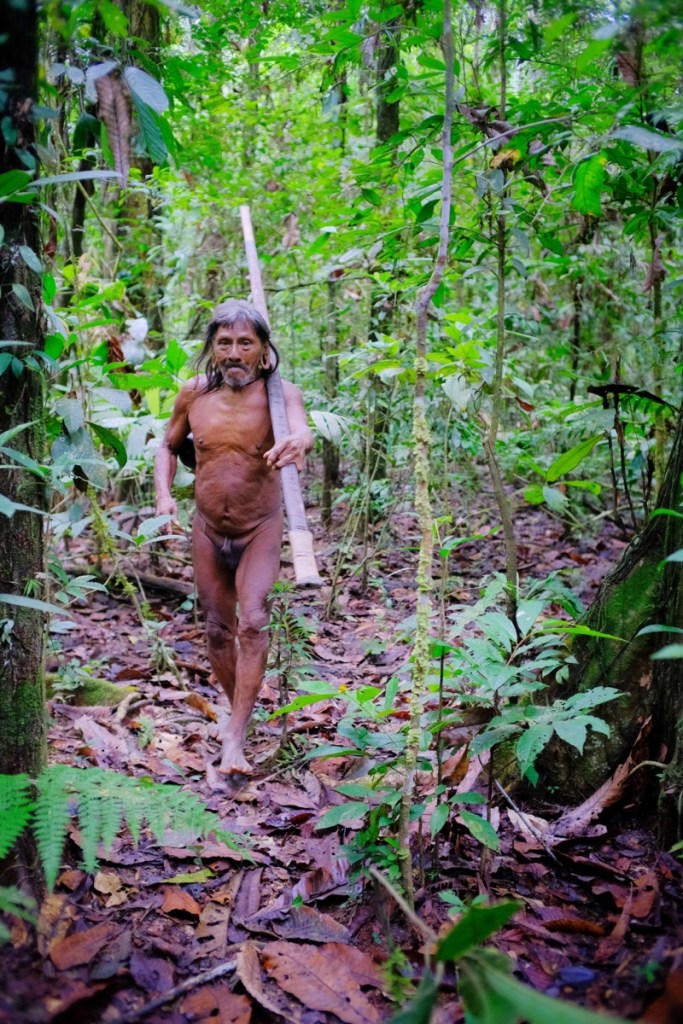
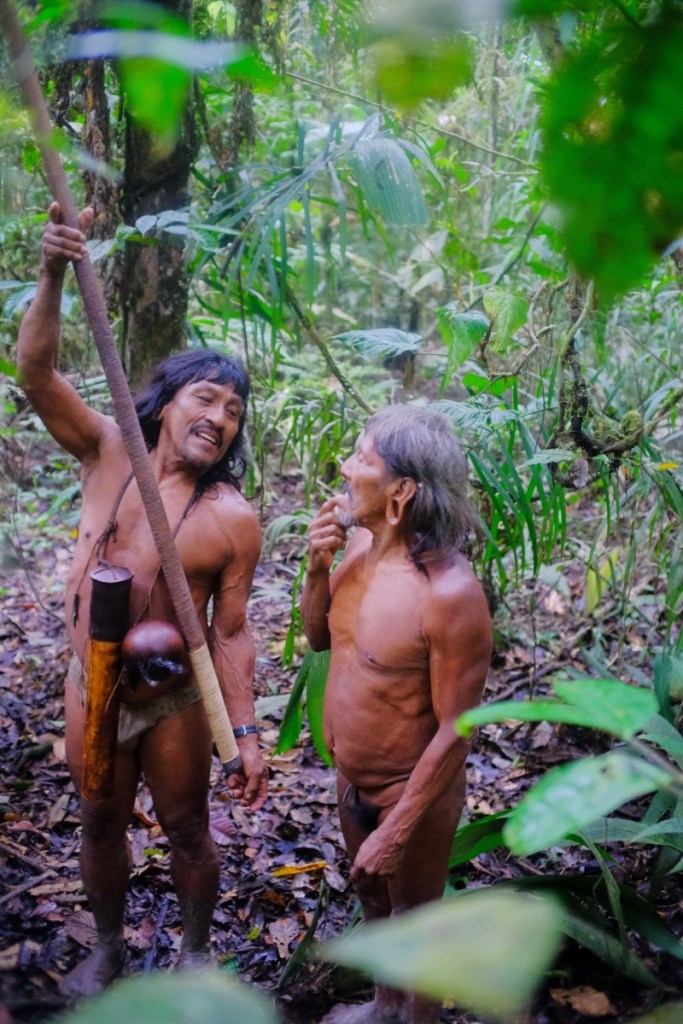
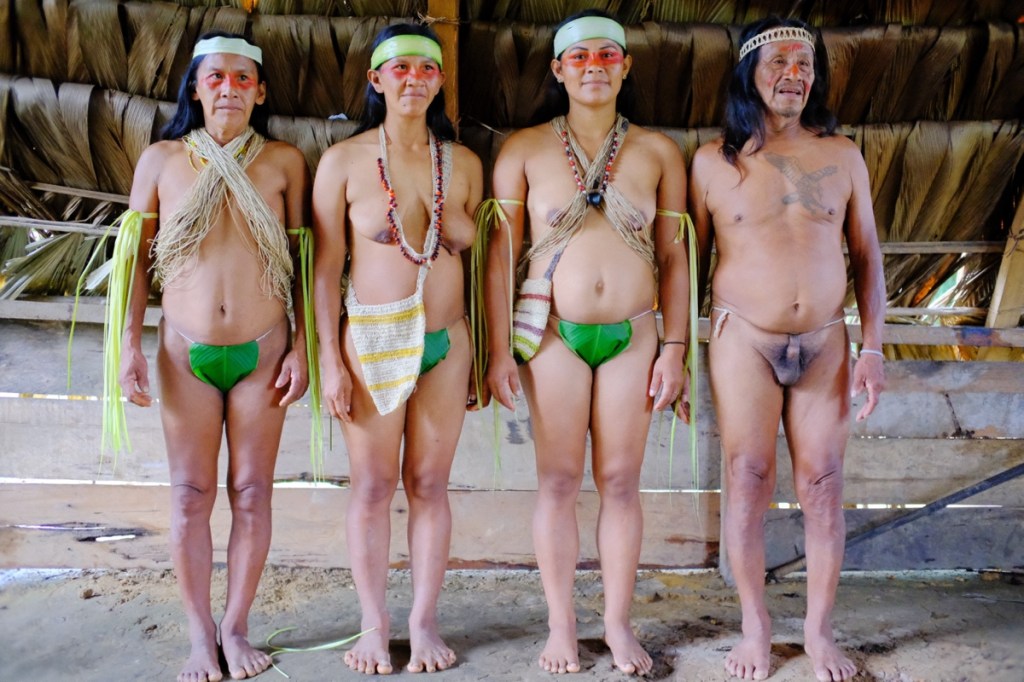
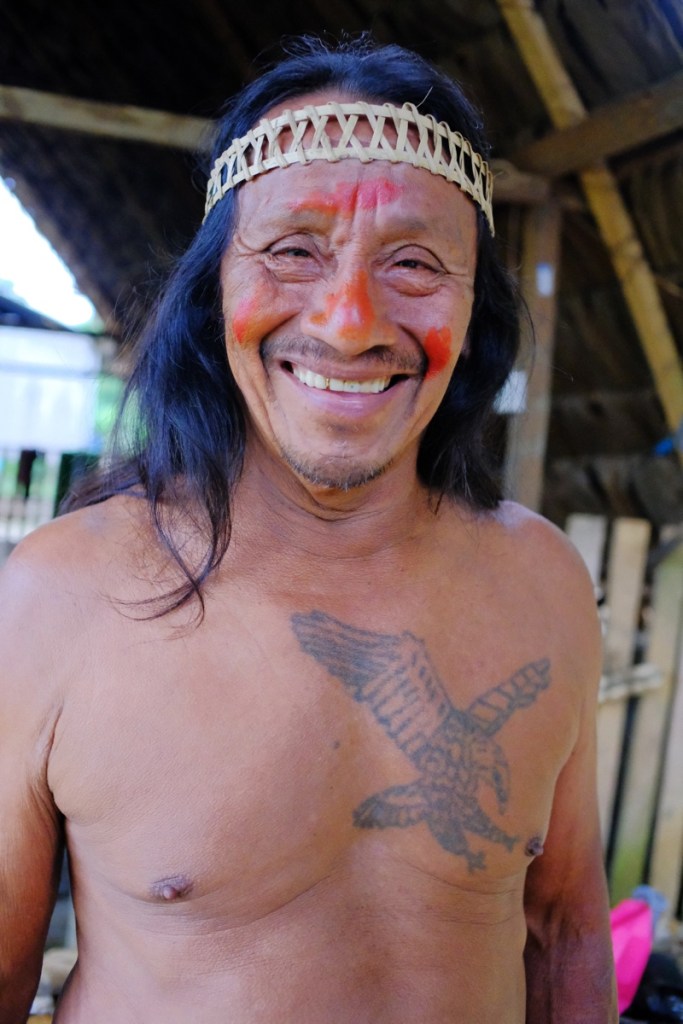
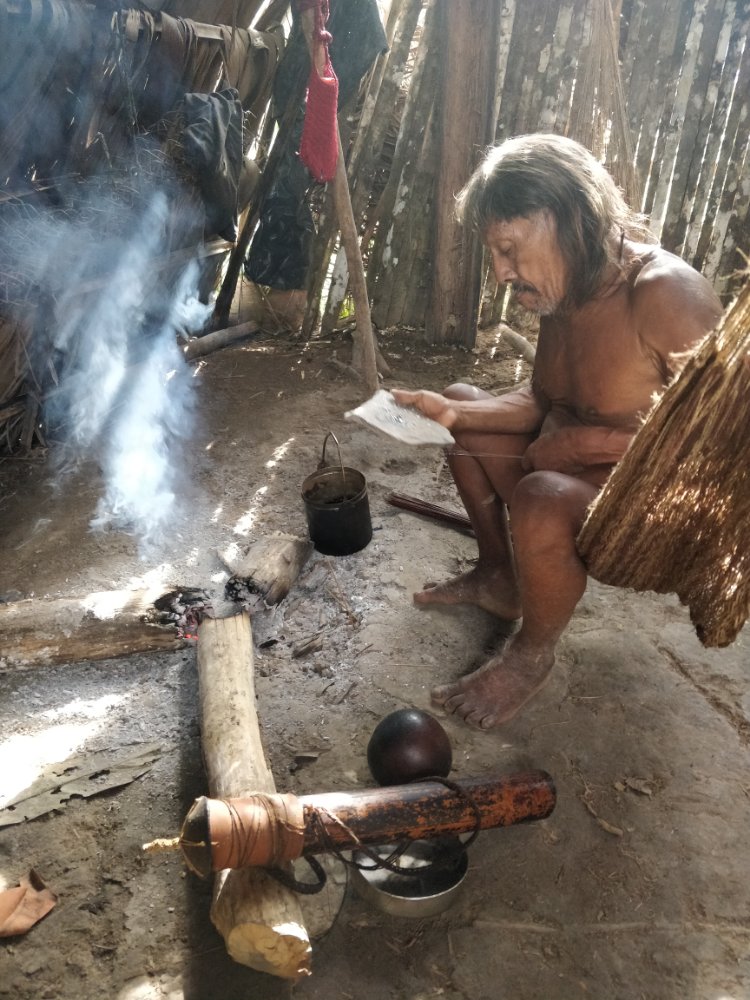
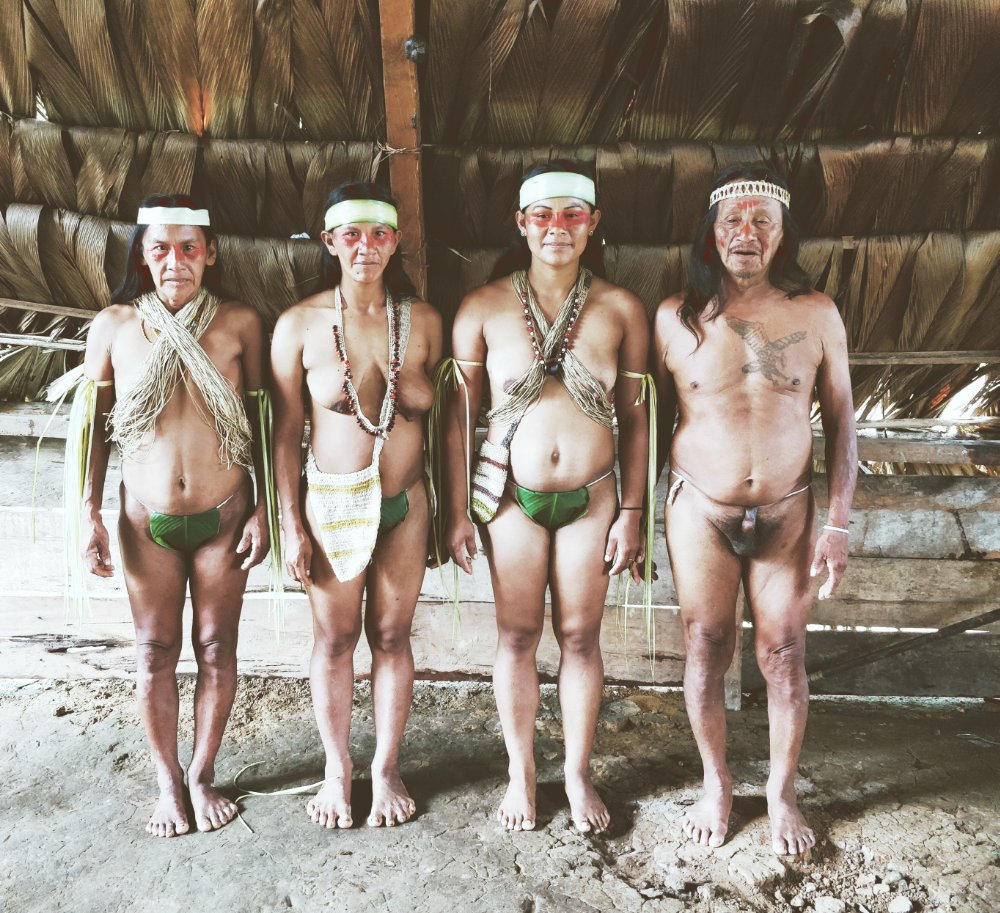
In the afternoon, we go meet Miniwa, a 75(ish) year old man chosen to become the next shaman. He lives with his wife in an isolated hut, further away from the main settlement, and welcomes us in the traditional outfit, which is no outfit at all. After greetings and some group photos, we enter his hut, where he demonstrates how he prepares the poisoned darts used for hunting.
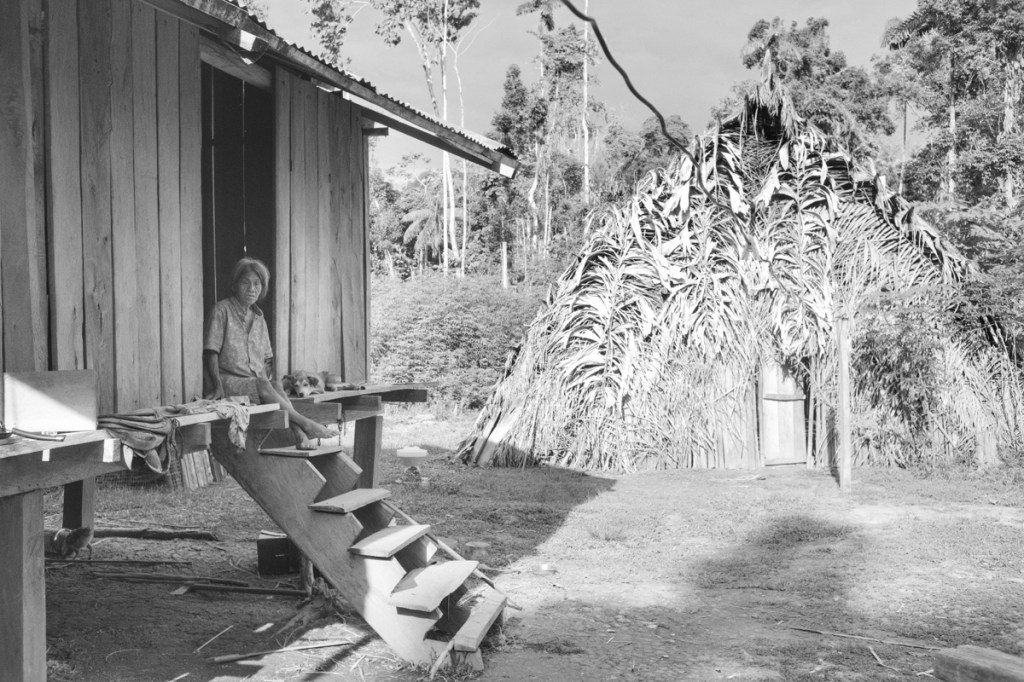
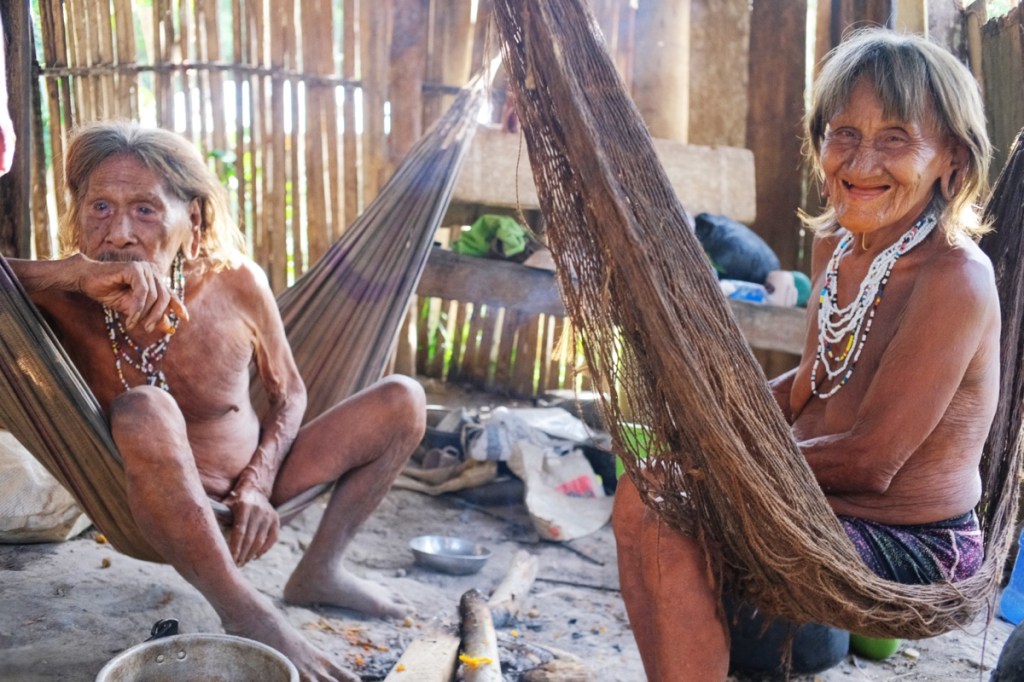
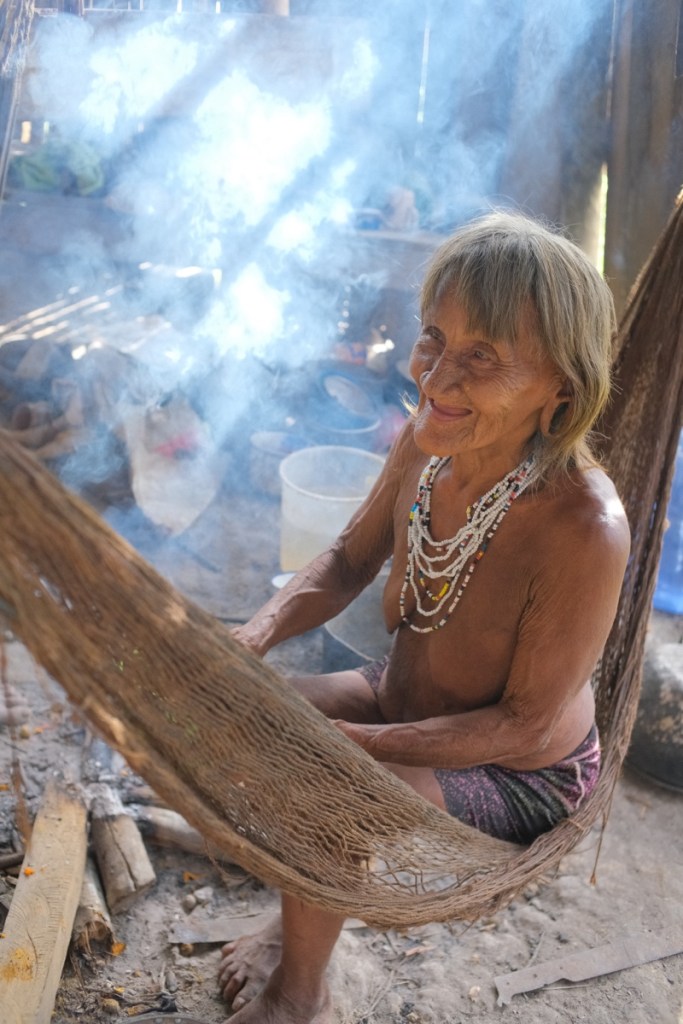
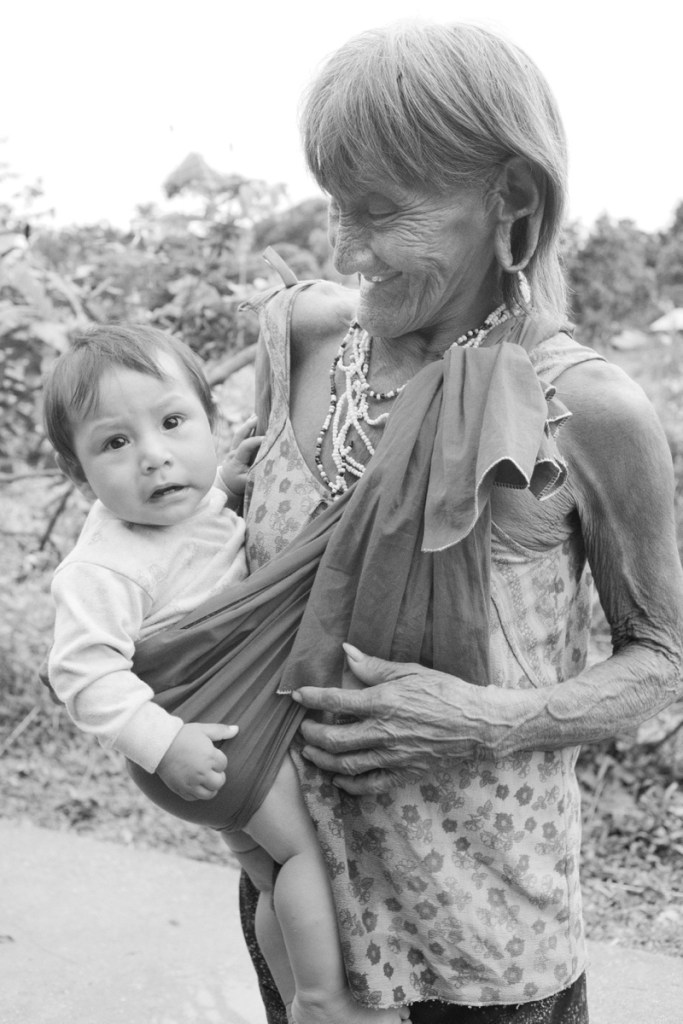
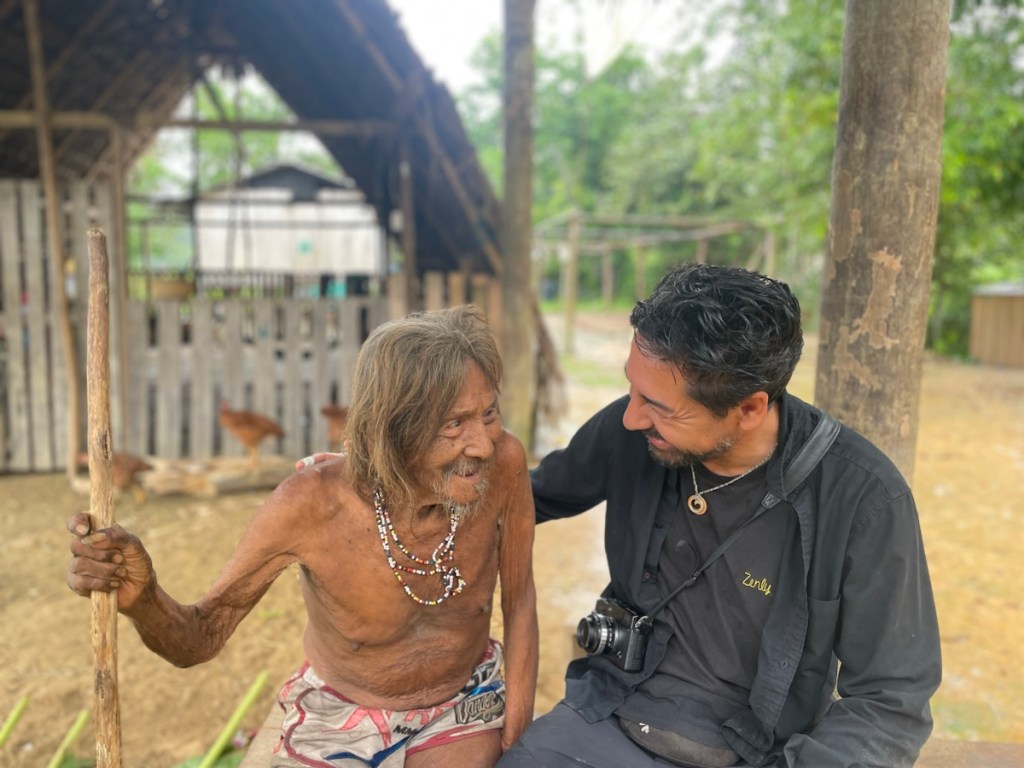
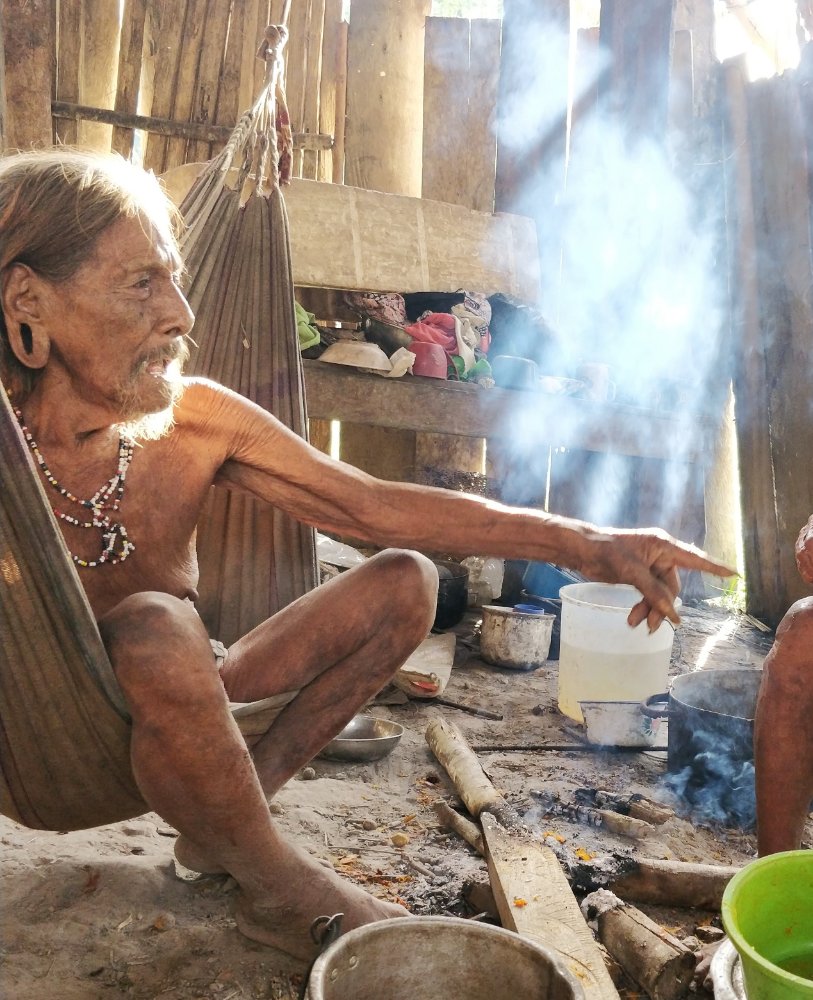
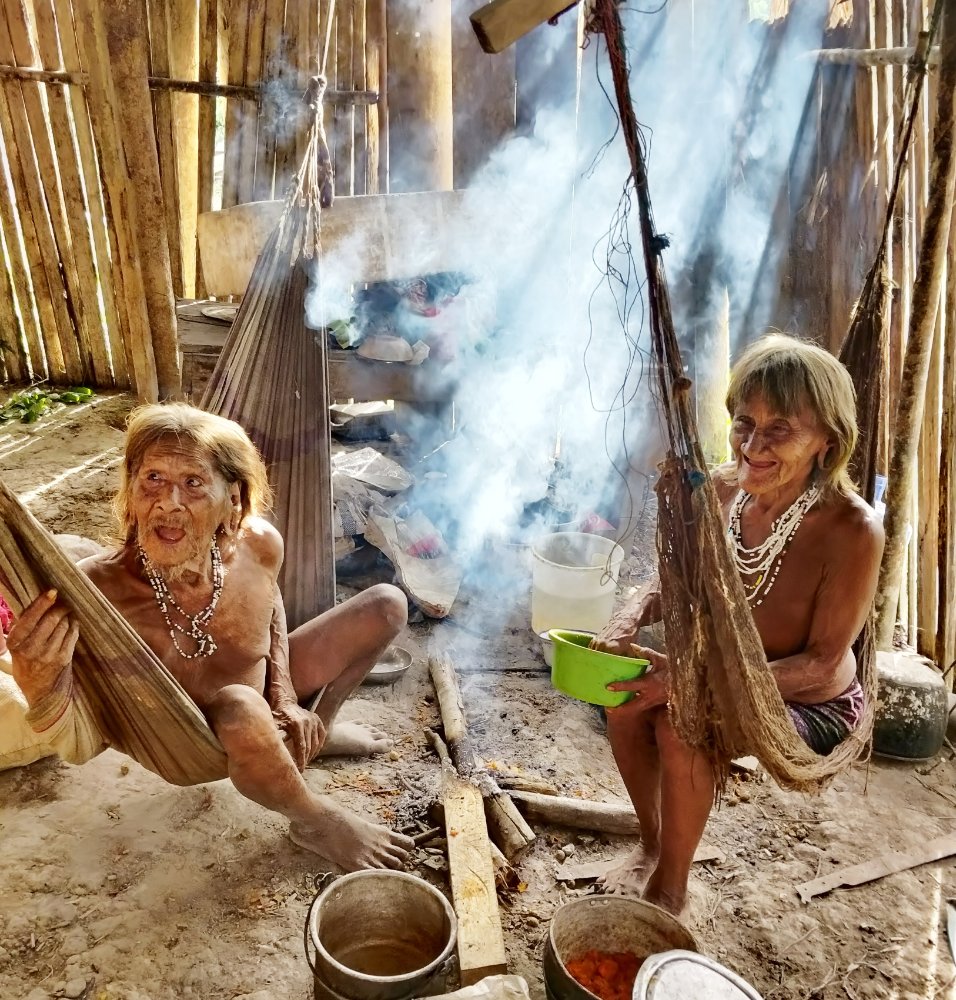
After leaving Miniwa, we get back to the far end of the main settlement to meet with Kempere the present shaman, who lives with his wife Mehiemo. Kempere is said to be 120 years old! It seems vastly exagerated but he certainly looks from another era. Before the woaronis became contact people, Kempere was leading the rebels that chased the oil companies and the army away from these parts of the jungle, with spears and blowpipes! In spite of their old age, they are both radiant with smiles. After Kempere’s death, Miniwa will be the new shaman.
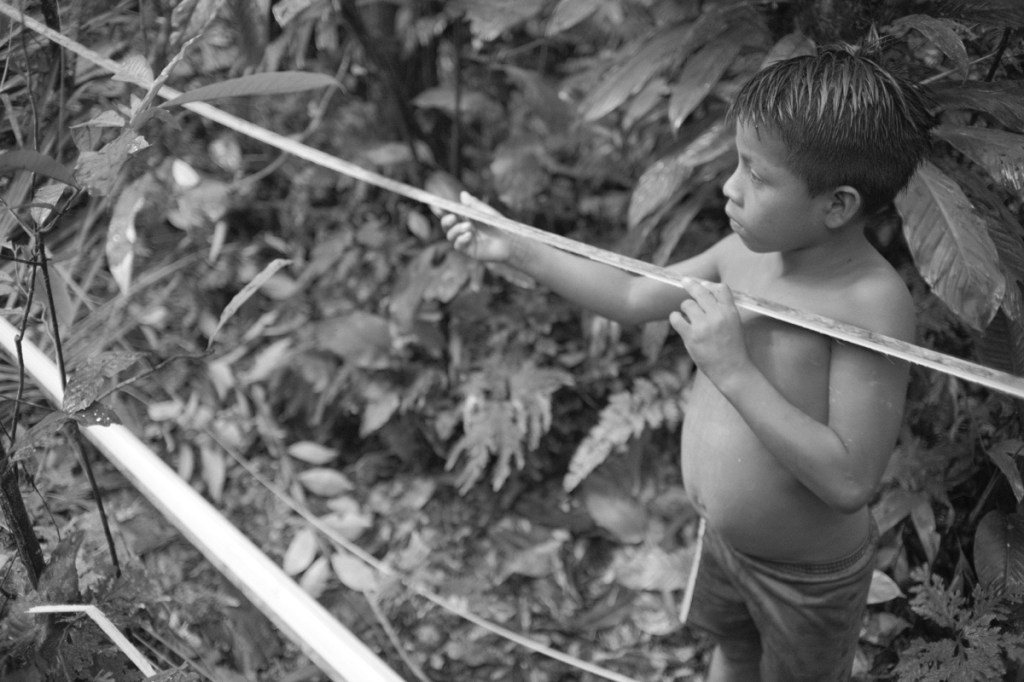
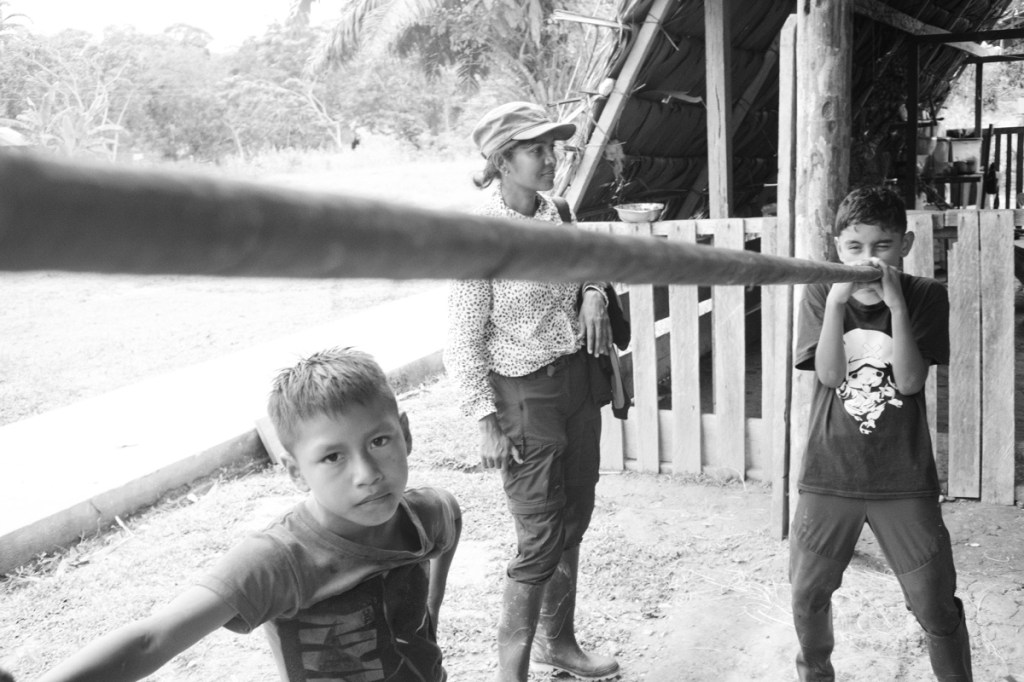
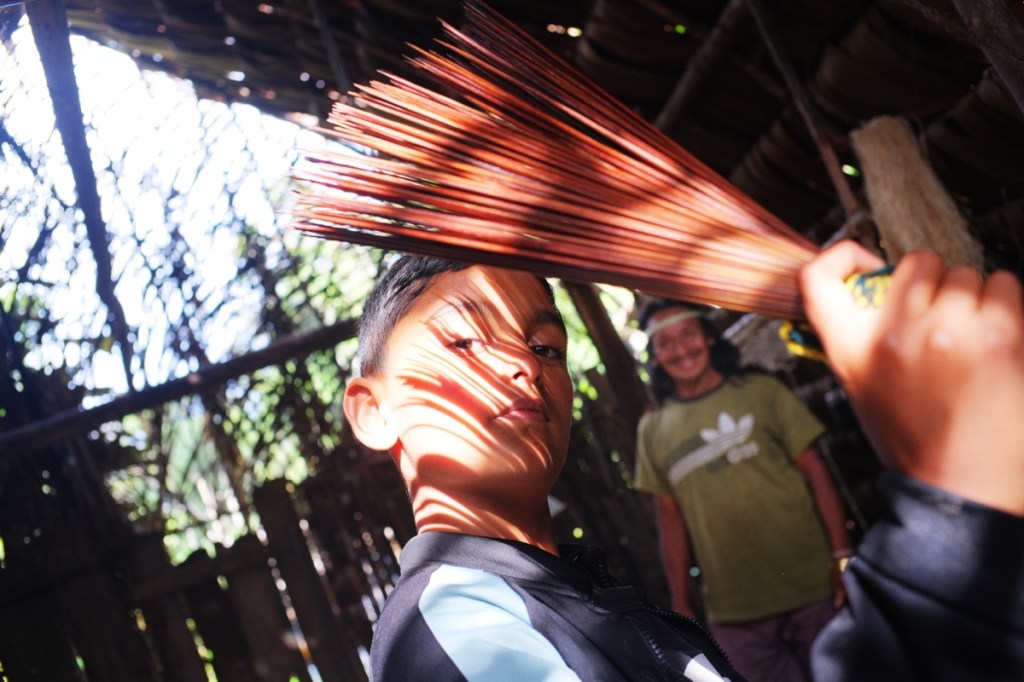
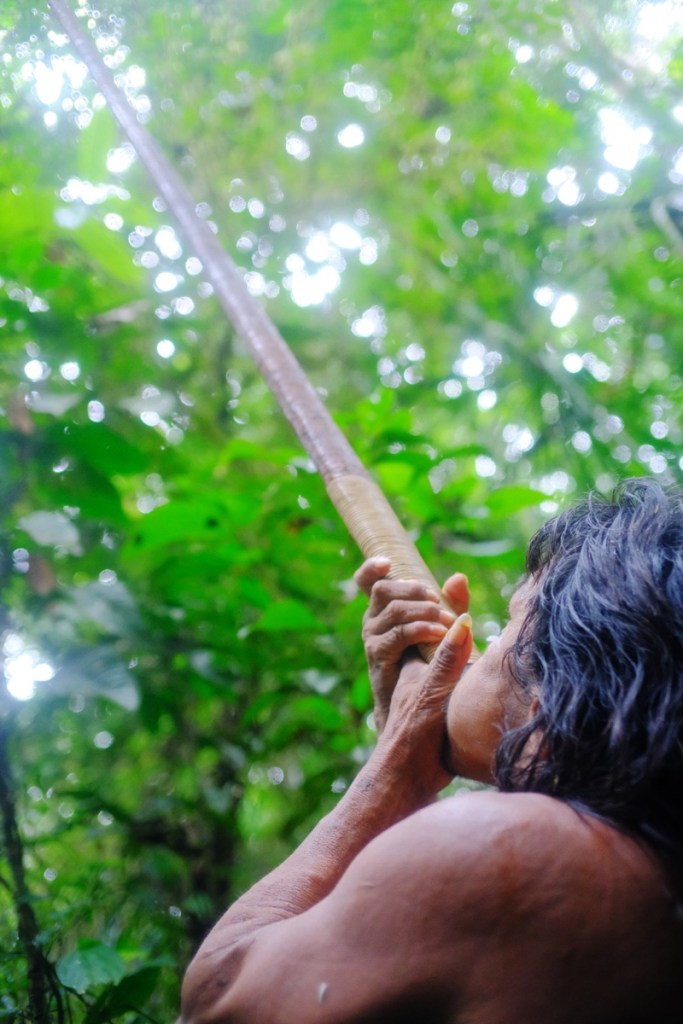
Wareka then introduces us to the handling of the blowpipe. Leo practices on a fruit and manages quite well but it’s very long and heavy so I have to hold the far end. Sensing the potential of a skilled hunter, one woman suggests Leo should marry her daughter!
Wareka tells me that before covid, Kempere could still walk properly. So the next morning I’m very surprised to find him walking alone, leaning on his walking stick, near our lodge. I walk up to him to help him go wherever he intends to go. He breathes heavily and sits to rest every few meters. Eventually I call a woman to help understand what he needs, but nobody is worried, he simply came for company, and he comes to sit with us for breakfast. Moments later, his wife comes running after him, always with the same radiant smile.
Today is the big day: we go hunting for monkeys. The team is comprised of Wareka, his father Guinto, his uncle Baiwa, his cousin Mauricio, Baiwa’s son who brought Dario, a german tourist, and Miniwa, the shaman to be. Two kids a bit younger than Leo come along. Raoul drives the boat, Paharito, Kipa and his wife have also come for fishing.
After a couple of hours deeper towards the Peru border, the boat stops and we wonder how they know where we are since nothing looks more like a jungle tree to us than the next jungle tree! But somehow they know, and indeed we are near the piranha lake where we’re supposed to be.
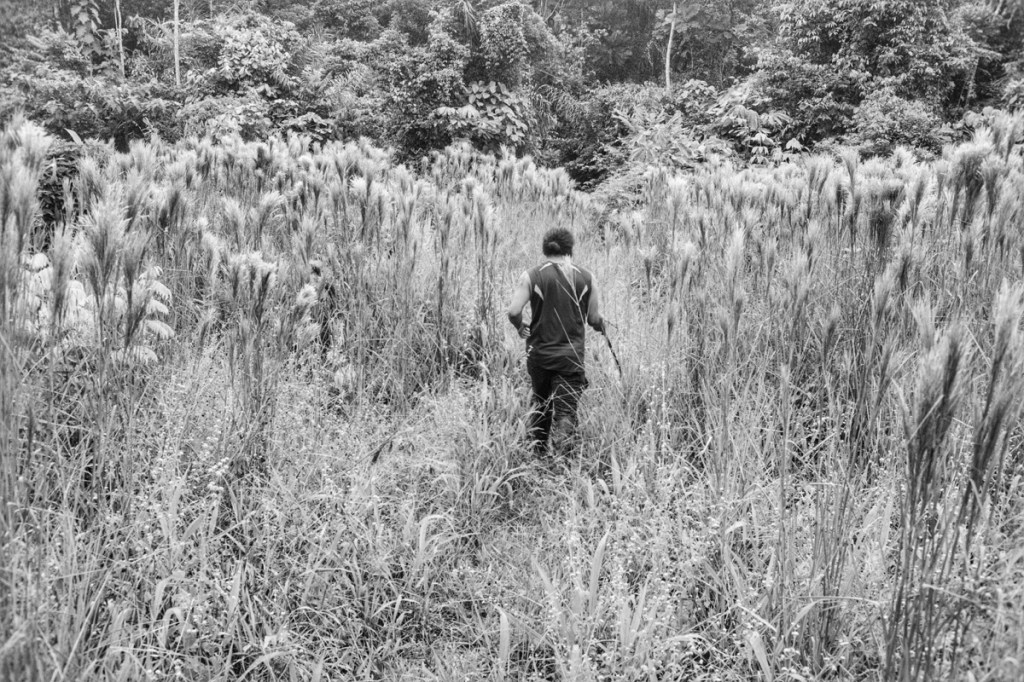
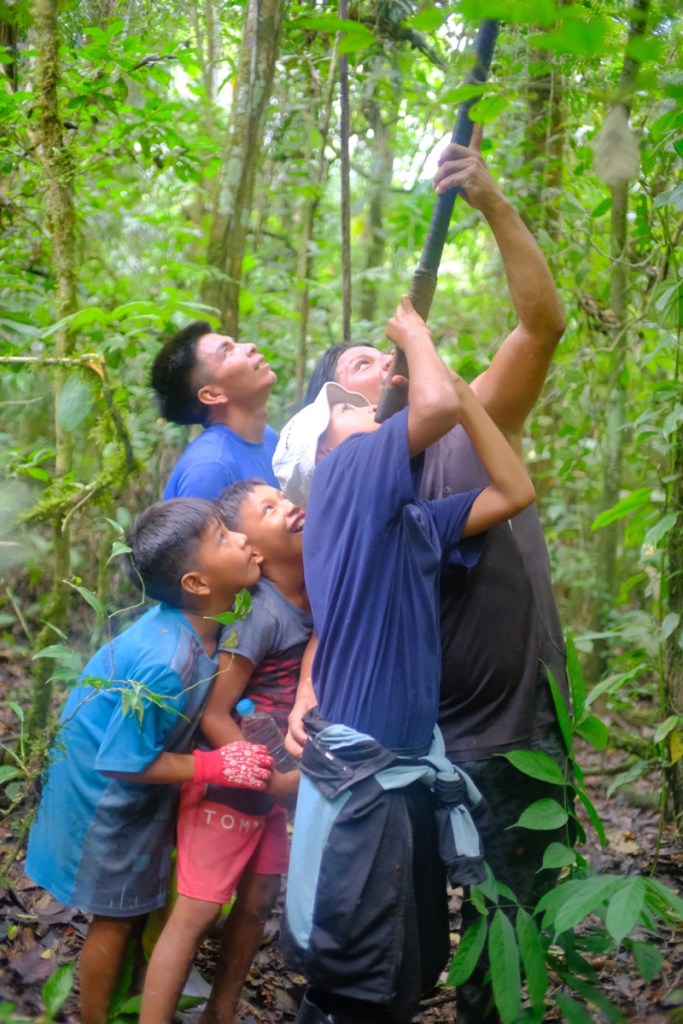
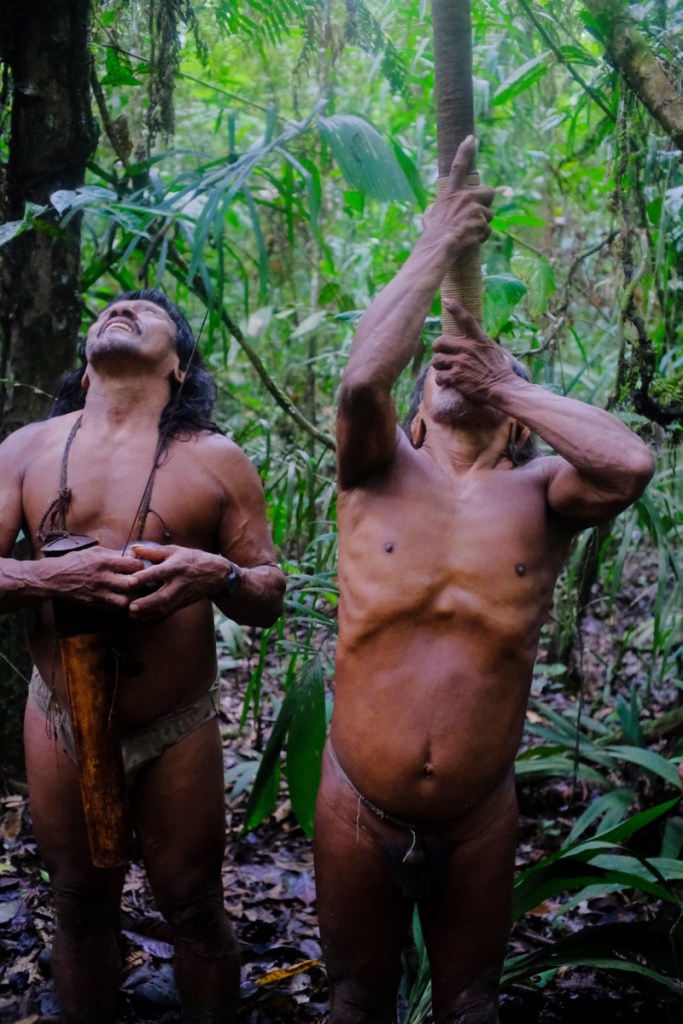
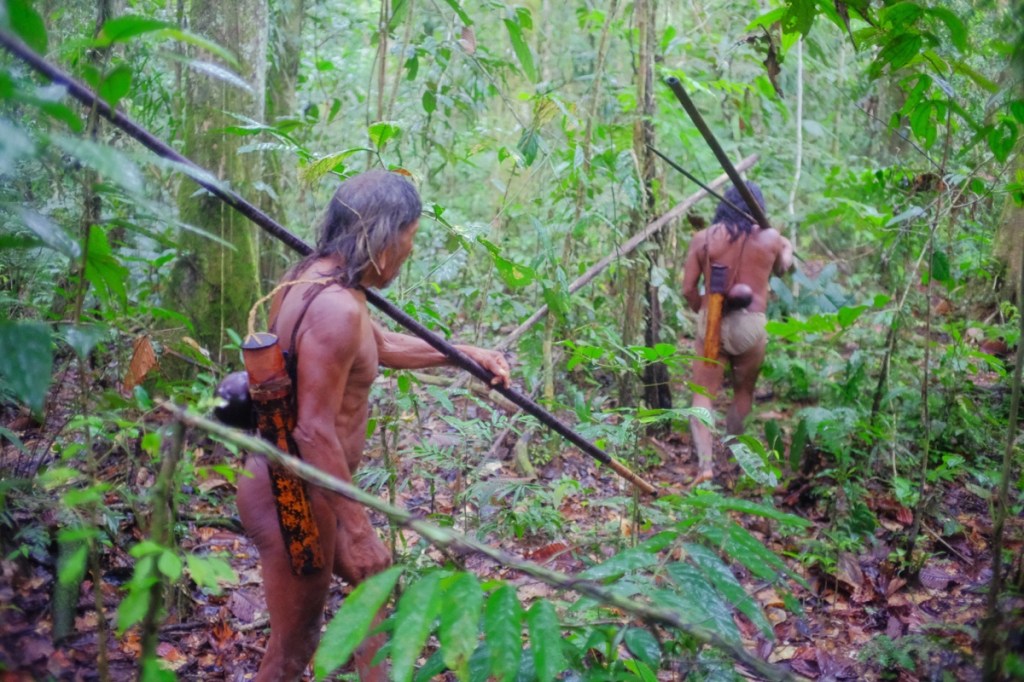
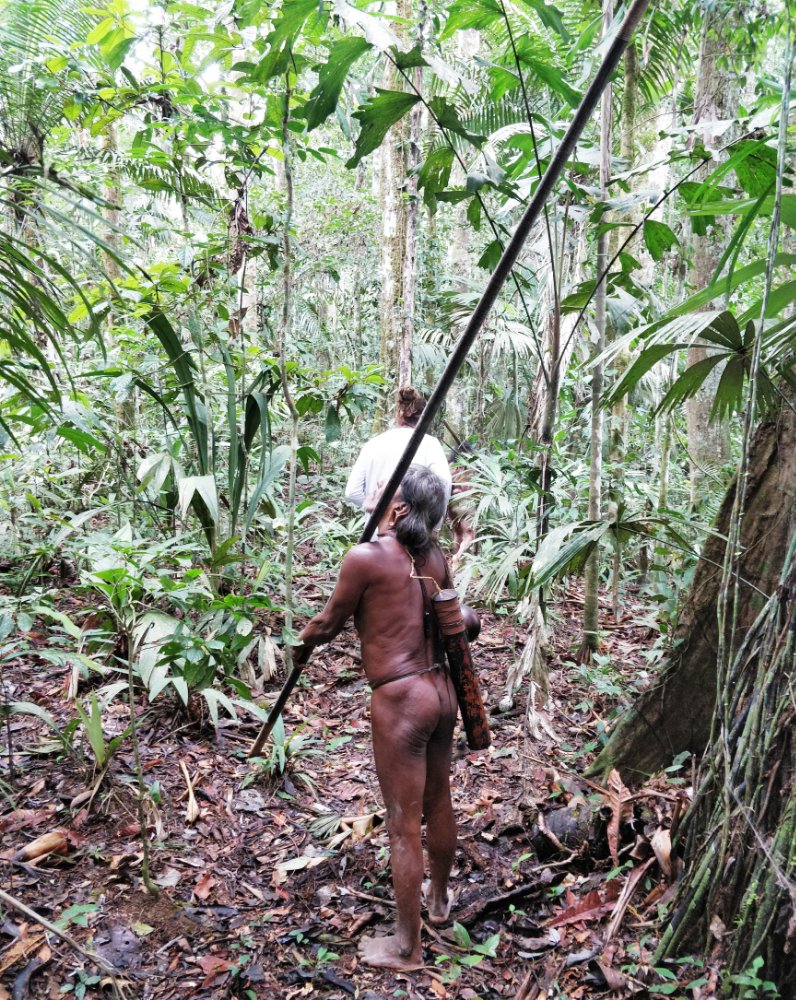
As soon as we debark, Baiwa and Miniwa remove their t-shirt and start running naked in the jungle, at an incredible pace, armed with their long spears and blowpipes! No path here, we’re just dashing through the thick forest and get entangled in vines. Soon we find open fruits on the ground, we hear the sounds and spot our first monkey perched high up on a tree. (They spot. We have the hardest time seeing anything, we’re too busy keeping up with the group and making sure we don’t get lost!)
Finding the monkey is one thing, killing it is another story! We make loud noises and shake branches to get the monkey to move and reveal its position, or move to a branch where we have better visibility. The monkey sees us and jumps away to another tree. We run after him, looking upwards for the monkey and downwards for the vines and holes on the ground. And we repeat the process. Every once in a while they see an opportunity, quickly load the blowpipe with a dart and blow it hard towards the canopy. (I can’t even see the damn monkey!)
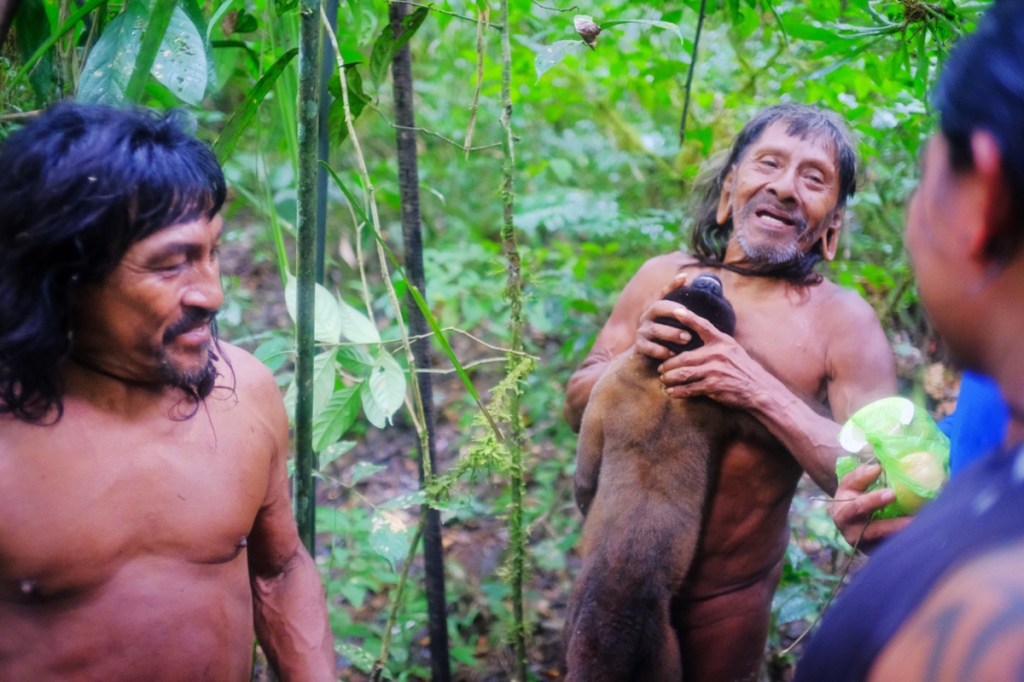
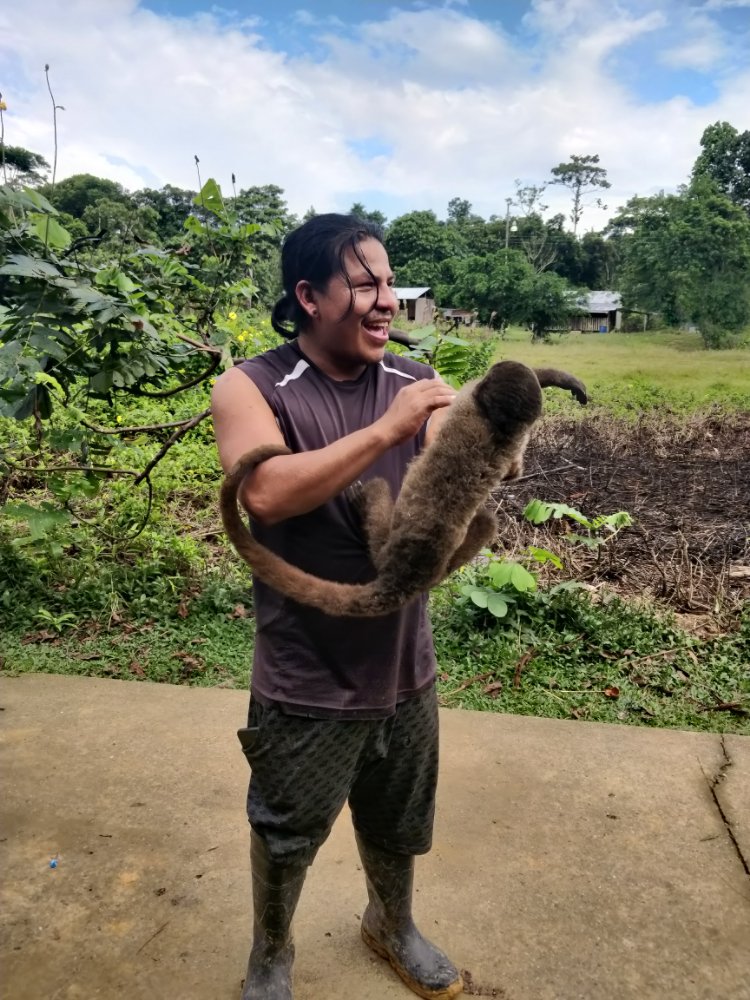
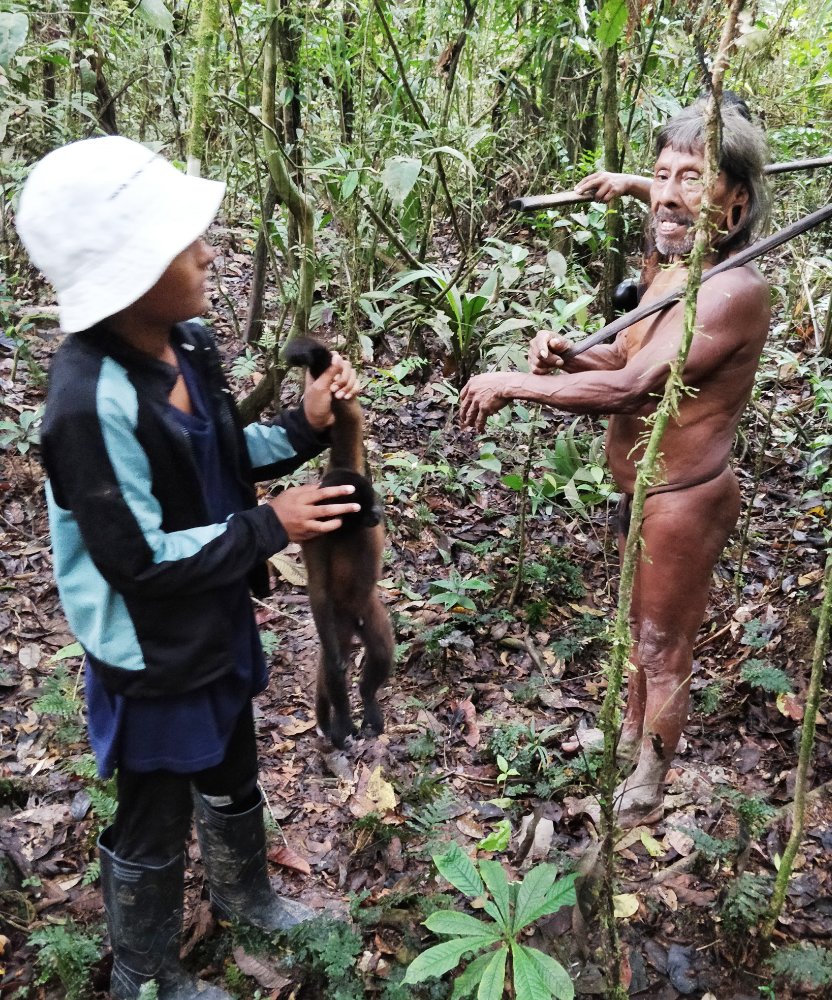
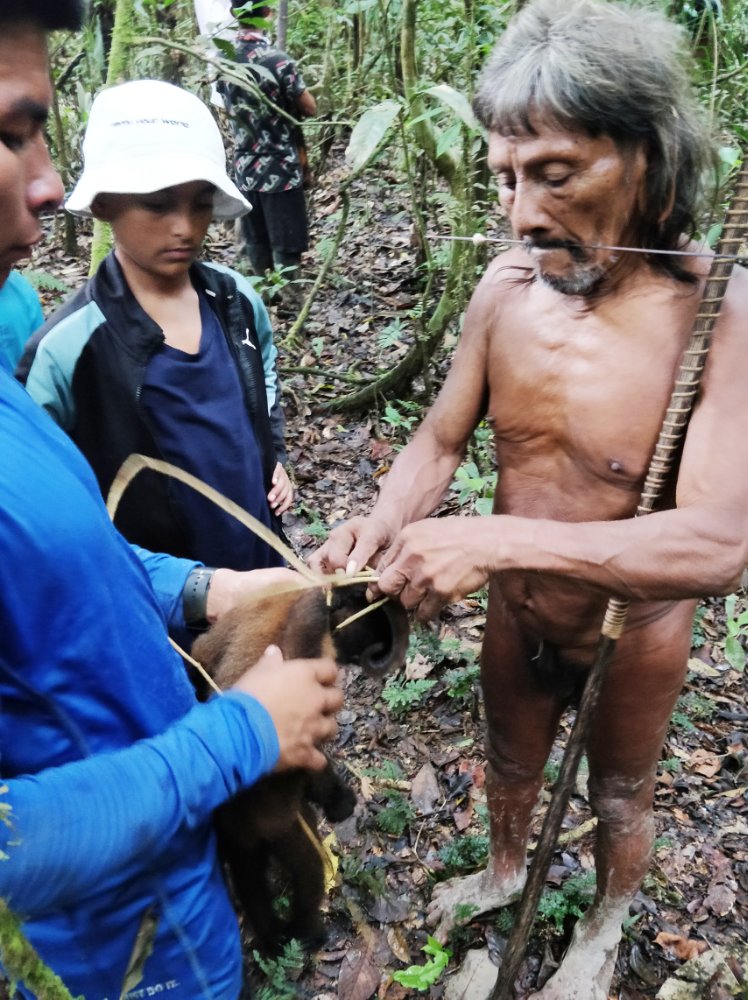
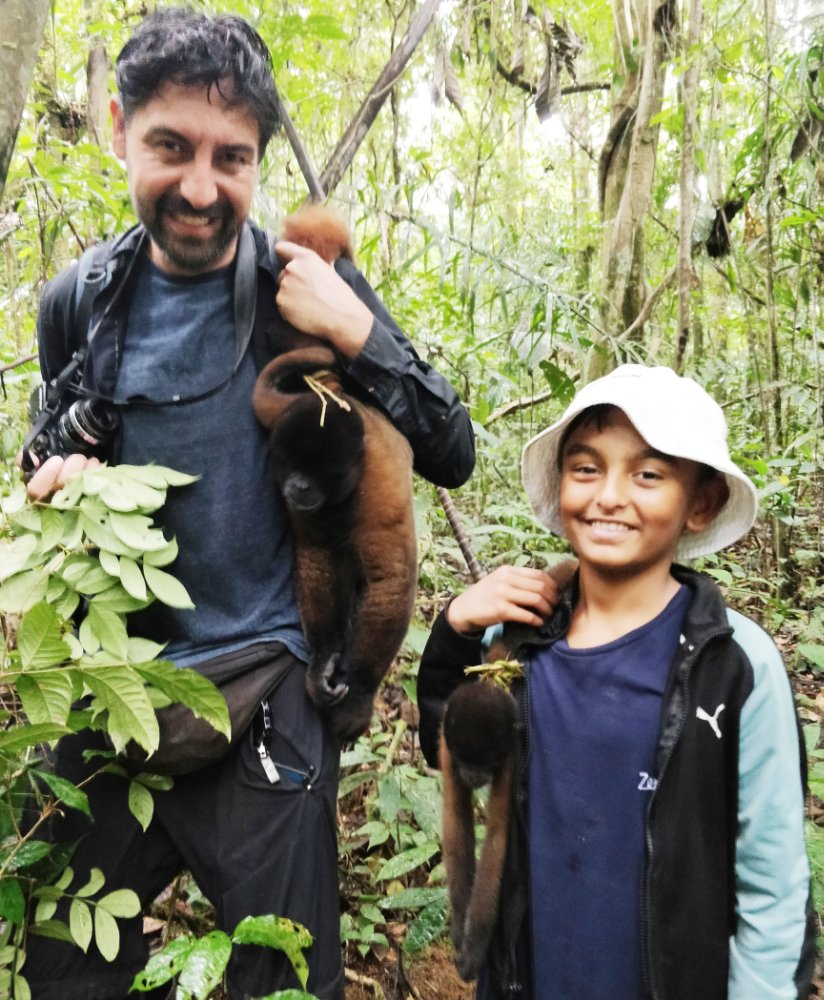
We run like this for hours, the group splits in two and we follow whoever we can. It’s hot and wet and it’s starting to rain. At some point Baiwa shows up with a first prey, a young monkey. Dario tells us how the 70 year old man climbed to the top of the tree in seconds to fetch his prey perched high on a branch. They attach his tail to his head with a thin vine and pass it to Leo, to carry it like a sort of handbag!
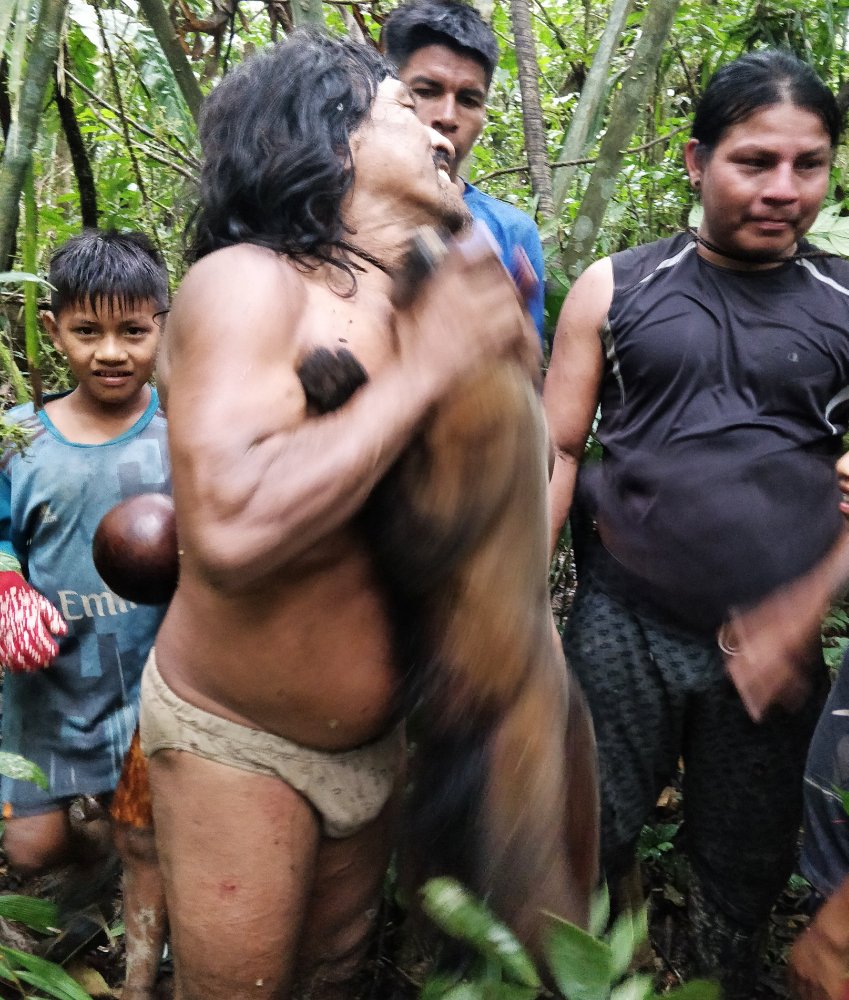
After some more running, the rain intensifies and we’re about to give up when Wareka blows and hits his target. An adult monkey drops a hundred meters just in front of me. The dart only paralyses the prey, they have to strangle him to death right after. Again they attach the head to the tail and pass it to me. The warm body is still shaken with spasms in the arms and legs as I put it on my shoulder.
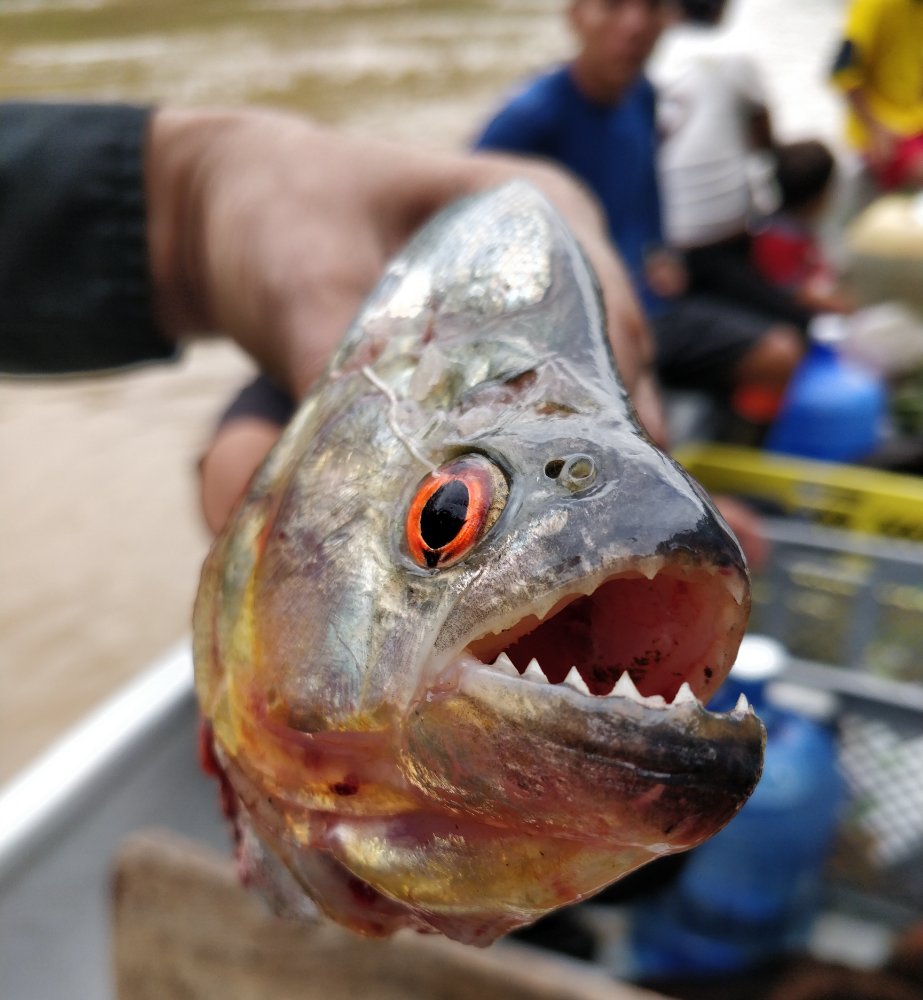
That’s enough meat for today, but before we return, we’ll stop to fish some piranhas! After all this running inside the thick vegetation I have no idea where we are or which way the river is, but somehow they know and we make it back to the lake. Wareka cuts fishing rods out of some tree and attaches a nylon thread and a hook with some meat on it.
The shore of the lake is extremely muddy and slippery, and surrounded by branches with thick long spikes, so of course I manage to slip and slam right into the spikes!
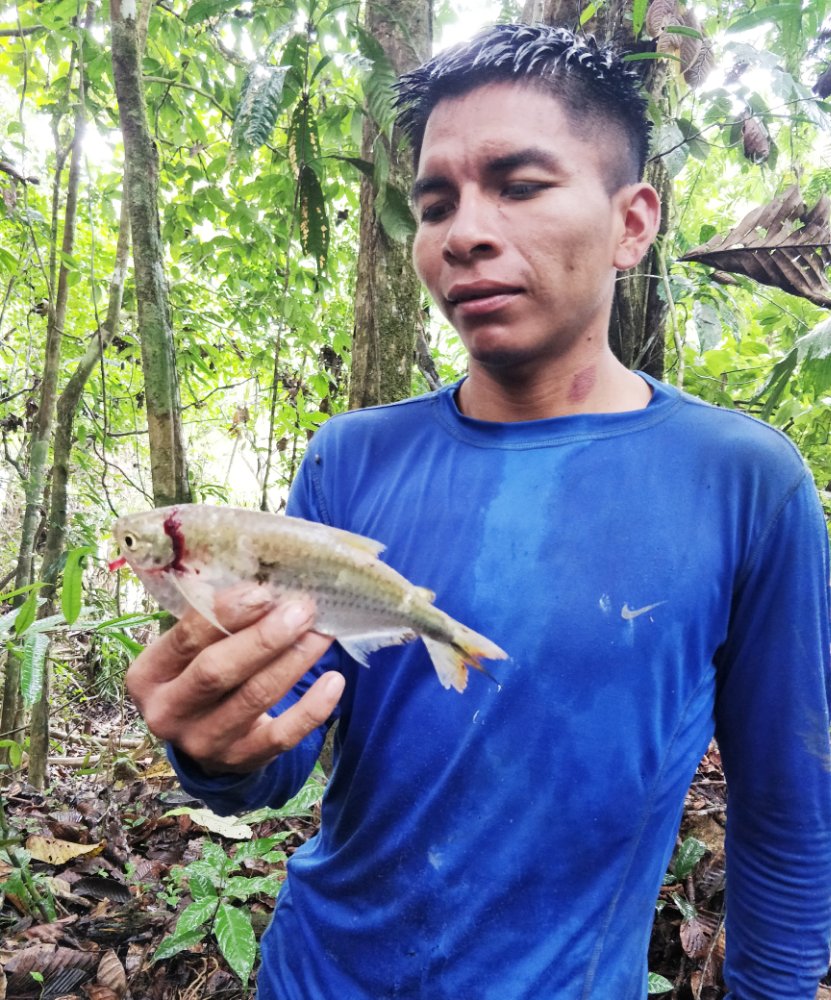
We try for a short while but I only get one small fish, not even a piranha. The piranhas are too smart for me; they just eat the meat off the hook! But the ones who stayed on the boat already caught some.
On the way out I slip again , my leg in the water and my hands on the spikes. Never did I feel so close to being Sandra Bullock!
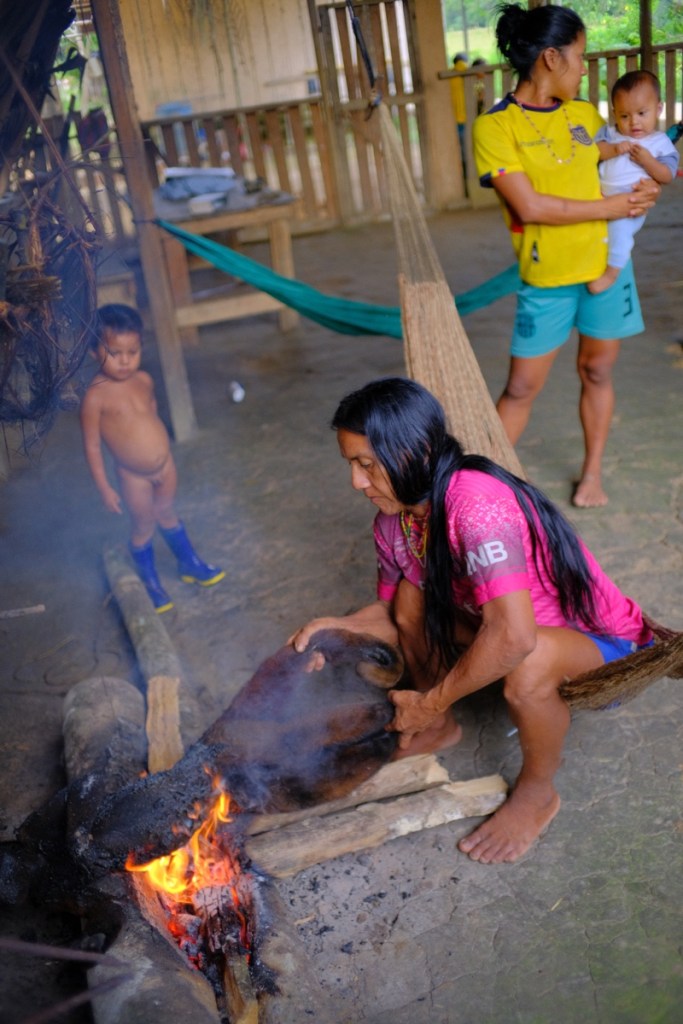
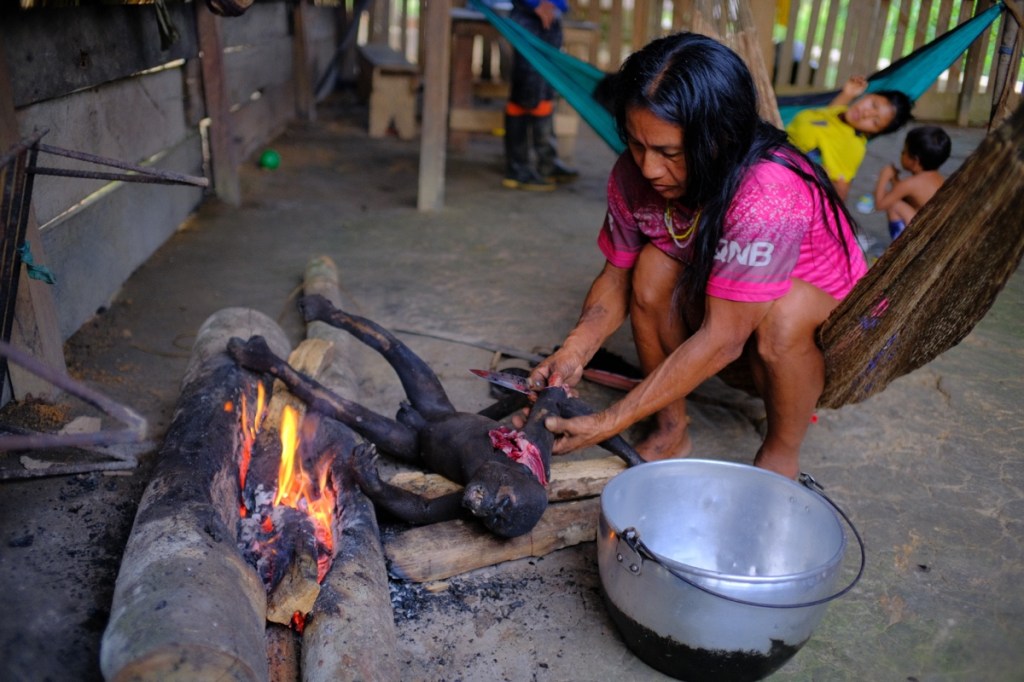
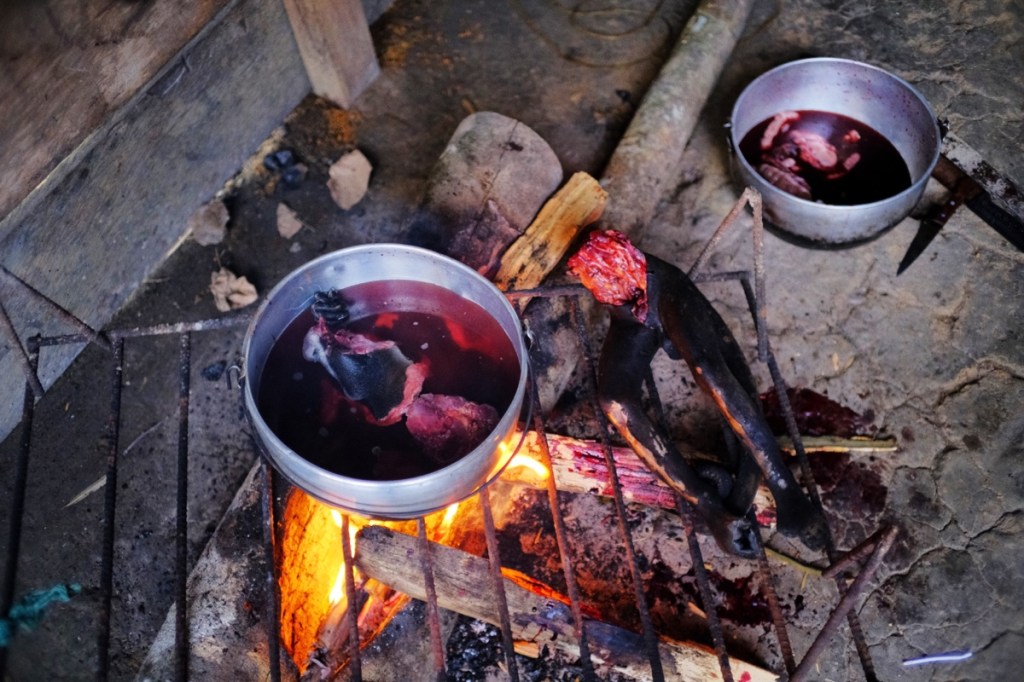
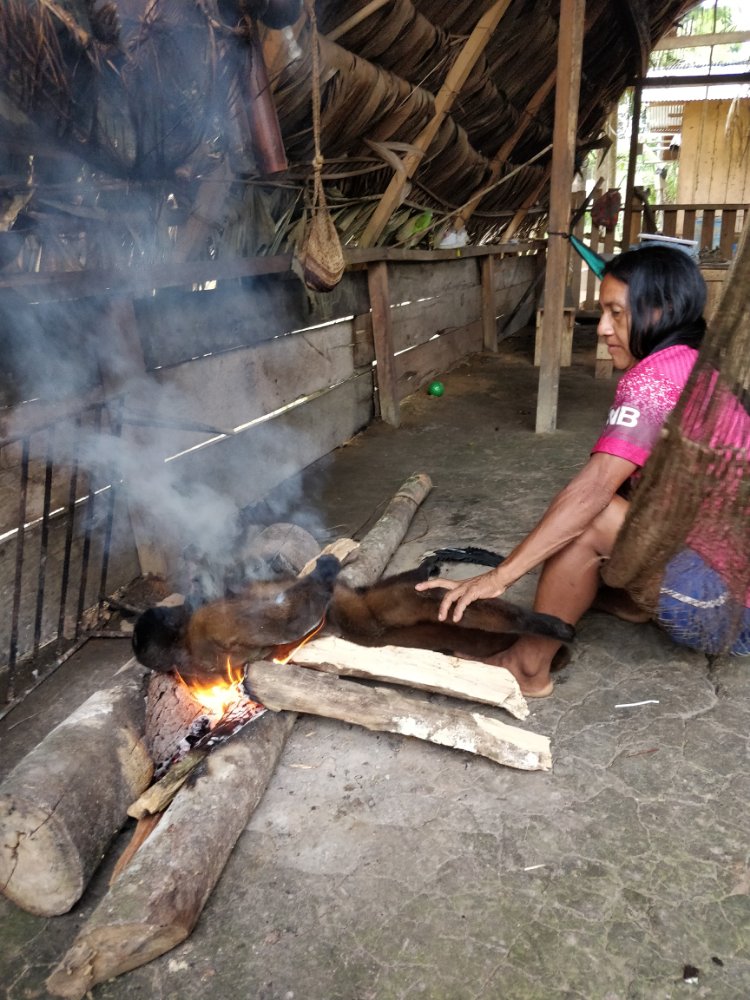
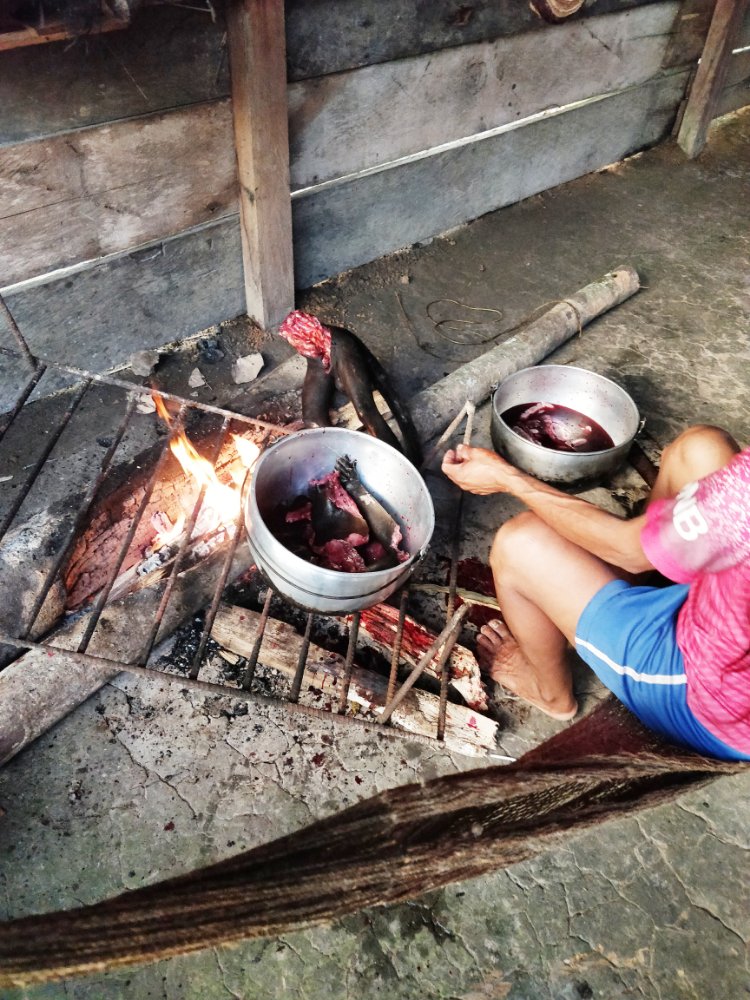
Back at the camp, a woman prepares the monkey for diner. She starts by burning and scraping off the hair. Then she removes the insides and genitals. Finally she cuts off the arms and head and torso and puts everything in a big pot, a first one to wash, and a second one to boil everything in water. Of course the human like shape made the whole scene slightly disturbing!
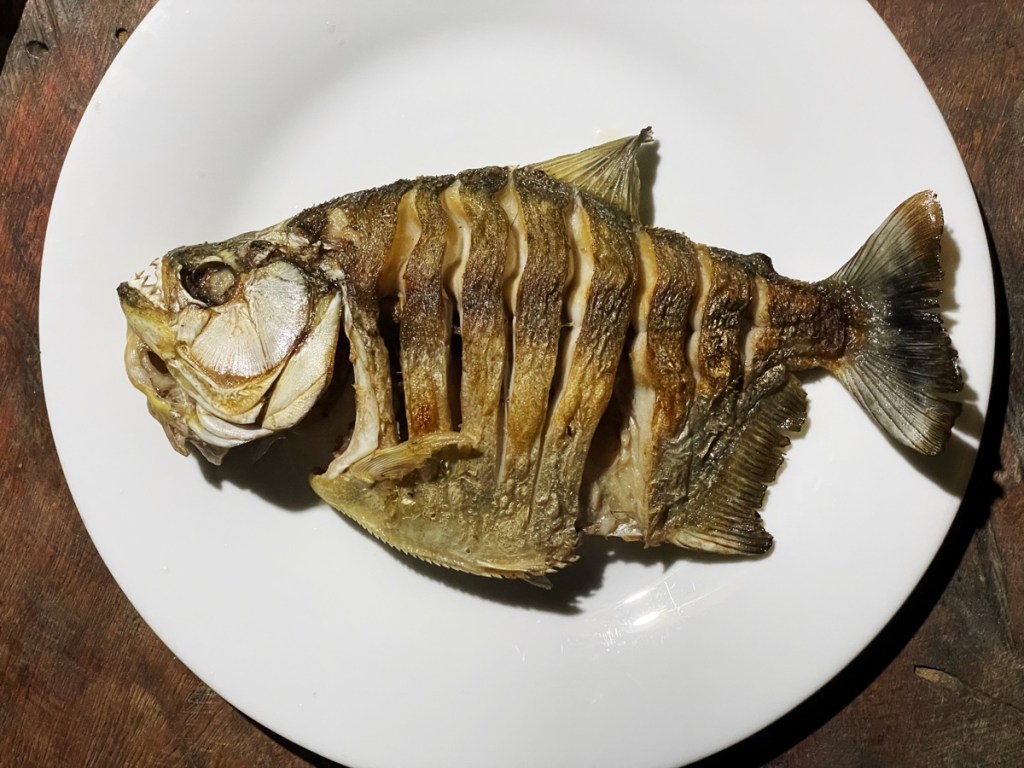
In the evening, after our normal dinner (vegetables, rice and chicken cutlet) we get to try the grilled piranha and a piece of boiled monkey arm. The piranha was delicious but we were a bit more reluctant to try the monkey. At least we had an easy piece of muscle (and not the head!). It had the typical strong flavour of game meat and the smokey smell of the fire. Still, more tender than I expected.
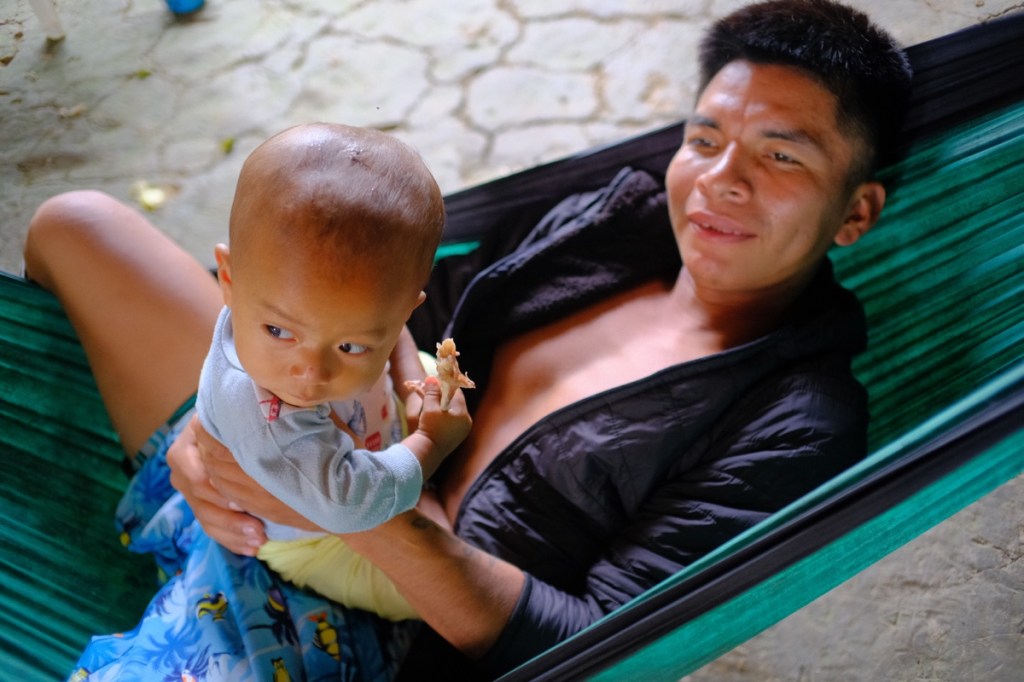
The next morning, a woman was nibling on a monkey hand, asking cheerfully how we liked the meat, while her baby in the hamoc was sucking an arm bone.
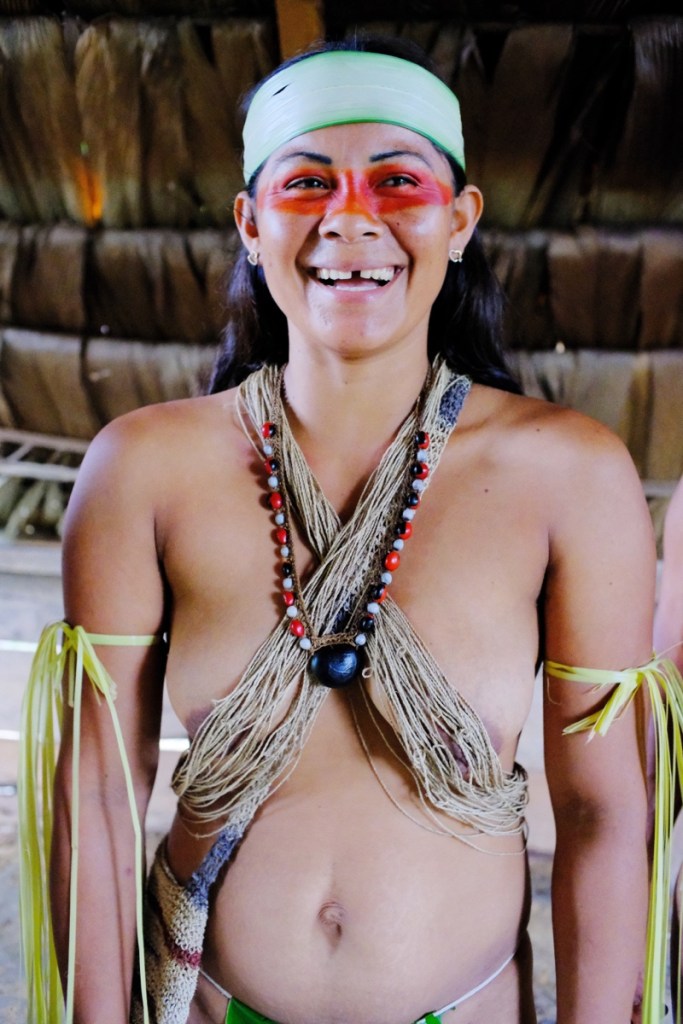
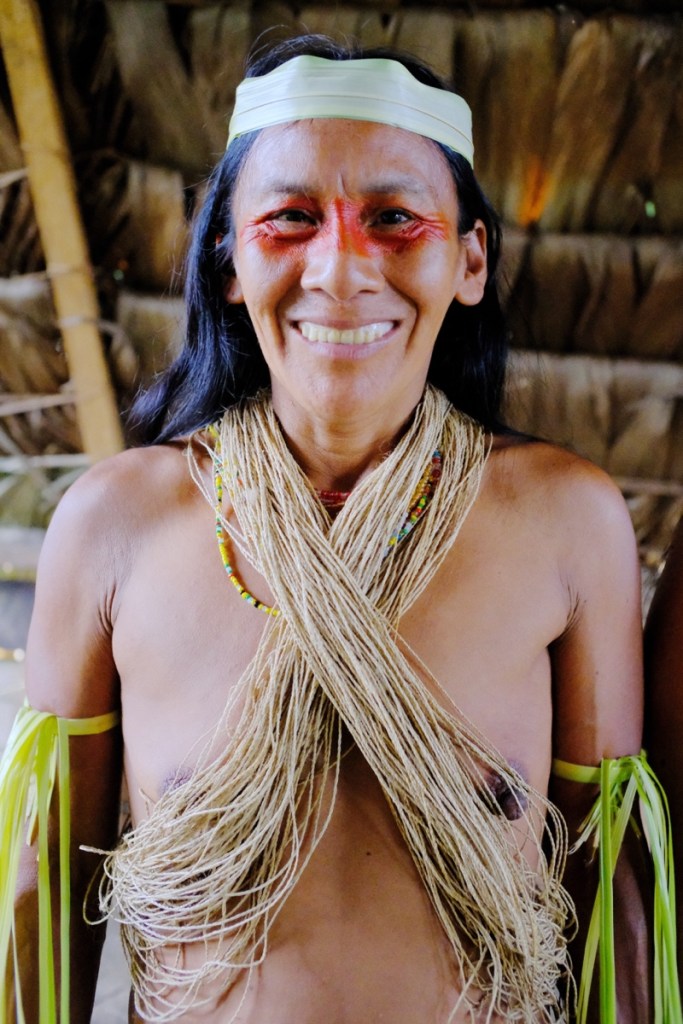
It was the fourth day, the women demonstrated ceremonial dances and chants and presented handicrafts. This type of representation for tourists usually makes me uneasy, but this was different ; they were people we knew by now, one of them had cooked the monkey, another had just extracted the splinters out of my hands an hour before. They were very at ease with their traditional nudity, and cheerful.
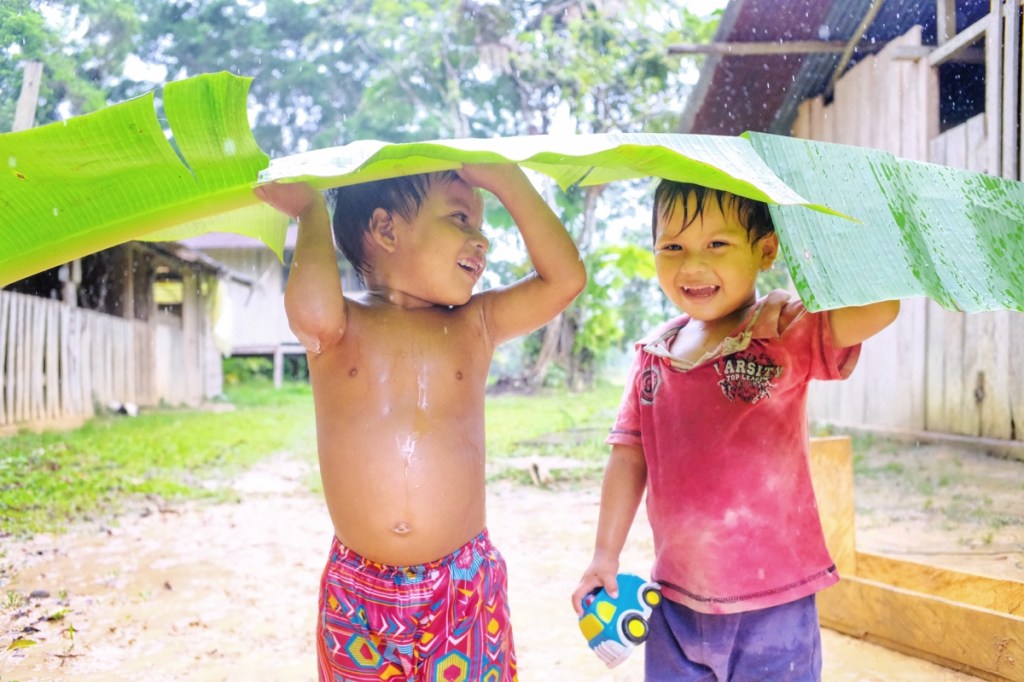
Then we went to a pond where birds usually gather in the morning to drink water. But the rain was pouring and we only managed to see one big macao parrot, where they normally come by dozens when it’s sunny. Back on the boat, the rain got even stronger, we were soaked and had to abort the rest of the activities. Leo was happy to get back to the playground to play football with the kids, like he’s done every evening.
And there we are on the fifth day, sitting in the canoe for 12 hours to get back to Coca, so I write this post to kill time. By chance the rain has stopped and we can enjoy the ride. We just passed a line of turtles on a floating branch, a bunch of monkeys doing flips in the branches, and a few more parrots and herons.
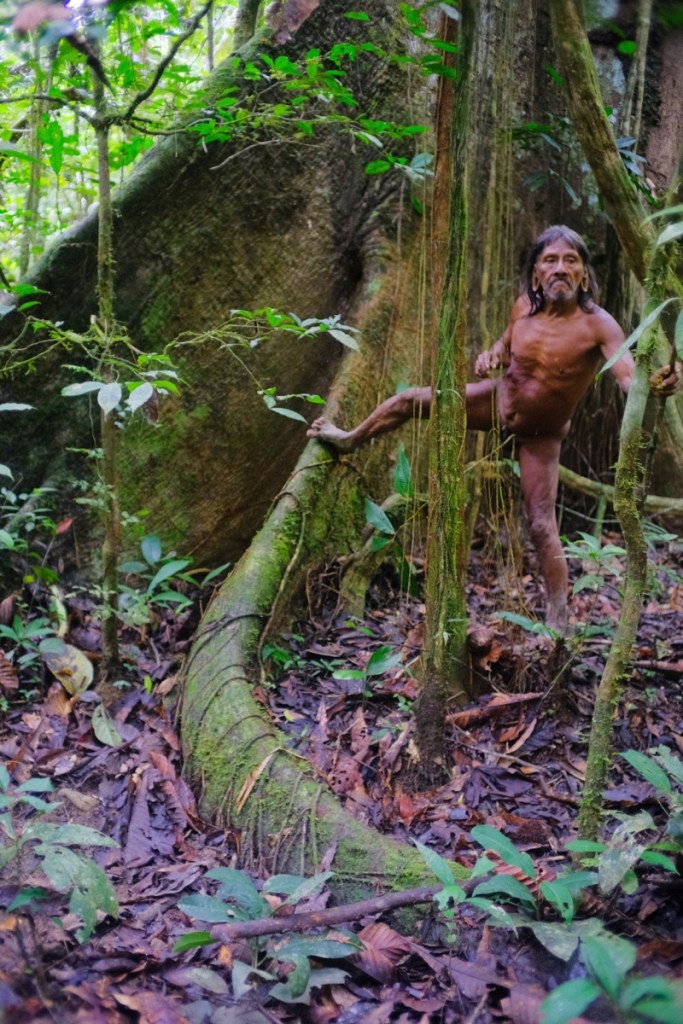
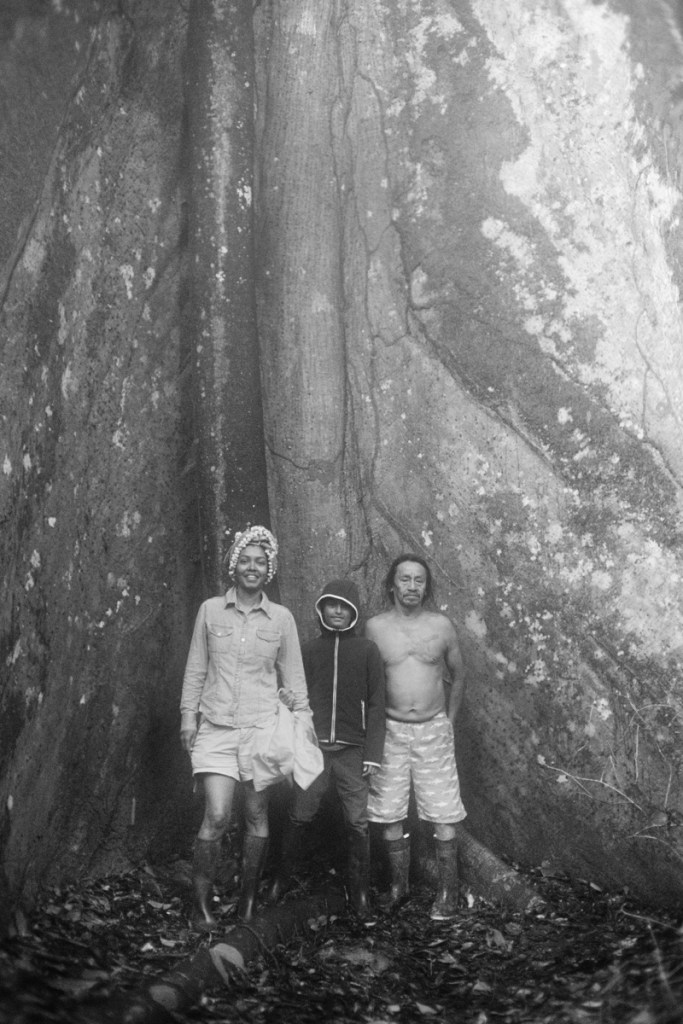
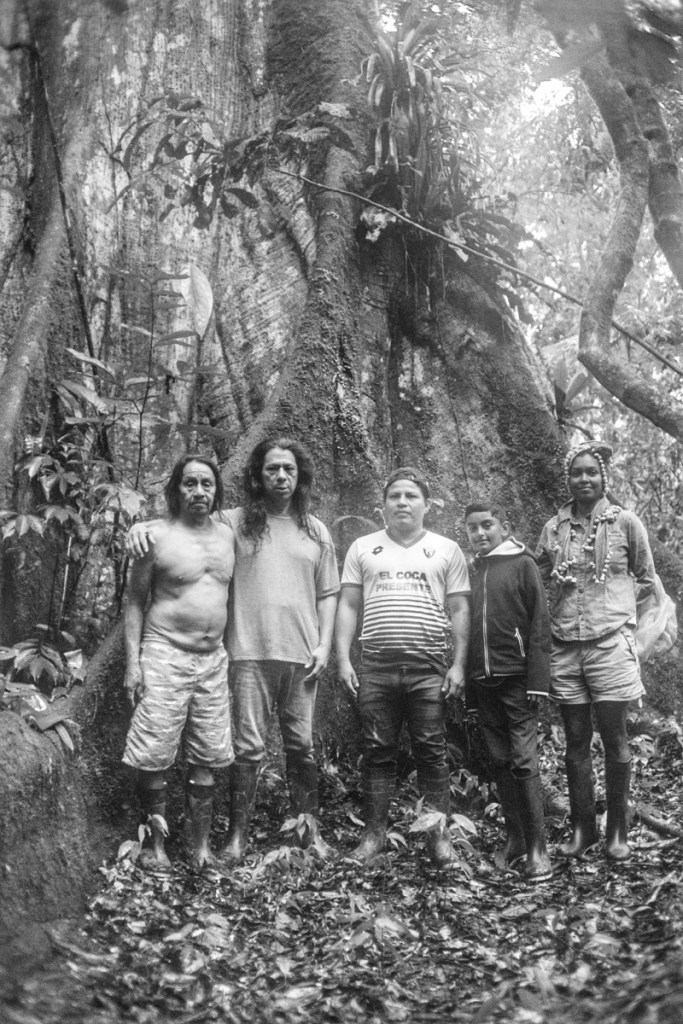
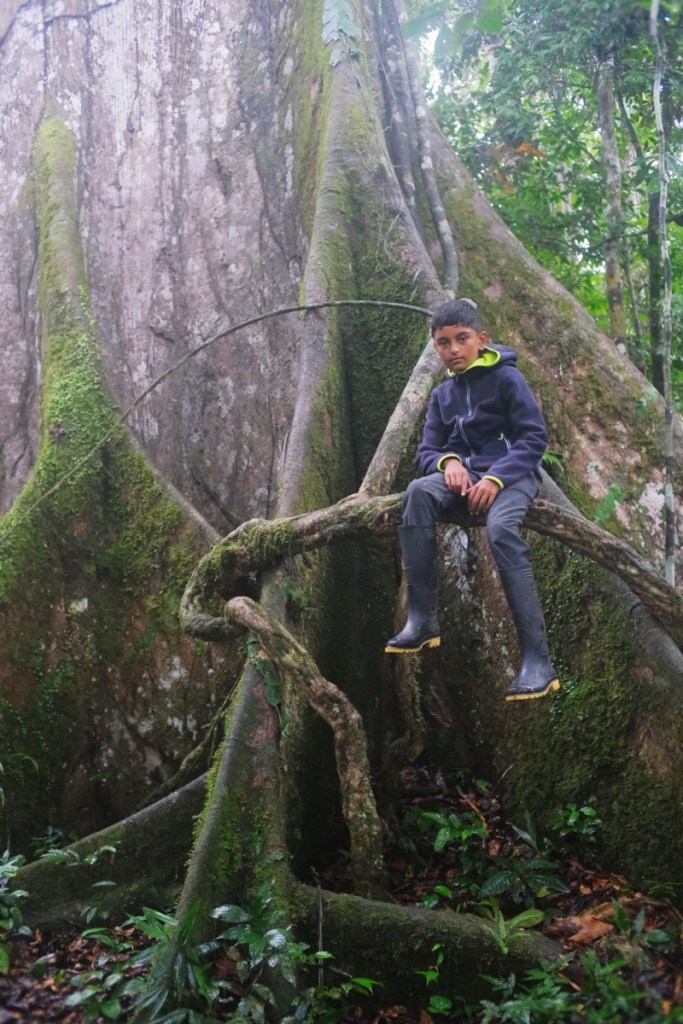
This morning I asked Wareka if we could quickly stop by the giant sequoia that we couldn’t see yesterday. It’s a magnificent tree with roots that start over 3 meters above ground creating cave like spaces around the base of the trunk.
In the end we didn’t get to see any anaconda, jaguar or crocodile but to connect with these people and to share with them a « page of the jungle book » was an unforgettable experience, that cannot compare to any National Geographic documentary.
As I was writing my little « Woaroni dictionary » and the names and ages of the people we met, I couldn’t help thinking about how much of the history that we « know » that has been transliterated in this manner, by various people, in various languages.. so many accumulated errors and misinterpretations that end up as facts and dates in our history books.
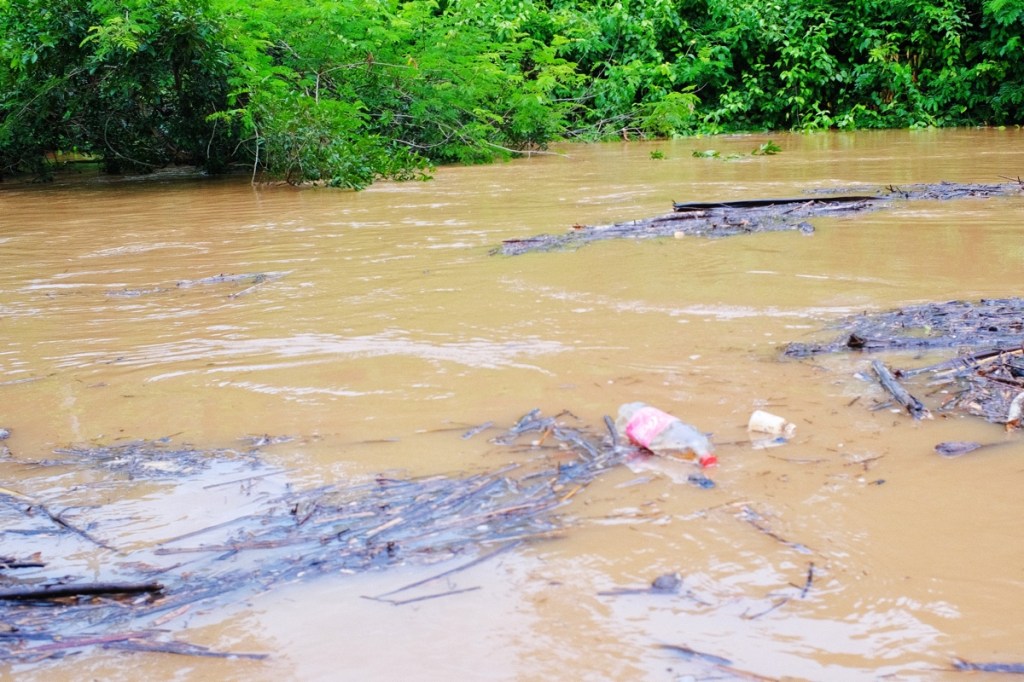
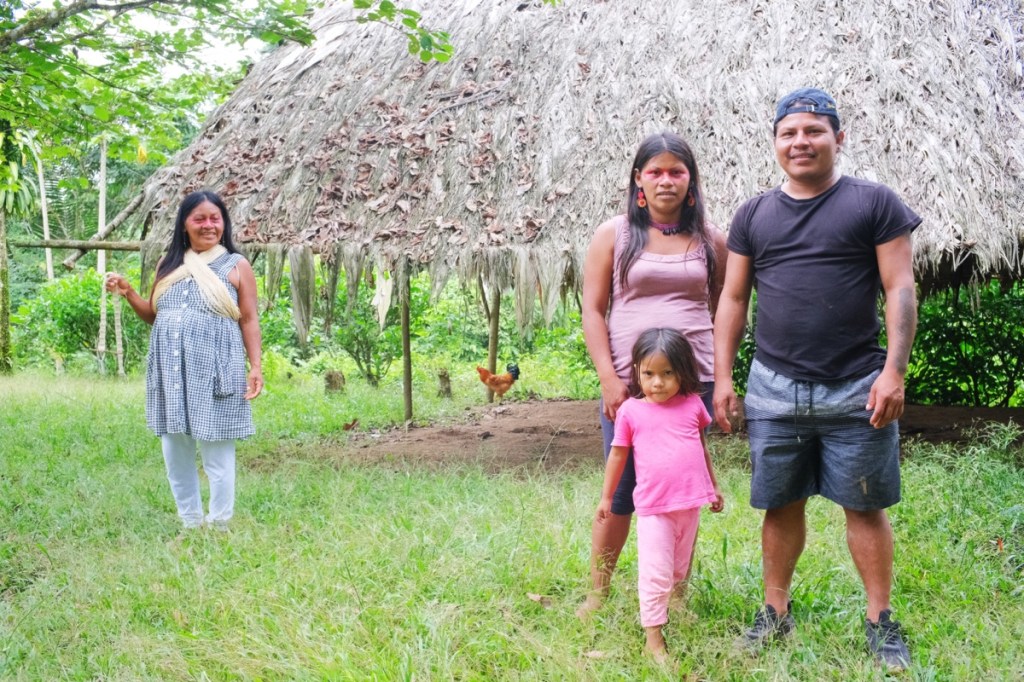
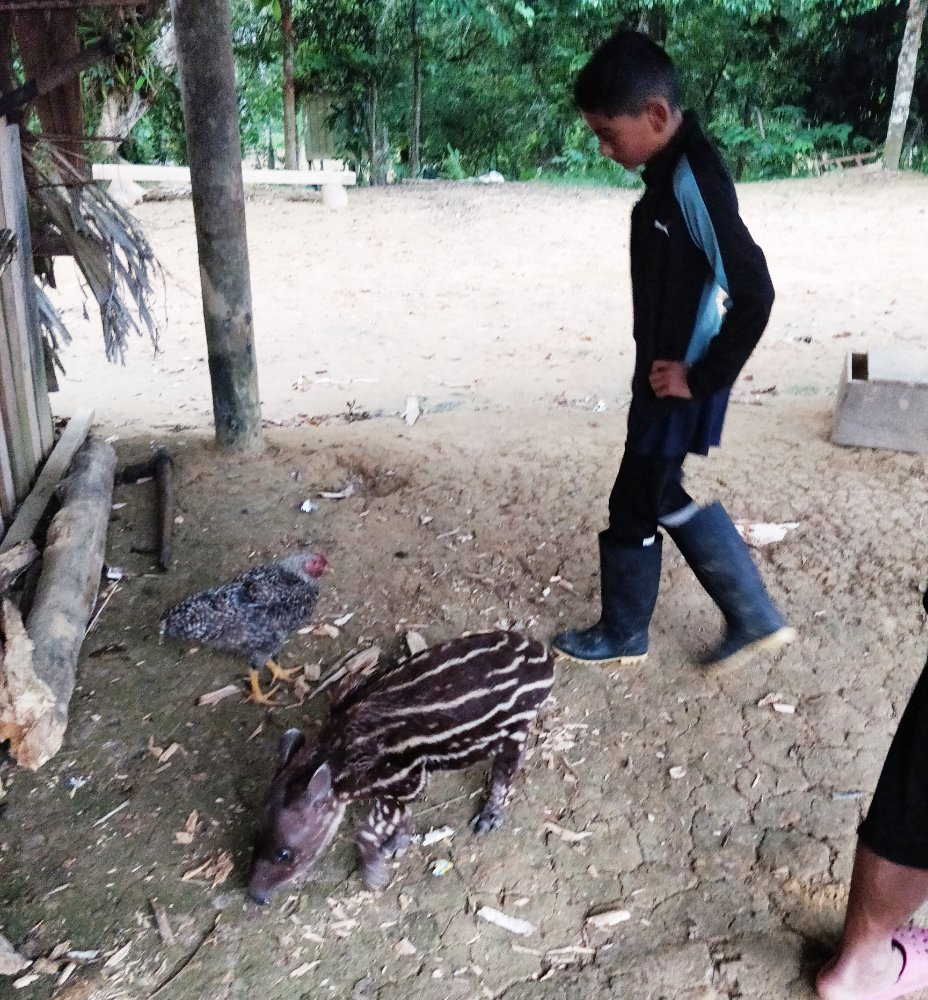
Early morning; Mauricio, Raoul and Wareka are loaded with our bags at the back of the truck!Yatey is half asleep as we drive to the riverMr Paharito having a cigarette breakOff we go!Omnipresent from the crib to the tomb, the infamous cola bottle invades the deepest parts of the jungle 😦Ukulele on the canoeTime to test our rain ponchosWareka and family Traditional hutHouse petsNight falls and Raoul has been keeping his eyes on the river for 10 hours Yatey cooks diner with a torch lightGata (monkey in woarani) is jumping all over.. and playing with the candle!Sleeping under the mosquito netLet’s go walk in the backyard Guinto and the kidsTucan imitation with a leaf whistle Drinking fresh water from the vineCutting slices of palm trunk to make dartsSharpening the dartsKarue and ChristianSharpening more darts back homeLeo practicing the blowpipeMono loco keeps jumping on all the kids and pulling their hair !On the adults as well!Meet Miniwa, the next shamanPreparing the poison for the dartsLeo posing with a bunch of dartsMiniwa’s wifeKempere’s houseKempere and his wife MehiemoMehiemo Kempere resting during his morning walkTime to go hunting Miniwa and his blowpipeBaiwa loads a dartLeo gets a chance to shoot!Miniwa shootsLeo carries the first prey on his shoulder Miniwa hits a tree trunk that resonates to the top, to make the monkey moveBaiwa shoots Miniwa strangles the second preyOn the way back, Leo gets to ride the boatLeo and the baby tapirBurning the monkey’s hairChopping the monkeyThe monkey soupGrilled piranha Pieces of cooked monkeyMauricio’s baby munching on a monkey boneThe ceremonial presentation NiewerekaYewa EmopaGuintoMehiemo Mary is also being painted, the colour comes from a fruitKids in the rain Sharing smiles with the wise manLeo and friends JohnObeIn front of the giant sequoia
After we heard about the political unrest in Peru and stories of tourists stuck in Macchu Picchu, our initial plans to go there from Colombia fell apart.
In Guatape – Colombia, we met a British tourist who talked about this amazing tour in Ecuador. We saw pictures of him next to a 6 or 7 meter Anaconda digesting a deer it had eaten! I was immediately sold on the idea. So we decided to put Peru on the back burner and go to Ecuador.
This was to be our second time in the Amazon rainforest. We had been to Iquitos, Peru many years back but hadn’t spent much time with the local community. I realised that we were going to be in the Yasuni national park near the river Napo which flows right up to Iquitos!
Once in Ecuador, we got our bus tickets, sim card, got some snacks and hopped onto the bus. I stepped down to get some peanuts and was paying the vendor when I heard Arjun yell my name. The drivers in Ecuador are sticklers of time and I could see the bus move with Arjun literally hanging out of it. I ran as fast as I could and I luckily made it! I almost slipped and fell on my seat as the buses in Ecuador have slippery Formica flooring.
After two excruciatingly long bus rides from Tulcan to Lago Agrio we reached El Coca by 11 in the night. The way to El Coca was through mountainous roads and was breathtaking! Strangely enough there were no toilet breaks. I was so grateful when one of our fellow travelers requested the driver to stop and we went out in the wild to relieve ourselves.
We met Wareka and his team the next morning. He also came with an English translator as our Spanish is rather weak. In the evening, we went out for a drink to break the ice and get to know each other. One of the team members came with his wife and child. To Leo’s utter surprise and confusion, the little kid was served a little bit of beer.
The next morning we left at 6 in the morning for our expedition. It took us two hours from Coca to get to the river. Along the way there were several oil extraction platforms. The Yasuní National Park, a 3,800-square-mile swath of forest, holds more than 1 billion barrels of oil, and is also home to one of the most diverse collections of plants and animals on the planet! Chevron had been accused of polluting the Amazon rivers and poisoning waters used by local communities for over 26 years. They were fined a sum of USD 18 Bn which was eventually reduced to USD 9.5 Bn. Chevron never paid a cent and in fact the lawyer – Steve Donziger who fought on behalf of the indigenous tribes lost his law license and was told to serve a 6 month prison sentence in 2021!
We were asked to keep an eye out for anacondas by Pajarito (Spanish for parrot because of his ability to make different bird sounds) our translator. We were also warned about the Taga tribe who’ve chosen not to be in contact with the outside world. Any attempt to go close to their area is met with violence. Someone from the Waorani tribe was killed as recently as 2014 😱 So throughout the ten hour board ride we were alert while all the others took a nap except for Yatey and Raoul who were riding the boat. We took two breaks along the riverside to meet one of Wareka’s three wives and to pick up/ drop off people. When we reached the village it was night. We were shown our rooms which were in a wood cabin. We could hear bats and we saw some cockroaches. We were really glad that there weren’t too many mosquitoes around.
The boat ride tired us thoroughly but Yatey, Raoul and Waraka got busy in the kitchen to cook us a meal. As we walked around with torchlights, we noticed a small pond and someone casually mentioned that there are often snakes in that one. Noticing my discomfort they quickly added that they weren’t poisonous, just water snakes. In the dining area, a monkey kept coming towards us. It was the village pet monkey which they playfully call mono loco (crazy monkey in Spanish). After the meal, Wareka asked us if we wanted to go look for alligators and other reptiles. By this time we were too tired to venture out so we went to bed with the bats, the roaches and other insects.
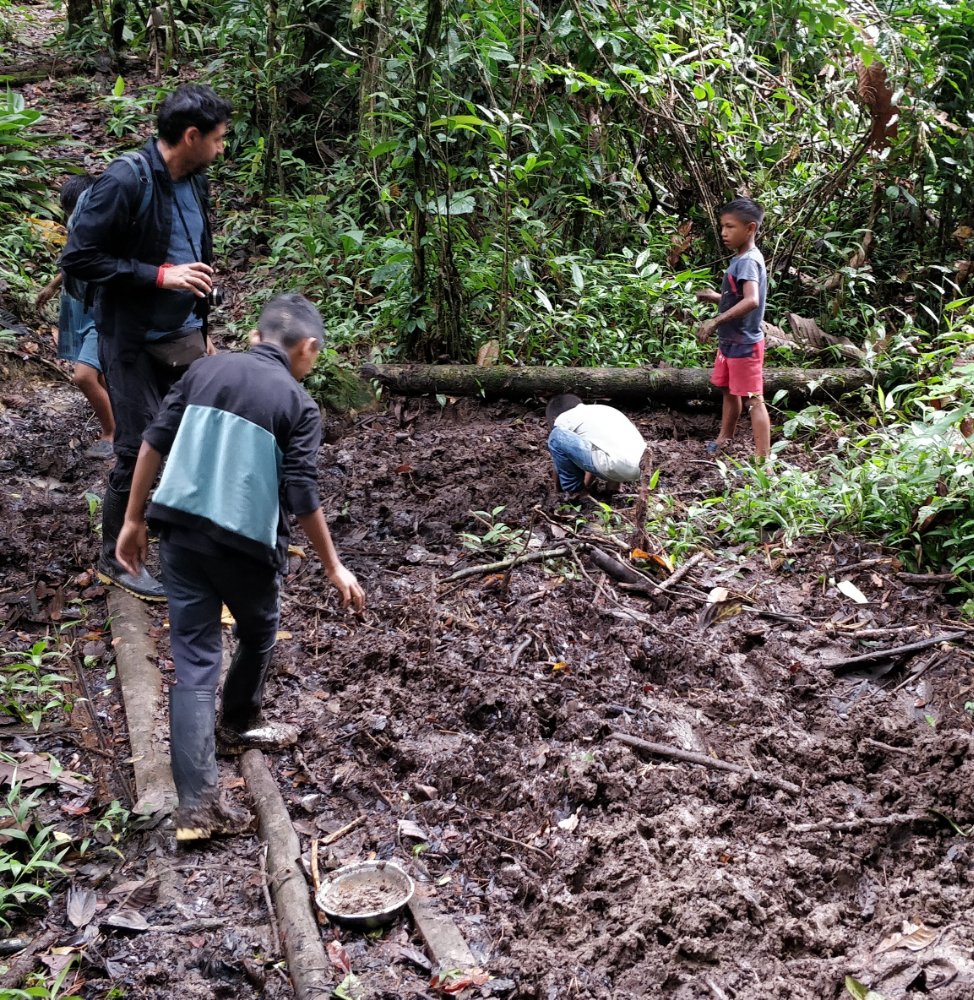
The next morning we were awoken by the roosters. Wareka and his team had already started preparing breakfast as we were getting ready. We walked from the village into the forest behind their houses. Wareka was with his father Guinto, Pajarito and some kids who were carrying a bowl. For the next few hours, Wareka showed us several medicinal plants which helped with snake bites, fever, digestive problems, cold and cough, wounds etc. Their pharmacy was basically in their backyard. He pointed out to one of the kids and mentioned that one of the plant roots had been used to save him from a mamba snake bite! There were plants that were used as a toothpaste, shampoo and barks that had pure drinking water. The bark had to be cut in one stroke, else the water was sucked up quickly by the tree. One day when Wareka was here collecting some medicinal herbs, a jaguar leaped on him from behind. Not knowing what it was he swiftly pushed the feline back. The jaguar left after leaving claw marks on Wareka. We looked at his wound in admiration. It was now time to prepare for the hunting and fishing expedition the next day. Wareka pulled out palm stems and started sharpening them into tiny spears. The tips were to be dipped in a poison from curare vines that immediately paralyzes the prey. The topmost part of the sharpened end was then cut horizontally but not too deep. This was to ensure that the arrow stays in the prey’s body even when an attempt is made to pull it out. Such attempts were made by monkeys and we were to go hunt them the next day! We then went with the kids who started digging mud in swamp-like patches to pull out earthworms. These were to be used as bait for piranhas for the fishing expedition.
In the afternoon we met the village elders. This included the shaman Kempere and the next in line shaman Miniwa. Kempere is said to be 120 years old but there are no records to prove this. The Woaranis are in contact with the outside world since the 60’s. Under Kempere’s leadership the Woaranis kept the oil companies out with their poison arrows and spears. The Christian missionaries managed to find a way into the community through a woarani woman. She even convinced Kempere to go live in the outside world as a “civilised” human which meant wearing clothes which meant having money to pay for them which meant working to earn the money which meant being formally educated. Kempere did go but not for long. He came back and continued being the village shaman. Although the community is now in contact with the outside world and has a small school, there isn’t a church and they follow their beliefs. We also met Kempere’s wife who has this radiant toothless smile. She is one of the most beautiful women I’ve seen.
The next day we left to hunt and fish with Wareka, Miniwa, Baewa and Ginto. We were joined by a German tourist called Dario. There were of course some kids who came along. It was a boat ride further down where there is a monkey population. As soon as we were on shore, Miniwa and Baewa took off their clothes and put on the heavy wooden blowgun, the poison darts and cotton container around their necks. The kids were the first to spot the monkeys. What followed was a chase which left us panting and heaving through the swamp, getting entangled in the vines and getting our foot stuck in the marshy soil. At one point Dario couldn’t get out and I remembered a wildlife episode I had seen where you should lay sideways to get out. I suggested he do this and it worked! For once I felt useful in the jungle. Most of the time I couldn’t see the monkey but Wareka and his team knew exactly where they were. They took aim and the first victim was a baby monkey. Apparently they were targeting the mother who abandoned the baby and the baby got hit by the poison dart. They proceeded to tie the monkey in a way that it could be carried like a handbag. It’s hands felt like velvet. Much to his alarm, they gave the monkey to Leo so he could carry it. He reluctantly took the monkey to save face in front of the kids. The second monkey was large and made us run a lot. We were out of breath by the time they got him. He fell from the tree and Baewa quickly strangled him. They then rubbed his body over theirs. It was to ensure that the prey animals do not smell the predator. They stopped hunting as this was enough to feed everyone. The second big handbag was given to Arjun who clearly wasn’t at ease. We then went fishing or rather the boys went fishing. Women are not expected to hunt and fish so I wasn’t given a rod. The woaranis caught a lot of catfish, Pajarito caught a piranha and Arjun caught a sardine. Arjun somehow managed to slip and fall in a bush of thorns and had them embedded in his palm. Arjun is of course a champion in the urban jungle!
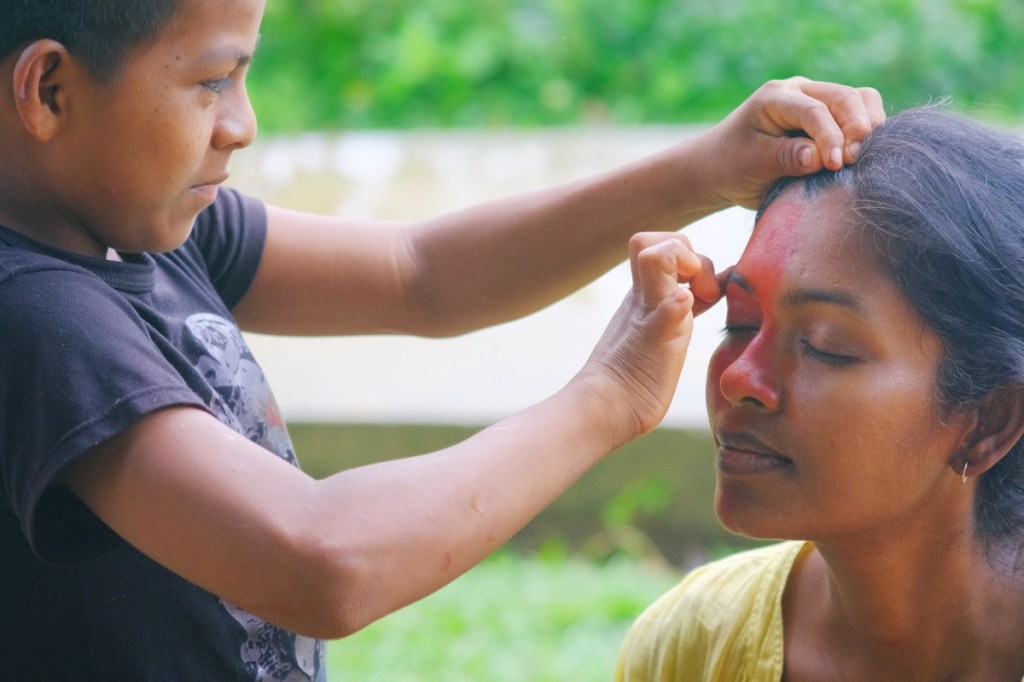
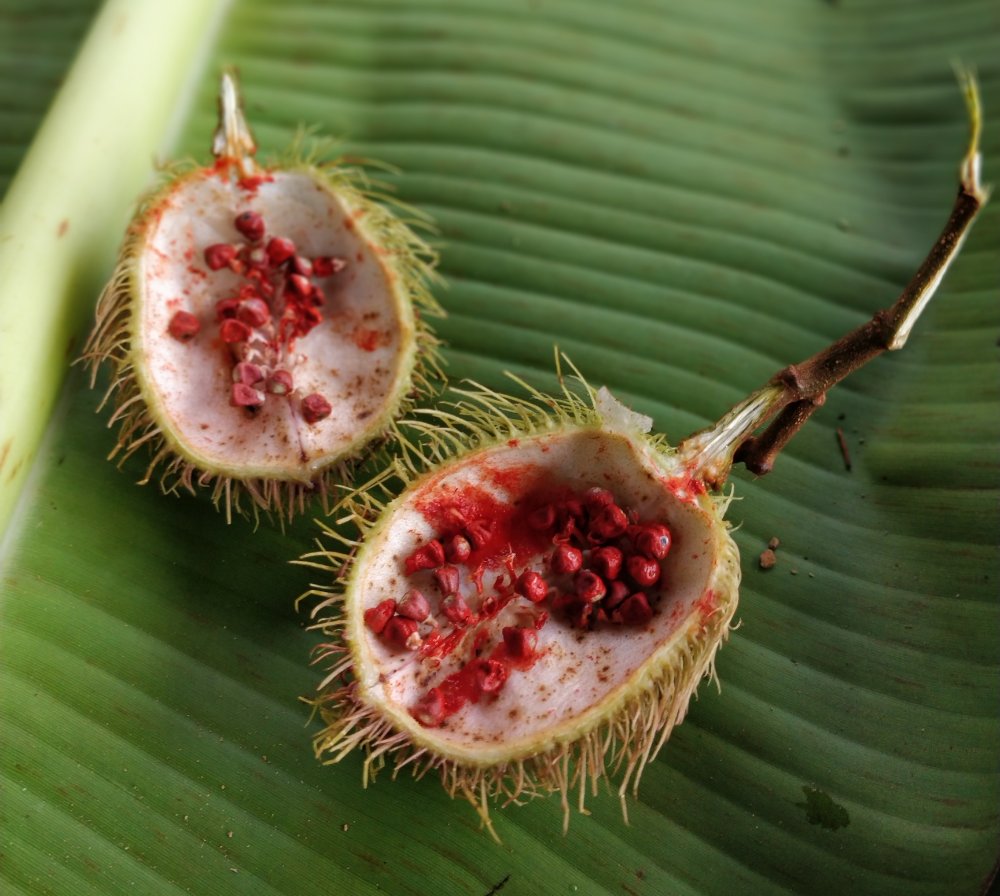
The following day we spent time with everyone in the village. Arjun got all the thorns removed from his palm, by one of the women, except for one stubborn thorn. It looked like the beginning of an infection. The women displayed some handicrafts and we were then invited to watch a traditional song and dance. Wareka’s father Guinto and three women performed the traditional dance. The women had some red paint around their eyes from the seeds of a fruit. In the afternoon we left to see bright coloured parrots and macaws in a nearby forest. Guinto showed us a bush that had been trampled upon by a Jaguar and then marks left by the claws of a Jaguar on a tree. I nervously asked if it’s likely that we’d see one. They weren’t very sure. That didn’t assure me much. We were shown several medicinal plants and then finally we reached the spot with slick mud. Our Wellington boots were stuck in them. We only saw one bird who flew away. It was too rainy for the birds to be there. Wareka mentioned that often anacondas hide in the mud with their heads out to catch their prey. I quickly left the spot and walked briskly towards the forest. Once we were in the boat it started raining heavily and we were completely drenched in spite of our ponchos. Leo was in tears by the time we reached. This was our last evening with the Waoranis. Leo played football with the kids and we turned into bed.
We woke up very early in the morning to see a large sequoia tree before bidding adieu to everyone in the village. We reached El Coca after a 12 hour boat ride and a two hour drive. We were happy to snuggle into the comfortable bed in our hotel room and dream of the jungle.
Oil extraction platforms lined across the Yasuni national park The crew takes a napToucan sounds made with leavesLeaves used as shampoo Toothpaste anyoneSnake venom antidote Lemon flavoured ant larvae Foraging for worms – to be used as fishing bait Miniwa the next shaman preparing the poison for the darts Kempere the 120 year old village shaman who warded off oil companies and the Ecuadorian armyMehiemo – the shaman’s wifeGata the village pet Wareka playing with GataOn the way to hunt and fish Miniwa spots a monkey The first victim The monkey is tied up with vines so it’s easier to be carried Baewa strangles the paralysed monkey and rubs it’s body odour on his bodyMonkey handbags carried by the boys grudgingly Piranha caught by Pajarito Sardine caught by Arjun Back from the hunting trip Burning the monkey fur before cooking One pot to wash the cut monkey and another pot to cookLeo walking around the hen and the baby tapirFruit dye used to colour the skinGuinto with the waorani women
Thank you Colombia, we had a great time and we loved your people 🙂
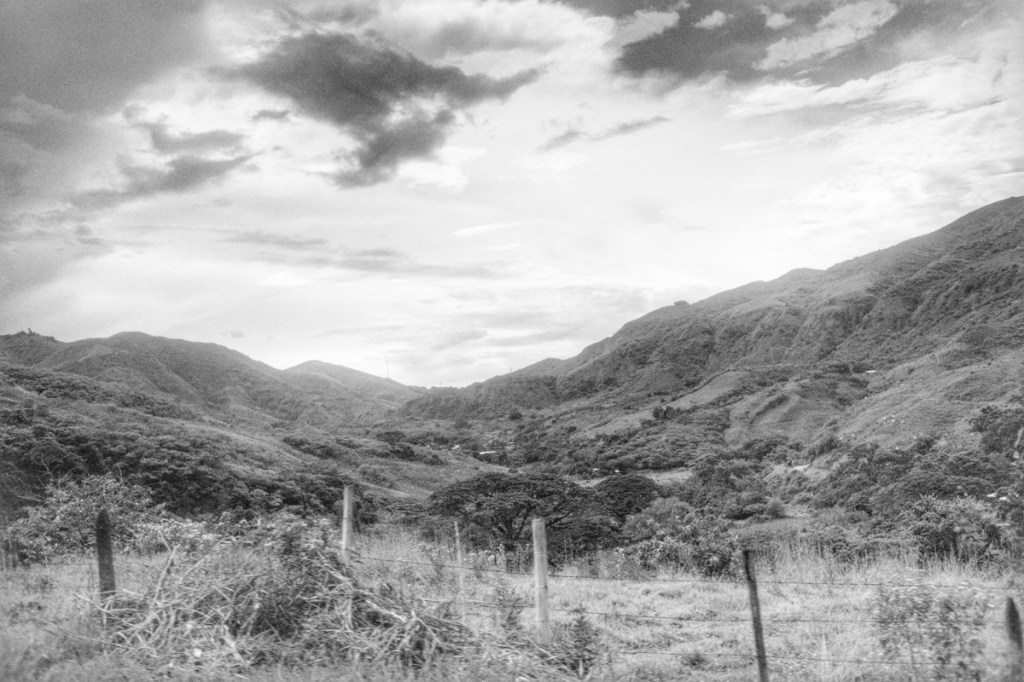
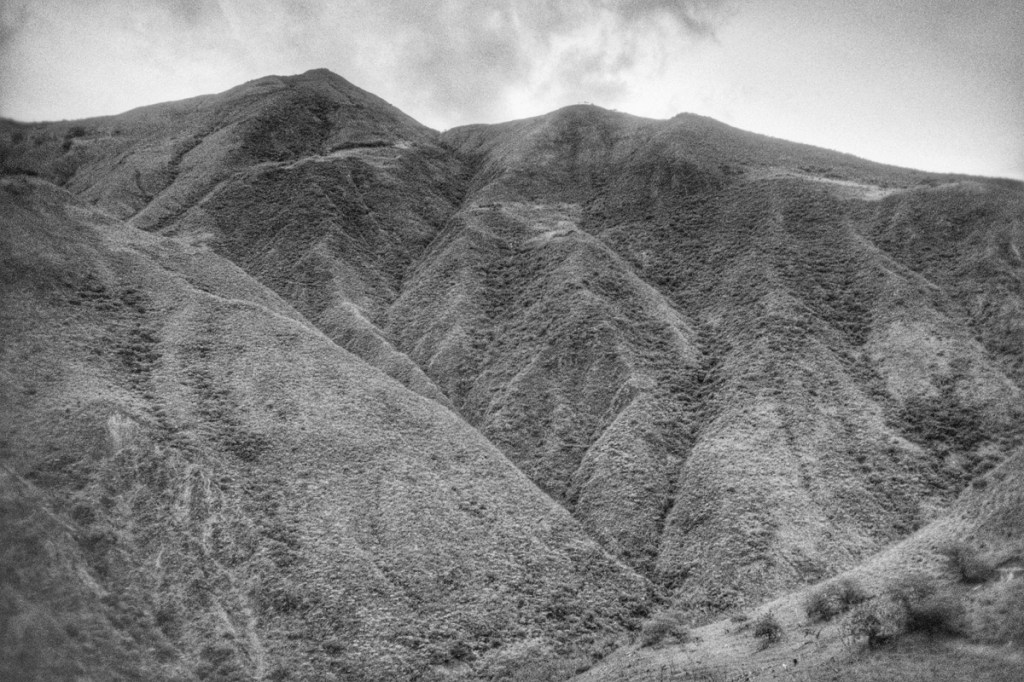
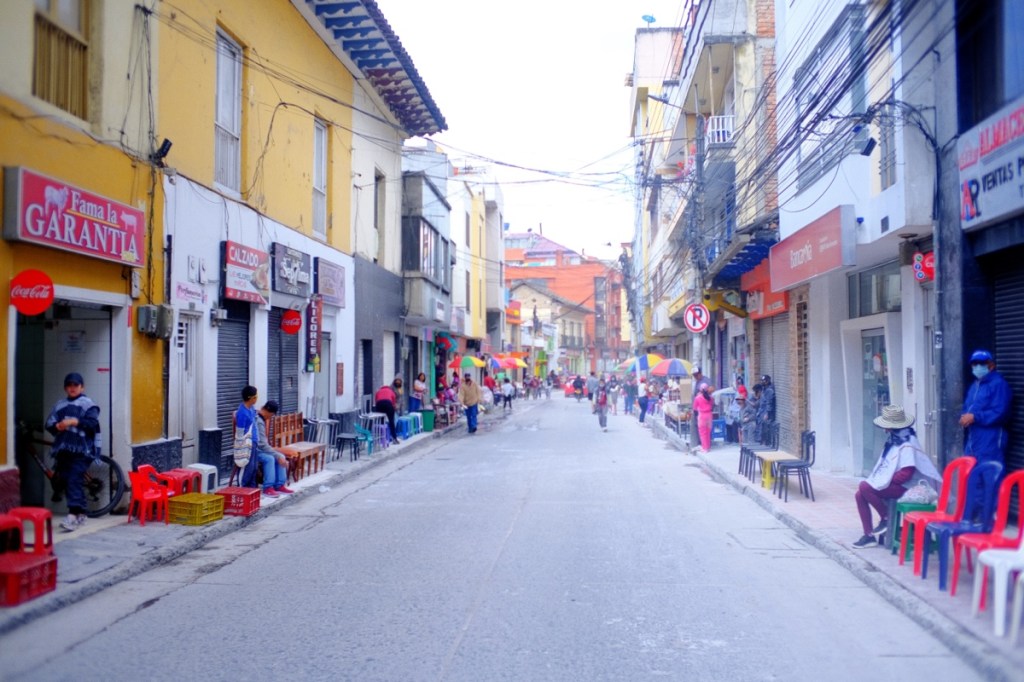
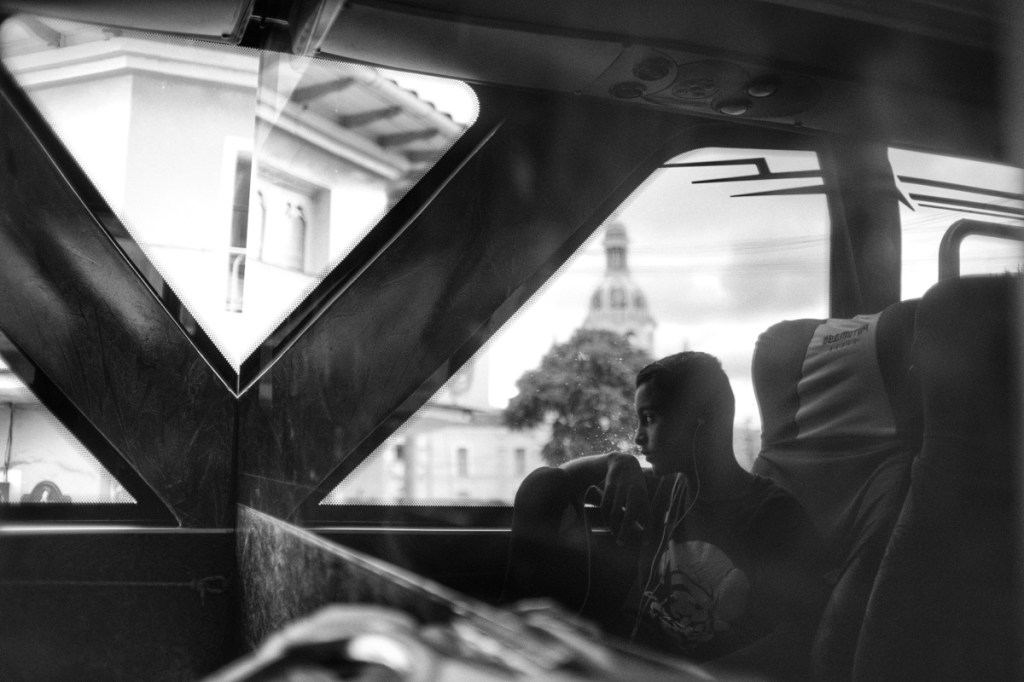
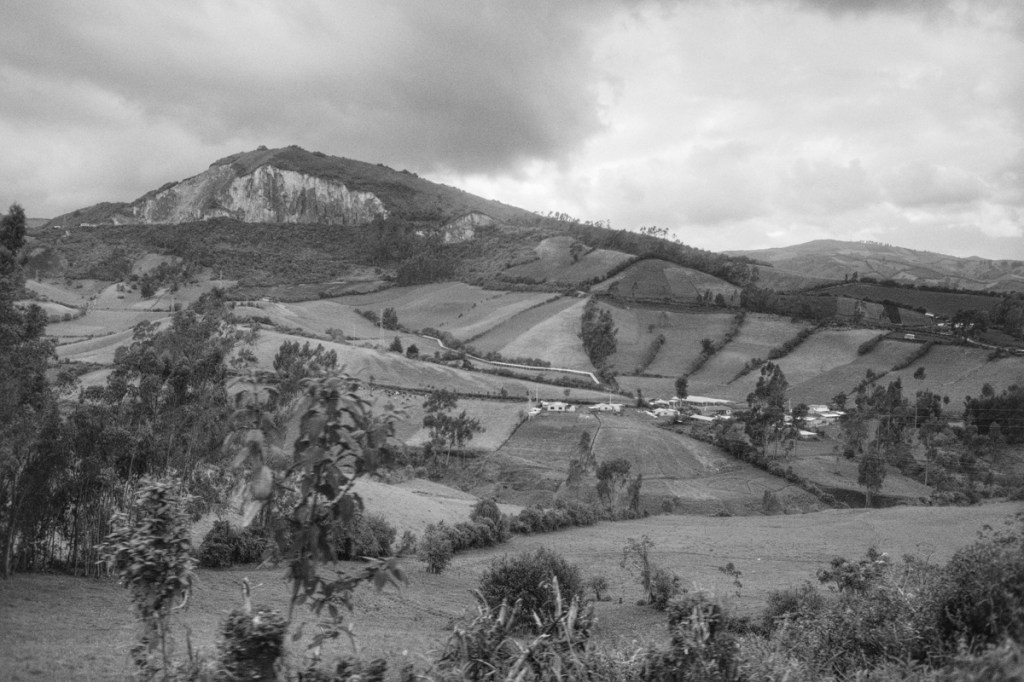
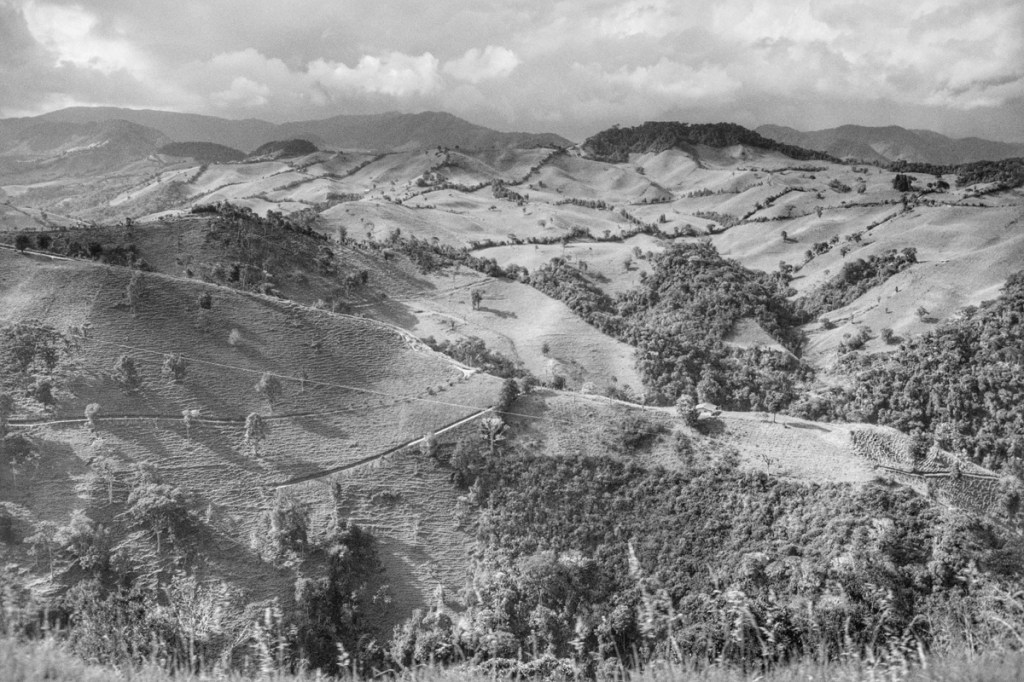
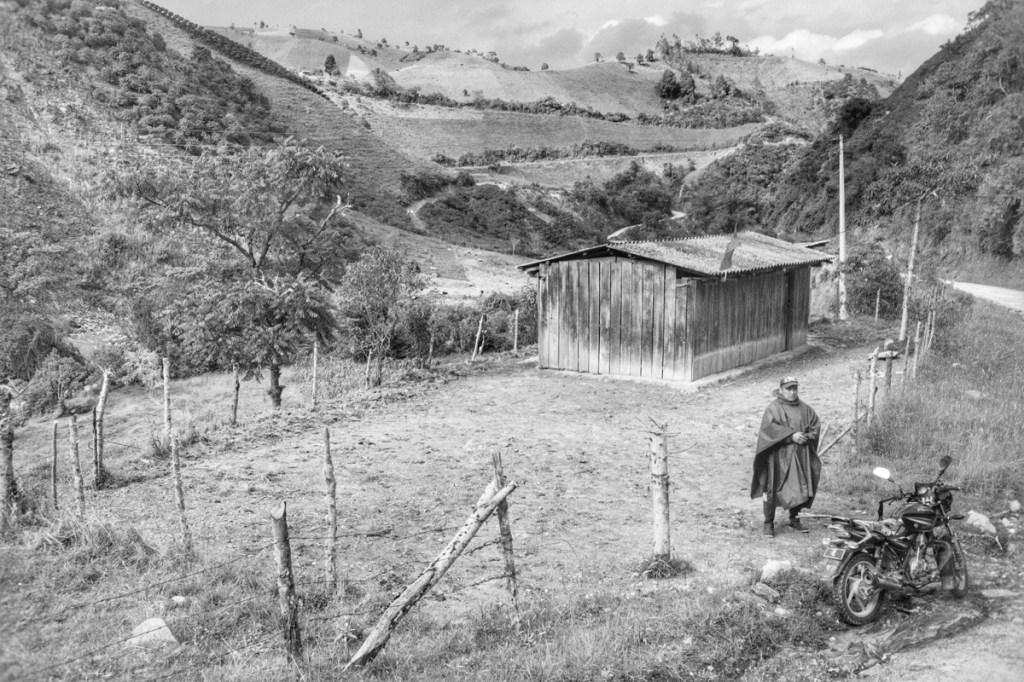
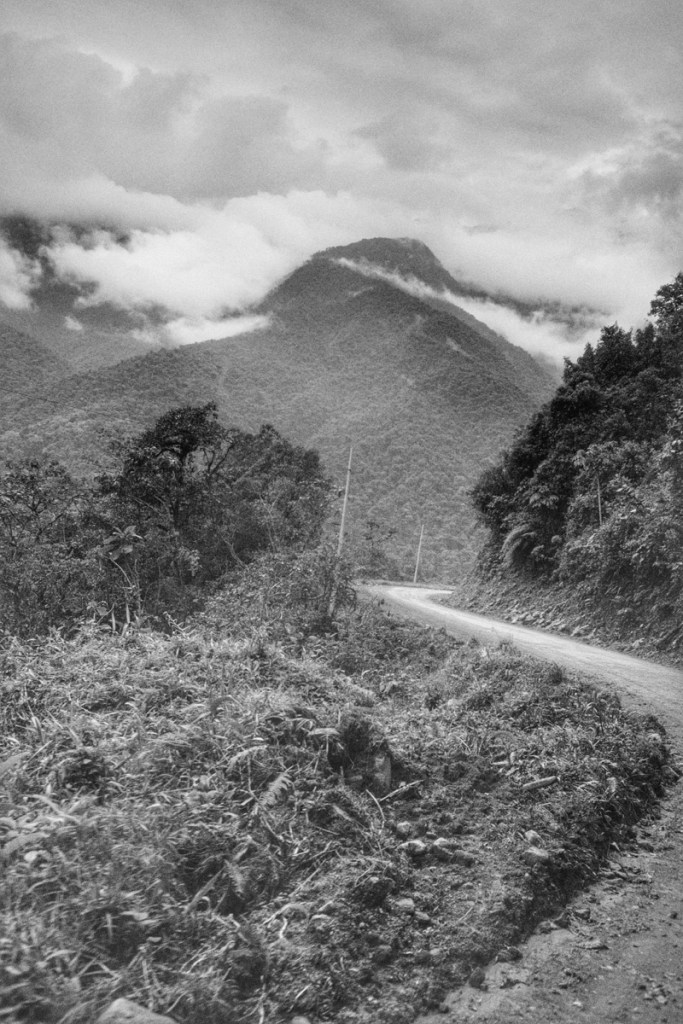
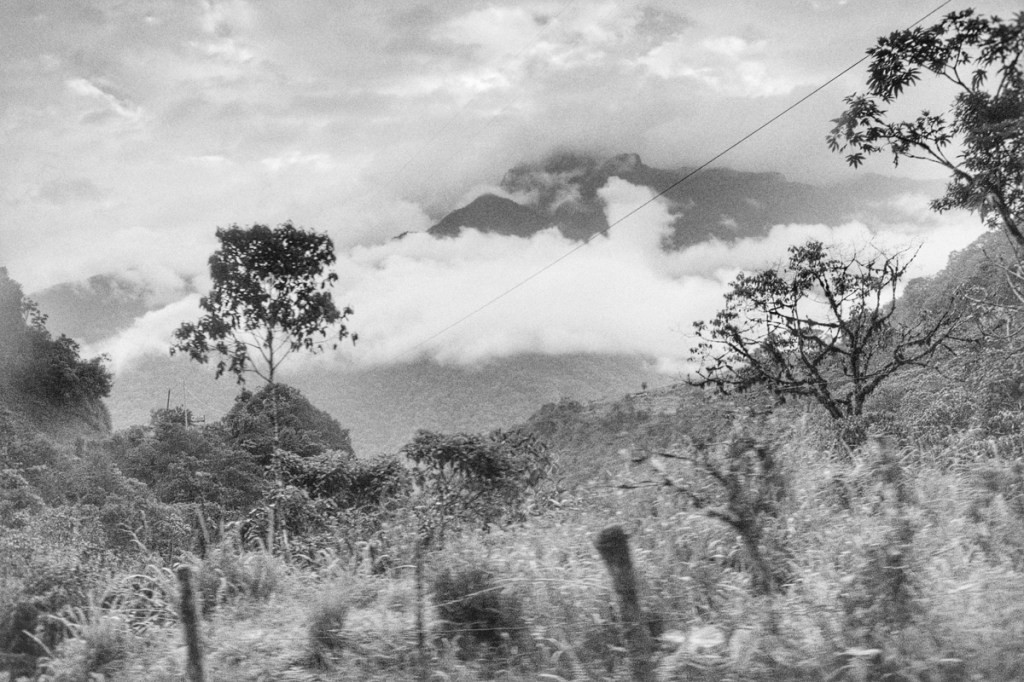
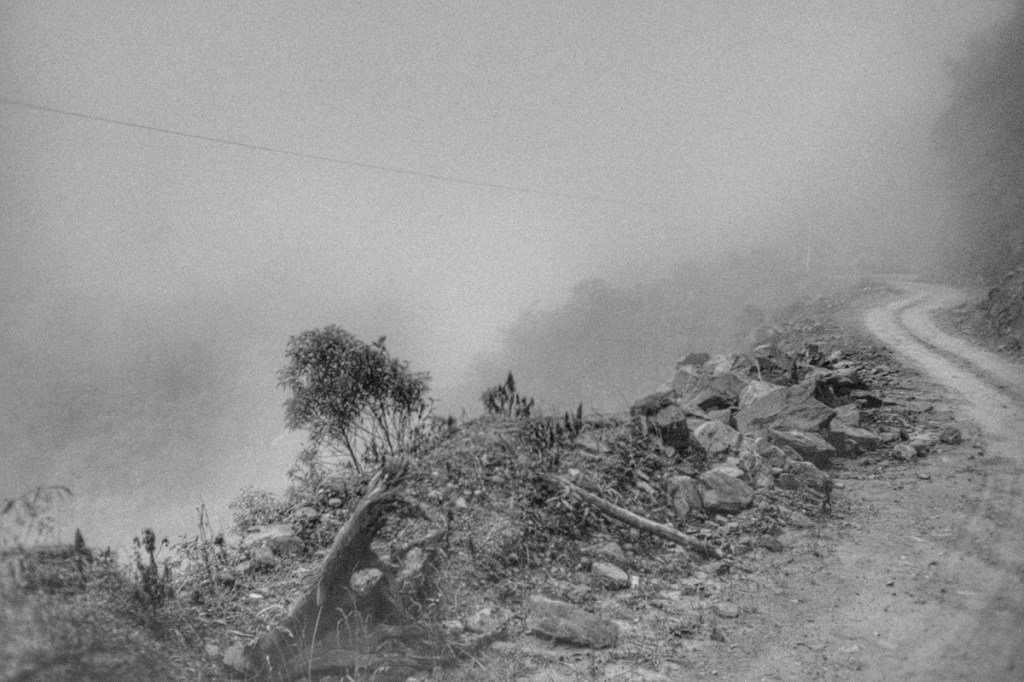
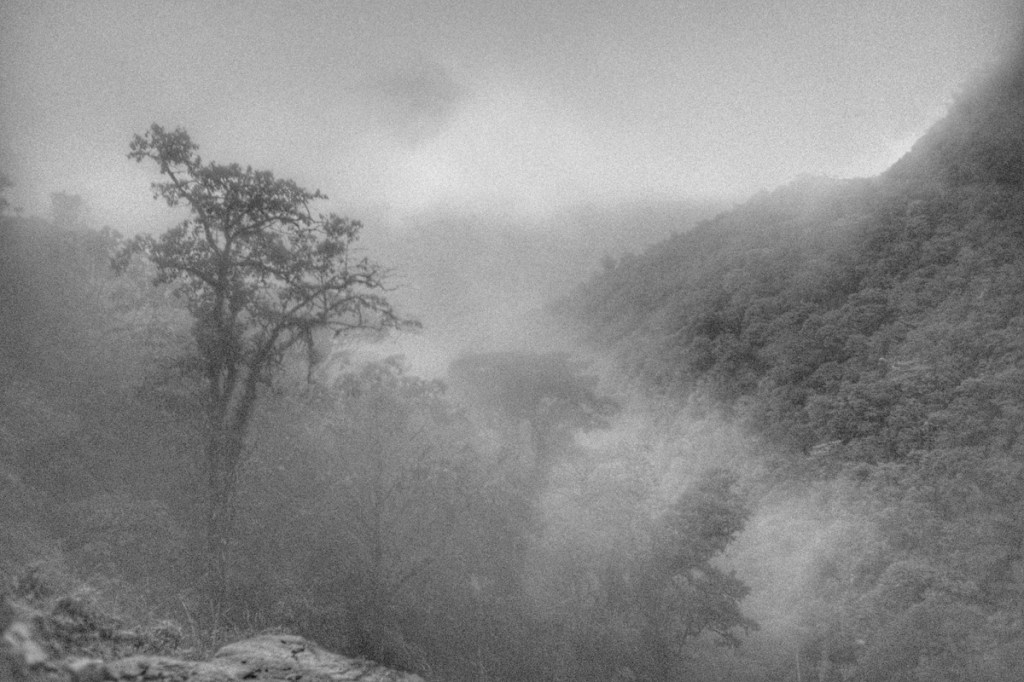
From Popayan, we moved down to Ipiales, near the border with Ecuador, for one last night in the country. The route in the mountains was beautiful and I tried to capture some of it through the dirty bus window! We arrived right during the « feria de blanco y negro » -a carnaval where people throw flour and spray shaving cream at each other- but we barely had time to witness it, we had further plans already.
Back in Guatape, we had met with Sam, an English tourist who gave us the contact of a guide in Ecuador to take us deep into the amazon forest. We had an appointment with him in Coca in two days.
(Mary is afraid of everything! She won’t jump in water or ride a bicycle. But tell her to go meet giant anacondas in the deepest parts of the amazon jungle and she signs in right away!)
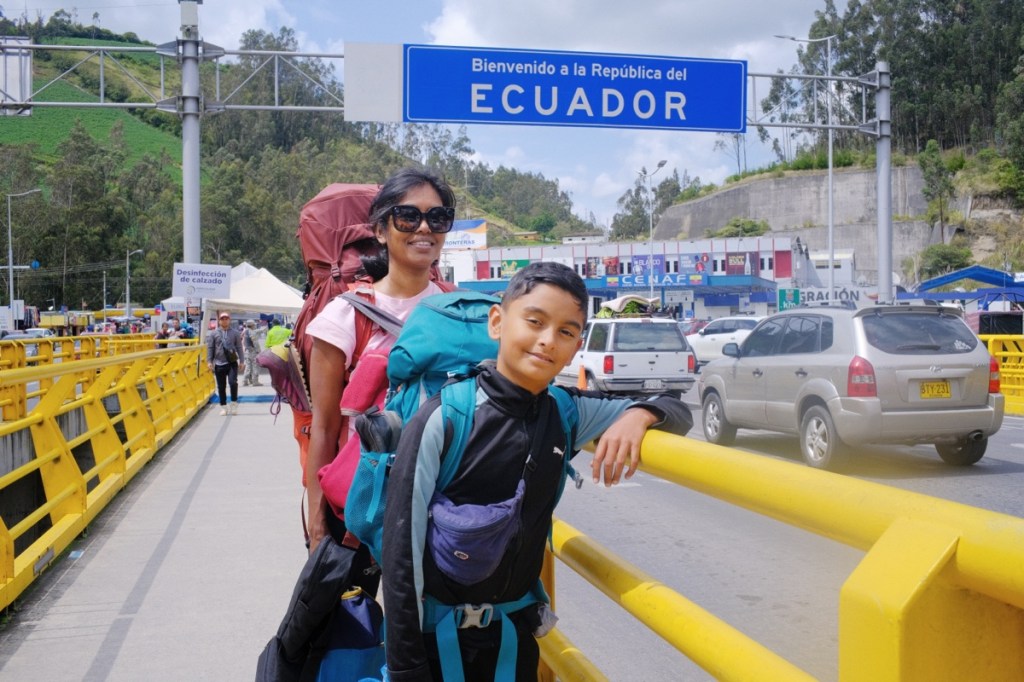
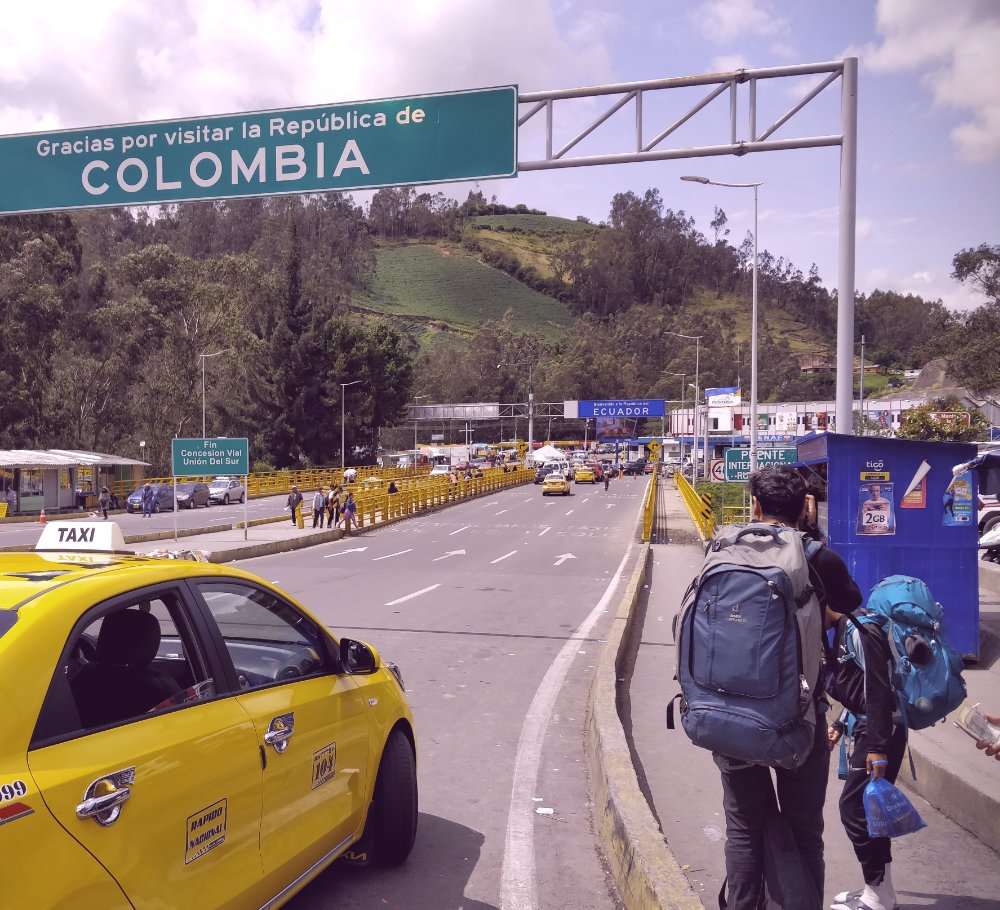
From the center of Ipiales, a city bus takes us near the border, we get off and walk the rest of the way.
Here also, the stamping of passports is a mere formality and goes smoothly. Only the wait on the Ecuador side is a bit longer.
From there a taxi took us to Tulcan, where we could find a bus to Lago Agrio, from where we could take a bus to Coca!
We reached Coca around midnight, about 14 hours after we reached the border. Again, the route to Lago Agrio, along the Andes, was splendid, but most of it was a painfully slow and bumpy dirt path. (The route to Coca was probably nice as well but it was too dark to tell!)
Time to catch some sleep, tomorrow we’re meeting our guide.
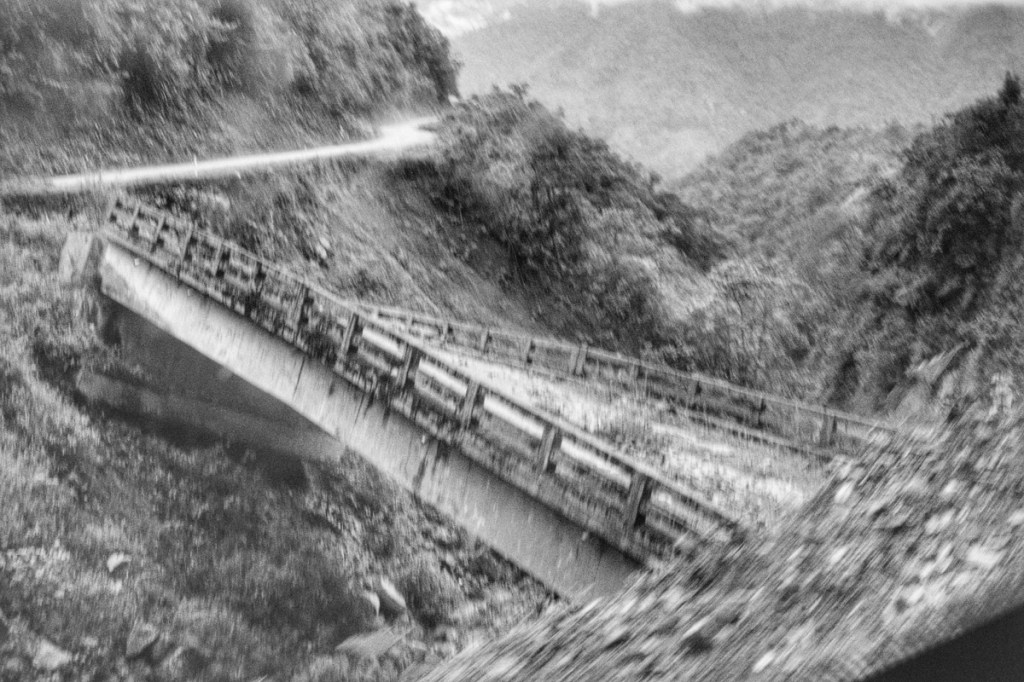
On the route to Ipiales…Feria de blanco y negro: people are ready to get floured!Seats along the side of the road; waiting for the paradeWelcome to EcuadorLeo reflecting in the busThe route to Lago Agrio…The broken bridge
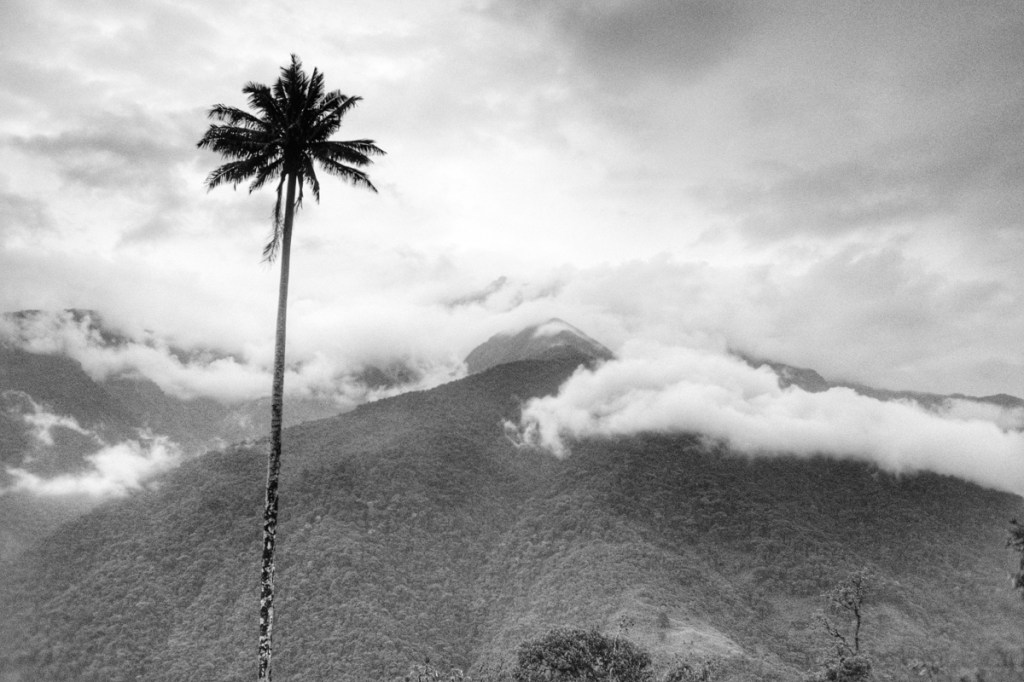
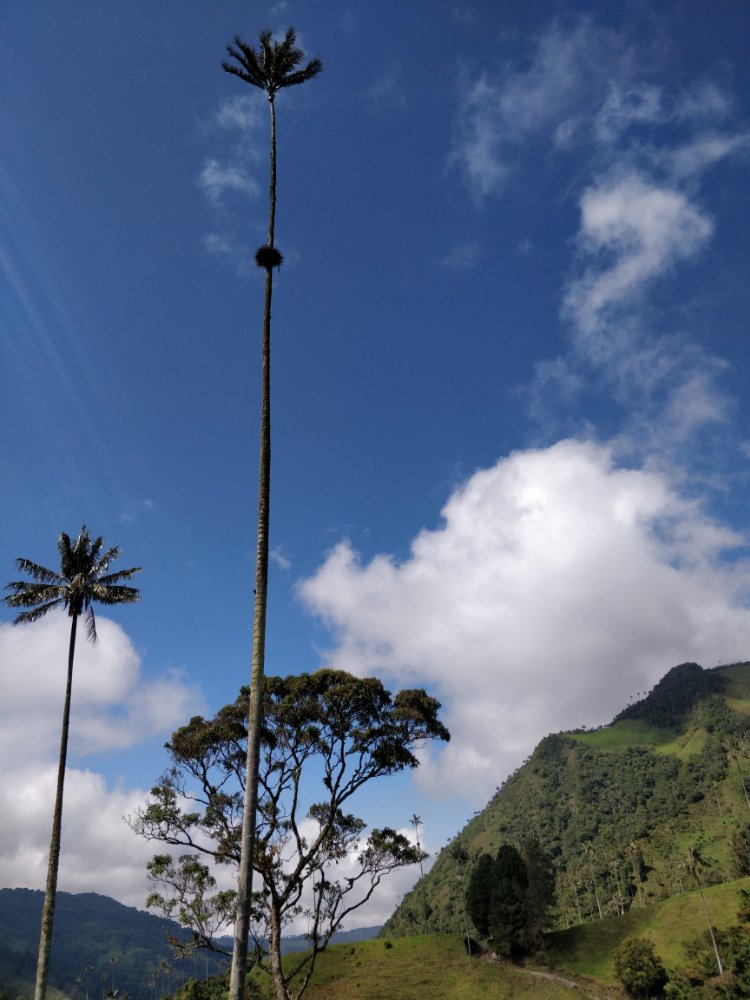
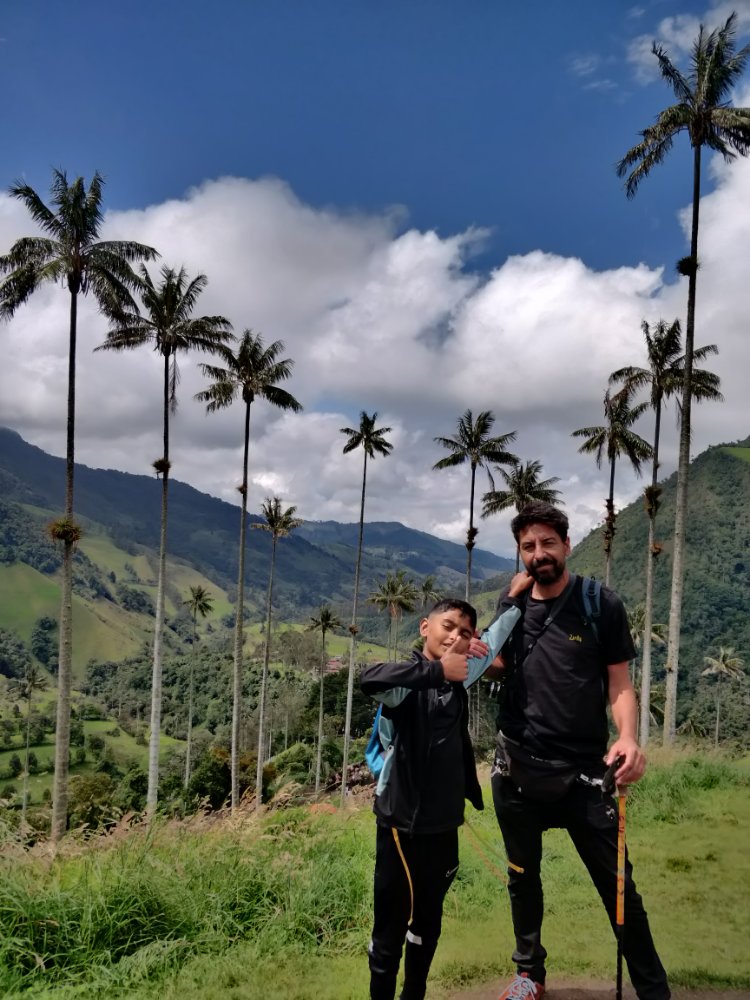
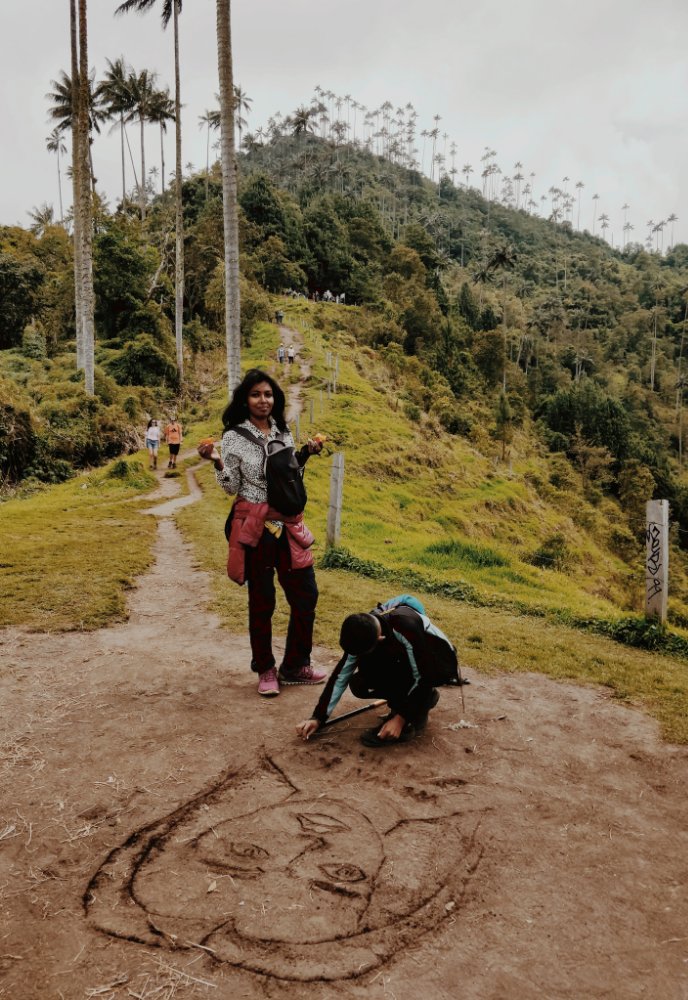
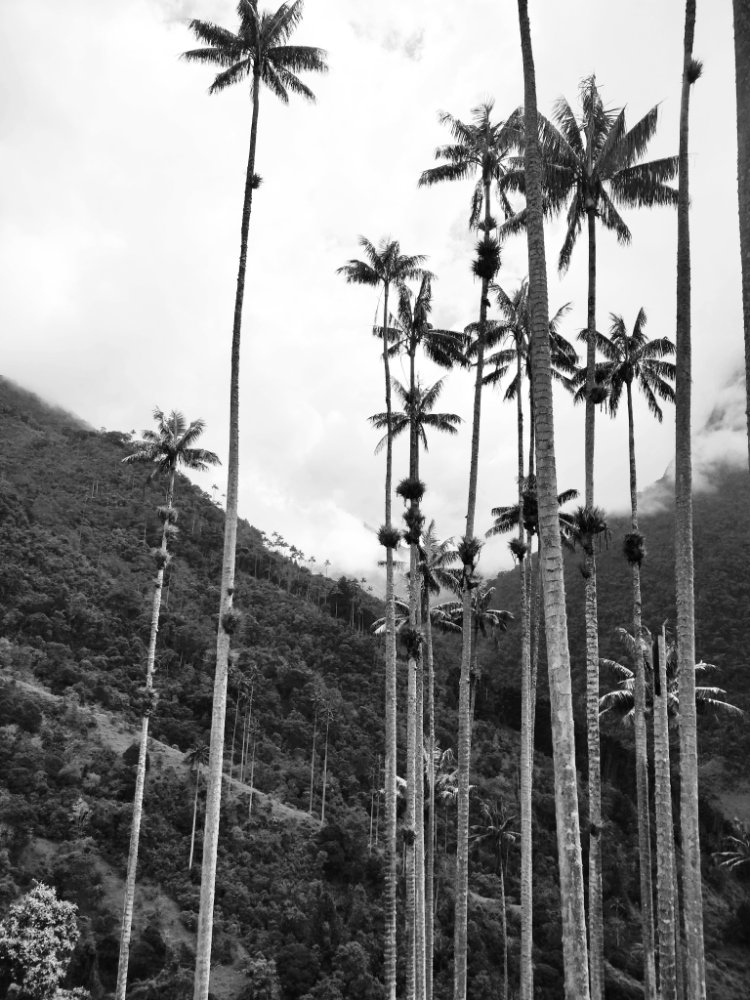
After Medellin we were wondering where to go next. Cartagena was suggested by many but it was expensive and we were afraid that it’d be too touristy so we decided to go to Salento and trek around the Cocora valley. Our hotel was right in the town square. It was the festive season and the town was still lit with Christmas lights. There were loudspeakers blaring loud music – reggaeton and remixes of reggaeton. Luckily, our rooms were not facing the main square so it wasn’t very loud. The trail around the valley took 8 hours and it was splendid! I haven’t seen such tall palm trees in my life. Once we reached the top, there was a hummingbird trail which was optional. It was a bit expensive and required walking across a river, onto a steep hillock which finally led us to a house with a lady feeding the birds sugar water. It did put me off initially as I was expecting a vast expanse of flowers with hummingbirds all around. Nevertheless, we saw some spectacular varieties of hummingbirds with iridescent blue and green feathers, long tails. We finally finished the trek after getting lost for a bit on the way back past a few wooden suspension bridges and waterfalls.
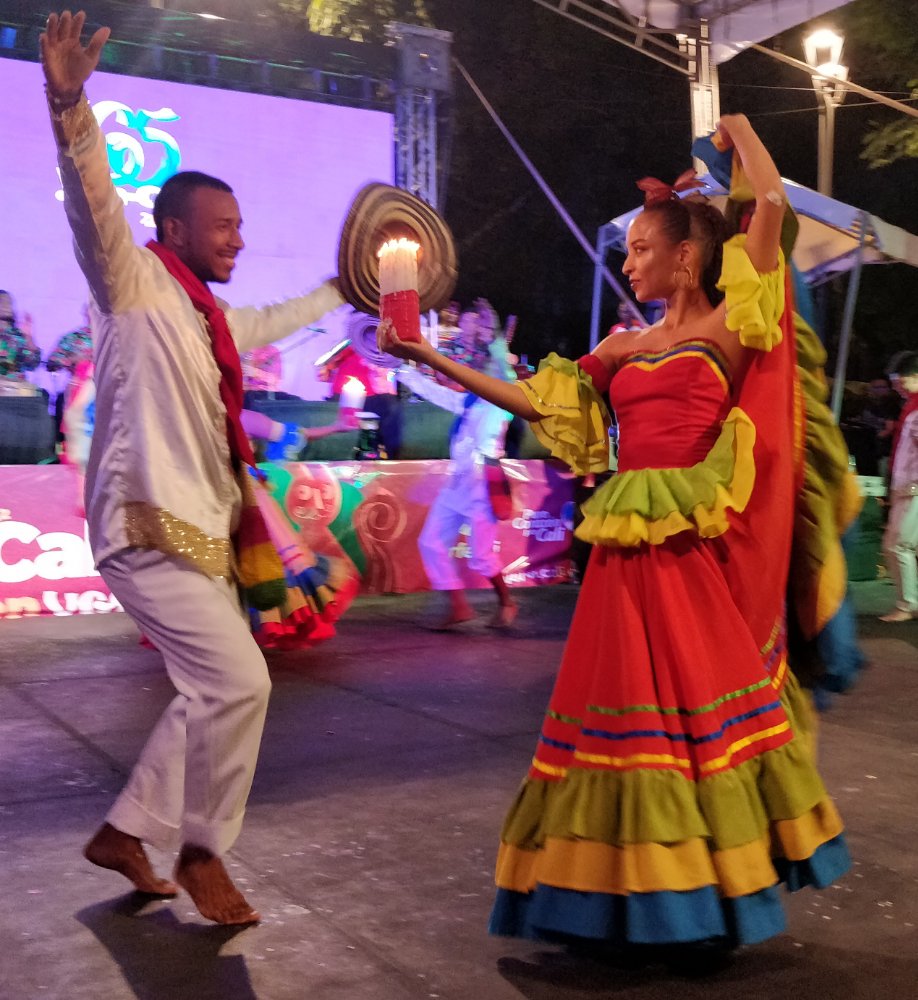
From here we stopped by Cali which is the salsa capital of the world. Luckily it was the annual salsa festival! During the day, there wasn’t much happening but by late evening Cali would liven up with the best of salsa musical performances. Unfortunately, we were not allowed in these venues because Leo was with us. We convinced him to stay back at the Airbnb on the last night of the salsa fest and went around midnight to a venue across the street. By this time all the musicians had left and we were listening to a DJ set of salsa music 😂🎶
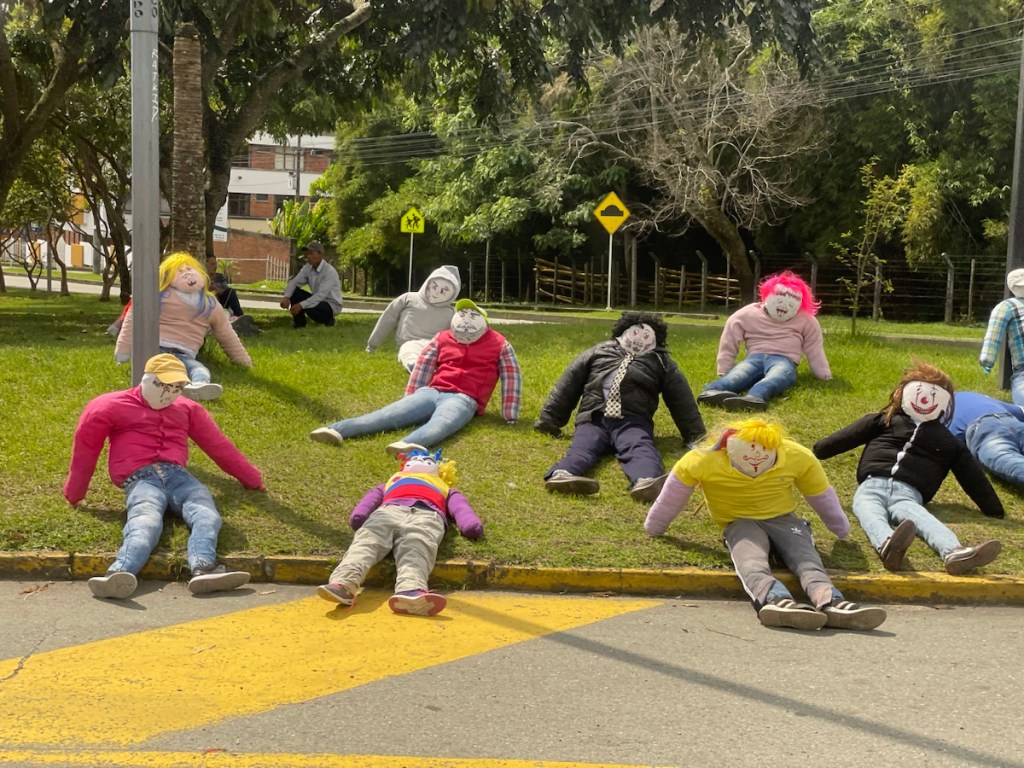
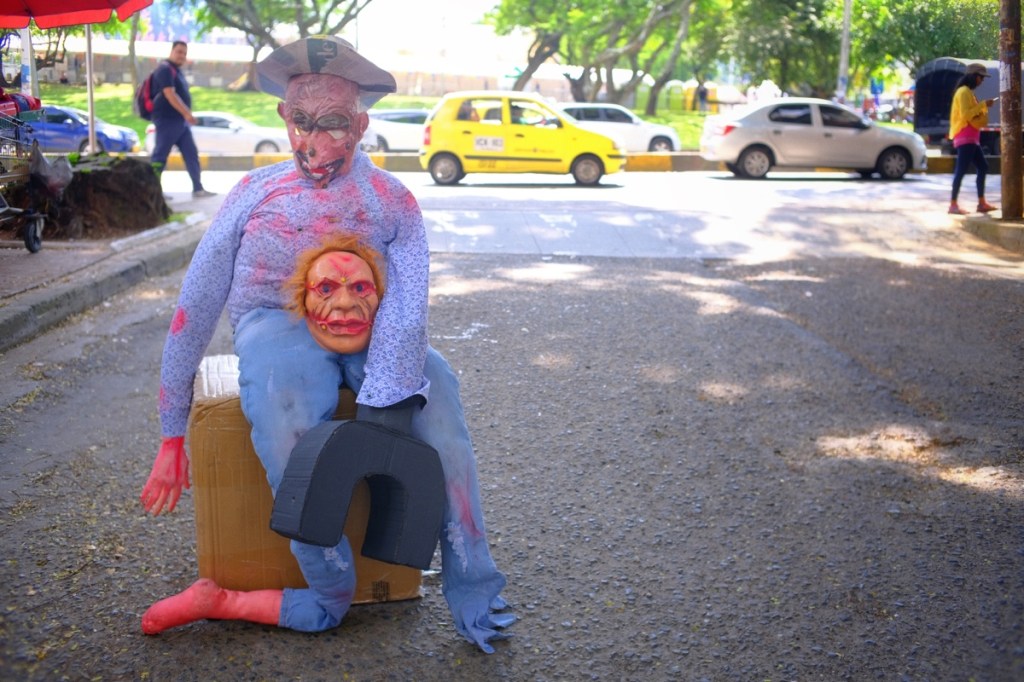
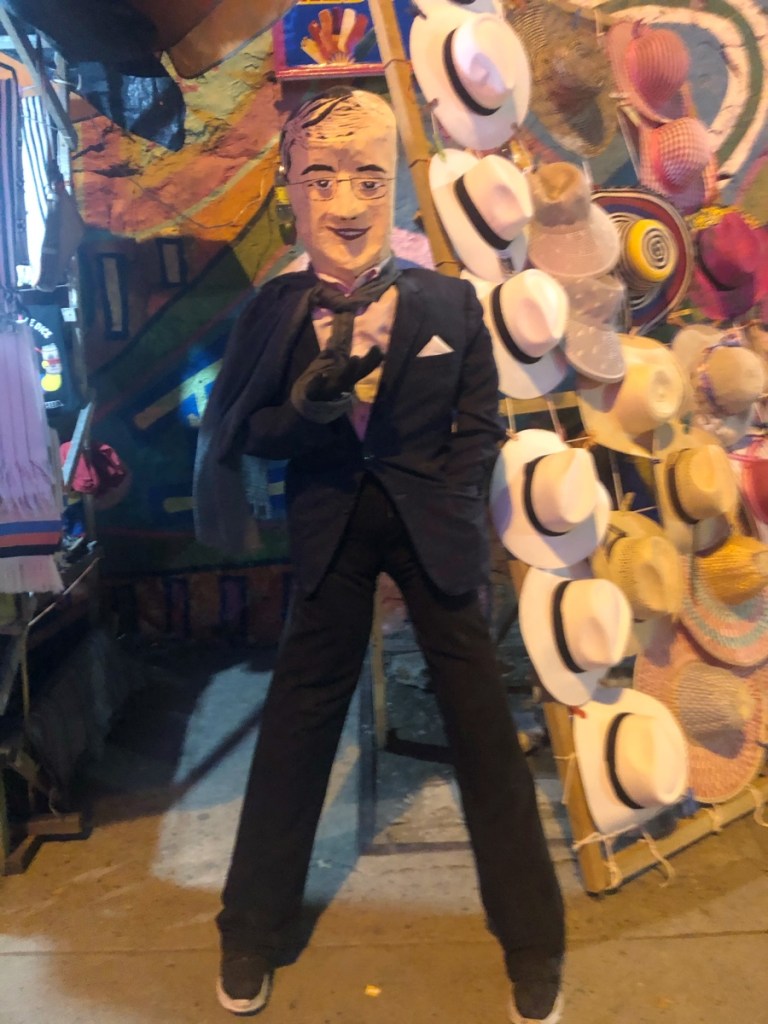
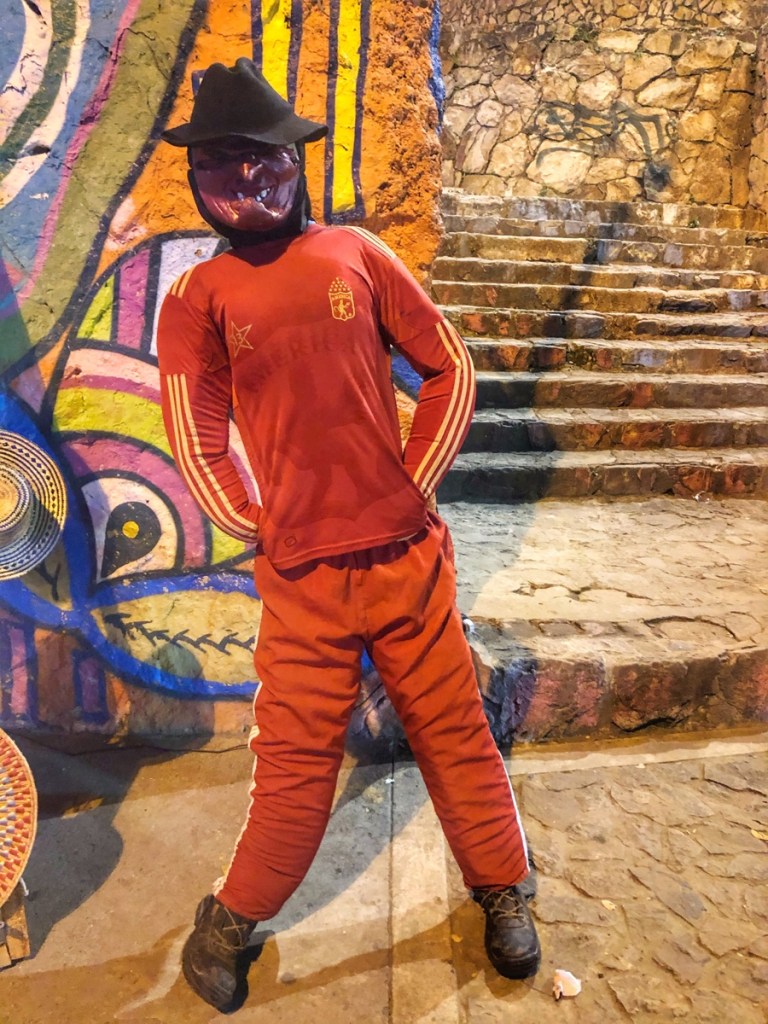
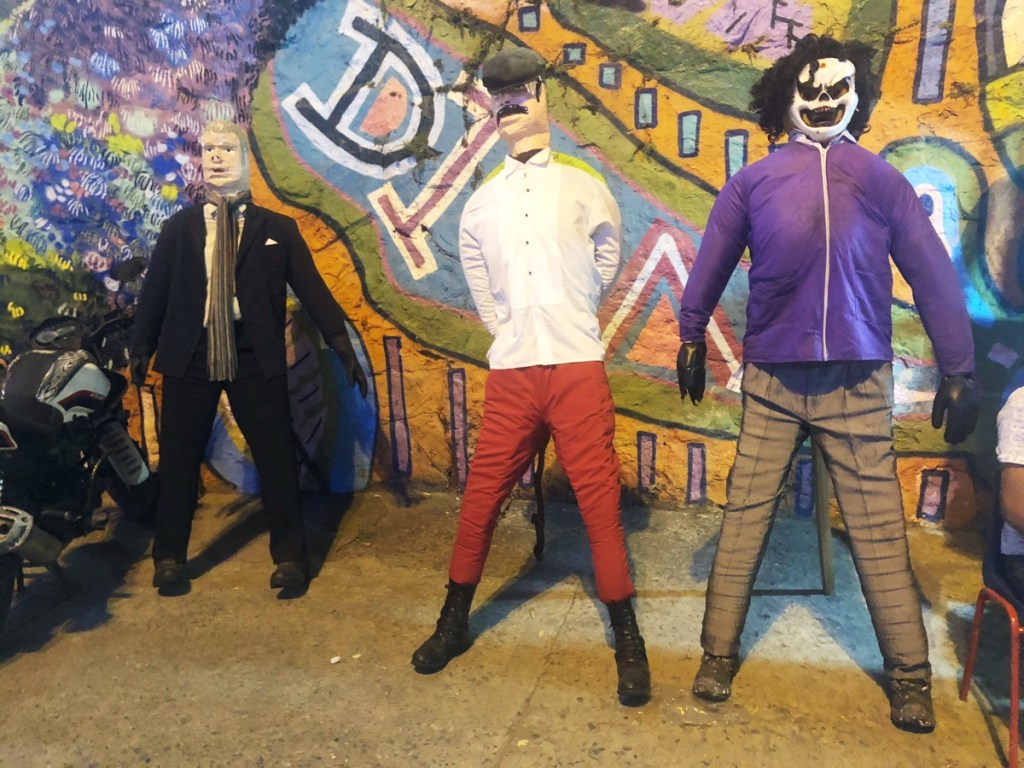
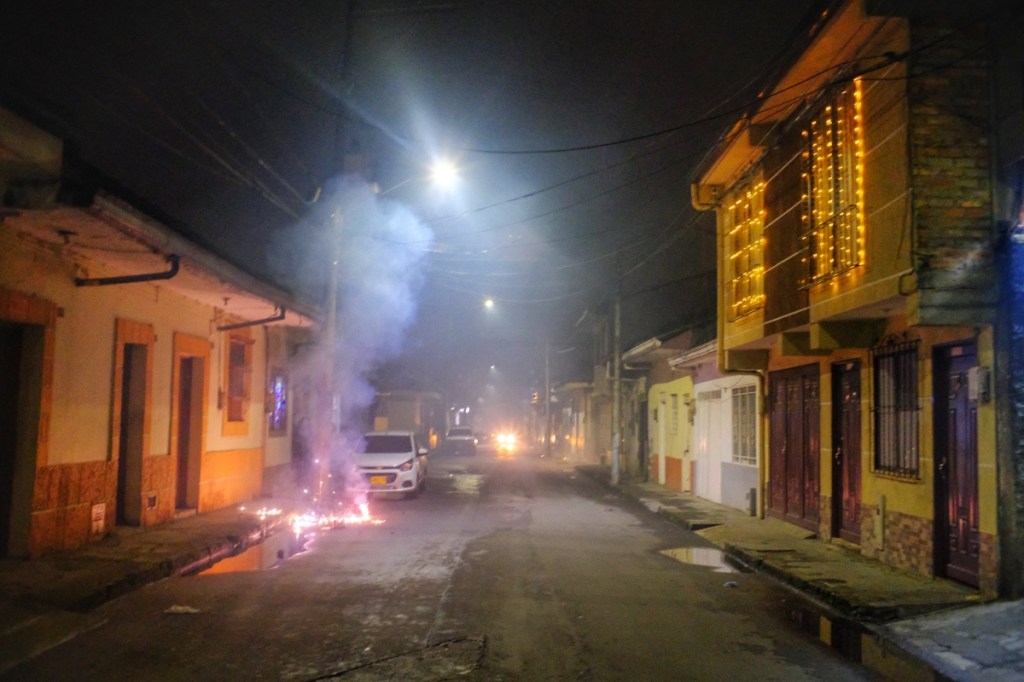
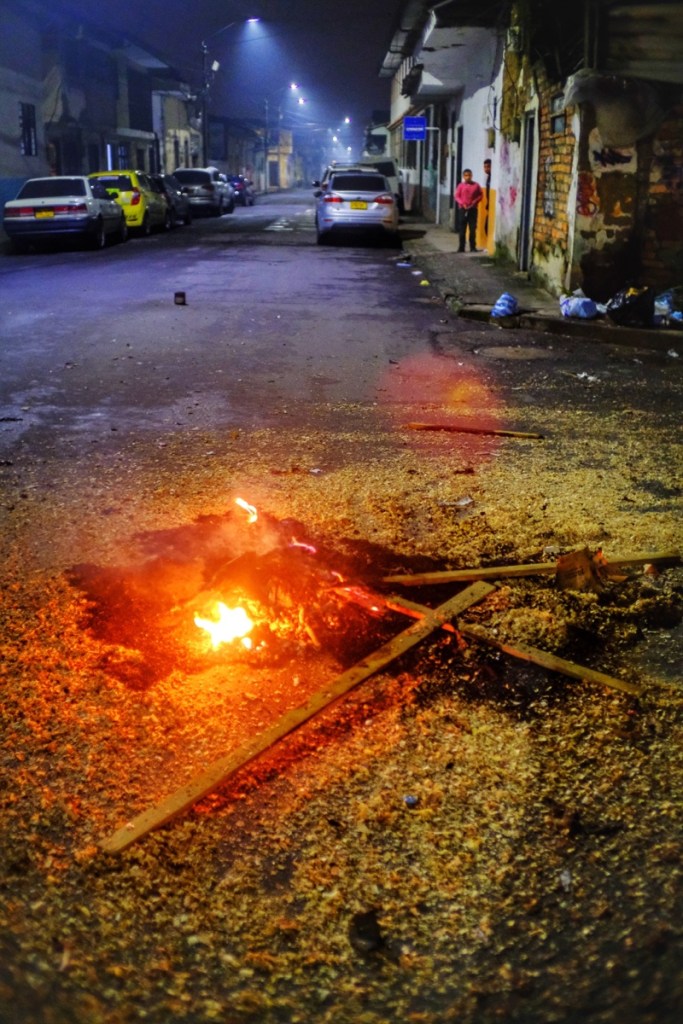
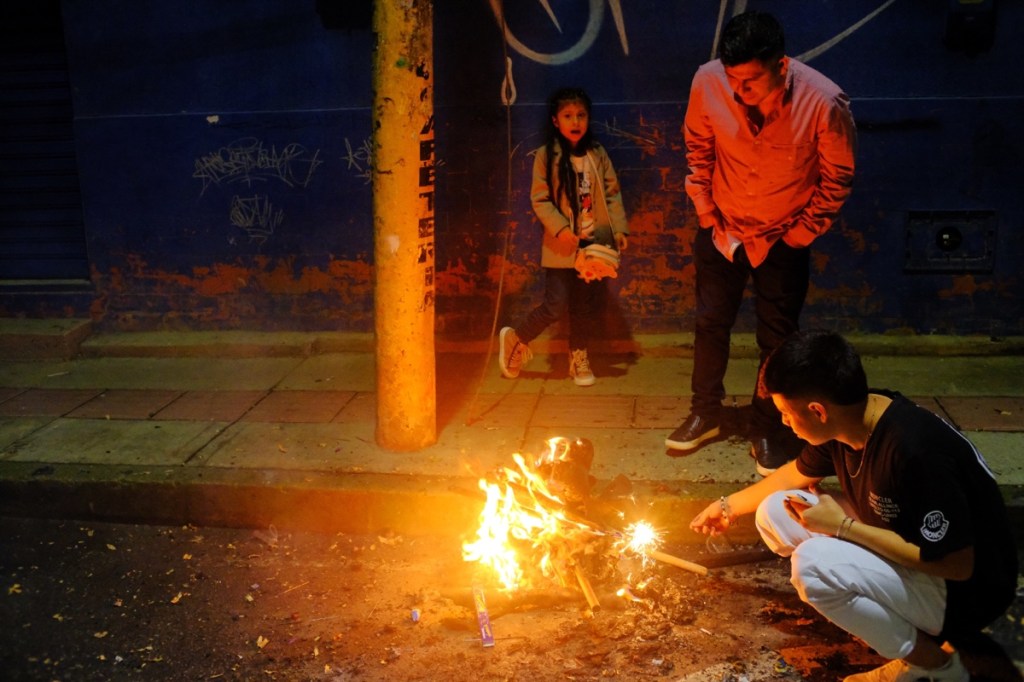
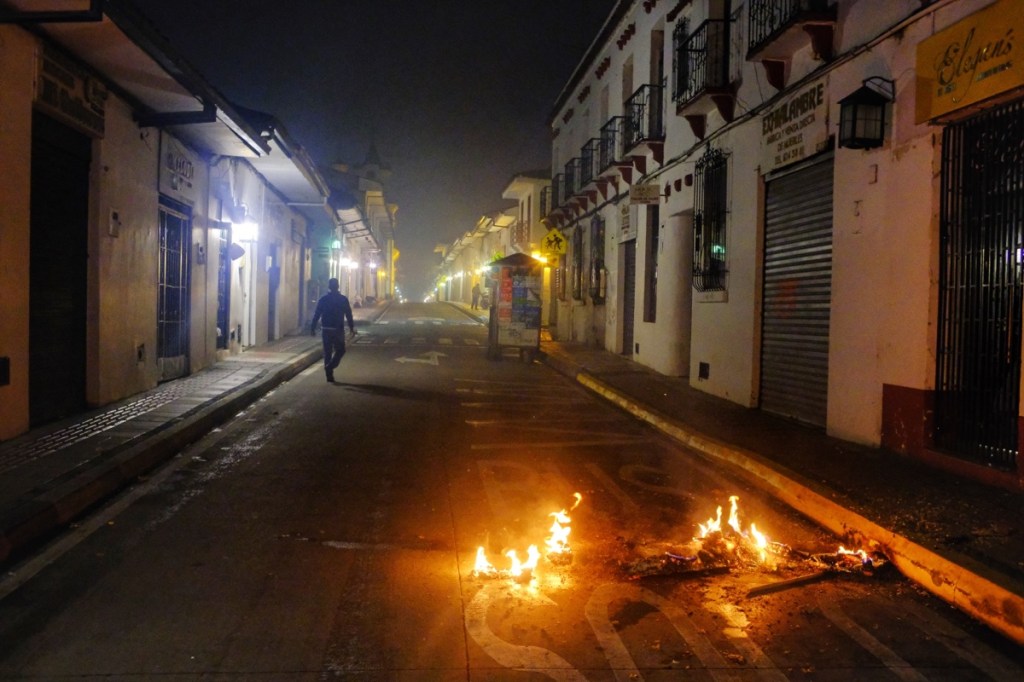
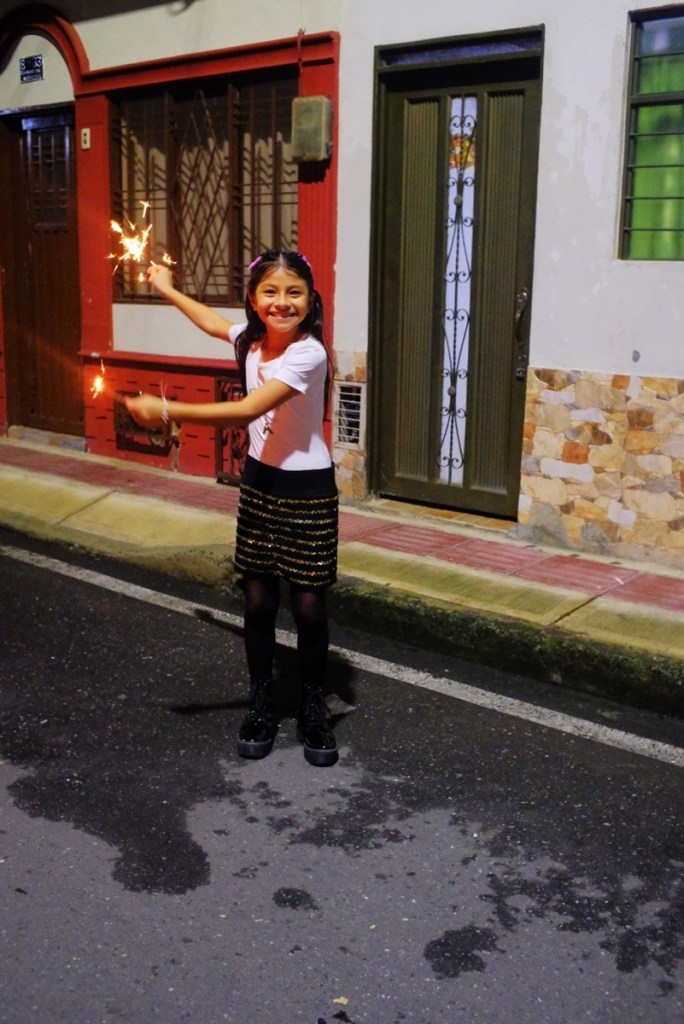
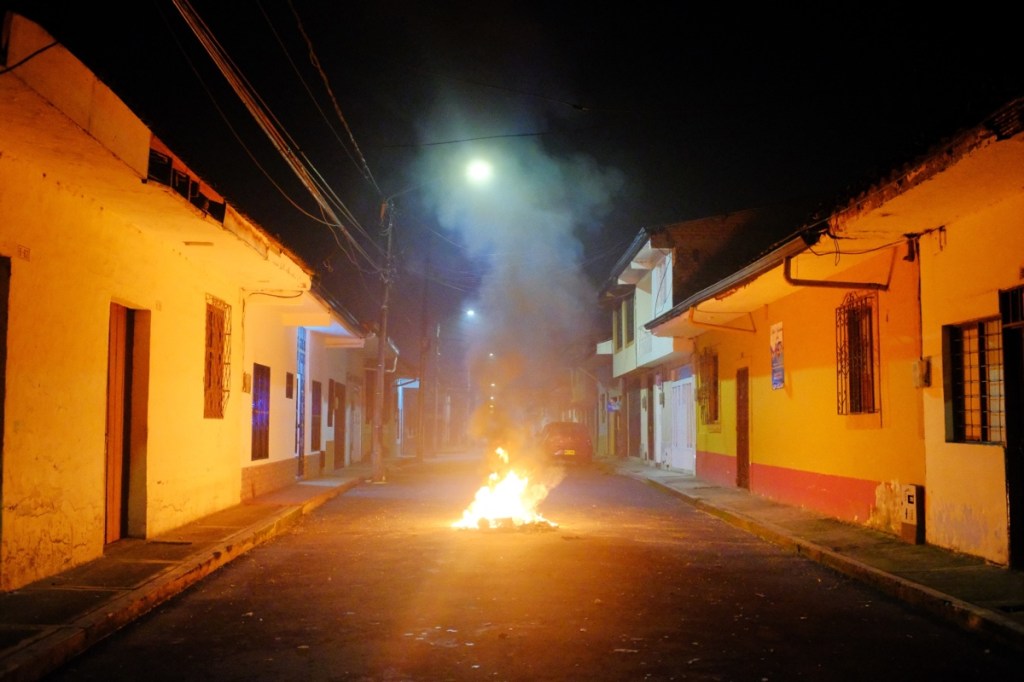
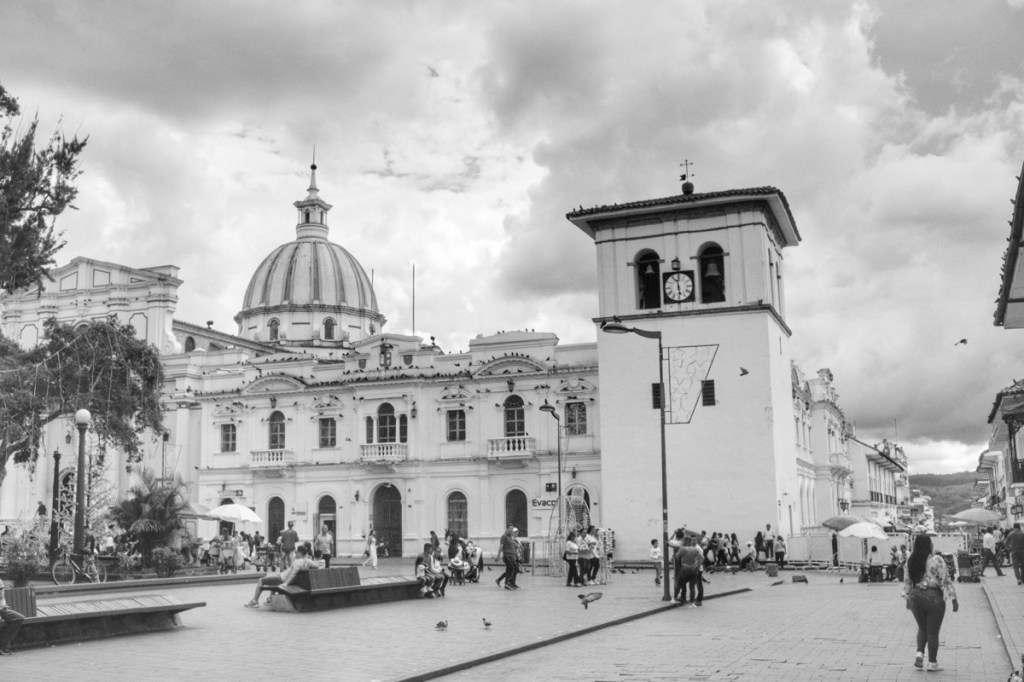
The next stop was in Popayan, a whitewashed colonial city. We chose this town to celebrate new years eve. Twas just the three of us. The Colombians version of the old man is typically a political figure stuffed with firecrackers. They’re set on fire to welcome the new year.
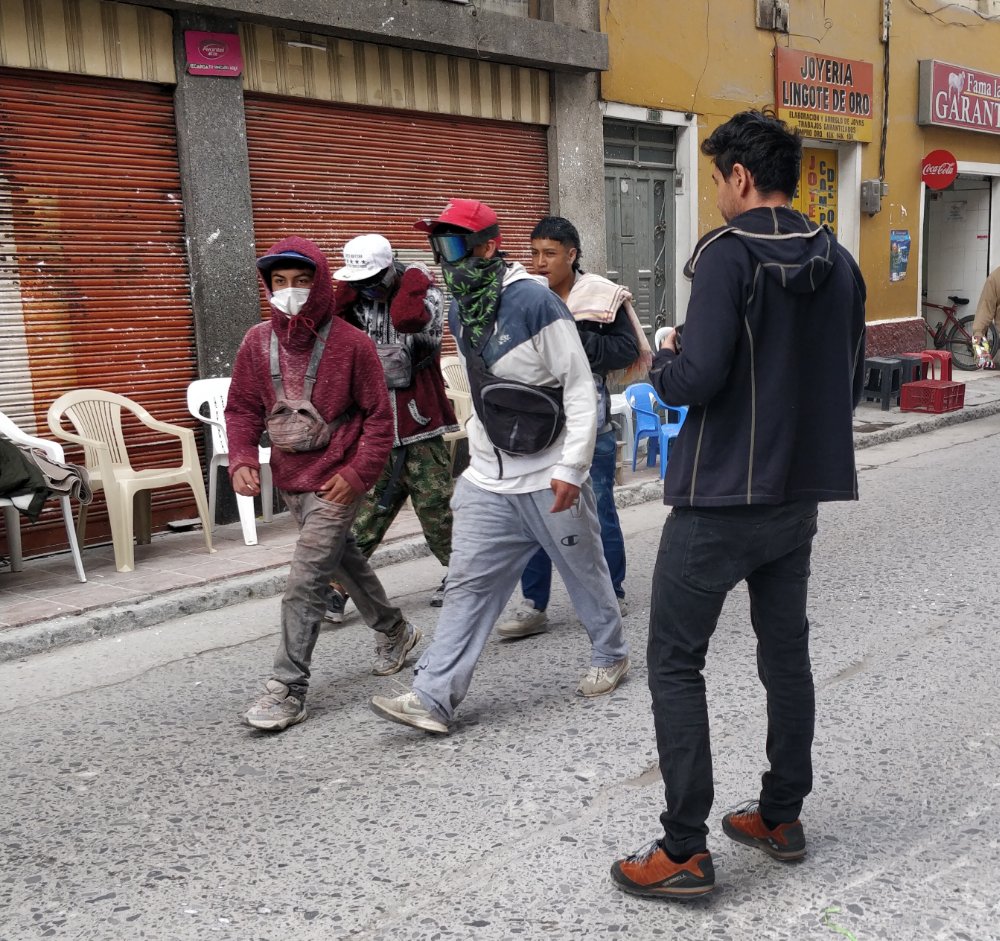
We took a bus to Ipiales which is a border town to continue our journey to Ecuador. Epiphany in Colombia is huge as people celebrate the day of the black and white. All around people were throwing water, flour and shaving cream. We arrived at our hostel at 11 in the night after a long bus journey. We almost slipped at the entrance which was laced in flour dough slick. We could hear people celebrating.
Ipiales has a reputation for being a dangerous town. The hostel entrance had a double door and had a huge lock with chains. Once we were in, Arjun asked if we could venture out to celebrate the festival and the girl shook her head in disapproval – too dangerous for gringo faced Arjun. So we could only watch it from our bus the next morning on the way to the Ecuadorian border. It seemed like fun.
Goodbye Colombia and all the lovely Colombians we met. We love you all!
Palm trees reaching for the skyLeo does my caricature on the ground I love these trees Cali salsa festival – folk dance Popayan town square Ipiales black and white carnival revellers Colombia and Ecuador border
Continuing south from Cali, we reached Popayan on new year’s eve, our last major stop in Colombia.
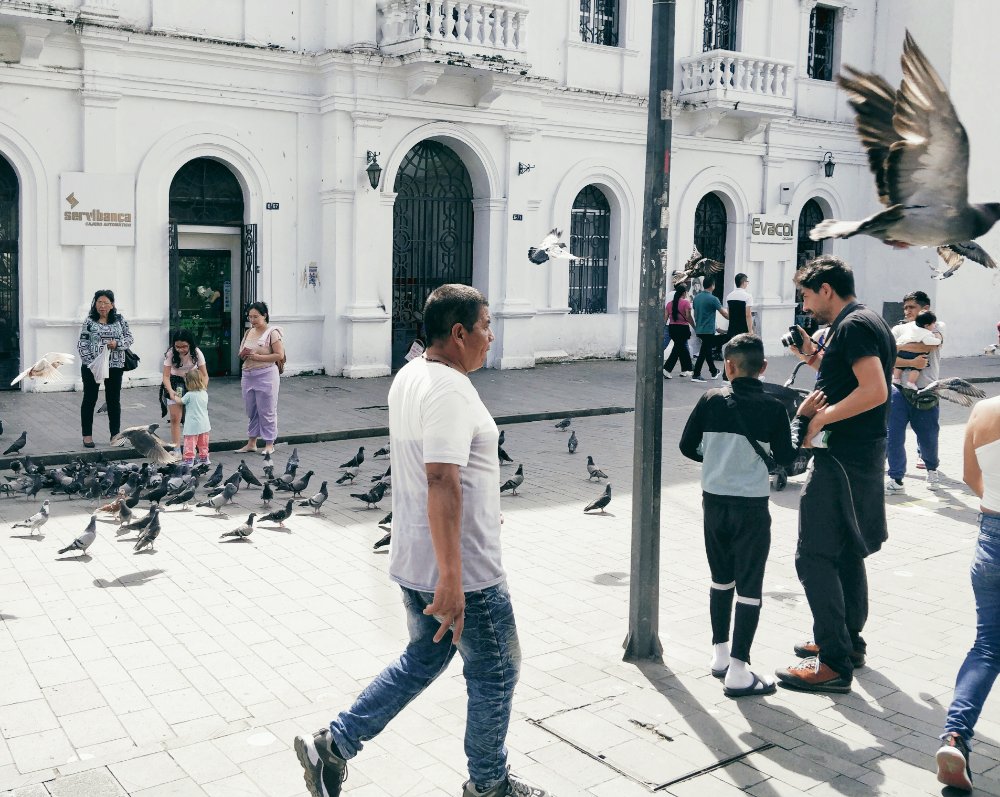
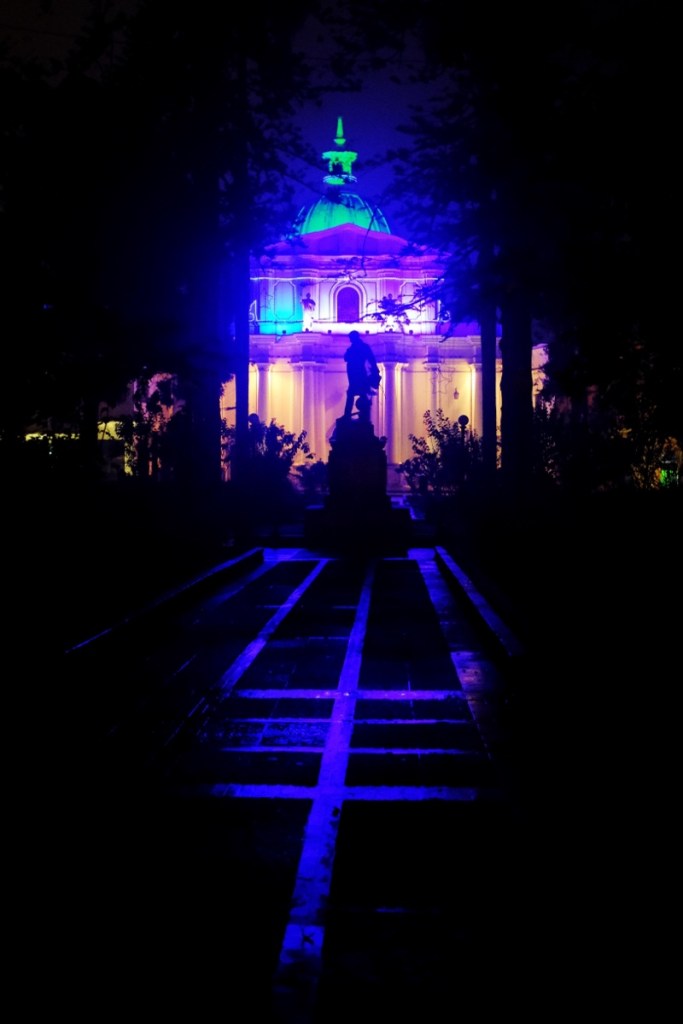
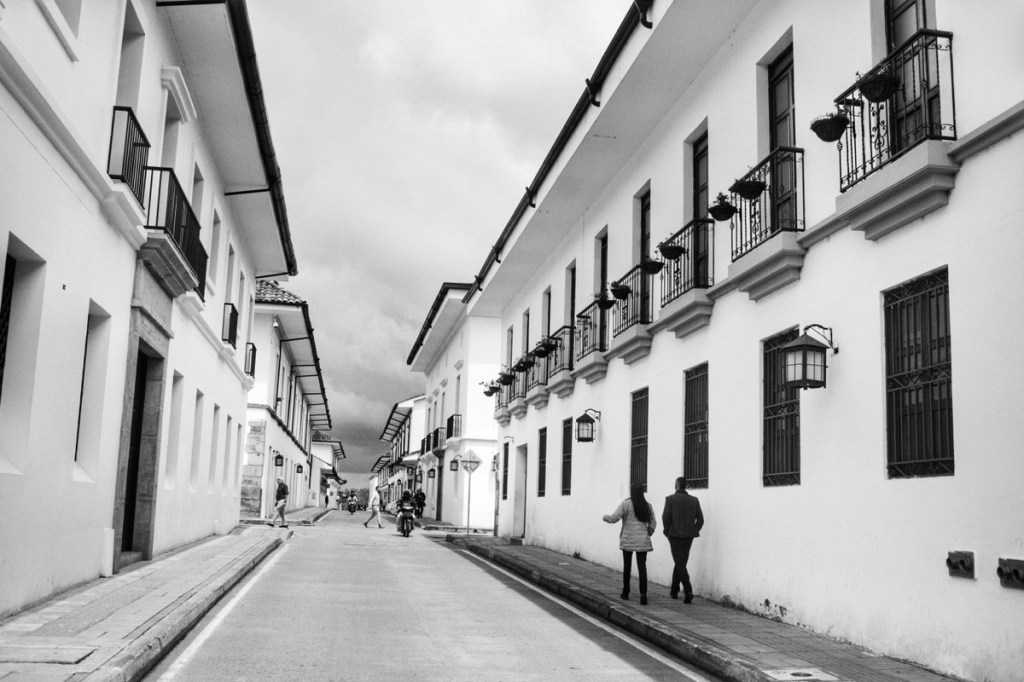
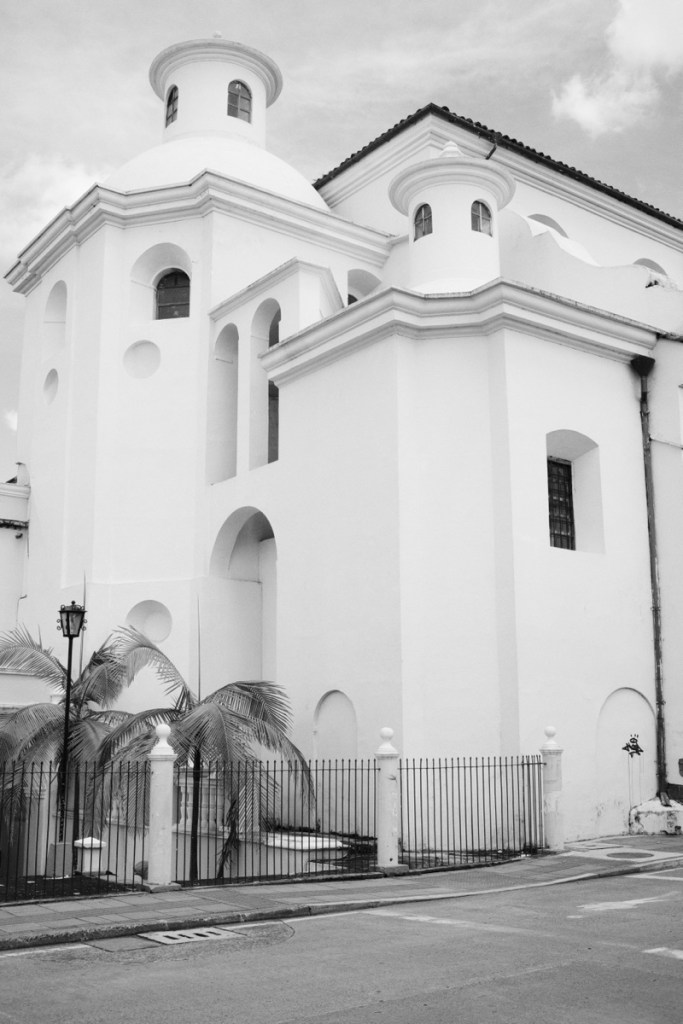
Popayan is an old colonial town with an all white historical center. Leo kept saying it looks like greece 🙂
Nothing particularly festive on our side for new year’s eve; we just shared some wine and hugs in our hotel room 🙂
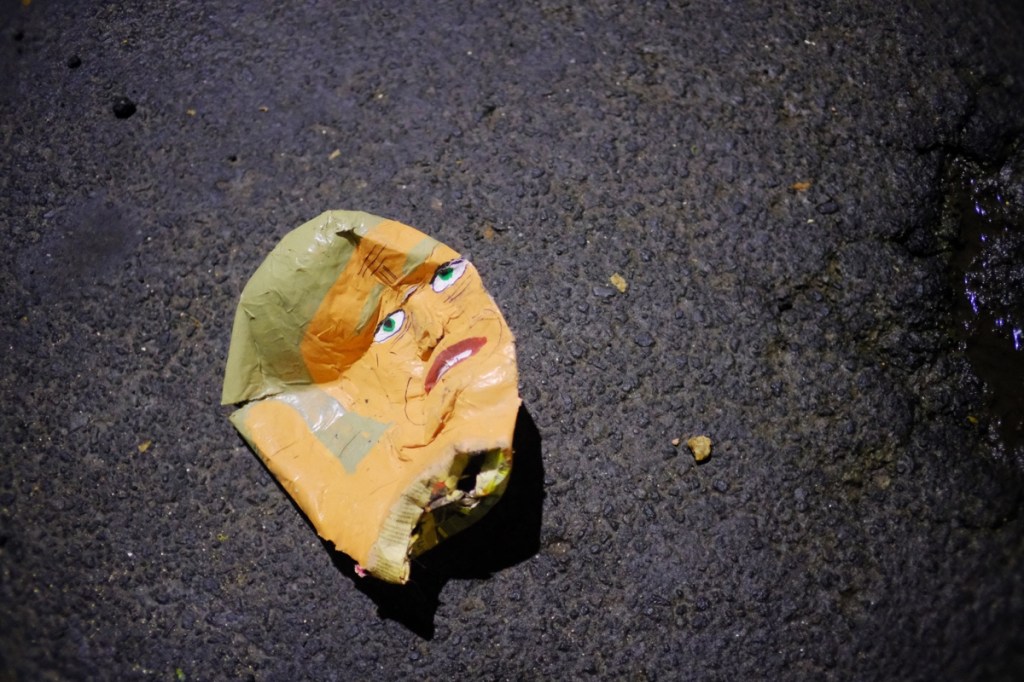
The most notable part was the burning of the Taitapuros! All over Colombia (and other parts of latin America) life size human figures made of straw and fully dressed, often packed with firecrackers, are exposed along the side of the road, waiting to be set on fire on the 31st at midnight.
They represent the demons and all the bad things of the past that must be burnt to start the new year fresh and clean. The amusing part is that they often impersonate politicians!
We didn’t do much during our five days in Popayan, it was mostly a chill break from long bus journeys. And an opportunity to catch up with Leo’s schoolwork.
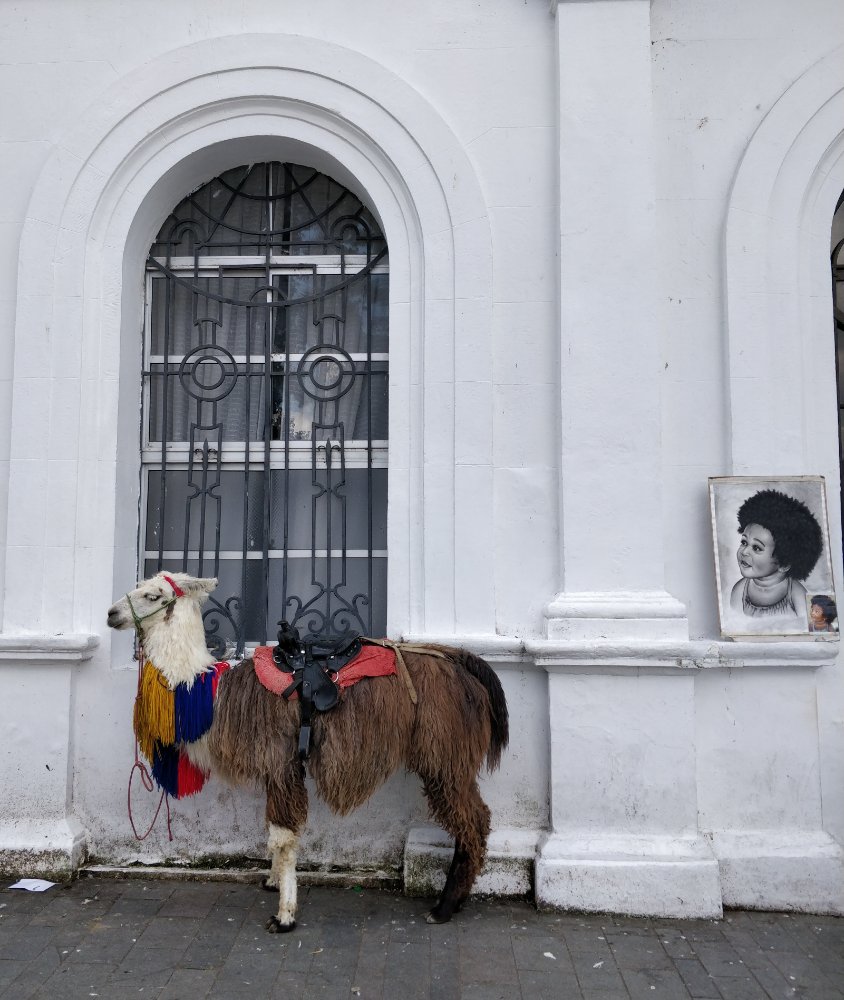
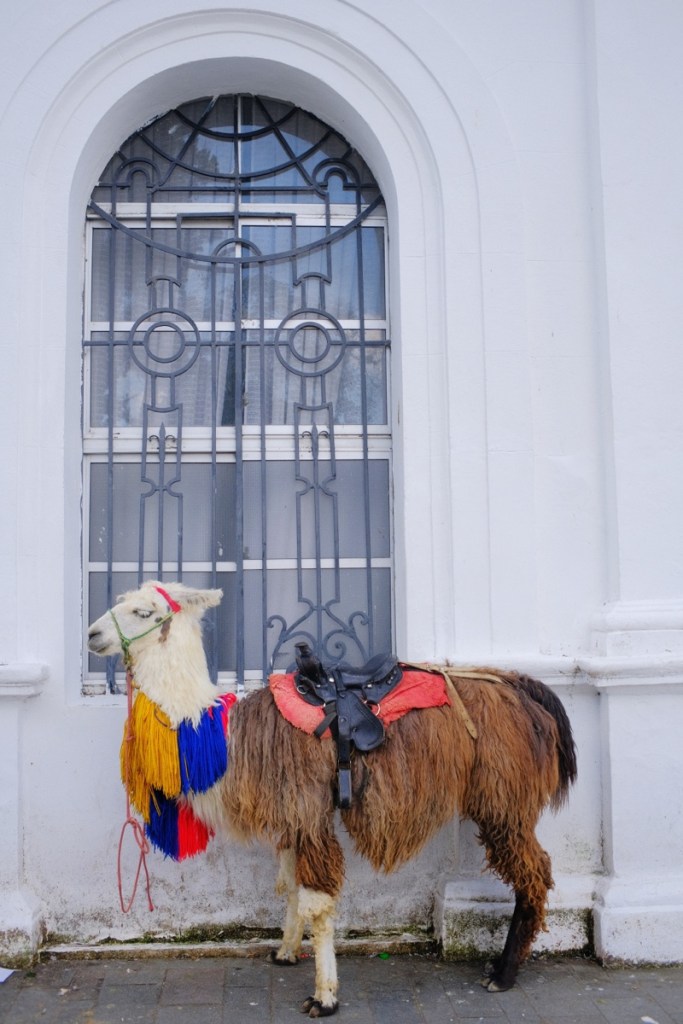
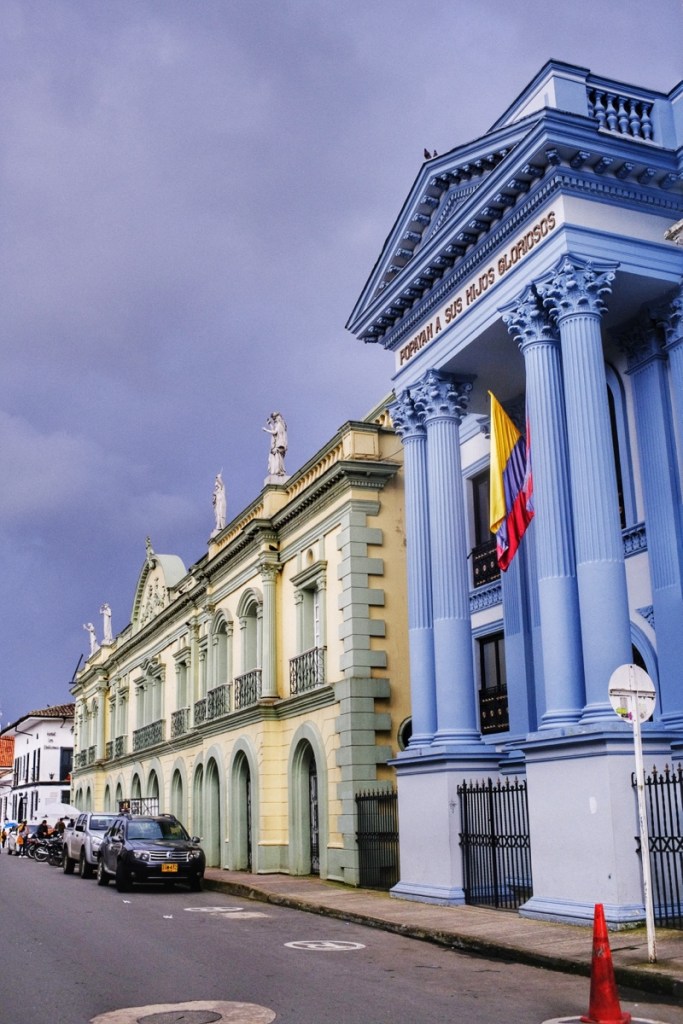
Taitapuros on the roadside Off with their heads!!Inhabitants of Popayan celebrating the new yearZocalo de Popayan White streets of Popayan The traditional lama picThe only two coloured buildings in the center!



 Raahi - A traveling family