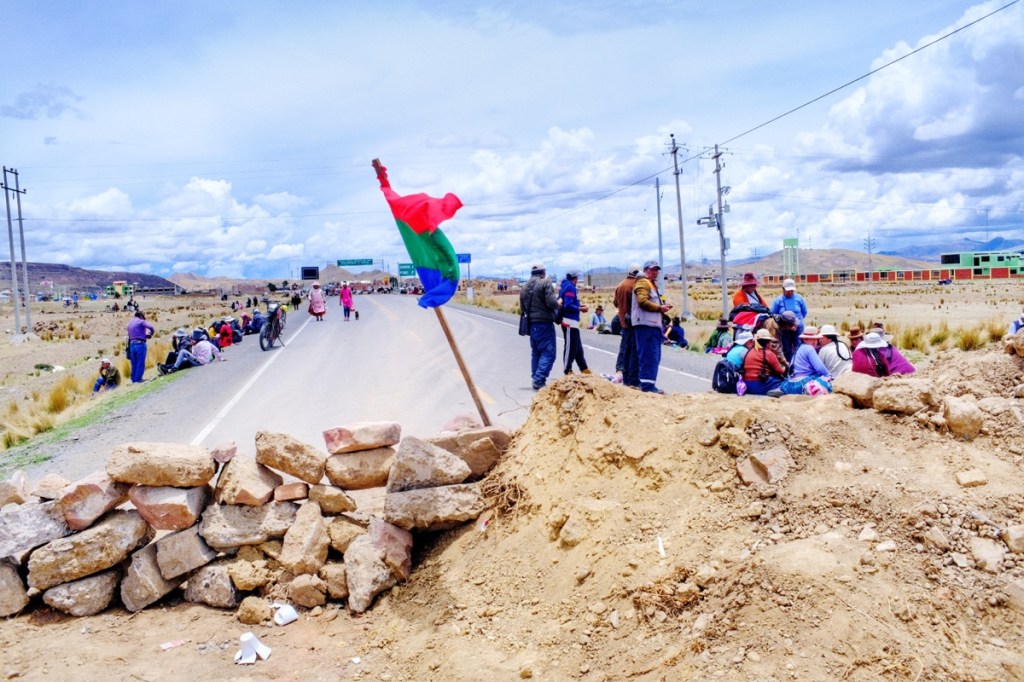
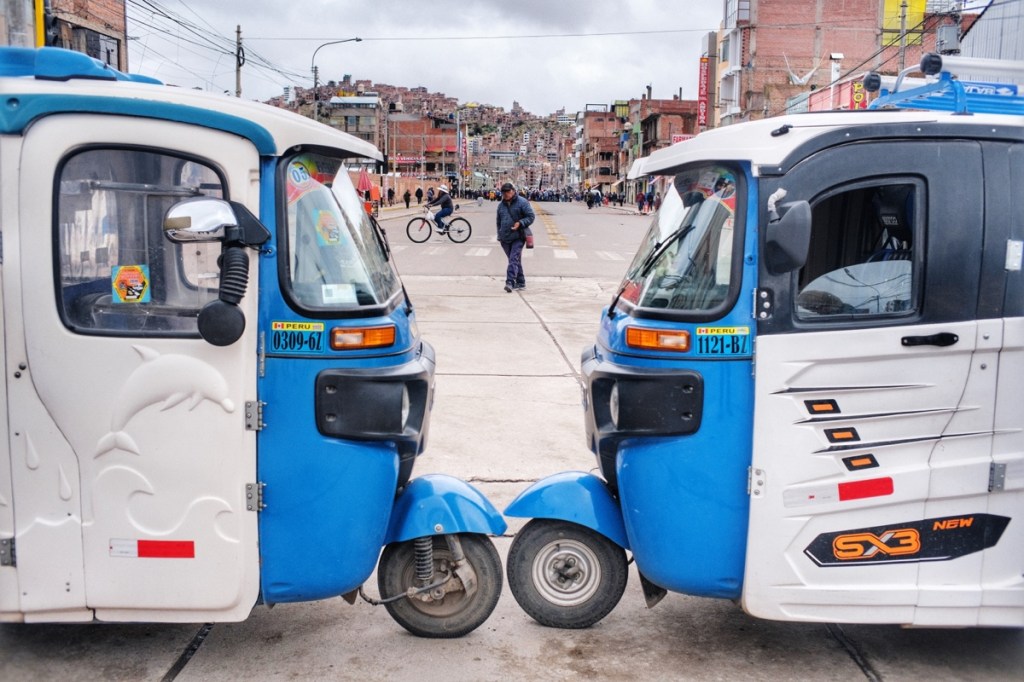
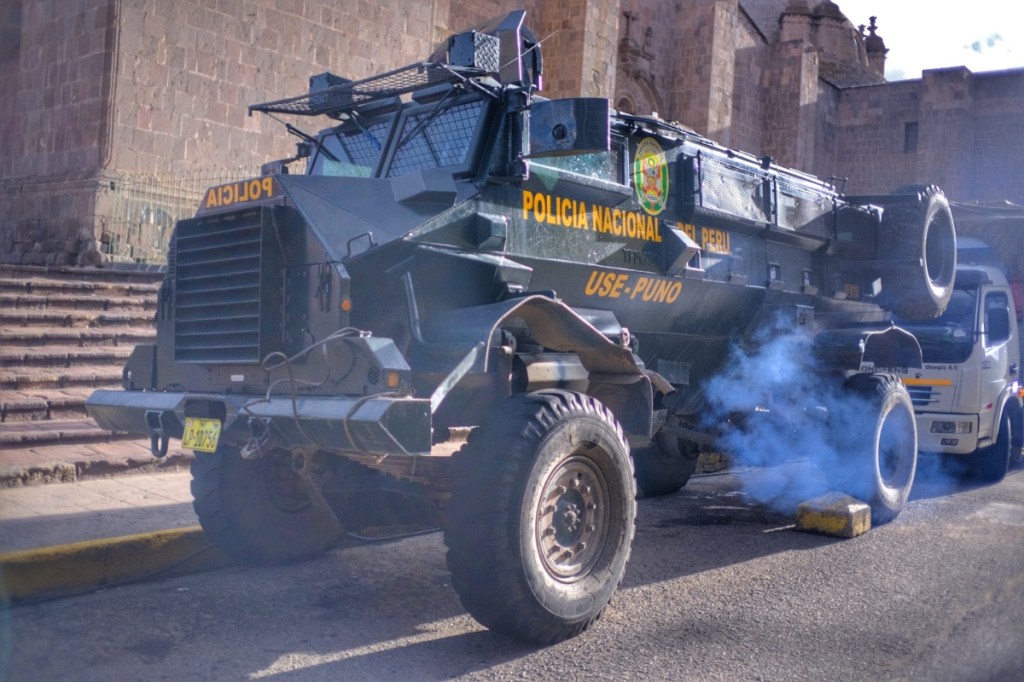
From Cusco we want to get to Puno, which is normally 7 hours away by bus, on the shore of the Titicaca lake. But we hear of protesters blocking the roads, and no bus is leaving in that direction. The bus terminal is deserted and most counters are shut.
We have to wait a few days more in Cusco. Everyday we try to contact bus companies but none is leaving.
Eventually we find a nameless counter that advertises shuttles to Juliaca, an hour away from Puno; we can’t stay here forever, we take the chance. They charge 3 times the normal price and explain that the trip will last around 12 hours because they’ll have to get around the road blocks.
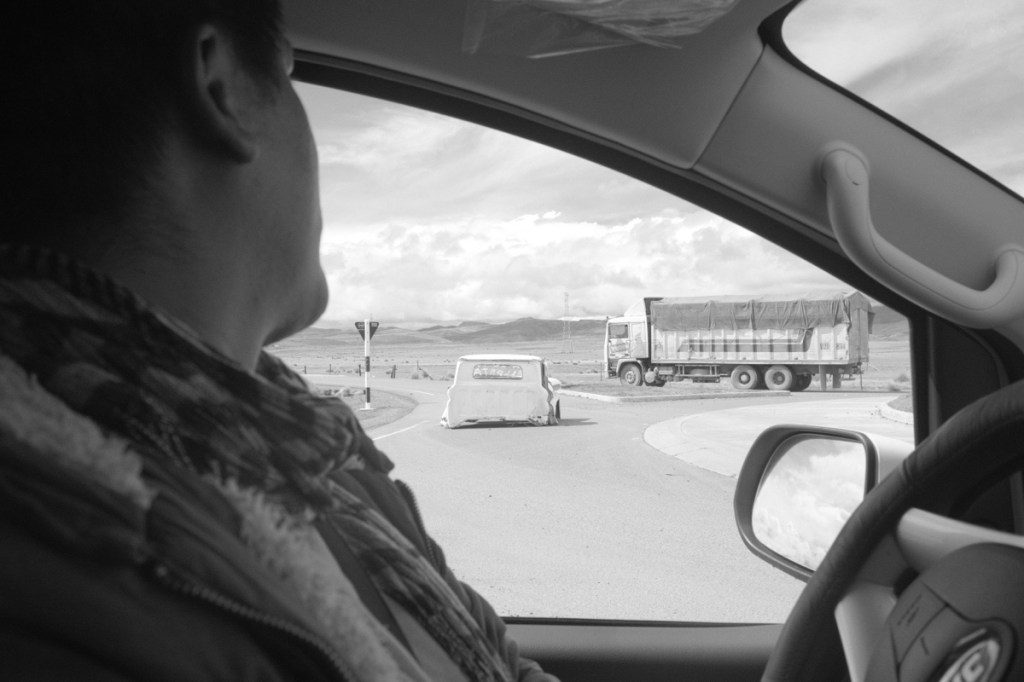
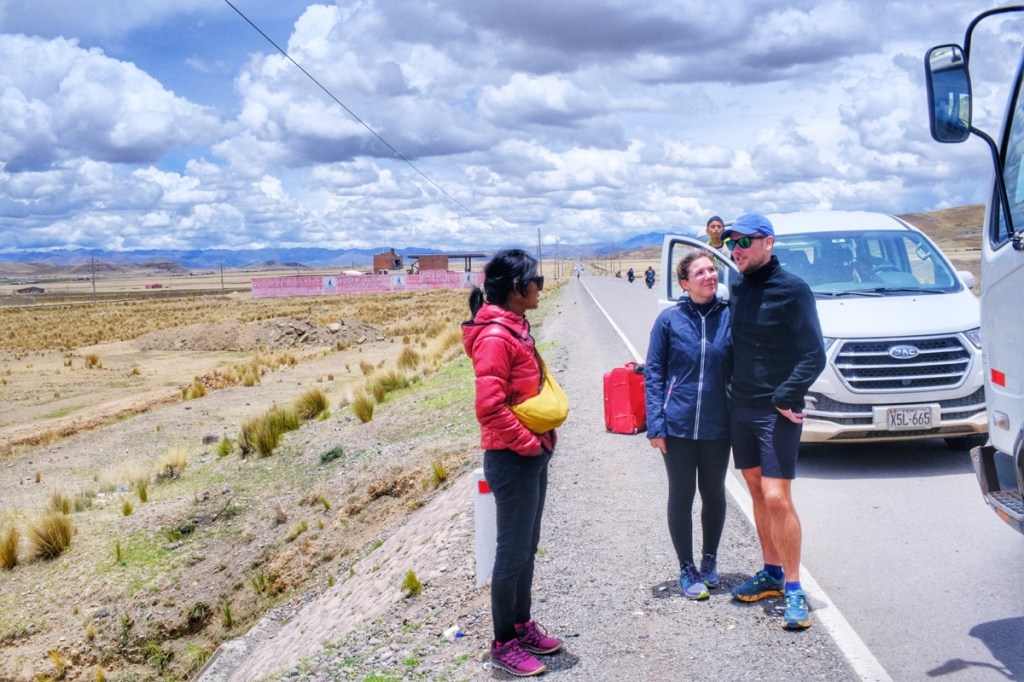
At 2pm, we meet our travel companions; Henry the driver, Celine and Antoine, a French couple, Jorge and Judith, a Peruvian couple. And off we go.
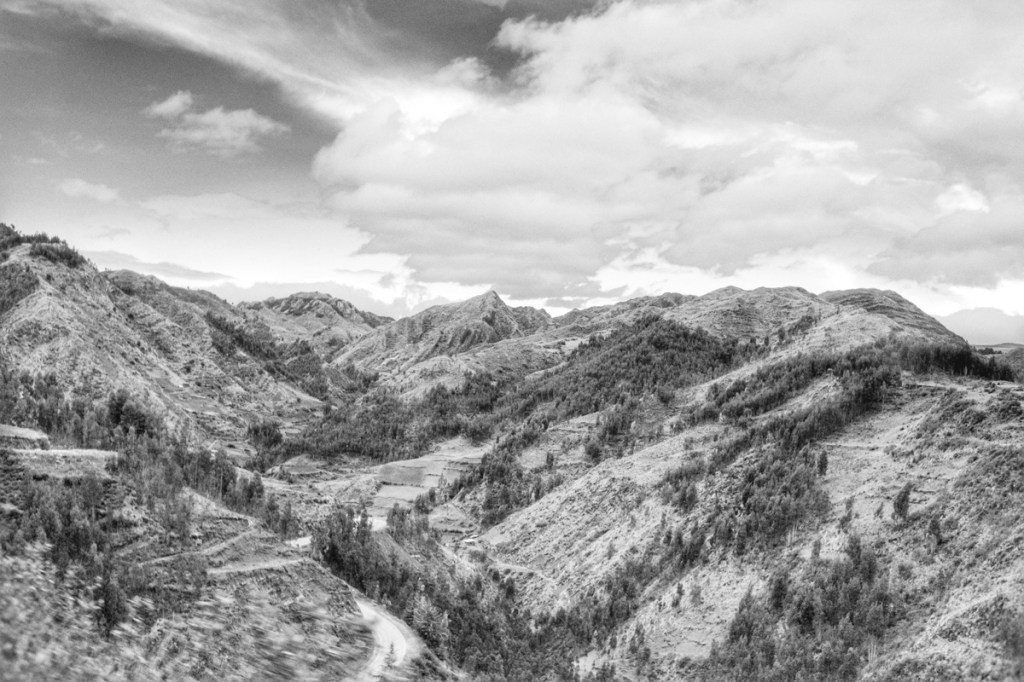
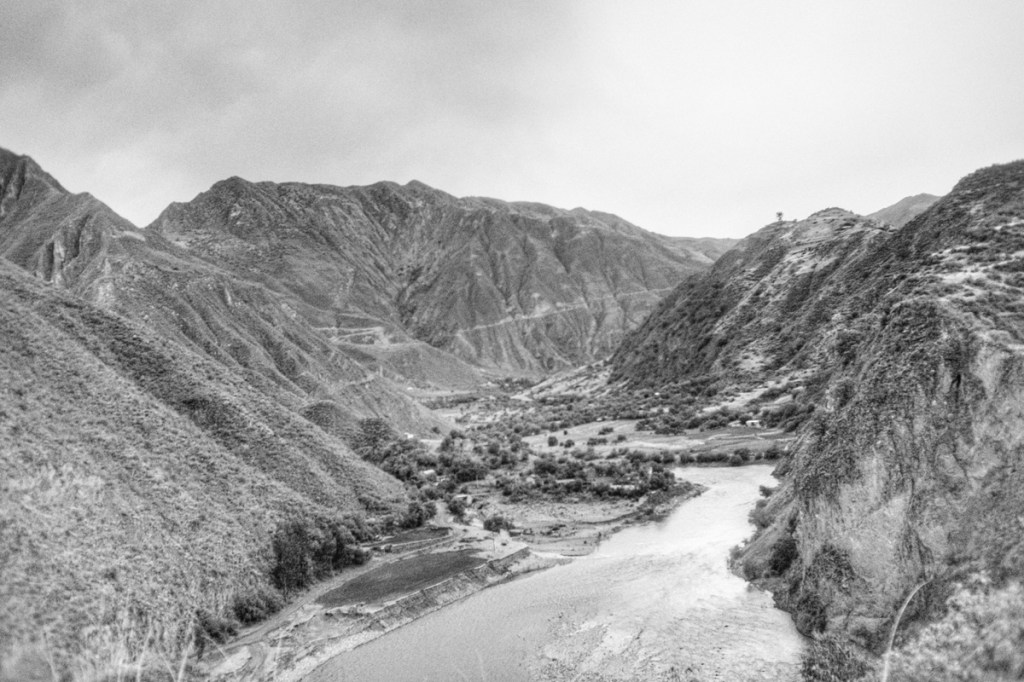
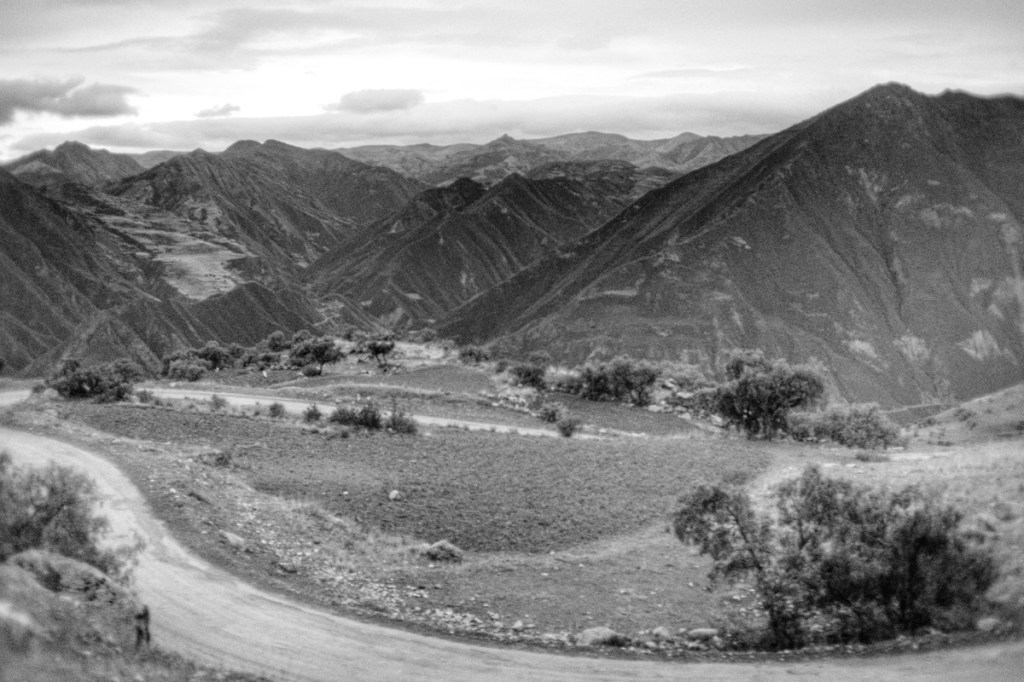
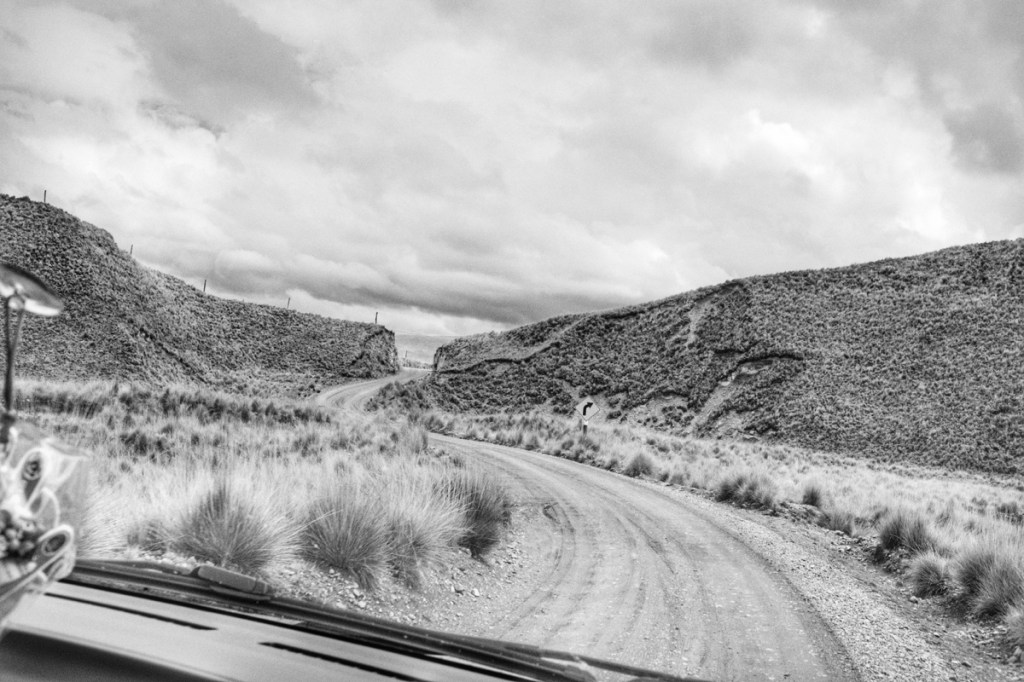
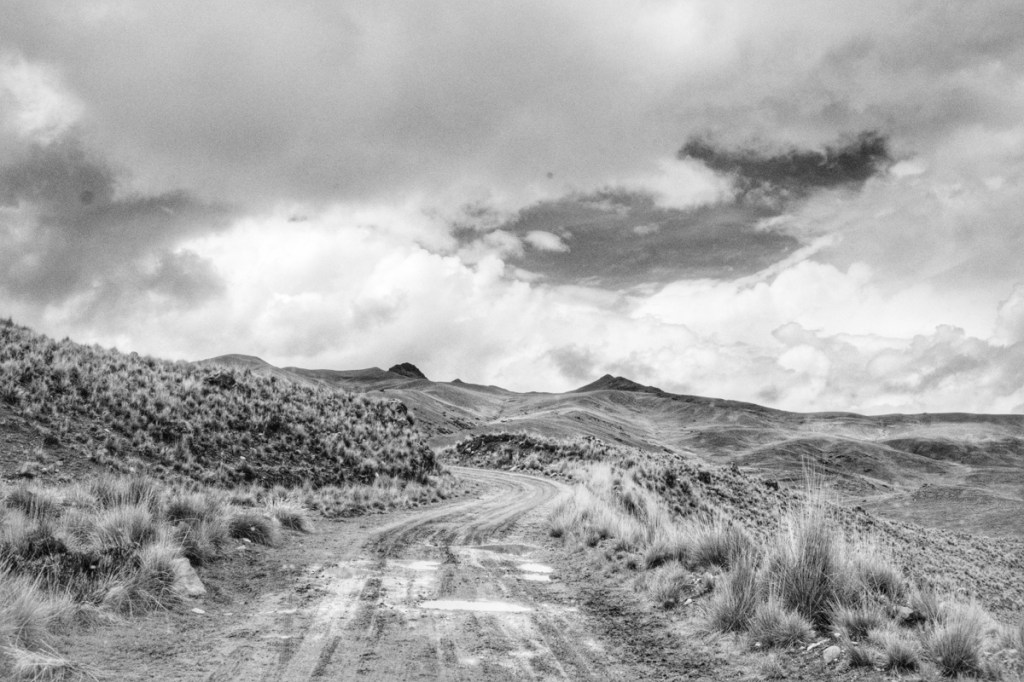
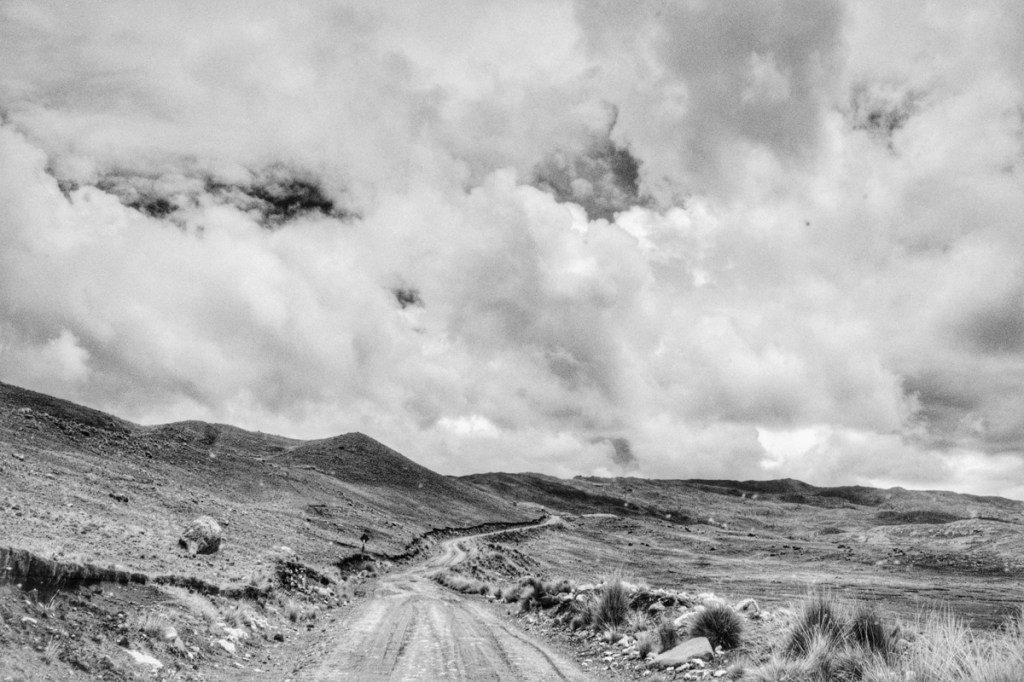
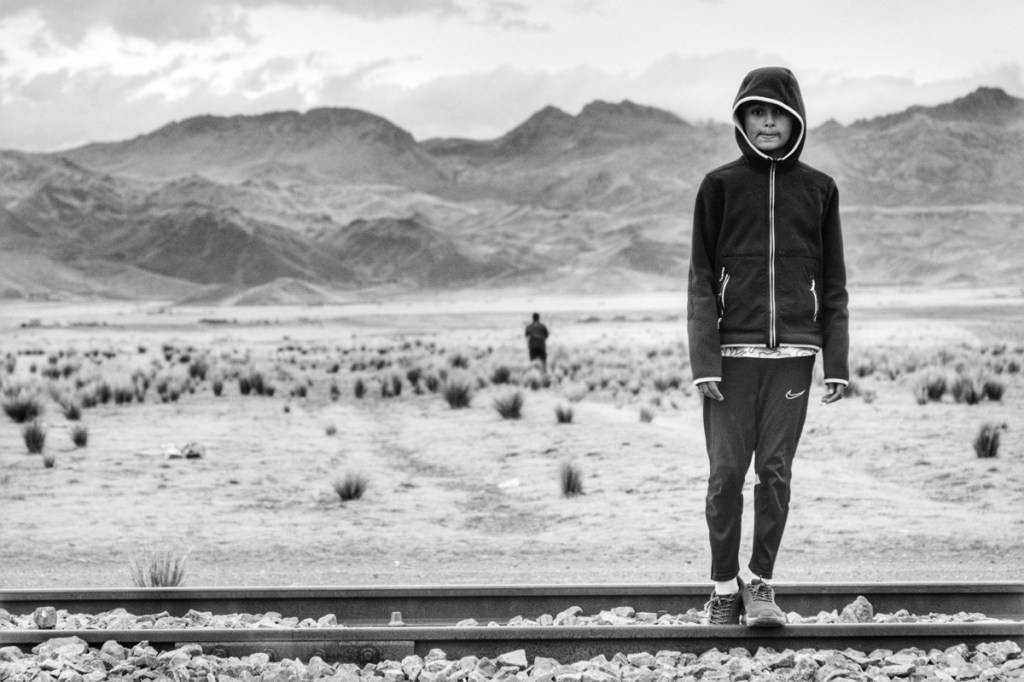
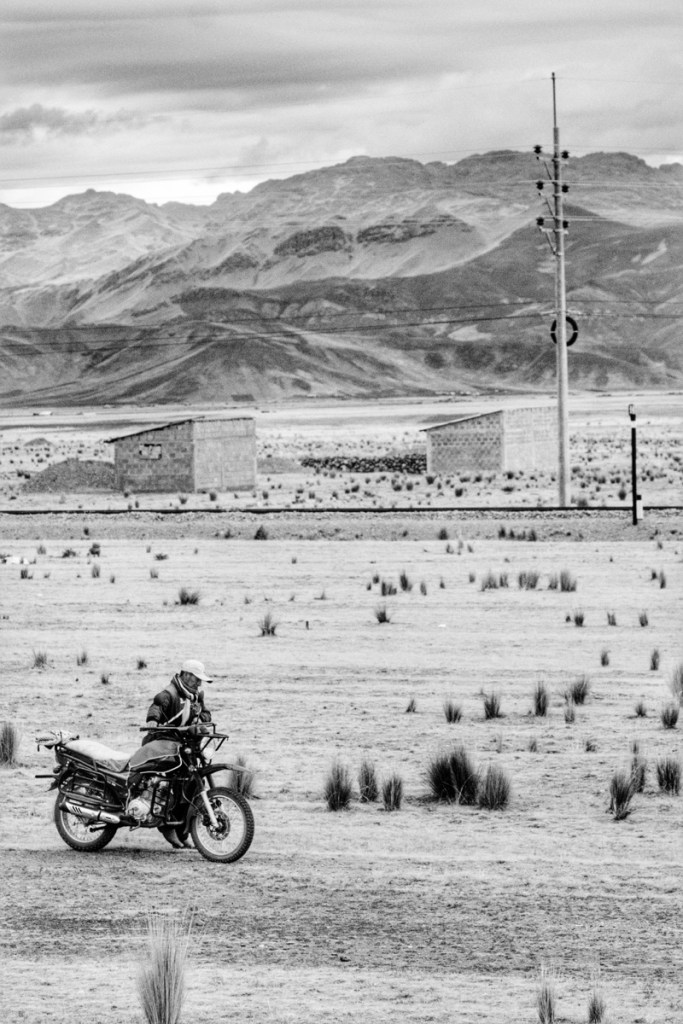
Soon we leave the main road and head towards the mountains, on a bumpy dirt road.
The driver has never taken this road and stops to ask his way to villagers. After 6 hours, by nightfall, we reach Accha where we stop to have diner. At 2am, the estimated 12 hours are over as we reach Livitaca. We’ve barely covered a fourth of the distance that separates Cusco from Juliaca.
At this point I replace Antoine as the copilot. By chance, Antoine has an offline map of Peru on his phone, because there aren’t any villagers left to ask. Henry is happy to have someone who understands a tiny bit of spanish, to chat and stay awake.
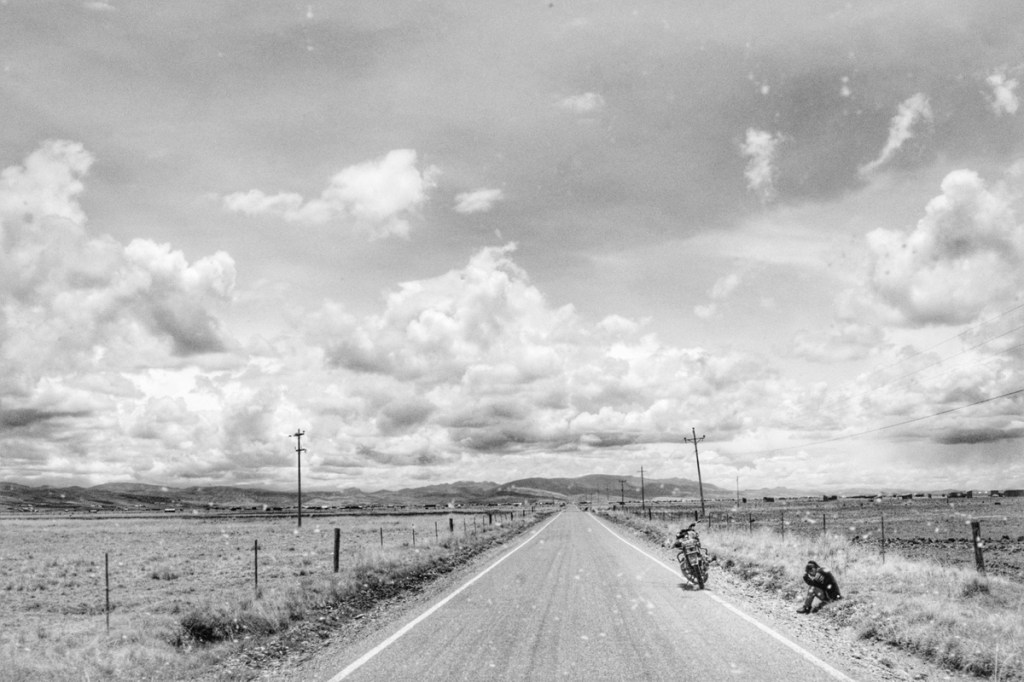
Around 4am, our driver is exhausted and we stop on the side of the road for a nap. I suggest I could drive, but he can’t take the risk and would rather sleep for a bit in the still car.
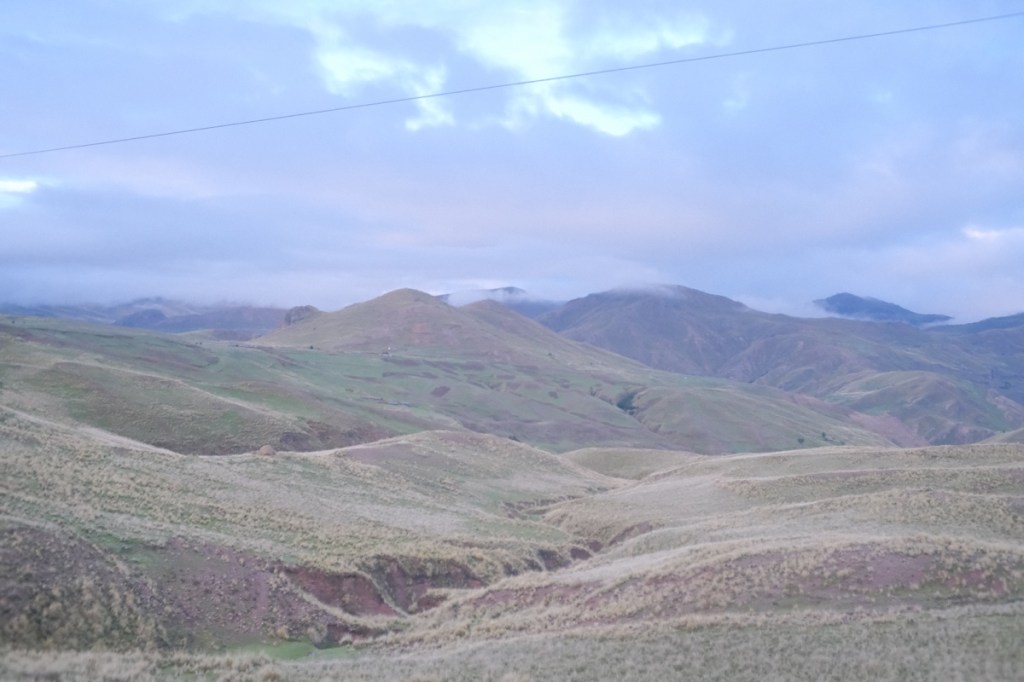
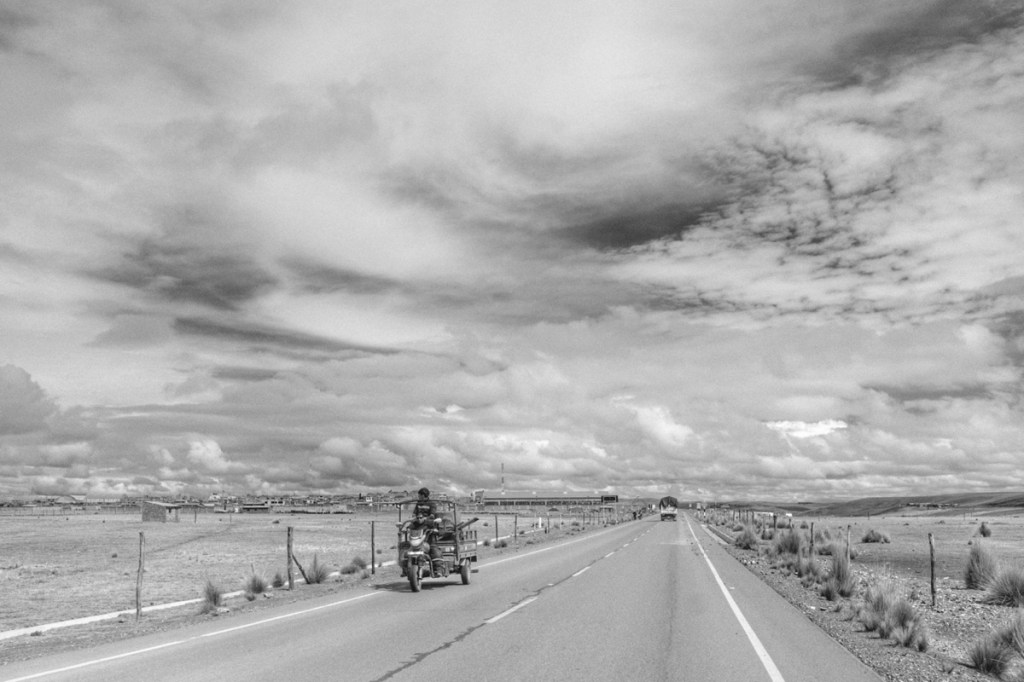
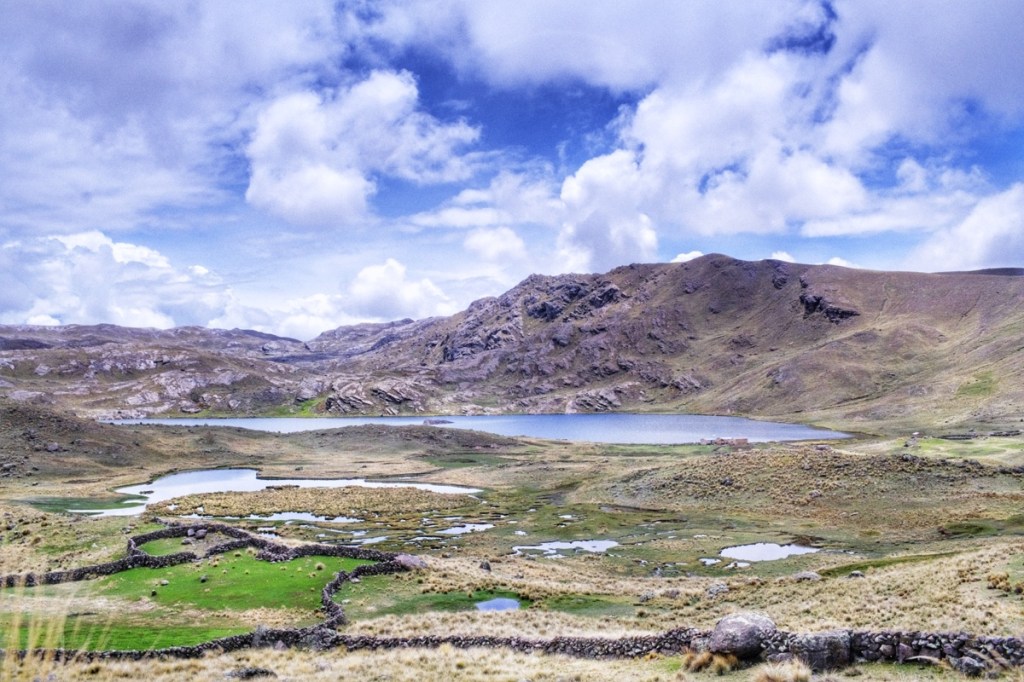
We start an hour later, and slowly the sun rises on the mountains. We reach Quehue, Checca, El Descanso, Espinar. We’re on a plateau so the road is a bit more smooth.
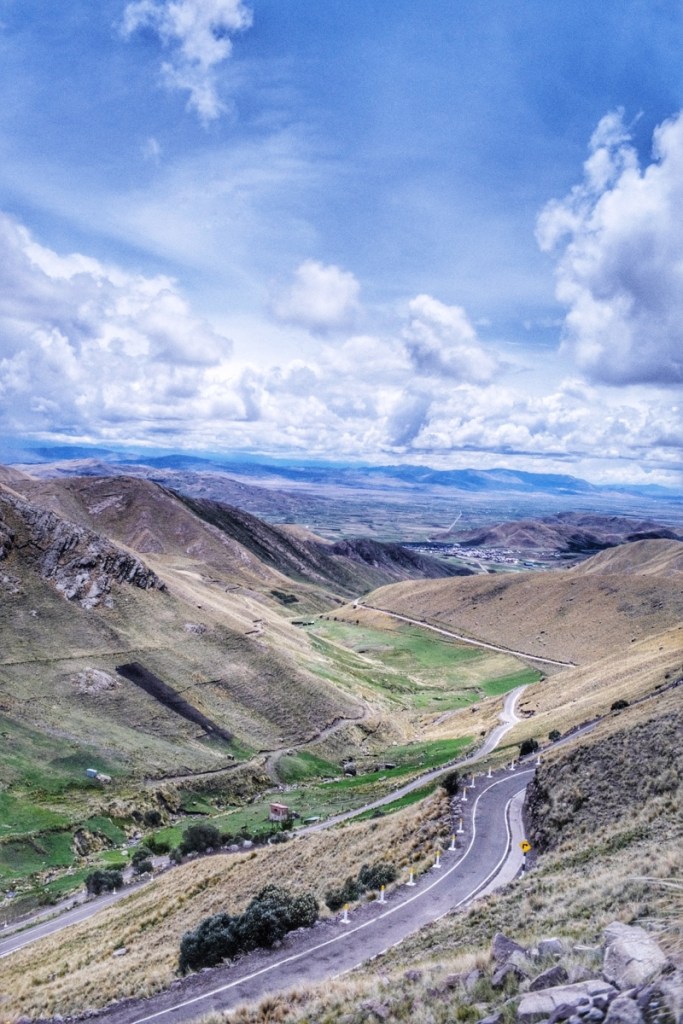
We’re nearing Llali when someone tells us the road ahead is blocked and we must return and make a detour via Macari. Macari is higher up and again it’s a lot of switch backs.
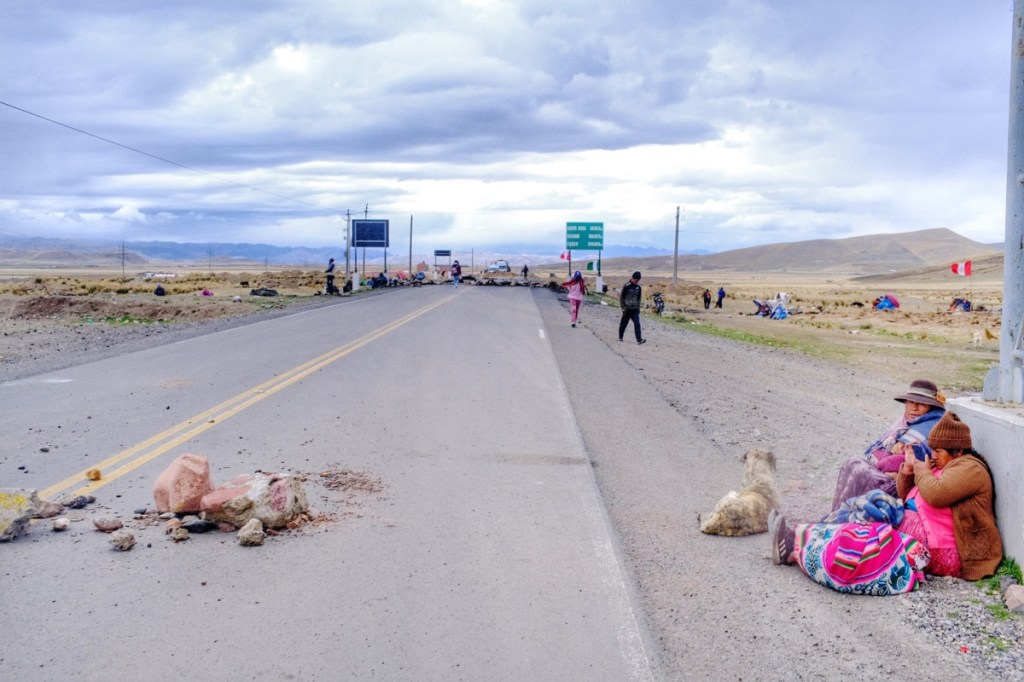
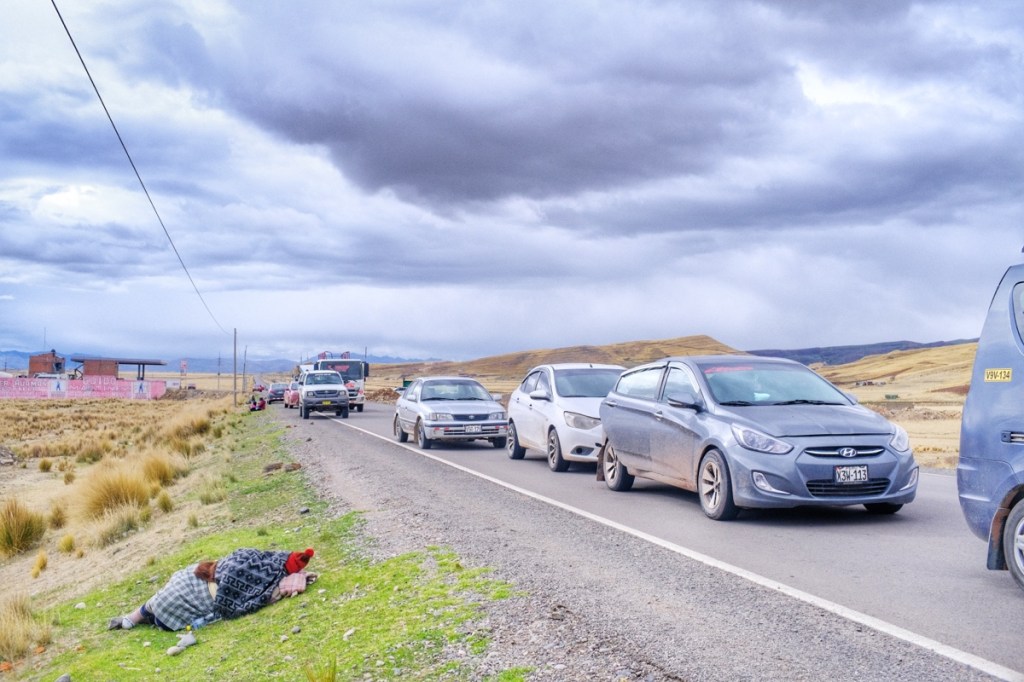
In spite of the detour, we’re stopped at noon by a road block at the entrance of Ayaviri, some 2 hours away from Juliaca. They say the protesters should leave and open the barricade around 6pm.
We leave the car and walk to Ayaviri to have lunch, then return to the car to catch some sleep. In the afternoon, Leo suggests we all play Uno to kill time.
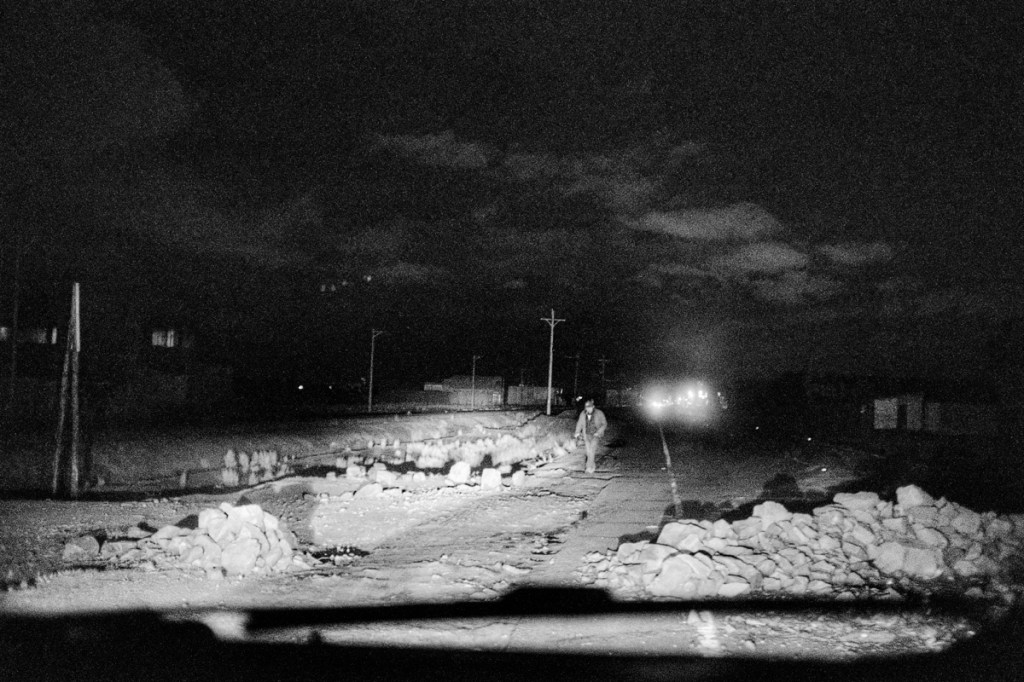
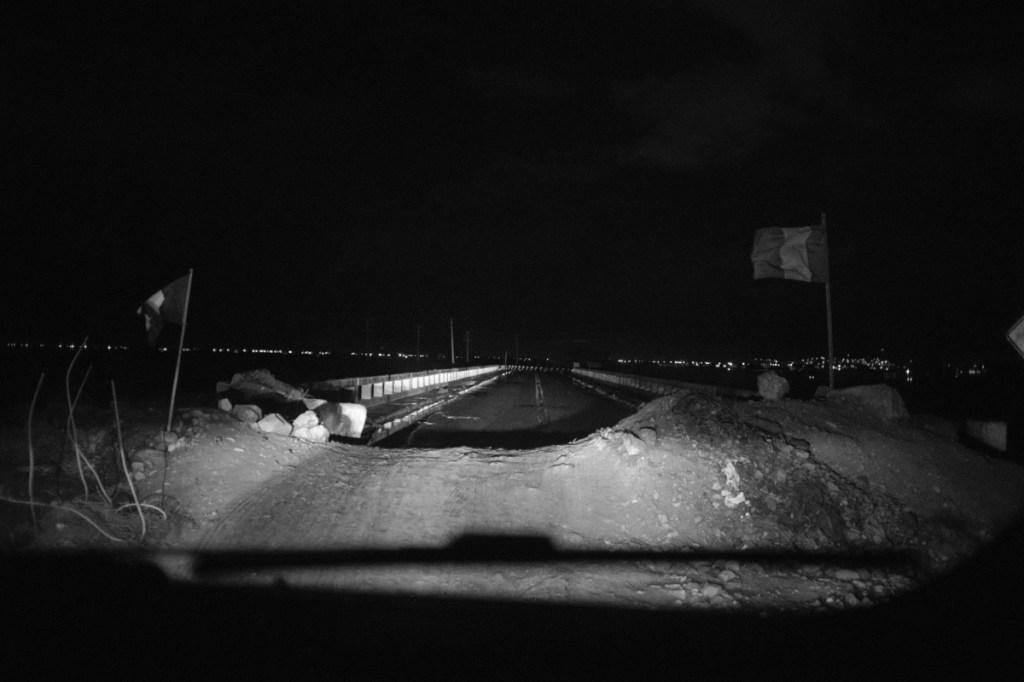
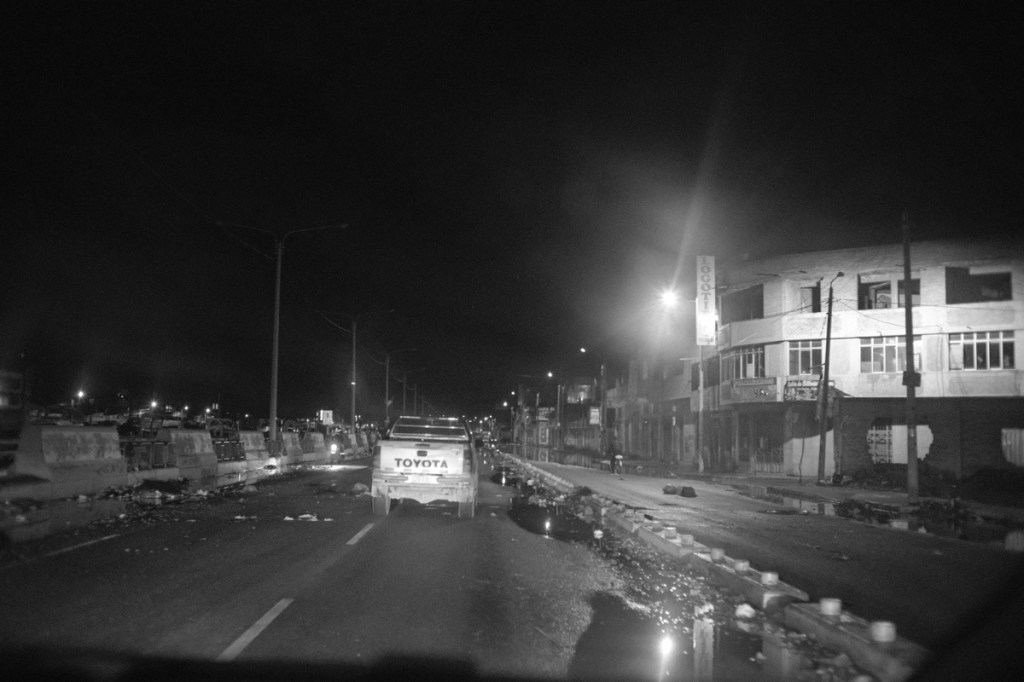
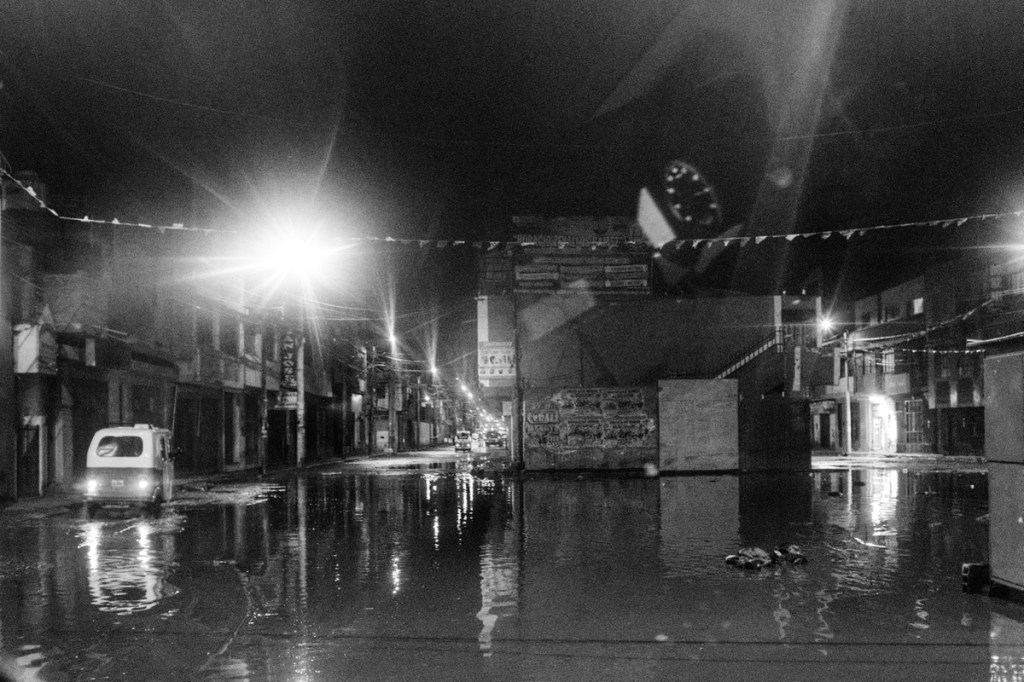
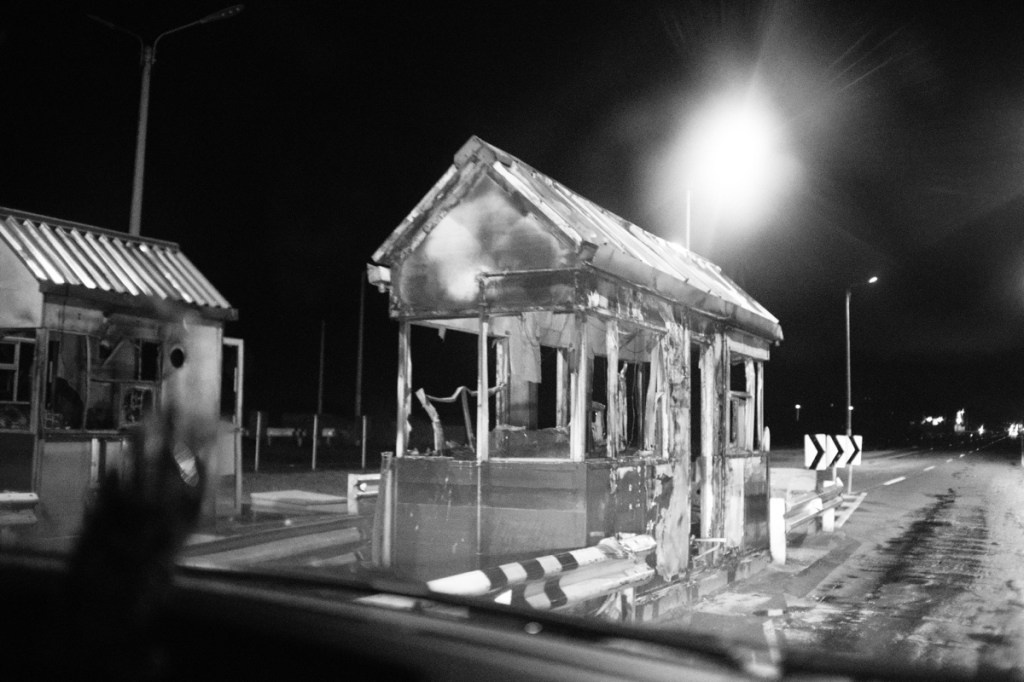
Around 7pm, the barricade opens and we can finally move forward. It is followed by many other deserted road blocks. We reach Juliaca in the night and it looks like a war zone, with rocks all over the road. It’s quite dangerous as we‘re blinded by the lights of the cars coming towards us and we see the rocks at the last minute.
We had paid for a trip to Juliaca only, but the driver accepted an extra charge to take us all the way to Puno. We all accepted as we had no other option and nowhere to go.
Around midnight, some 34 hours after leaving Cusco, we finally reached Puno, exhausted. Henry, the driver was told that the strike would be stronger the next day and everything would be blocked. He barely had the time to take another nap and return alone in the night towards Cusco before the protesters wake up!
We stop in a hotel and finally get some real sleep. But Puno is not the end of the road for us either, we still need to find a way to the Bolivian border, and the protests in this region are much stronger than in Cusco. The roads to the border are blocked, and the port as well. The bus terminal is completely shut and no boat is leaving to Kasani.
A lady intercepts us near the harbour, and in a low secretive voice, tells us she can help us get to the border. She’ll meet us at our hotel to explain the details. We’re suspicious but we might as well hear what she has to say.
She comes as promised and explains that there are daily reunions with the police, the port director and migration officials to decide whether or not they can open the port. She’s negotiating with them and will let us know in the evening.
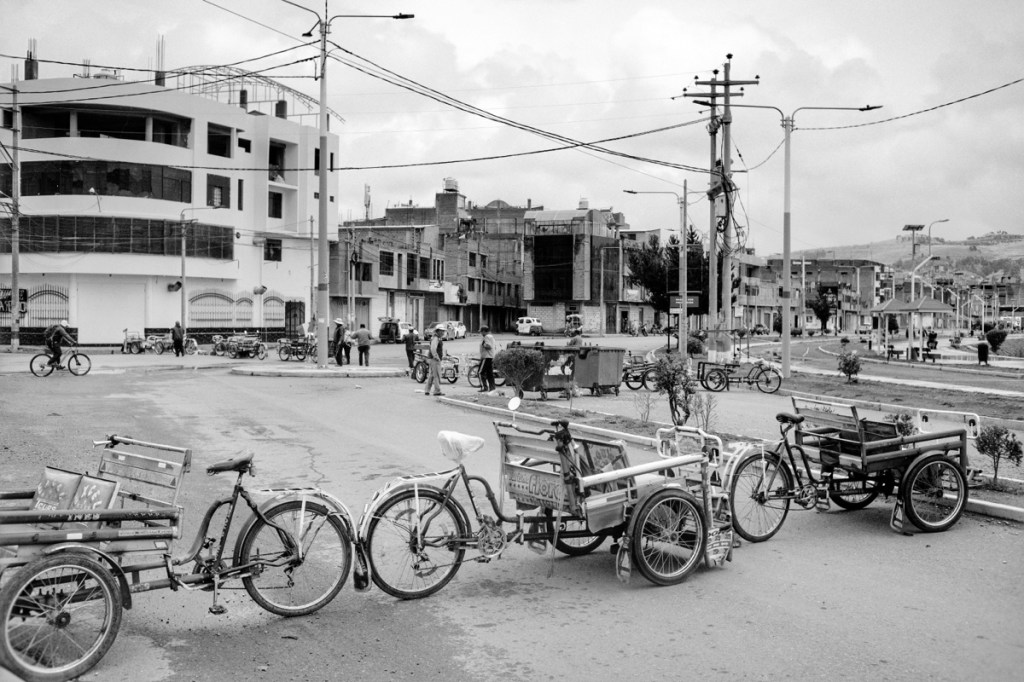
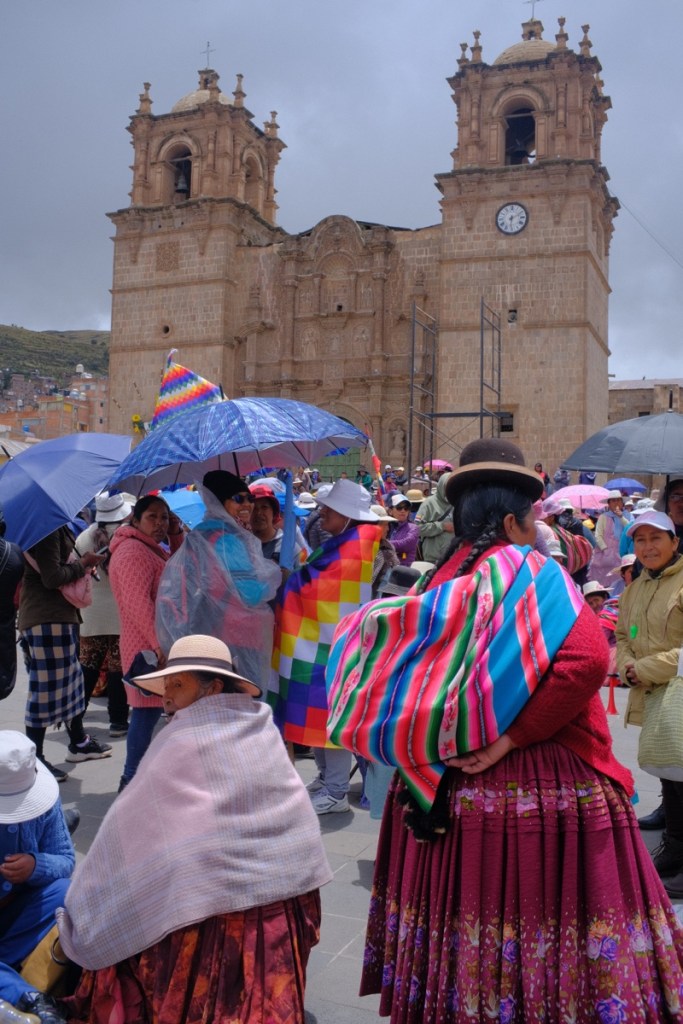
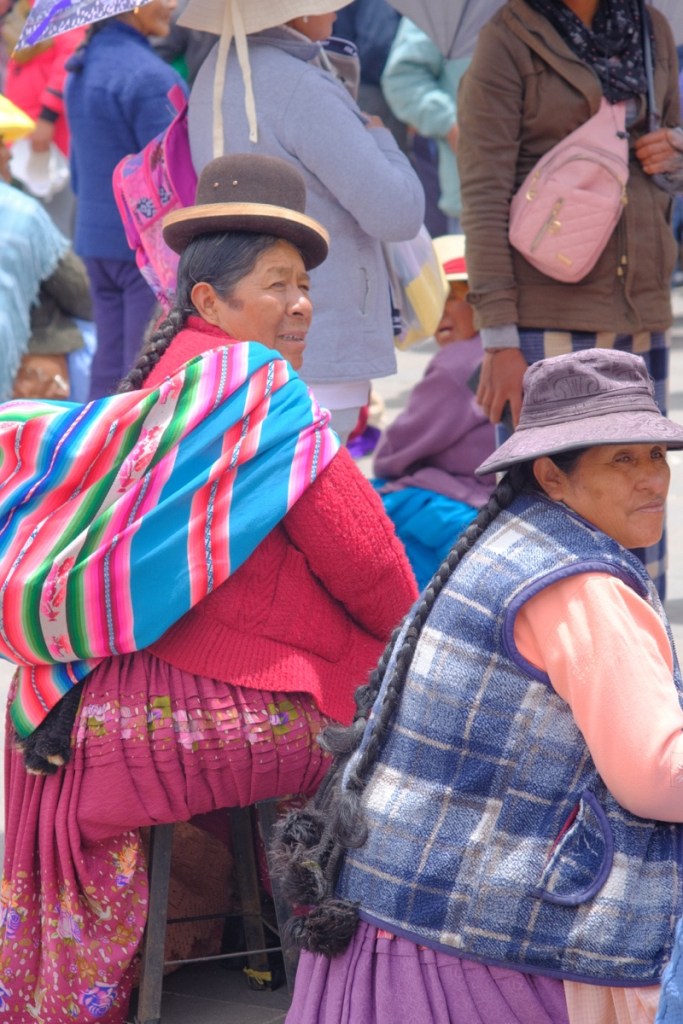
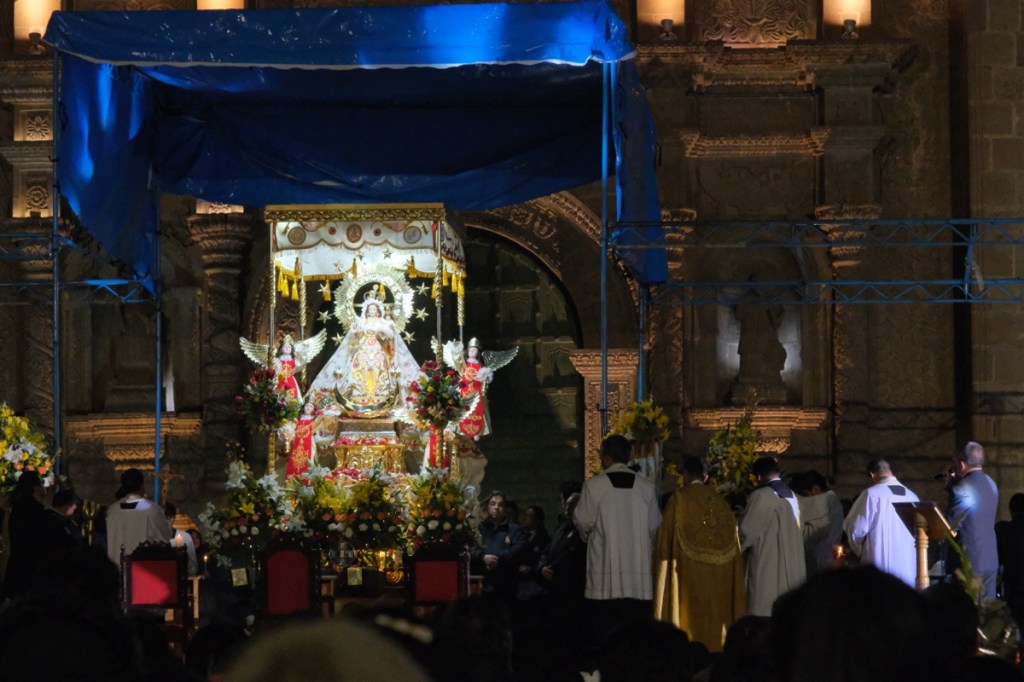
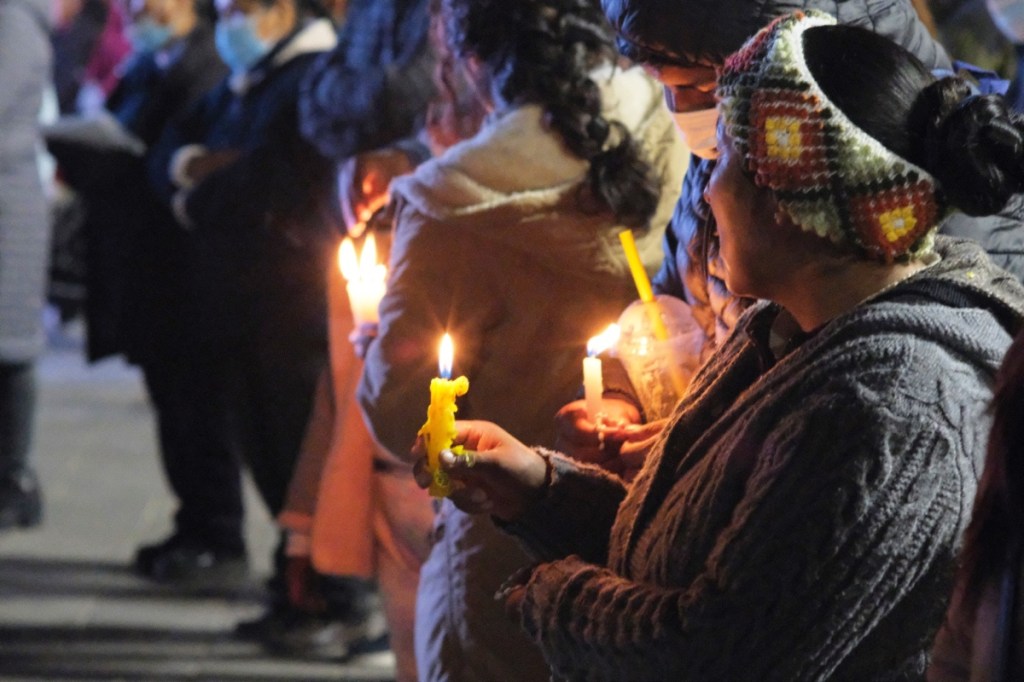
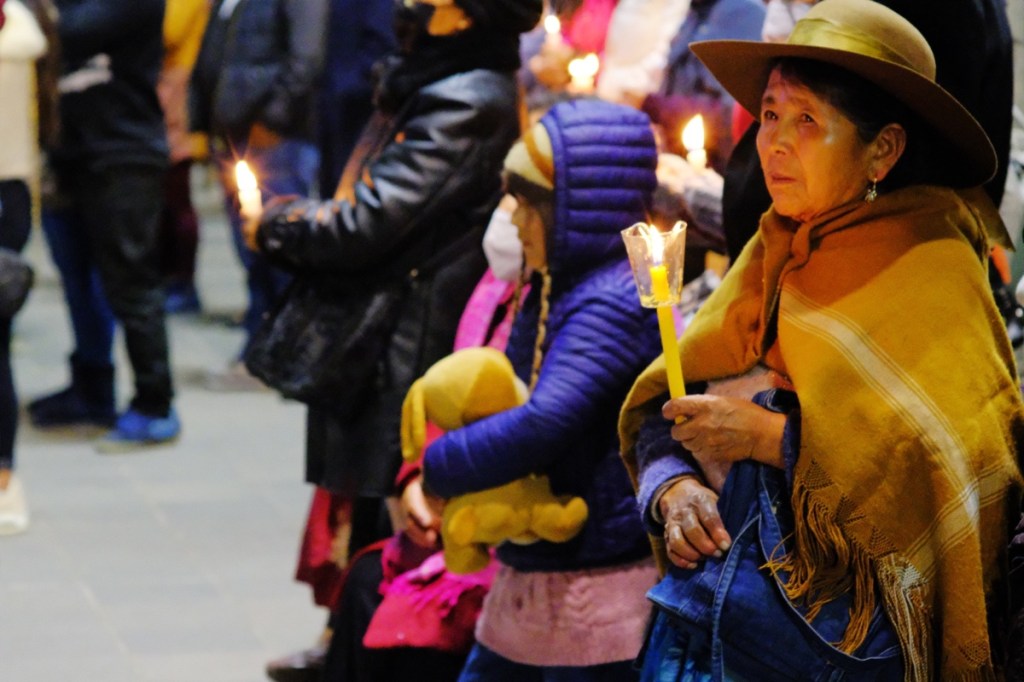
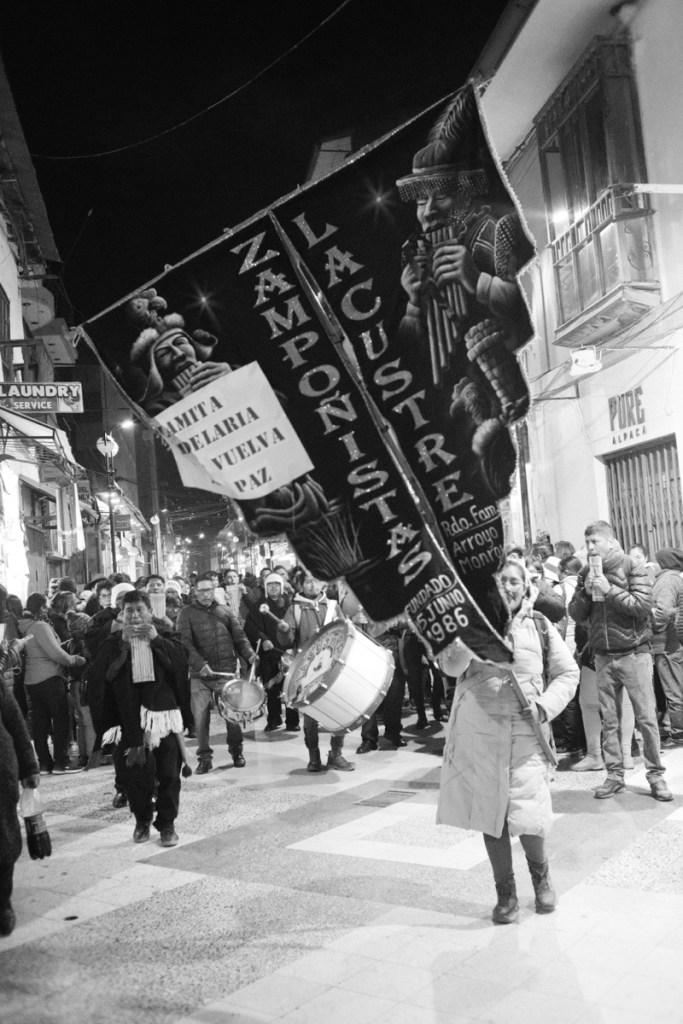
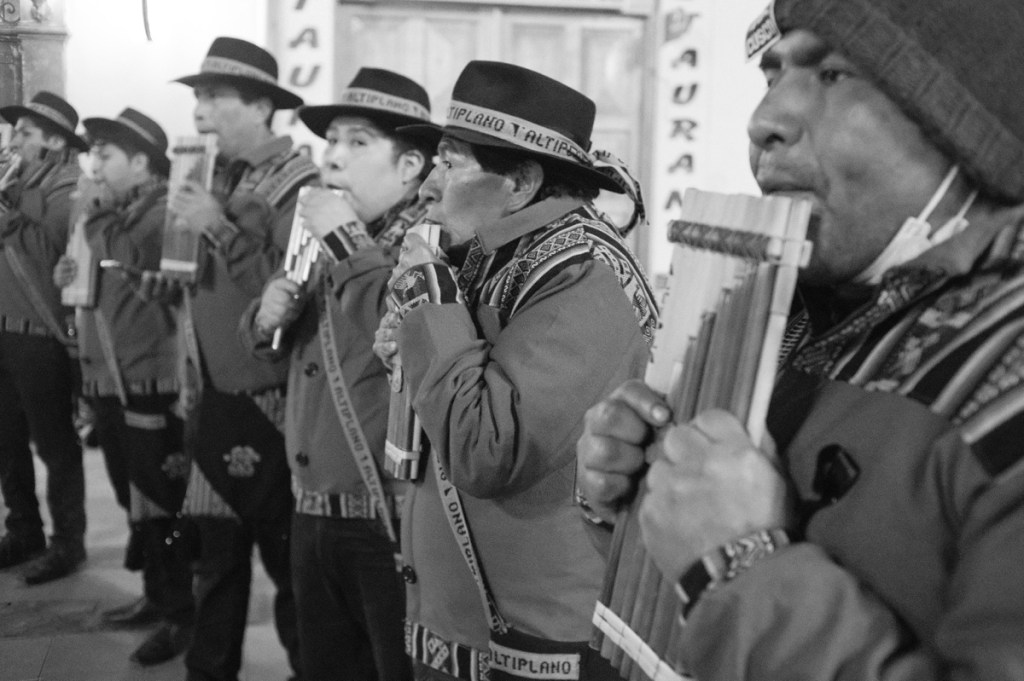
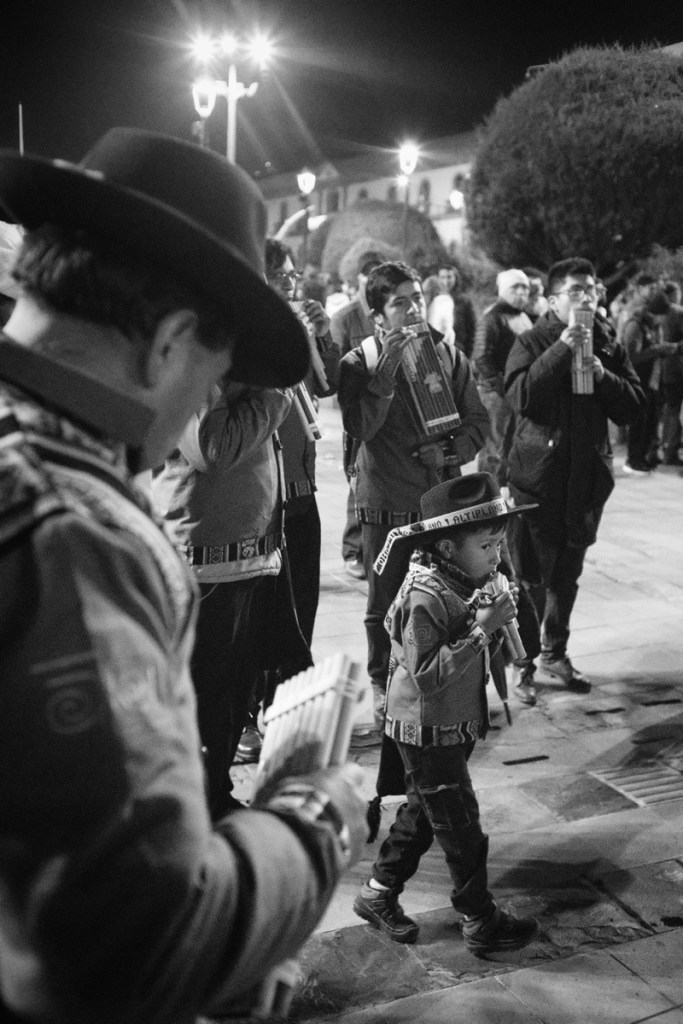
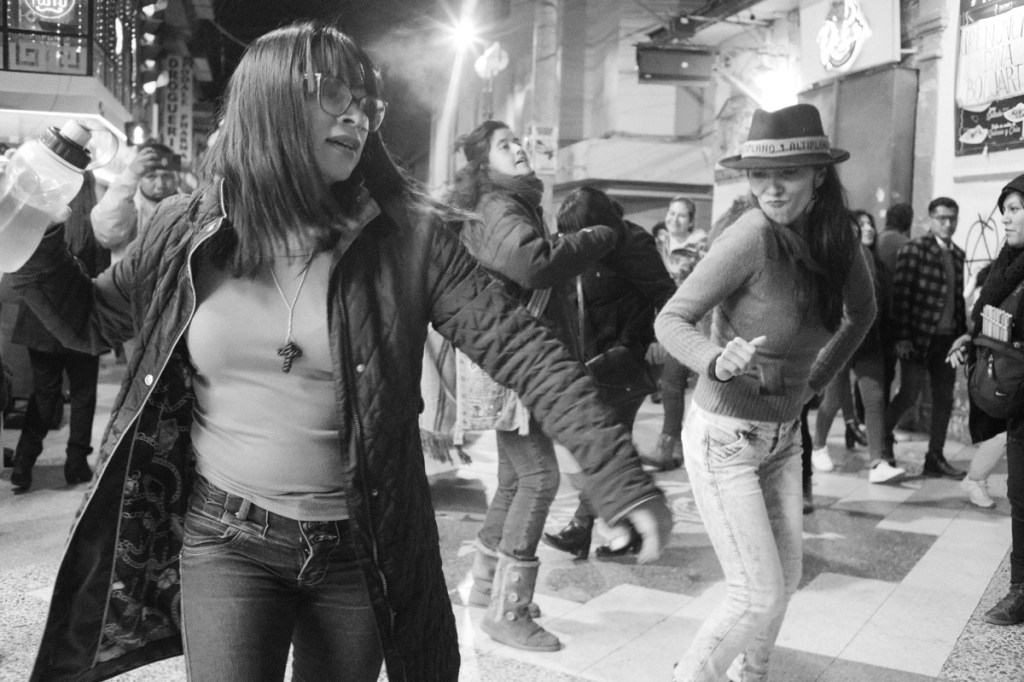
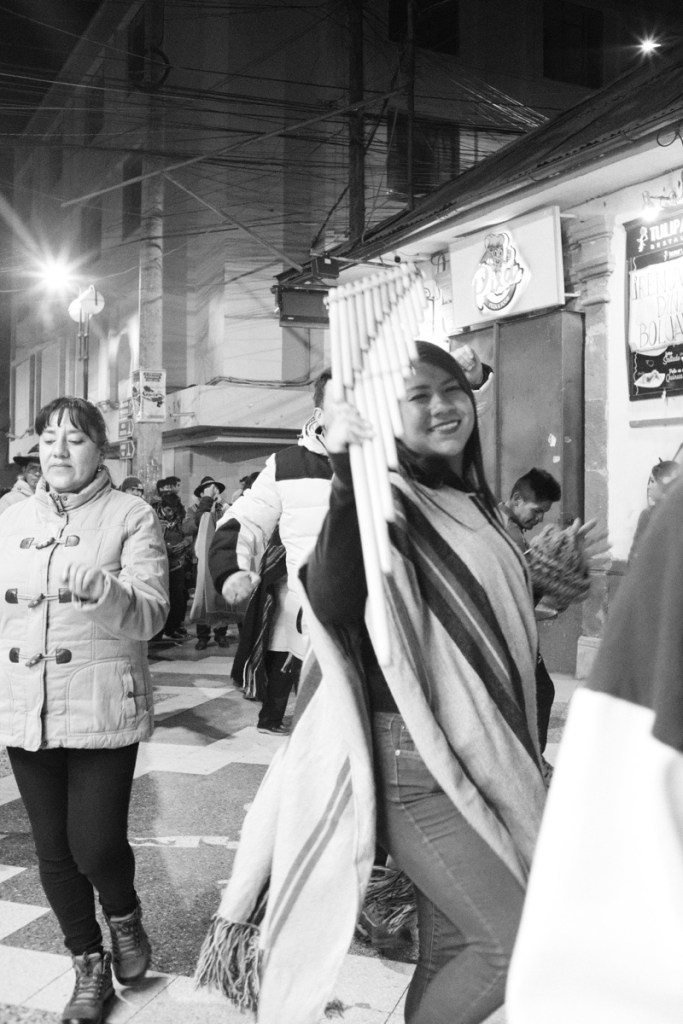
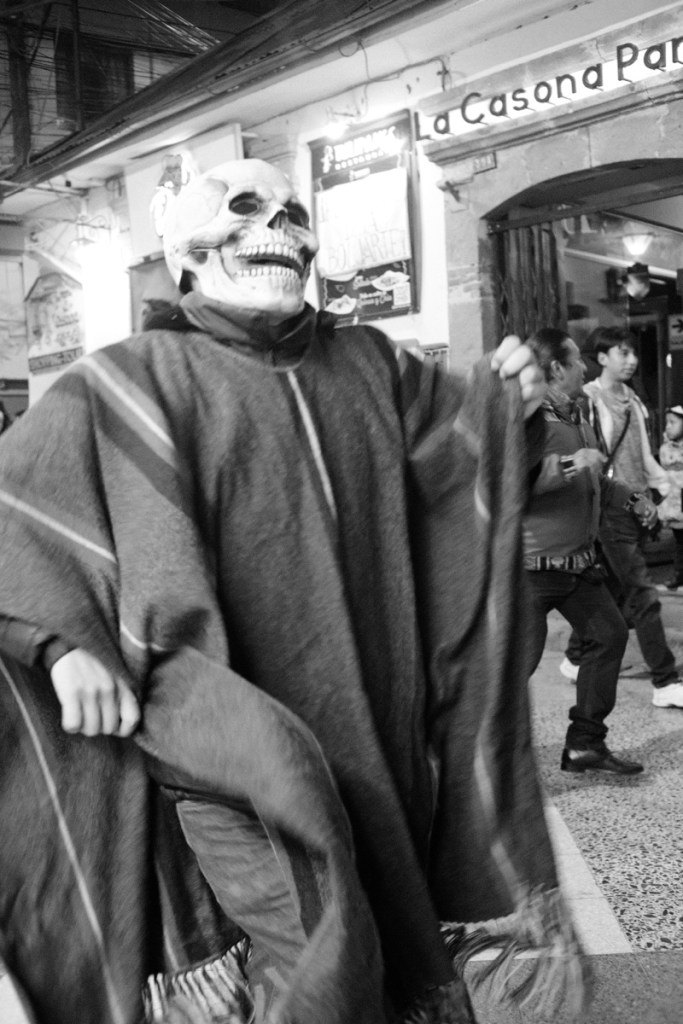
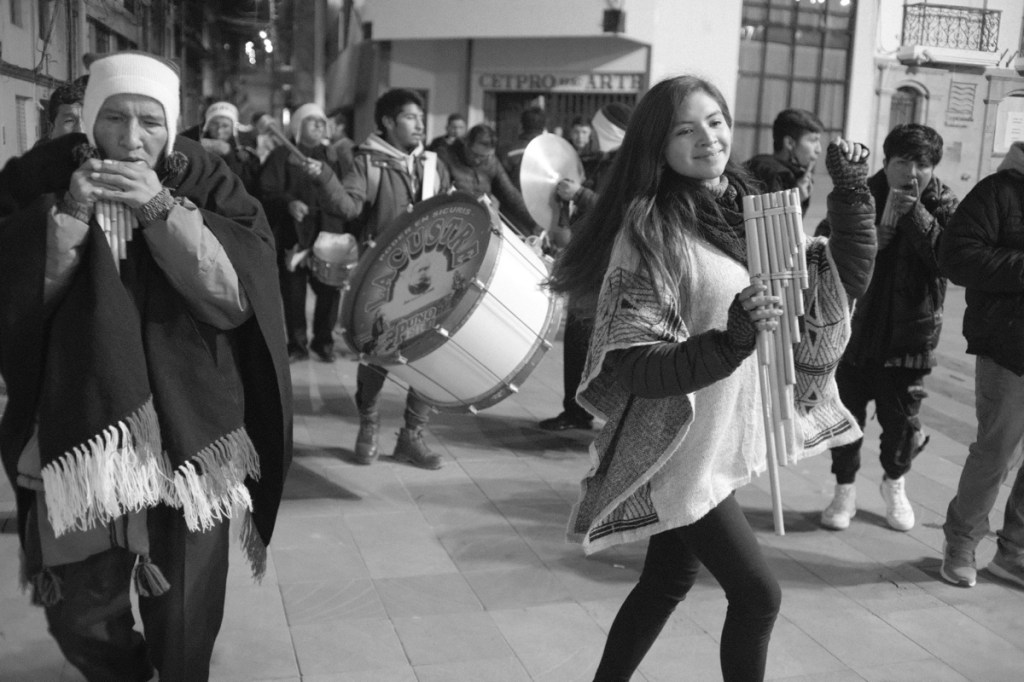
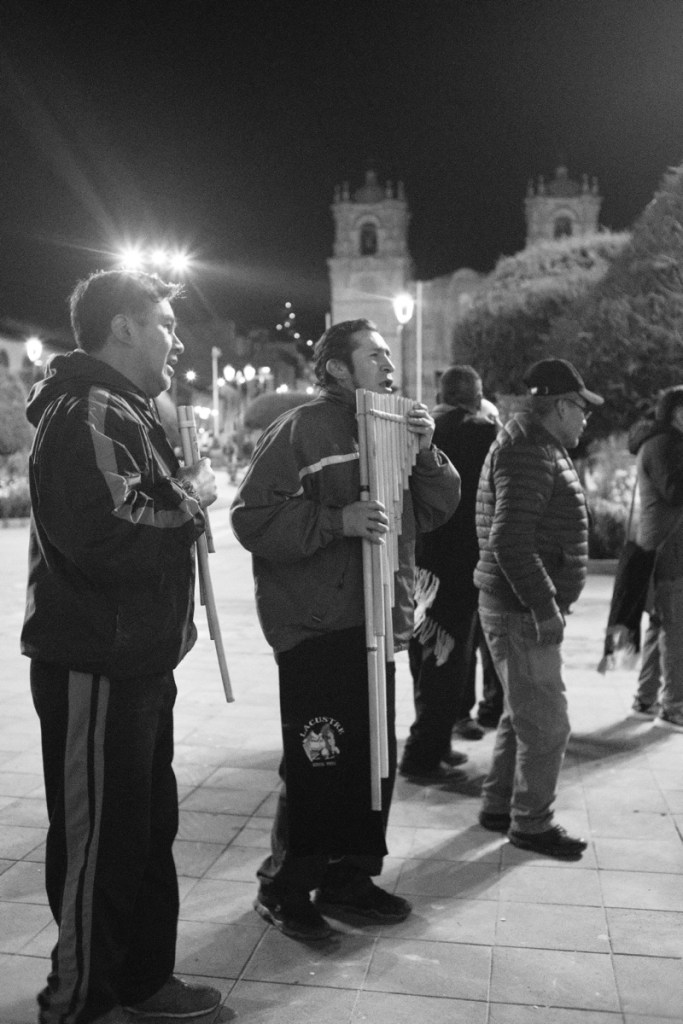
It’s February 1st, and the beginning of Puno’s grand festival of the Candelaria. Normally the festival is extremely colourful and gathers musicians from all over the country. This year, it’s very low key and rather sad because of the political context, but we still see some local marching bands playing drums and flutes in the streets.
In the evening, the news are not great. The negotiations did not turn in our favor, but nonetheless, we’re told to be ready by 5am, we’ll try an escape by another port.
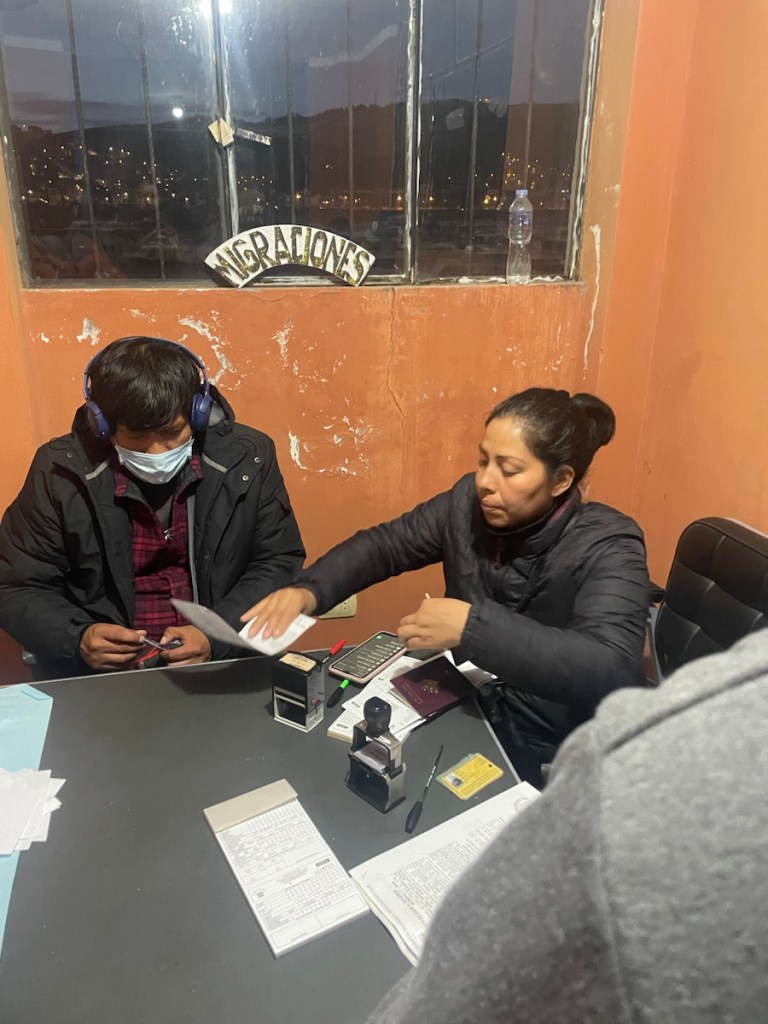
At 5am they come to pick us up, we stop at the harbour to get our passport stamped. But the migration officer tells us he’ll stamp our passport at our own risk; there’s little chance we manage to actually leave today, in which case we’ll be illegal in Peru and maybe won’t be able to enter the next country. We step back. Our guide is again negotiating in the next house. Eventually our escape is aborted and we must return to the hotel.
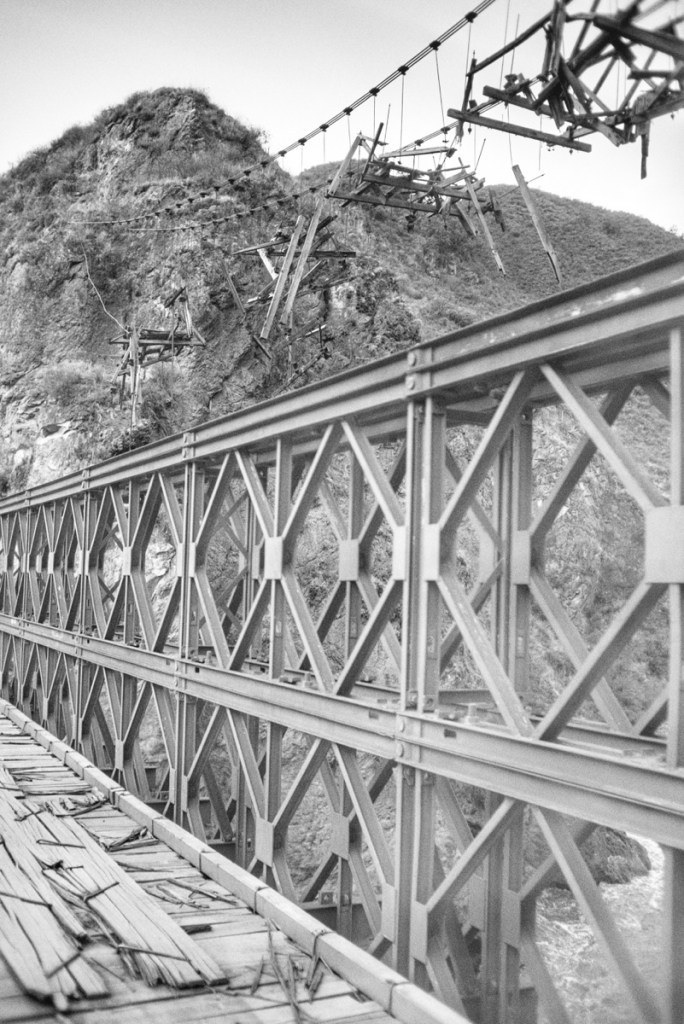
We’re dissuaded to leave by road in the night, the bridge of Llave that leads to Kasani is shut by the protesters and they’re particularly aggressive. It’s not safe.
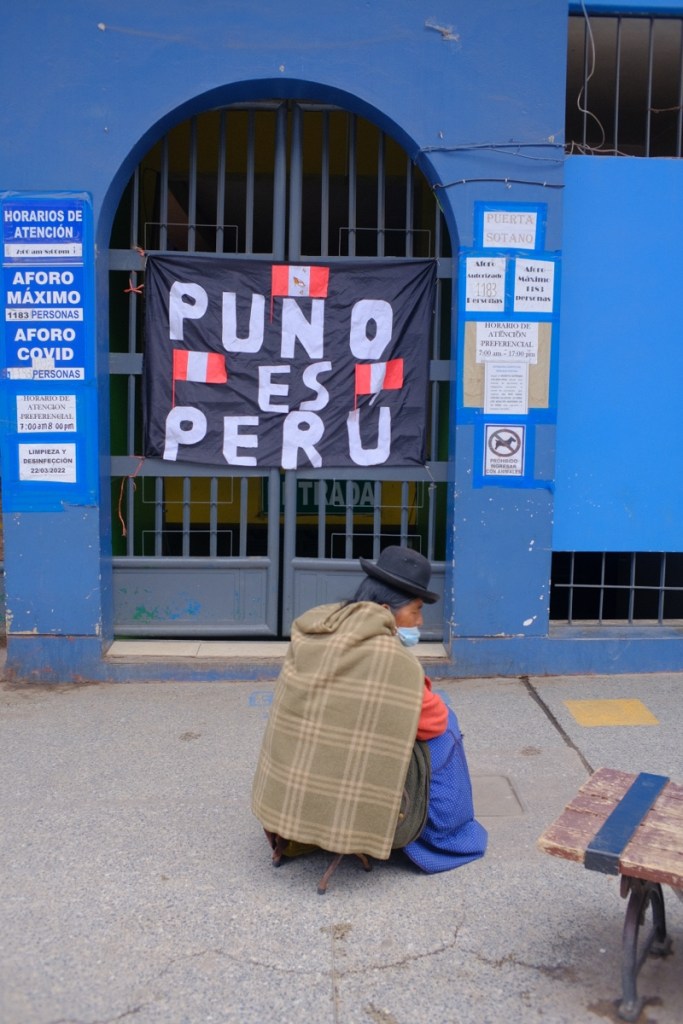
The girl at the hotel explains to us that, back in the 90’s, when Peru’s economy was very low, the government allowed foreign companies to come exploit the country’s resources at a low fee, with a 30 years renewable lease. The south of Peru is rich with minerals such as copper and lithium. For the past 30 years the region has been depleted of its resources without any benefit for the locals. They demand a change in the constitution so these leases cannot be renewed and foreign companies to pay for what they take. From here we can easily imagine the foreign economic and political pressure, and the corruption behind all this.
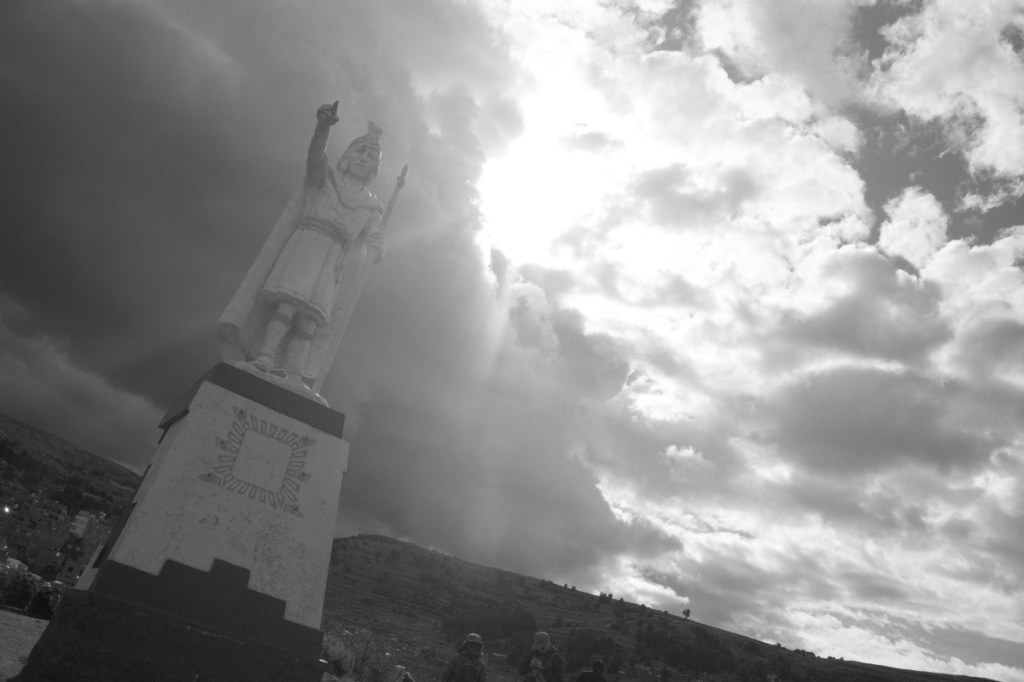
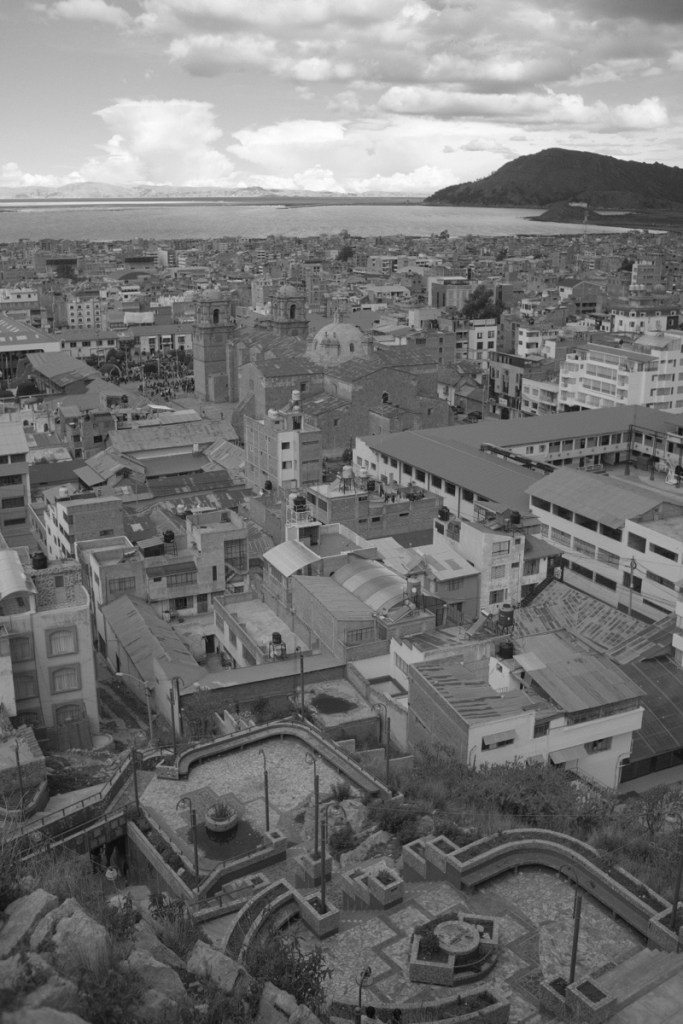
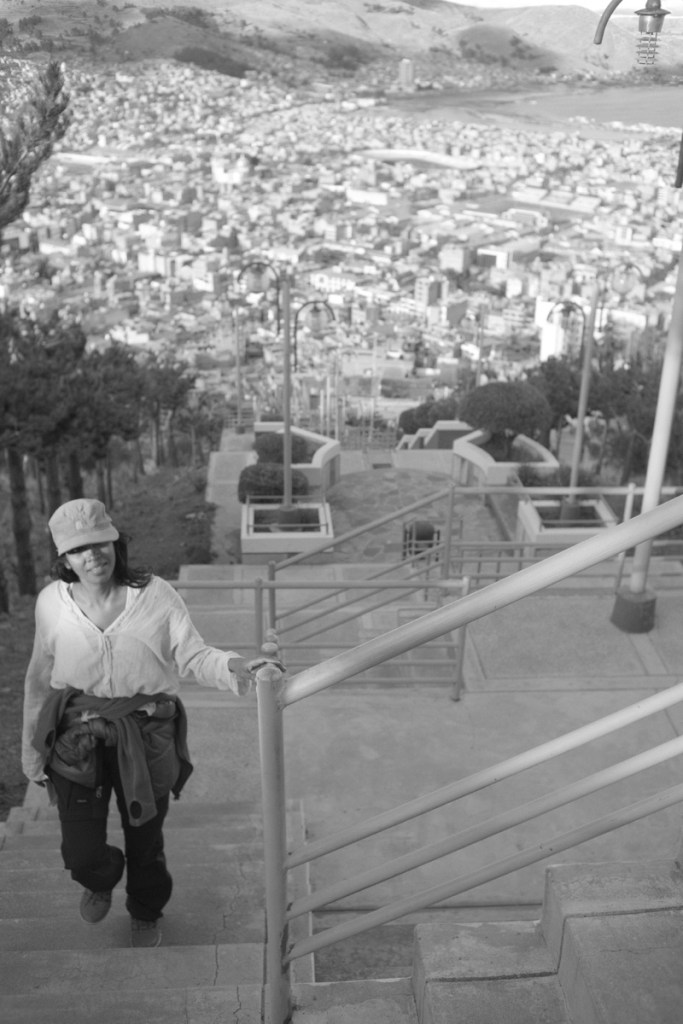
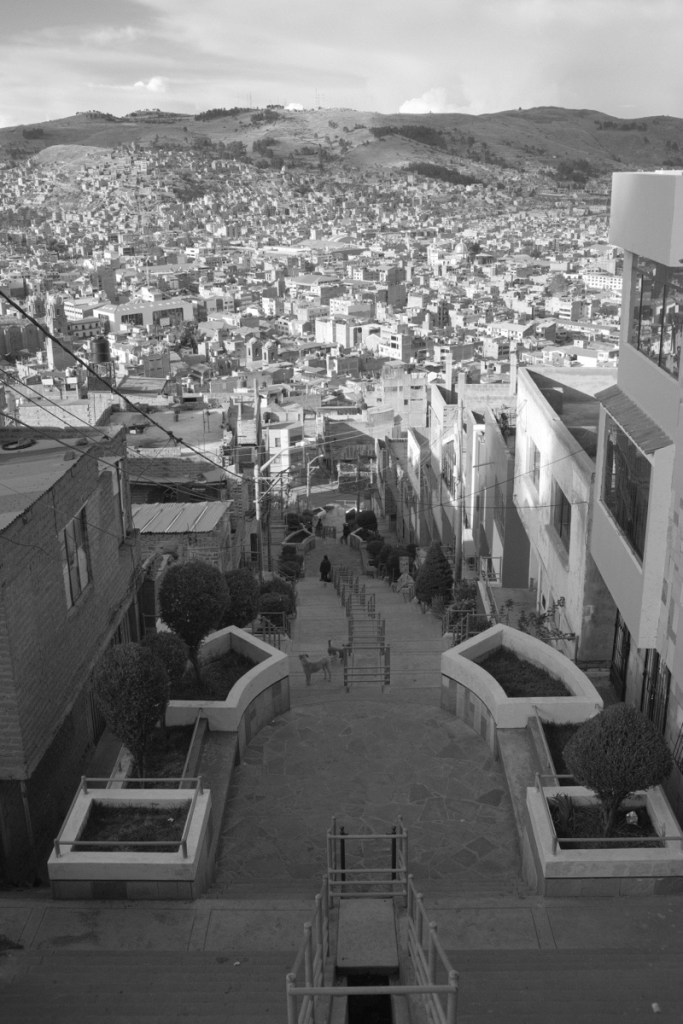
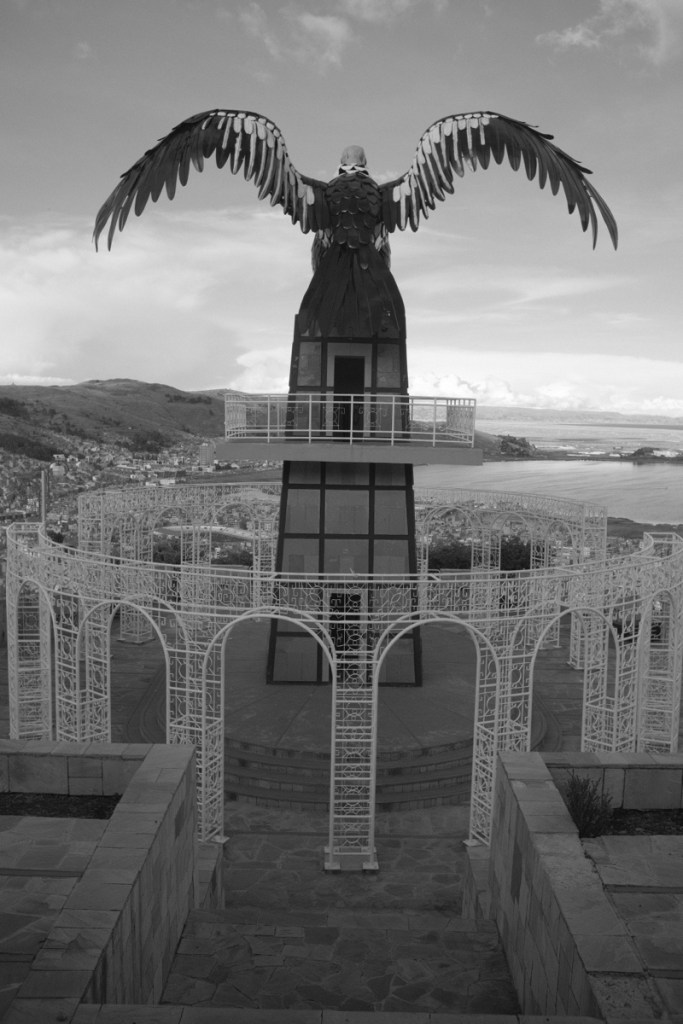
In the afternoon we walk up to the Inca statue and higher up to the great condor overlooking the city, from where we have a great view on the lake.
When we return to the hotel, we’re told to quickly go to the migration office, the port should open tomorrow. « But be very discreet about it, don’t tell anyone you’re going to leave! ». This time there are a few more people getting their stamp and the migration officer accepts to stamp our passport; it’s a good sign, we’ll probably be able to leave. This time we must be ready by 4am.
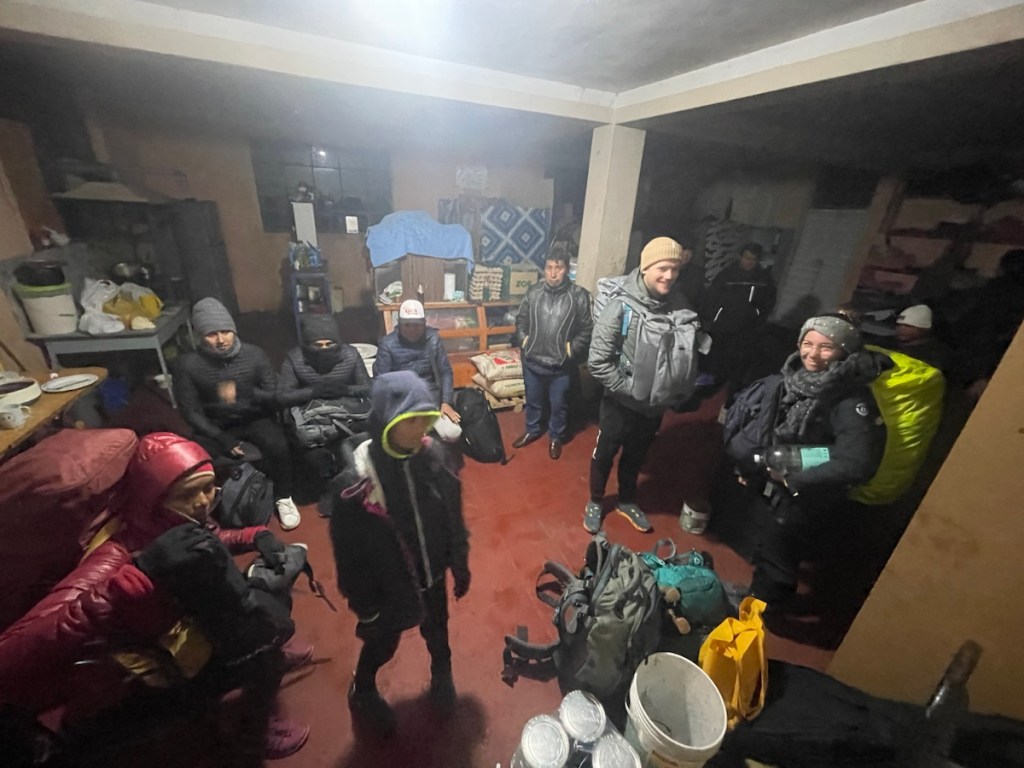
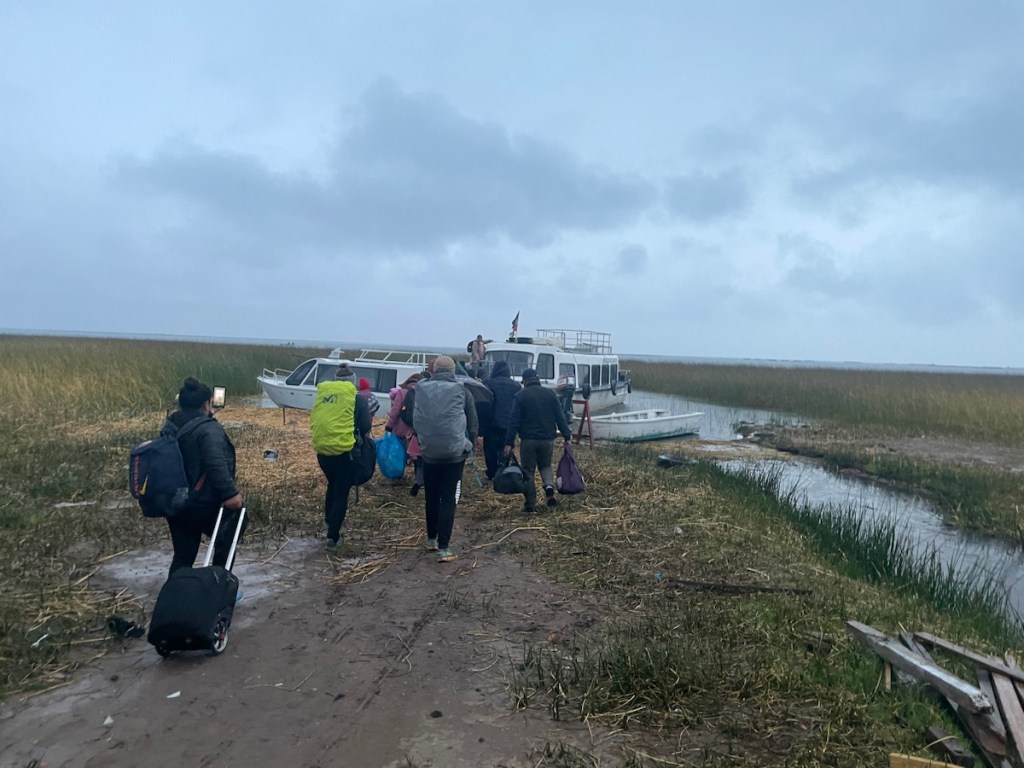
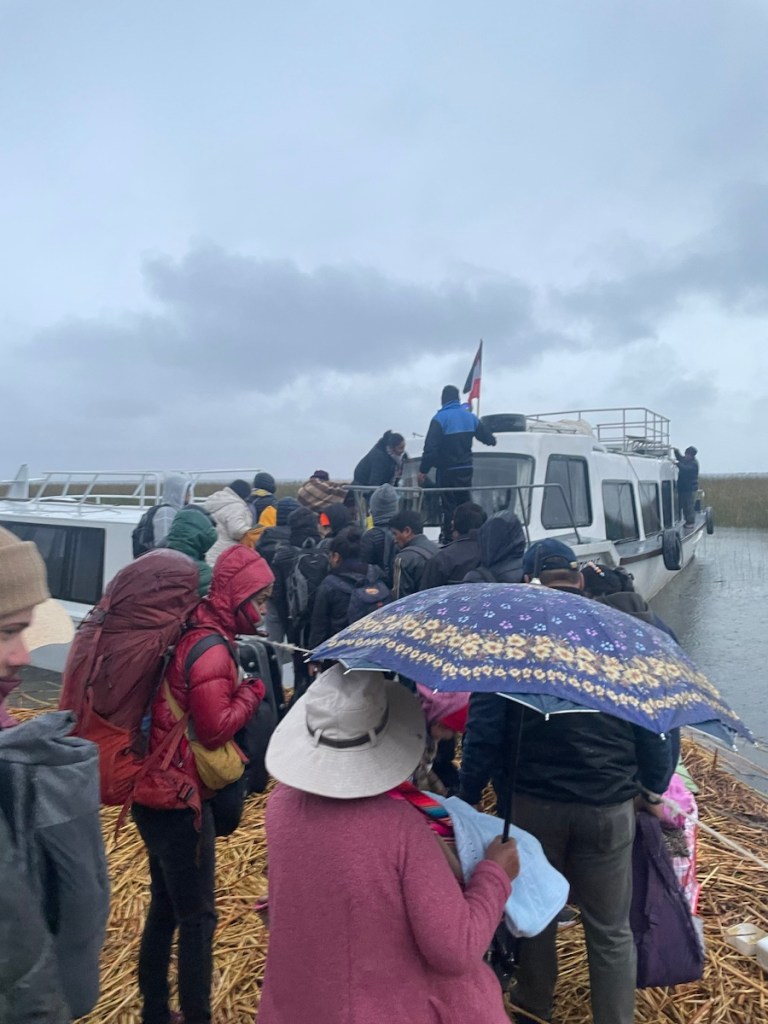
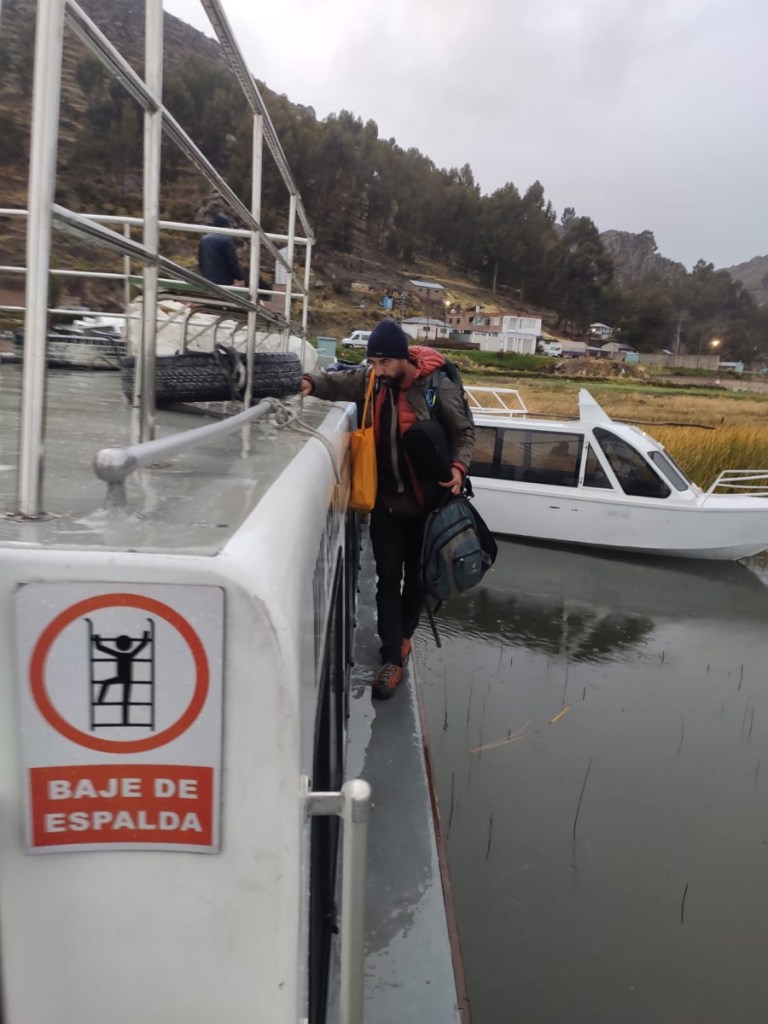
At 4am sharp they come to pick us up. There are more people in the shuttle this time, and we drive a bit further to a smaller port 20 minutes away from Puno. There we’re parked in a building while we wait for our boat. A couple more shuttles bring some more passengers. About 40 in all. The French couple and us are the only tourists. After a half hour our boat is here and we can board, under the rain and the rising sun. It’s not really a harbour, there’s no deck and we must climb into the boat with our heavy backpacks. But we’re really leaving this time!
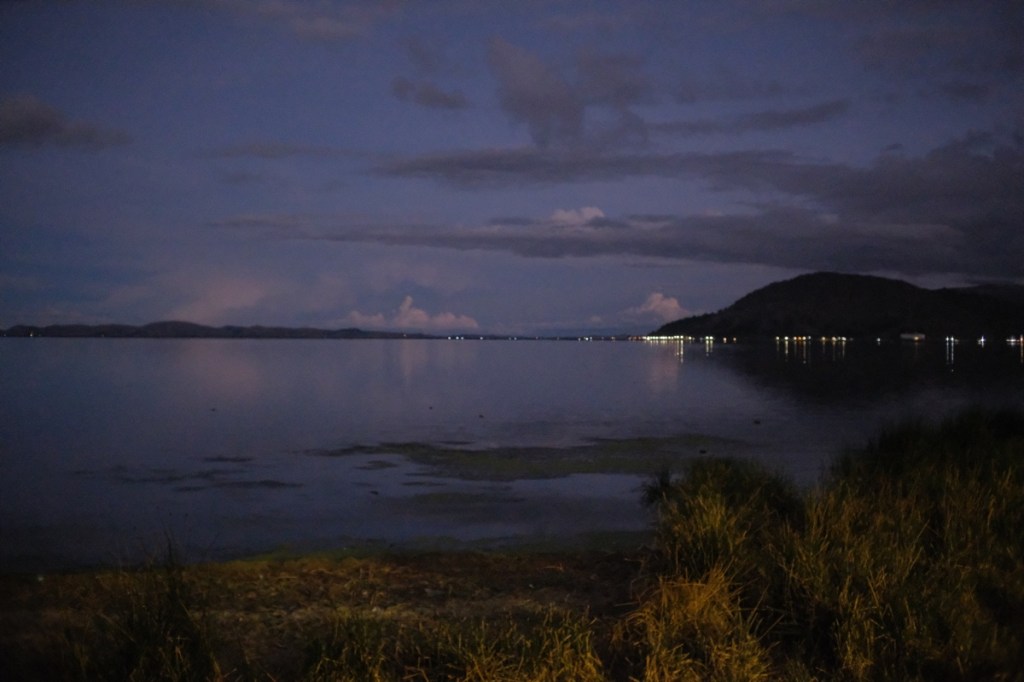
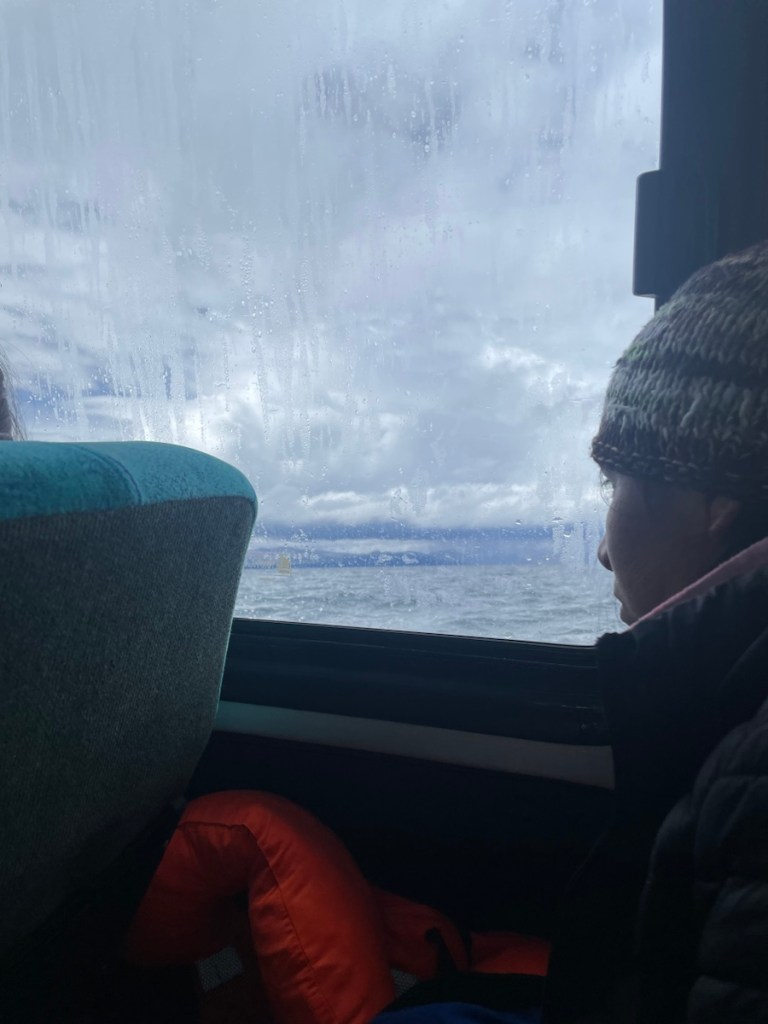
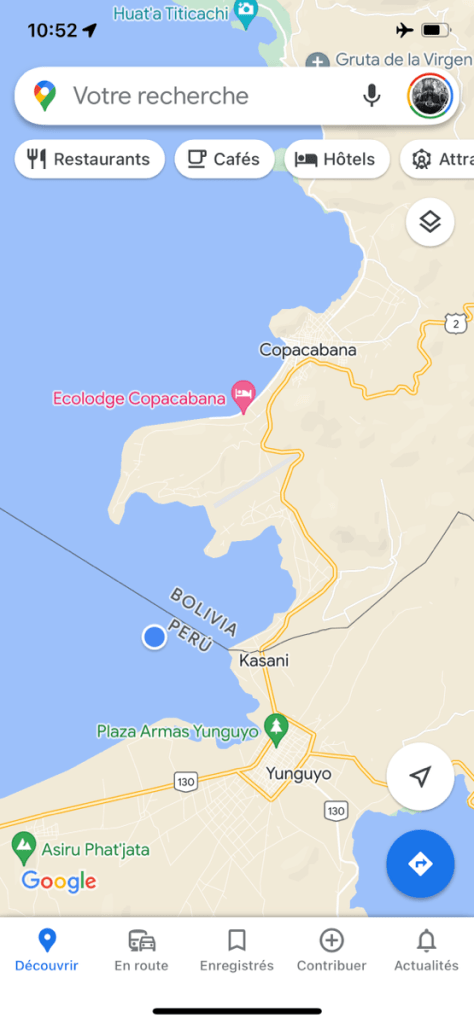
I’m writing these lines in the middle of the lake Titicaca, while the boat takes us to Kasani. 4 more hours before we can cross the border.
… we reached the “port” of Kasani and climbed down the boat, and we found a cab to take us to the Bolivian immigration office and straight to Copacabana (no, not in Brazil!). I was a bit anxious that the immigration officers would bother us with covid test requirements or some such thing but they didn’t ask any question and let us in.
Finally, after a week of trying, we made a successful escape to Bolivia and drank a Pisco Sour to celebrate! 🎉
 Raahi - A traveling family